 YardMate

Common Columbine
Aquilegia vulgaris
Easy · Beginner friendlyAbout Common Columbine
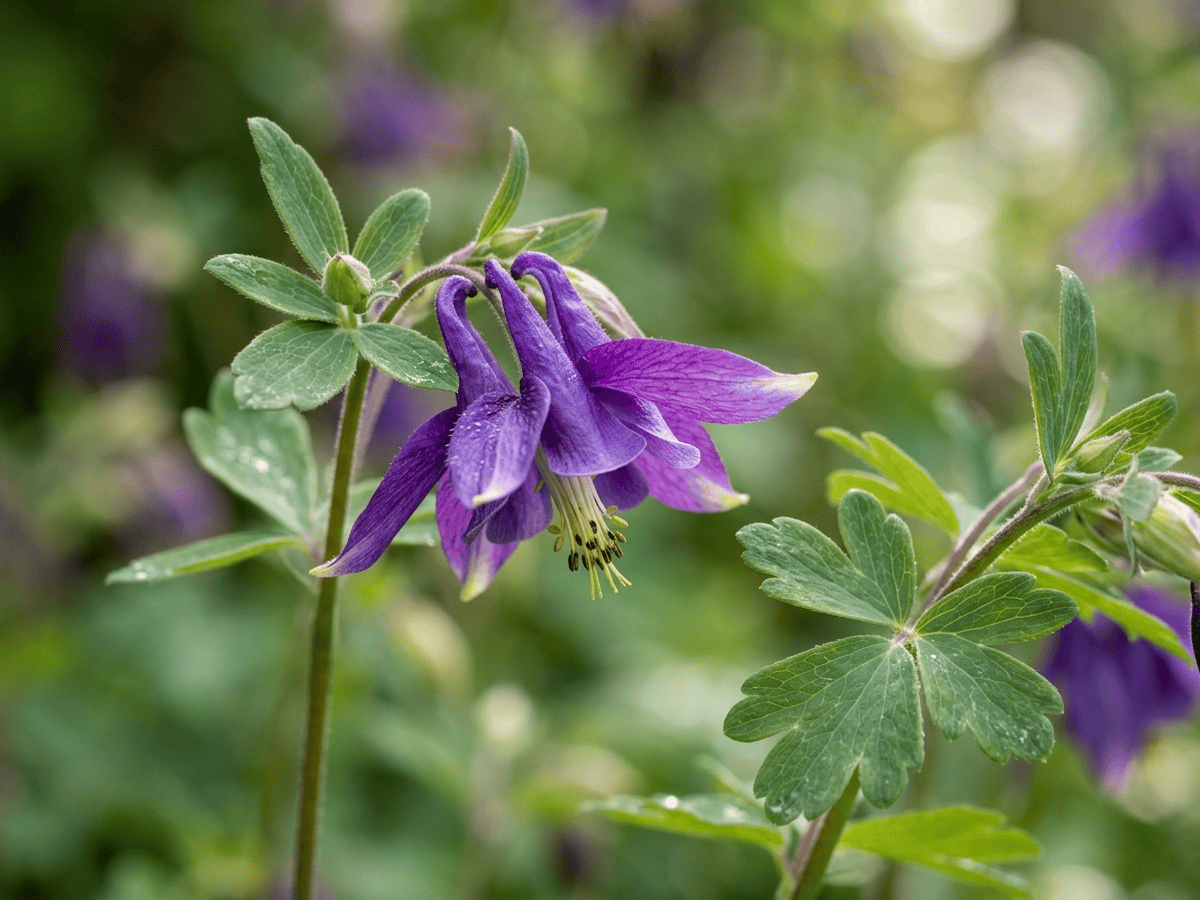
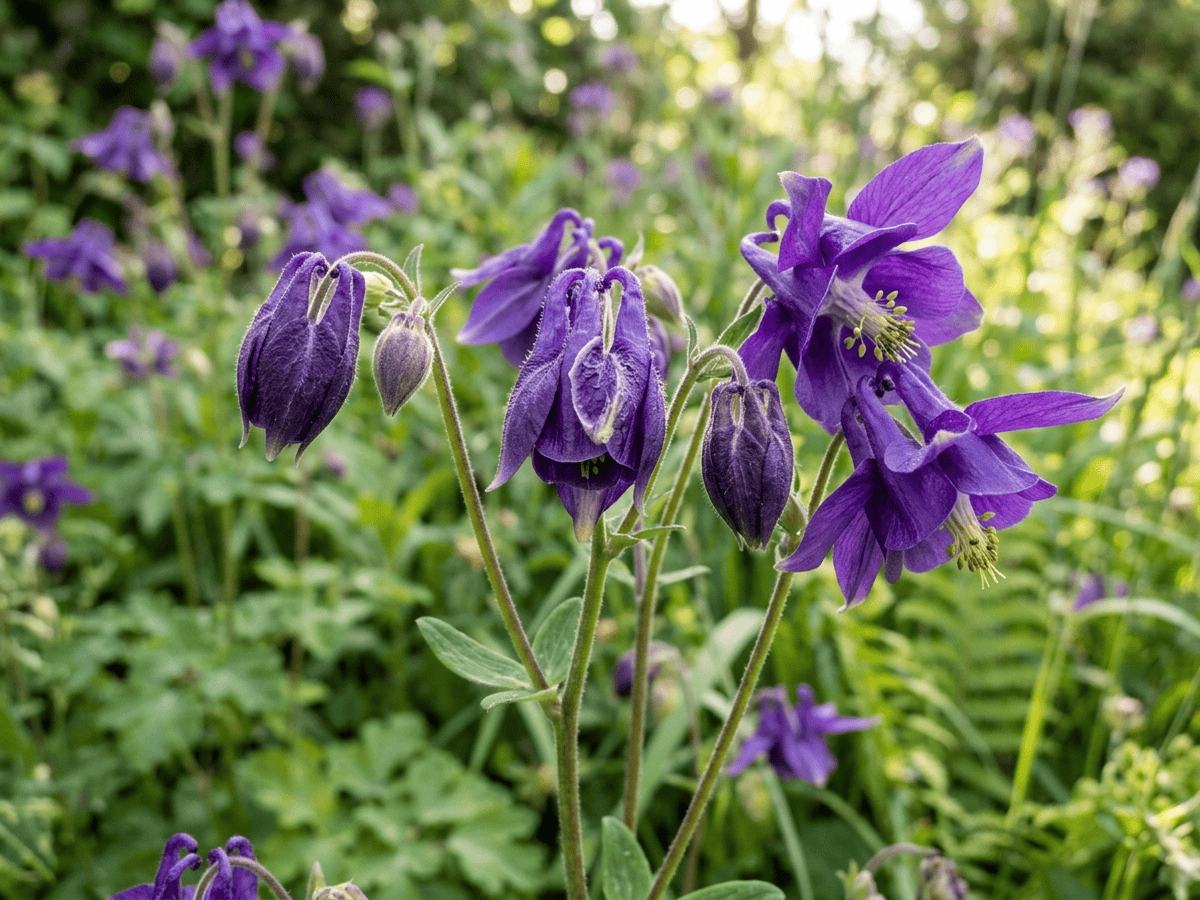
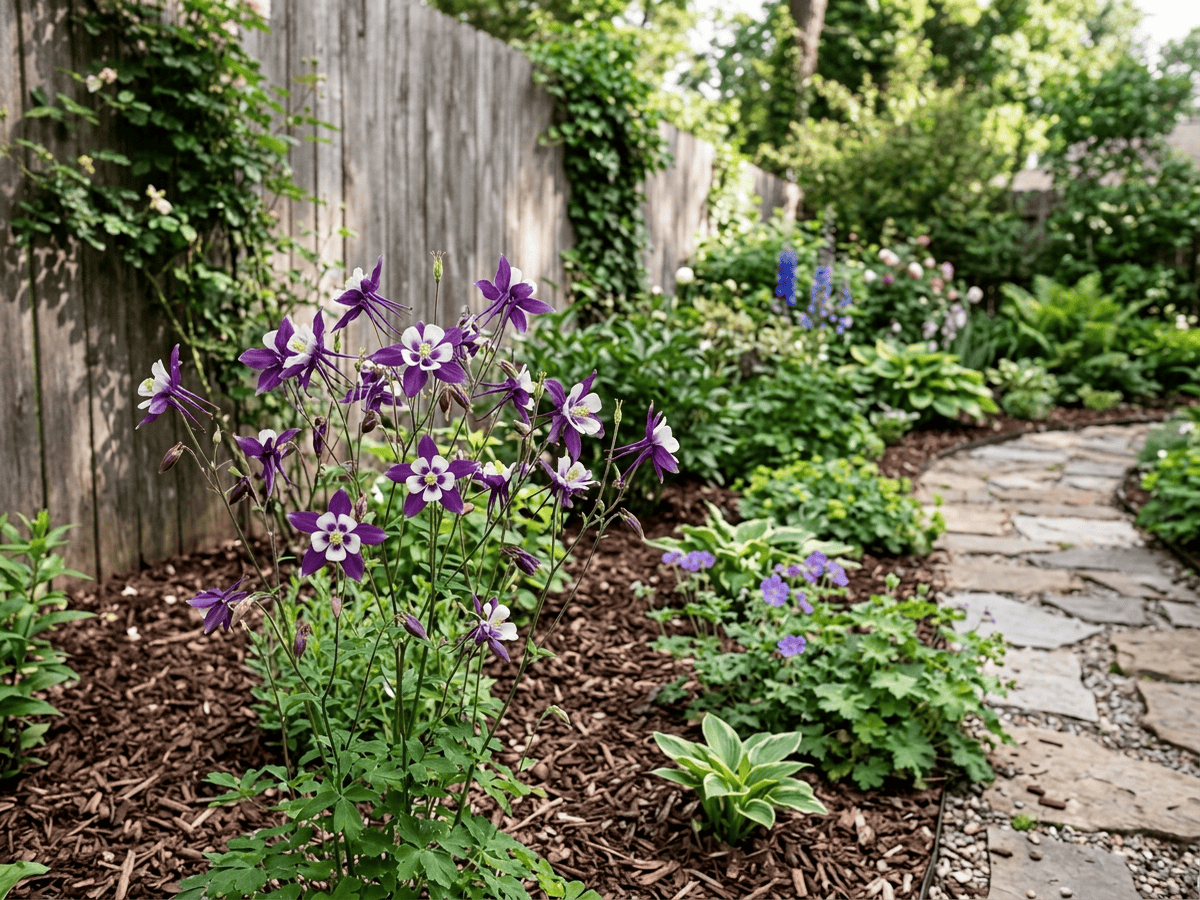
Aquilegia vulgaris, the common columbine, produces distinctive spurred flowers that resemble a cluster of doves — each flower has five backward-pointing spurs containing nectar. Colors range from blue and purple to pink, white, and bicolors, often with contrasting inner petals. Native to Europe, it grows 60–80 cm tall and self-seeds gracefully through the garden, creating ever-changing color combinations. It blooms in late spring, filling the gap between spring bulbs and summer perennials. The delicate, clover-like foliage emerges blue-green and remains attractive all season.
- Shade-tolerant
How to care for Common Columbine
Watering
- Springevery 7 days
- Summerevery 5 days
- Fallevery 10 days
- Winterevery 21 days
Soil · Well-draining
- Top dressingPine bark mulch10%
- Main mixPotting soil + perlite 2:170%
- DrainageLECA / gravel20%
Never skip the drainage layer — standing water is the top cause of root rot.
FERTILIZER
Balanced Feed 14-14-14
An even feed covers all three needs at once, keeping leaves, roots and blooms moving together with nothing pushed out of balance.
- Nitrogen · Leaves
- Phosphorus · Roots + Blooms
- Potassium · Strength
- Springevery 30 days
- Summerevery 30 days
At a Glance
- NativeEurope
- Height1.5–3 ft (0.5–0.9 m)
- Spread1–1.5 ft (0.3–0.5 m)
- Flower colorPurple, Blue, Pink, White
- Foliage colorGreen, Blue-green
- SoilWell-drained, Loamy, Moisture-retentive
- LocationsYard
Bloom time
BLOOM CYCLE
Peak bloom
Mar–May
Spurred late spring flowers; self-seeds into unpredictable color mixes; short-lived but self-perpetuating
Fragrance
NO FRAGRANCE
No notable fragrance.
Toxicity
Humans Moderate · Pets Moderate
cyanogenic glycosides and isoquinoline alkaloids
Moderate
- Seed
- Root
- Ingestion
EXPOSURE Eating seeds and roots.
EFFECT Seeds and roots contain cyanogenic glycosides and ingestion causes gastroenteritis and, rarely, cardiac effects.
NOTE Historically used medicinally but considered unsafe; seeds most toxic.
Moderate
- Seed
- Root
- Ingestion
EXPOSURE Eating seeds and roots.
EFFECT Vomiting, diarrhea, weakness.
NOTE Historically used medicinally but considered unsafe; seeds most toxic.
Moderate
- Seed
- Root
- Ingestion
EXPOSURE Eating seeds and roots.
EFFECT Vomiting, diarrhea, weakness.
NOTE Historically used medicinally but considered unsafe; seeds most toxic.
Educational information, not medical or veterinary advice. If exposure is suspected, contact a doctor or veterinarian.
DISTRIBUTION


- Native
- Introduced
- Europe
History
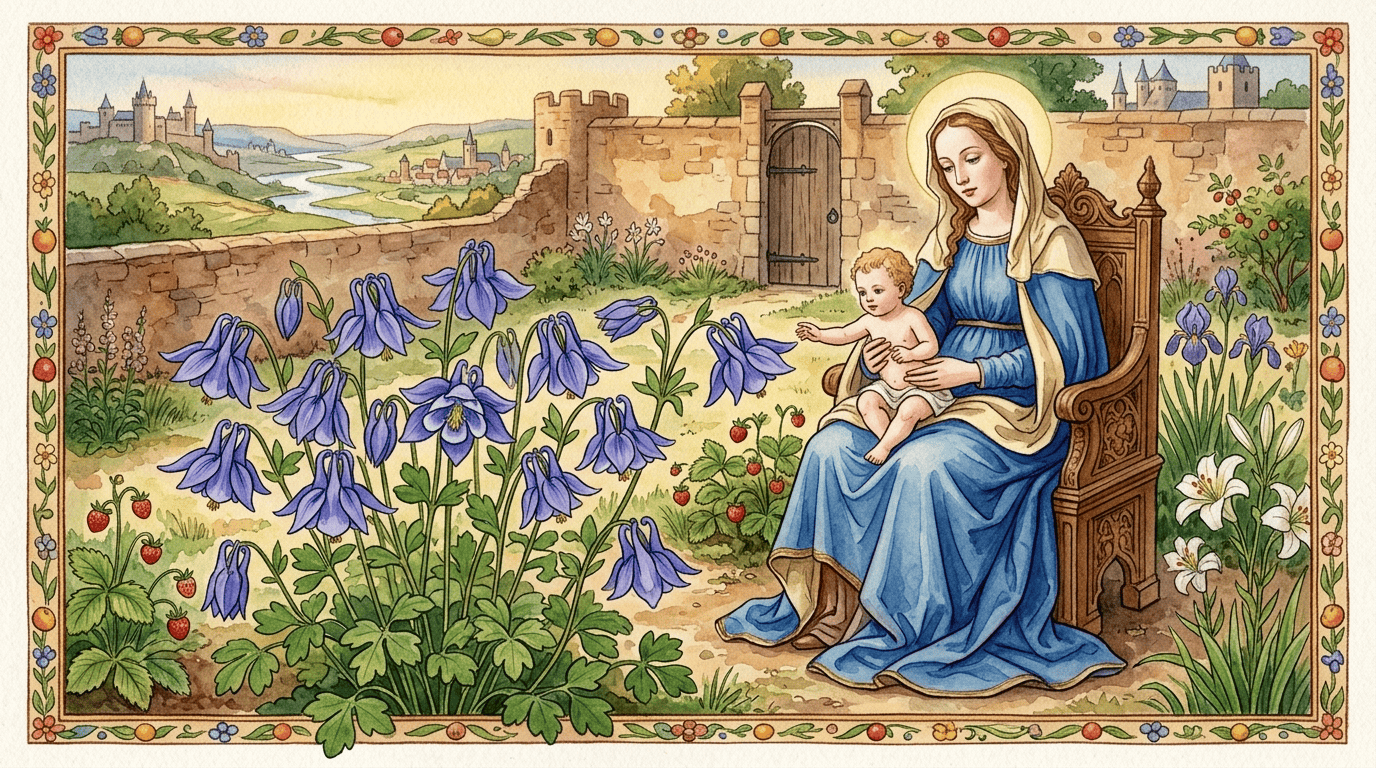
Aquilegia vulgaris is native to meadows and open woods across Europe. It was widely grown in medieval monastery gardens and appears in religious iconography — the five-petaled flower resembling doves was interpreted as a symbol of the Holy Spirit, and it is a recurrent motif in Flemish Marian paintings such as Hugo van der Goes's Portinari Altarpiece (1475). Herbalists including Culpeper used it for scurvy and sore throat, though the seeds contain toxic cyanogenic glycosides.
It was among the plants named by Linnaeus in Species Plantarum (1753). Nineteenth- and twentieth-century breeders crossed it with North American long-spurred species (A. caerulea, A. canadensis, A. chrysantha) to produce the modern McKana, Songbird, and Swan hybrid series with vastly enlarged spurs and color range. Columbine has been a garden flower since at least the 13th century, appearing in medieval manuscripts and Renaissance paintings.
The name 'Aquilegia' either comes from Latin 'aquila' (eagle) for the claw-like spurs, or 'aqua' (water) and 'legere' (to collect) for the nectar-collecting spurs. 'Columbine' comes from Latin 'columba' (dove), as the inverted flower resembles a circle of doves. The McKana Giant hybrids, developed in the 1950s, remain popular for their large, long-spurred flowers. Columbines freely hybridize, creating unique seedlings each generation.
Symbolism & meaning
What It Symbolizes
Common Columbine, in the old language of flowers, was the bloom of Courage — its bold, intricately spurred flower facing outward as if unafraid of being seen. Each nodding head is a small lesson in daring: complexity worn openly, color held high without apology. To grow columbine is to keep a quiet emblem of bravery in the spring border.
- Courage — Its bold, complex flower structure facing upward represents bravery and daring
Where the Name Comes From
Aquilegia possibly from Latin 'aquila' (eagle) for the spur shape, or 'aqua legere' (water collector). Vulgaris means 'common.'
Uses & Fun Facts
- Nodding spurred flowers brighten cottage and woodland borders
- Long spurs draw bumblebees and hummingbirds in spring
- Delicate stems add airy charm to spring arrangements
Related plants
More Aquilegia plants
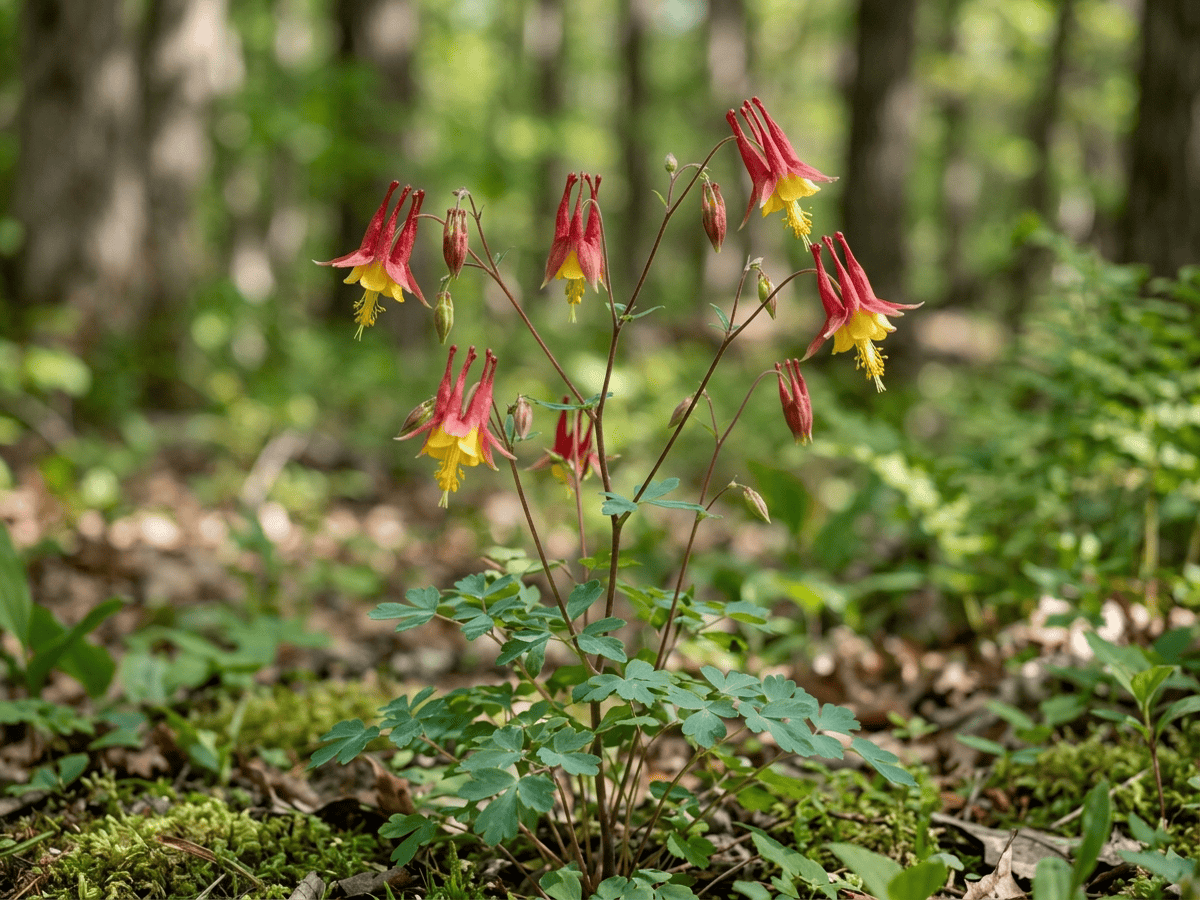 Red ColumbineAquilegia canadensis
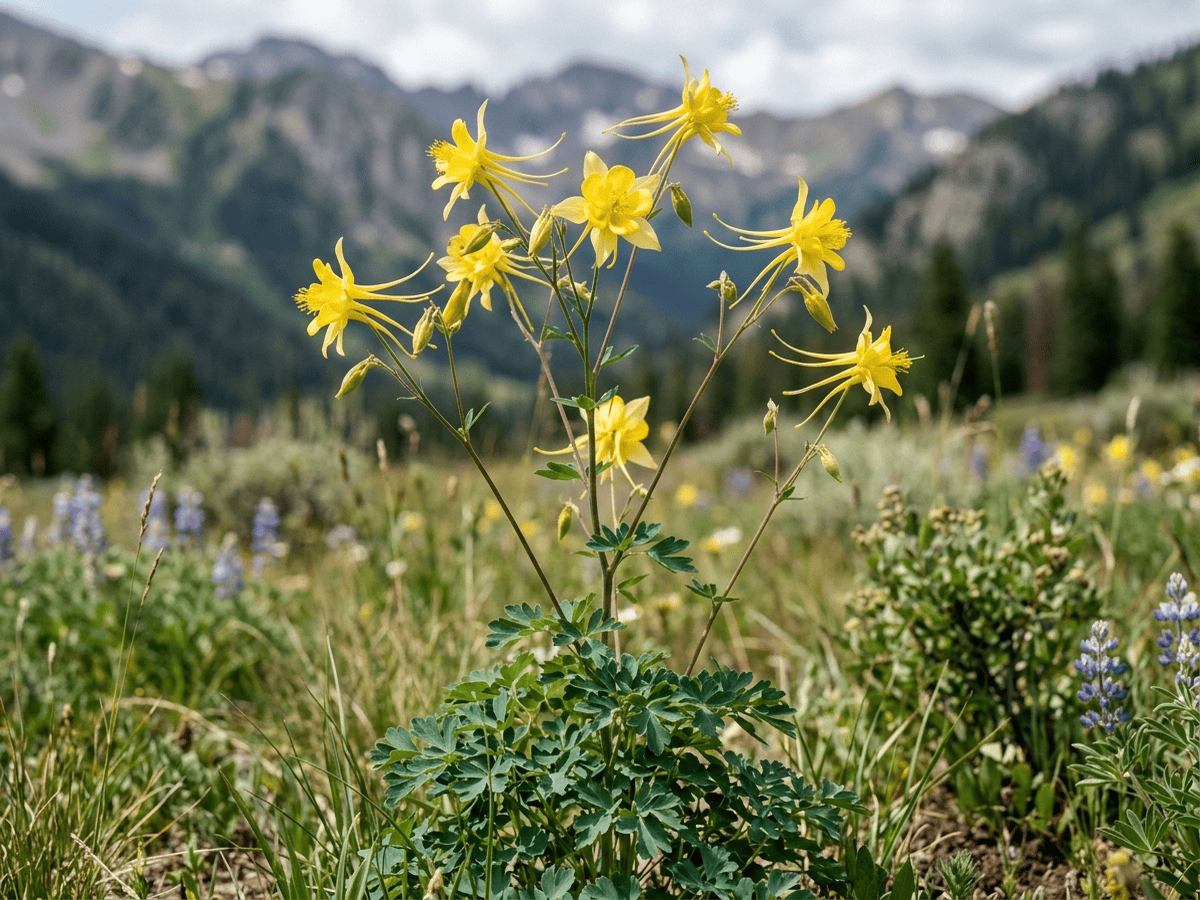 Golden ColumbineAquilegia chrysantha
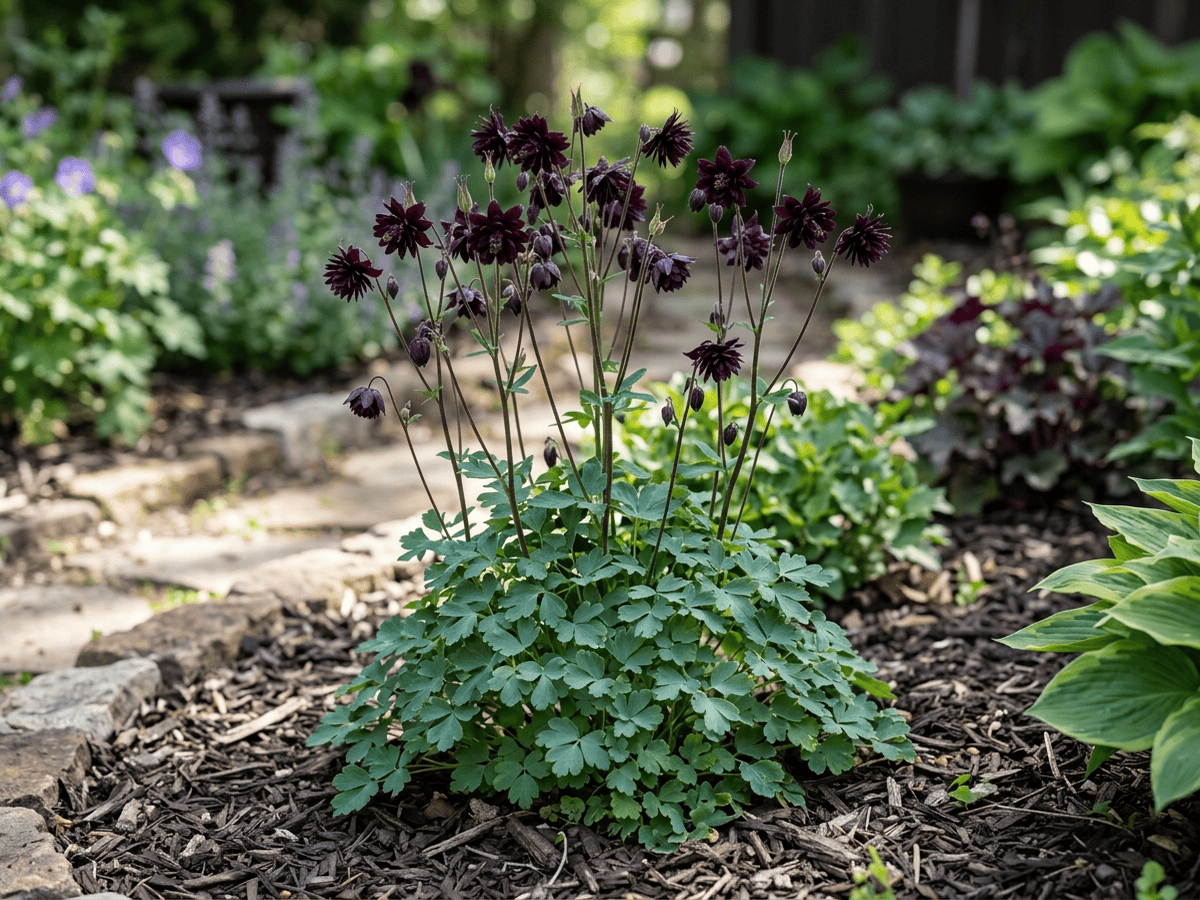 Black Barlow ColumbineAquilegia vulgaris 'Black Barlow'
Plants with similar care
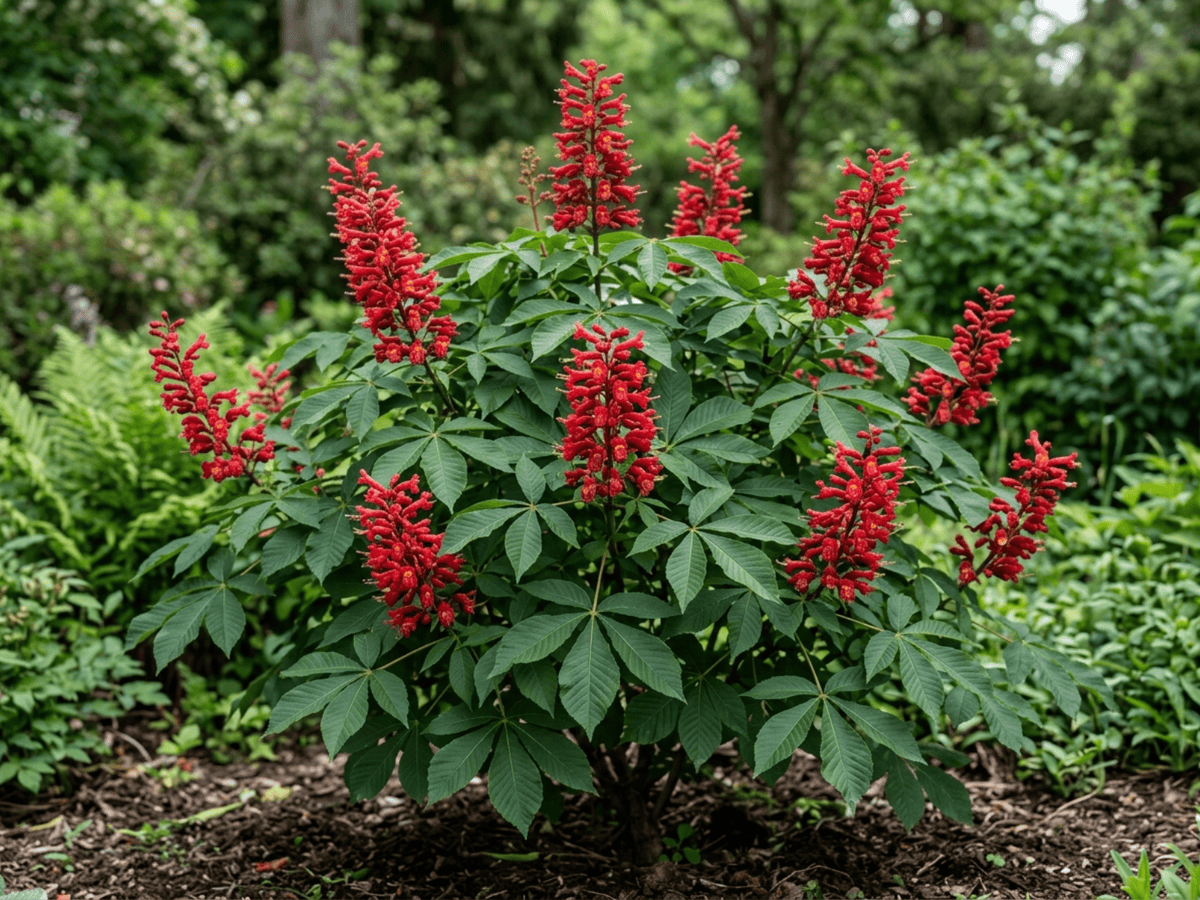 Red BuckeyeAesculus pavia
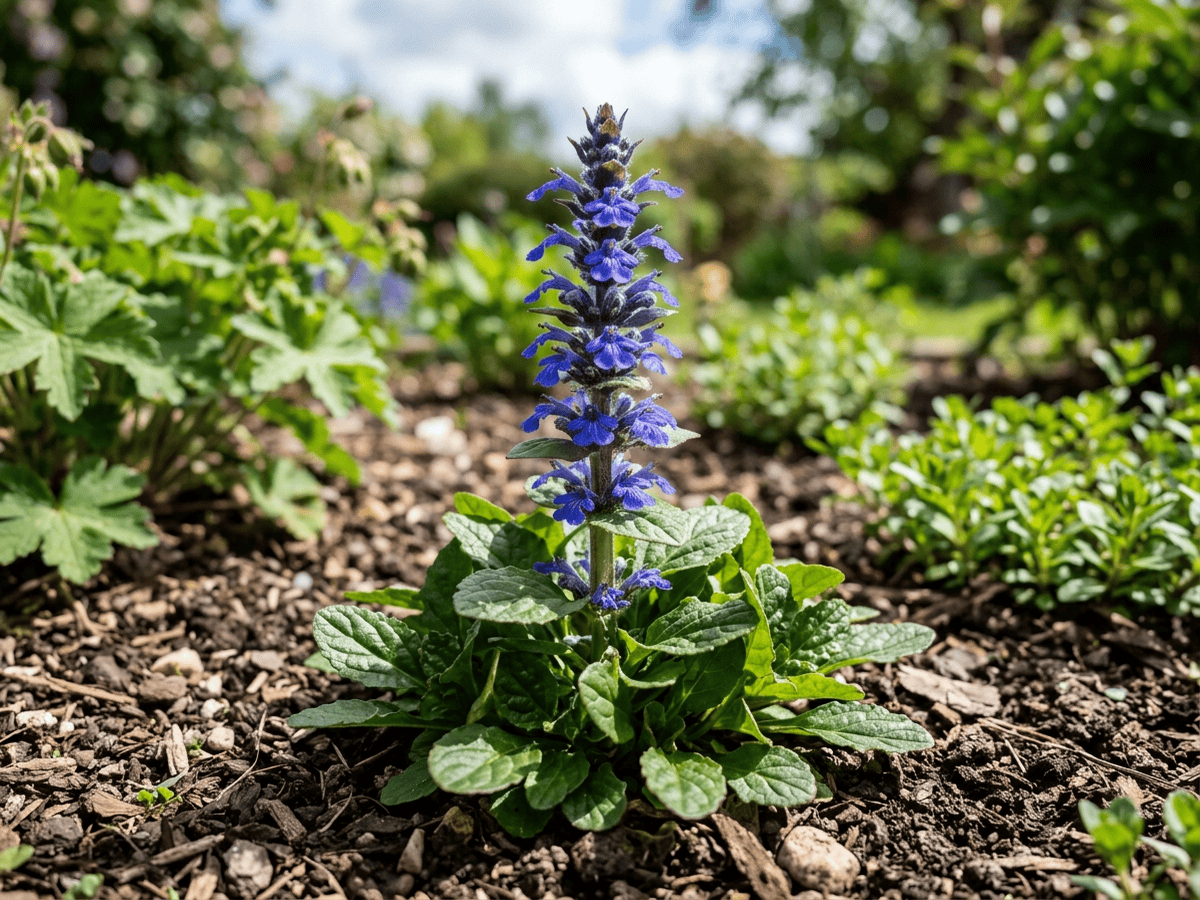 Blue BugleAjuga genevensis
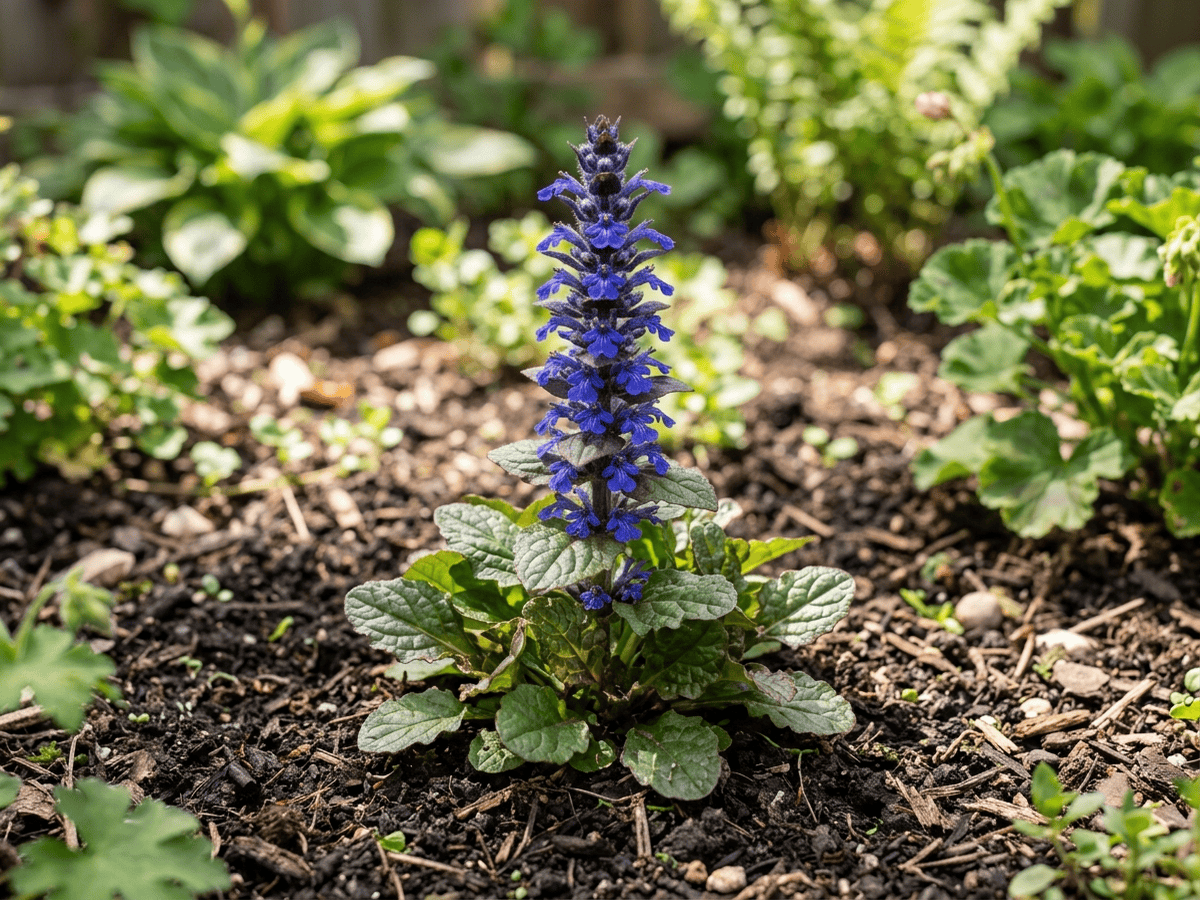 Pyramidal BugleAjuga pyramidalis
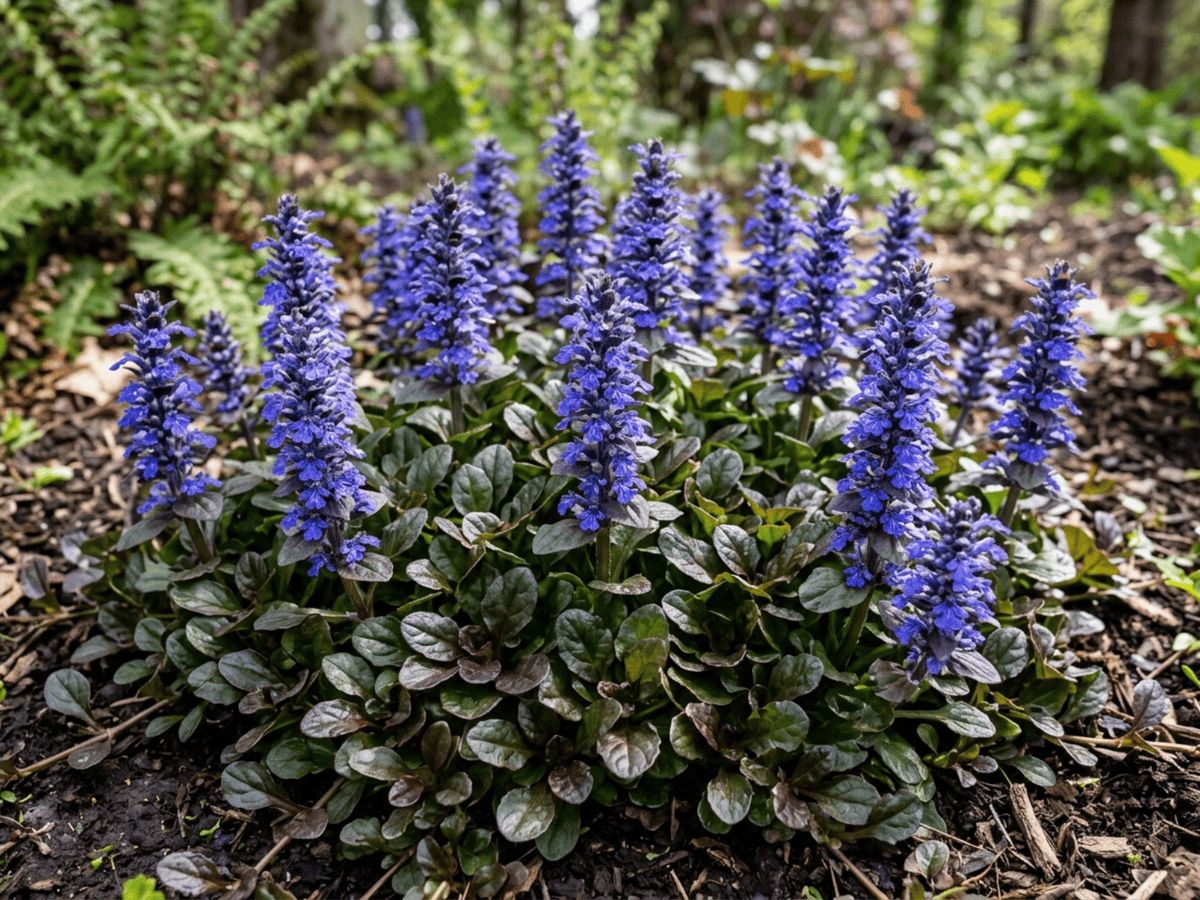 Carpet BugleAjuga reptans
Frequently asked questions
How often should I water Common Columbine?
In summer, water about every 5 days; in winter, about every 21 days. Adjust for heat, pot size and drainage.
How much light does Common Columbine need?
Part shade: 2–4 hrs direct. Watch the leaves — scorching or stretching means the light needs adjusting.
Is Common Columbine toxic to cats or dogs?
Pets Moderate (Dogs Moderate · Cats Moderate) Educational information, not medical or veterinary advice. If exposure is suspected, contact a doctor or veterinarian.
Is Common Columbine easy to grow?
Yes — it is considered an easy, beginner-friendly plant.
When does Common Columbine bloom?
It typically blooms Mar–May in the Northern Hemisphere.
YardMate
Identify any plant in seconds
Snap a photo — YardMate names the plant, diagnoses problems, and reminds you when to water.
Download on the App Store