 YardMate
Black Barlow Columbine
Aquilegia vulgaris 'Black Barlow'
Easy · Beginner friendlyAbout Black Barlow Columbine
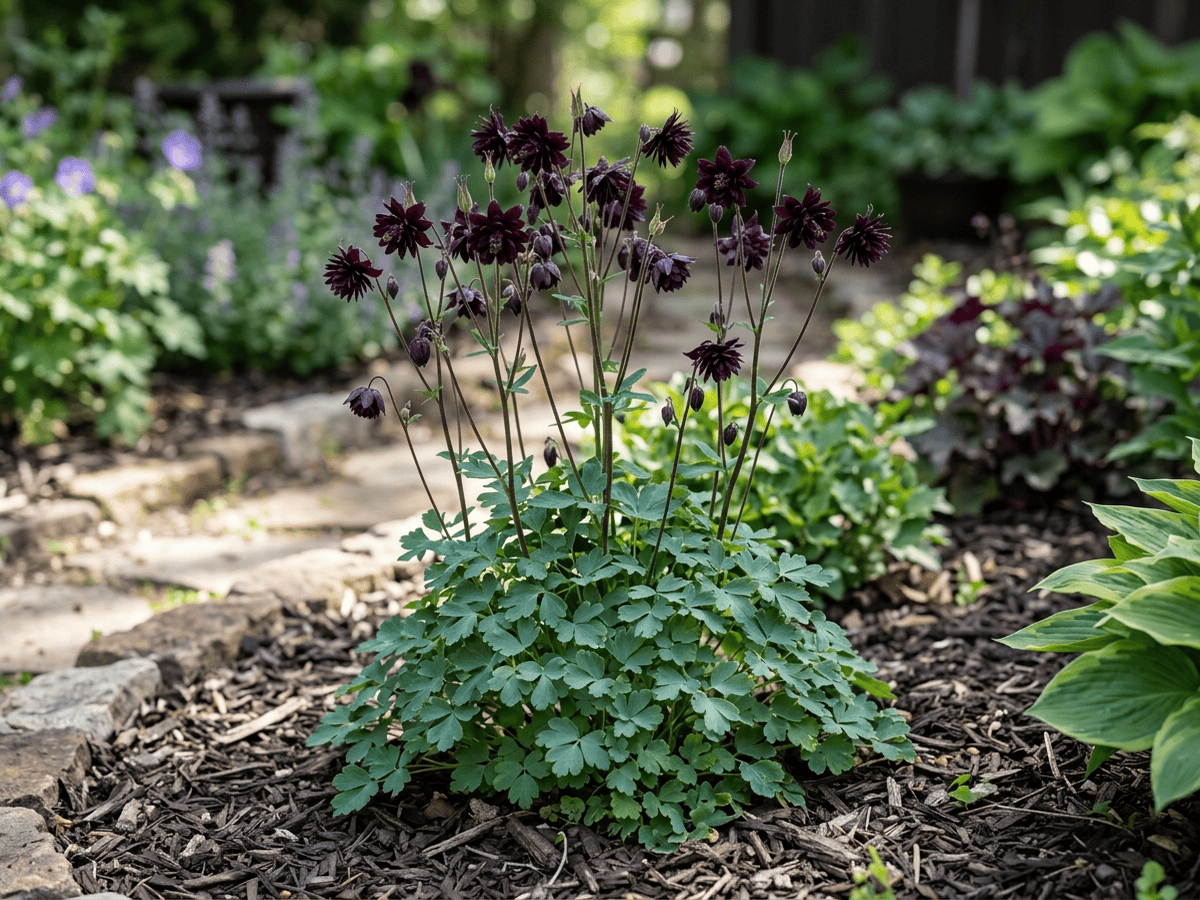
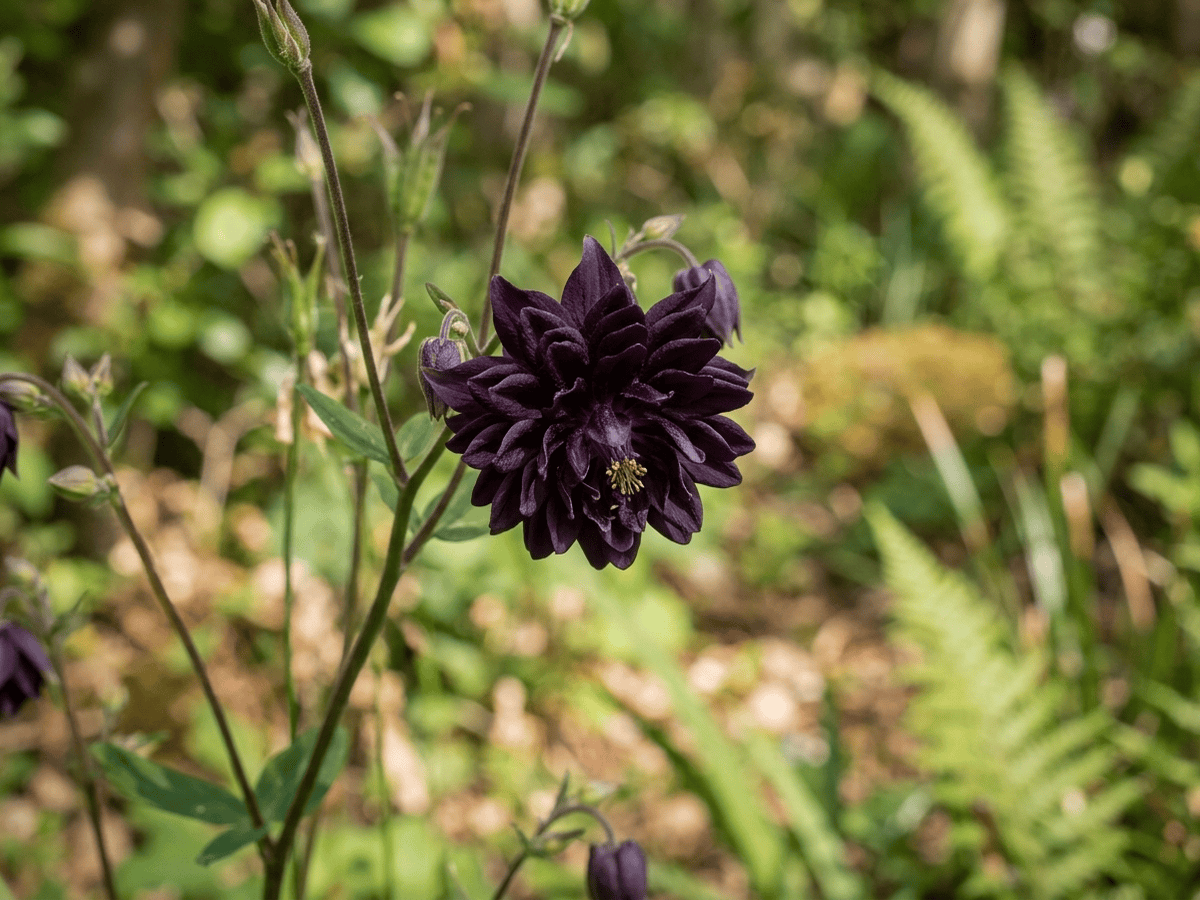
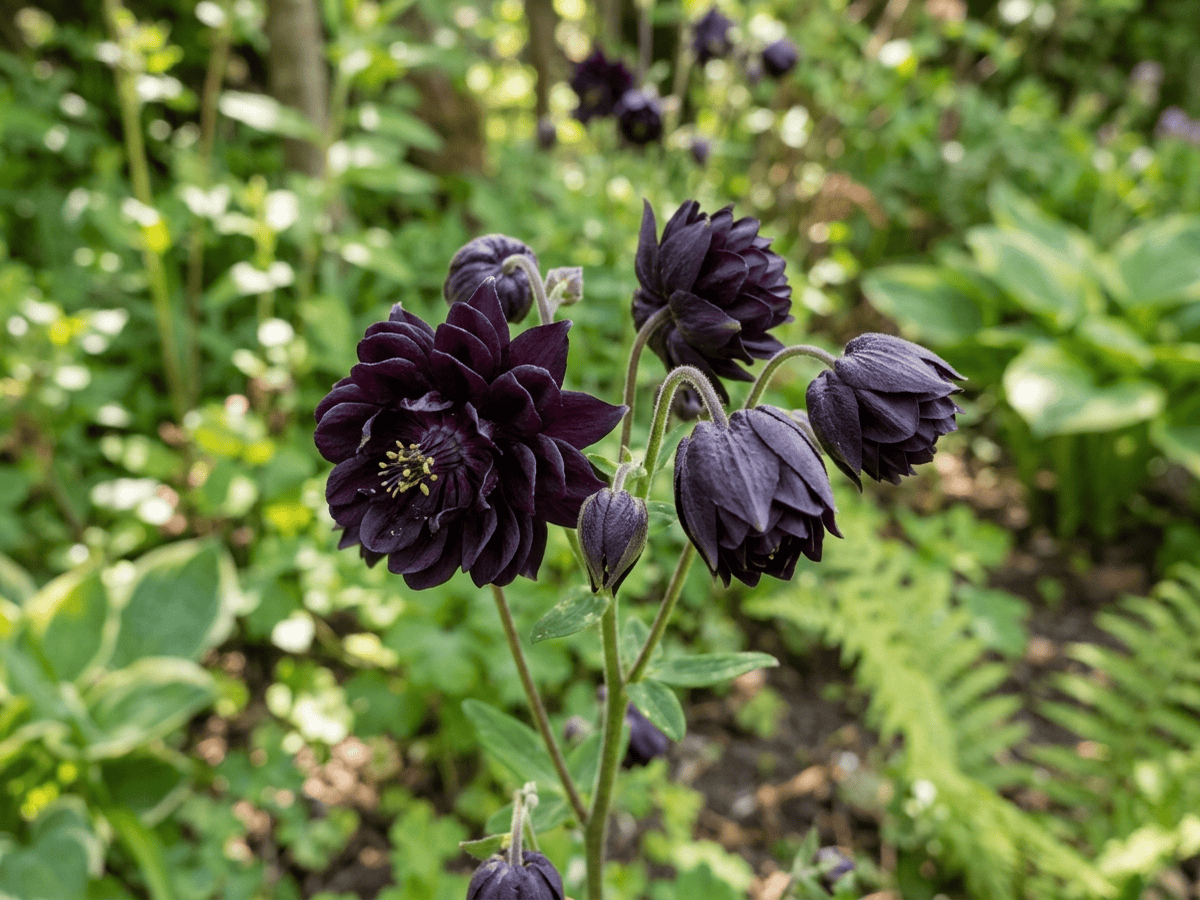
Aquilegia vulgaris 'Black Barlow' is a deep plum-purple to near-black double-flowered columbine, part of the historic Barlow Series developed from Aquilegia vulgaris var. stellata. Unlike typical columbines with their spurred single flowers, Barlow columbines have fully double spurless blooms resembling small dahlia flowers.
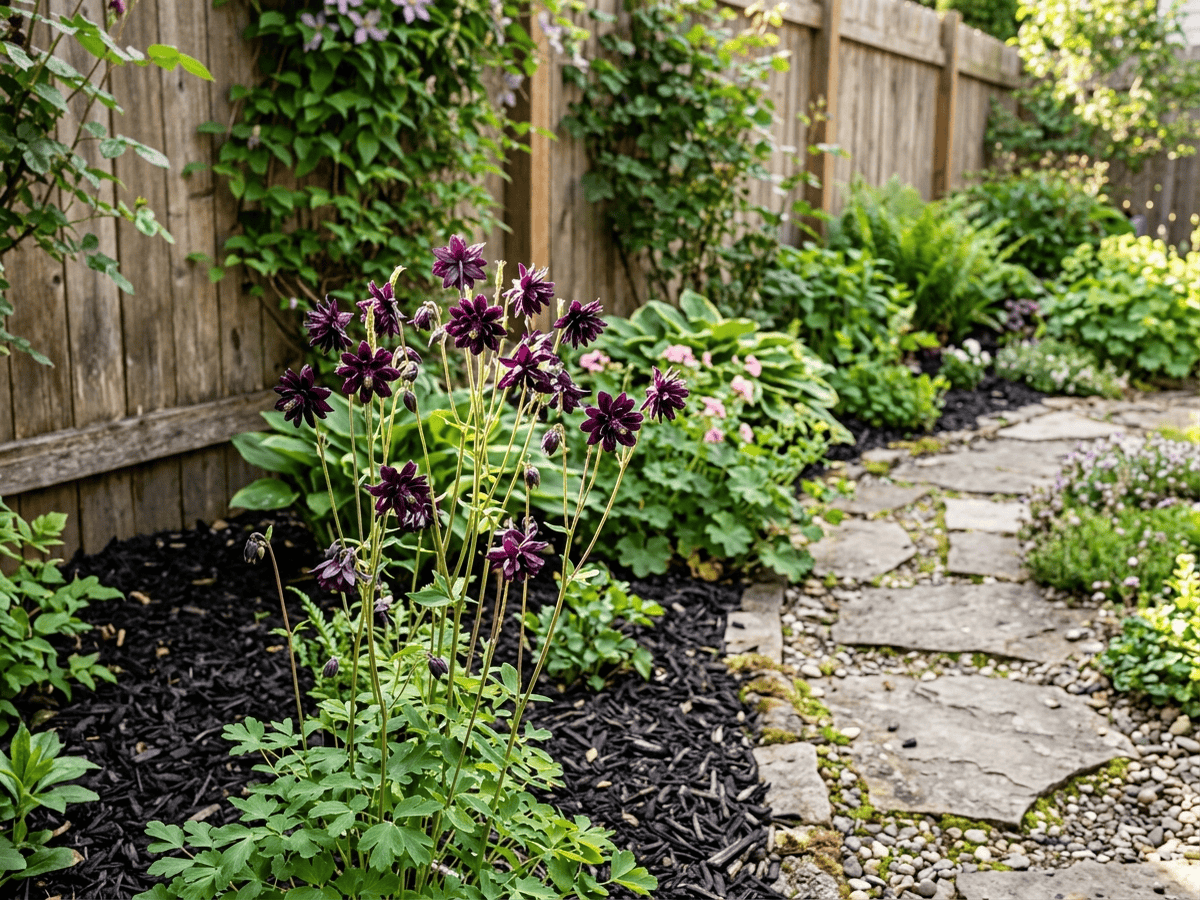
The cultivar was bred by William Barlow of England in the 1960s-1970s and is now among the most recognizable dark-flowered perennials in commerce. Clumps reach 60-80 cm with ferny blue-green foliage and branching flower stems. Short-lived as individual plants but self-seeds readily in partial shade.
'Black Barlow' is extraordinarily popular in modern cottage and gothic garden schemes. Plants bloom in late spring through early summer and die back cleanly by midsummer. Best in cool climates with afternoon shade.
- Shade-tolerant
How to care for Black Barlow Columbine
Watering
- Springevery 5 days
- Summerevery 4 days
- Fallevery 10 days
- Winterevery 21 days
Soil · Well-draining
- Top dressingPine bark mulch10%
- Main mixPotting soil + perlite 2:170%
- DrainageLECA / gravel20%
Never skip the drainage layer — standing water is the top cause of root rot.
FERTILIZER
Balanced Feed 14-14-14
An even feed covers all three needs at once, keeping leaves, roots and blooms moving together with nothing pushed out of balance.
- Nitrogen · Leaves
- Phosphorus · Roots + Blooms
- Potassium · Strength
- Springevery 30 days
- Fallevery 30 days
At a Glance
- NativeEurope
- Height2–3 ft (0.6–0.9 m)
- Spread1–2 ft (0.3–0.6 m)
- Flower colorPurple, Burgundy
- Foliage colorBlue-green, Green
- SoilLoamy, Well-drained, Moisture-retentive
- LocationsYard
Bloom time
BLOOM CYCLE
Peak bloom
May
Double purple-black blooms appear in late spring on branching stems.
Fragrance
NO FRAGRANCE
Not fragrant.
Toxicity
Humans Moderate · Pets Moderate
isocyanogenic glycosides and alkaloids
Moderate
- Seed
- Root
- Ingestion
EXPOSURE Eating seeds and roots.
EFFECT Cardiogenic alkaloids and ingestion causes nausea, vomiting, cardiac symptoms.
NOTE All Aquilegia contain cardiogenic toxins in seeds and roots. Keep out of reach.
Moderate
- Seed
- Root
- Ingestion
EXPOSURE Eating seeds and roots.
EFFECT Vomiting, weakness, cardiac effects.
NOTE All Aquilegia contain cardiogenic toxins in seeds and roots. Keep out of reach.
Moderate
- Seed
- Root
- Ingestion
EXPOSURE Eating seeds and roots.
EFFECT Vomiting, weakness, cardiac effects.
NOTE All Aquilegia contain cardiogenic toxins in seeds and roots. Keep out of reach.
Educational information, not medical or veterinary advice. If exposure is suspected, contact a doctor or veterinarian.
DISTRIBUTION


- Native
- Introduced
- Europe
History

The Barlow Series of columbines was developed by English plantsman William Barlow in the 1960s-1970s from natural double-flowered forms of Aquilegia vulgaris var. stellata. Unlike typical columbines with their distinctive backward-pointing spurs, Barlow columbines are fully double spurless pompom flowers closer in appearance to small dahlias. 'Black Barlow' — deep plum to near-black — became the standout cultivar in the series and has been a consistent top seller across British, European, and North American nurseries since the 1980s.
The plant self-seeds freely in partial shade with moist soil, and though individuals are short-lived (typically 3-4 years), colonies perpetuate themselves. Seedlings often revert to purple or blue; to maintain pure 'Black Barlow' plantings, rogue seedlings must be removed.
Other Barlow cultivars include 'Nora Barlow' (pink-white), 'Rose Barlow,' and 'Bordeaux Barlow.' Bred by William Barlow in England in the 1970s from A. vulgaris var. stellata double forms, the Barlow series introduced fully double spurless columbines to the trade.
Symbolism & meaning
What It Symbolizes
Black Barlow Columbine is resolved to win attention through depth rather than dazzle, its near-black, fully double blooms drawing the eye into contemplation. Part of the innovative Barlow series, it rewrote what a columbine could be, trading the old spurred silhouette for something stranger and more architectural. In its dusky petals, mystery and modern breeding meet over a Renaissance garden flower.
- Mystery — Near-black blooms suggest depth and contemplation
- Innovation — The Barlow series rewrote what columbines could look like
Where the Name Comes From
Aquilegia from Latin 'aquila' (eagle), referring to the eagle-talon shape of spurs on typical columbines — though ironically 'Black Barlow' is spurless; named for breeder William Barlow.
Uses & Fun Facts
- Near-black double pompon blooms star in gothic shade plantings
- Long stems work in moody late-spring bouquets
- Spring blooms feed bumblebees in dappled woodland borders
Related plants
More Aquilegia plants
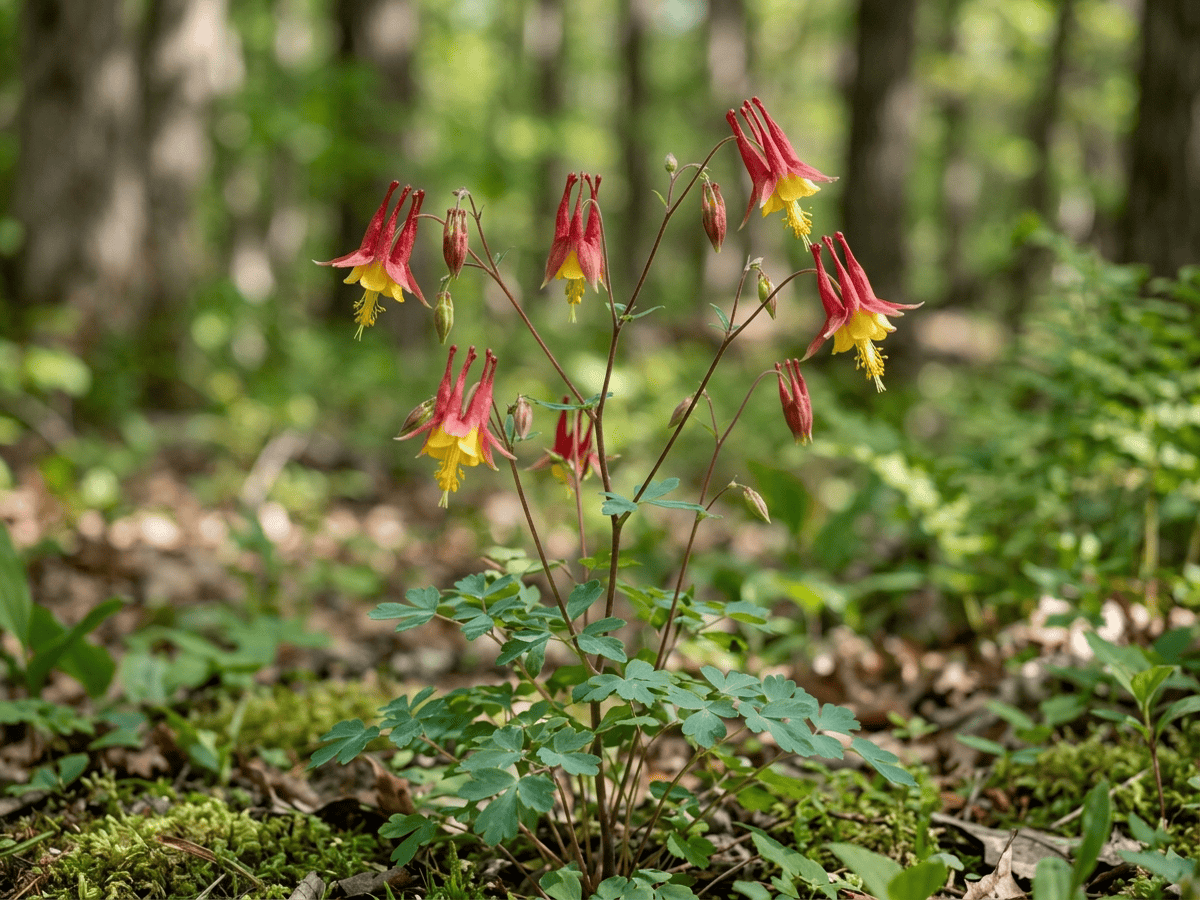 Red ColumbineAquilegia canadensis
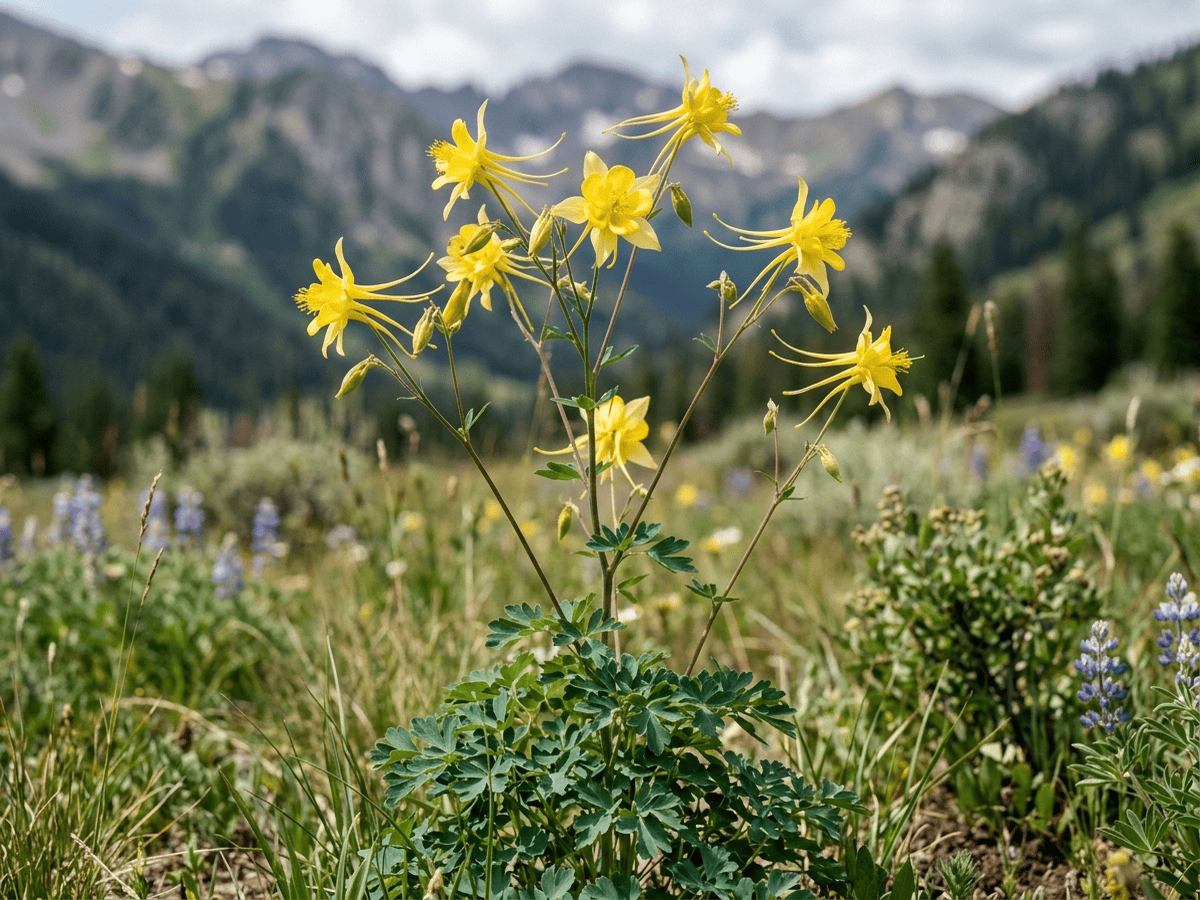 Golden ColumbineAquilegia chrysantha
 Common ColumbineAquilegia vulgaris
Plants with similar care
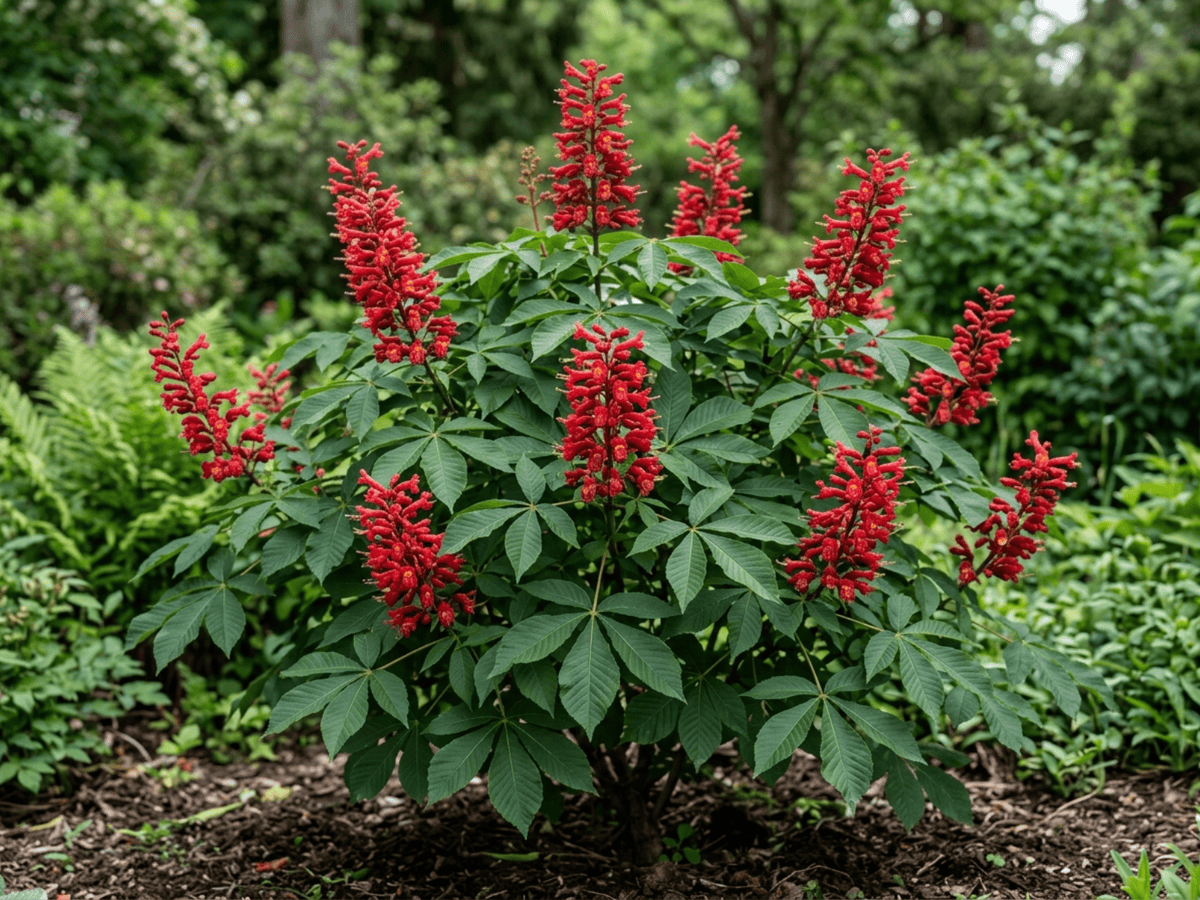 Red BuckeyeAesculus pavia
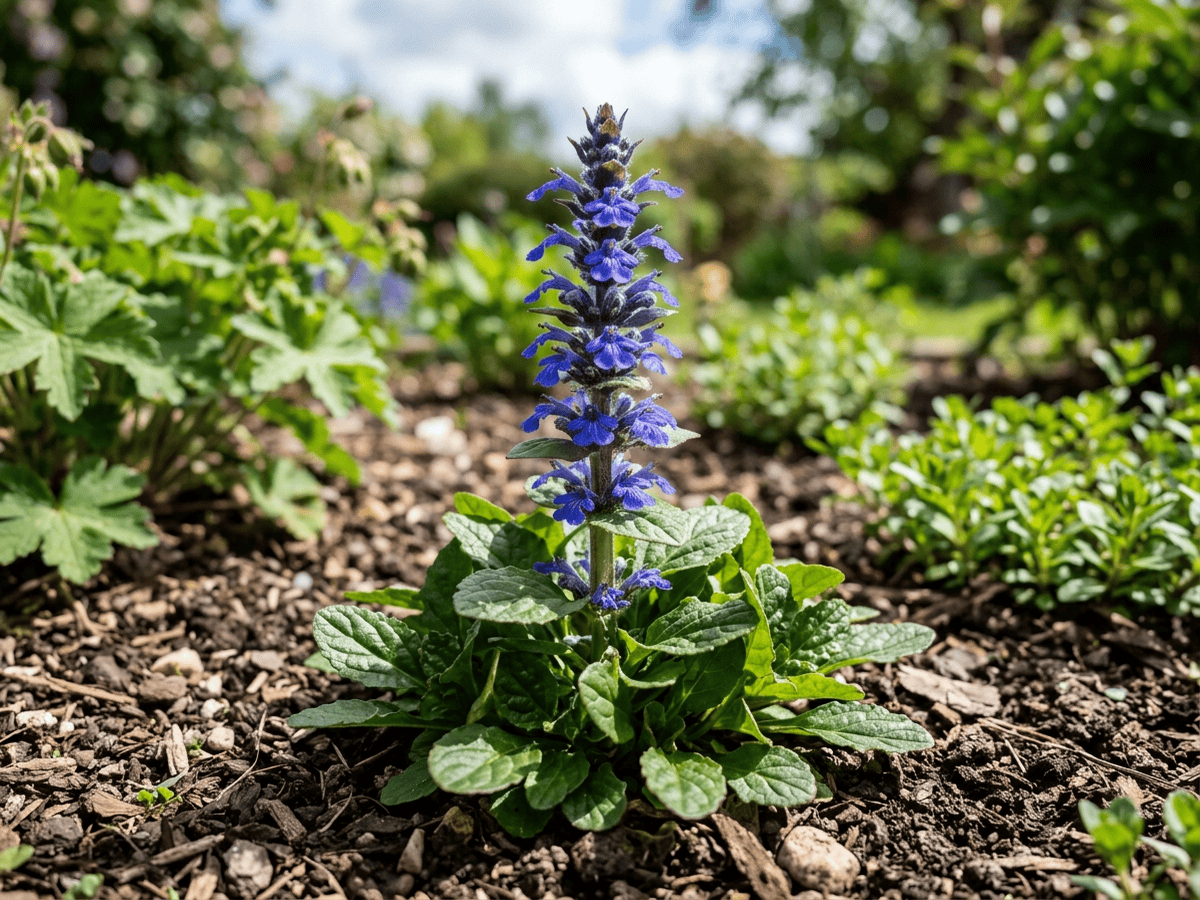 Blue BugleAjuga genevensis
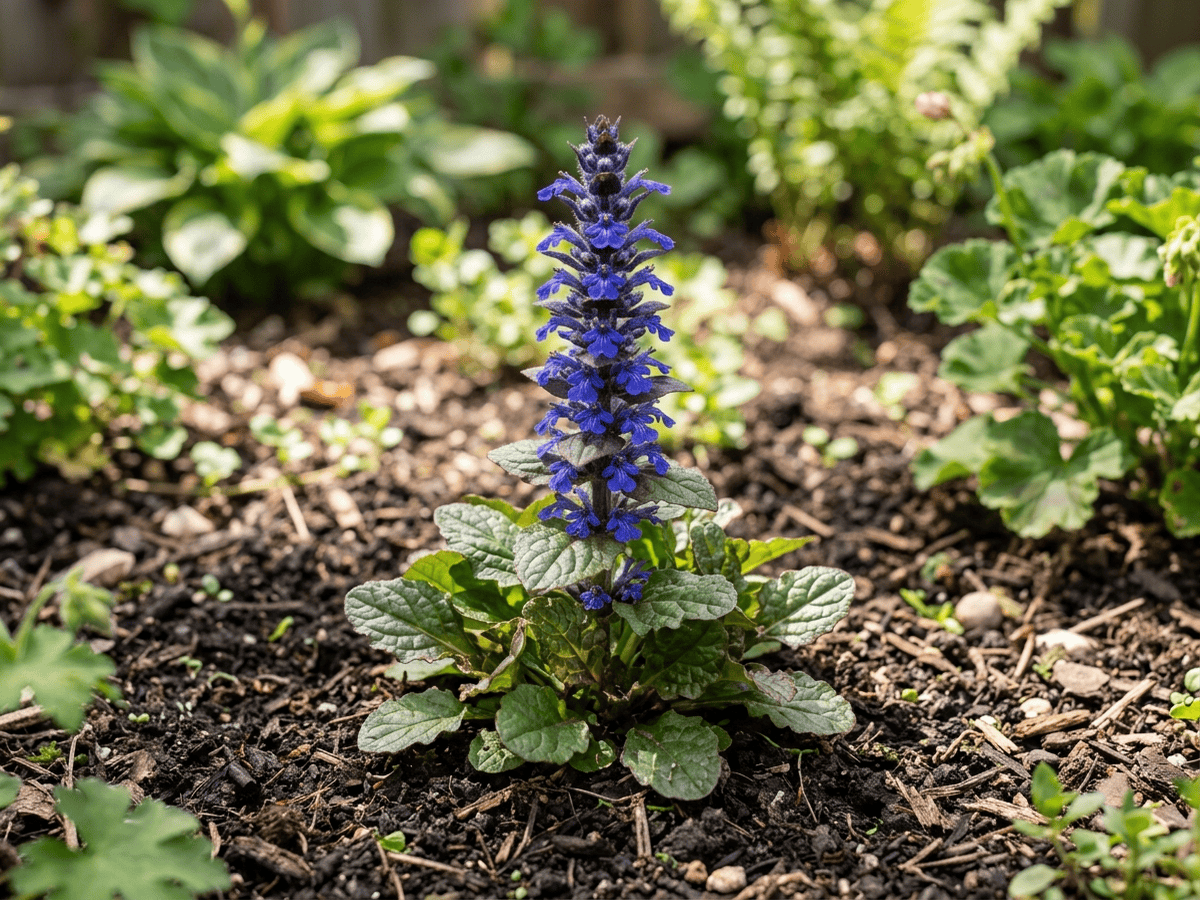 Pyramidal BugleAjuga pyramidalis
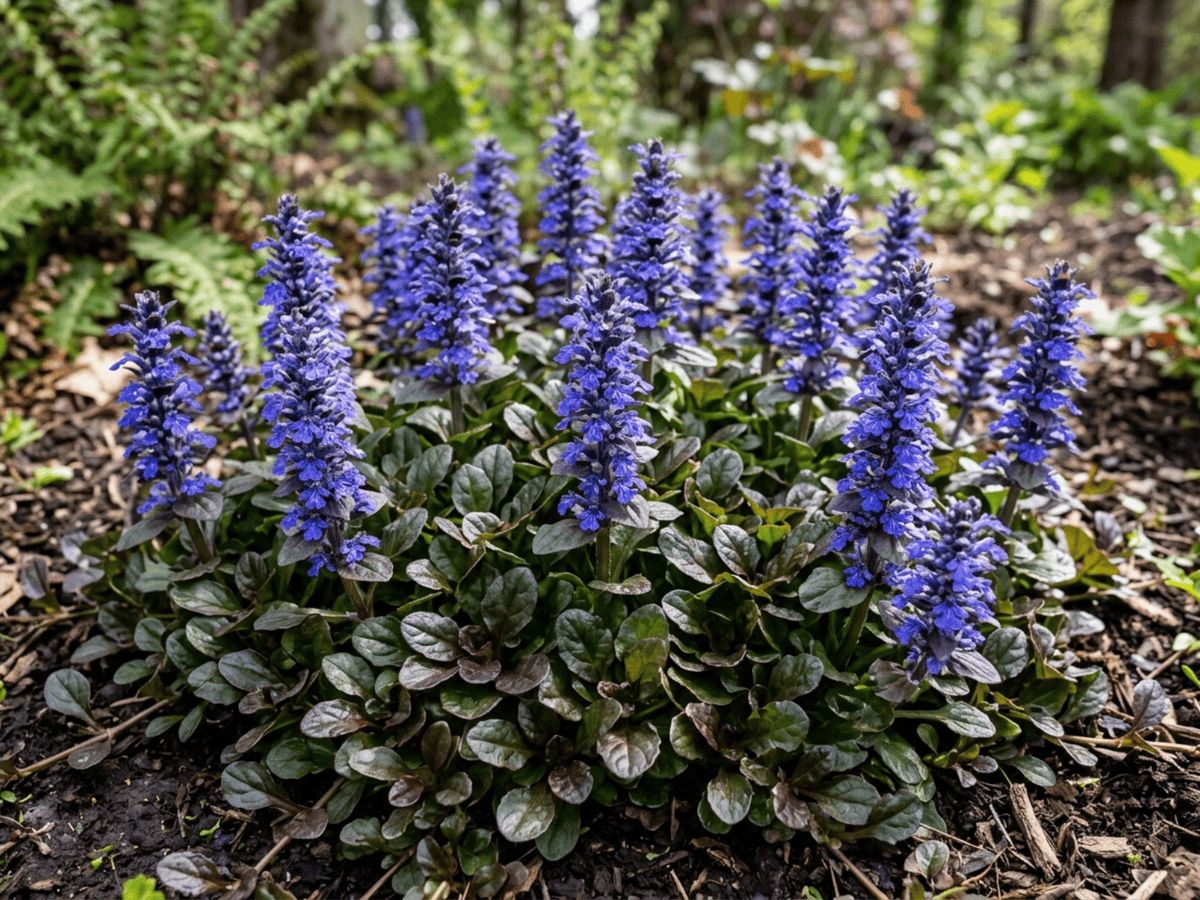 Carpet BugleAjuga reptans
Frequently asked questions
How often should I water Black Barlow Columbine?
In summer, water about every 4 days; in winter, about every 21 days. Adjust for heat, pot size and drainage.
How much light does Black Barlow Columbine need?
Part shade: 2–4 hrs direct. Watch the leaves — scorching or stretching means the light needs adjusting.
Is Black Barlow Columbine toxic to cats or dogs?
Pets Moderate (Dogs Moderate · Cats Moderate) Educational information, not medical or veterinary advice. If exposure is suspected, contact a doctor or veterinarian.
Is Black Barlow Columbine easy to grow?
Yes — it is considered an easy, beginner-friendly plant.
When does Black Barlow Columbine bloom?
It typically blooms May in the Northern Hemisphere.
YardMate
Identify any plant in seconds
Snap a photo — YardMate names the plant, diagnoses problems, and reminds you when to water.
Download on the App Store