 YardMate

Hedge Bamboo
Bambusa multiplex
Easy · Beginner friendlyAbout Hedge Bamboo
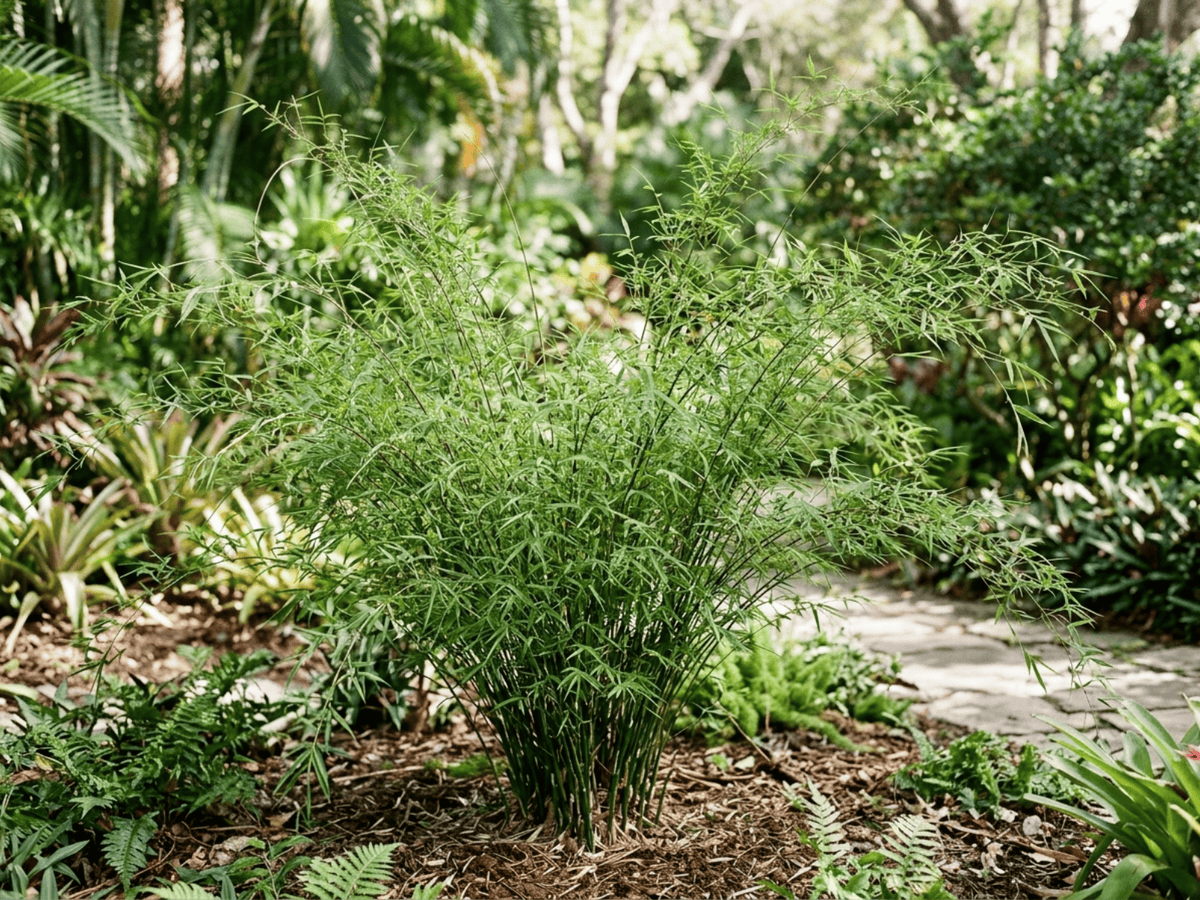
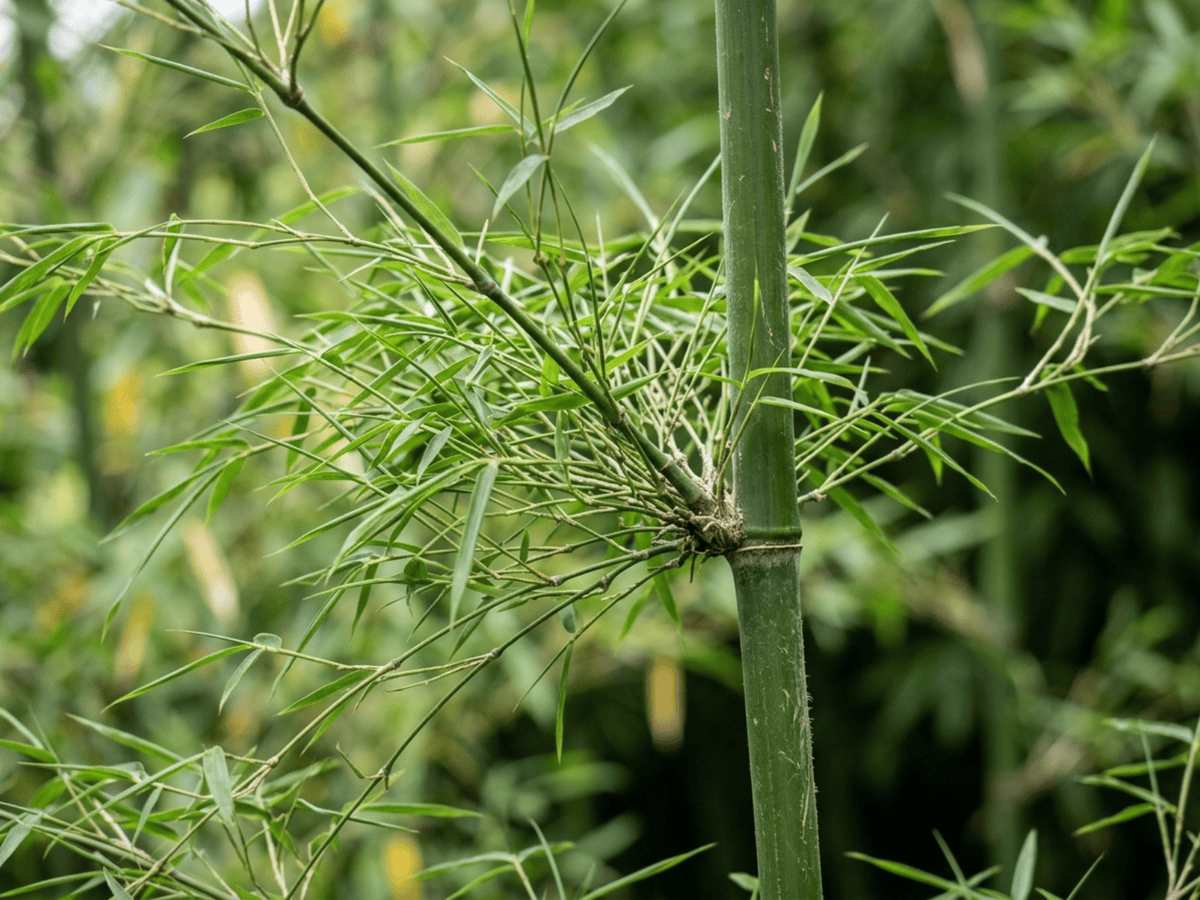
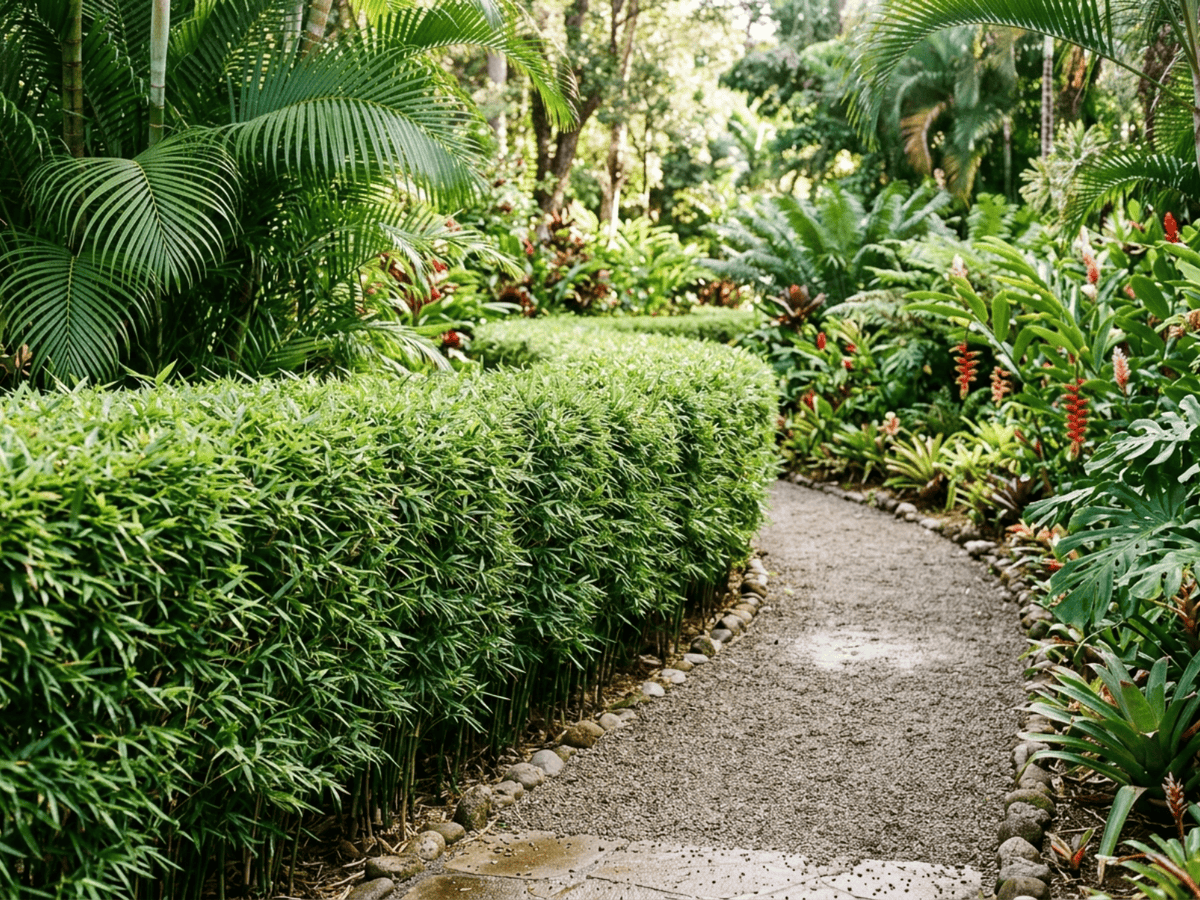
Bambusa multiplex, the hedge bamboo or multiplex bamboo, is a versatile, compact clumping bamboo native to China and widely cultivated across tropical and subtropical regions. It grows 3–7 meters tall with slender, graceful culms and dense foliage that extends nearly to the ground, making it one of the best bamboos for hedging and screening. The cultivar 'Alphonse Karr' is especially popular, featuring golden-yellow culms striped with green that become more vivid with sun exposure. Other cultivars include the miniature 'Fernleaf' with tiny, fern-like leaves and the silvery 'Silverstripe.' As a clumping bamboo, it stays in well-defined clusters and does not aggressively spread. It tolerates light frost but performs best in warm climates with regular moisture. Its relatively small size and tidy growth habit make it suitable for suburban gardens, containers, and indoor atriums.
- Compact
How to care for Hedge Bamboo
Watering
- Springevery 3 days
- Summerevery 2 days
- Fallevery 5 days
- Winterevery 14 days
Soil · Well-draining
- Top dressingPine bark mulch10%
- Main mixPotting soil + perlite 2:170%
- DrainageLECA / gravel20%
Never skip the drainage layer — standing water is the top cause of root rot.
FERTILIZER
Balanced Feed 14-14-14
An even feed covers all three needs at once, keeping leaves, roots and blooms moving together with nothing pushed out of balance.
- Nitrogen · Leaves
- Phosphorus · Roots + Blooms
- Potassium · Strength
- Springevery 45 days
- Summerevery 45 days
At a Glance
- NativeEast Asia
- Height10–25 ft (3–7.6 m)
- Spread6–10 ft (1.8–3 m)
- Foliage colorGreen, Yellow, Variegated
- SoilLoamy, Well-drained, Moisture-retentive
- LocationsYard · Indoor · Balcony
Bloom time
BLOOM CYCLE
Rarely flowers; sporadic blooming does not typically harm the plant
Fragrance
NO FRAGRANCE
No notable fragrance.
Toxicity
Humans Slight
taxiphyllin (in raw shoots)
Slight
- Shoot
- Ingestion
EXPOSURE Eating shoot.
EFFECT Raw shoots contain cyanogenic glycosides and must be boiled.
NOTE Documented concern for humans: Raw shoots contain cyanogenic glycosides and must be boiled.
Safe
EXPOSURE No exposure route is reported.
EFFECT Not listed as toxic.
NOTE Listed as non-toxic for dogs; avoid eating ornamental plants unless confirmed edible.
Safe
EXPOSURE No exposure route is reported.
EFFECT Not listed as toxic.
NOTE Listed as non-toxic for cats; avoid eating ornamental plants unless confirmed edible.
Educational information, not medical or veterinary advice. If exposure is suspected, contact a doctor or veterinarian.
DISTRIBUTION

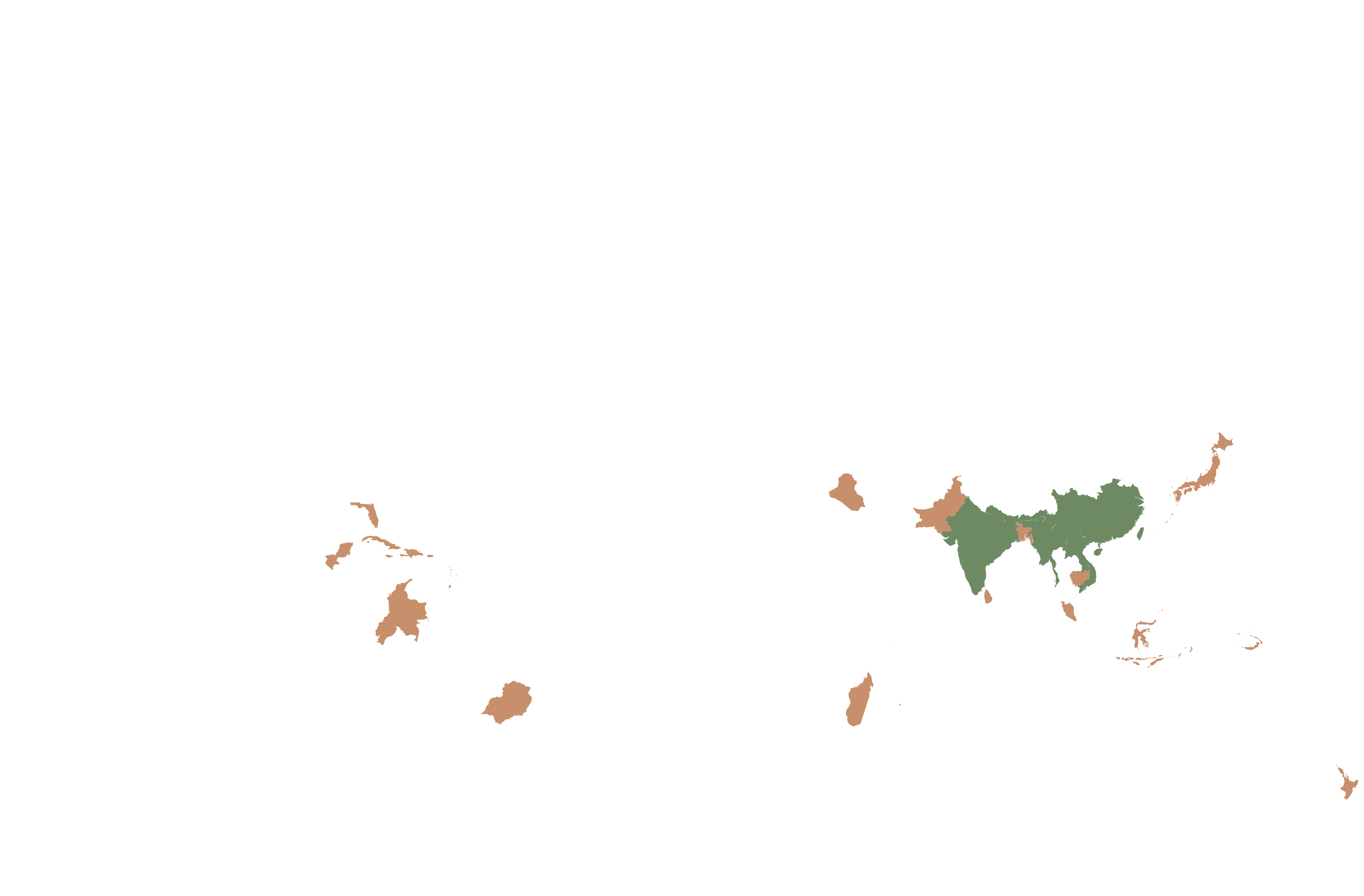
- Native
- Introduced
- East Asia
History
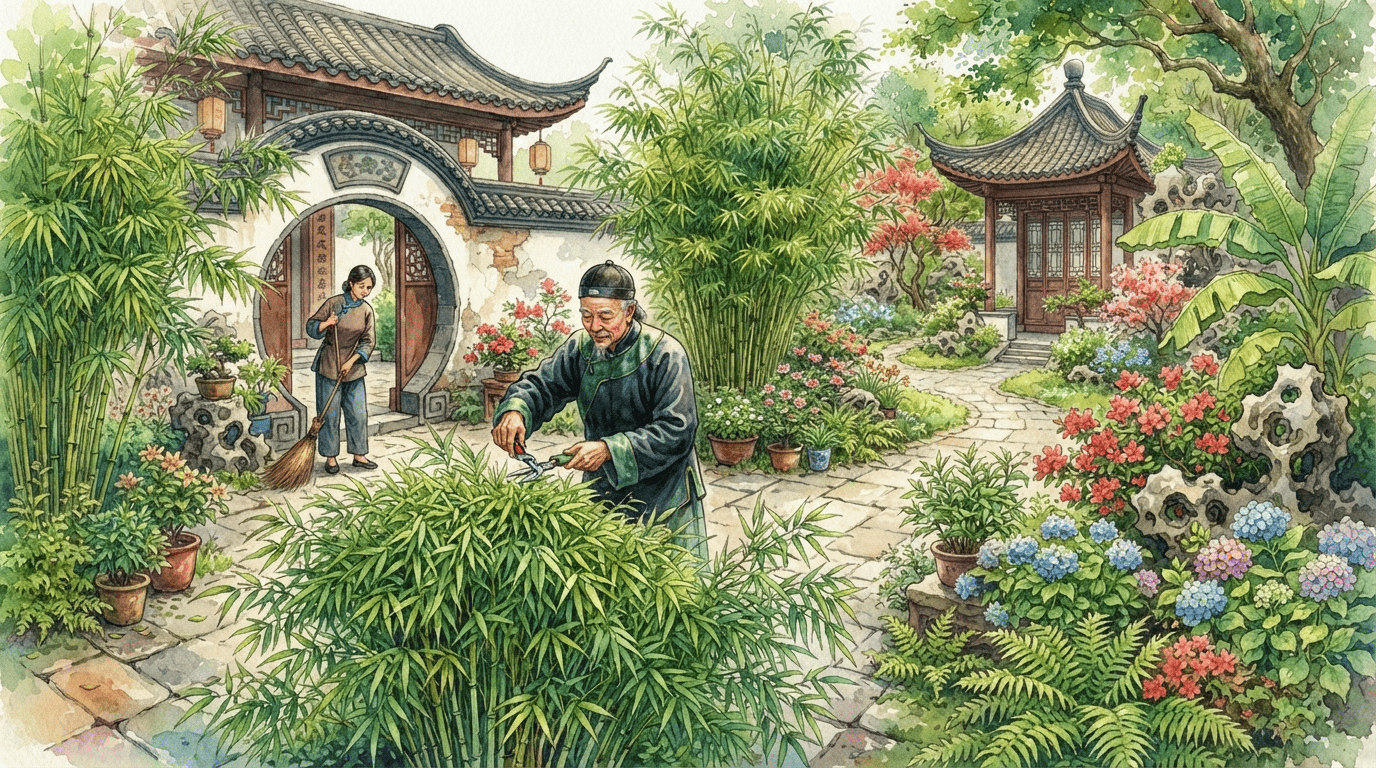
Bambusa multiplex is native to southern China (Guangdong, Guangxi, Hainan) and Taiwan, where it has been cultivated as an ornamental and hedging bamboo for more than a thousand years. It is a clumping (pachymorph) bamboo — forming tight, slowly-expanding clumps rather than spreading by long rhizomes — which makes it substantially more manageable than the running Asian bamboos (Phyllostachys) and far better suited to residential gardens where uncontained spread would be problematic. Culms reach 5-10 meters tall and 2-4 cm diameter, with dense branchlets and fine-textured foliage that responds well to hedge shearing — hence the common name "hedge bamboo." It has been planted throughout the southern US (notably Florida, Texas, Louisiana, coastal California), Hawaii, and the Caribbean for century-scale use in privacy screens, formal hedging, and container plantings.
Horticulturally important cultivars include "Alphonse Karr" (bright yellow-gold culms with irregular green stripes — one of the most striking small bamboos), "Golden Goddess" (compact form, dense fine foliage), "Silverstripe Fernleaf," and "Riviereorum" (dwarf). The species is relatively cold-hardy for a tropical bamboo, tolerating brief frosts to around -9°C. Bambusa multiplex has been cultivated in Chinese gardens for centuries, valued for its elegant, dense foliage and manageable size. The name 'multiplex' refers to its many-branched culm nodes.
In traditional Chinese feng shui, planting bamboo near the entrance of a home is believed to invite positive energy and ward off negative forces. The cultivar 'Alphonse Karr' was named after the 19th-century French journalist and gardener Jean-Baptiste Alphonse Karr, who famously quipped 'the more things change, the more they stay the same.' It remains one of the most widely planted ornamental bamboos in tropical landscaping worldwide.
Symbolism & meaning
What It Symbolizes
Hedge Bamboo expresses versatility — its many cultivars and uses across Asian and global gardens represent adaptability and resourcefulness in a single living screen. Its dense, arching foliage also offers protection, sheltering bird life and shielding the home behind it. In East Asian symbolism, bamboo's flexibility under wind has long stood for resilient guardianship, bending without breaking.
- Versatility — Its many cultivars and uses represent adaptability and resourcefulness
- Protection — Dense foliage screens and shelters, symbolizing guardianship
Where the Name Comes From
Bambusa from Malay 'bambu.' Multiplex is Latin for 'many-fold,' referring to the numerous branches at each node.
Uses & Fun Facts
- Dense clumping culms form tall living privacy screens
- Non-running clumper tolerates large patio planters well
- Slender canes harvested for stakes, fencing, and crafts
Related plants
More Bambusa plants
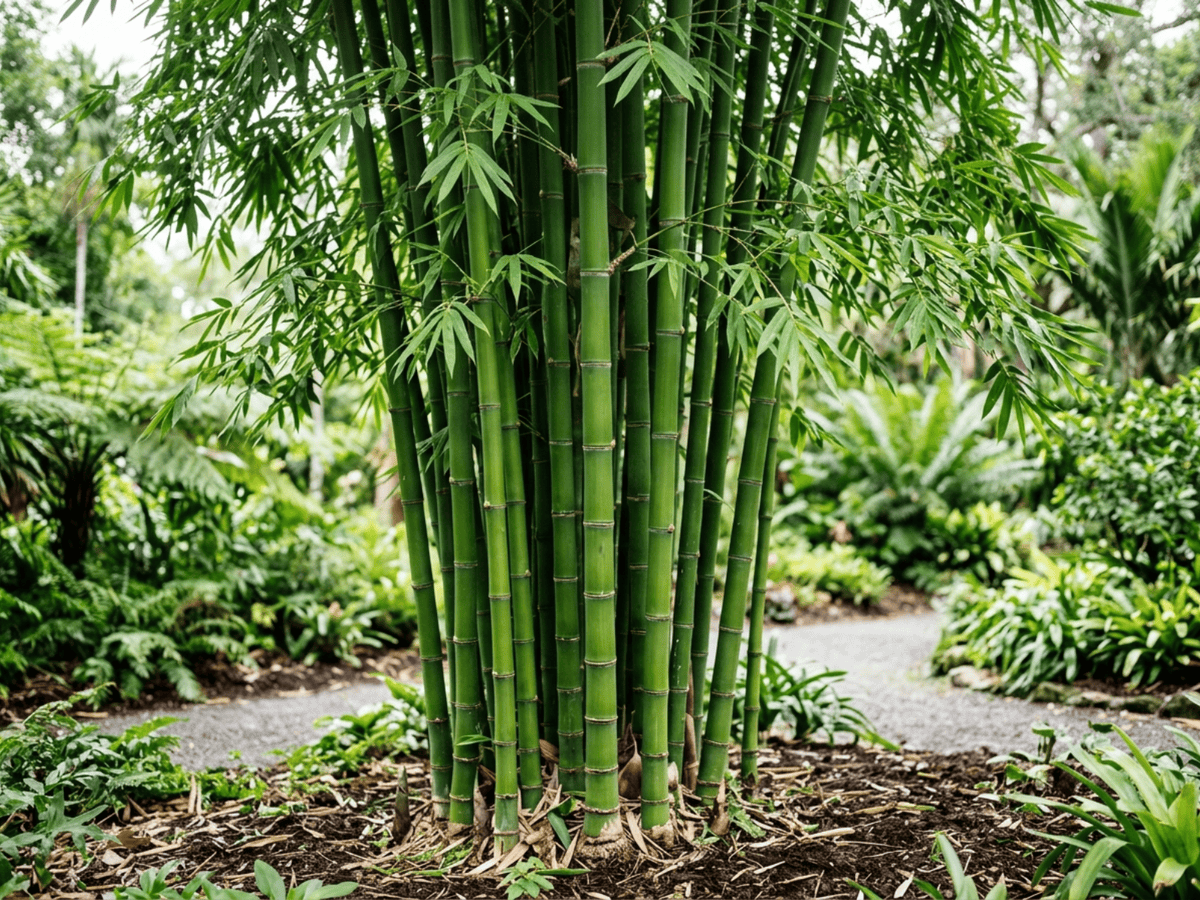
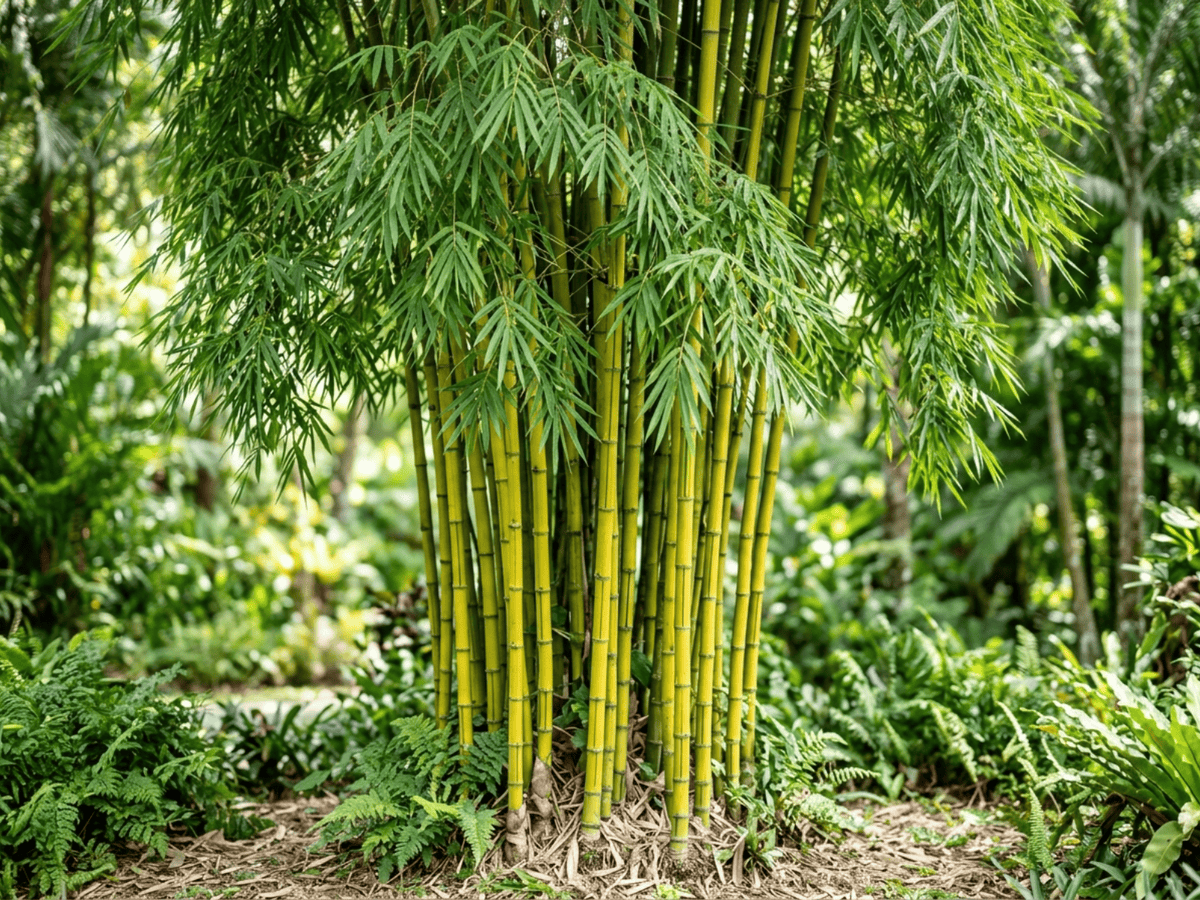
Plants with similar care
 Chinese AbeliaAbelia chinensis
 Fragrant AbeliaAbelia mosanensis
 Large-Flowered AbeliaAbelia uniflora
 Glossy AbeliaAbelia x grandiflora
Frequently asked questions
How often should I water Hedge Bamboo?
In summer, water about every 2 days; in winter, about every 14 days. Adjust for heat, pot size and drainage.
How much light does Hedge Bamboo need?
Full sun: 6+ hrs direct. Watch the leaves — scorching or stretching means the light needs adjusting.
Is Hedge Bamboo toxic to cats or dogs?
Pets Safe (Dogs Safe · Cats Safe) Educational information, not medical or veterinary advice. If exposure is suspected, contact a doctor or veterinarian.
Is Hedge Bamboo easy to grow?
Yes — it is considered an easy, beginner-friendly plant.
Can Hedge Bamboo be grown indoors?
Yes, it adapts well to indoor growing given the right light.
YardMate
Identify any plant in seconds
Snap a photo — YardMate names the plant, diagnoses problems, and reminds you when to water.
Download on the App Store