 YardMate


Eastern Wild Indigo
Baptisia tinctoria
Easy · Beginner friendlyAbout Eastern Wild Indigo
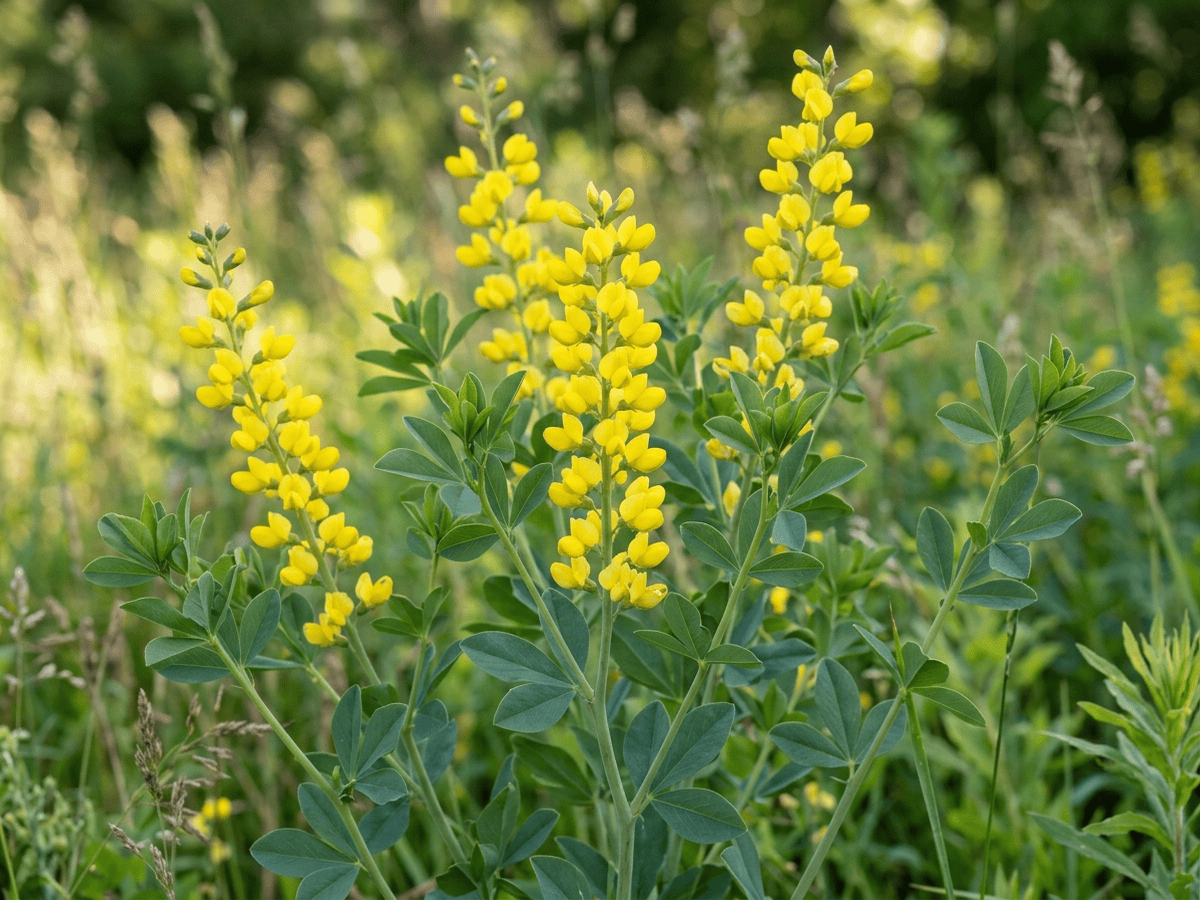
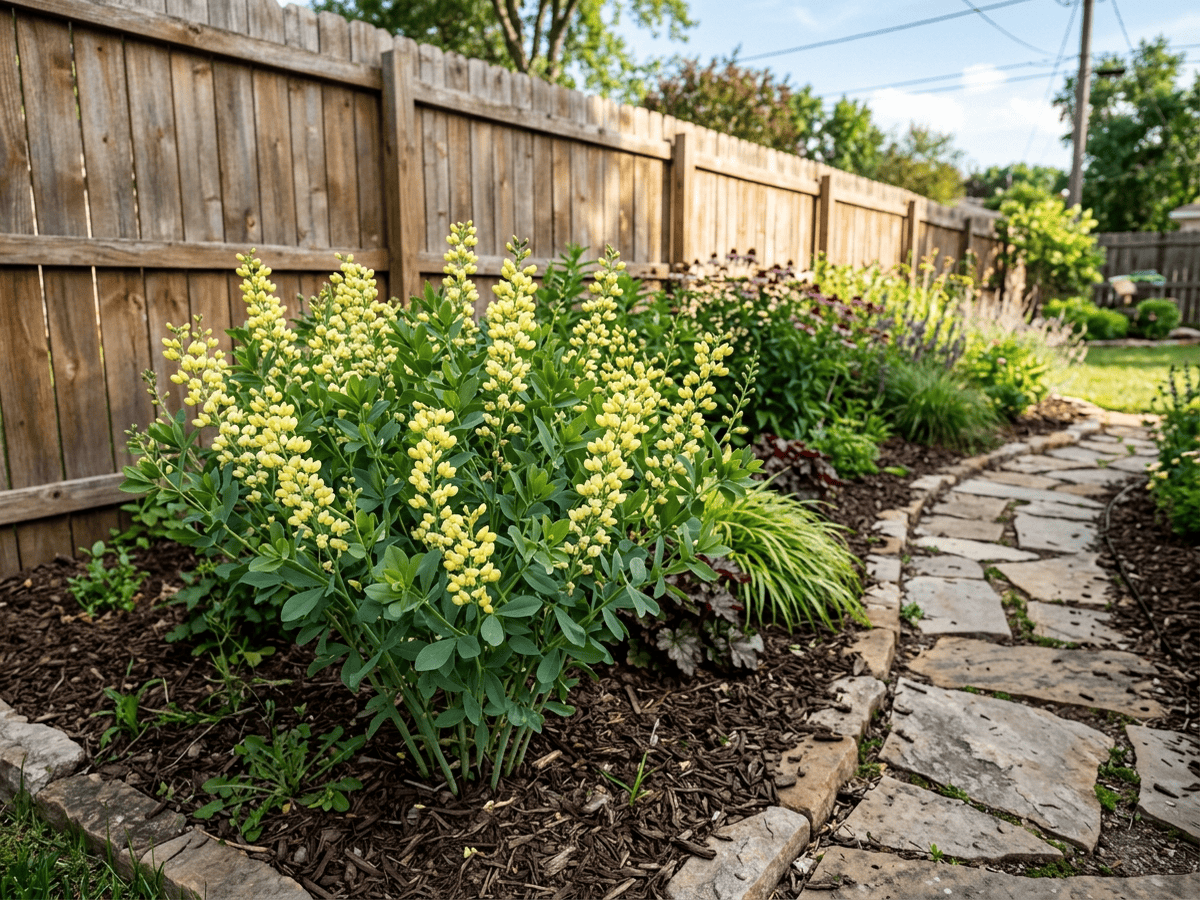
Yellow Wild Indigo is an eastern US native perennial producing airy branched stems with small bright yellow pea flowers in early summer. Growing 2 to 3 feet tall and wide with gray-green cloverlike foliage, it was historically used as a source of yellow dye. A heritage native plant for American prairie, meadow, and pollinator gardens, feeding native bees and specialty caterpillars.
- Drought-tolerant
- Deer-resistant
- Native
- Pollinator-friendly
How to care for Eastern Wild Indigo
Watering
- Springevery 7 days
- Summerevery 5 days
- Fallevery 10 days
- Winterevery 21 days
Soil · Well-draining
- Top dressingPine bark mulch10%
- Main mixPotting soil + perlite 2:170%
- DrainageLECA / gravel20%
Never skip the drainage layer — standing water is the top cause of root rot.
FERTILIZER
This plant needs little to no feeding.
At a Glance
- NativeNorth America
- Height2–3 ft (0.6–0.9 m)
- Spread2–3 ft (0.6–0.9 m)
- Flower colorYellow
- Foliage colorBlue-green, Green
- Fruit colorBlack
- SoilSandy, Well-drained
- LocationsYard
Bloom time
BLOOM CYCLE
Peak bloom
May–Jun
Bright yellow pea flowers in early summer
Fragrance
LIGHT FRAGRANCE
The flowers have a very lightly pea-scented scent.
Toxicity
Humans Moderate · Pets Moderate
cytisine and quinolizidine alkaloids
Moderate
- Seed
- Root
- Ingestion
EXPOSURE Eating seeds and roots.
EFFECT Nausea, vomiting, and diarrhea.
NOTE Seeds and roots contain toxic alkaloids. Large amounts can be dangerous; historical medicinal use required expert preparation.
Moderate
- Seed
- Root
- Ingestion
EXPOSURE Eating seeds and roots.
EFFECT Vomiting, diarrhea, and weakness.
NOTE Seeds and roots contain toxic alkaloids. Large amounts can be dangerous; historical medicinal use required expert preparation.
Moderate
- Seed
- Root
- Ingestion
EXPOSURE Eating seeds and roots.
EFFECT Vomiting, diarrhea, and weakness.
NOTE Seeds and roots contain toxic alkaloids. Large amounts can be dangerous; historical medicinal use required expert preparation.
Educational information, not medical or veterinary advice. If exposure is suspected, contact a doctor or veterinarian.
DISTRIBUTION


- Native
- North America
History
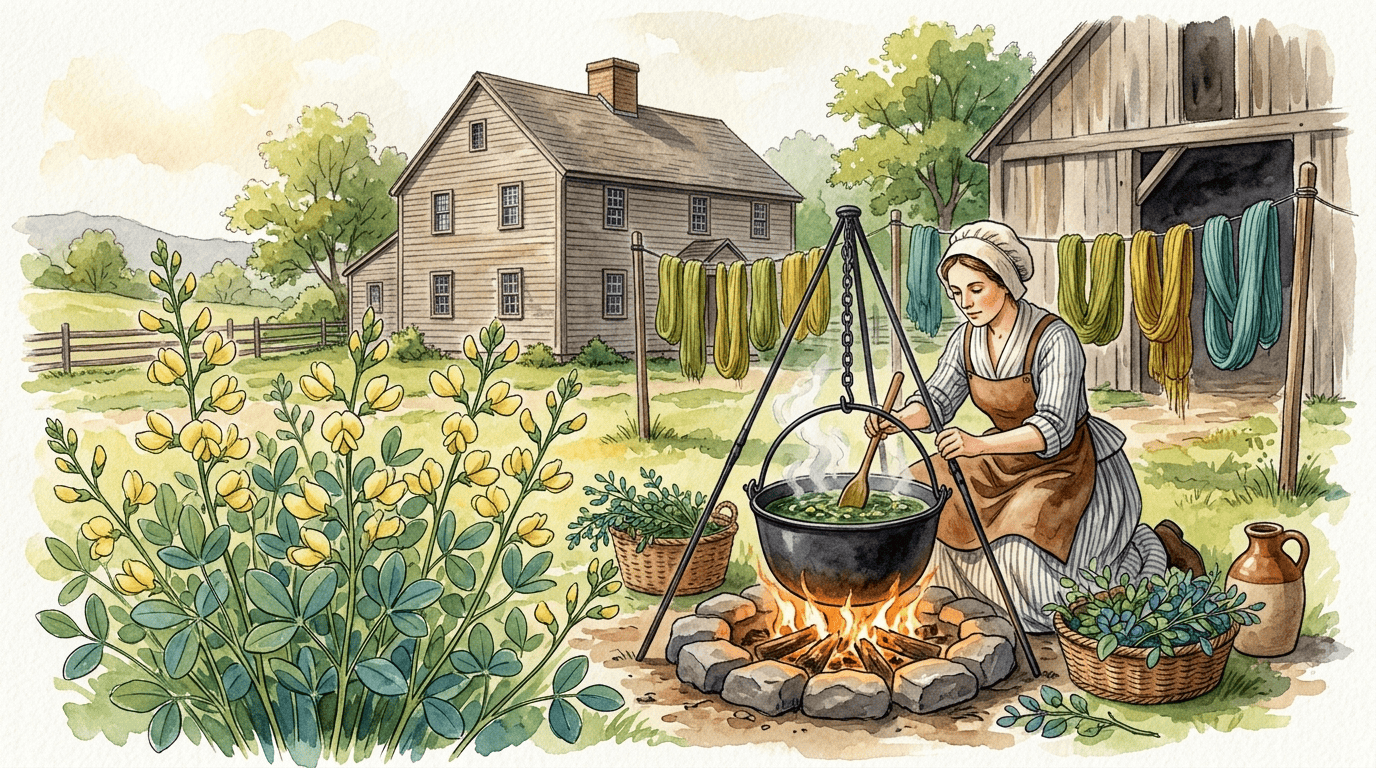
Baptisia tinctoria grows in dry open woods and sandy fields from Maine to Florida and west to Minnesota. Linnaeus described it as Sophora tinctoria in 1753, and Robert Brown transferred it to Baptisia in 1811. Colonial Americans in New England and the mid-Atlantic boiled the foliage to produce a blue dye as a cheaper substitute for imported Indigofera tinctoria, especially during the Revolutionary War when trade disruptions cut off Caribbean indigo.
Cherokee and other eastern tribes used root decoctions for fevers, toothache, and wound washes. Nineteenth-century Eclectic physicians prescribed tincture of Baptisia for septic fevers and typhoid.
In modern gardens it is valued as a smaller, drought-tolerant native with soft yellow pea flowers and neat blue-green foliage. Native from Maine to Georgia. Used during the American Revolution and Civil War as a domestic yellow dye source replacing imported indigo during trade shortages.
Symbolism & meaning
What It Symbolizes
Eastern Wild Indigo wears the meaning of hidden worth, a modest yellow wildflower of dry meadows whose roots once yielded a precious blue dye. During the American Revolution it became a revolutionary substitute when imported indigo grew scarce, threading its quiet leaves into the country's wartime cloth. In the language of native flowers, it speaks for those whose value is not displayed on the surface, but waits, dye-rich and patient, in the unassuming stem.
- Hidden worth — modest wildflower with rich dye use
- Revolutionary dye — American wartime substitute for indigo
Where the Name Comes From
'Eastern wild indigo' places this Baptisia in eastern North American meadows and open woods. Baptisia comes from Greek 'baptizein', to dip or dye; tinctoria means 'of the dyer', preserving its history as a source of blue dye.
Uses & Fun Facts
- Yellow pea-flowers feed long-tongued native bees
- Roots historically yielded a yellow dye substitute for indigo
Related plants
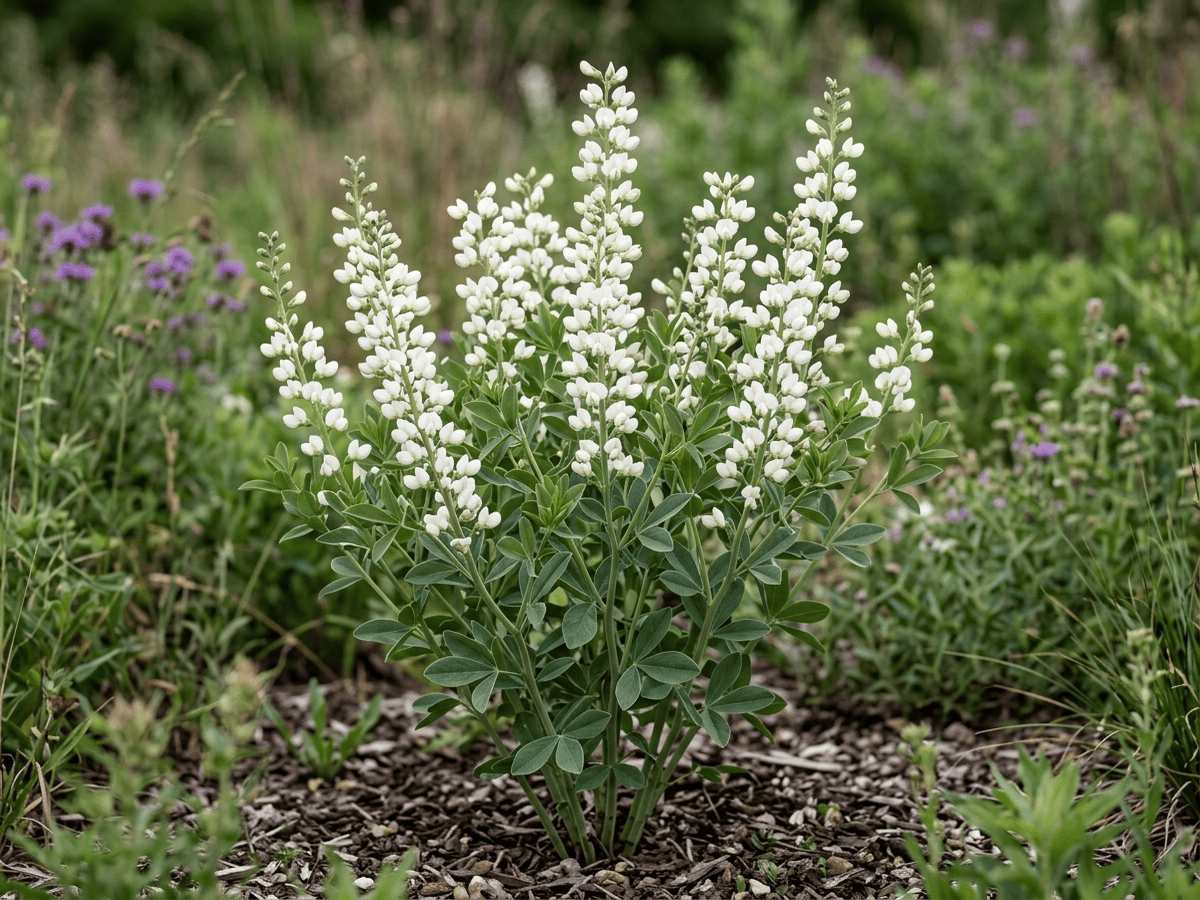
More Baptisia plants
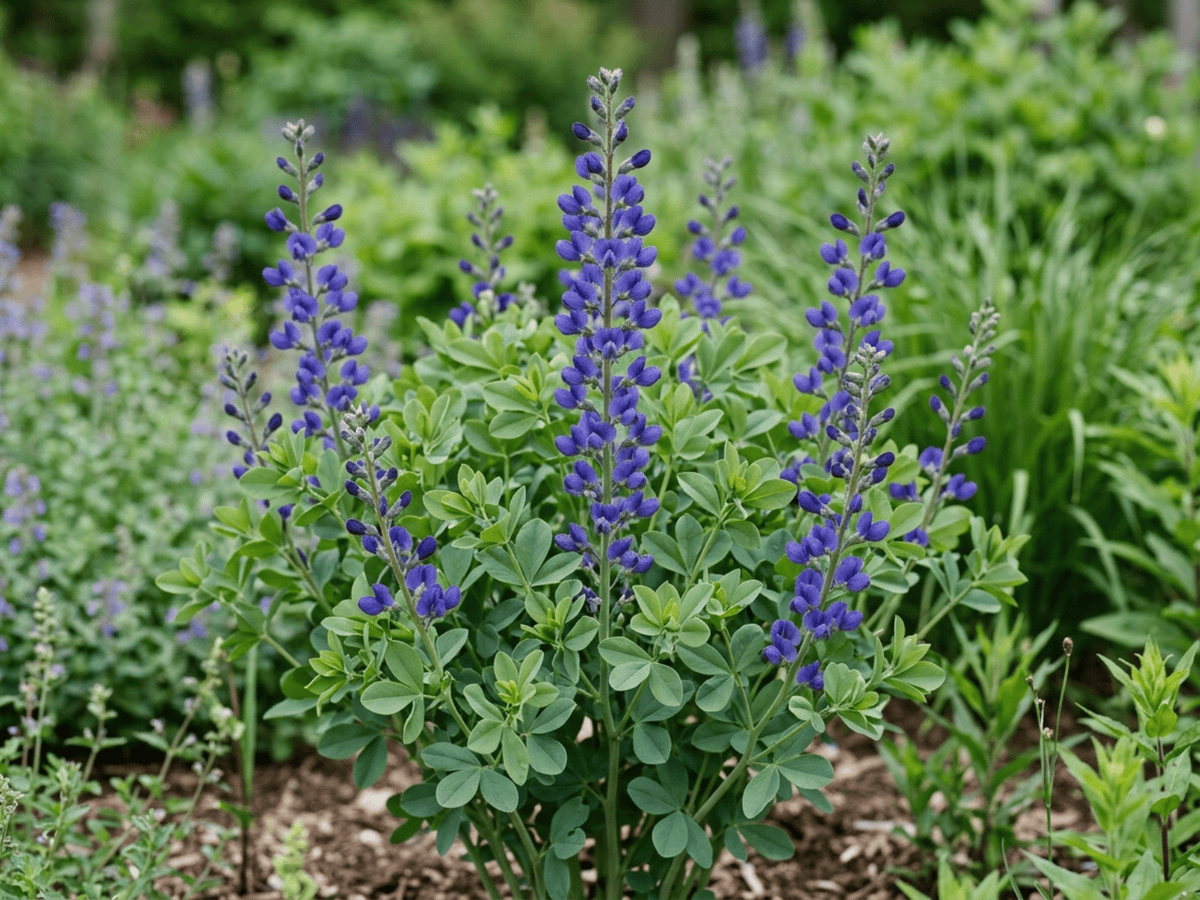
Plants with similar care
 Chinese AbeliaAbelia chinensis
 Fragrant AbeliaAbelia mosanensis
 Large-Flowered AbeliaAbelia uniflora
 Glossy AbeliaAbelia x grandiflora
Frequently asked questions
How often should I water Eastern Wild Indigo?
In summer, water about every 5 days; in winter, about every 21 days. Adjust for heat, pot size and drainage.
How much light does Eastern Wild Indigo need?
Full sun: 6+ hrs direct. Watch the leaves — scorching or stretching means the light needs adjusting.
Is Eastern Wild Indigo toxic to cats or dogs?
Pets Moderate (Dogs Moderate · Cats Moderate) Educational information, not medical or veterinary advice. If exposure is suspected, contact a doctor or veterinarian.
Is Eastern Wild Indigo easy to grow?
Yes — it is considered an easy, beginner-friendly plant.
When does Eastern Wild Indigo bloom?
It typically blooms May–Jun in the Northern Hemisphere.
YardMate
Identify any plant in seconds
Snap a photo — YardMate names the plant, diagnoses problems, and reminds you when to water.
Download on the App Store