 YardMate

Small-Leaved Box
Buxus microphylla
Easy · Beginner friendlyAbout Small-Leaved Box
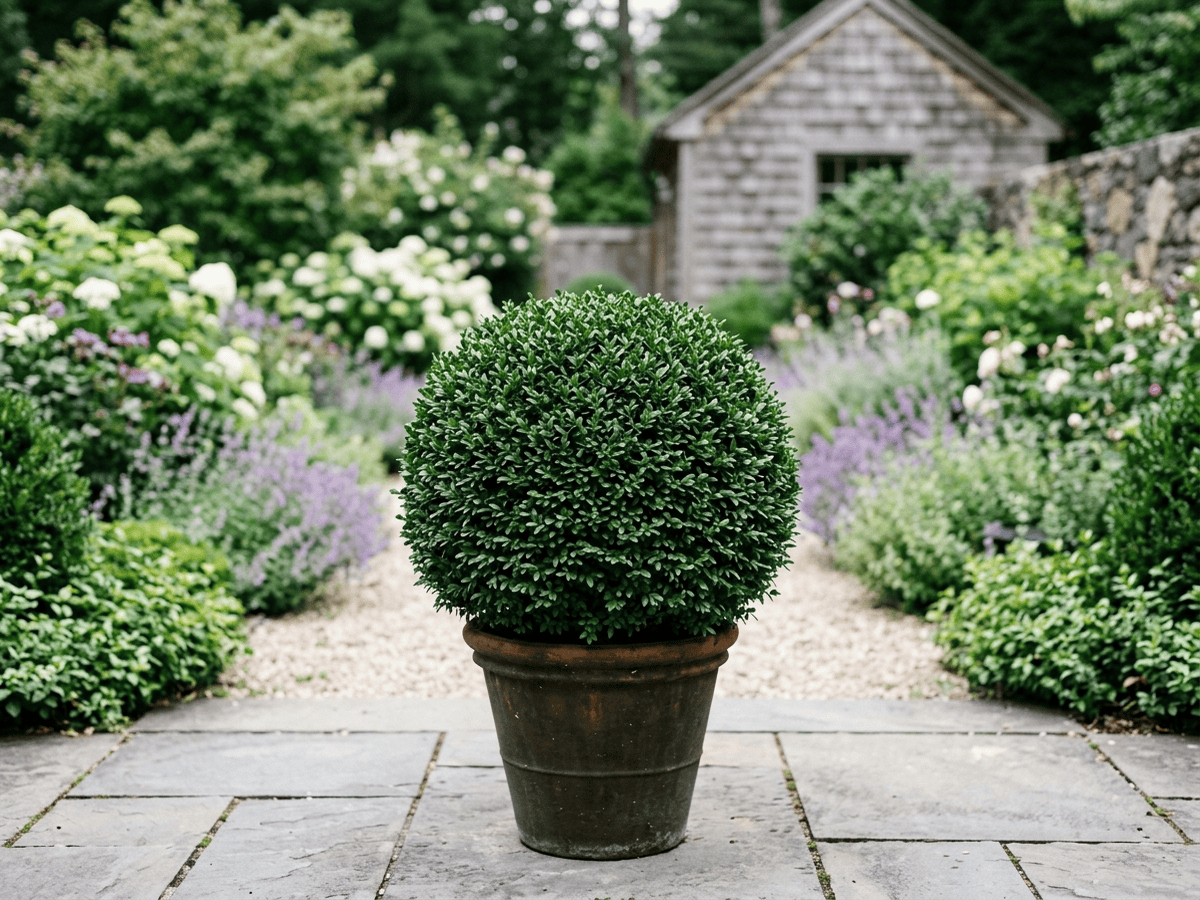
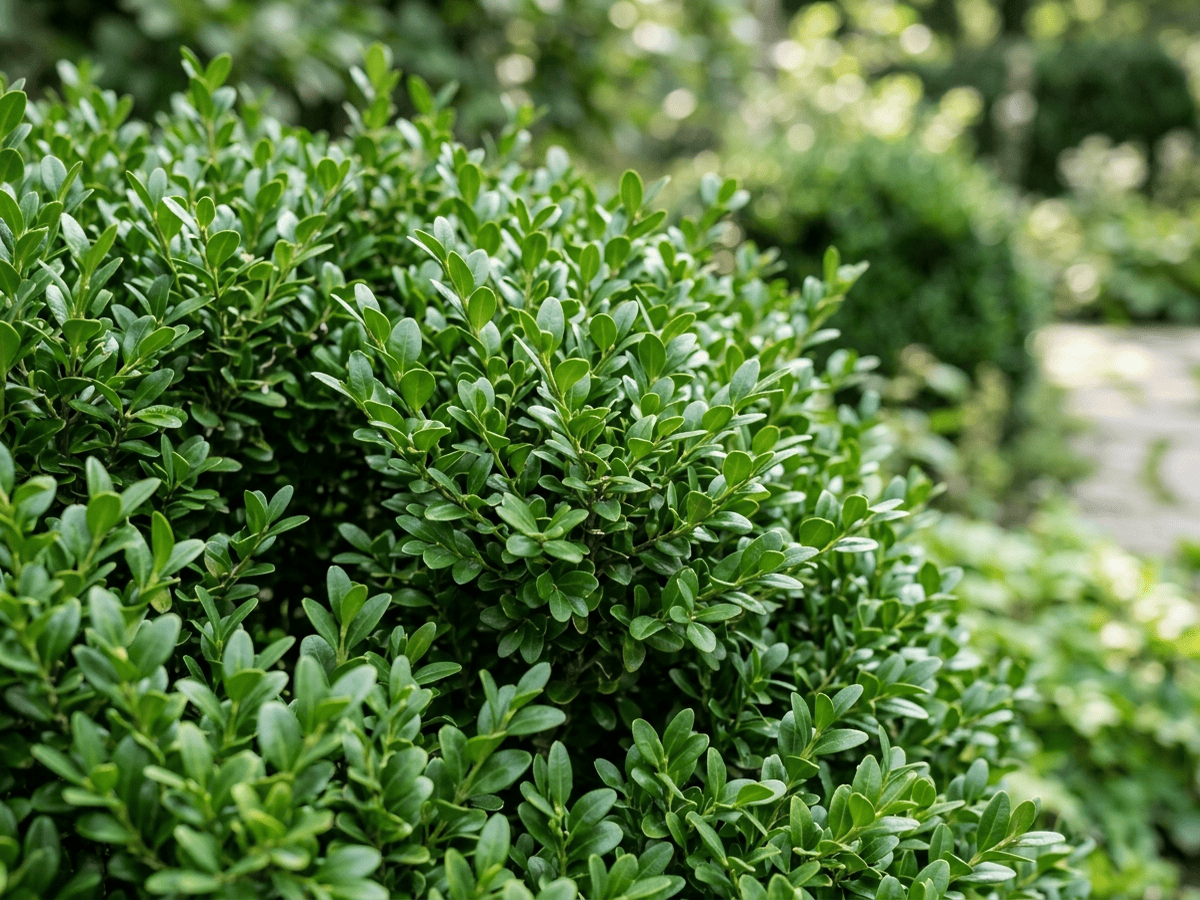
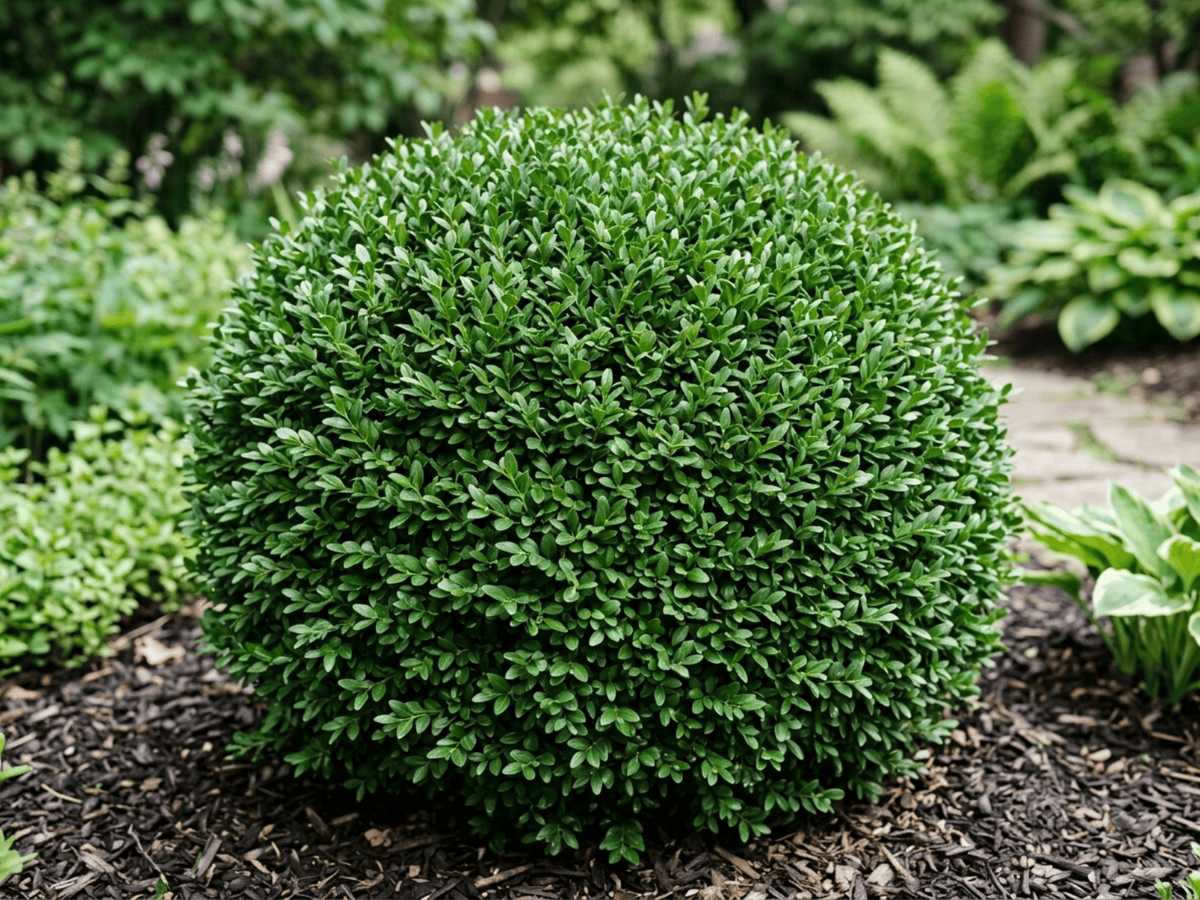
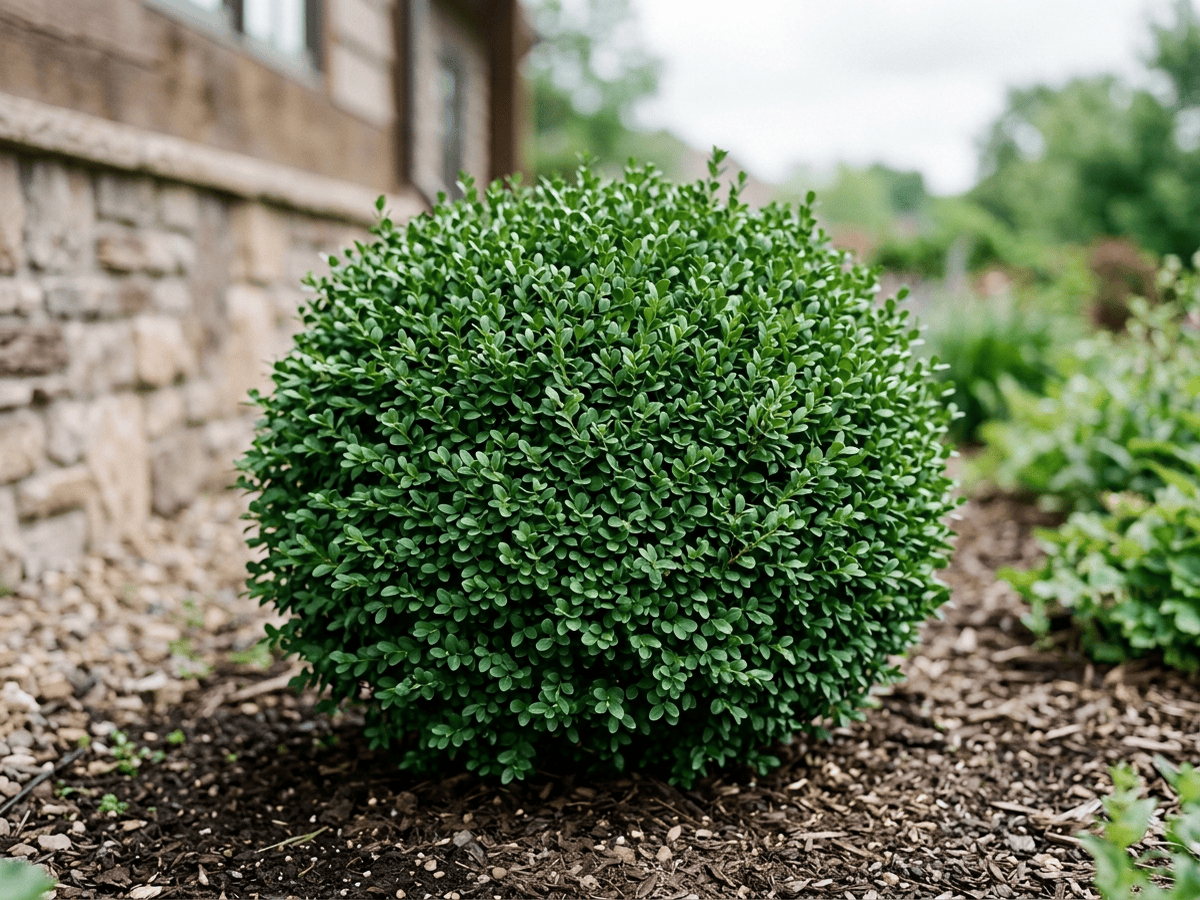
Japanese Boxwood is a compact evergreen shrub from Japan, Korea, and Taiwan, growing 3-4 feet tall with small glossy dark green leaves that tolerate shearing into formal shapes. More heat-tolerant and resistant to boxwood blight than English boxwood, it has become the go-to boxwood for American gardens from the mid-Atlantic southward. The dense branching creates impenetrable hedges and topiaries. Some cultivars develop a bronze-yellow winter color that returns to green in spring.
- Heat-tolerant
- Compact
- Evergreen
How to care for Small-Leaved Box
Watering
- Springevery 7 days
- Summerevery 5 days
- Fallevery 10 days
- Winterevery 21 days
Soil · Well-draining
- Top dressingPine bark mulch10%
- Main mixPotting soil + perlite 2:170%
- DrainageLECA / gravel20%
Never skip the drainage layer — standing water is the top cause of root rot.
FERTILIZER
Balanced Feed 14-14-14
An even feed covers all three needs at once, keeping leaves, roots and blooms moving together with nothing pushed out of balance.
- Nitrogen · Leaves
- Phosphorus · Roots + Blooms
- Potassium · Strength
- Springevery 30 days
At a Glance
- NativeEast Asia
- Height2–4 ft (0.6–1.2 m)
- Spread2–4 ft (0.6–1.2 m)
- Flower colorYellow, Green
- Foliage colorGreen, Dark-green, Bronze
- SoilLoamy, Well-drained, Neutral
- LocationsYard
Bloom time
BLOOM CYCLE
Peak bloom
Mar–Apr
Inconspicuous; grown for evergreen structure
Fragrance
LIGHT FRAGRANCE
Characteristic musky boxwood scent—polarizing; some people find it unpleasant.
Toxicity
Humans Toxic · Pets Toxic
buxine and cyclobuxine
Toxic
- Leaf
- Stem
- Ingestion
EXPOSURE Eating leaves and stems.
EFFECT GI irritation, vomiting, diarrhea, potential respiratory failure at high doses from buxine alkaloids.
NOTE Documented concern for humans: GI irritation, vomiting, diarrhea, potential respiratory failure at high doses from buxine alkaloids.
Toxic
- Leaf
- Stem
- Ingestion
EXPOSURE Eating leaves and stems.
EFFECT Vomiting, diarrhea, weakness, potential cardiac effects.
NOTE ASPCA lists Buxus as toxic to dogs, cats, and horses. Historic livestock poisonings documented.
Toxic
- Leaf
- Stem
- Ingestion
EXPOSURE Eating leaves and stems.
EFFECT Vomiting, diarrhea, weakness.
NOTE ASPCA lists Buxus as toxic to dogs, cats, and horses. Historic livestock poisonings documented.
Educational information, not medical or veterinary advice. If exposure is suspected, contact a doctor or veterinarian.
DISTRIBUTION


- Native
- East Asia
History
Buxus microphylla occurs naturally in Japan, the Korean Peninsula, and Taiwan. German botanists Philipp Franz von Siebold and Joseph Gerhard Zuccarini described the species in 1845 in Flora Japonica. The epithet microphylla means small-leaved, referring to the diminutive glossy leaves (barely 1-2 cm) compared to English box.
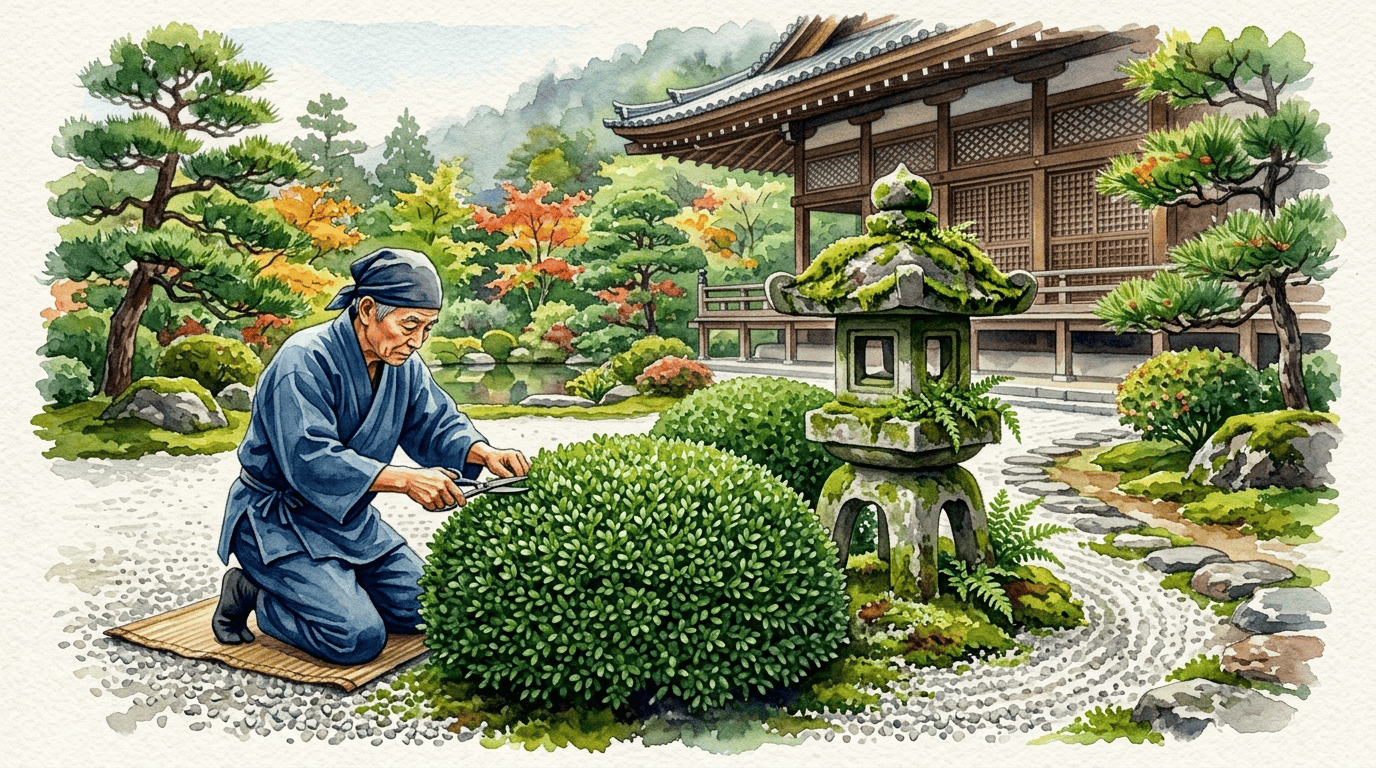
Several varieties are recognized: var. japonica (Japanese box), var. koreana (Korean box, especially cold-hardy), and var. sinica (Chinese box, now often treated as B. sinica). In Asia the species has been cultivated for centuries in temple and palace gardens for hedging and topiary. Introduced to Western cultivation in the mid-19th century, the cold-hardy Korean forms proved particularly valuable for regions where B. sempervirens suffered winter damage.
Modern cultivars include 'Winter Gem' (a tough, winter-color-retaining selection), 'Green Pillow' (very compact), 'Green Beauty', and 'Wintergreen'. The species also shows some resistance to boxwood blight (Calonectria pseudonaviculata) compared with B. sempervirens. Cultivated in East Asian gardens for centuries. Japanese boxwood gained prominence as English boxwood (B. sempervirens) suffered devastating losses from boxwood blight (Calonectria pseudonaviculata), which first appeared in the eastern US around 2011.
Symbolism & meaning
What It Symbolizes
The Small-Leaved Box wears the meaning of constancy through its dense evergreen foliage, holding its quiet green through every season, every weather. It is also the defining plant of formal garden design, the ordering hand behind parterres, knot gardens and clipped hedges, and so it stands too for order. To plant boxwood is to choose steadfastness as an aesthetic principle, the belief that a garden, like a life, gains beauty from forms that hold true year after year.
- Constancy — evergreen year-round, symbolizing steadfastness
- Order — the defining plant of formal garden design
Where the Name Comes From
'Buxus' is the classical Latin name for boxwood; 'microphylla' means 'small-leaved' in Greek.
Uses & Fun Facts
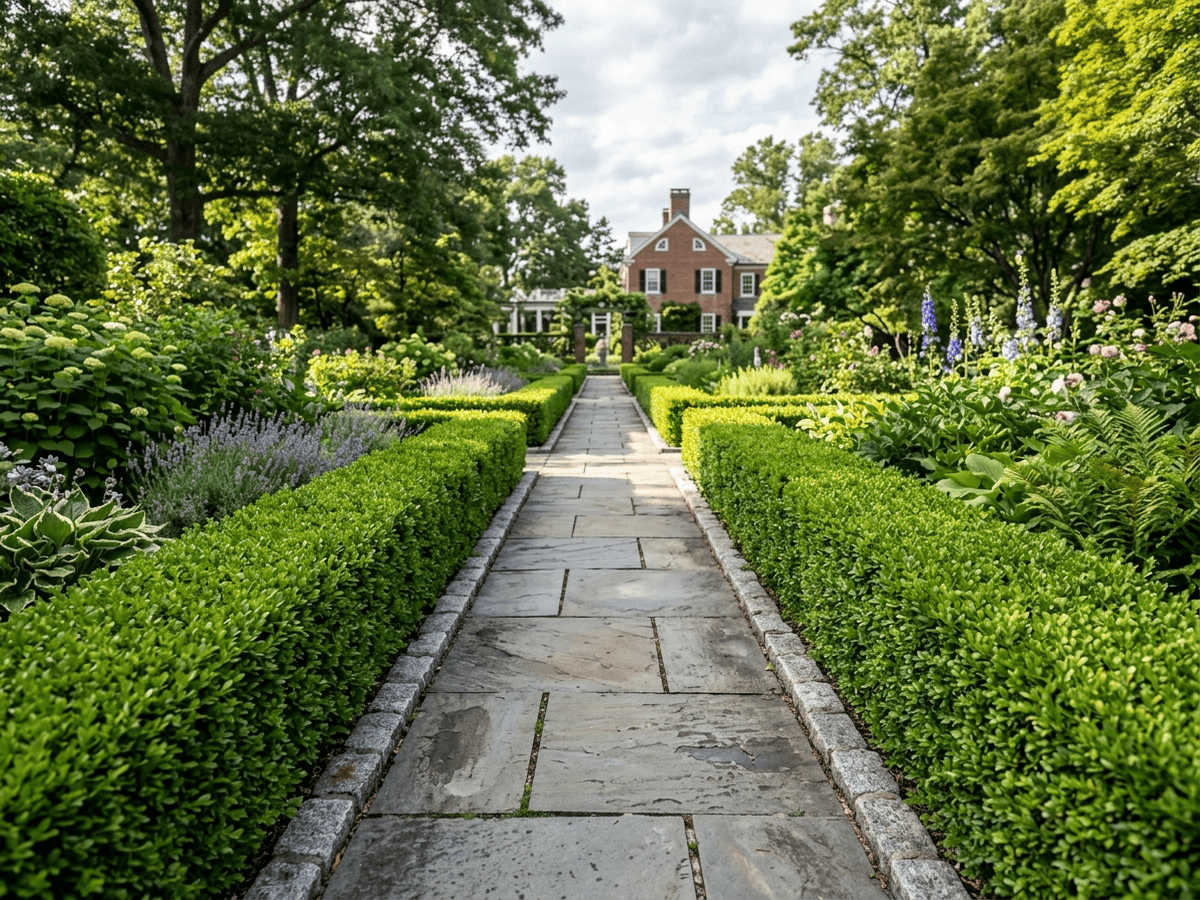
- Tight foliage clipped into low formal hedging
- Compact habit ideal for topiary and parterre pots
- Dense evergreen structure for parterres and edging
- Sheared spheres and cones anchor formal garden axes
Related plants
More Buxus plants
Plants with similar care
 Chinese AbeliaAbelia chinensis
 Fragrant AbeliaAbelia mosanensis
 Large-Flowered AbeliaAbelia uniflora
 Glossy AbeliaAbelia x grandiflora
Frequently asked questions
How often should I water Small-Leaved Box?
In summer, water about every 5 days; in winter, about every 21 days. Adjust for heat, pot size and drainage.
How much light does Small-Leaved Box need?
Full sun: 6+ hrs direct. Watch the leaves — scorching or stretching means the light needs adjusting.
Is Small-Leaved Box toxic to cats or dogs?
Pets Toxic (Dogs Toxic · Cats Toxic) Educational information, not medical or veterinary advice. If exposure is suspected, contact a doctor or veterinarian.
Is Small-Leaved Box easy to grow?
Yes — it is considered an easy, beginner-friendly plant.
When does Small-Leaved Box bloom?
It typically blooms Mar–Apr in the Northern Hemisphere.
YardMate
Identify any plant in seconds
Snap a photo — YardMate names the plant, diagnoses problems, and reminds you when to water.
Download on the App Store