 YardMate
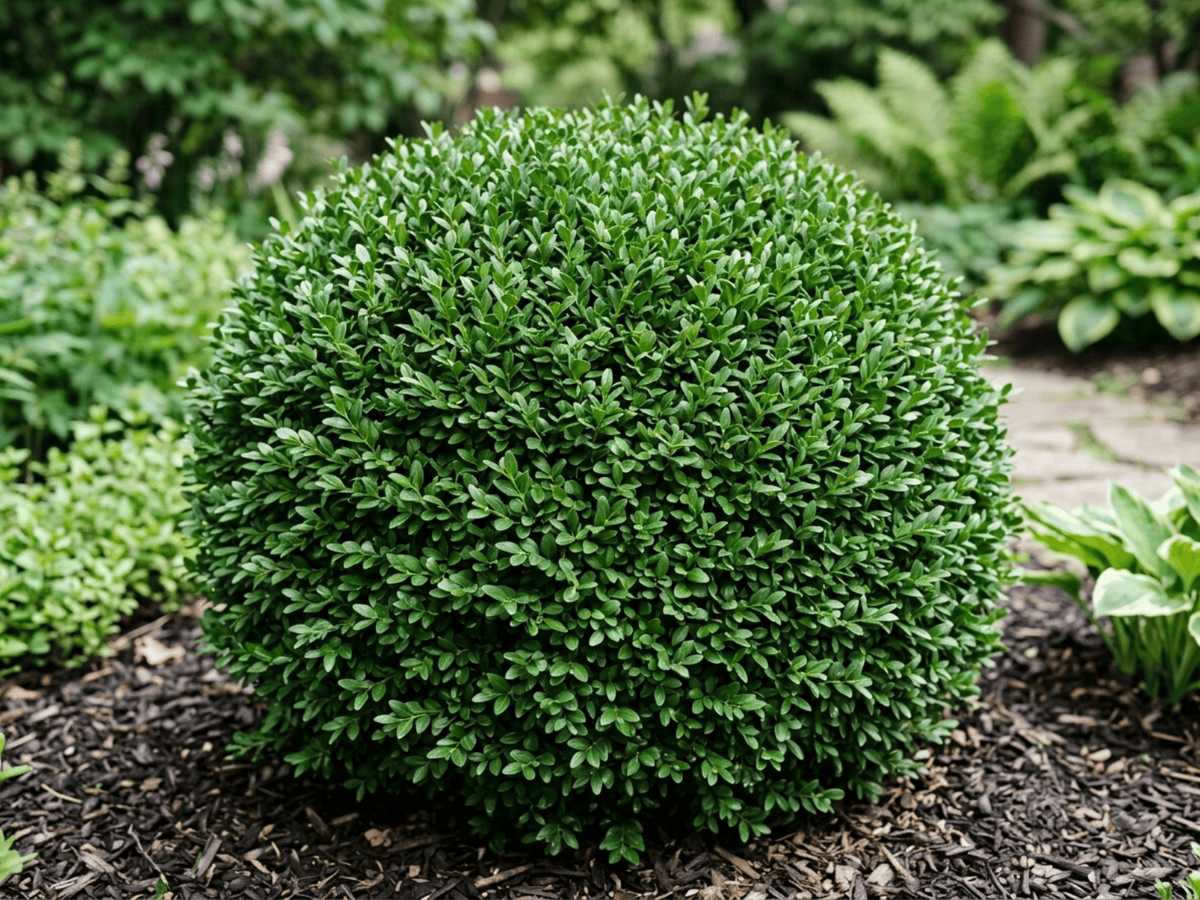



Common Box
Buxus sempervirens
Medium · Some experienceAbout Common Box
Buxus sempervirens, common boxwood, is the quintessential formal garden plant, cultivated in Europe and western Asia for over 2,000 years. This slow-growing evergreen shrub features small, dense, oval leaves that create an unmatched surface for precise topiary and hedging. It typically grows 1 to 5 meters tall if left unclipped but is usually maintained at a fraction of that height. The wood is extraordinarily dense — one of the few European woods that sinks in water — and has been prized for woodwind instruments, rulers, and engraving blocks since antiquity. Boxwood thrives in well-drained, slightly alkaline to neutral soil and tolerates deep shade, making it invaluable for shaded formal areas. It is the defining plant of French parterre gardens, English knot gardens, and Italian Renaissance terraces. However, boxwood blight (Calonectria pseudonaviculata) has devastated plantings since 2010, making resistant cultivars and alternatives increasingly important. Its aromatic foliage has a distinctive scent that some find pleasant and others pungent.
- Shade-tolerant
- Evergreen
How to care for Common Box
Watering
- Springevery 5 days
- Summerevery 4 days
- Fallevery 10 days
- Winterevery 21 days
Soil · Well-draining
- Top dressingPine bark mulch10%
- Main mixPotting soil + perlite 2:170%
- DrainageLECA / gravel20%
Never skip the drainage layer — standing water is the top cause of root rot.
FERTILIZER
Balanced Feed 14-14-14
An even feed covers all three needs at once, keeping leaves, roots and blooms moving together with nothing pushed out of balance.
- Nitrogen · Leaves
- Phosphorus · Roots + Blooms
- Potassium · Strength
- Springevery 45 days
- Fallevery 45 days
At a Glance
- NativeMediterranean, Africa, Western Asia
- Height5–15 ft (1.5–4.6 m)
- Spread5–15 ft (1.5–4.6 m)
- Flower colorYellow, Green
- Foliage colorGreen, Variegated, Yellow
- SoilLoamy, Well-drained
- LocationsYard · Indoor · Balcony
Bloom time
BLOOM CYCLE
Peak bloom
Mar–May
Tiny yellowish flowers in spring are fragrant but inconspicuous; grown entirely for foliage form
Fragrance
MODERATE FRAGRANCE
Foliage has a distinctive pungent, musky, cat-urine-like scent in warm weather — polarizing.
Toxicity
Humans Moderate · Pets Moderate
buxine (alkaloid) and cyclobuxine
Moderate
- Leaf
- Stem
- Ingestion
EXPOSURE Eating leaves and stems.
EFFECT Contains alkaloid buxine and vomiting, diarrhea, seizures in large doses.
NOTE Documented concern for humans: Contains alkaloid buxine and vomiting, diarrhea, seizures in large doses.
Moderate
- Leaf
- Stem
- Ingestion
EXPOSURE Eating leaves and stems.
EFFECT Vomiting, diarrhea, potential seizures.
NOTE ASPCA lists boxwood as toxic to dogs, cats, and horses.
Moderate
- Leaf
- Stem
- Ingestion
EXPOSURE Eating leaves and stems.
EFFECT Vomiting, diarrhea.
NOTE ASPCA lists boxwood as toxic to dogs, cats, and horses.
Educational information, not medical or veterinary advice. If exposure is suspected, contact a doctor or veterinarian.
DISTRIBUTION


- Native
- Introduced
- Mediterranean
- Africa
- Western Asia
History
Buxus sempervirens is native to southern and western Europe, North Africa (Morocco, Algeria), and western Asia (Turkey, Caucasus). It has been cultivated as a hedging and topiary plant in European gardens since at least Roman times — Pliny the Younger described elaborate clipped boxwood topiary at his Tuscan villa around 100 CE. In medieval monastery gardens and Renaissance Italian and French formal gardens, clipped boxwood parterres became the defining garden-design element of European horticulture, reaching its peak in the 17th-century grand gardens of Versailles, Vaux-le-Vicomte, and Het Loo.
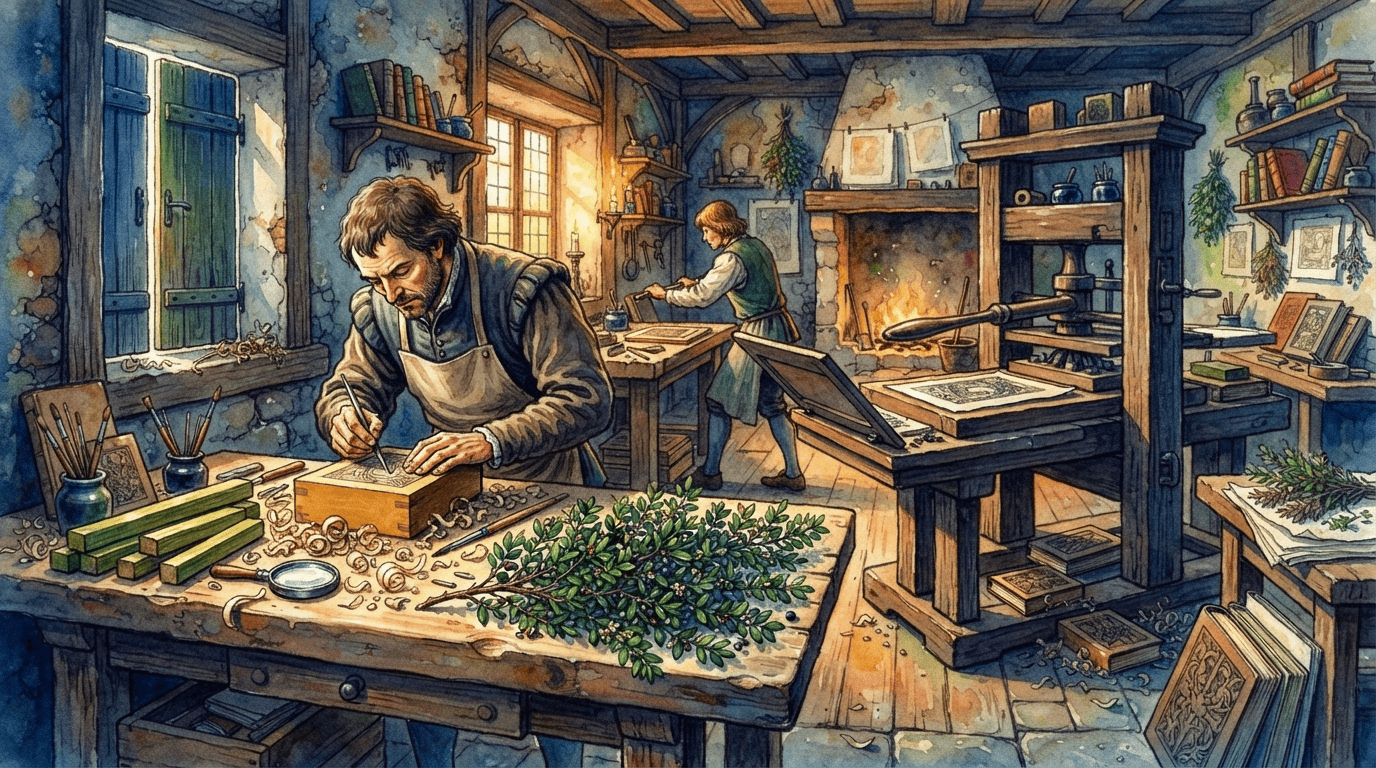
Its exceptionally fine-grained, hard, dense wood (one of the densest of any European wood, actually sinking in water) was the standard material for woodcut printing blocks for European books from the late 15th to 19th centuries, and remains used for chess pieces, rulers, recorder and flute head joints, and marquetry inlay. Since the 1990s, and accelerating in the 2000s-2010s, boxwood blight (Calonectria pseudonaviculata and the box tree moth Cydalima perspectalis from East Asia) have caused severe loss of historic boxwood hedges across Europe, the UK, and the eastern US.
Preservation of historic boxwood plantings has become a major horticultural concern. Pliny the Elder described ornamental boxwood topiary in Roman gardens in the 1st century CE. During the Renaissance, boxwood defined the great geometric gardens of Versailles, Villa d'Este, and Hampton Court.
Symbolism & meaning
What It Symbolizes
Common box is the green emblem of eternity, its evergreen leaves and centuries-long lifespan making it the plant of choice for the formal gardens of Versailles, Hampton Court, and a thousand monastery cloisters. There is stoicism in its makeup too — it accepts the shears year after year without complaint, holding whatever shape the gardener imposes. Few plants embody patience and permanence in such equal, quiet measure.
- Eternity — The evergreen nature and extreme longevity of boxwood represent permanence
- Stoicism — Its ability to endure heavy clipping symbolizes patience and endurance
Where the Name Comes From
Buxus is the Latin name for boxwood, possibly from Greek 'pyxos.' Sempervirens means 'always green' in Latin, emphasizing its evergreen character.
Uses & Fun Facts
- Dense small-leaved evergreen shaped into formal hedges and topiary
- Hard fine-grained wood prized for chess pieces and engraving blocks
Related plants
More Buxus plants
Plants with similar care
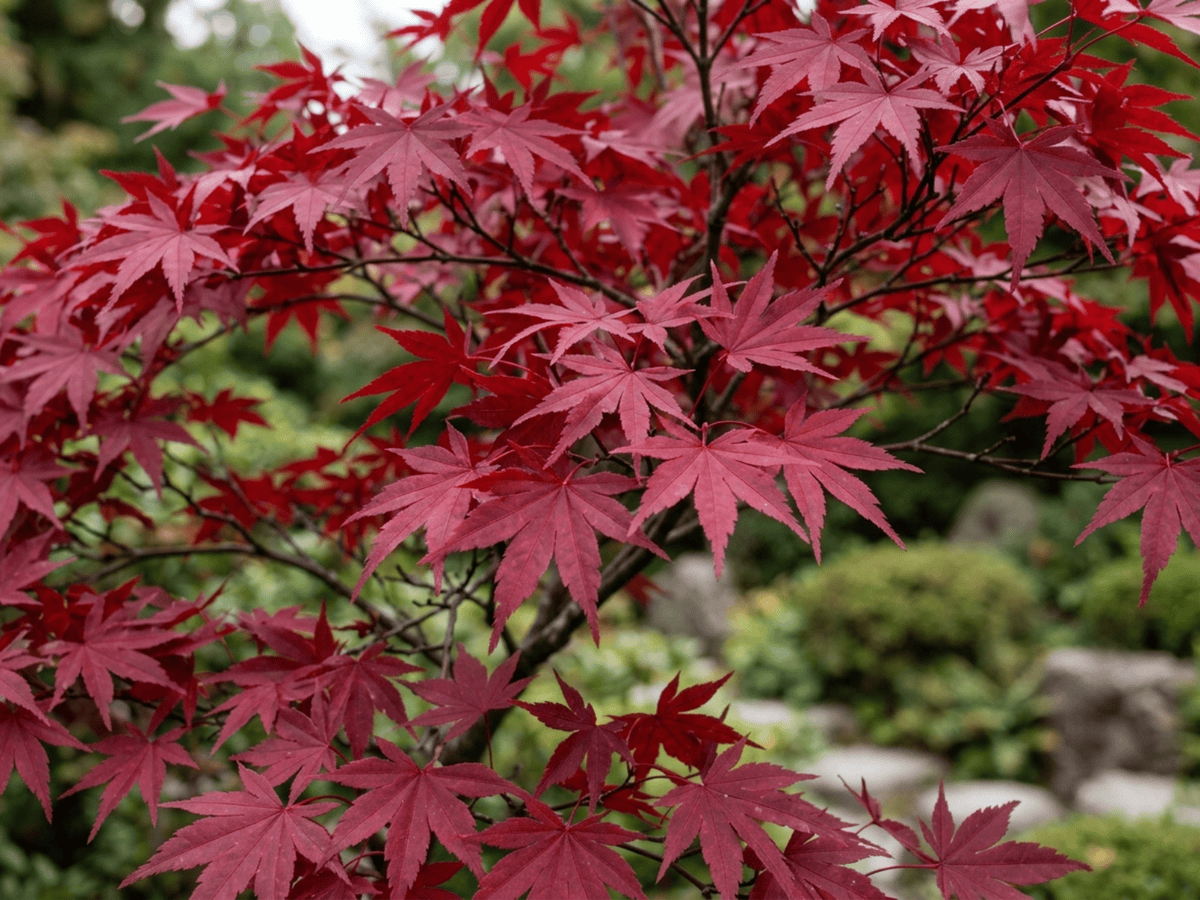 Japanese MapleAcer palmatum
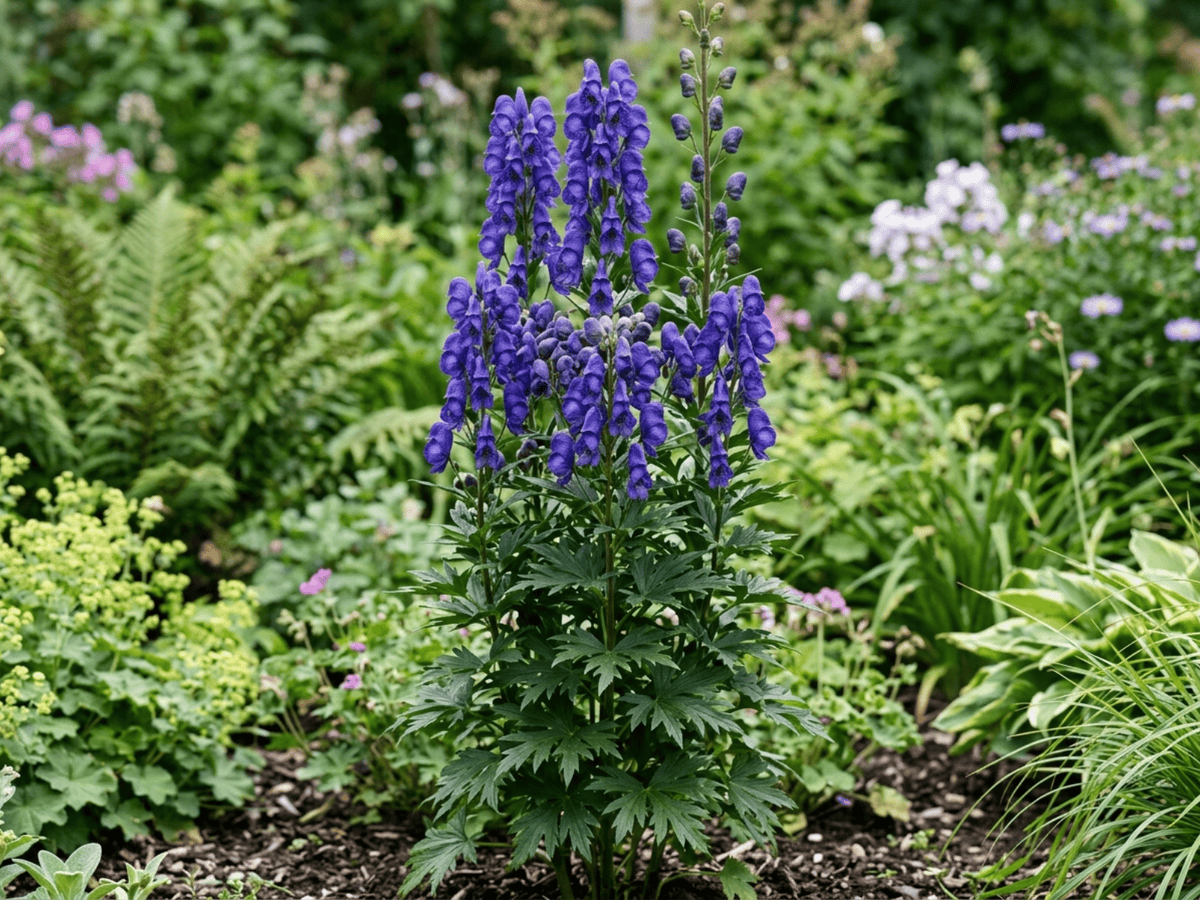 Azure MonkshoodAconitum carmichaelii
 Florida HobblebushAgarista populifolia
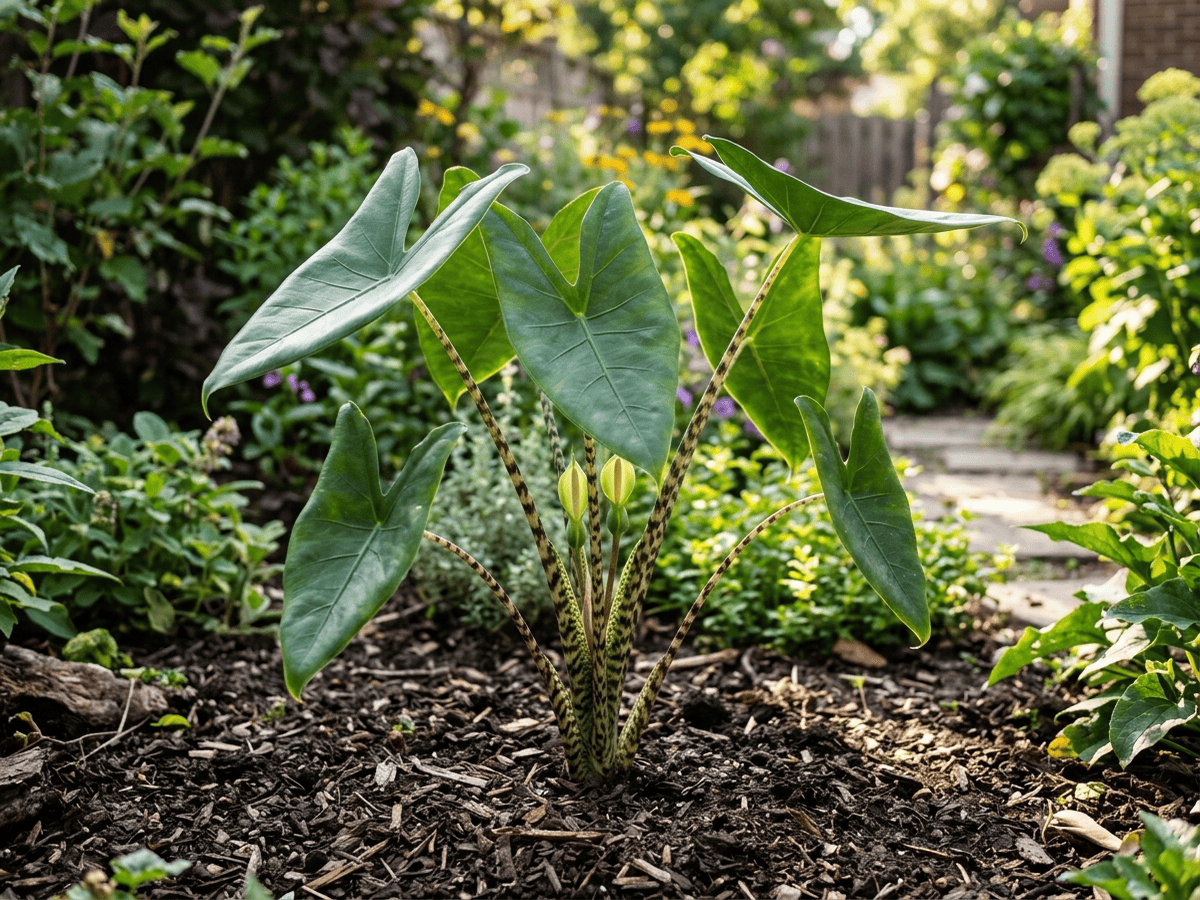 Alocasia zebrinaAlocasia zebrina
Frequently asked questions
How often should I water Common Box?
In summer, water about every 4 days; in winter, about every 21 days. Adjust for heat, pot size and drainage.
How much light does Common Box need?
Part shade: 2–4 hrs direct. Watch the leaves — scorching or stretching means the light needs adjusting.
Is Common Box toxic to cats or dogs?
Pets Moderate (Dogs Moderate · Cats Moderate) Educational information, not medical or veterinary advice. If exposure is suspected, contact a doctor or veterinarian.
Is Common Box easy to grow?
It is moderately demanding: a good choice once you have a little experience.
Can Common Box be grown indoors?
Yes, it adapts well to indoor growing given the right light.
When does Common Box bloom?
It typically blooms Mar–May in the Northern Hemisphere.
YardMate
Identify any plant in seconds
Snap a photo — YardMate names the plant, diagnoses problems, and reminds you when to water.
Download on the App Store