 YardMate


Field Marigold
Calendula arvensis
Easy · Beginner friendlyAbout Field Marigold
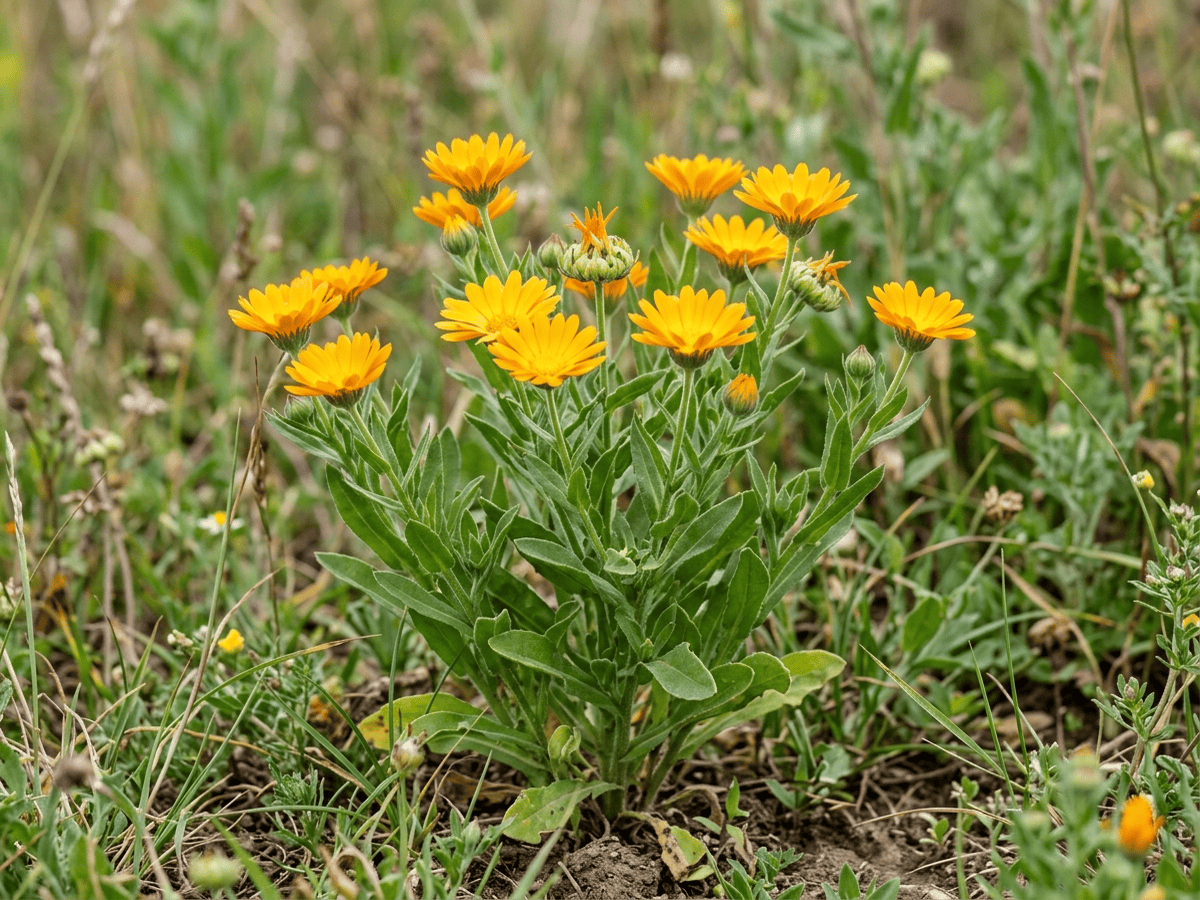
Field Marigold is the wild Mediterranean ancestor of garden calendula, a small annual producing bright yellow-orange daisy flowers on 6 to 12 inch stems. Self-sows aggressively in mild climates and naturalized widely in California and the Pacific Northwest. Less showy than cultivated calendula but prized for pollinators, edible petals, and genuine heritage appeal.
- Edible
- Medicinal
- Drought-tolerant
- Pollinator-friendly
How to care for Field Marigold
Watering
- Springevery 5 days
- Summerevery 4 days
- Fallevery 7 days
- Winterevery 10 days
Soil · Rich & well-draining
- Top dressingCompost10%
- Main mixPotting soil + compost 3:180%
- DrainageGravel10%
Top up the compost layer each season.
FERTILIZER
- Springevery 30 days
- Fallevery 30 days
At a Glance
- NativeMediterranean, Africa, Western Asia
- Height1–2 ft (0.3–0.6 m)
- Spread1–1.5 ft (0.3–0.5 m)
- Flower colorYellow, Orange
- Foliage colorGreen
- SoilLoamy, Well-drained
- LocationsYard
Bloom time
BLOOM CYCLE
Peak bloom
Jan–Dec
Small orange daisies year-round in mild climates
Fragrance
LIGHT FRAGRANCE
Resinous aromatic foliage when bruised.
Toxicity
No toxicity has been reported for this plant. Still, it is wise to keep pets from chewing on any houseplant.
Educational information, not medical or veterinary advice. If exposure is suspected, contact a doctor or veterinarian.
DISTRIBUTION

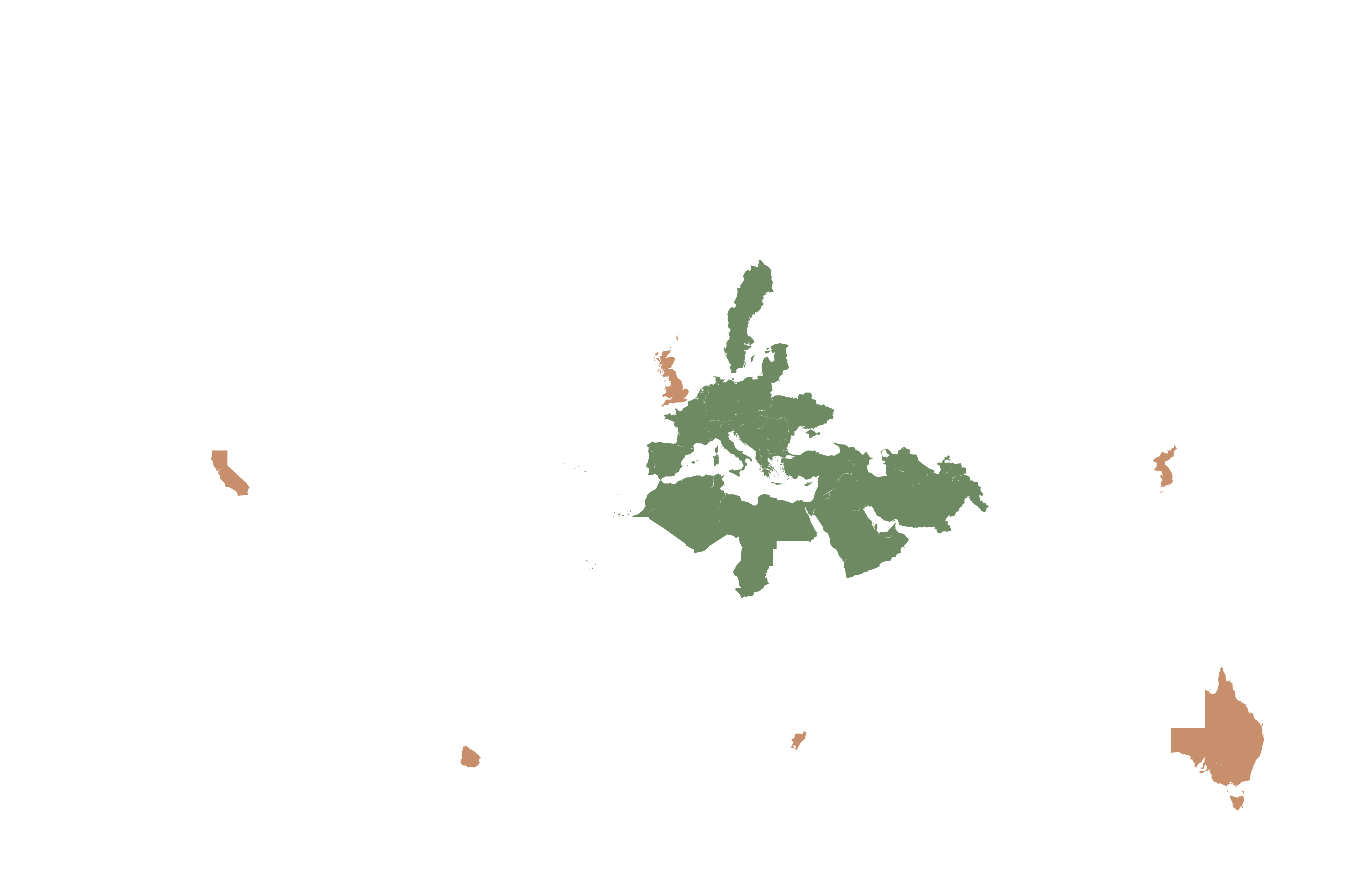
- Native
- Introduced
- Mediterranean
- Africa
- Western Asia
History
Calendula arvensis, the field marigold, is a short annual native to Mediterranean Europe, North Africa, and western Asia, where it has been a common weed of cereal cultivation and disturbed soils for millennia. Linnaeus described the species in 1763. Medieval and Renaissance herbalists used it as a lesser substitute for the larger pot marigold Calendula officinalis, though it never gained true pharmaceutical standing.
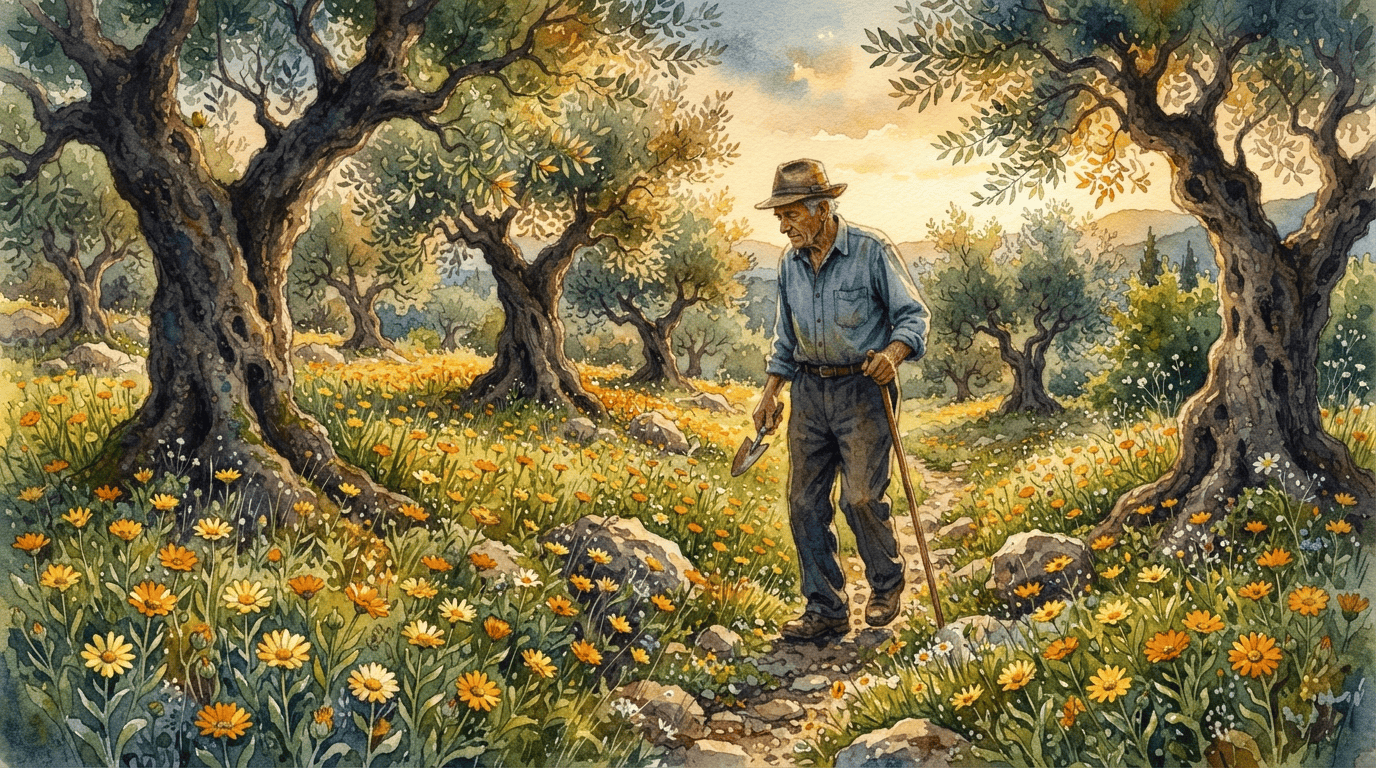
The plant bears small yellow to orange daisy flowers about 2 to 3 centimeters across that close at night. It has declined sharply across European farmland due to modern herbicide use but persists in rocky slopes, olive groves, and restored traditional cornfield plantings promoted by conservation-minded farmers.
Seed is included in Mediterranean wildflower meadow mixes. Introduced to California by Spanish missionaries in the 1700s, now naturalized throughout the coastal West and a beloved self-sowing pioneer in American low-maintenance gardens. It grows and self-seeds readily.
Symbolism & meaning
What It Symbolizes
Field Marigold is wild joy before refinement. Small golden suns scattered through Mediterranean fields gave rise to a cottage-garden lineage of calendulas, but the species keeps the simpler charm of roadsides and open ground. Its meaning is cheerful continuity: the humble ancestor still glowing behind the cultivated flower.
- Wild joy — ancestral form of garden calendula
- Mediterranean heritage — wild cottage-garden ancestor
Where the Name Comes From
'Calendula' from Latin 'calendae' (first day of month), as it blooms year-round in mild climates; 'arvensis' means 'of the field.'
Uses & Fun Facts
- Petals scattered fresh on salads or dried for color in rice
- Traditional skin-soothing salves made from infused petals
- Open yellow disks feed solitary bees and hoverflies
Related plants
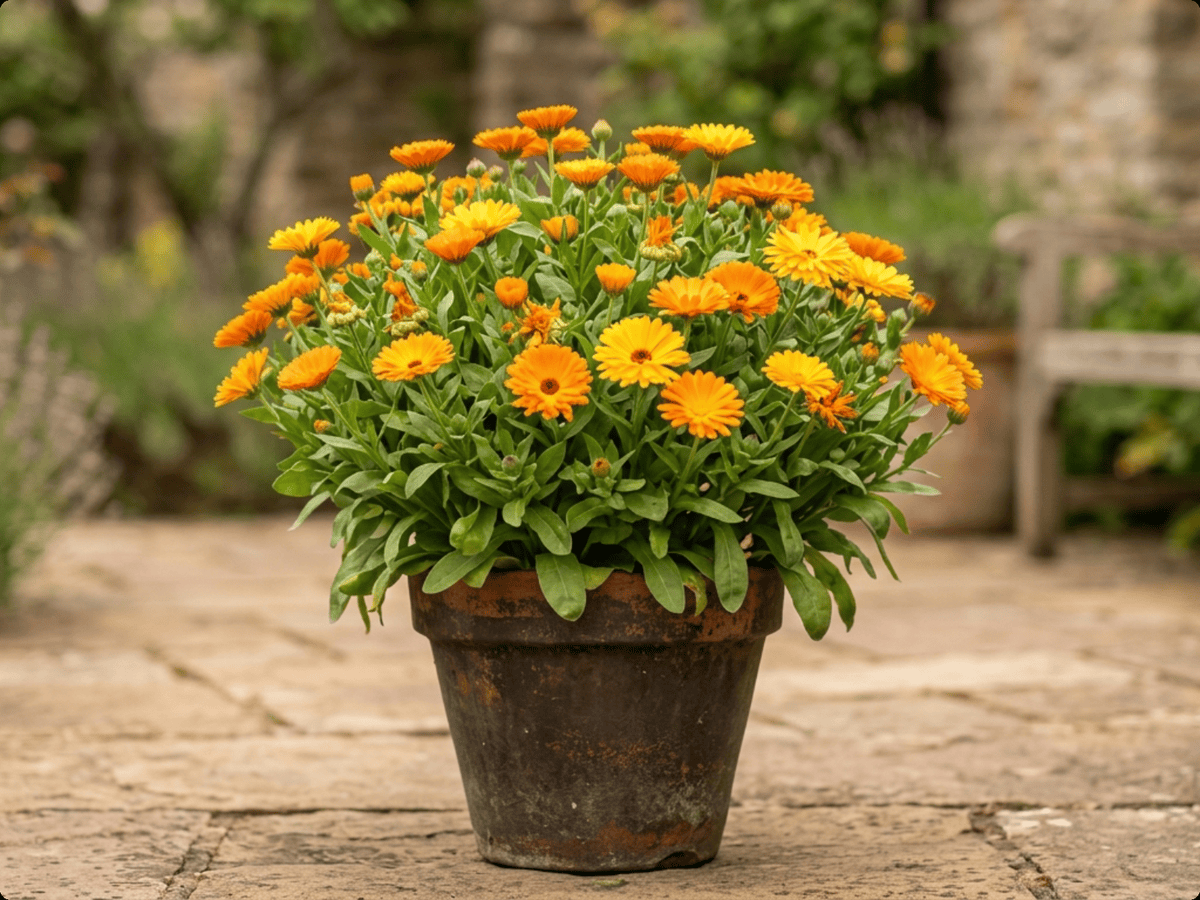
More Calendula plants
Plants with similar care
 Chinese AbeliaAbelia chinensis
 Fragrant AbeliaAbelia mosanensis
 Large-Flowered AbeliaAbelia uniflora
 Glossy AbeliaAbelia x grandiflora
Frequently asked questions
How often should I water Field Marigold?
In summer, water about every 4 days; in winter, about every 10 days. Adjust for heat, pot size and drainage.
How much light does Field Marigold need?
Full sun: 6+ hrs direct. Watch the leaves — scorching or stretching means the light needs adjusting.
Is Field Marigold toxic to cats or dogs?
No toxicity has been reported for this plant. Still, it is wise to keep pets from chewing on any houseplant. Educational information, not medical or veterinary advice. If exposure is suspected, contact a doctor or veterinarian.
Is Field Marigold easy to grow?
Yes — it is considered an easy, beginner-friendly plant.
When does Field Marigold bloom?
It typically blooms Jan–Dec in the Northern Hemisphere.
YardMate
Identify any plant in seconds
Snap a photo — YardMate names the plant, diagnoses problems, and reminds you when to water.
Download on the App Store