 YardMate


Superb Mariposa Lily
Calochortus superbus
Hard · Experienced growersAbout Superb Mariposa Lily
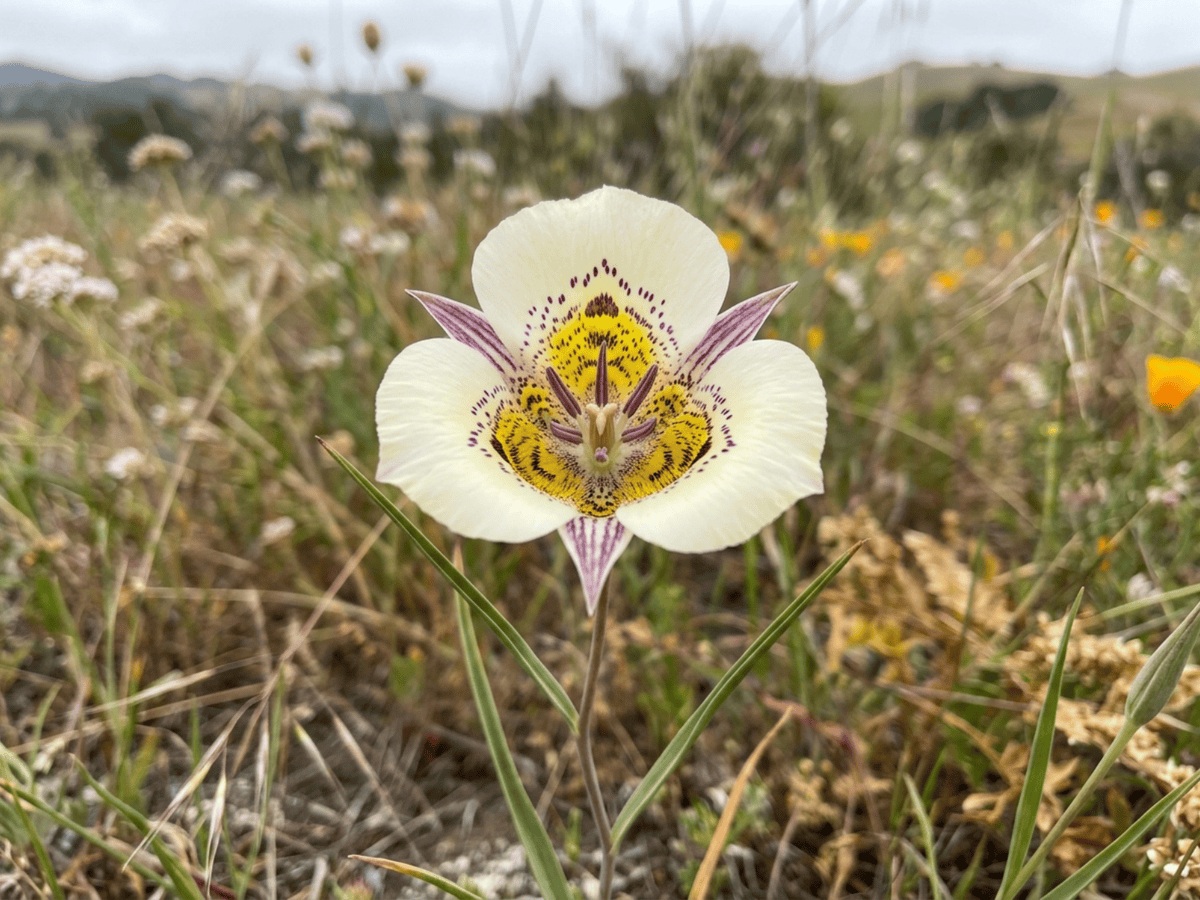
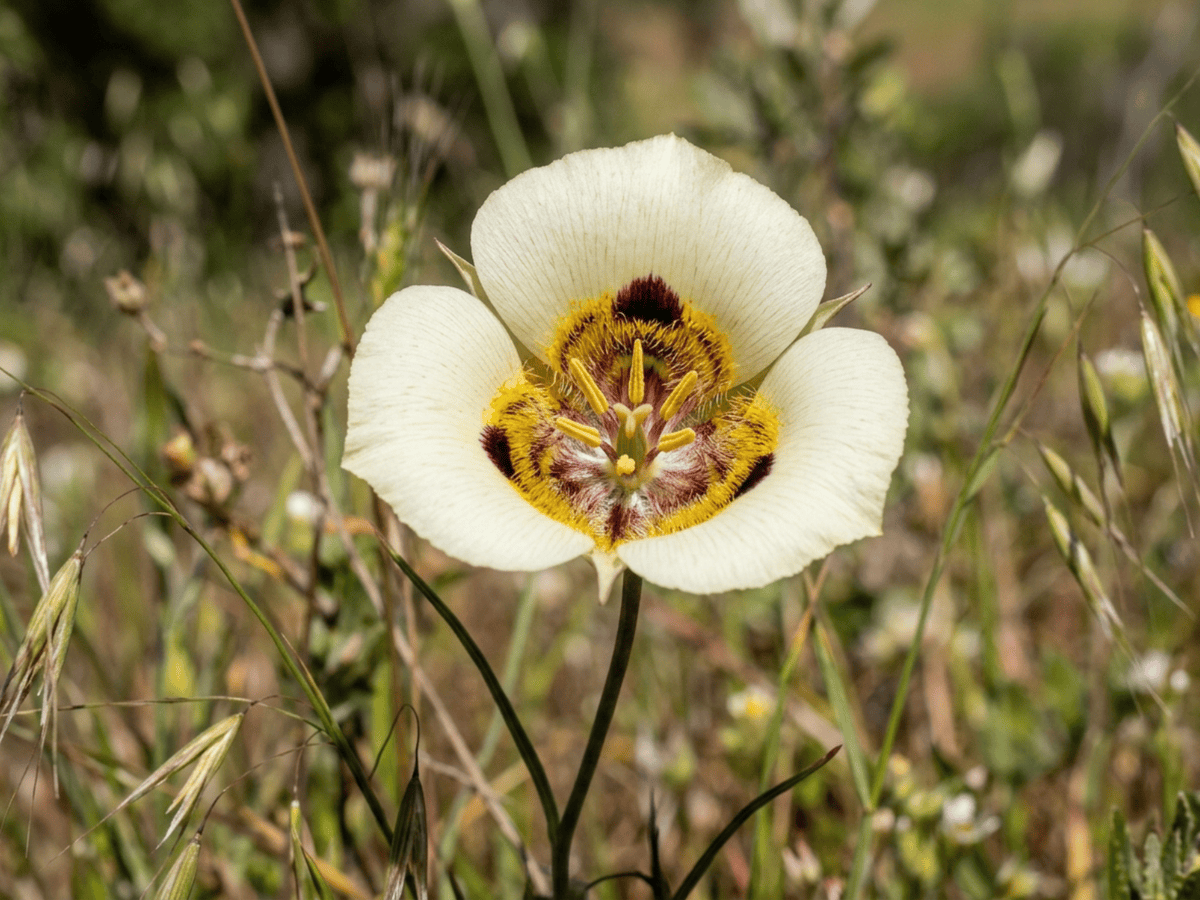
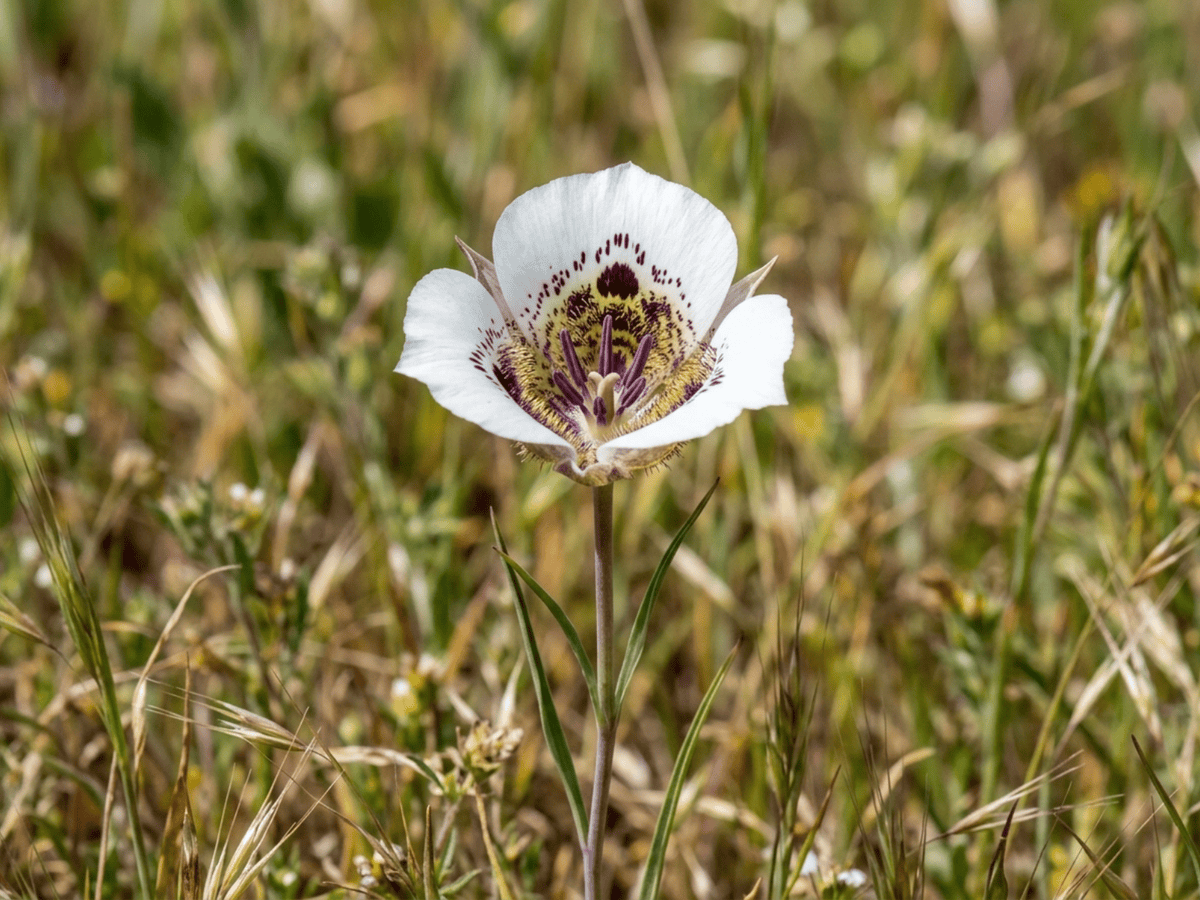
Superb Mariposa Lily is a stunning California endemic bulb producing large lavender-white to cream flowers with intricate purple-brown marking at each petal base. Native to grassy woodland edges and serpentine outcrops in Northern and Central California, it blooms from late spring to early summer. Like all Calochortus, it requires excellent drainage and summer dry conditions. Its large, jewel-like flowers make it one of the most treasured California wildflower bulbs.
- Drought-tolerant
- Native
How to care for Superb Mariposa Lily
Watering
- Springevery 14 days
- Summerpause watering
- Fallevery 14 days
- Winterevery 21 days
Soil · Well-draining
- Main mixLoam + coarse sand 3:175%
- DrainageGravel25%
Sharp drainage matters most — bulbs rot in wet soil while dormant.
FERTILIZER
This plant needs little to no feeding.
At a Glance
- NativeNorth America
- Height1–2 ft (0.3–0.6 m)
- Spread0.5–1 ft (0.2–0.3 m)
- Flower colorWhite, Cream, Yellow, Pink
- Foliage colorGreen
- SoilSandy, Well-drained
- LocationsYard
Bloom time
BLOOM CYCLE
Peak bloom
May–Jun
Lavender-white patterned cups May to June
Fragrance
LIGHT FRAGRANCE
The flowers have a faint sweet scent.
Toxicity
No toxicity has been reported for this plant. Still, it is wise to keep pets from chewing on any houseplant.
Educational information, not medical or veterinary advice. If exposure is suspected, contact a doctor or veterinarian.
DISTRIBUTION


- Native
- North America
History
Calochortus superbus is endemic to California — essentially found across the state's interior and foothill regions from the San Francisco Bay Area and Sacramento Valley south through the San Joaquin Valley and into the Tehachapi Mountains, plus scattered populations into Southern California — growing in grasslands, oak woodland openings, and chaparral clearings. It is similar in overall form to the closely-related C. venustus but typically larger, with individual flowers 6-9 cm across and plants reaching 40-60 cm tall. Flowers are most commonly pale-cream to white (occasionally pink or lavender in certain populations) with distinctive dark crescent-shaped or arc-shaped markings at the base of each of the three petals, positioned above a bright yellow nectary that often has fine red-purple feathery markings. The overall effect of a flowering plant is of large open cup-shaped flowers with dramatic bull's-eye markings — hence the epithet "superbus."
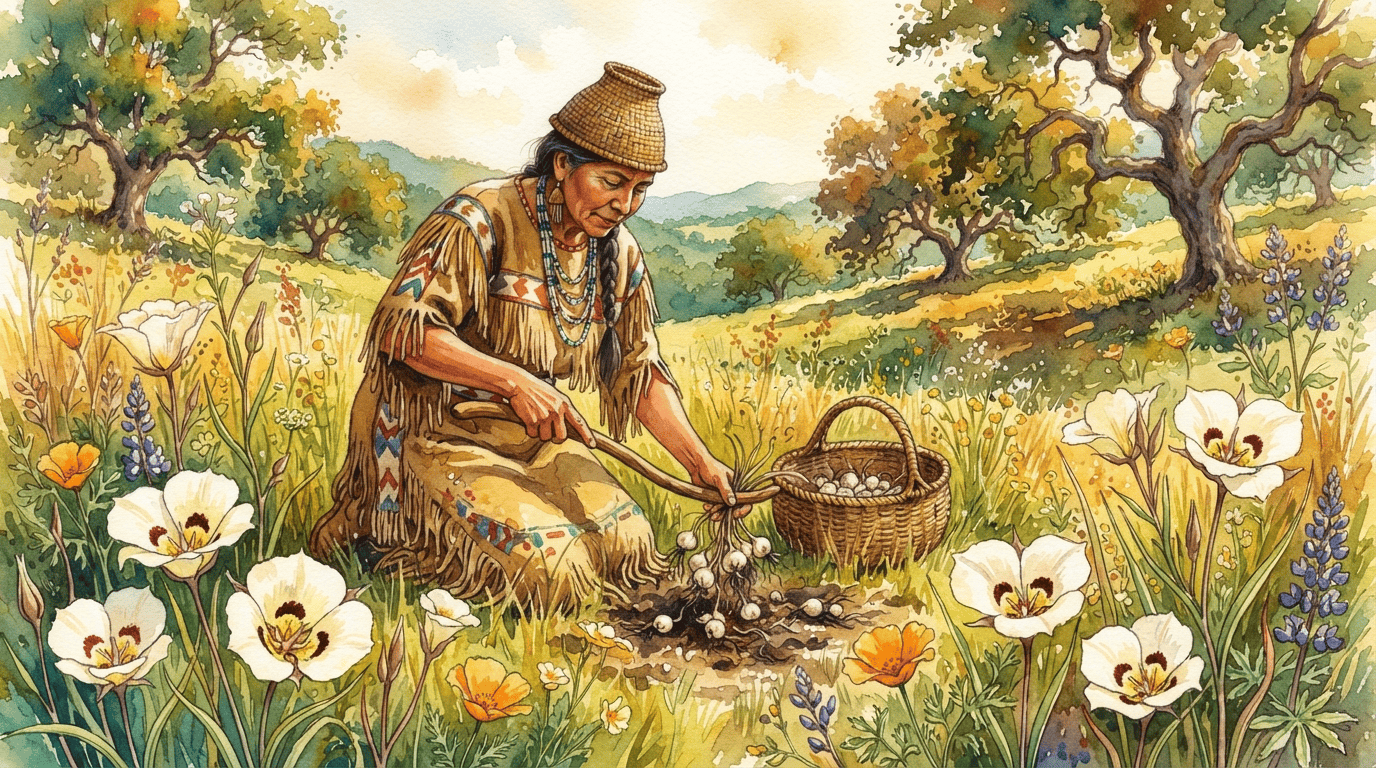
The species is pollinated by native beetles, flies, and small native bees, which are attracted to the yellow nectar guides and the sometimes slightly oily nectary reward. California Indigenous peoples including the Yokuts, Miwok, and Wintun traditionally used mariposa lily bulbs as a seasonal food, dug in summer after flowering when the bulbs are dormant and carbohydrate-rich. Described in 1901 by botanist Harvey Hall.
Serpentine-adapted plants like this species are important indicators of rare soils that support high plant endemism in California. Rancho Santa Ana Botanic Garden's seed bank maintains collections of California mariposa lilies from throughout their geographic range for conservation and restoration.
Symbolism & meaning
What It Symbolizes
The Superb Mariposa Lily lives up to its Latin name — its lavender, artist-painted blooms speak of true elegance and excellence. The species name 'superbus' is a quiet boast, declaring the magnificence of those triangular cups held above sun-baked California meadows. It is a flower for those who prize refinement that earns its grandeur through poise rather than show.
- Elegance — refined lavender blooms with artistic patterning
- Excellence — 'superbus' declares its magnificence
Where the Name Comes From
'Superbus' means 'superb' or 'magnificent' in Latin, an accurate description of the flowers.
Uses & Fun Facts
- Lavender-cream goblets with purple petal markings for serpentine rock gardens
- Open chalice flowers attract native bees and beetles
Related plants
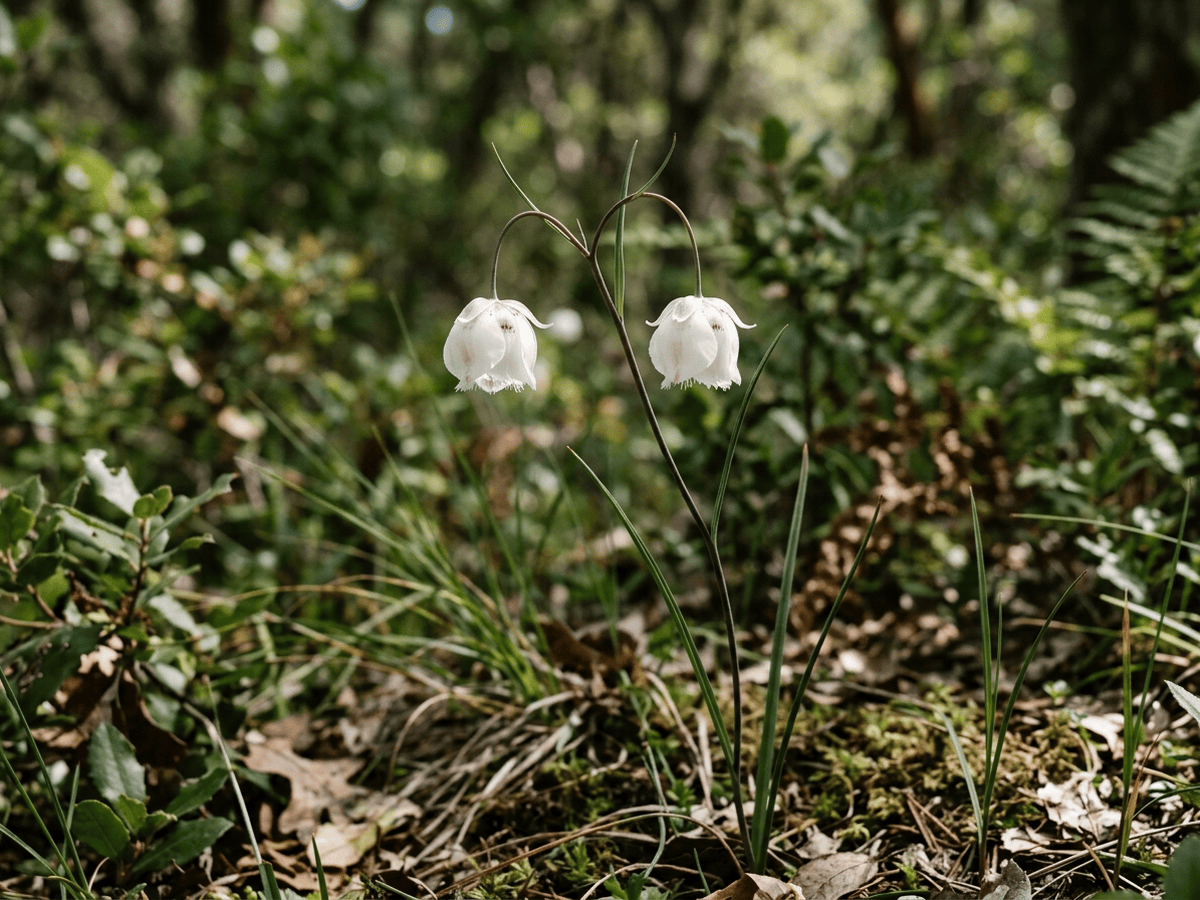
More Calochortus plants
Plants with similar care
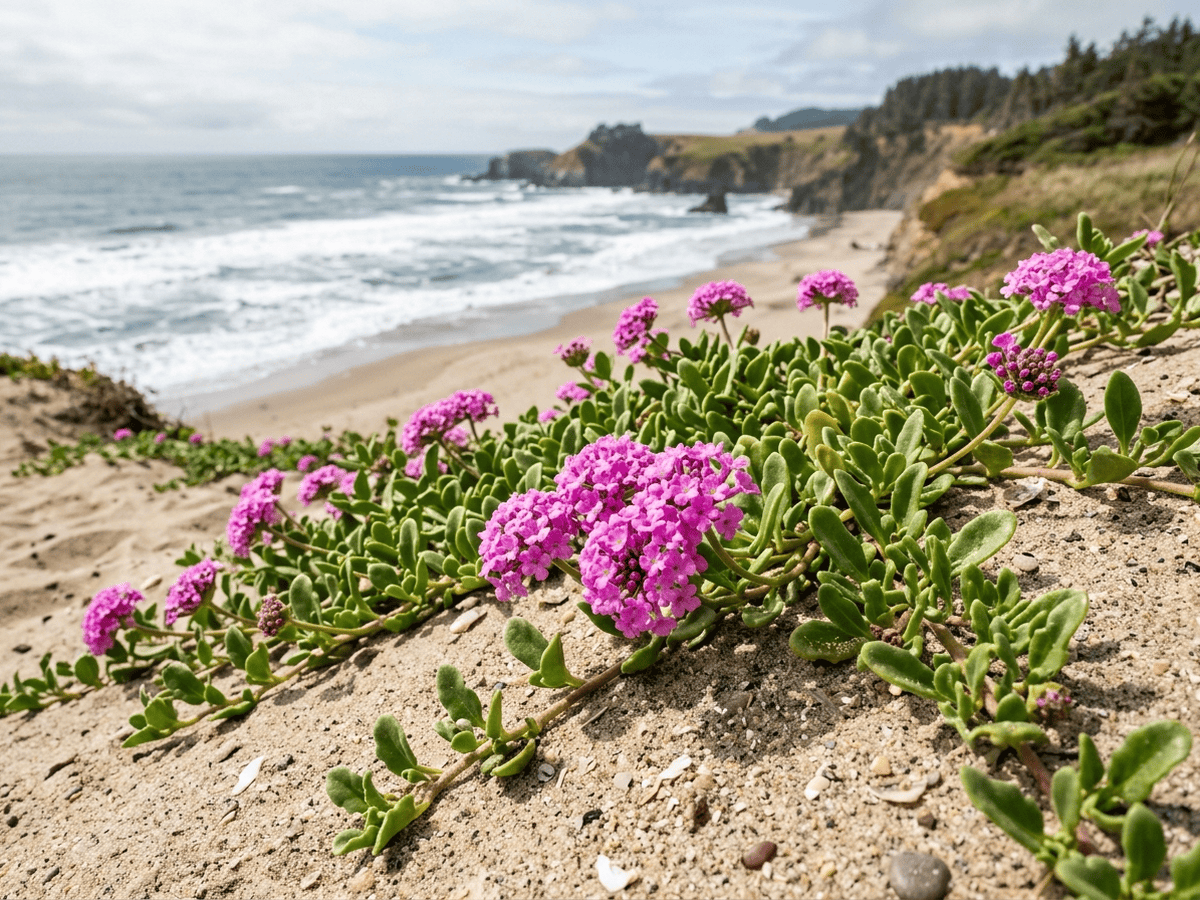 Pink Sand VerbenaAbronia umbellata
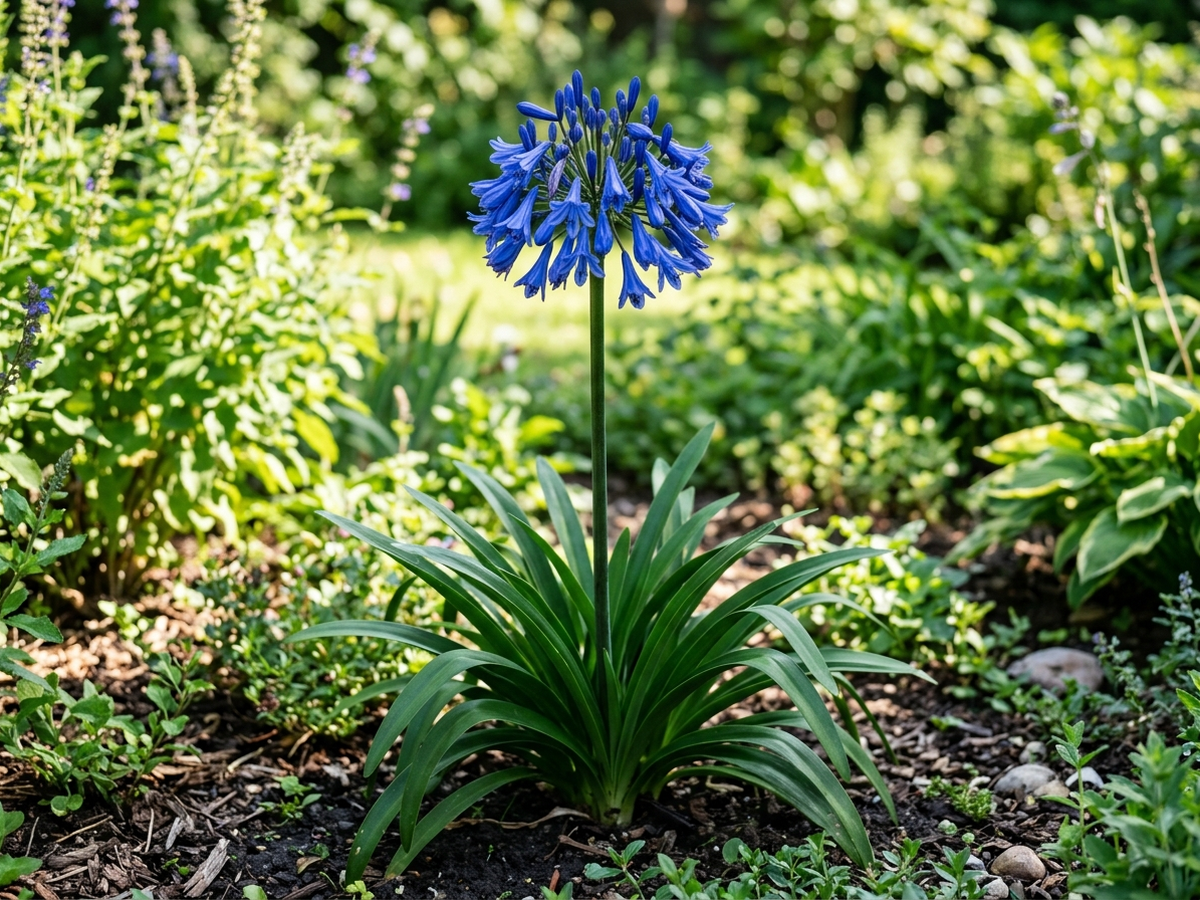 Drooping AgapanthusAgapanthus inapertus
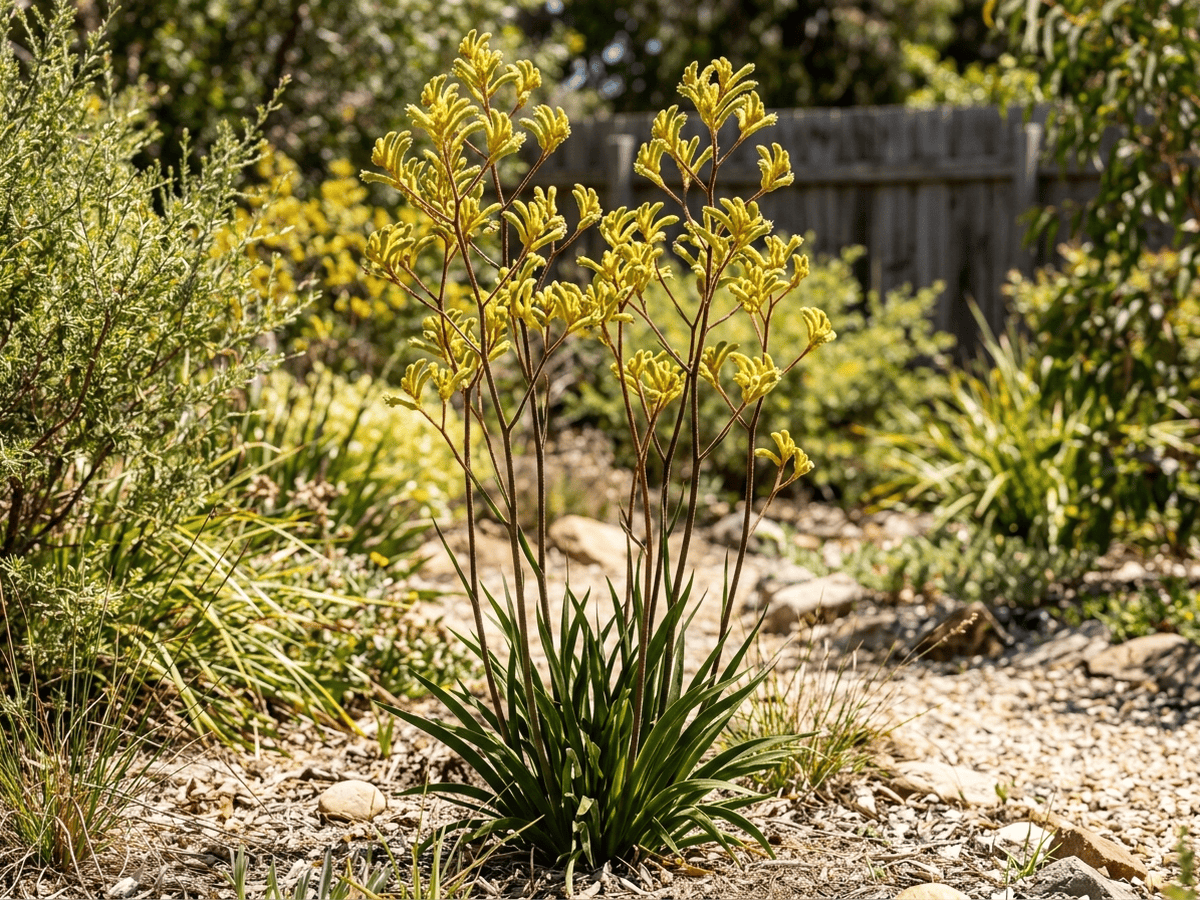 Tall Kangaroo PawAnigozanthos flavidus
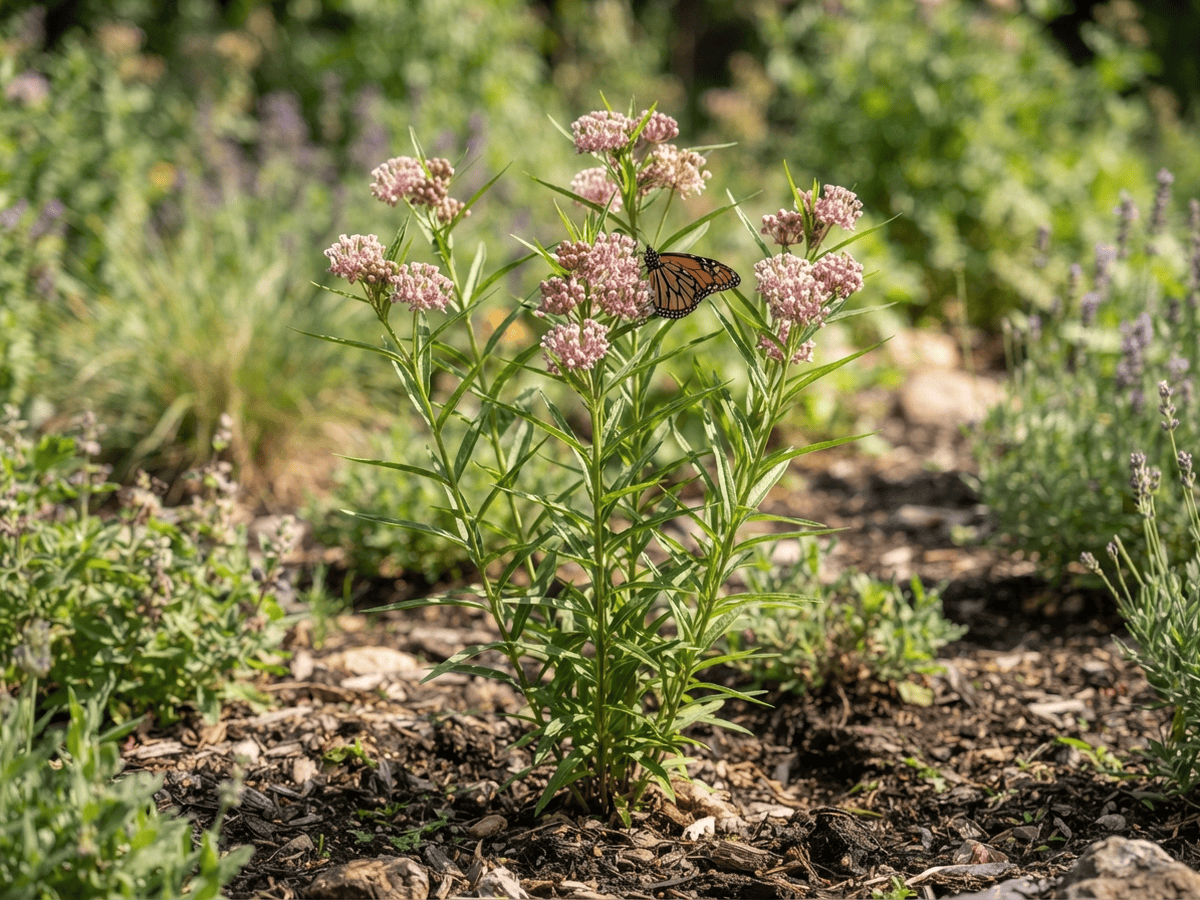 Narrowleaf MilkweedAsclepias fascicularis
Frequently asked questions
How often should I water Superb Mariposa Lily?
Water about every 14 days during the growing season, and always let excess water drain away.
How much light does Superb Mariposa Lily need?
Full sun: 6+ hrs direct. Watch the leaves — scorching or stretching means the light needs adjusting.
Is Superb Mariposa Lily toxic to cats or dogs?
No toxicity has been reported for this plant. Still, it is wise to keep pets from chewing on any houseplant. Educational information, not medical or veterinary advice. If exposure is suspected, contact a doctor or veterinarian.
Is Superb Mariposa Lily easy to grow?
It is considered challenging and rewards experienced growers.
When does Superb Mariposa Lily bloom?
It typically blooms May–Jun in the Northern Hemisphere.
YardMate
Identify any plant in seconds
Snap a photo — YardMate names the plant, diagnoses problems, and reminds you when to water.
Download on the App Store