 YardMate

Butterfly Mariposa Lily
Calochortus venustus
Hard · Experienced growersAbout Butterfly Mariposa Lily
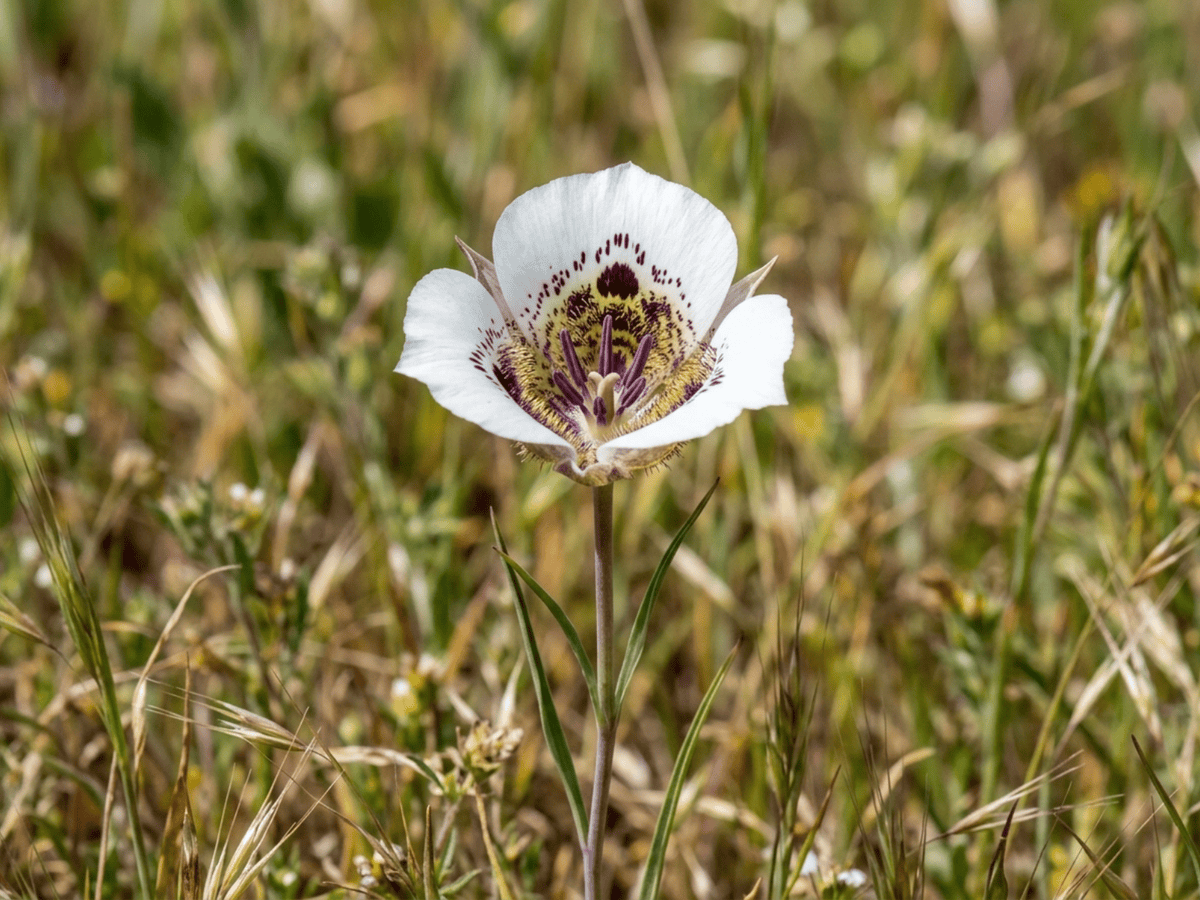
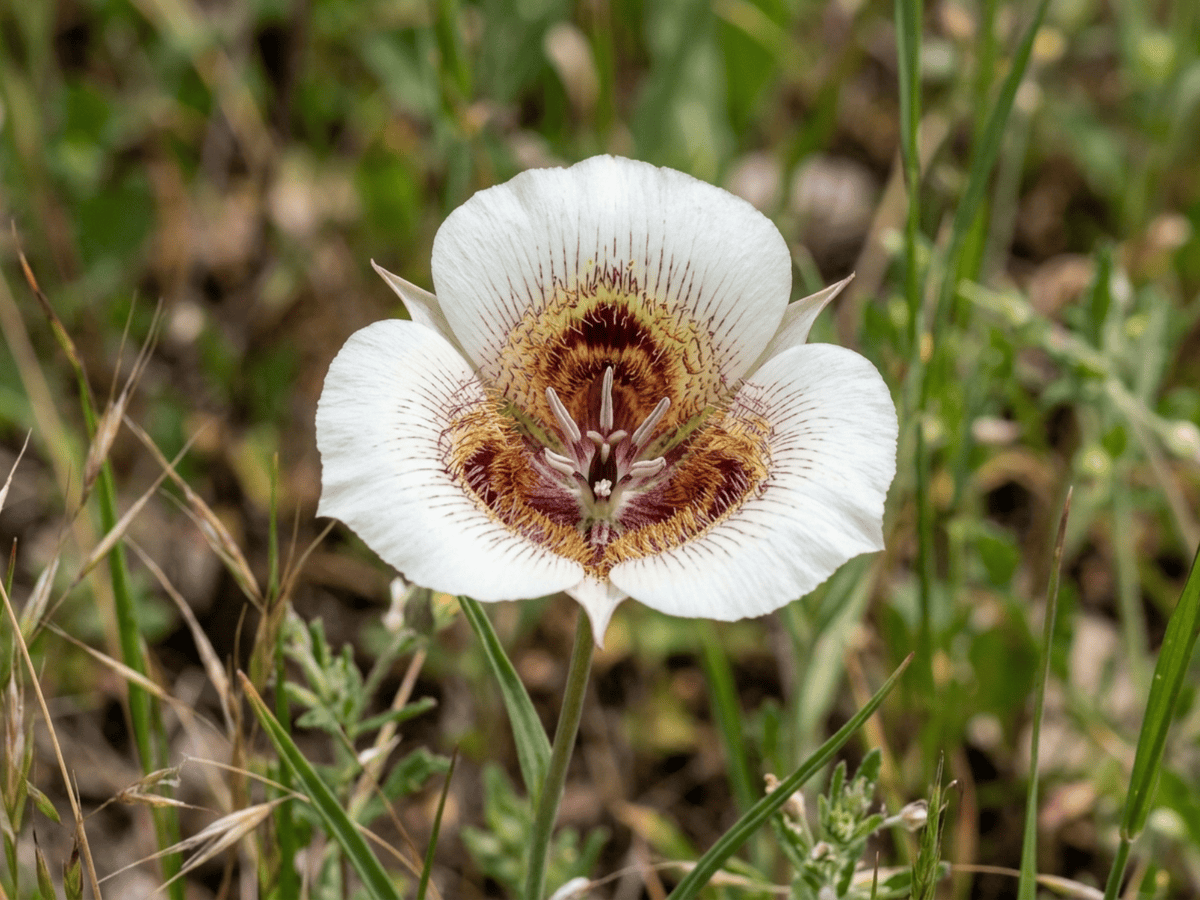
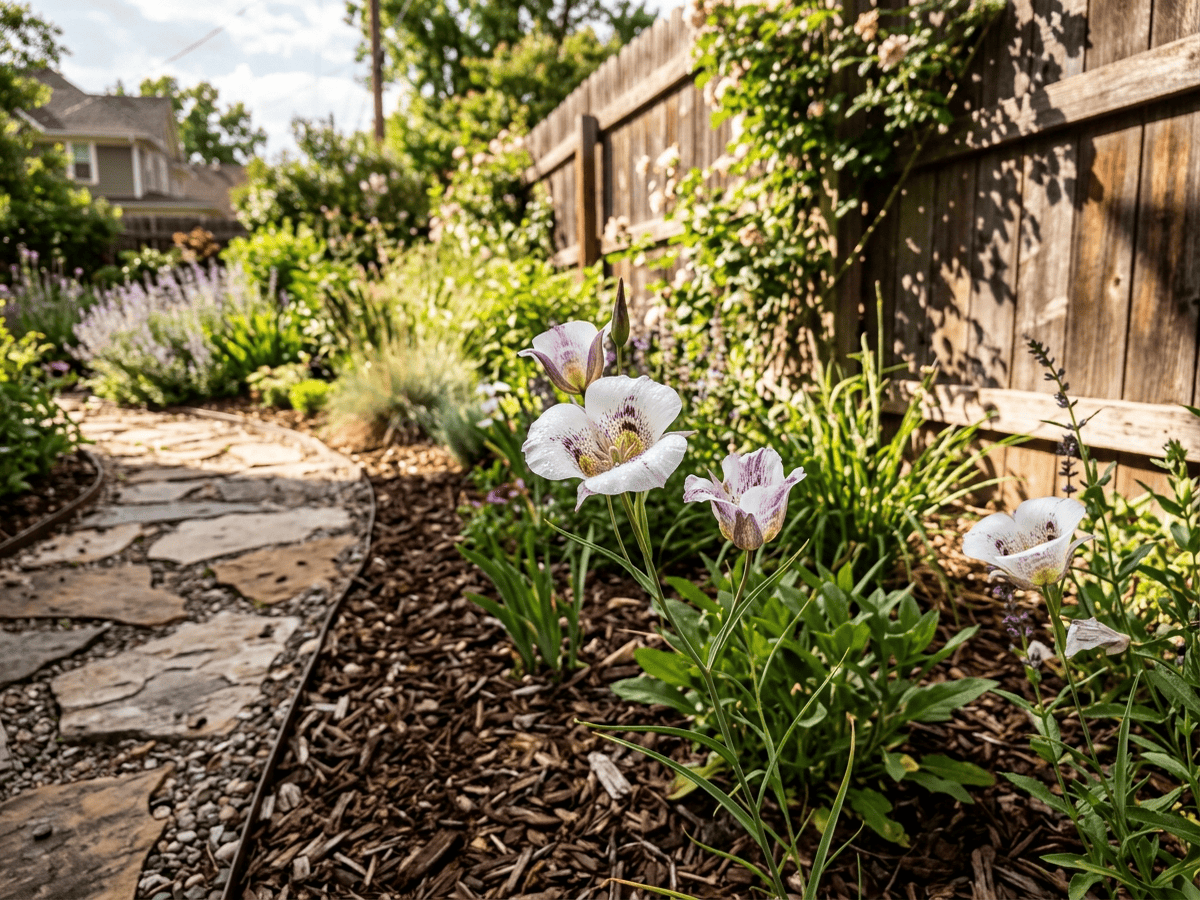
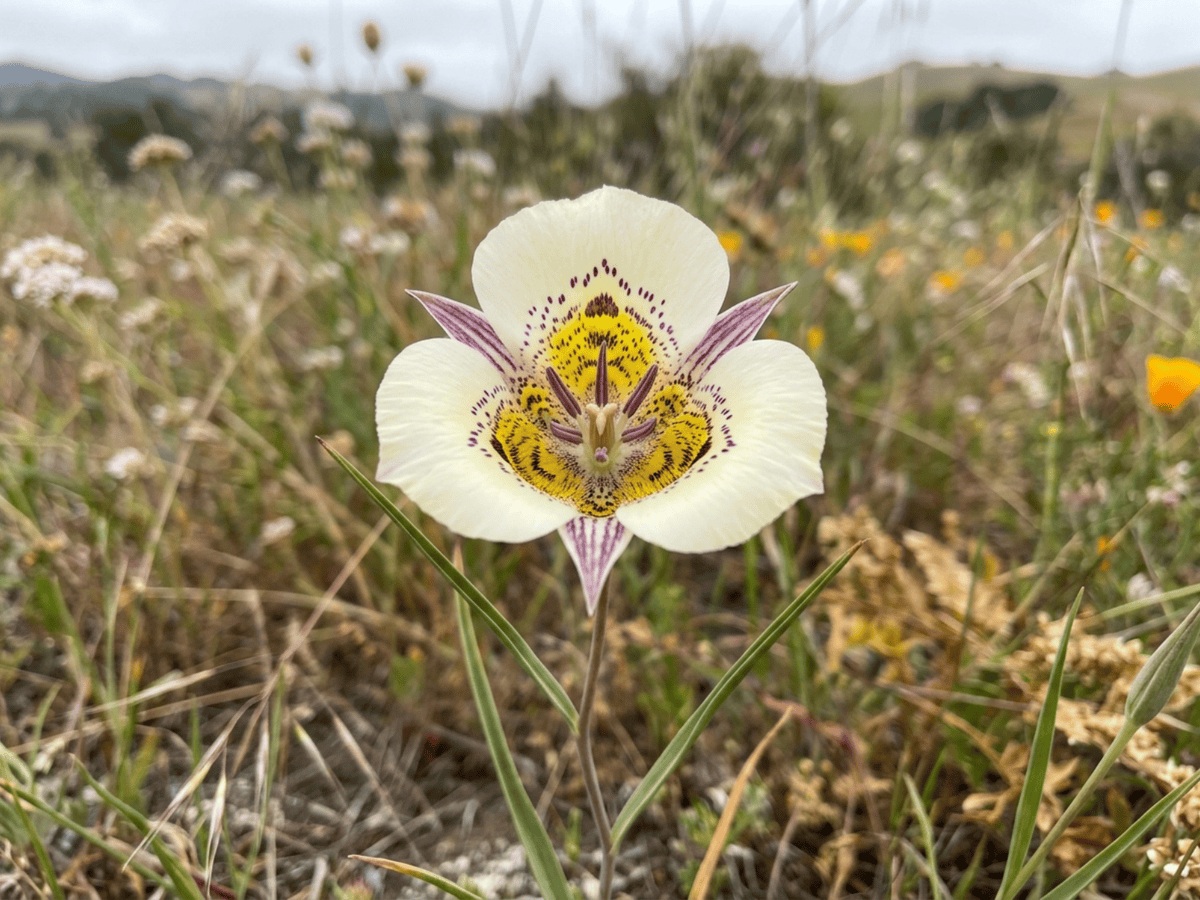
Butterfly Mariposa Lily is one of California's most exquisite native bulbs, producing elegant upright cup-shaped flowers in white, cream, yellow, pink, or red with intricate markings and a central dark blotch at the petal base. Native to open grasslands and chaparral slopes across much of California, it blooms in late spring and goes summer dormant. The name 'mariposa' is Spanish for butterfly, and the flower's intricate markings resemble butterfly wings.
- Drought-tolerant
- Native
How to care for Butterfly Mariposa Lily
Watering
- Springevery 14 days
- Summerpause watering
- Fallevery 14 days
- Winterevery 21 days
Soil · Rich & well-draining
- Top dressingCompost10%
- Main mixPotting soil + compost 3:180%
- DrainageGravel10%
Top up the compost layer each season.
FERTILIZER
This plant needs little to no feeding.
At a Glance
- NativeNorth America
- Height1–2 ft (0.3–0.6 m)
- Spread0.5–1 ft (0.2–0.3 m)
- Flower colorWhite, Pink, Purple, Yellow
- Foliage colorGreen
- SoilSandy, Well-drained
- LocationsYard
Bloom time
BLOOM CYCLE
Peak bloom
May–Jul
White, cream, or red patterned cups May to July
Fragrance
LIGHT FRAGRANCE
The flowers have a faint sweet scent.
Toxicity
No toxicity has been reported for this plant. Still, it is wise to keep pets from chewing on any houseplant.
Educational information, not medical or veterinary advice. If exposure is suspected, contact a doctor or veterinarian.
DISTRIBUTION


- Native
- North America
History

Calochortus venustus is endemic to California, growing in grasslands, oak woodland openings, coniferous forest clearings, and rocky montane slopes primarily in the South Coast Ranges, Sierra Nevada foothills, and Transverse Ranges from the San Francisco Bay Area south. It is a spring-blooming geophyte (bulb) 20-50 cm tall, producing in late spring 2-4 large cup-shaped three-petaled flowers 5-7 cm across. The flowers are extraordinarily variable in color across the species' geographic range — wild populations produce flowers in pure white, pale yellow, pink, lavender, deep magenta, red, and every gradient and combination — and individual flowers typically show dramatic dark markings ("eye spots" or "windows") at the base of each petal, often in contrasting colors with iridescent purple or red blotches surrounded by yellow or white halos.
This flower variability and striking beauty gives the species its common name "butterfly mariposa" (mariposa is Spanish for butterfly), and the genus Calochortus is collectively called "mariposa lilies." The genus Calochortus comprises approximately 70 species nearly all centered in California, with approximately 45 California-native species — a remarkable concentration of geophyte diversity in a single region.
The genus is a major research focus at Rancho Santa Ana Botanic Garden and UC Berkeley's University and Jepson Herbaria.
Symbolism & meaning
What It Symbolizes
The Butterfly Mariposa Lily ranks among the most exquisite wildflowers in North America, embodying beauty with a delicacy that almost defies the dry hills it inhabits. Its extraordinary diversity of color across California, from cream to deep wine, marks its as a flower of variation rather than type. It is the bloom of singular encounters, each meadow population a slightly different revelation.
- Beauty — among the most exquisite wildflowers in North America
- Diversity — extraordinary color variation across California
Where the Name Comes From
The name Butterfly Mariposa Lily describes its lily-like flowers. 'Calochortus' from Greek 'kalos' (beautiful) and 'chortos' (grass); 'venustus' means 'charming' or 'beautiful' in Latin.
Uses & Fun Facts
- Bulbs traditionally eaten by California Indigenous peoples
- Marked cup flowers prized in California native bulb gardens
Related plants
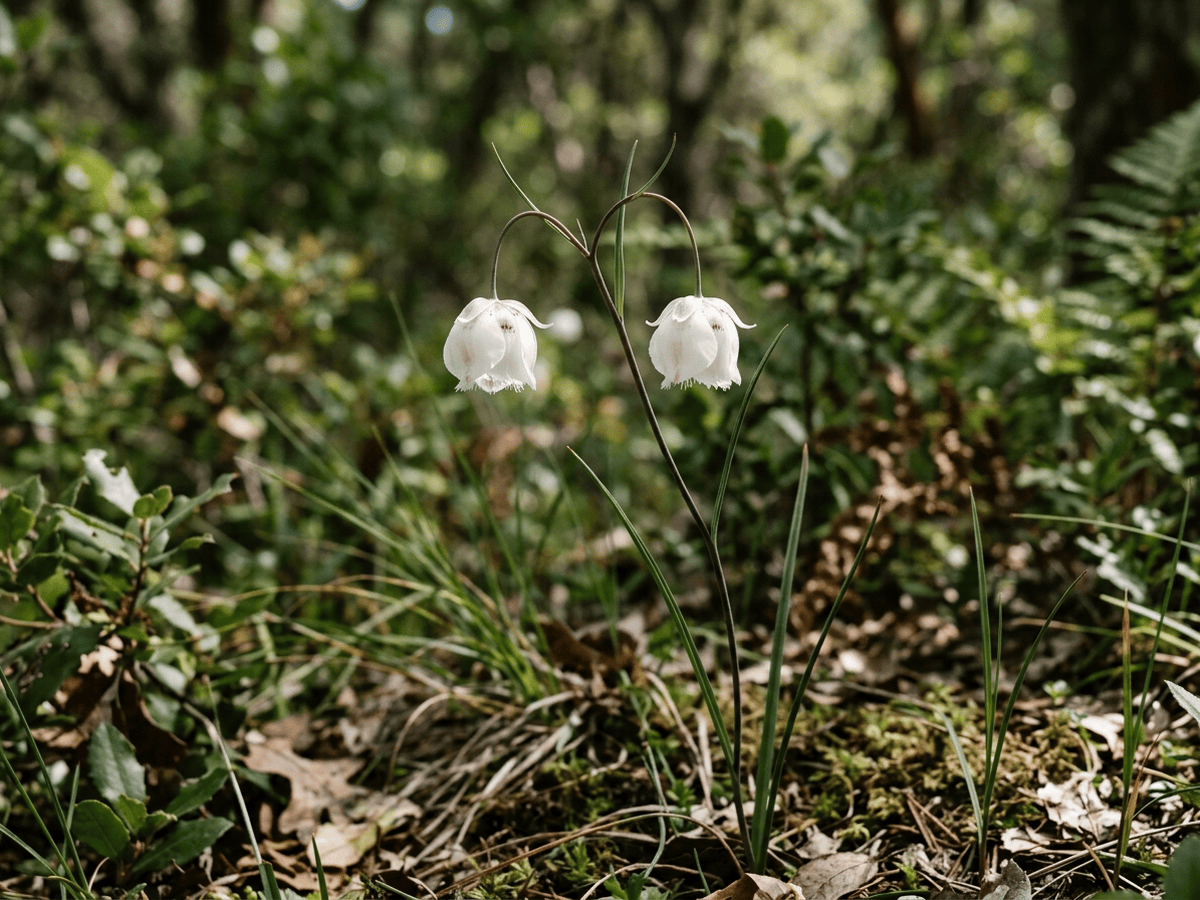
More Calochortus plants
Plants with similar care
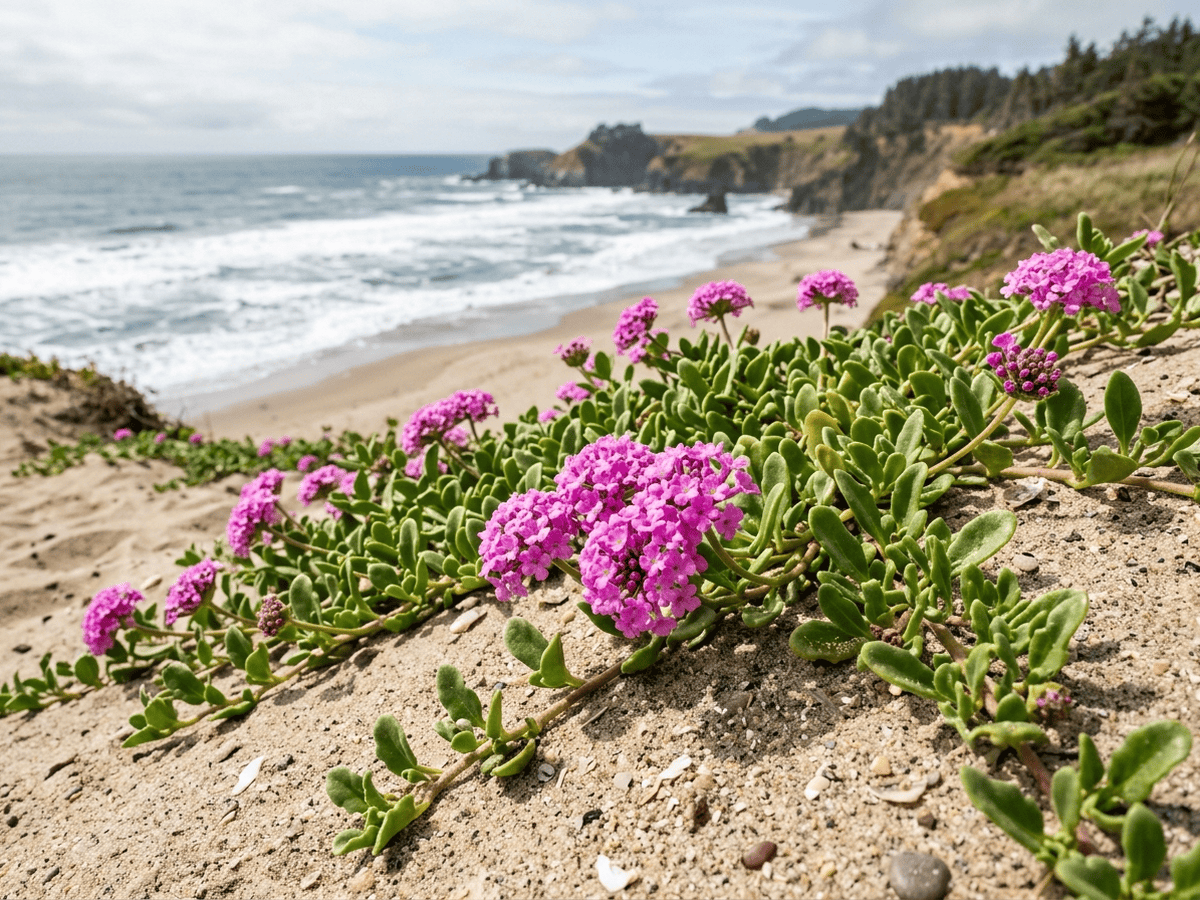 Pink Sand VerbenaAbronia umbellata
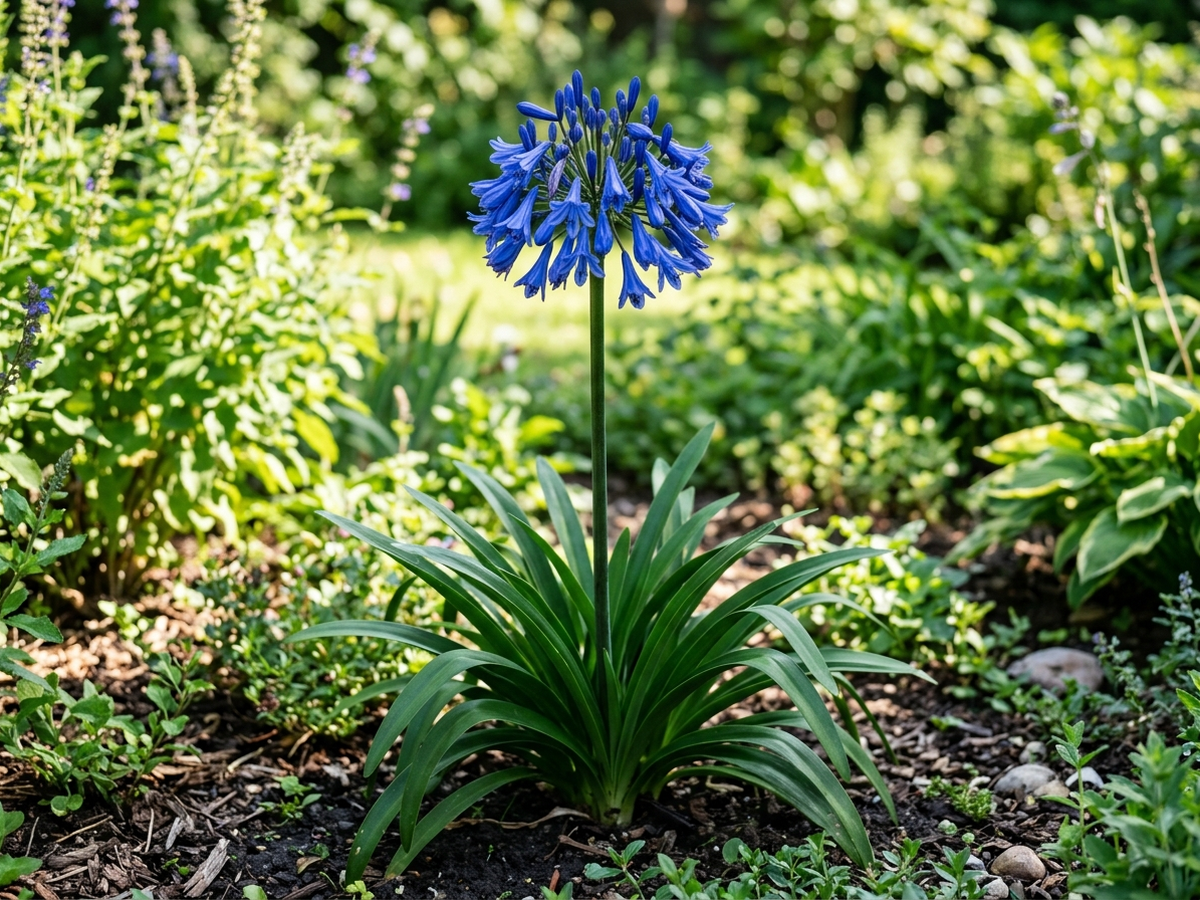 Drooping AgapanthusAgapanthus inapertus
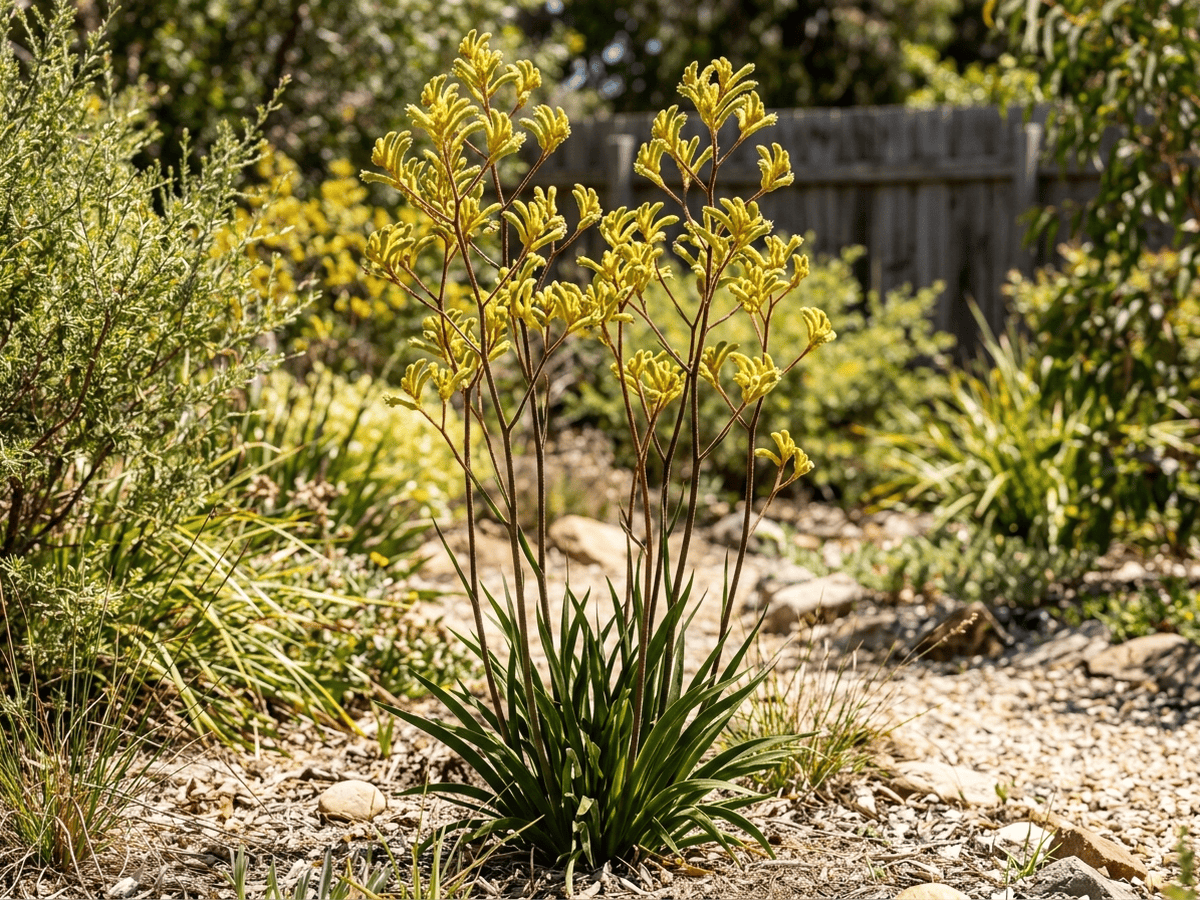 Tall Kangaroo PawAnigozanthos flavidus
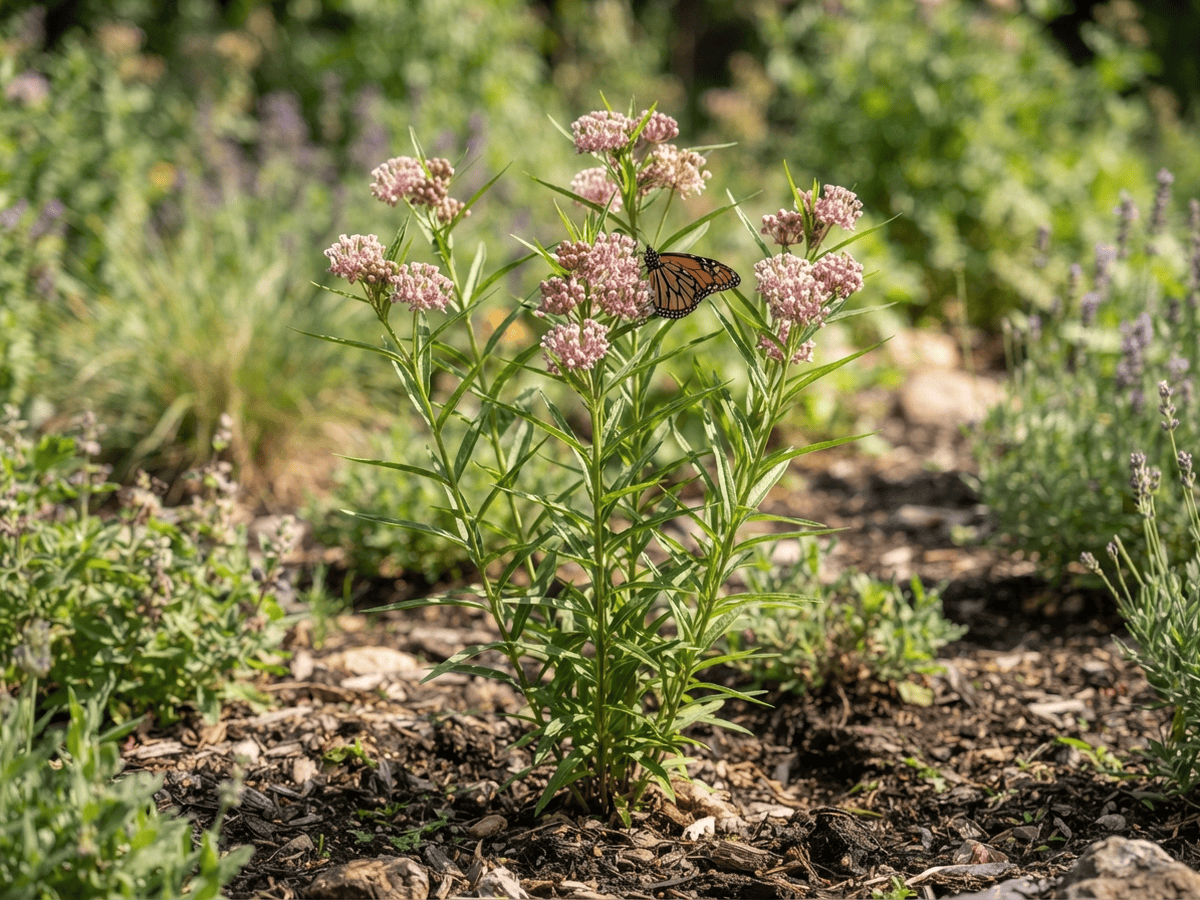 Narrowleaf MilkweedAsclepias fascicularis
Frequently asked questions
How often should I water Butterfly Mariposa Lily?
Water about every 14 days during the growing season, and always let excess water drain away.
How much light does Butterfly Mariposa Lily need?
Full sun: 6+ hrs direct. Watch the leaves — scorching or stretching means the light needs adjusting.
Is Butterfly Mariposa Lily toxic to cats or dogs?
No toxicity has been reported for this plant. Still, it is wise to keep pets from chewing on any houseplant. Educational information, not medical or veterinary advice. If exposure is suspected, contact a doctor or veterinarian.
Is Butterfly Mariposa Lily easy to grow?
It is considered challenging and rewards experienced growers.
When does Butterfly Mariposa Lily bloom?
It typically blooms May–Jul in the Northern Hemisphere.
YardMate
Identify any plant in seconds
Snap a photo — YardMate names the plant, diagnoses problems, and reminds you when to water.
Download on the App Store