 YardMate
Great Camas
Camassia leichtlinii
Easy · Beginner friendlyAbout Great Camas
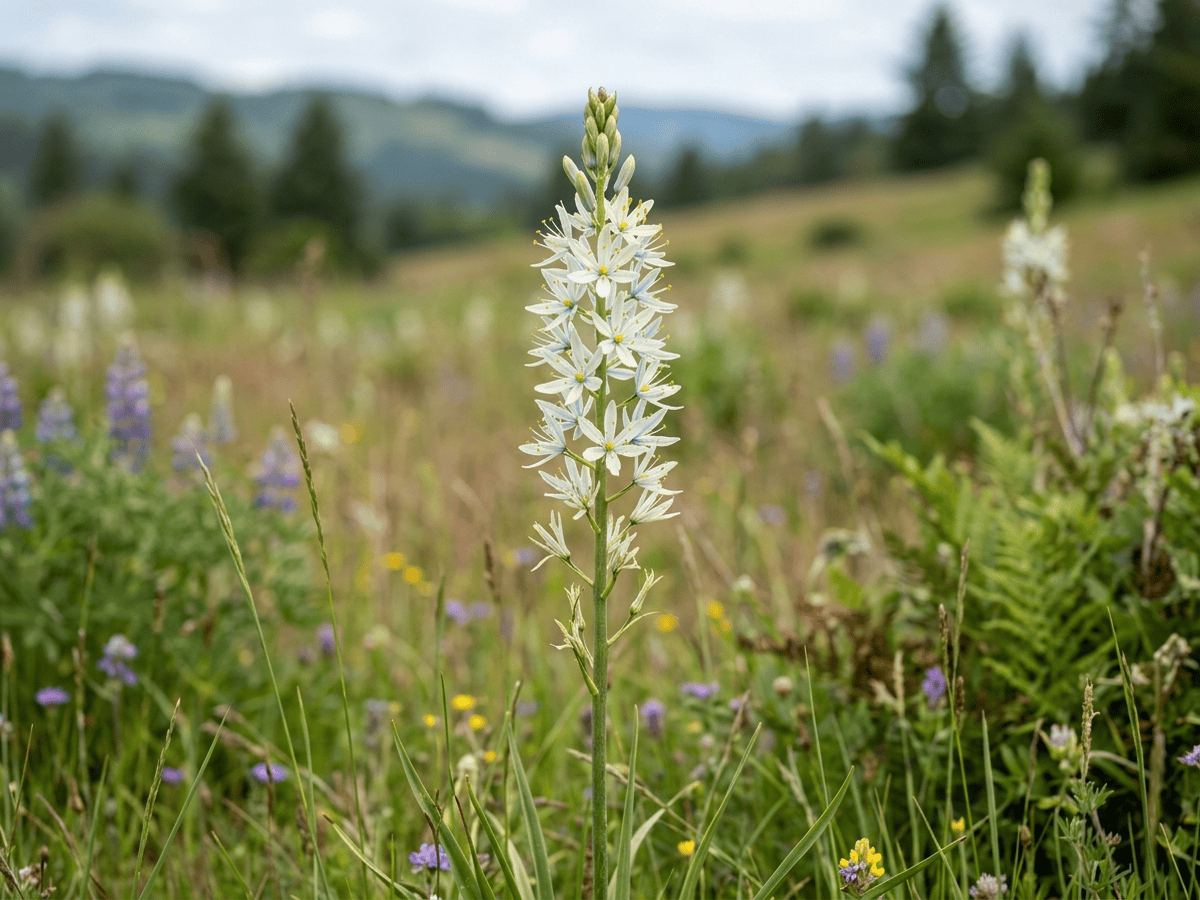
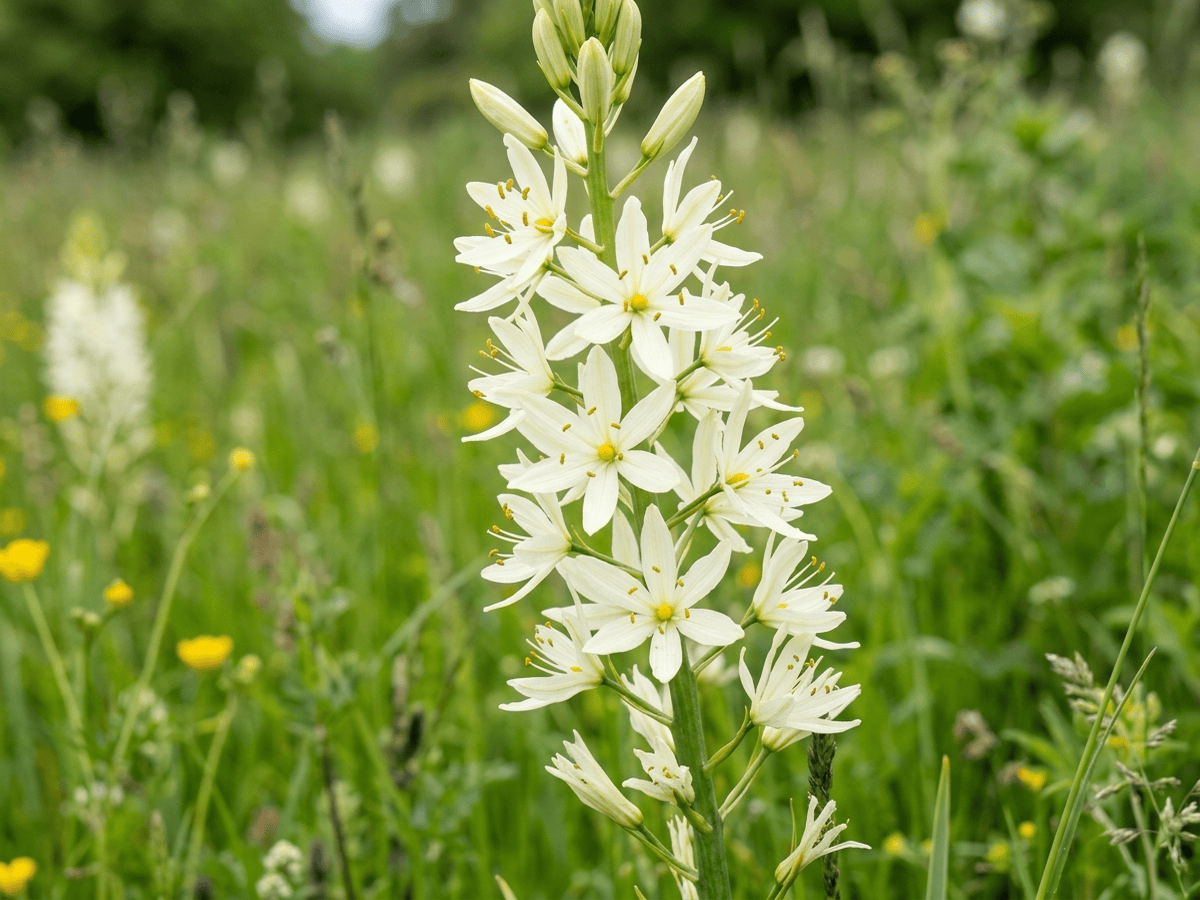
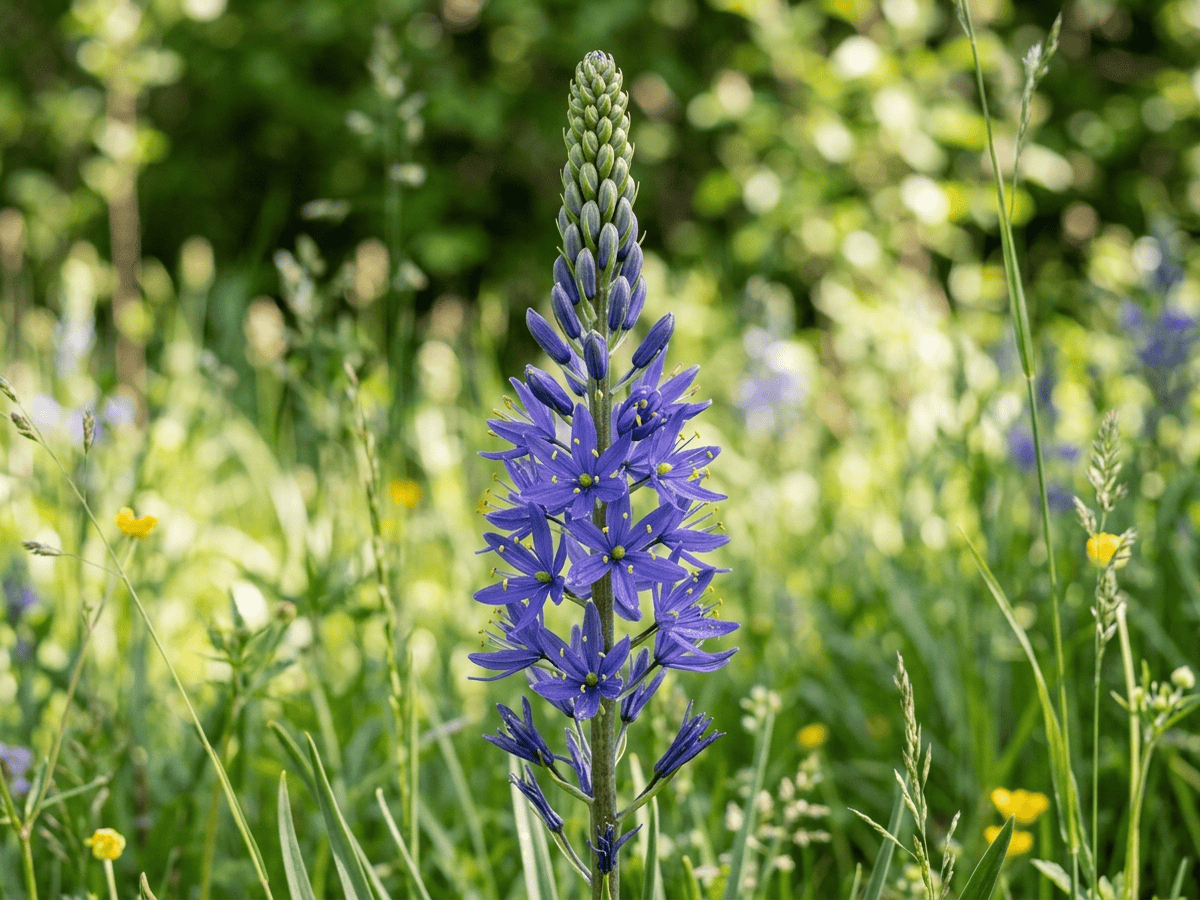
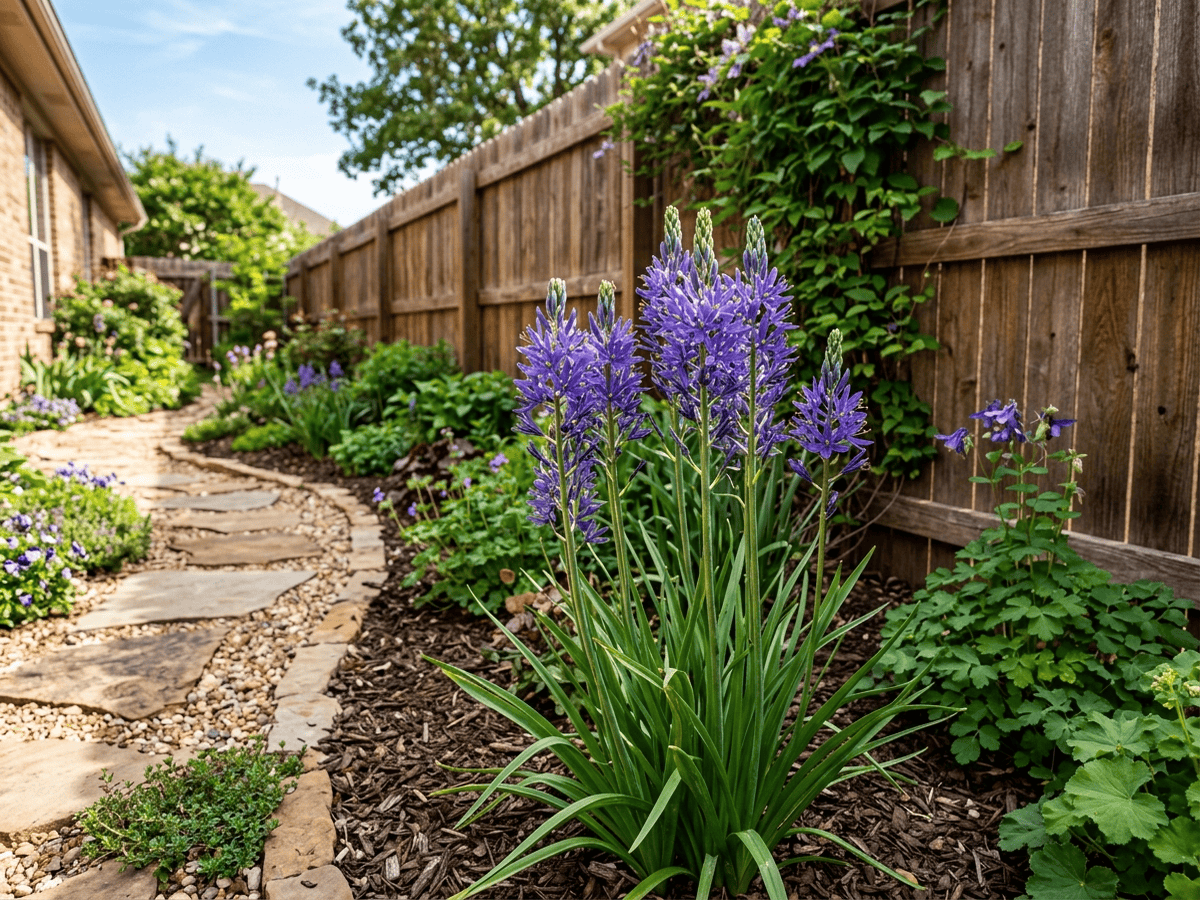
Great Camas is a large native western North American bulb hardy in USDA zones 4-8, producing tall 2 to 4 foot spikes of starry blue, purple, or white flowers in late spring. Native to moist meadows and prairies from British Columbia to northern California, it thrives in heavy clay soils that defeat most bulbs. A premier American native bulb for perennial borders, prairie plantings, and rain gardens across the continent.
- Deer-resistant
- Native
How to care for Great Camas
Watering
- Springevery 3 days
- Summerevery 5 days
- Fallevery 10 days
- Winterevery 14 days
Soil · Well-draining
- Main mixLoam + coarse sand 3:175%
- DrainageGravel25%
Sharp drainage matters most — bulbs rot in wet soil while dormant.
FERTILIZER
Balanced Feed 14-14-14
An even feed covers all three needs at once, keeping leaves, roots and blooms moving together with nothing pushed out of balance.
- Nitrogen · Leaves
- Phosphorus · Roots + Blooms
- Potassium · Strength
- Fallevery 60 days
At a Glance
- NativeNorth America
- Height2–4 ft (0.6–1.2 m)
- Spread0.5–1 ft (0.2–0.3 m)
- Flower colorBlue, Purple, White, Cream
- Foliage colorGreen
- SoilLoamy, Moisture-retentive
- LocationsYard
Bloom time
BLOOM CYCLE
Peak bloom
May
Tall blue or white starry spikes in late spring
Fragrance
LIGHT FRAGRANCE
The flowers have a very lightly sweet-scented scent.
Toxicity
No toxicity has been reported for this plant. Still, it is wise to keep pets from chewing on any houseplant.
Educational information, not medical or veterinary advice. If exposure is suspected, contact a doctor or veterinarian.
DISTRIBUTION


- Native
- North America
History
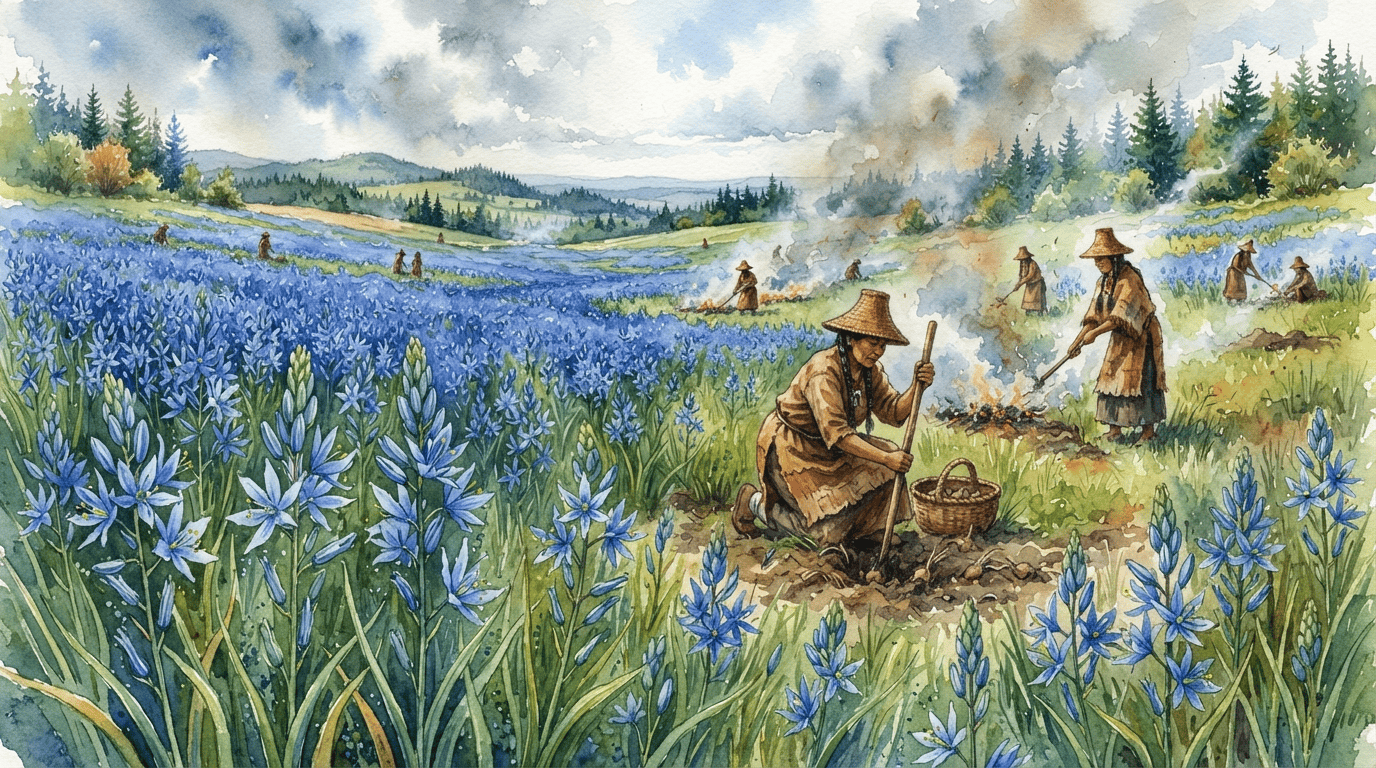
Camassia leichtlinii grows in moist meadows and oak savannas across the Pacific Northwest. Sereno Watson of Harvard's Gray Herbarium described it in 1885, naming it for Max Leichtlin, a Baden bulb specialist. For at least 8,000 years, Pacific Northwest Indigenous peoples including the Kalapuya, Nez Perce, and Coast Salish pit-roasted camas bulbs as a major carbohydrate source; the bulbs develop sweet caramel flavors through long slow cooking.
Women managed vast prairies with controlled burns to maintain camas populations, creating landscapes the Lewis and Clark Expedition described in 1806 as looking like 'lakes of fine clear water'. European settlement converted most camas prairies to agriculture.
Horticultural cultivars include the taller 'Semiplena' (double cream) and the subspecies suksdorfii 'Caerulea' (deep blue). Beware: the white-flowered 'death camas' Zigadenus species are highly toxic. Introduced to European gardens in the 1850s by Henry Leichtlin and rediscovered by American native-plant gardeners in the late 20th century.
Symbolism & meaning
What It Symbolizes
Great Camas rises in tall starry blue spikes above the spring meadow, a prairie spire visible across the long grass. Its deeper meaning is native heritage, for its bulbs were a staple food of Pacific Northwest tribes for millennia, gathered, pit-roasted, and traded across great distances. To grow camassia is to remember that what we now plant for ornament was once, and remains, the sustaining food and cultural inheritance of the people who knew this land first.
- Native heritage — staple food of Pacific Northwest tribes for millennia
- Prairie spire — tall starry spikes rise above meadow grasses
Where the Name Comes From
'Camassia' from the Nez Perce 'quamash', the traditional name for the edible bulb; 'leichtlinii' honors Max Leichtlin (1831-1910), German horticulturist.
Uses & Fun Facts
- Tall blue starry spikes for moist meadows and rain gardens
- Bulbs traditionally pit-roasted by Pacific Northwest Indigenous peoples
- Late-spring bloom supports native bees in clay prairie soils
Related plants
More Camassia plants
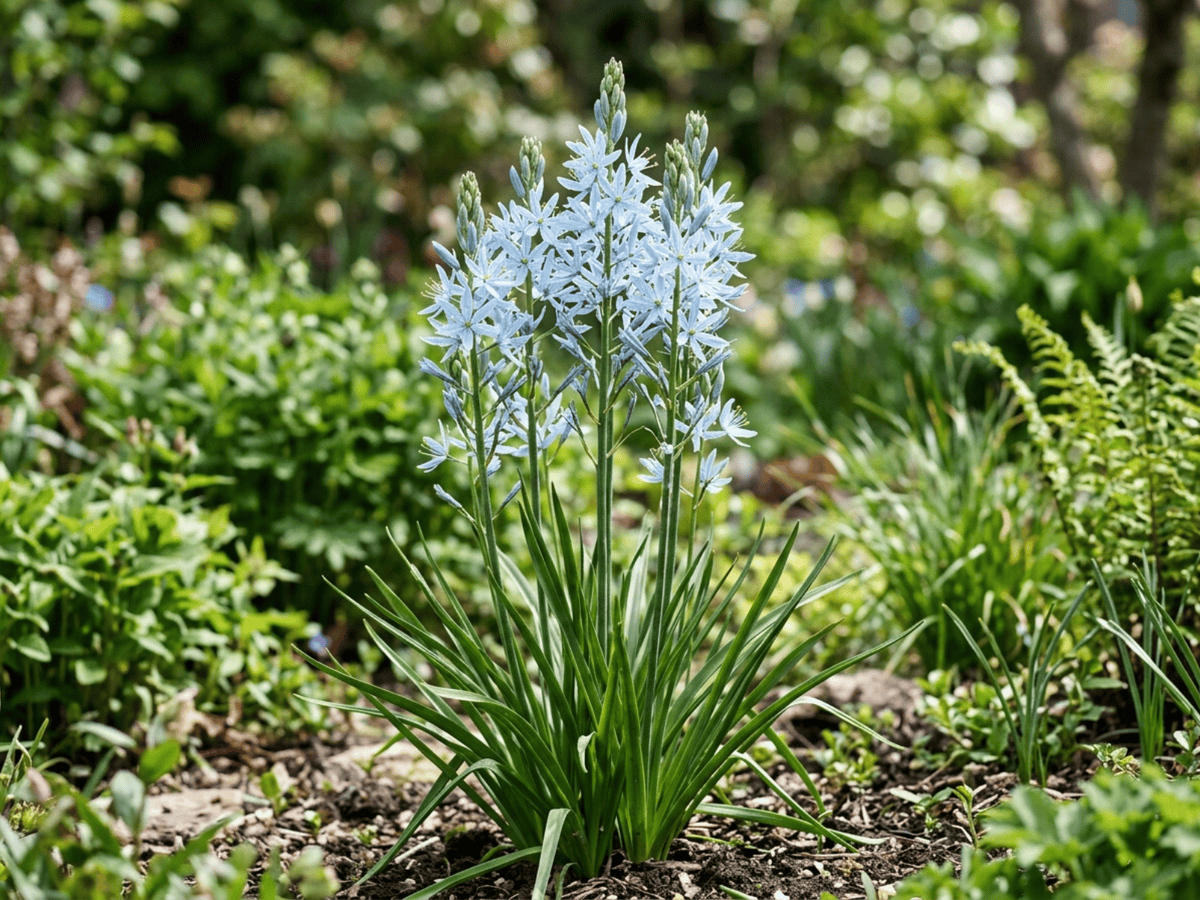
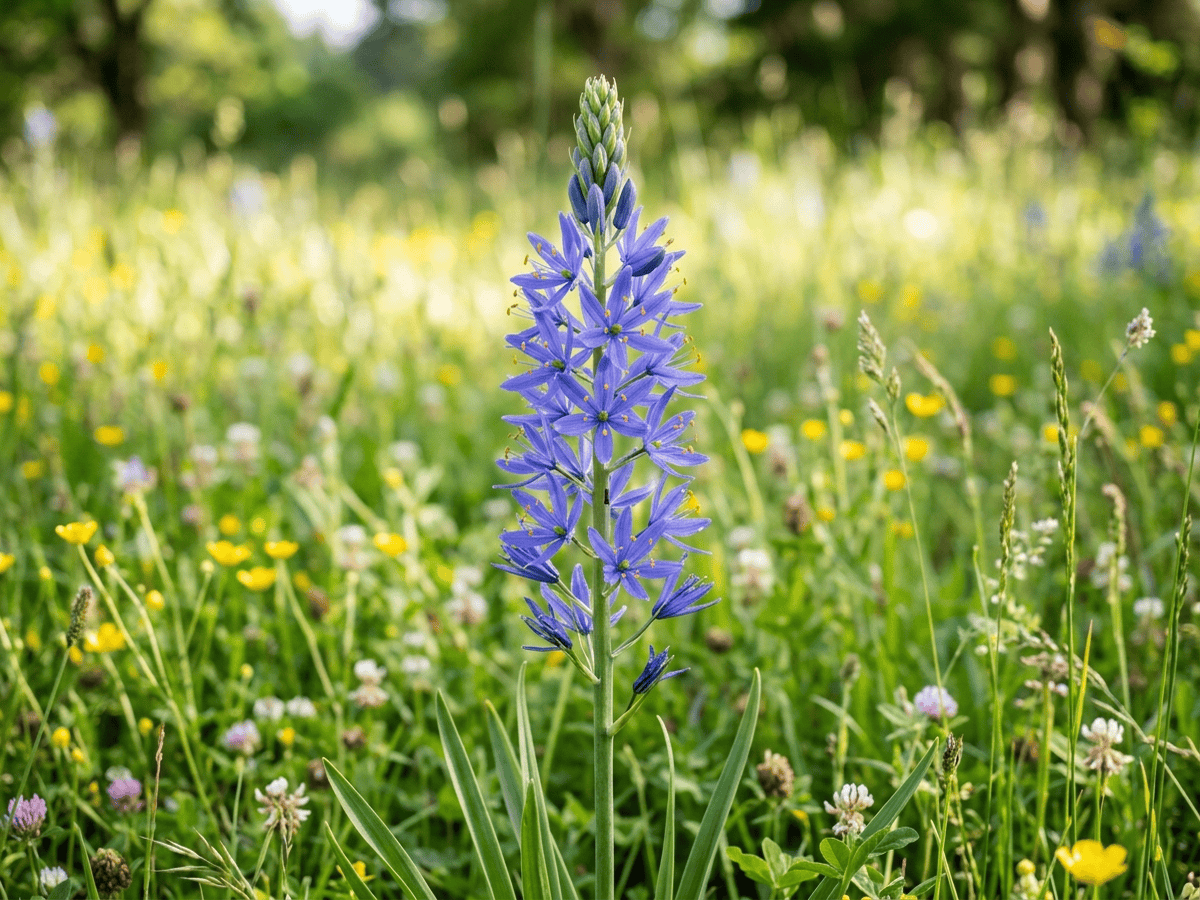
Plants with similar care
 Chinese AbeliaAbelia chinensis
 Fragrant AbeliaAbelia mosanensis
 Large-Flowered AbeliaAbelia uniflora
 Glossy AbeliaAbelia x grandiflora
Frequently asked questions
How often should I water Great Camas?
In summer, water about every 5 days; in winter, about every 14 days. Adjust for heat, pot size and drainage.
How much light does Great Camas need?
Full sun: 6+ hrs direct. Watch the leaves — scorching or stretching means the light needs adjusting.
Is Great Camas toxic to cats or dogs?
No toxicity has been reported for this plant. Still, it is wise to keep pets from chewing on any houseplant. Educational information, not medical or veterinary advice. If exposure is suspected, contact a doctor or veterinarian.
Is Great Camas easy to grow?
Yes — it is considered an easy, beginner-friendly plant.
When does Great Camas bloom?
It typically blooms May in the Northern Hemisphere.
YardMate
Identify any plant in seconds
Snap a photo — YardMate names the plant, diagnoses problems, and reminds you when to water.
Download on the App Store