 YardMate

Small Camas
Camassia quamash
Easy · Beginner friendlyAbout Small Camas
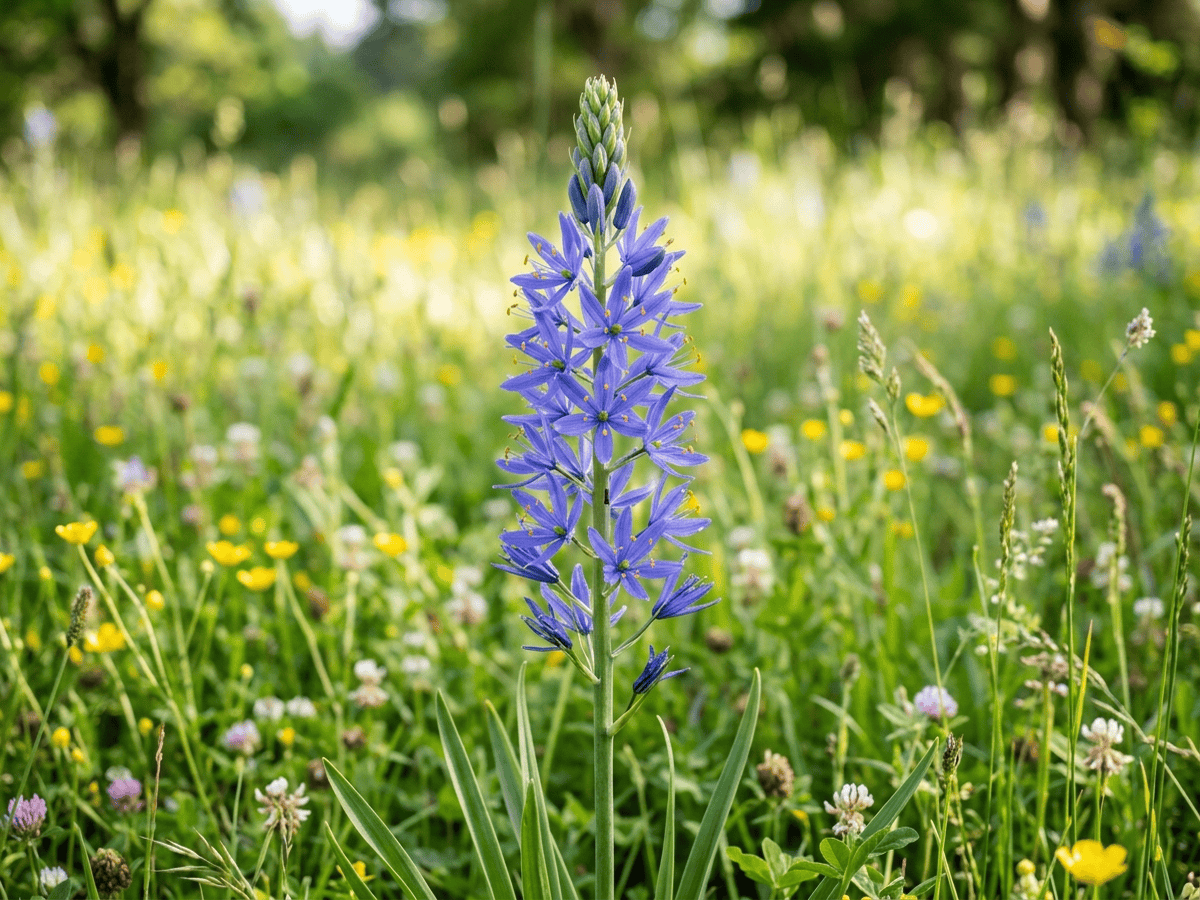
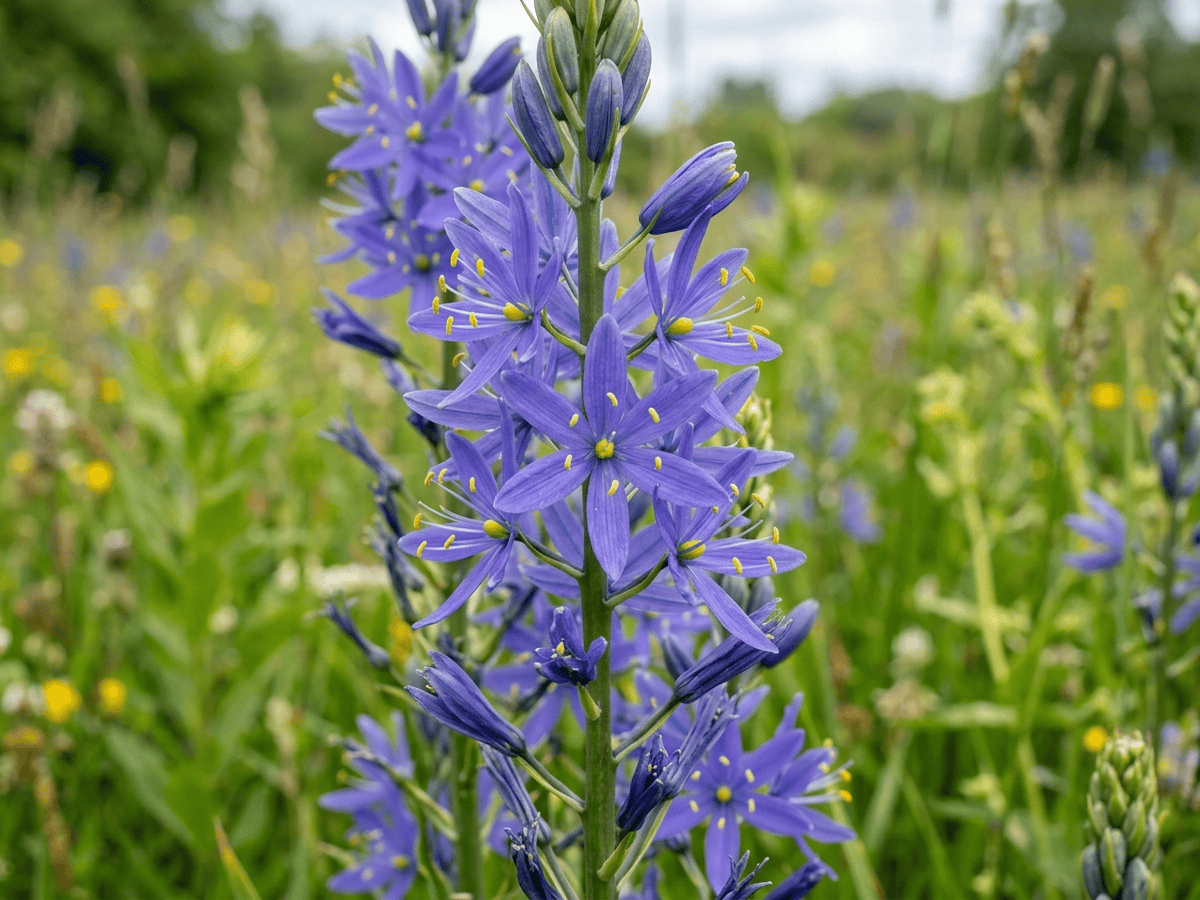
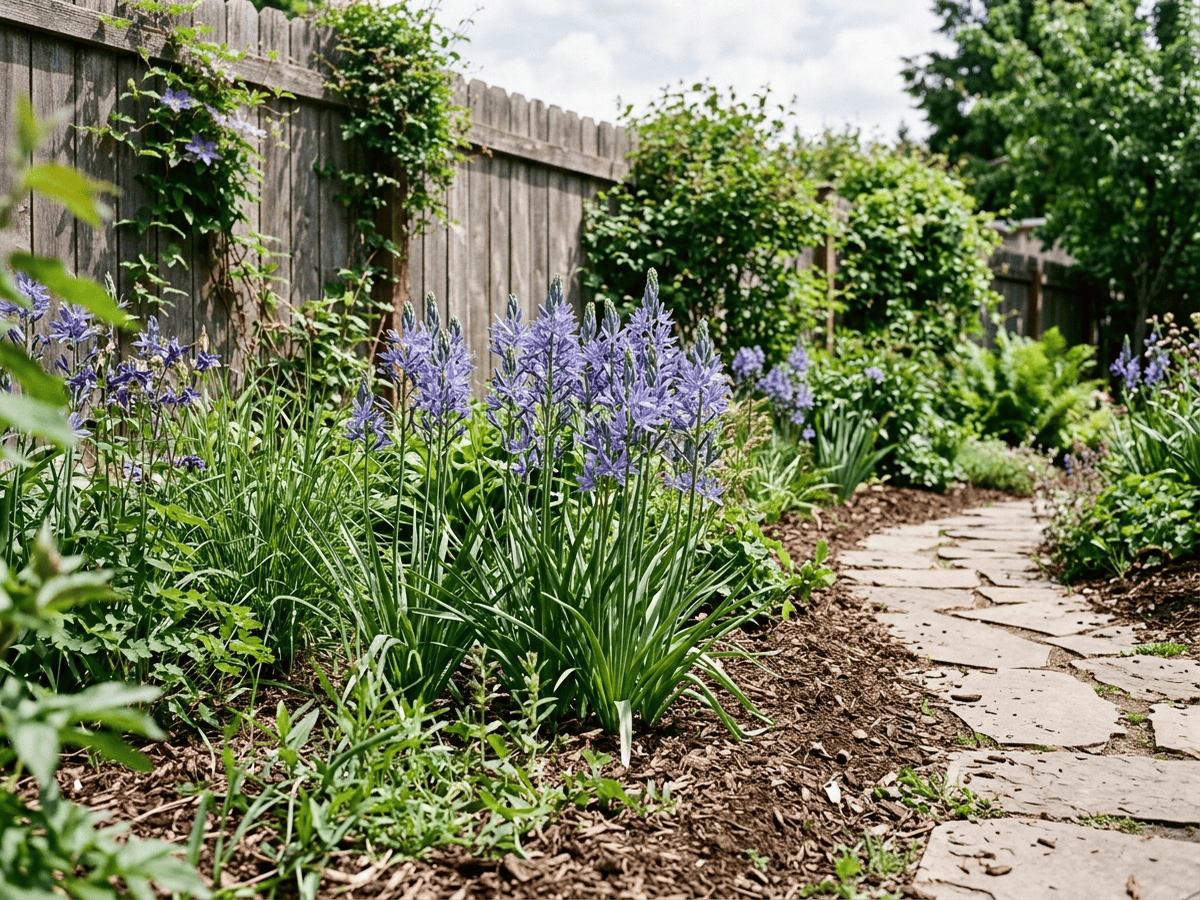
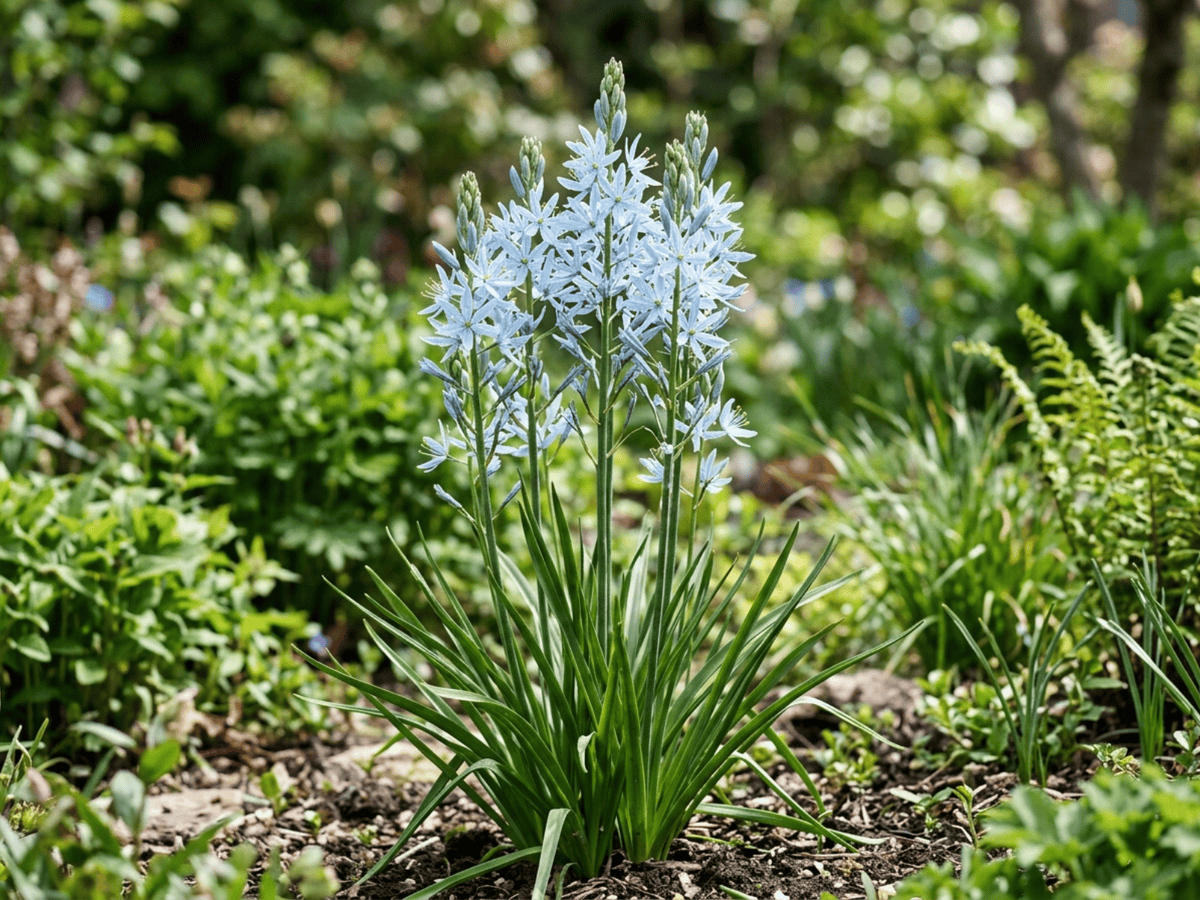
Common Camas is the smaller more widespread native camas hardy in USDA zones 3-8, producing spikes of blue or purple starry flowers on 12 to 24 inch stems in late spring. Native from British Columbia through California and east to Montana, it dominates wet spring meadows across the Pacific Northwest. A key bulb in native prairie restorations and a beautiful naturalizing choice for American moist meadow and rain garden plantings.
- Native
- Pollinator-friendly
How to care for Small Camas
Watering
- Springevery 3 days
- Summerevery 5 days
- Fallevery 10 days
- Winterevery 14 days
Soil · Well-draining
- Main mixLoam + coarse sand 3:175%
- DrainageGravel25%
Sharp drainage matters most — bulbs rot in wet soil while dormant.
FERTILIZER
Balanced Feed 14-14-14
An even feed covers all three needs at once, keeping leaves, roots and blooms moving together with nothing pushed out of balance.
- Nitrogen · Leaves
- Phosphorus · Roots + Blooms
- Potassium · Strength
- Fallevery 60 days
At a Glance
- NativeNorth America
- Height1–2.5 ft (0.3–0.8 m)
- Spread0.5–1 ft (0.2–0.3 m)
- Flower colorBlue, Purple, White
- Foliage colorGreen
- SoilLoamy, Moisture-retentive
- LocationsYard
Bloom time
BLOOM CYCLE
Peak bloom
Mar–May
Blue-purple starry spikes in late spring
Fragrance
LIGHT FRAGRANCE
The flowers have a very lightly sweet-scented scent.
Toxicity
No toxicity has been reported for this plant. Still, it is wise to keep pets from chewing on any houseplant.
Educational information, not medical or veterinary advice. If exposure is suspected, contact a doctor or veterinarian.
DISTRIBUTION


- Native
- North America
History
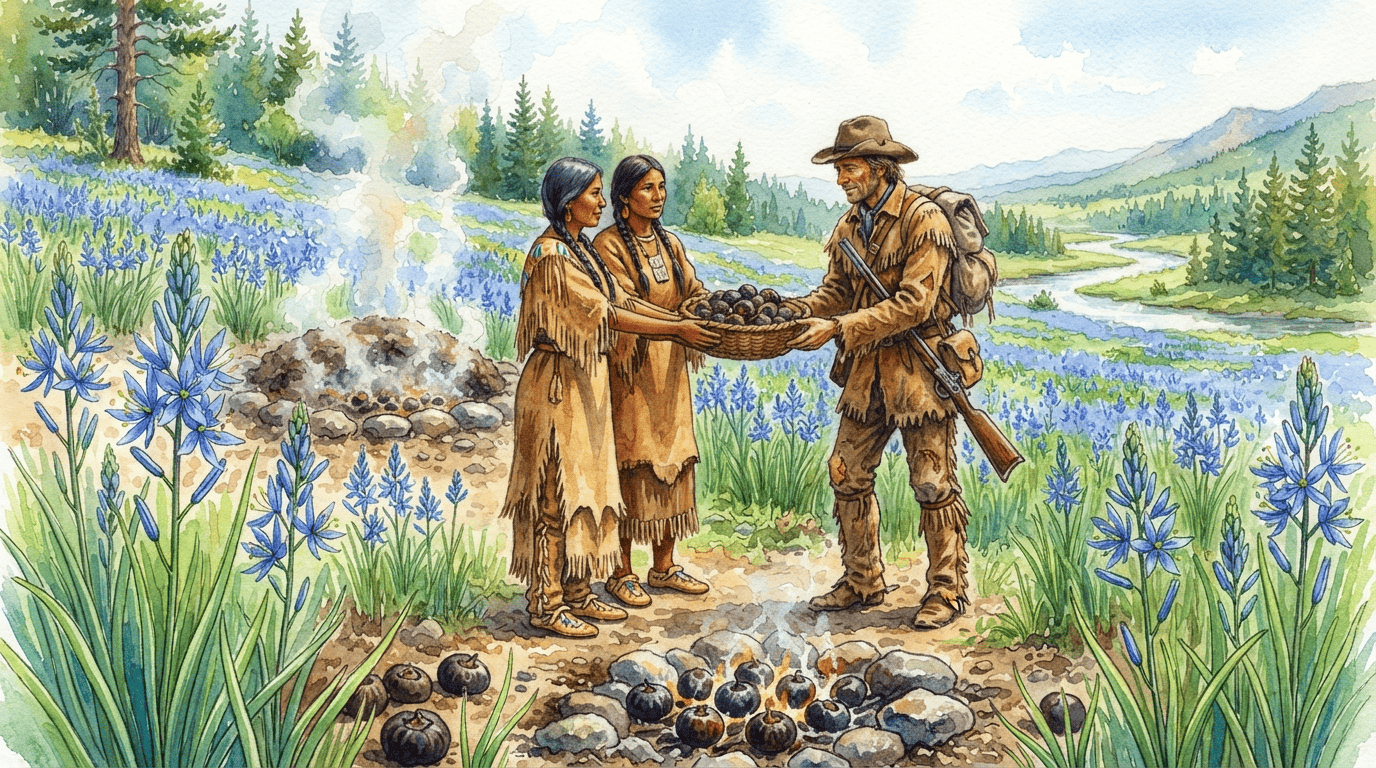
Camassia quamash grows in moist meadows and oak savannas across the Pacific Northwest, from British Columbia south to northern California and east to Montana. Frederick Pursh described it in Flora Americae Septentrionalis (1814) under the name Phalangium quamash, adopting the Nez Perce word qém'es which had been recorded by Meriwether Lewis. For at least 8,000 years Indigenous peoples including the Nez Perce, Kalapuya, and Coast Salish managed extensive camas prairies with controlled burns and selective harvesting, pit-roasting the bulbs for several days to convert the inulin starches into digestible fructose, producing a sweet caramel-flavored staple food.
Camas was central to trade networks, kinship obligations, and seasonal migration. The Nez Perce War of 1877 was partly triggered by US settlers' pigs destroying camas grounds.
Today it is both a restoration keystone species and an ornamental bulb. Lewis and Clark were fed camas bulbs by the Nez Perce in 1805 during their expedition. Widely planted today in American native plant restorations and pollinator meadows.
Symbolism & meaning
What It Symbolizes
Small camas is often read as a flower of abundance — once it carpeted vast meadows of the Pacific Northwest in such numbers that early travelers mistook the blue blooms for shallow lakes. To the Plateau peoples, those meadows were a cultural staple, the bulbs forming the primary traditional carbohydrate, harvested and pit-roasted for centuries. The flower's blue stretches still recall a landscape of plenty that fed nations long before wheat arrived.
- Abundance — once dominated vast Pacific Northwest meadows
- Cultural staple — primary traditional carbohydrate of plateau tribes
Where the Name Comes From
'quamash' is the Chinook trade name for the edible bulb, recorded by early European explorers.
Uses & Fun Facts
- Blue star spikes draw native bees in spring meadow plantings
- Cooked bulbs were a staple food for Pacific Northwest tribes
- Important traditional food crop of Indigenous Plateau peoples
Related plants
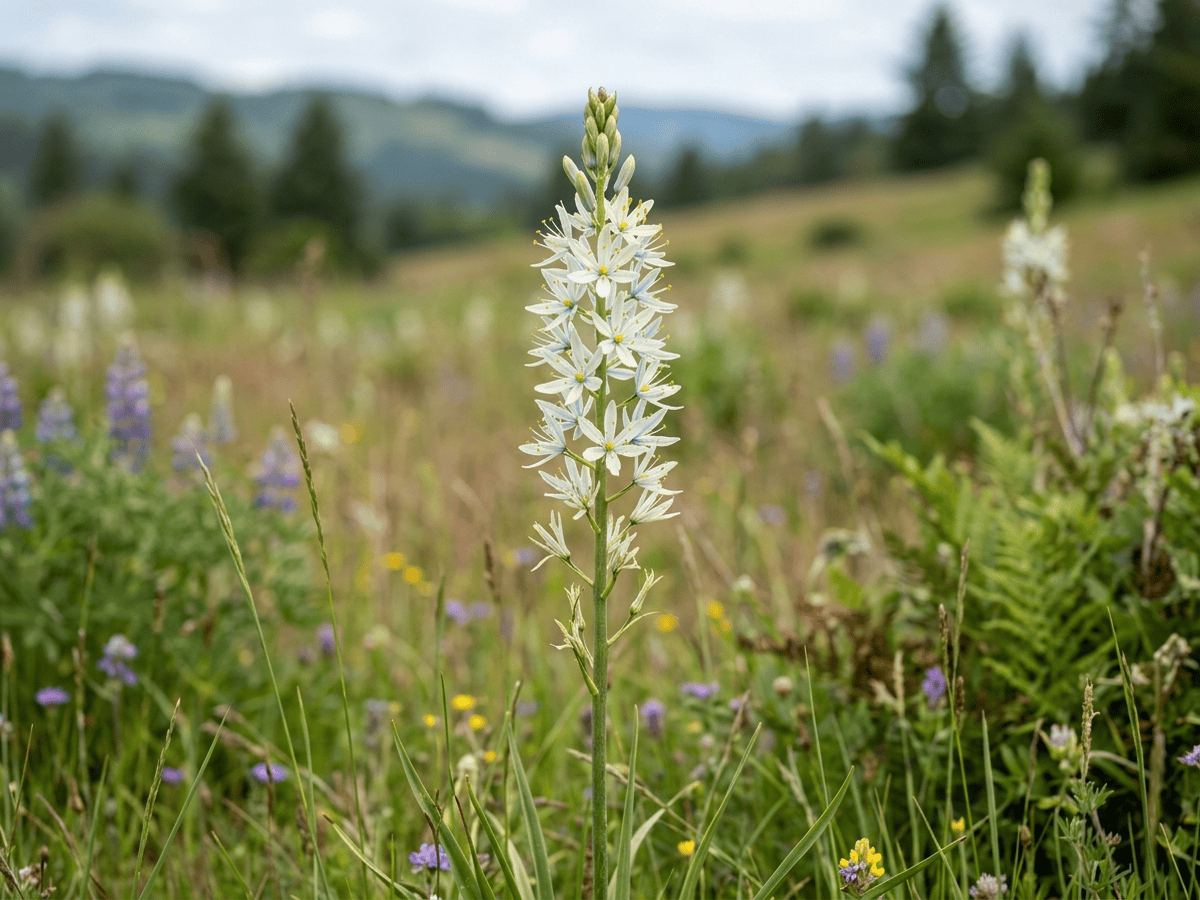
More Camassia plants
Plants with similar care
 Chinese AbeliaAbelia chinensis
 Fragrant AbeliaAbelia mosanensis
 Large-Flowered AbeliaAbelia uniflora
 Glossy AbeliaAbelia x grandiflora
Frequently asked questions
How often should I water Small Camas?
In summer, water about every 5 days; in winter, about every 14 days. Adjust for heat, pot size and drainage.
How much light does Small Camas need?
Full sun: 6+ hrs direct. Watch the leaves — scorching or stretching means the light needs adjusting.
Is Small Camas toxic to cats or dogs?
No toxicity has been reported for this plant. Still, it is wise to keep pets from chewing on any houseplant. Educational information, not medical or veterinary advice. If exposure is suspected, contact a doctor or veterinarian.
Is Small Camas easy to grow?
Yes — it is considered an easy, beginner-friendly plant.
When does Small Camas bloom?
It typically blooms Mar–May in the Northern Hemisphere.
YardMate
Identify any plant in seconds
Snap a photo — YardMate names the plant, diagnoses problems, and reminds you when to water.
Download on the App Store