 YardMate

Sasanqua Camellia
Camellia sasanqua
Easy · Beginner friendlyAbout Sasanqua Camellia
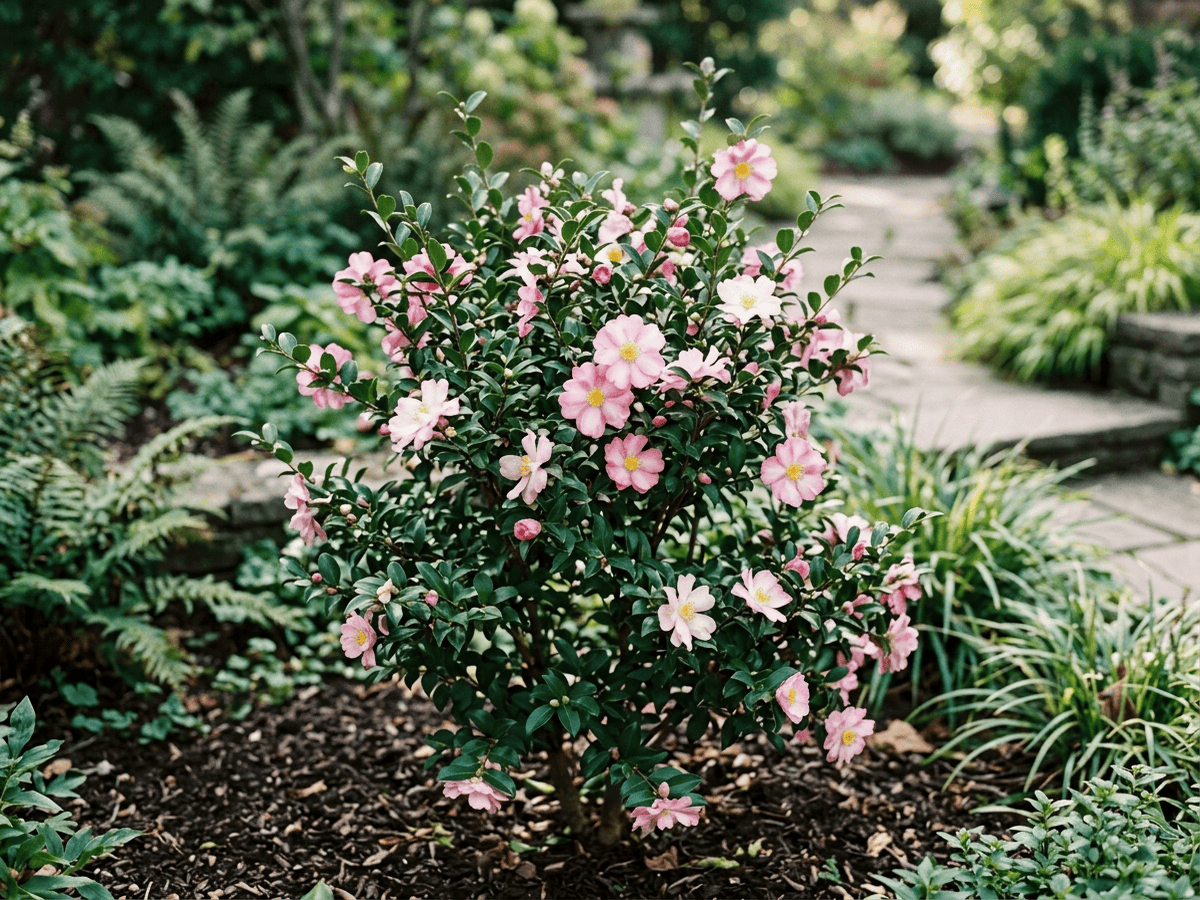
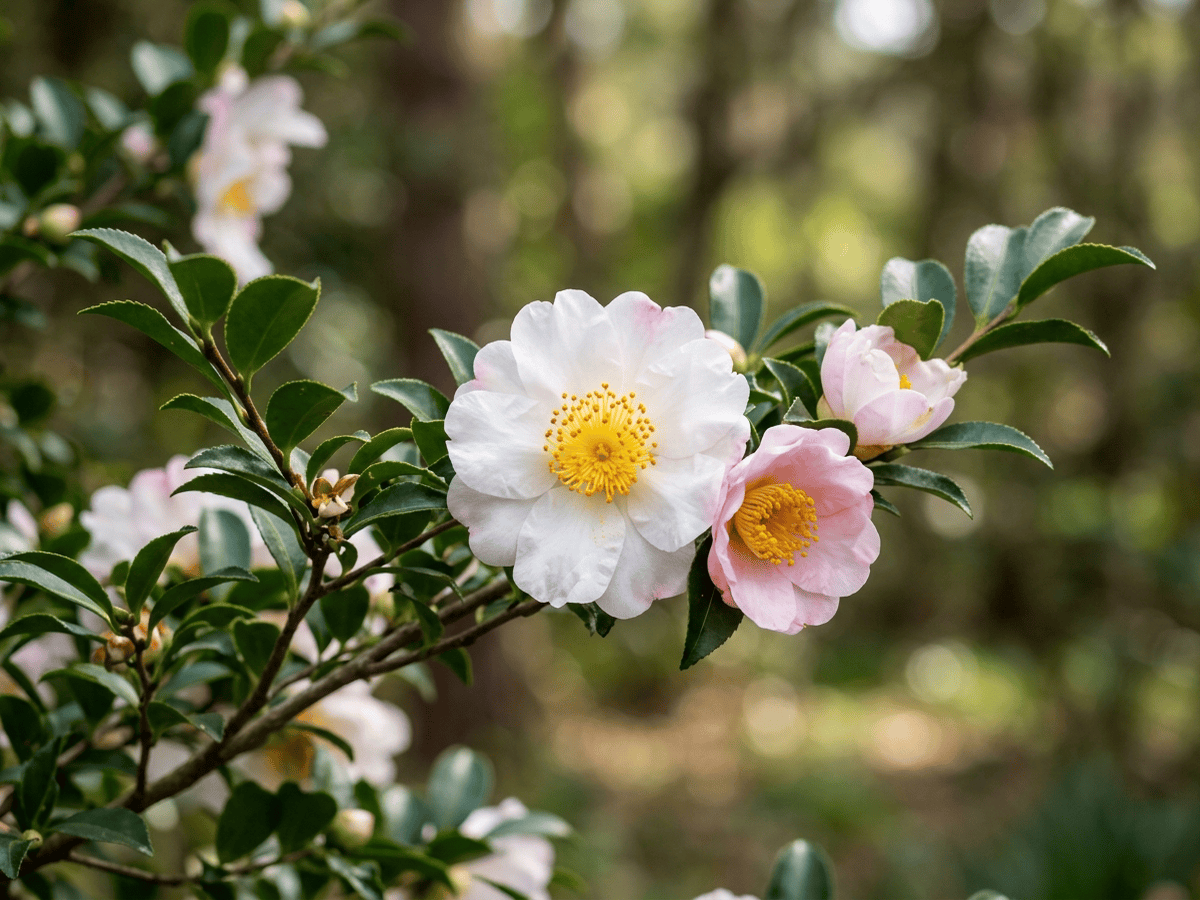
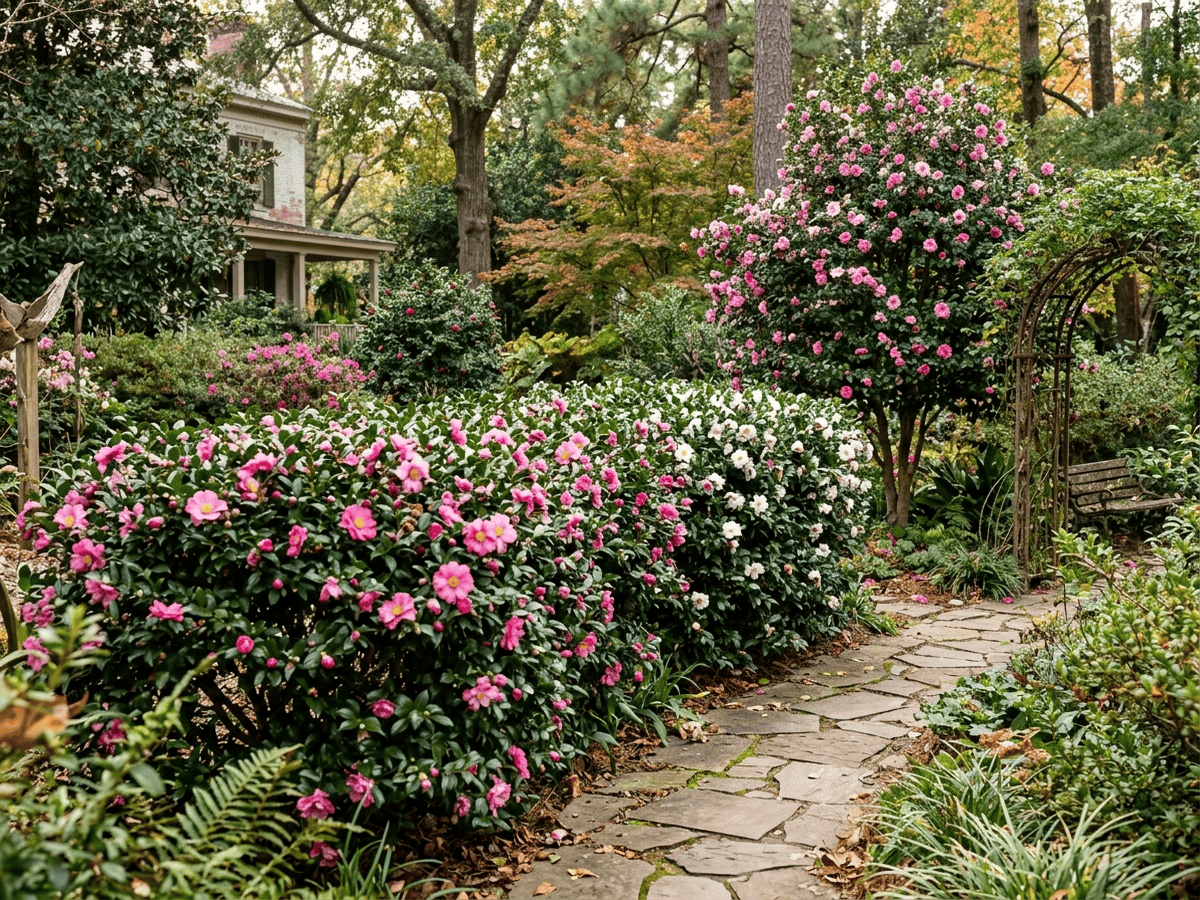
Sasanqua Camellia is a graceful evergreen shrub or small tree from Japan, blooming from October through December when most gardens are bare. Growing 6-12 feet tall, it produces profuse single to semi-double flowers in white, pink, or red with a delicate tea-like fragrance. More sun-tolerant and cold-hardy than the showier C. japonica, it excels as a hedge, screen, or espalier throughout the American South and mild West Coast gardens.
- Fragrant
- Cold-hardy
- Evergreen
How to care for Sasanqua Camellia
Watering
- Springevery 5 days
- Summerevery 3 days
- Fallevery 5 days
- Winterevery 10 days
Soil · Acidic · pH 4.5–6
- Top dressingPine needle mulch10%
- Main mixAcid-lover mix + peat 3:175%
- DrainageGravel15%
Never add lime or wood ash — it cancels out the acidity.
FERTILIZER
Acid-Loving Feed 4-3-4
One bag does both jobs. An acid feed carries the usual nitrogen, phosphorus and potassium, plus the sulfur and iron that keep the soil sour enough for the roots to take them up at all.
- Nitrogen · Leaves
- Phosphorus · Roots + Blooms
- Potassium · Strength
- Springevery 30 days
- Summerevery 60 days
At a Glance
- NativeEast Asia
- Height6–10 ft (1.8–3 m)
- Spread5–8 ft (1.5–2.4 m)
- Flower colorWhite, Pink, Red
- Foliage colorDark-green, Green
- SoilLoamy, Well-drained, Acidic
- LocationsYard
Bloom time
BLOOM CYCLE
Peak bloom
Oct–Dec
White, pink, or red flowers October to December
Fragrance
LIGHT FRAGRANCE
Mild tea-like scent in some cultivars.
Toxicity
Pets Safe
None reported
Not reported
EXPOSURE No exposure route is reported.
EFFECT No toxic effect is reported.
NOTE No human toxicity is reported in this catalog; avoid eating ornamental plants unless confirmed edible.
Safe
EXPOSURE No exposure route is reported.
EFFECT No toxic effect is reported.
NOTE Listed as non-toxic for dogs; avoid eating ornamental plants unless confirmed edible.
Safe
EXPOSURE No exposure route is reported.
EFFECT No toxic effect is reported.
NOTE Listed as non-toxic for cats; avoid eating ornamental plants unless confirmed edible.
Educational information, not medical or veterinary advice. If exposure is suspected, contact a doctor or veterinarian.
DISTRIBUTION


- Native
- Introduced
- East Asia
History

Camellia sasanqua is native to the mountains of southern Japan, including Kyushu, Shikoku, southern Honshu, and the Ryukyu Islands. Thunberg described it in 1784, using a transliteration of its Japanese name, often interpreted as mountain tea flower. Unlike the spring-blooming Camellia japonica, sasanqua opens in autumn and early winter, making it a cherished cold-season signal in Japanese gardens.
Its seeds, along with those of related oil camellias, have been pressed for more than a thousand years into oil used for cooking, hair care, skin care, and the maintenance of Japanese sword blades. Western gardeners embraced it because it filled the dull months between summer flowers and spring camellias, especially in the American South and mild coastal regions.
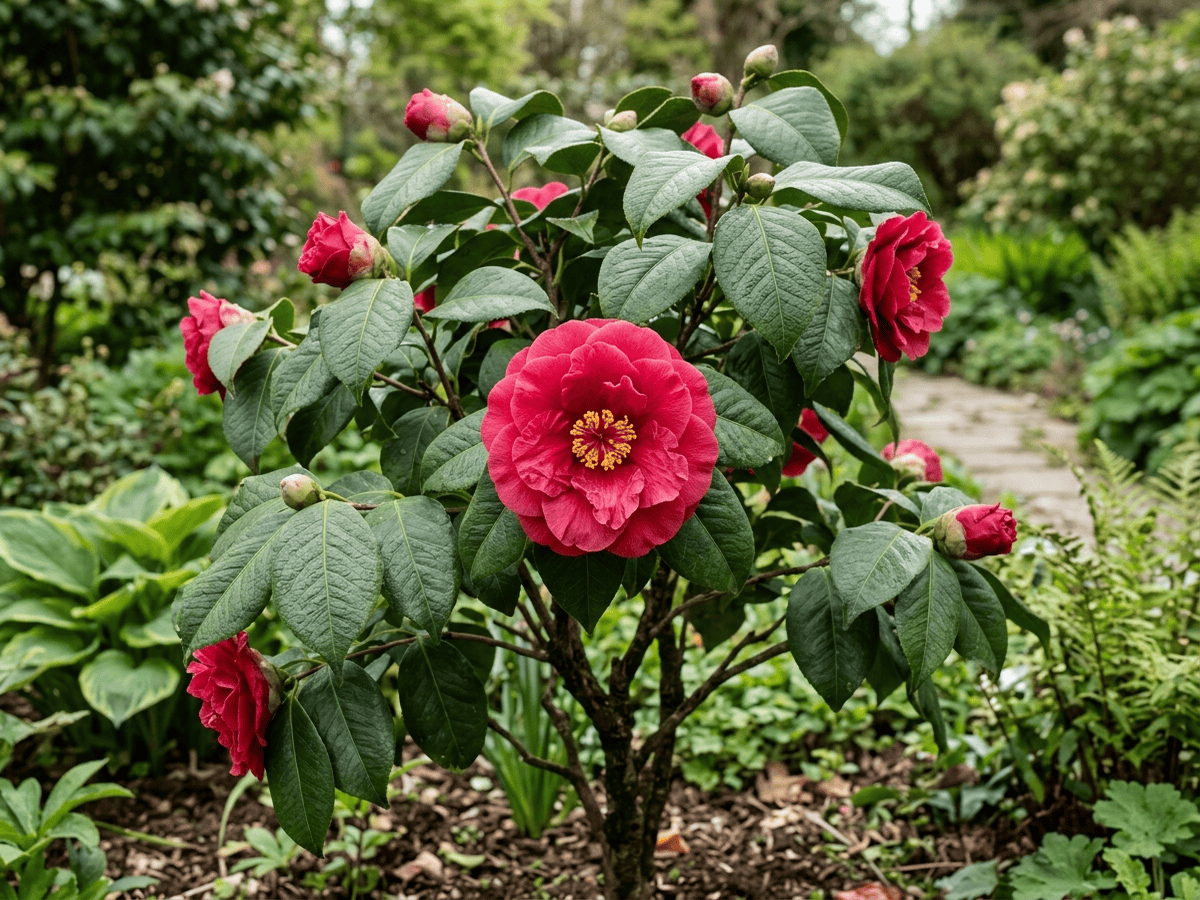
Cultivars range from single white flowers to ruffled pinks and reds; 'Yuletide', with red petals and yellow stamens, became one of the best-known winter-flowering shrubs in American nurseries.
Symbolism & meaning
What It Symbolizes
Sasanqua Camellia carries admiration as its flower meaning, blooming in late autumn when other flowers have faded and the garden seems ready to sleep. Its resilience is quiet but absolute, opening fresh petals through cold and rain as if seasons did not apply. It is often read as a flower of quiet praise offered out of season, beauty arriving precisely when it is most needed.
- Admiration — blooming when other flowers have faded
- Resilience — flowers through autumn cold and rain
Where the Name Comes From
'Sasanqua' from Japanese 'sazanka', the native name for this autumn-flowering camellia species.
Uses & Fun Facts
- Seeds pressed for tea-seed cooking oil
- Tea-scented blooms perfume gardens October through December
- Glossy evergreen screening hedge in mild-climate gardens
- Profuse fall-winter flowers when other shrubs are bare
Related plants
More Camellia plants

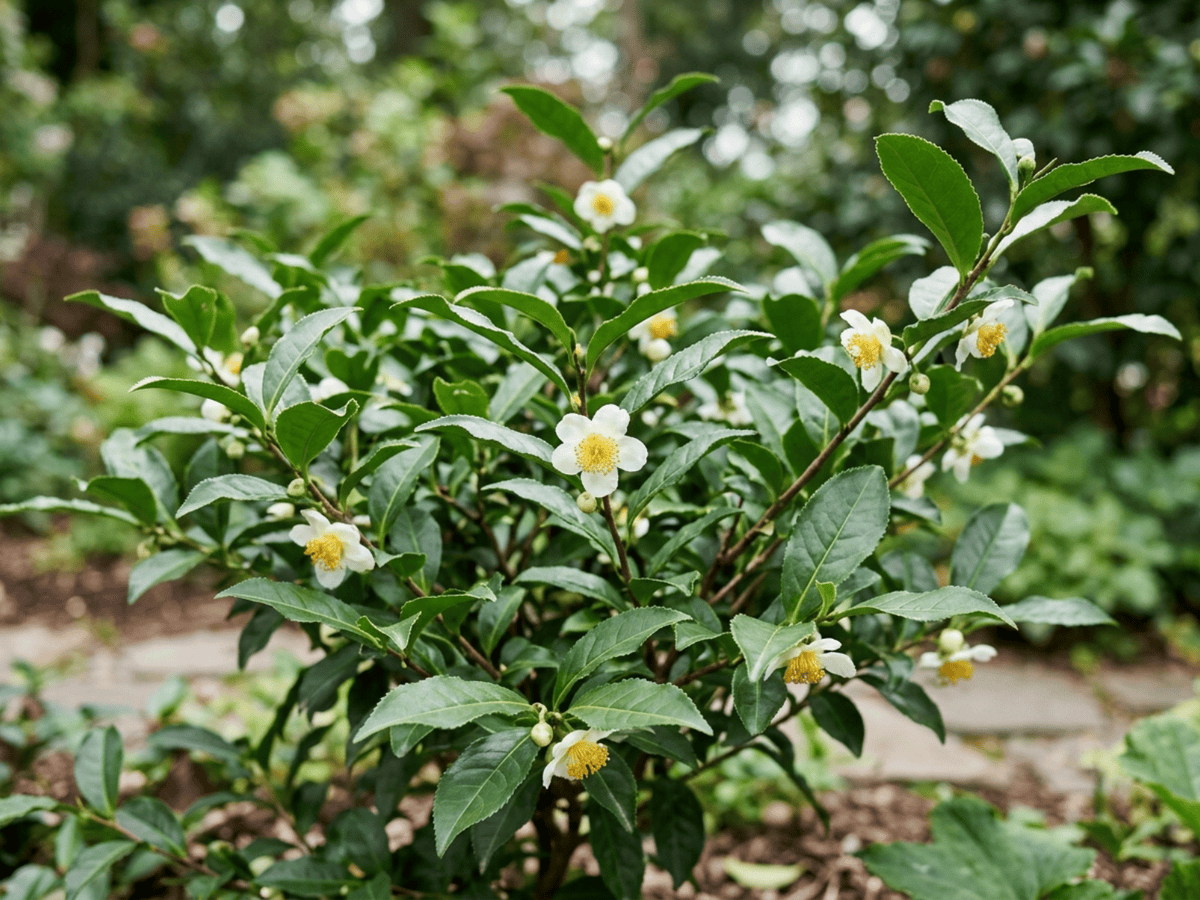
Plants with similar care
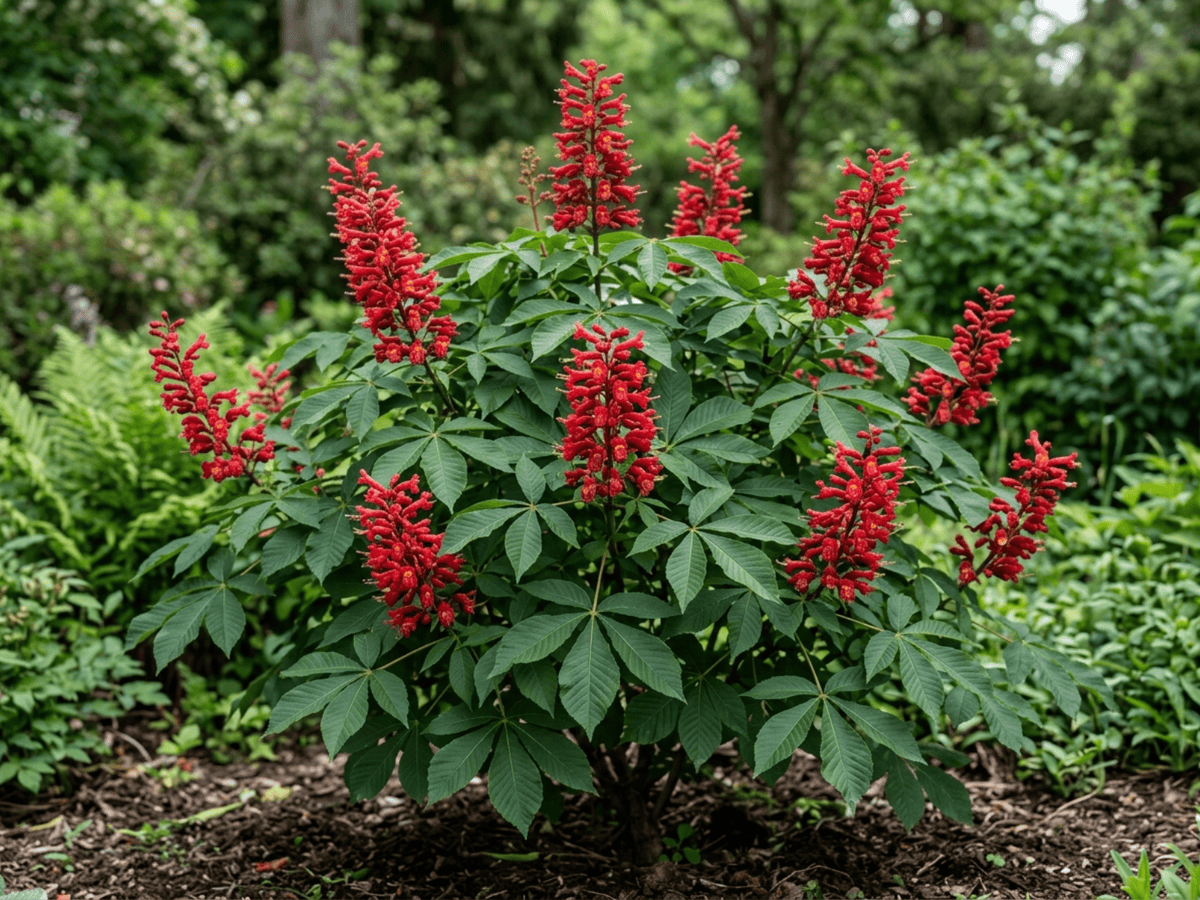 Red BuckeyeAesculus pavia
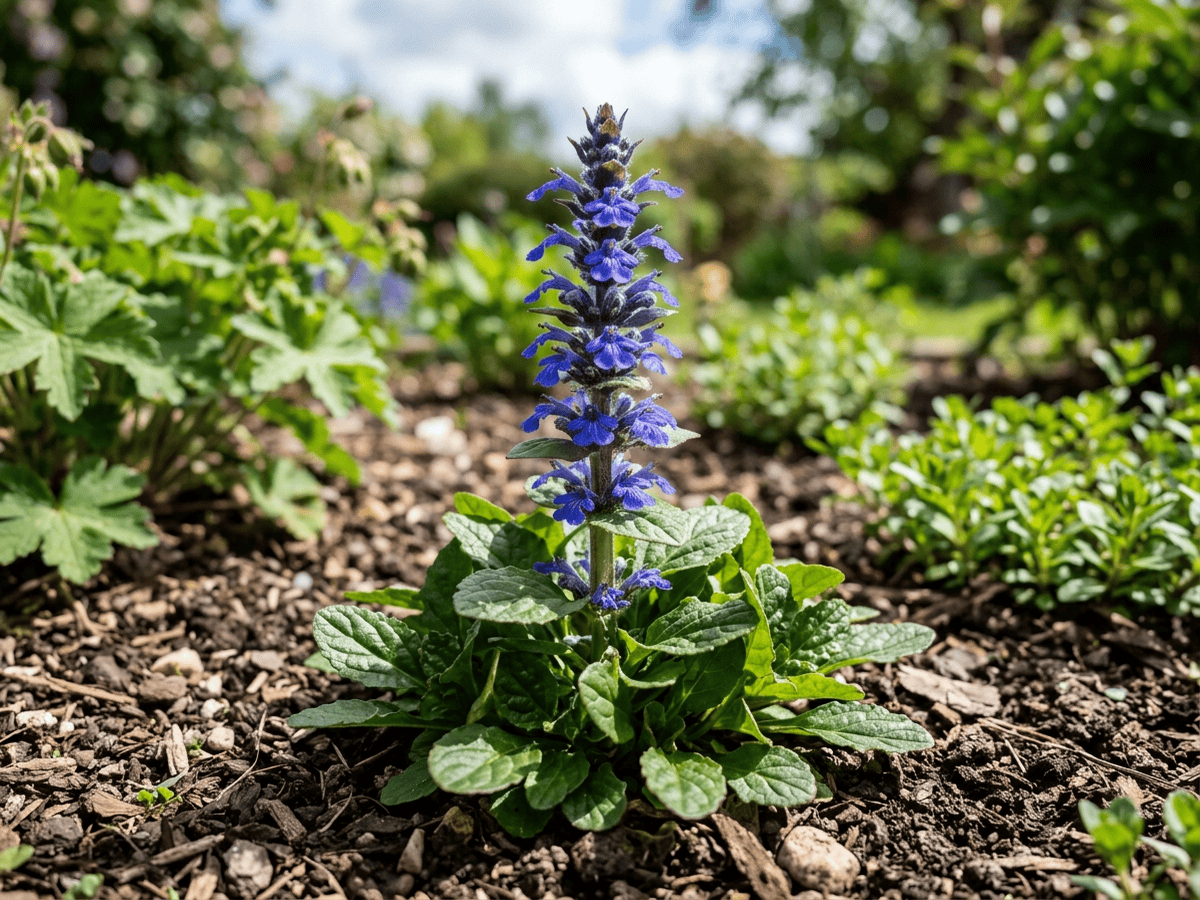 Blue BugleAjuga genevensis
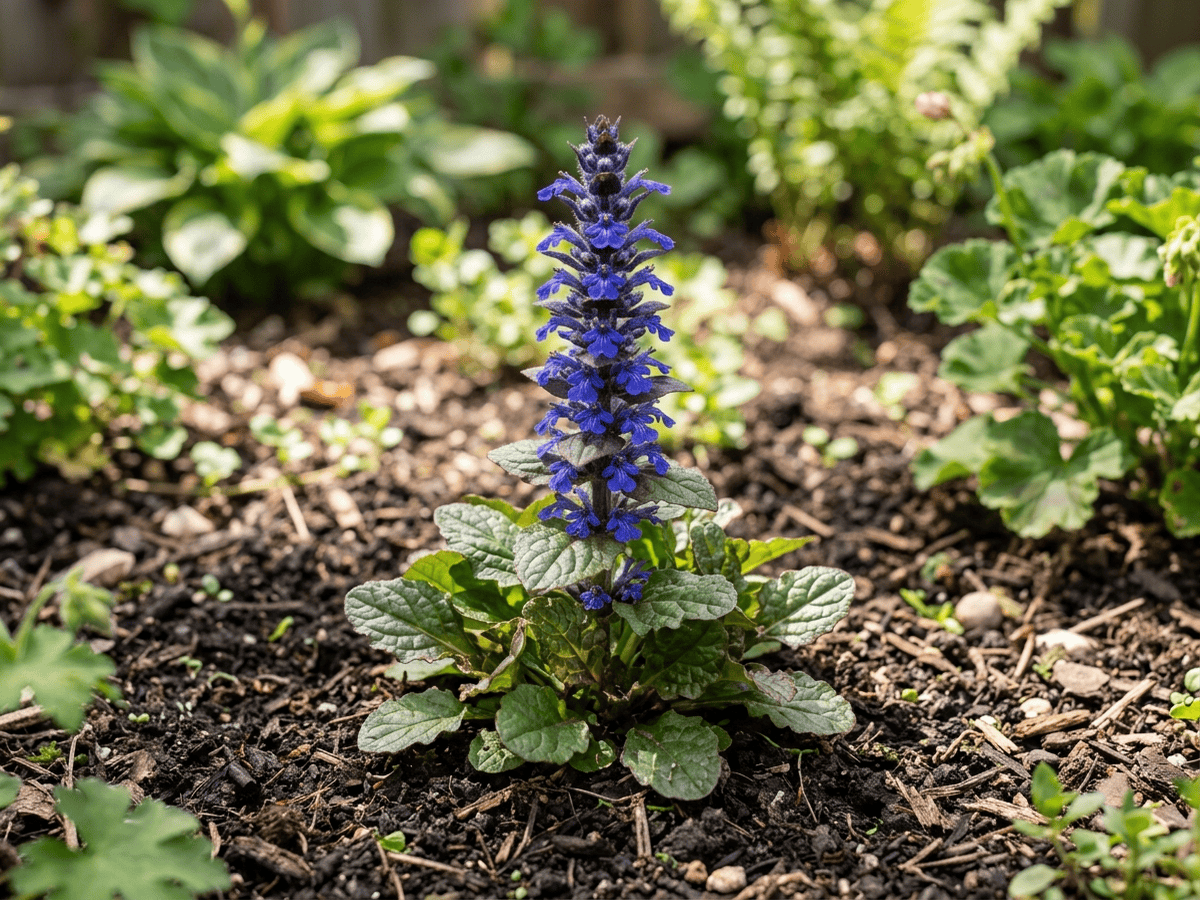 Pyramidal BugleAjuga pyramidalis
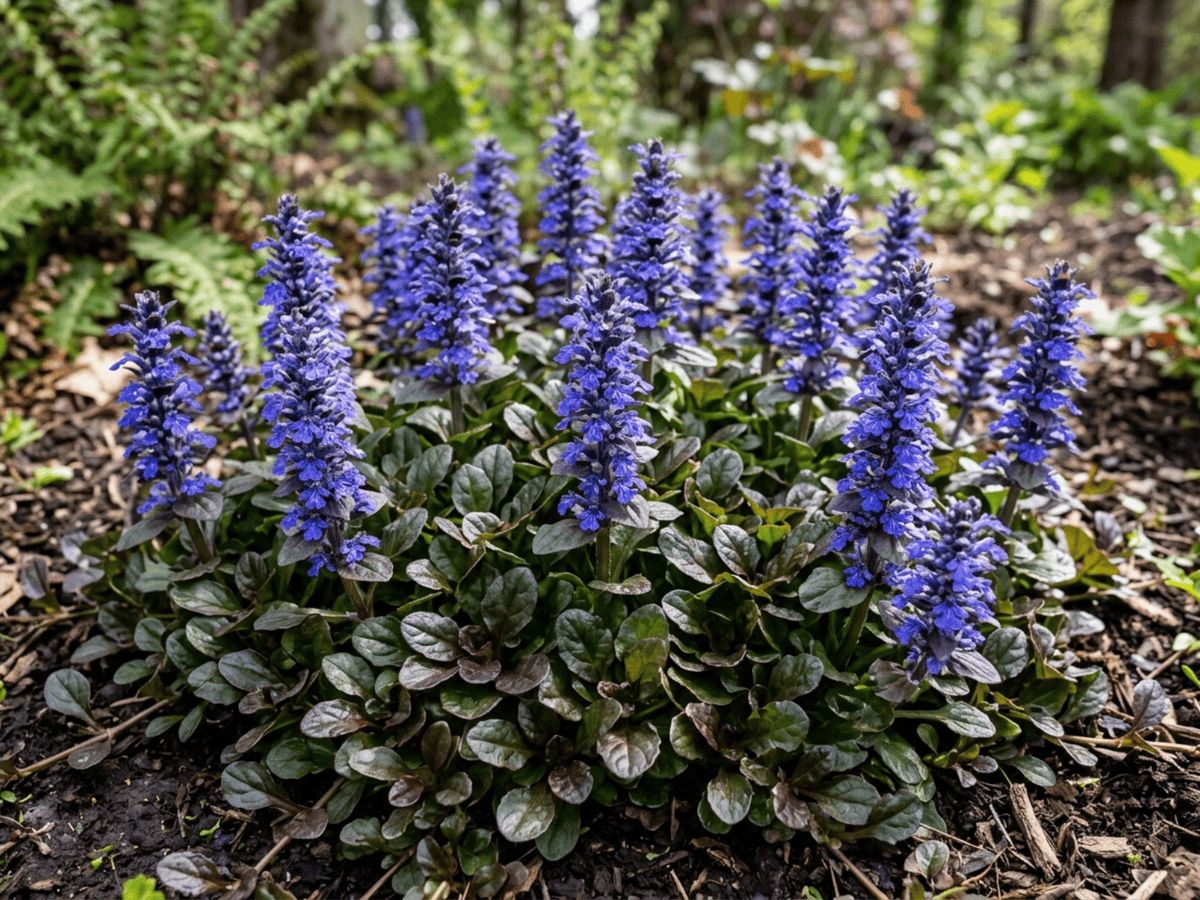 Carpet BugleAjuga reptans
Frequently asked questions
How often should I water Sasanqua Camellia?
In summer, water about every 3 days; in winter, about every 10 days. Adjust for heat, pot size and drainage.
How much light does Sasanqua Camellia need?
Part shade: 2–4 hrs direct. Watch the leaves — scorching or stretching means the light needs adjusting.
Is Sasanqua Camellia toxic to cats or dogs?
Pets Safe (Dogs Safe · Cats Safe) Educational information, not medical or veterinary advice. If exposure is suspected, contact a doctor or veterinarian.
Is Sasanqua Camellia easy to grow?
Yes — it is considered an easy, beginner-friendly plant.
When does Sasanqua Camellia bloom?
It typically blooms Oct–Dec in the Northern Hemisphere.
YardMate
Identify any plant in seconds
Snap a photo — YardMate names the plant, diagnoses problems, and reminds you when to water.
Download on the App Store