 YardMate


Tea
Camellia sinensis
Medium · Some experienceAbout Tea
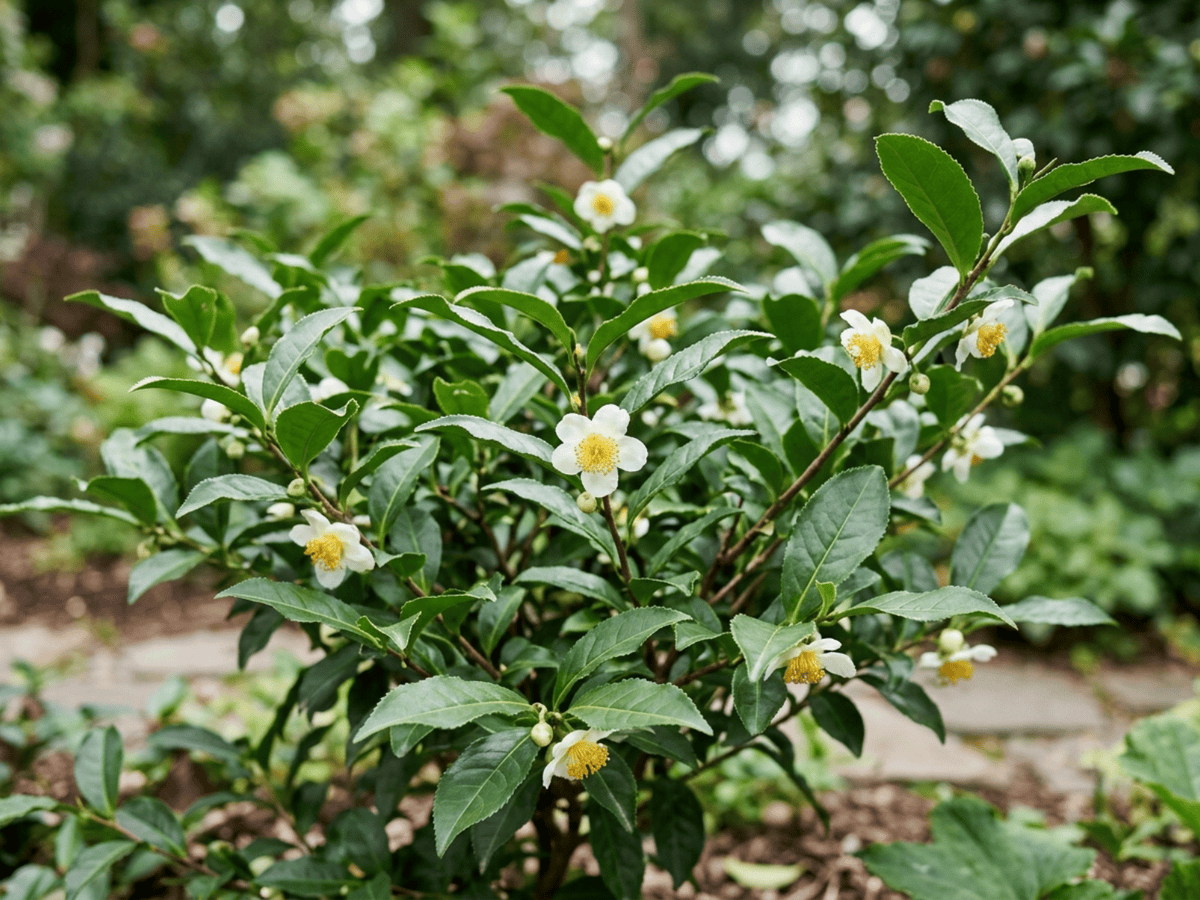
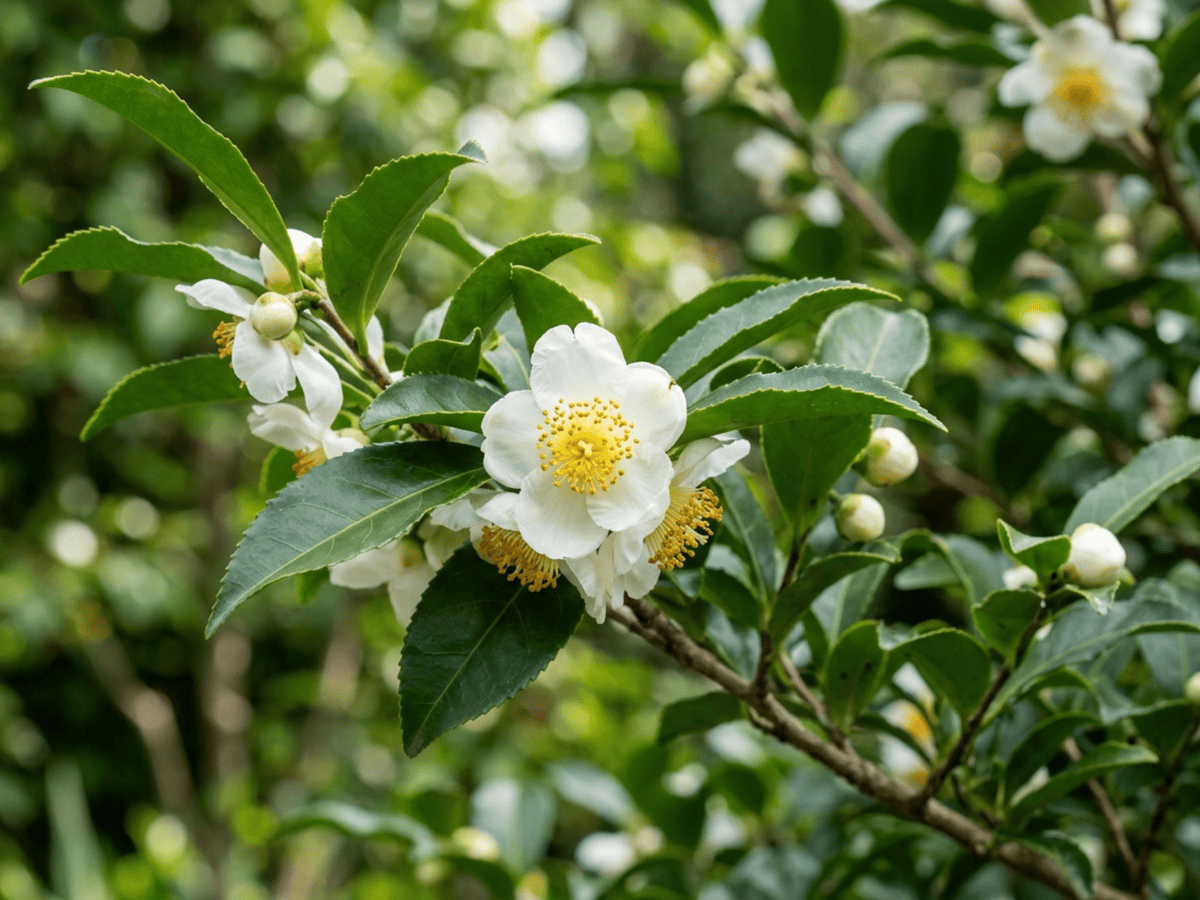
Camellia sinensis is the plant that gives the world its most consumed beverage after water: tea. Native to the borderlands of southwestern China, Myanmar, and northeastern India, this evergreen shrub grows 1 to 3 meters when cultivated but can become a small tree if left unpruned. Its modest white flowers with yellow stamens bloom in autumn, but the real treasure lies in the young leaves and buds, which are harvested and processed into green, black, white, oolong, and pu-erh teas depending on oxidation methods. The plant thrives in acidic, well-drained soil with high humidity and prefers partial shade at higher elevations, which slows growth and concentrates flavor compounds. Tea cultivation dates back nearly 5,000 years to ancient China, and the plant has shaped global trade, sparked wars, and influenced ceremonies from Japanese chanoyu to British afternoon tea. Rich in antioxidants, L-theanine, and moderate caffeine, tea offers documented health benefits including reduced cardiovascular risk and improved mental focus.
- Edible
- Fragrant
- Evergreen
How to care for Tea
Watering
- Springevery 3 days
- Summerevery 2 days
- Fallevery 7 days
- Winterevery 14 days
Soil · Acidic · pH 4.5–6
- Top dressingPine needle mulch10%
- Main mixAcid-lover mix + peat 3:175%
- DrainageGravel15%
Never add lime or wood ash — it cancels out the acidity.
FERTILIZER
Acid-Loving Feed 4-3-4
One bag does both jobs. An acid feed carries the usual nitrogen, phosphorus and potassium, plus the sulfur and iron that keep the soil sour enough for the roots to take them up at all.
- Nitrogen · Leaves
- Phosphorus · Roots + Blooms
- Potassium · Strength
- Springevery 45 days
- Summerevery 45 days
At a Glance
- NativeEast Asia, South Asia
- Height6–15 ft (1.8–4.6 m)
- Spread5–10 ft (1.5–3 m)
- Flower colorWhite, Yellow
- Foliage colorGreen
- SoilLoamy, Well-drained, Acidic
- LocationsYard · Indoor · Balcony
Bloom time
BLOOM CYCLE
Peak bloom
Sep–Nov
Small white flowers appear in autumn; pinch flowers to redirect energy to leaf production for tea harvest
Fragrance
LIGHT FRAGRANCE
Light sweet scent from flowers.
Toxicity
Pets Moderate
caffeine, theophylline, theobromine, catechins (EGCG), and L-theanine
Not reported
EXPOSURE No exposure route is reported.
EFFECT Leaves universally consumed as tea and contains caffeine.
NOTE No human toxicity is reported in this catalog; avoid eating ornamental plants unless confirmed edible.
Moderate
- Leaf
- Ingestion
EXPOSURE Eating leaves.
EFFECT Caffeine toxicity possible if leaves or concentrated tea are consumed in quantity: hyperactivity, tachycardia, vomiting.
NOTE Not listed by ASPCA as the plant per se, but caffeine and theobromine (methylxanthines) in leaves are toxic to dogs and cats in quantity.
Moderate
- Leaf
- Ingestion
EXPOSURE Eating leaves.
EFFECT Caffeine toxicity as for dogs and cats are more sensitive per kg.
NOTE Not listed by ASPCA as the plant per se, but caffeine and theobromine (methylxanthines) in leaves are toxic to dogs and cats in quantity.
Educational information, not medical or veterinary advice. If exposure is suspected, contact a doctor or veterinarian.
DISTRIBUTION


- Native
- Introduced
- East Asia
- South Asia
History

Camellia sinensis is the source of all true tea — green, white, yellow, oolong, black, and pu'er all come from this single species, differing by processing method rather than species. It is native to southwestern China (Yunnan), northeast India (Assam), and a continuous arc across Southeast Asia. Two varieties are recognized: var. sinensis (small-leafed, cold-tolerant; source of most Chinese and Japanese teas) and var. assamica (large-leafed, tropical; source of most Indian and Sri Lankan teas). Tea drinking in China is documented from at least the Han dynasty (2nd century BCE) and was formally codified by Lu Yu in the Tang-dynasty "Classic of Tea" (760 CE).
Tea reached Japan with Zen Buddhist monks in the 9th and 12th centuries and became central to the tea ceremony (chanoyu/sadō). Dutch traders brought tea to Europe in 1610, and the British East India Company turned it into a global commodity — the Boston Tea Party (1773) was a protest against British tax on tea. Scottish plant hunter Robert Fortune, hired by the East India Company, stole tea seeds and processing knowledge from China in 1848-1851, enabling British industrial tea cultivation in Assam and Darjeeling.
Today China, India, Kenya, and Sri Lanka are the world's top tea producers. Legend attributes tea's discovery to Chinese Emperor Shennong in 2737 BCE, when wind blew leaves into his boiling water. Tea became central to Chinese culture during the Tang Dynasty and spread to Japan, where it inspired the meditative tea ceremony. The British East India Company's tea trade with China shaped centuries of global commerce, including the Opium Wars and the colonization of India's Assam region for tea plantations.
Symbolism & meaning
What It Symbolizes
Tea embodies serenity, its leaves at the heart of ceremonies from Kyoto to Fujian where calm and mindful presence are quite literally steeped. Yet it also carries hospitality across nearly every culture — to offer tea is to offer welcome, a universal gesture of warmth folded into a single cup. Few plants have done so much quiet diplomacy.
- Serenity — Tea ceremonies worldwide use the plant as a symbol of calm and mindful presence
- Hospitality — Offering tea is a universal gesture of welcome and warmth across cultures
Where the Name Comes From
Camellia honors Georg Joseph Kamel, a Jesuit botanist. Sinensis is Latin for 'from China,' indicating the plant's geographic origin.
Uses & Fun Facts
- Young leaves processed into green, oolong, and black Tea
- Small white camellia flowers carry a sweet light scent
- Glossy evergreen foliage trimmed into informal hedges
- Cultivated for millennia in Asian Tea ceremonies and trade
Related plants
More Camellia plants

Plants with similar care
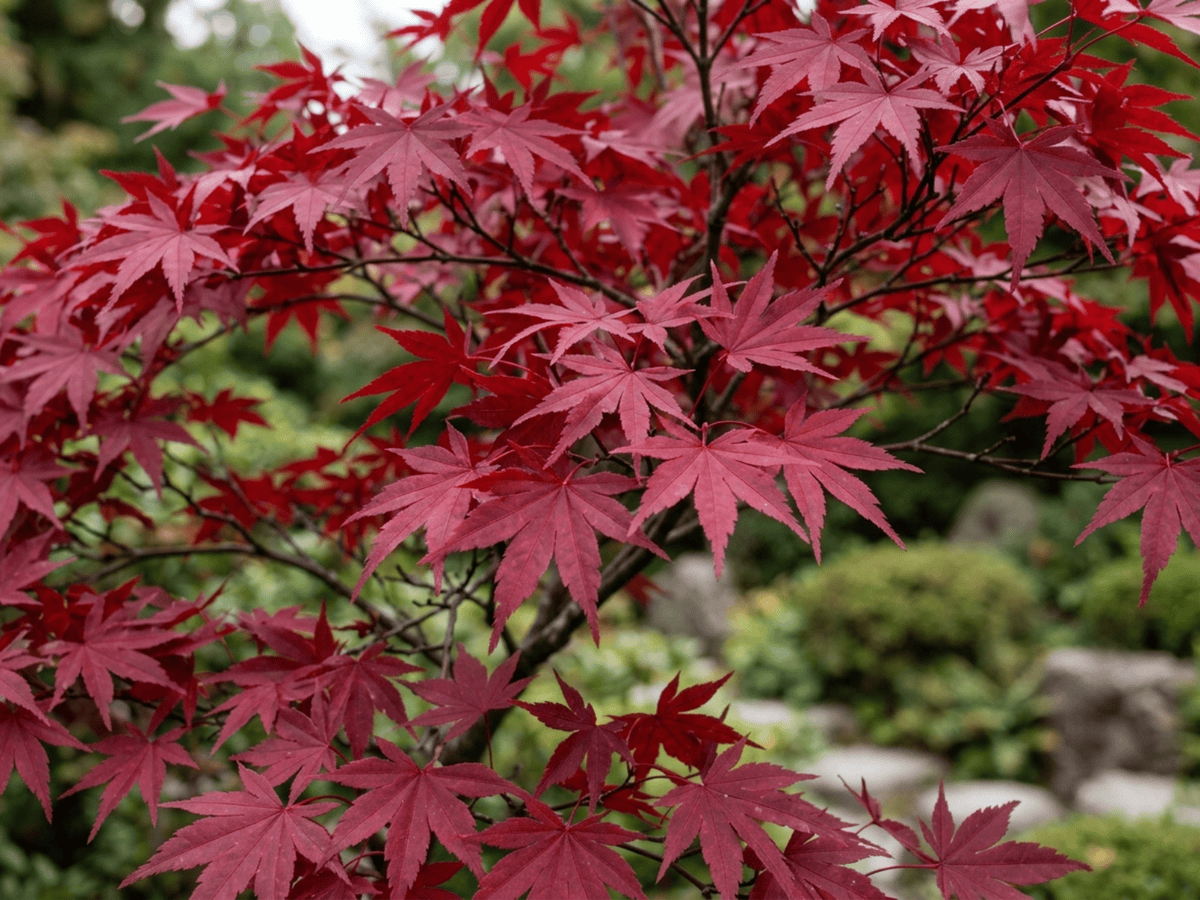 Japanese MapleAcer palmatum
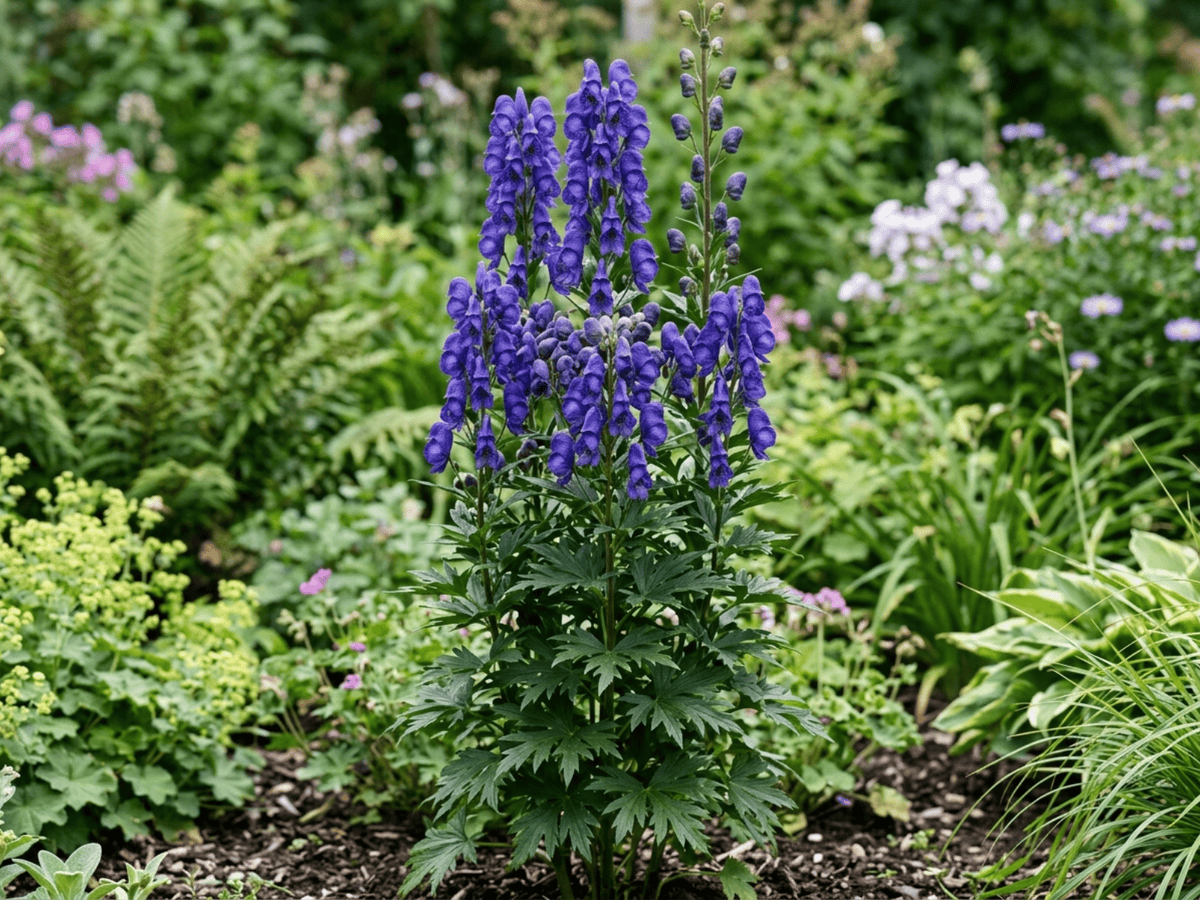 Azure MonkshoodAconitum carmichaelii
 Florida HobblebushAgarista populifolia
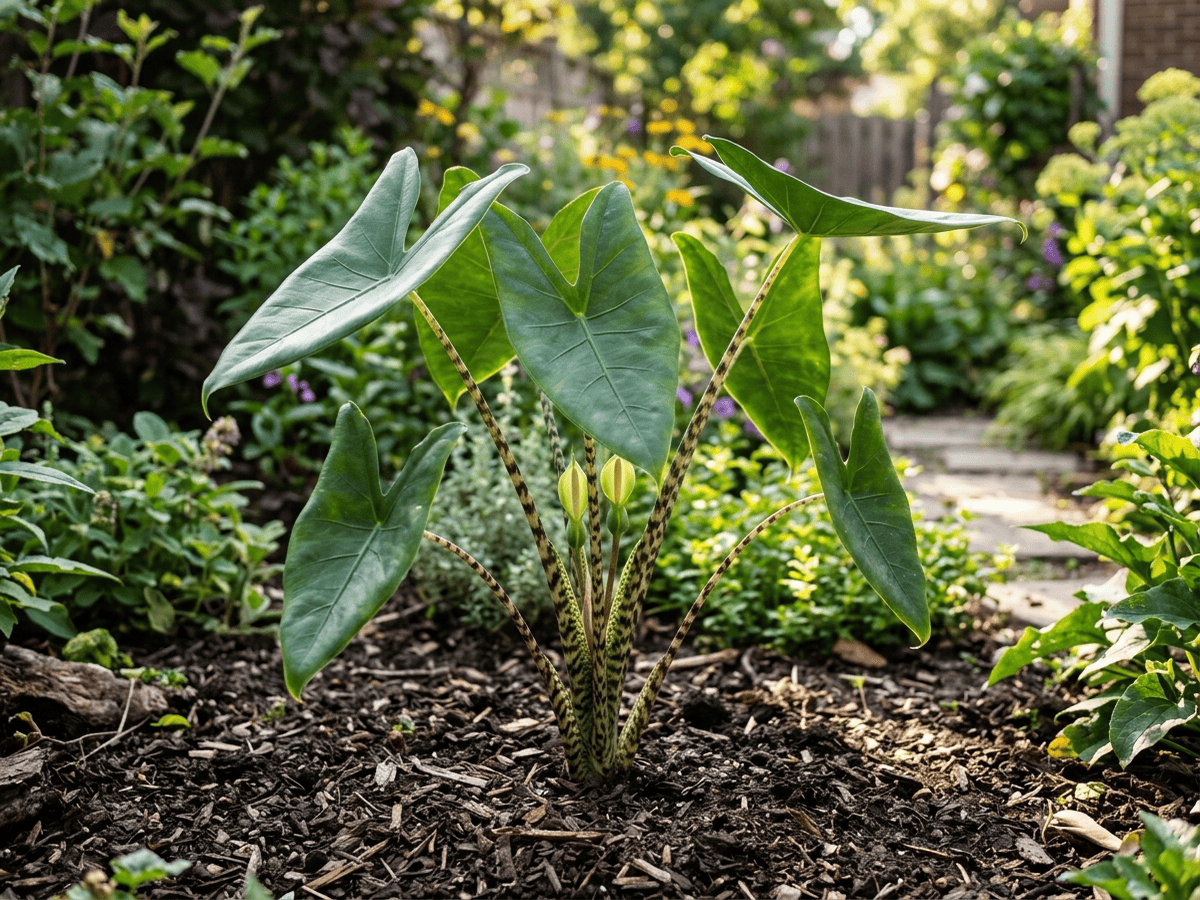 Alocasia zebrinaAlocasia zebrina
Frequently asked questions
How often should I water Tea?
In summer, water about every 2 days; in winter, about every 14 days. Adjust for heat, pot size and drainage.
How much light does Tea need?
Part shade: 2–4 hrs direct. Watch the leaves — scorching or stretching means the light needs adjusting.
Is Tea toxic to cats or dogs?
Pets Moderate (Dogs Moderate · Cats Moderate) Educational information, not medical or veterinary advice. If exposure is suspected, contact a doctor or veterinarian.
Is Tea easy to grow?
It is moderately demanding: a good choice once you have a little experience.
Can Tea be grown indoors?
Yes, it adapts well to indoor growing given the right light.
When does Tea bloom?
It typically blooms Sep–Nov in the Northern Hemisphere.
YardMate
Identify any plant in seconds
Snap a photo — YardMate names the plant, diagnoses problems, and reminds you when to water.
Download on the App Store