 YardMate

To-Tsubaki
Camellia reticulata
Hard · Experienced growersAbout To-Tsubaki
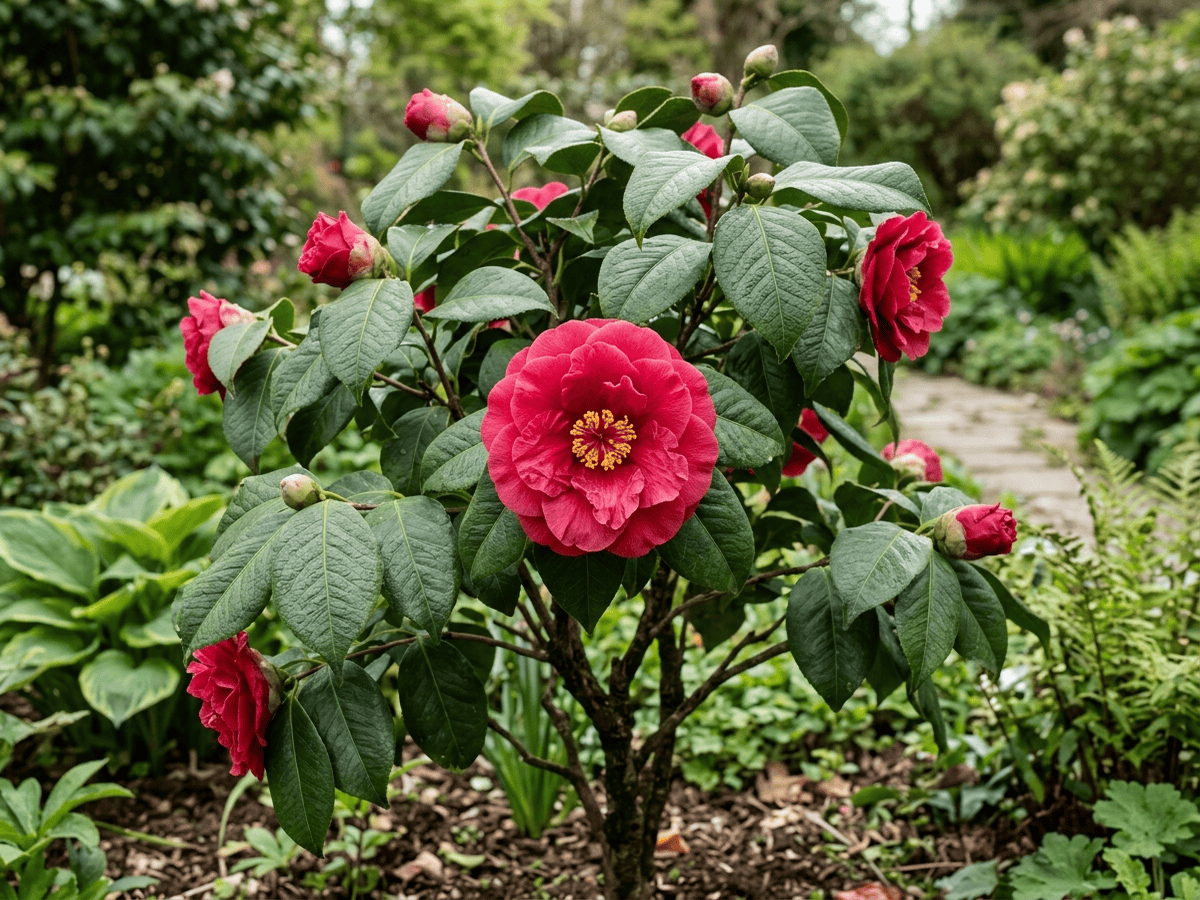
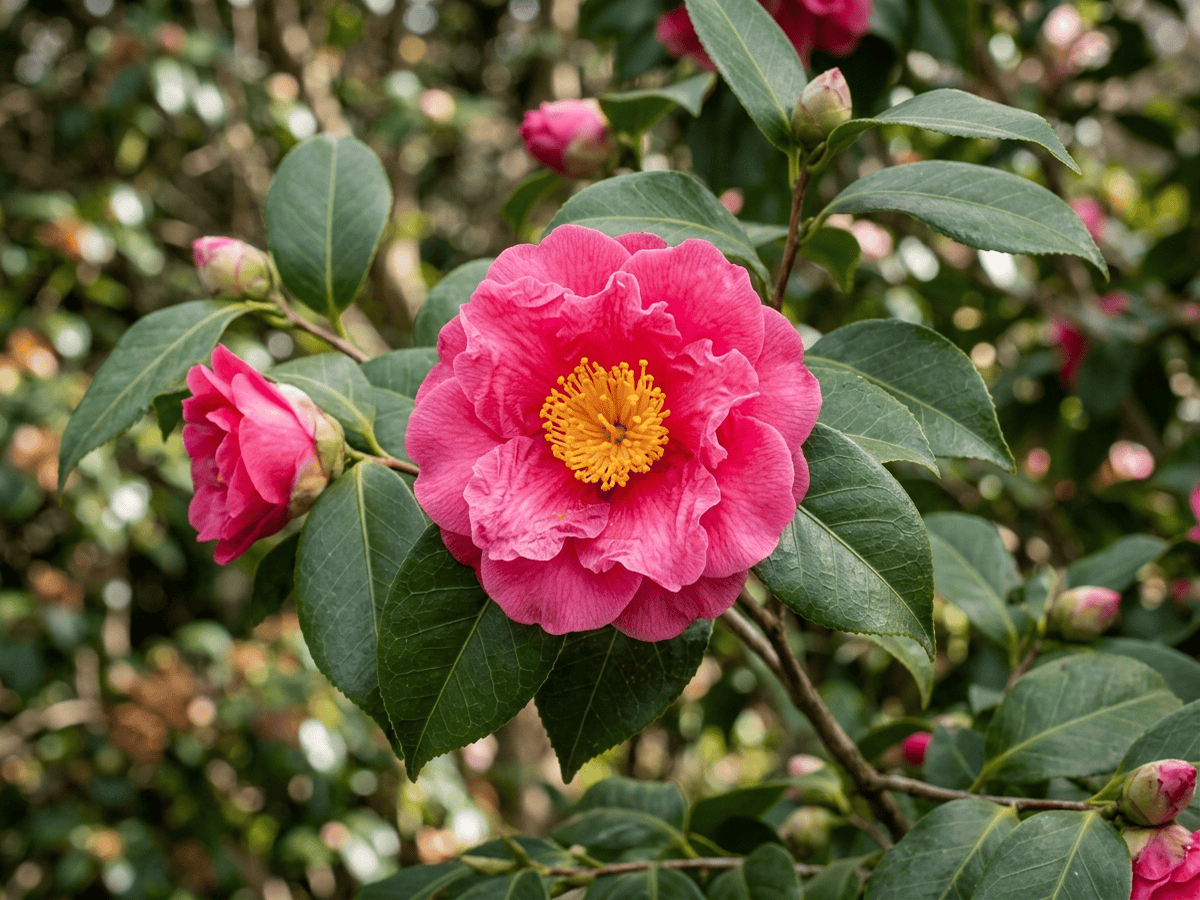
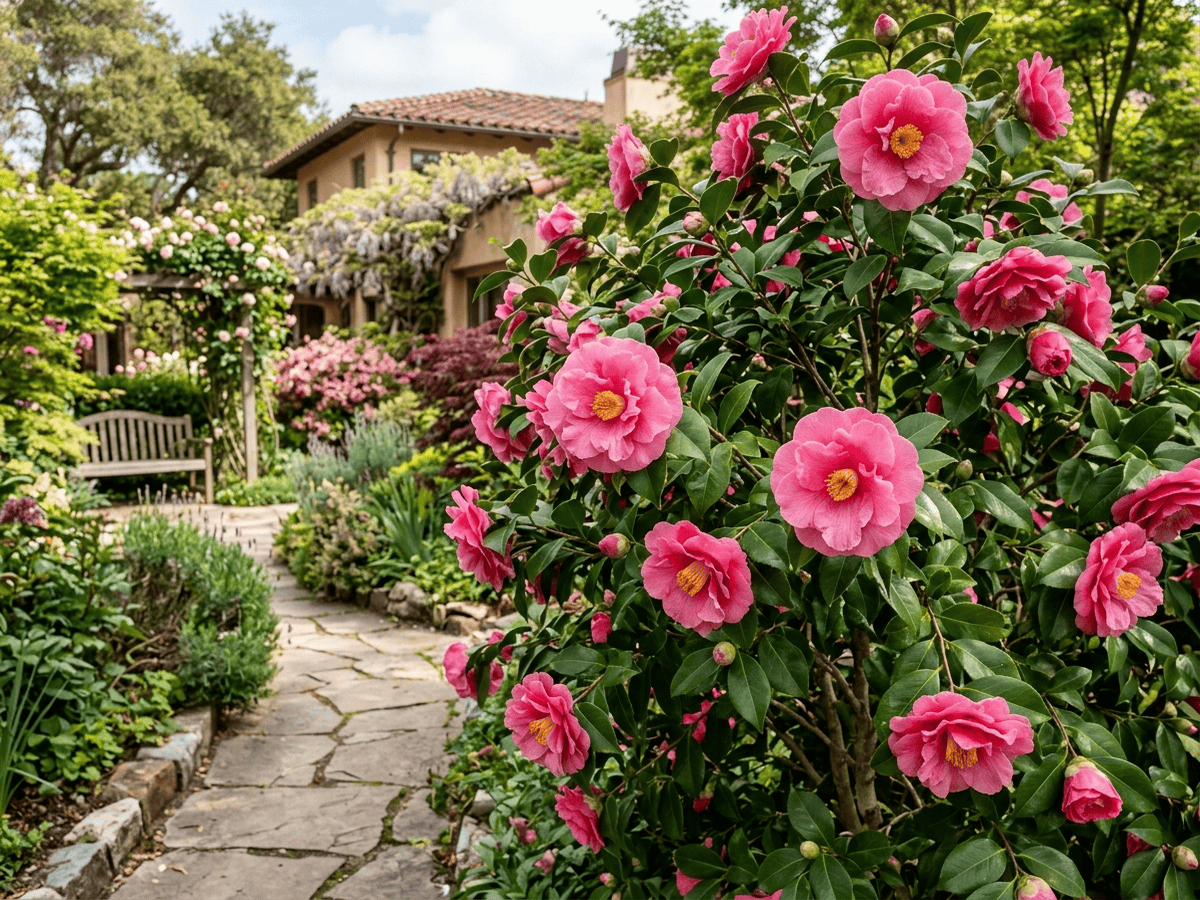
Reticulata Camellia is a large evergreen tree or shrub from Yunnan province in southwestern China, producing the largest flowers of any camellia—up to 9 inches across in cultivated varieties. Growing 15-35 feet tall in its native habitat, it features a more open, tree-like form than other camellias. The semi-double to peony-form flowers in shades of deep rose-pink to red are among the most dramatic blooms in the plant kingdom, appearing from January to March.
- Evergreen
How to care for To-Tsubaki
Watering
- Springevery 5 days
- Summerevery 3 days
- Fallevery 5 days
- Winterevery 10 days
Soil · Acidic · pH 4.5–6
- Top dressingPine needle mulch10%
- Main mixAcid-lover mix + peat 3:175%
- DrainageGravel15%
Never add lime or wood ash — it cancels out the acidity.
FERTILIZER
Acid-Loving Feed 4-3-4
One bag does both jobs. An acid feed carries the usual nitrogen, phosphorus and potassium, plus the sulfur and iron that keep the soil sour enough for the roots to take them up at all.
- Nitrogen · Leaves
- Phosphorus · Roots + Blooms
- Potassium · Strength
- Springevery 30 days
- Summerevery 60 days
At a Glance
- NativeEast Asia
- Height15–30 ft (4.6–9.1 m)
- Spread10–15 ft (3–4.6 m)
- Flower colorPink, Red, White
- Foliage colorDark-green, Green
- SoilAcidic, Moisture-retentive, Loamy
- LocationsYard
Bloom time
BLOOM CYCLE
Peak bloom
Jan–Mar
Enormous rose-pink flowers January to March; protect from frost
Toxicity
Pets Safe
None reported
Not reported
EXPOSURE No exposure route is reported.
EFFECT No toxic effect is reported.
NOTE No human toxicity is reported in this catalog; avoid eating ornamental plants unless confirmed edible.
Safe
EXPOSURE No exposure route is reported.
EFFECT No toxic effect is reported.
NOTE Listed as non-toxic for dogs; avoid eating ornamental plants unless confirmed edible.
Safe
EXPOSURE No exposure route is reported.
EFFECT No toxic effect is reported.
NOTE Listed as non-toxic for cats; avoid eating ornamental plants unless confirmed edible.
Educational information, not medical or veterinary advice. If exposure is suspected, contact a doctor or veterinarian.
DISTRIBUTION


- Native
- East Asia
History
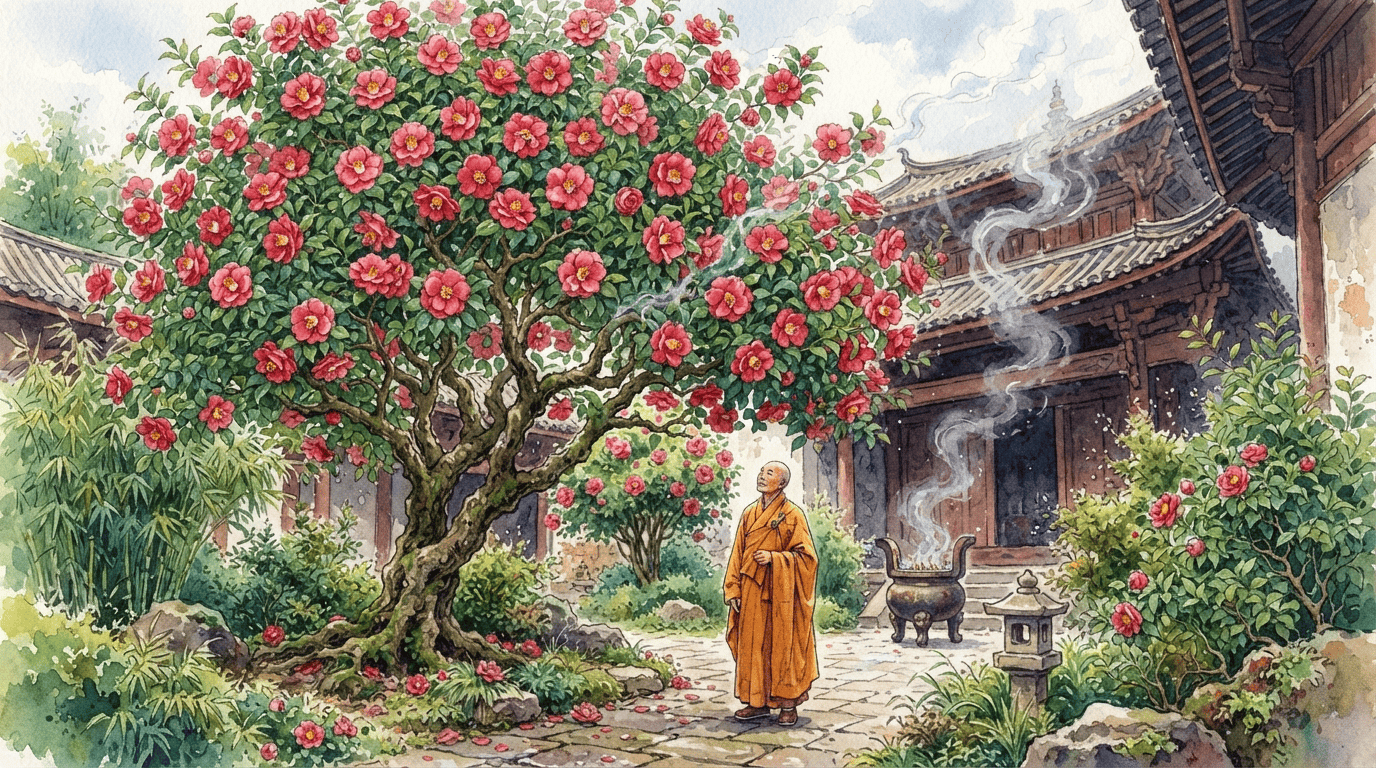
Camellia reticulata occurs naturally only in Yunnan Province, southwestern China, and adjacent Sichuan and Guizhou, typically in evergreen broadleaf forests between 1900 and 2800 meters elevation. British botanist John Lindley formally described the species in 1827 from a cultivated Chinese specimen imported to England in 1820 by Captain Richard Rawes on the East Indiaman Warren Hastings—the double form 'Captain Rawes' is the oldest cultivar in Western cultivation. In Yunnan, reticulate camellias have been selected and cultivated for over a thousand years, with the ancient monastery gardens of Dali, Lijiang, and Kunming containing specimens documented at over 500 years old—some at Li-jiang's Yufeng Monastery are said to be over 600 years old.
The massive flowers, reaching 15 cm across and held open with a loose, informal form, are the largest in the genus and in crosses with C. Western plant hunters including George Forrest collected wild forms in the early 1900s. Less cold-hardy than C. japonica, it thrives in California, the Gulf Coast, and other mild regions where winter temperatures rarely drop below 25°F. japonica gave rise to the modern giant-flowered reticulata hybrids popularized by American breeders including Nuccio's Nurseries from the 1940s onward.
Symbolism & meaning
What It Symbolizes
To-Tsubaki bears the meaning of magnificence, producing the largest flowers of any camellia — saucer-sized blooms of a richness that astonishes first-time viewers. Paired with longevity, certain ancient specimens grace Chinese temple courtyards where they have flowered for centuries. It is a camellia of grand scale, both in blossom and in time.
- Magnificence — produces the largest flowers of any camellia
- Longevity — ancient specimens in Chinese temples are centuries old
Where the Name Comes From
'Reticulata' means 'net-veined' in Latin, referring to the prominent vein network visible on the leaf surface.
Uses & Fun Facts
- Massive crepe-textured rose-pink blooms in late winter borders
- Large Yunnan camellia anchors woodland gardens with showy late-winter bloom
- Single blossoms float beautifully in shallow display bowls
Related plants
More Camellia plants

Plants with similar care
 Bear's BreechesAcanthus mollis
 Spiral AloeAloe polyphylla
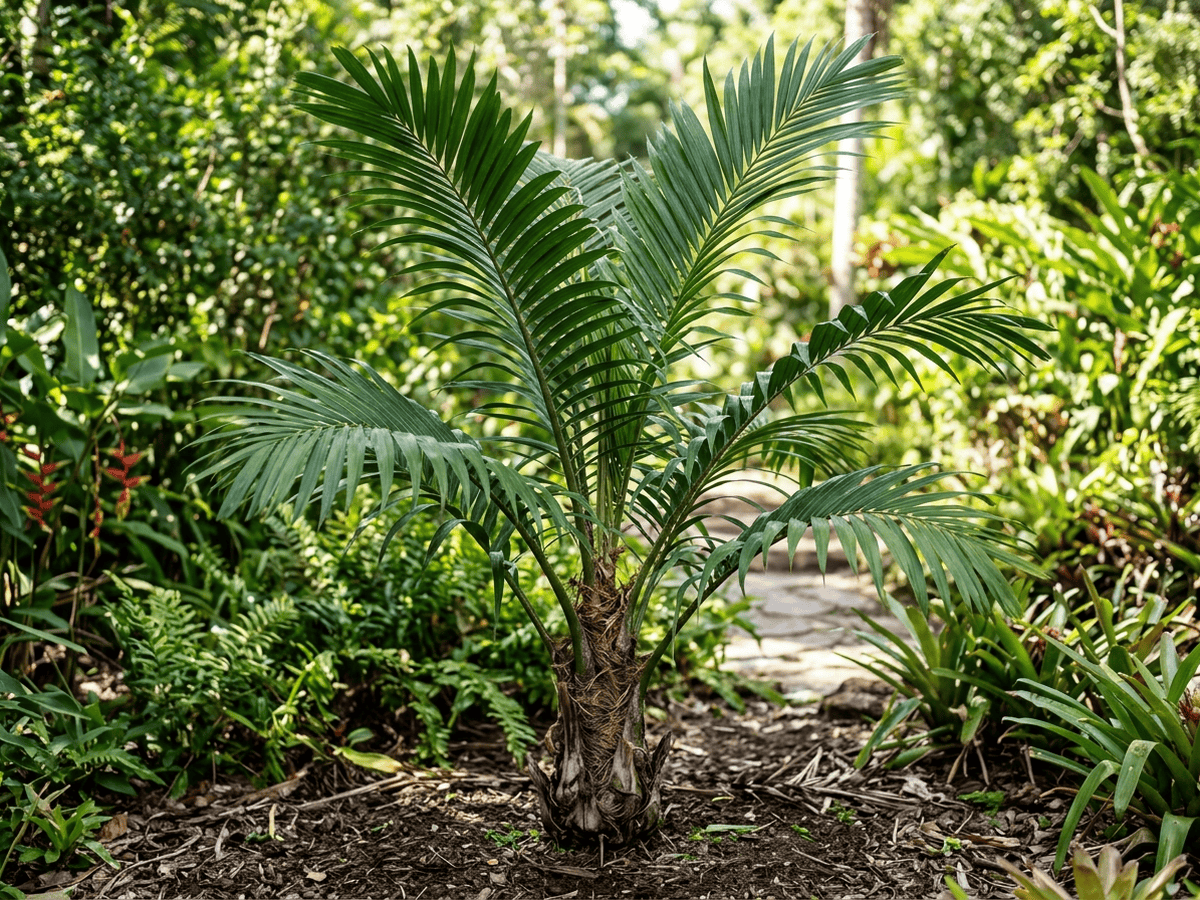 Formosa PalmArenga engleri
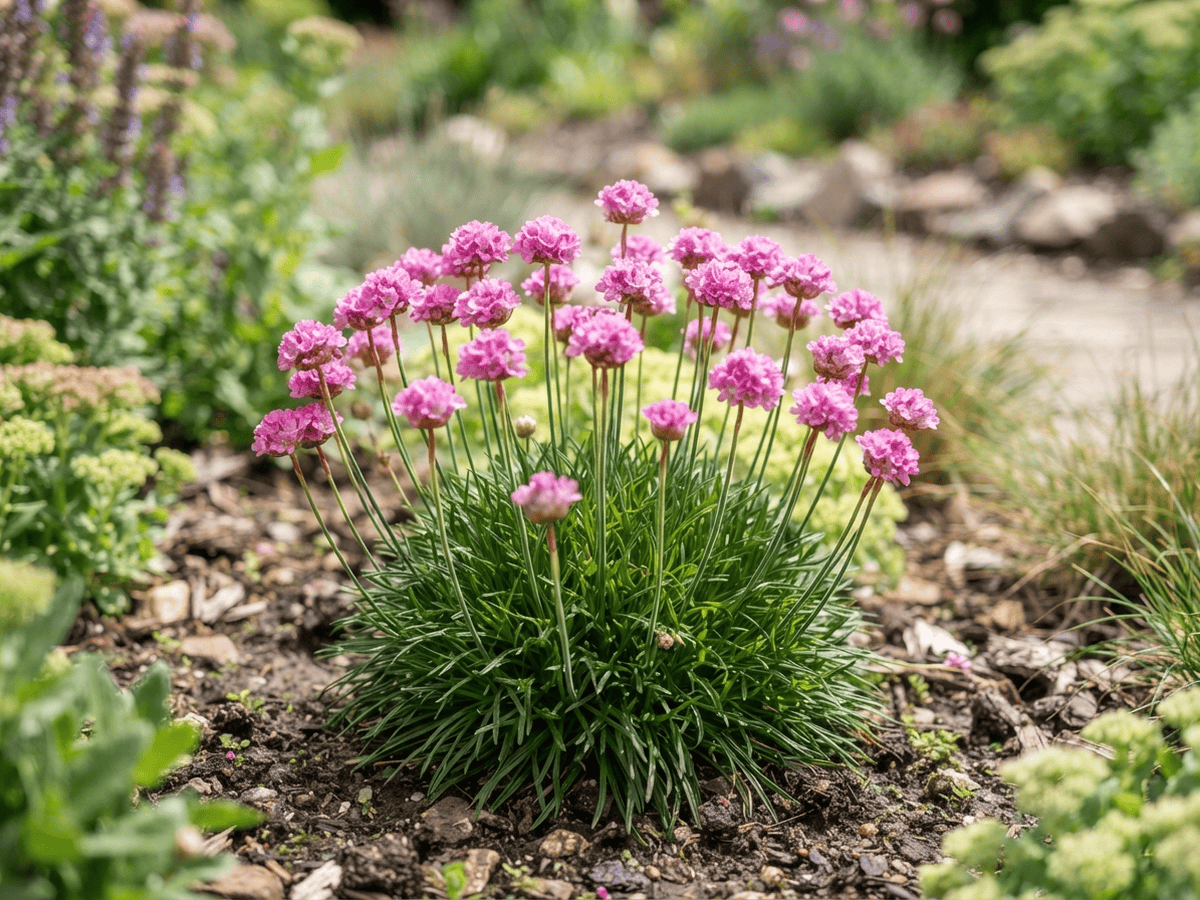 Sea ThriftArmeria maritima
Frequently asked questions
How often should I water To-Tsubaki?
In summer, water about every 3 days; in winter, about every 10 days. Adjust for heat, pot size and drainage.
How much light does To-Tsubaki need?
Part shade: 2–4 hrs direct. Watch the leaves — scorching or stretching means the light needs adjusting.
Is To-Tsubaki toxic to cats or dogs?
Pets Safe (Dogs Safe · Cats Safe) Educational information, not medical or veterinary advice. If exposure is suspected, contact a doctor or veterinarian.
Is To-Tsubaki easy to grow?
It is considered challenging and rewards experienced growers.
When does To-Tsubaki bloom?
It typically blooms Jan–Mar in the Northern Hemisphere.
YardMate
Identify any plant in seconds
Snap a photo — YardMate names the plant, diagnoses problems, and reminds you when to water.
Download on the App Store