 YardMate


Japanese Camellia
Camellia japonica
Medium · Some experienceAbout Japanese Camellia
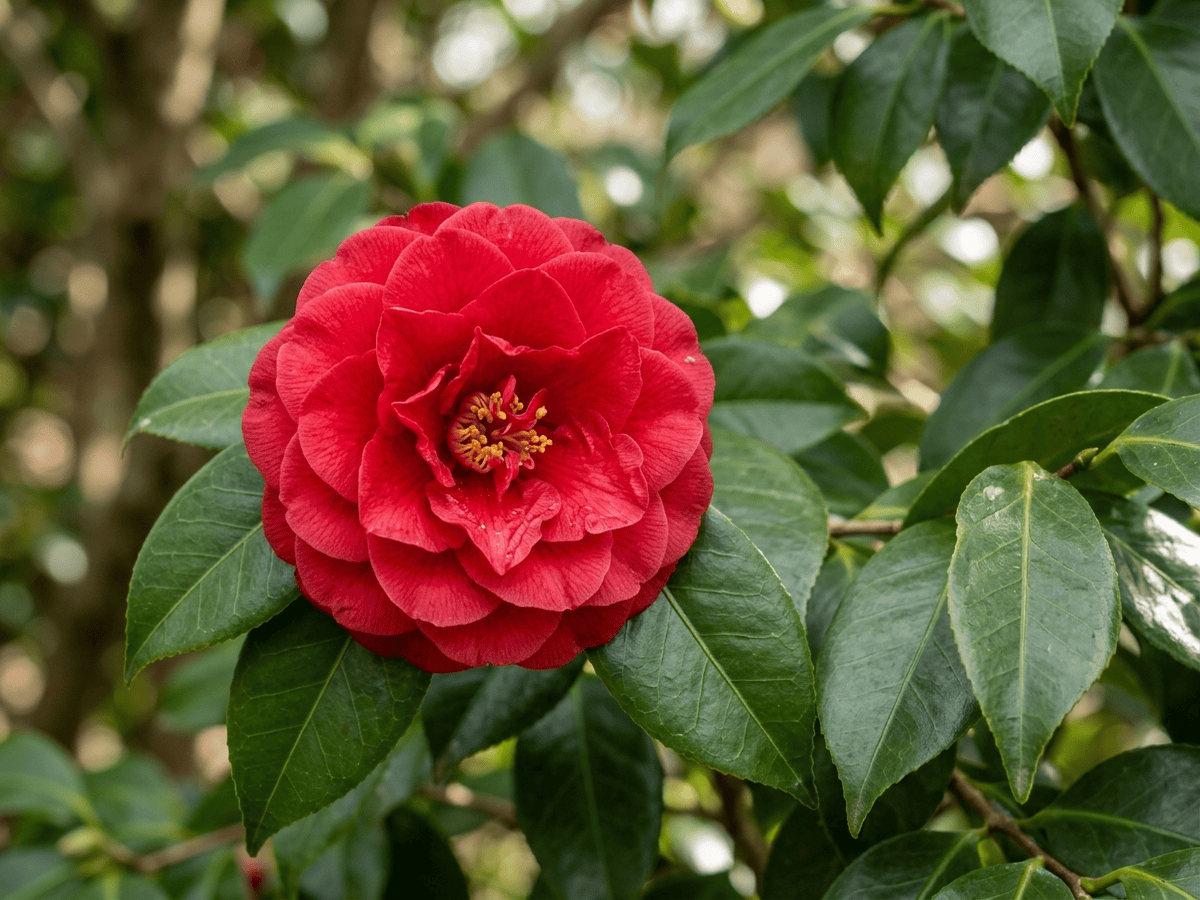
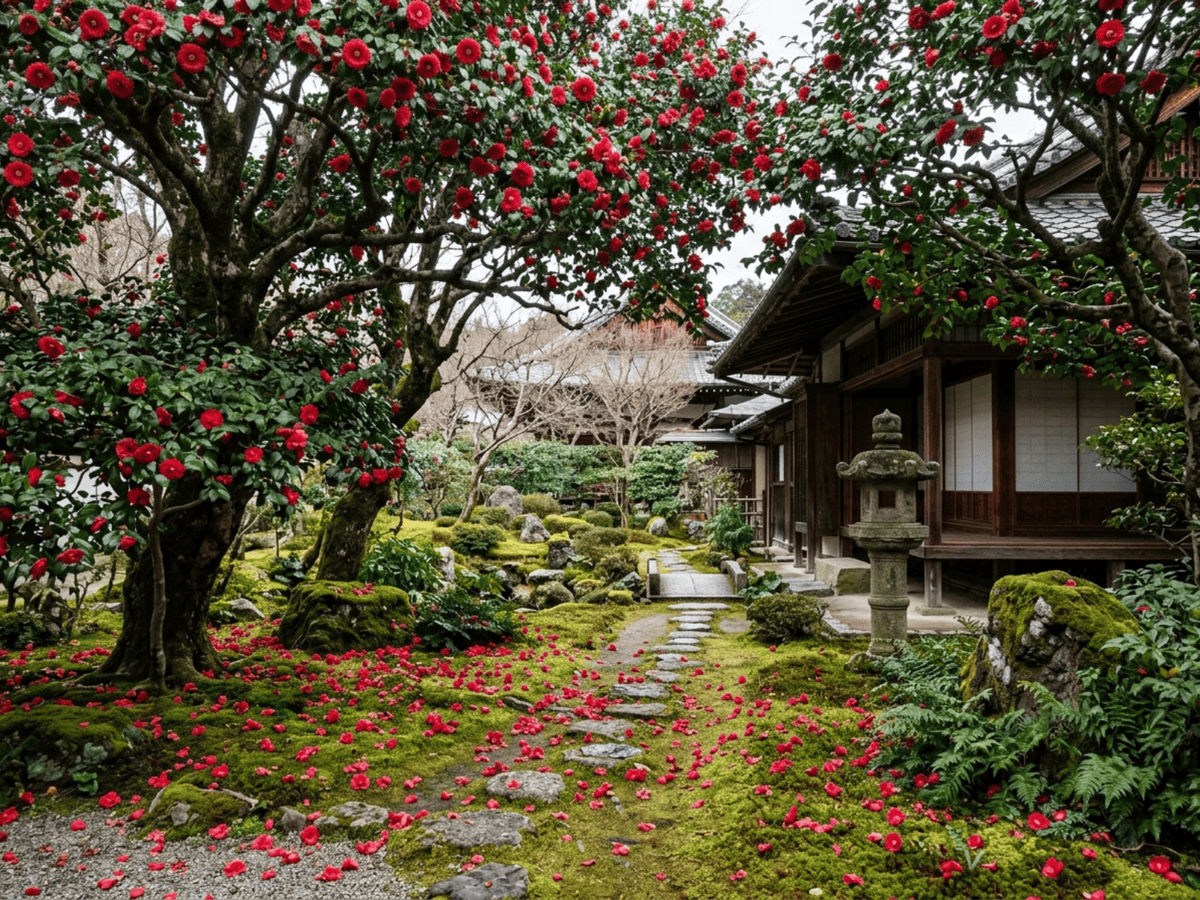
Camellia japonica is an aristocratic evergreen shrub or small tree native to Japan, Korea, and coastal China. It produces exquisite rose-like flowers from late winter through early spring in shades of red, pink, white, and bicolor, each bloom lasting several days on the plant. The glossy, dark green foliage provides year-round structure and elegance. Camellias thrive in acidic, well-drained soil with consistent moisture and prefer the shelter of partial shade, especially protection from harsh morning sun that can damage frosted flower buds. They can reach 3 to 5 meters in height over many decades and are famously long-lived, with specimens in Japanese temple gardens exceeding 500 years old. Alexandre Dumas immortalized the flower in his 1848 novel 'La Dame aux Camelias,' later adapted into Verdi's opera 'La Traviata.' Camellias are staples of Southern US gardens and are the state flower of Alabama. Their slow, steady growth and aristocratic bearing make them prized specimen plants.
- Evergreen
How to care for Japanese Camellia
Watering
- Springevery 3 days
- Summerevery 2 days
- Fallevery 7 days
- Winterevery 14 days
Soil · Acidic · pH 4.5–6
- Top dressingPine needle mulch10%
- Main mixAcid-lover mix + peat 3:175%
- DrainageGravel15%
Never add lime or wood ash — it cancels out the acidity.
FERTILIZER
Acid-Loving Feed 4-3-4
One bag does both jobs. An acid feed carries the usual nitrogen, phosphorus and potassium, plus the sulfur and iron that keep the soil sour enough for the roots to take them up at all.
- Nitrogen · Leaves
- Phosphorus · Roots + Blooms
- Potassium · Strength
- Springevery 45 days
- Summerevery 45 days
At a Glance
- NativeEast Asia
- Height6–12 ft (1.8–3.7 m)
- Spread6–10 ft (1.8–3 m)
- Flower colorRed, Pink, White
- Foliage colorGreen
- SoilLoamy, Well-drained, Acidic
- LocationsYard · Indoor · Balcony
Bloom time
BLOOM CYCLE
Peak bloom
Dec–May
Rose-like blooms appear late winter to early spring; protect buds from morning frost with eastern shelter
Fragrance
NO FRAGRANCE
Most C. japonica cultivars have little fragrance; a few species camellias are scented.
Toxicity
Pets Safe
None reported
Not reported
EXPOSURE No exposure route is reported.
EFFECT No significant toxicity.
NOTE No human toxicity is reported in this catalog; avoid eating ornamental plants unless confirmed edible.
Safe
EXPOSURE No exposure route is reported.
EFFECT Not listed as toxic by ASPCA.
NOTE Listed as non-toxic for dogs; avoid eating ornamental plants unless confirmed edible.
Safe
EXPOSURE No exposure route is reported.
EFFECT Not listed as toxic by ASPCA.
NOTE Listed as non-toxic for cats; avoid eating ornamental plants unless confirmed edible.
Educational information, not medical or veterinary advice. If exposure is suspected, contact a doctor or veterinarian.
DISTRIBUTION


- Native
- Introduced
- East Asia
History

Camellia japonica is native to Japan, Korea, Taiwan, and southern and eastern China. It has been cultivated in Japanese horticulture since the Heian period (794-1185) and referenced in Chinese poetry as "shan cha" for even longer. The genus was named by Linnaeus to honor the Moravian Jesuit Georg Joseph Kamel (Camellus), who had worked as a missionary botanist in the Philippines.
European cultivation began with specimens brought by Jesuit missionaries and Dutch traders from Japan in the late 17th and early 18th centuries; the plant became a prestige horticultural object in 19th-century Europe, particularly in Portugal's Minho region, Italy's Lake Maggiore, and Belgian glasshouses. Alexandre Dumas fils's 1848 novel "La Dame aux camélias" (the basis of Verdi's opera "La Traviata") made the camellia a Parisian cultural symbol. In the American South, camellias arrived via Charleston in the 1790s and became the defining winter-flowering shrub of antebellum and postbellum Southern coastal gardens — today Alabama's state flower.
The tea plant (C. sinensis) is a separate but related species. Camellia japonica has been cultivated in Japan and China for over a thousand years, revered in Buddhist temple gardens as a symbol of the divine. The Jesuit botanist Georg Kamel first described the genus to European science in the 1600s, and Linnaeus honored him by naming it Camellia.
Symbolism & meaning
What It Symbolizes
The Japanese Camellia evokes admiration in its purest form. In tsubaki tradition, a single camellia gifted in winter conveys the perfection of beauty and the depth of regard one feels for another. Its long-lasting bloom, holding intact for weeks before falling whole from the stem, makes it equally a flower of devotion — faithfulness that endures unbroken until it gives way all at once.
- Admiration — A gift of camellias expresses deep admiration and perfection of beauty
- Devotion — The long-lasting bloom symbolizes enduring faithfulness and commitment
Where the Name Comes From
Named by Linnaeus in honor of Georg Joseph Kamel (Camellus), a Moravian Jesuit pharmacist and botanist who worked in the Philippines. Japonica indicates its Japanese homeland.
Uses & Fun Facts
- Glossy evergreen leaves and winter blooms anchor shaded Southern entries
- Formal evergreen structure and winter flowers suit shaded entry gardens
Related plants
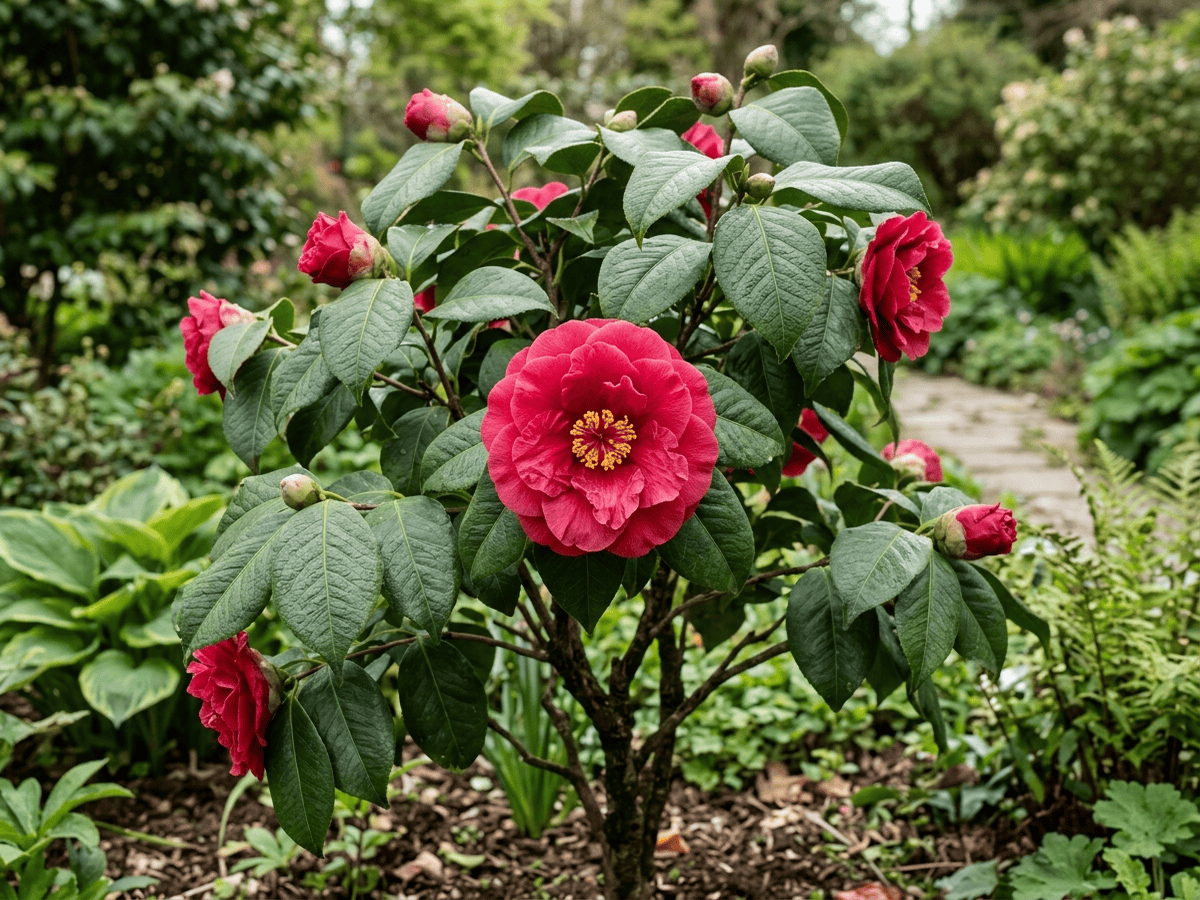
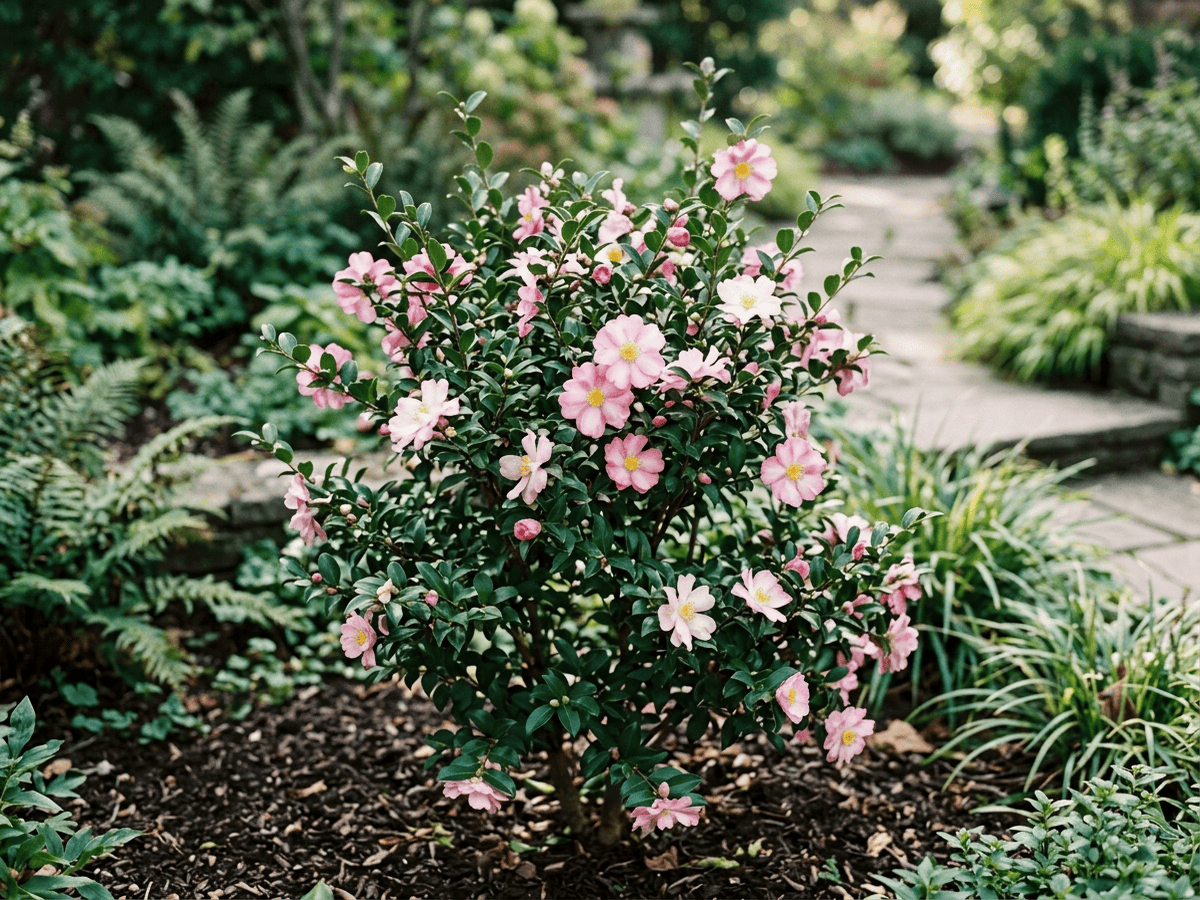
More Camellia plants
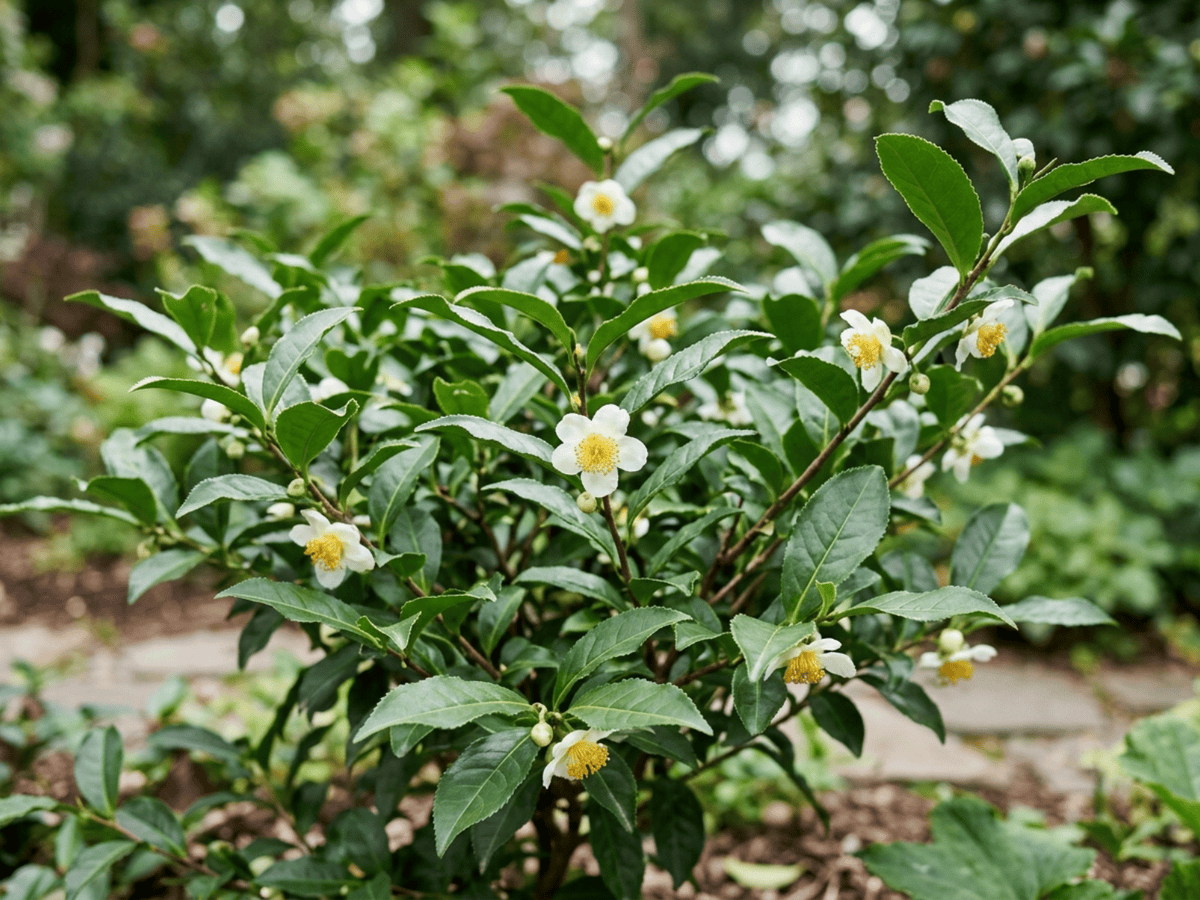
Plants with similar care
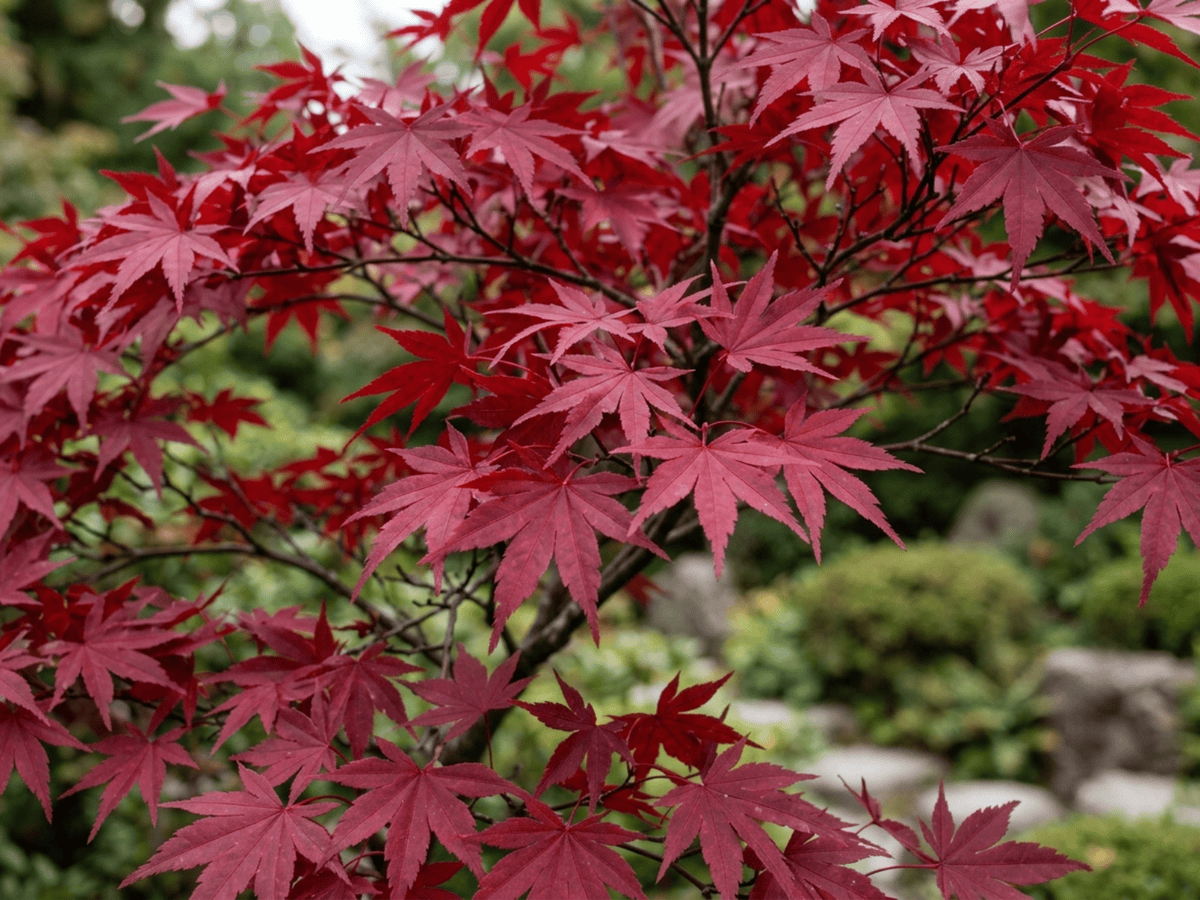 Japanese MapleAcer palmatum
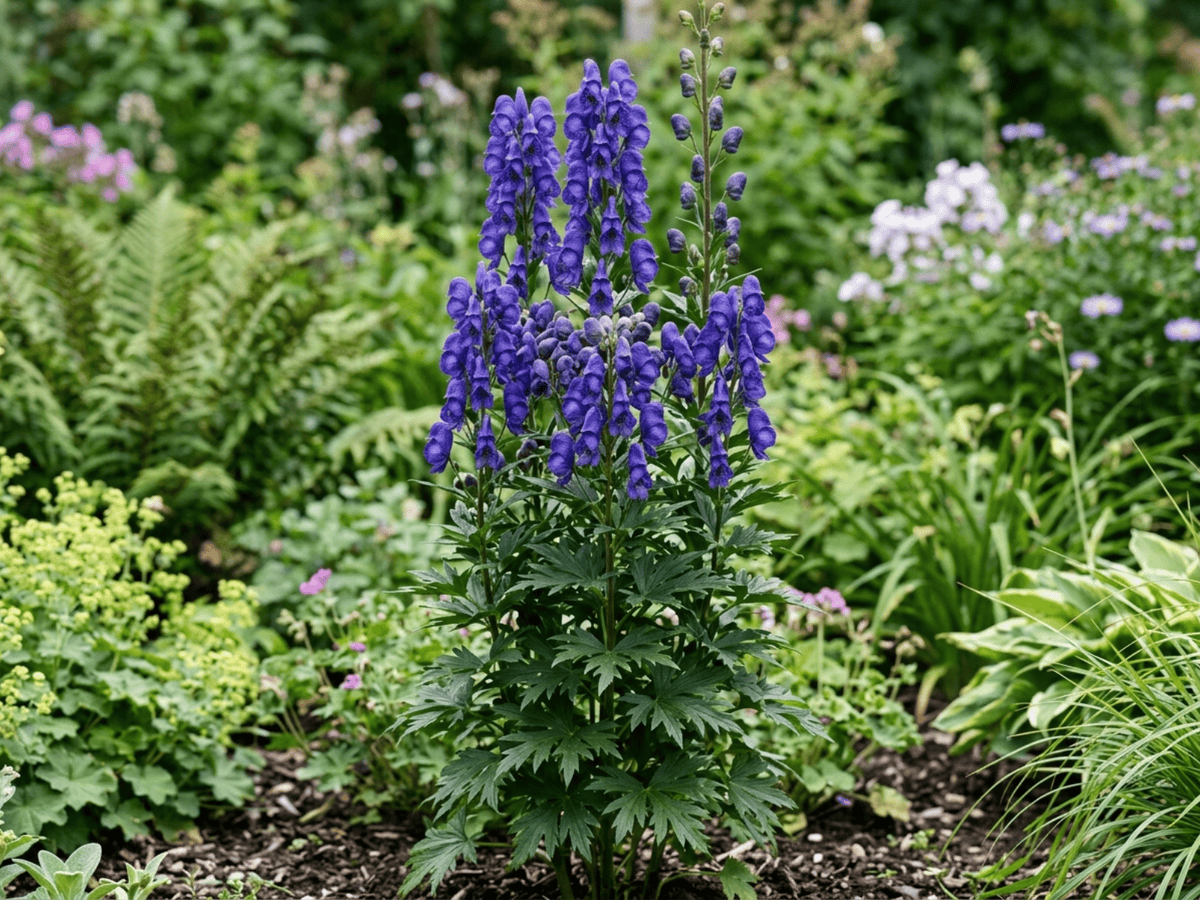 Azure MonkshoodAconitum carmichaelii
 Florida HobblebushAgarista populifolia
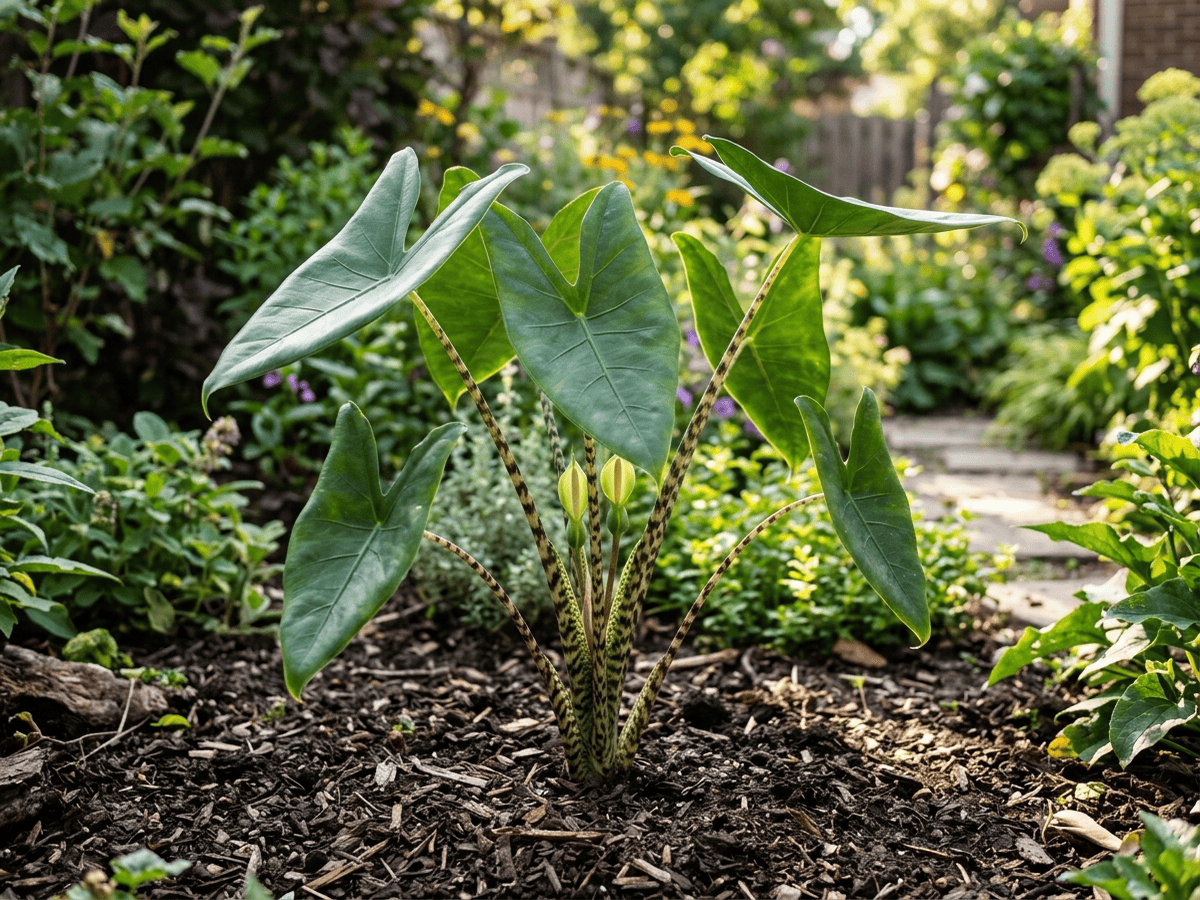 Alocasia zebrinaAlocasia zebrina
Frequently asked questions
How often should I water Japanese Camellia?
In summer, water about every 2 days; in winter, about every 14 days. Adjust for heat, pot size and drainage.
How much light does Japanese Camellia need?
Part shade: 2–4 hrs direct. Watch the leaves — scorching or stretching means the light needs adjusting.
Is Japanese Camellia toxic to cats or dogs?
Pets Safe (Dogs Safe · Cats Safe) Educational information, not medical or veterinary advice. If exposure is suspected, contact a doctor or veterinarian.
Is Japanese Camellia easy to grow?
It is moderately demanding: a good choice once you have a little experience.
Can Japanese Camellia be grown indoors?
Yes, it adapts well to indoor growing given the right light.
When does Japanese Camellia bloom?
It typically blooms Dec–May in the Northern Hemisphere.
YardMate
Identify any plant in seconds
Snap a photo — YardMate names the plant, diagnoses problems, and reminds you when to water.
Download on the App Store