 YardMate

Tufted-Sedge
Carex elata
Easy · Beginner friendlyAbout Tufted-Sedge
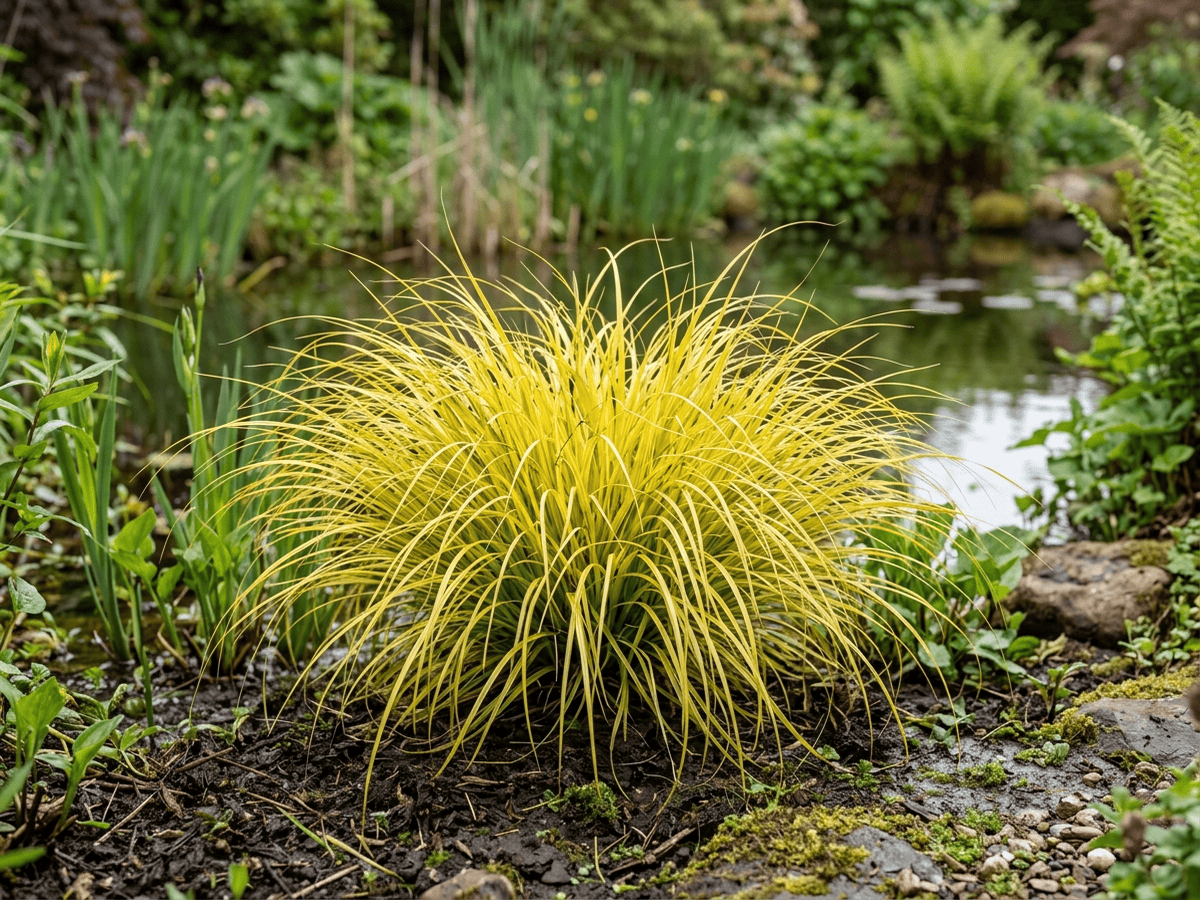
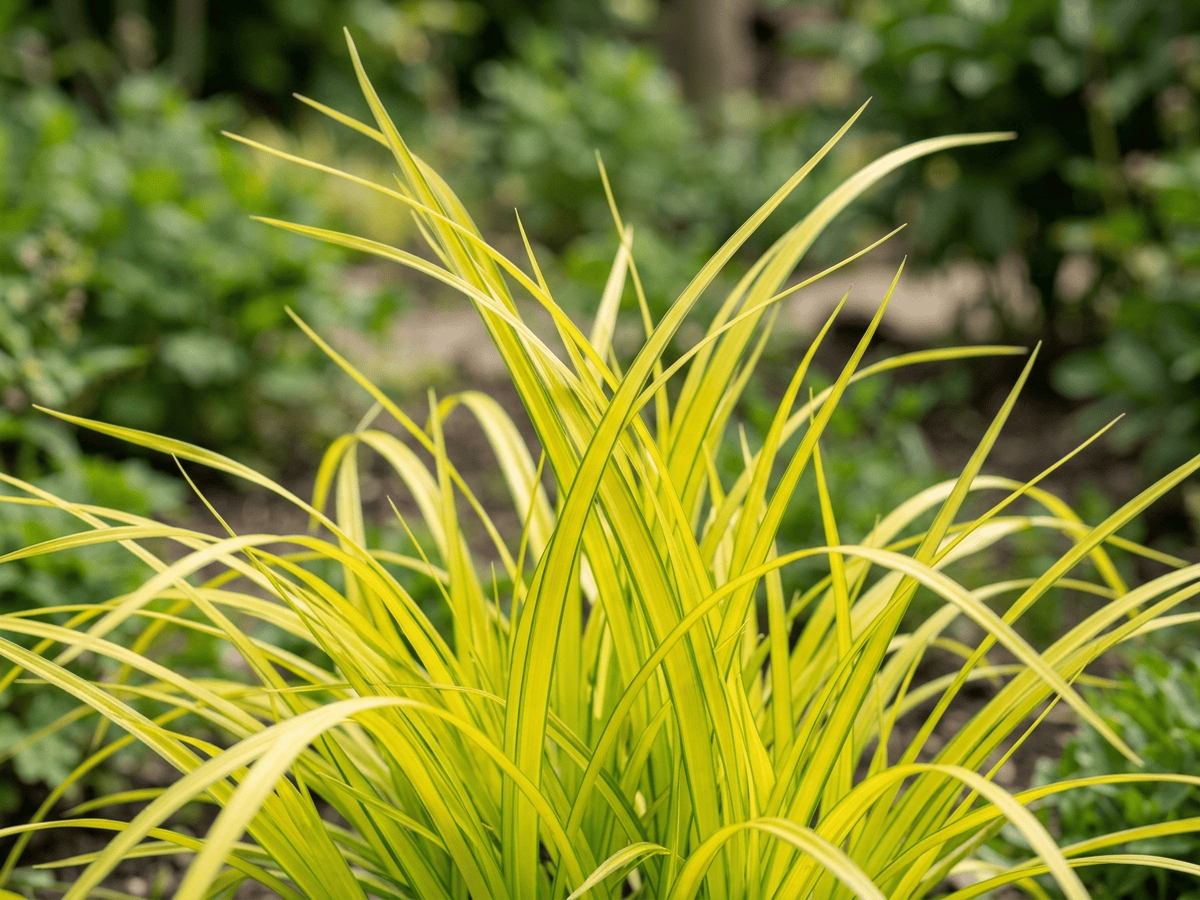
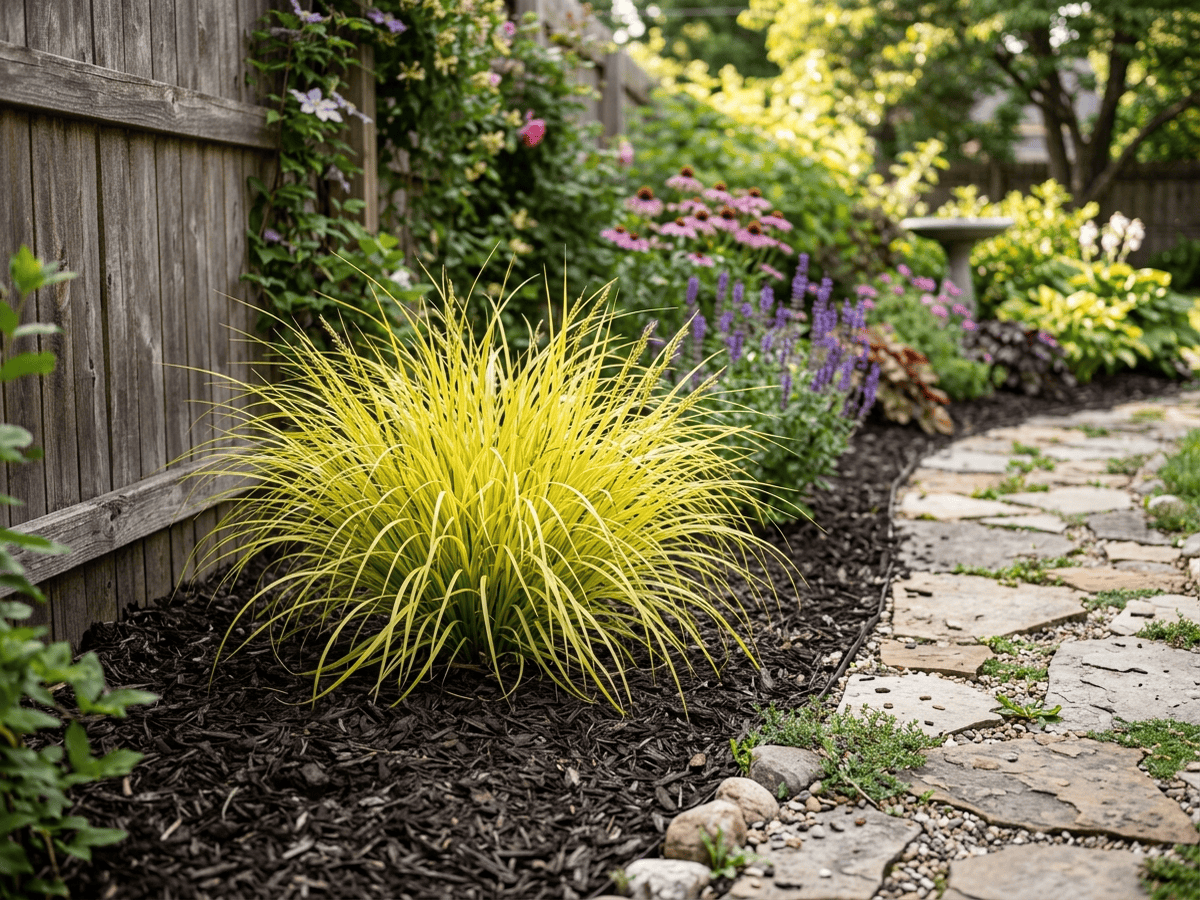
Tufted Sedge is a European wetland sedge reaching 18-30 inches tall, forming dense tufts of arching narrow foliage. The cultivar 'Aurea' (Bowles' Golden Sedge) is widely grown for its brilliant golden-yellow foliage that lights up shade and waterside gardens. Prefers moist to wet soils and partial shade, making it ideal for pond margins, rain gardens, and bog plantings across temperate American landscapes.
- Shade-tolerant
- Evergreen
How to care for Tufted-Sedge
Watering
- Springevery 5 days
- Summerevery 5 days
- Fallevery 7 days
- Winterevery 14 days
Soil · Well-draining
- Top dressingPine bark mulch10%
- Main mixPotting soil + perlite 2:170%
- DrainageLECA / gravel20%
Never skip the drainage layer — standing water is the top cause of root rot.
FERTILIZER
- Springevery 60 days
At a Glance
- NativeEurope, Western Asia
- Height2–3 ft (0.6–0.9 m)
- Spread2–3 ft (0.6–0.9 m)
- Flower colorWhite, Cream
- Foliage colorGreen, Yellow
- SoilLoamy, Moisture-retentive
- LocationsYard
Bloom time
BLOOM CYCLE
Peak bloom
May
Brown spikelets in late spring
Toxicity
Humans Safe · Pets Safe
None reported
Safe
EXPOSURE No exposure route is reported.
EFFECT No toxic effect is reported.
NOTE Listed as non-toxic for humans; avoid eating ornamental plants unless confirmed edible.
Safe
EXPOSURE No exposure route is reported.
EFFECT No toxic effect is reported.
NOTE Listed as non-toxic for dogs; avoid eating ornamental plants unless confirmed edible.
Safe
EXPOSURE No exposure route is reported.
EFFECT No toxic effect is reported.
NOTE Listed as non-toxic for cats; avoid eating ornamental plants unless confirmed edible.
Educational information, not medical or veterinary advice. If exposure is suspected, contact a doctor or veterinarian.
DISTRIBUTION


- Native
- Europe
- Western Asia
History

Carex elata, commonly called tufted sedge, is a large wetland sedge in the family Cyperaceae native to marshes, pond margins, and wet meadows across Europe, Russia, Turkey, and the Caucasus to western Siberia. Italian botanist Carlo Allioni formally described the species in 1785 in Flora Pedemontana. Plants form dense upright tussocks of long narrow arching medium-green leaves 60-90 cm tall with typical sedge triangular flowering stems bearing short dark spikes in late spring.
In horticulture the species is most famous for its stunning gold-variegated cultivar 'Aurea', better known as 'Bowles' Golden sedge', selected and introduced by the influential English gardener Edward Augustus Bowles (1865-1954) of Myddelton House before 1955. 'Bowles' Golden' produces brilliant gold leaves with narrow green stripes that glow intensely from early spring through early summer, fading to chartreuse in heat. Prefers moist to wet soils in partial shade and is a stalwart of bog gardens and pond margins worldwide.
Native to European wetlands and bog margins. The 'Aurea' cultivar was discovered in 1905 by E.A. Bowles, a renowned English plantsman, in the Norfolk Broads. It became a defining bright-foliage plant for waterside gardens worldwide and remains one of the most popular ornamental sedges in American landscapes.
Symbolism & meaning
What It Symbolizes
The golden Tufted-Sedge brings brightness to the waterside, its luminous foliage lighting shaded edges where lesser plants would only deepen the gloom. Bowles' Golden Sedge, its most famous form, is a 120-year-old garden classic, woven into the heritage of English plantsmanship. In its glow, a still pond suddenly seems to hold a piece of trapped sun.
- Brightness — golden foliage illuminates shaded waterside gardens
- Heritage — Bowles' Golden Sedge is a 120-year-old garden classic
Where the Name Comes From
The name Tufted-Sedge describes its sedge-like clumps. 'Carex' is the classical Latin name for sedge; 'elata' means tall.
Uses & Fun Facts
- Golden-yellow arching foliage lights up shaded waterside beds
- Forms dense tufts along pond edges and rain gardens
Related plants
More Carex plants
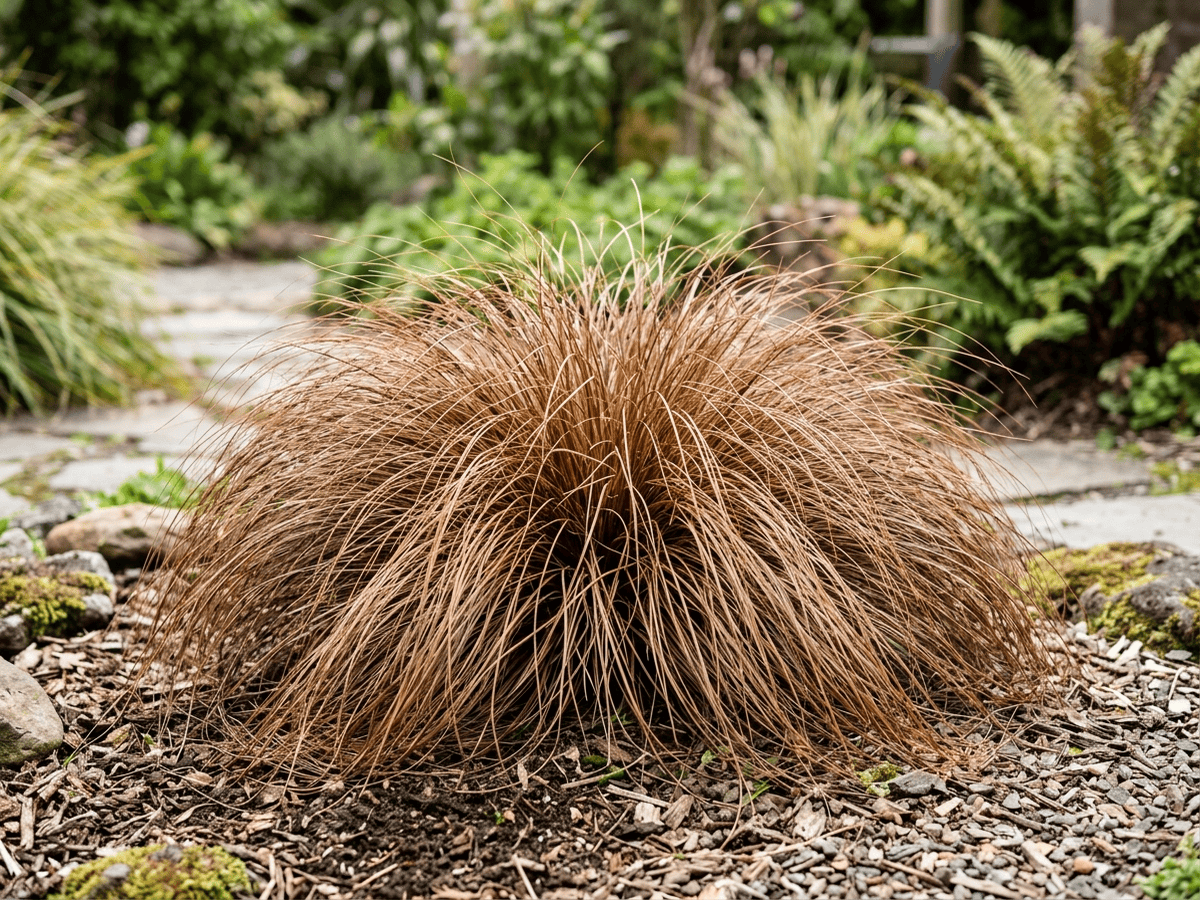 New Zealand Hair-SedgeCarex comans
 Gray's SedgeCarex grayi
 Morrow's SedgeCarex morrowii
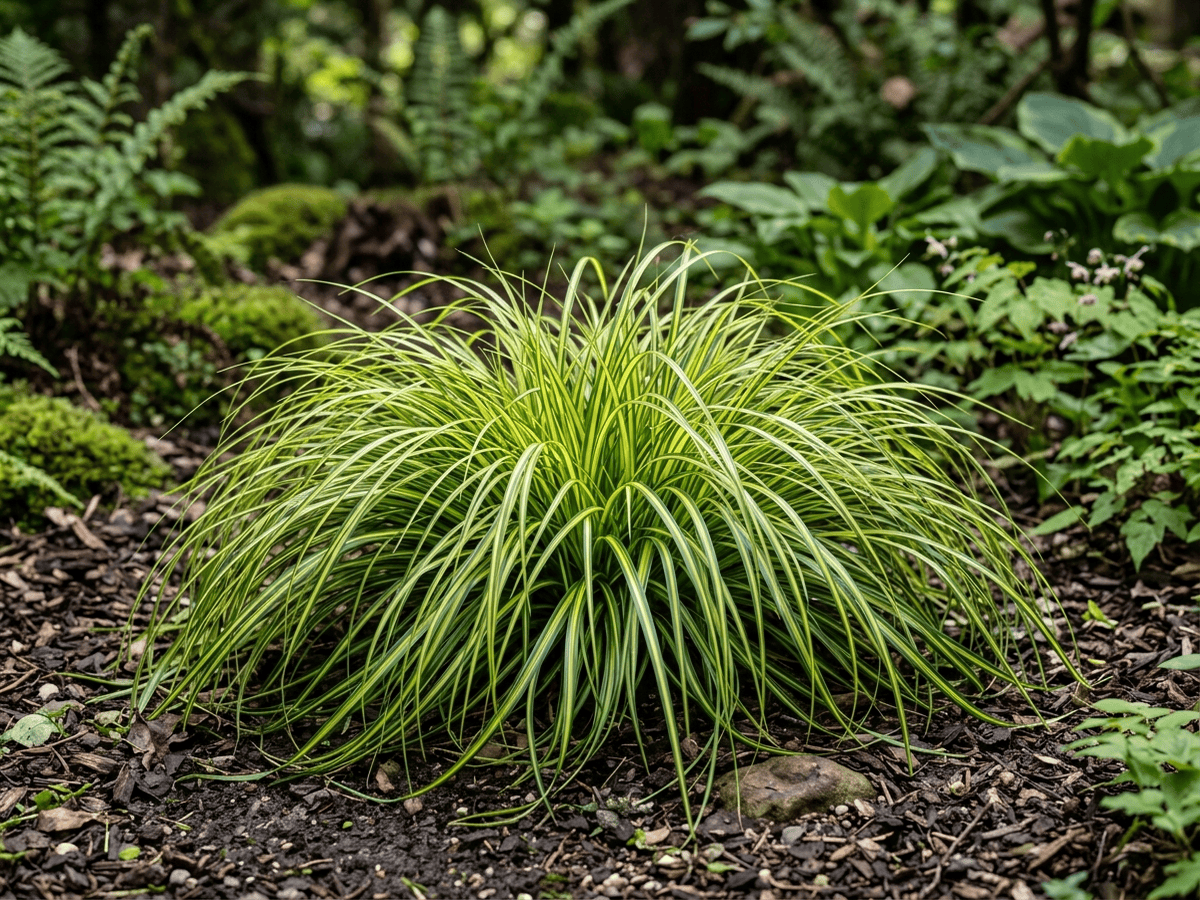 Evergold SedgeCarex oshimensis
Plants with similar care
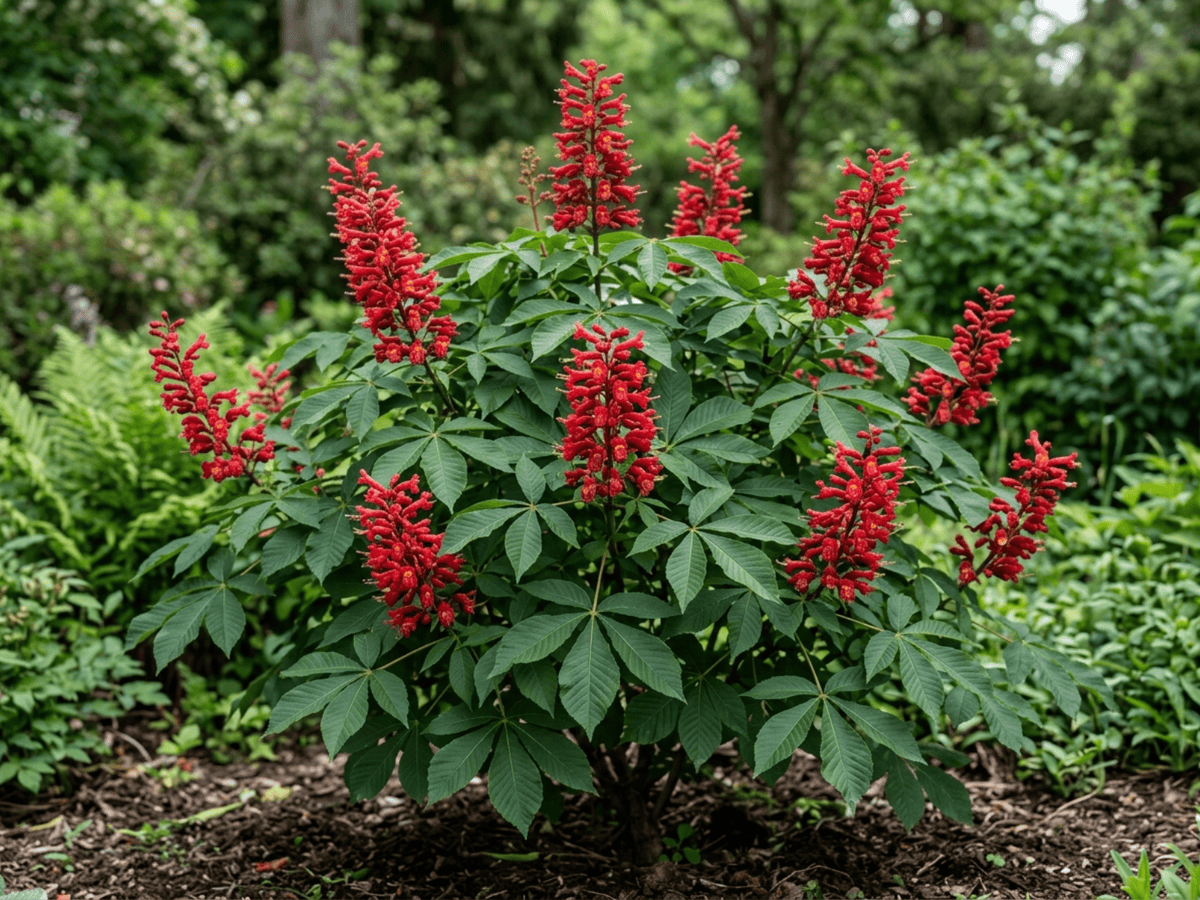 Red BuckeyeAesculus pavia
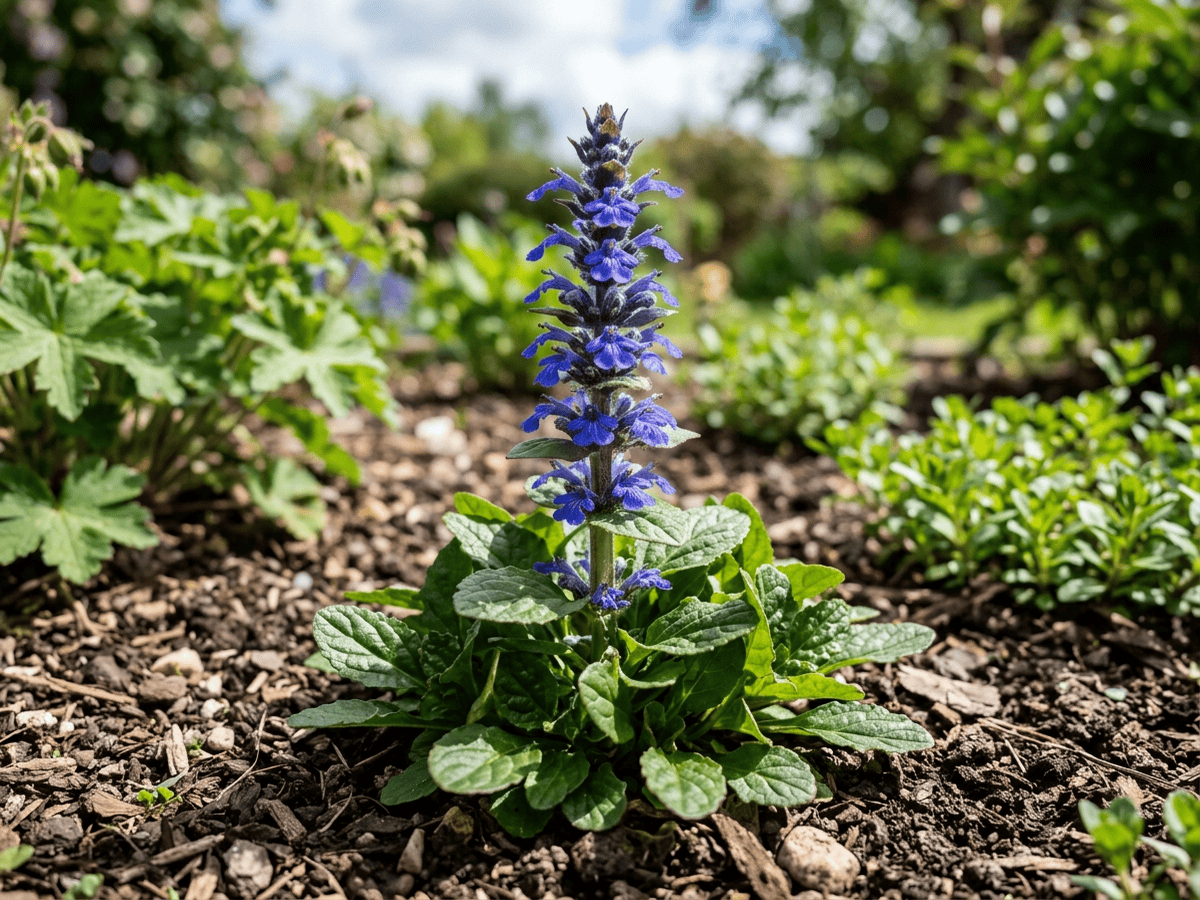 Blue BugleAjuga genevensis
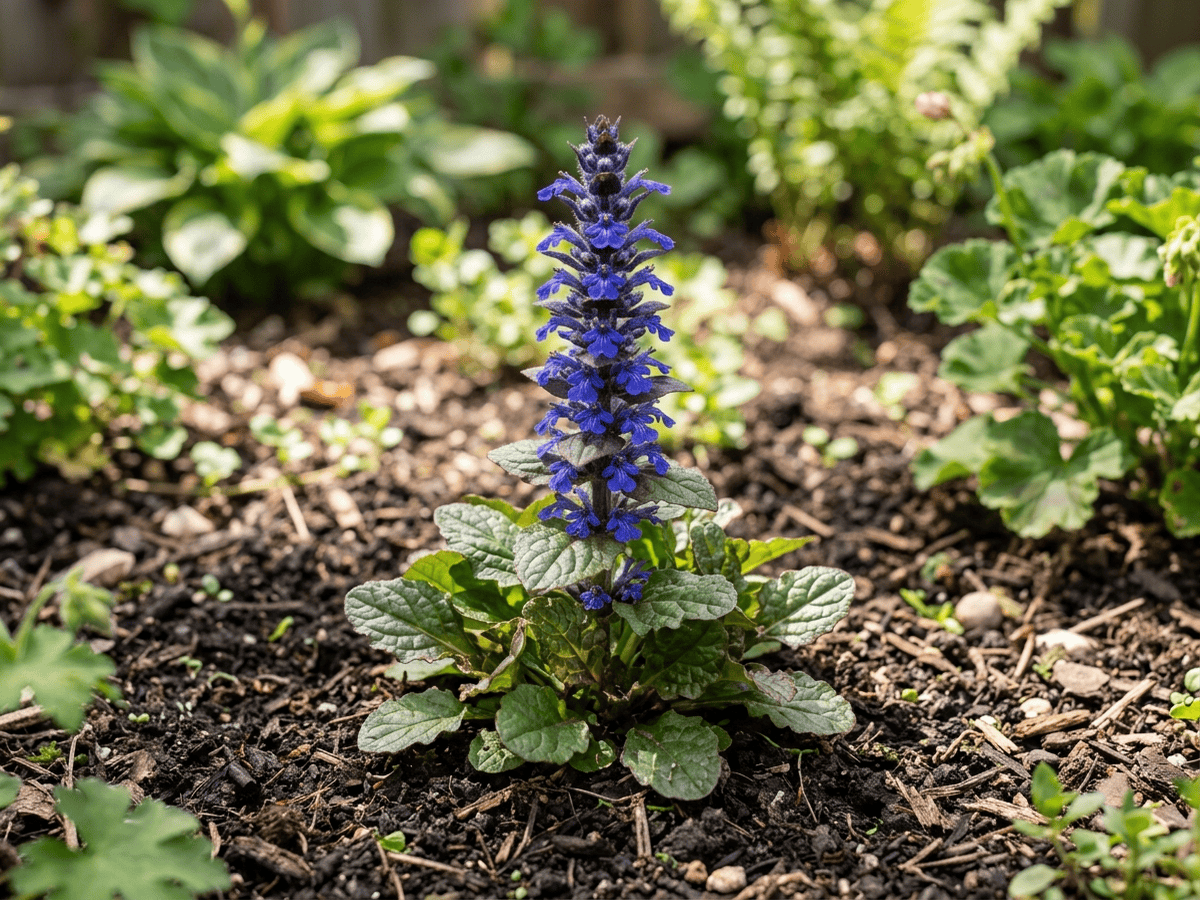 Pyramidal BugleAjuga pyramidalis
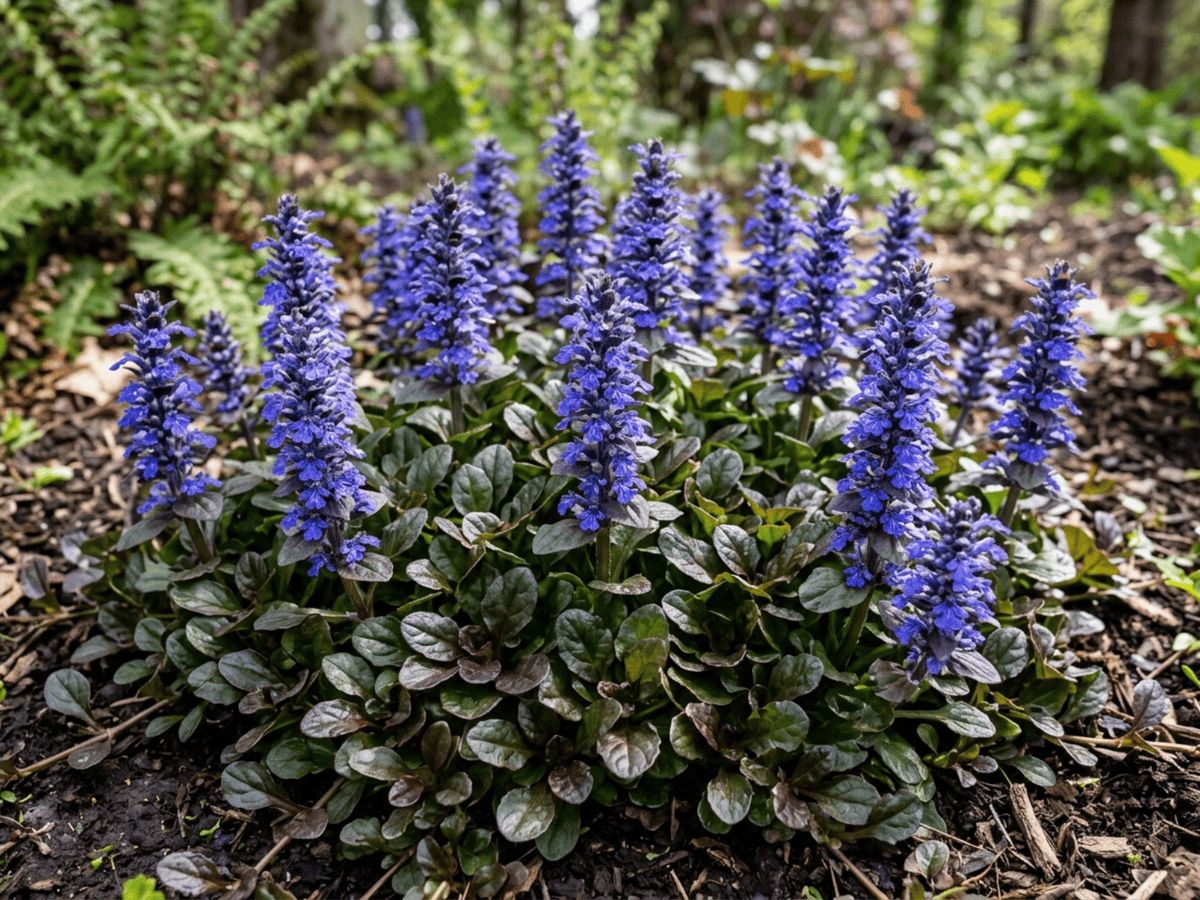 Carpet BugleAjuga reptans
Frequently asked questions
How often should I water Tufted-Sedge?
In summer, water about every 5 days; in winter, about every 14 days. Adjust for heat, pot size and drainage.
How much light does Tufted-Sedge need?
Part shade: 2–4 hrs direct. Watch the leaves — scorching or stretching means the light needs adjusting.
Is Tufted-Sedge toxic to cats or dogs?
Pets Safe (Dogs Safe · Cats Safe) Educational information, not medical or veterinary advice. If exposure is suspected, contact a doctor or veterinarian.
Is Tufted-Sedge easy to grow?
Yes — it is considered an easy, beginner-friendly plant.
When does Tufted-Sedge bloom?
It typically blooms May in the Northern Hemisphere.
YardMate
Identify any plant in seconds
Snap a photo — YardMate names the plant, diagnoses problems, and reminds you when to water.
Download on the App Store