 YardMate


Morrow's Sedge
Carex morrowii
Easy · Beginner friendlyAbout Morrow's Sedge
Carex morrowii, known as Japanese sedge or Morrow's sedge, is an elegant evergreen sedge native to the woodlands and streamsides of Japan. It forms neat, arching clumps of narrow, dark green leaves often adorned with creamy white or gold margins in popular cultivars like 'Ice Dance' and 'Evergold.' Growing 30 to 40 centimeters tall, it provides year-round structure in shade gardens where true grasses struggle. Unlike most ornamental grasses that demand full sun, this sedge excels in partial to full shade, making it invaluable for underplanting trees, edging woodland paths, and filling shady containers. It spreads slowly by rhizomes, forming a tidy groundcover over time without becoming aggressive. The inconspicuous brown flower spikes appear in spring but are secondary to the foliage. It tolerates a wide range of soils as long as moisture is consistent, and it is remarkably cold-hardy for an evergreen grass-like plant.
- Shade-tolerant
- Groundcover
- Evergreen
How to care for Morrow's Sedge
Watering
- Springevery 5 days
- Summerevery 4 days
- Fallevery 10 days
- Winterevery 30 days
Soil · Well-draining
- Top dressingPine bark mulch10%
- Main mixPotting soil + perlite 2:170%
- DrainageLECA / gravel20%
Never skip the drainage layer — standing water is the top cause of root rot.
FERTILIZER
Balanced Feed 14-14-14
An even feed covers all three needs at once, keeping leaves, roots and blooms moving together with nothing pushed out of balance.
- Nitrogen · Leaves
- Phosphorus · Roots + Blooms
- Potassium · Strength
- Springevery 60 days
At a Glance
- NativeEast Asia
- Height1–1.5 ft (0.3–0.5 m)
- Spread1.5–2 ft (0.5–0.6 m)
- Flower colorWhite, Cream
- Foliage colorGreen, Variegated, Silver
- SoilLoamy, Moisture-retentive
- LocationsYard · Balcony
Bloom time
BLOOM CYCLE
Peak bloom
Mar–May
Inconspicuous brown spikes in spring; grown for foliage
Fragrance
NO FRAGRANCE
No notable fragrance.
Toxicity
No toxicity has been reported for this plant. Still, it is wise to keep pets from chewing on any houseplant.
Educational information, not medical or veterinary advice. If exposure is suspected, contact a doctor or veterinarian.
DISTRIBUTION


- Native
- Introduced
- East Asia
History

Carex morrowii is native to Japan — Honshu, Shikoku, and Kyushu — where it grows as an evergreen understory sedge in temperate forest floors. The species epithet honors James Morrow, an agricultural scientist on Commodore Perry's 1853-54 Japan expedition. It has been cultivated in Japan for centuries but gained significant Western horticultural use only from the late 20th century, when variegated and silver-edged cultivars were selected and marketed as shade-tolerant evergreen groundcovers.
Major cultivars include "Ice Dance" (white-edged, vigorous), "Silver Sceptre" (silver-edged, arching), "Variegata" (cream-edged), and "Aureovariegata" (gold-edged). Though superficially grass-like, Carex is a true sedge (family Cyperaceae) and can be distinguished from grasses by its triangular stems ("sedges have edges, grasses are round"). The plant forms loose clumps to 30-45 cm wide, spreading slowly by short rhizomes, and tolerates moderate shade, drought, and deer pressure — all valuable traits that displaced several traditional shade groundcovers (Pachysandra, Vinca) in contemporary sustainable-landscape design.
Small inconspicuous brown flower spikes appear in late spring. Named after American botanist James Morrow, who collected plant specimens in Japan during Commodore Perry's 1853 expedition to open Japan to Western trade. The Carex genus contains over 2,000 species worldwide, making it one of the largest plant genera.
Symbolism & meaning
What It Symbolizes
Morrow's sedge makes visible serenity — its quiet fountain of green sits in the dappled understory of Japanese woodland gardens, asking for nothing and asking the gardener, by example, to slow down too. Endurance is its second virtue; while ornamental grasses retreat into winter dormancy, this sedge holds its color through the cold months. It teaches the calm lesson of remaining present when everything around it has gone still.
- Serenity — Its quiet, graceful presence evokes the calm of Japanese woodland gardens
- Endurance — Remains green through winter when most grasses go dormant
Where the Name Comes From
'Carex' derives from Greek 'keiro' meaning 'to cut,' referring to the sharp leaf edges found in many sedge species. 'Morrowii' honors James Morrow, botanist on Perry's Japan expedition.
Uses & Fun Facts
- Variegated evergreen sedge mass-planted under trees and along paths
- Cream-striped fountain clumps brighten dry shade borders
Related plants
More Carex plants
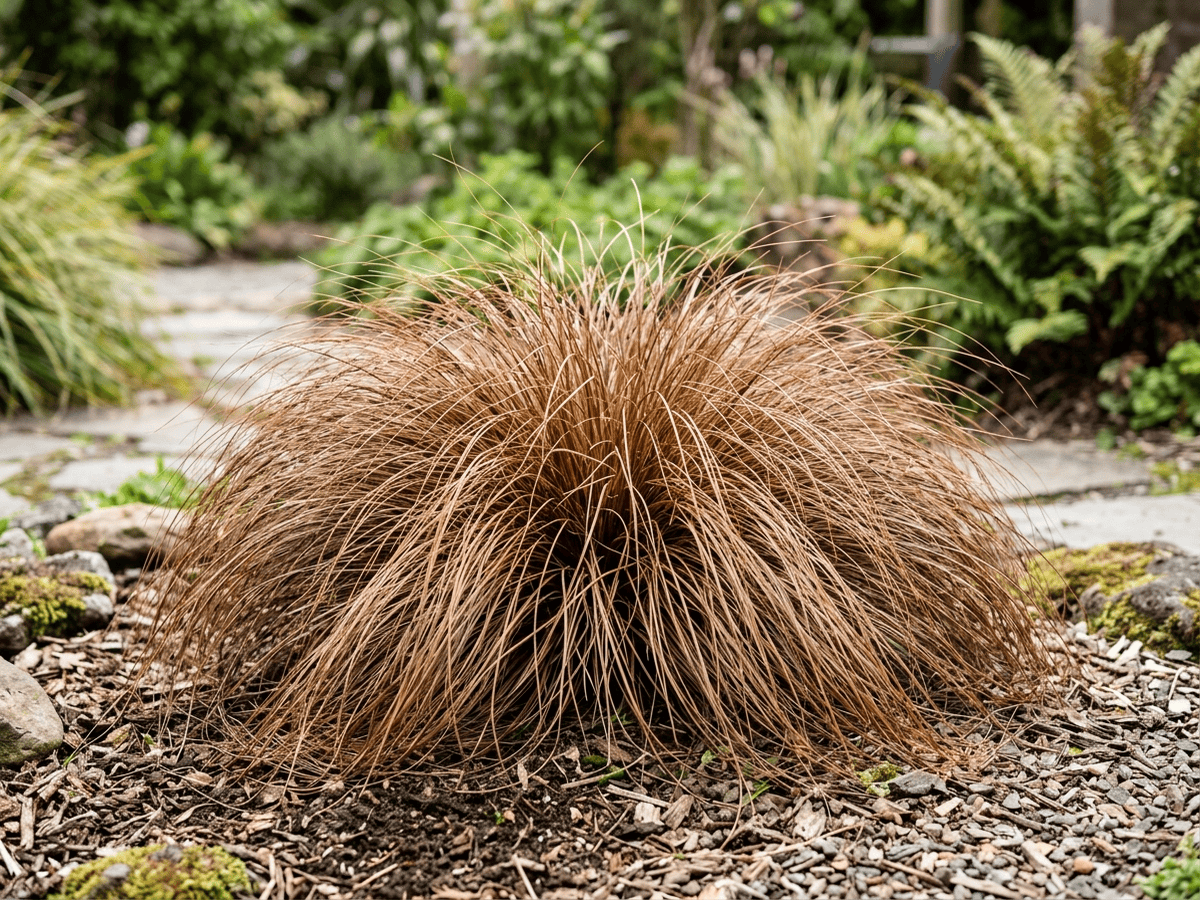 New Zealand Hair-SedgeCarex comans
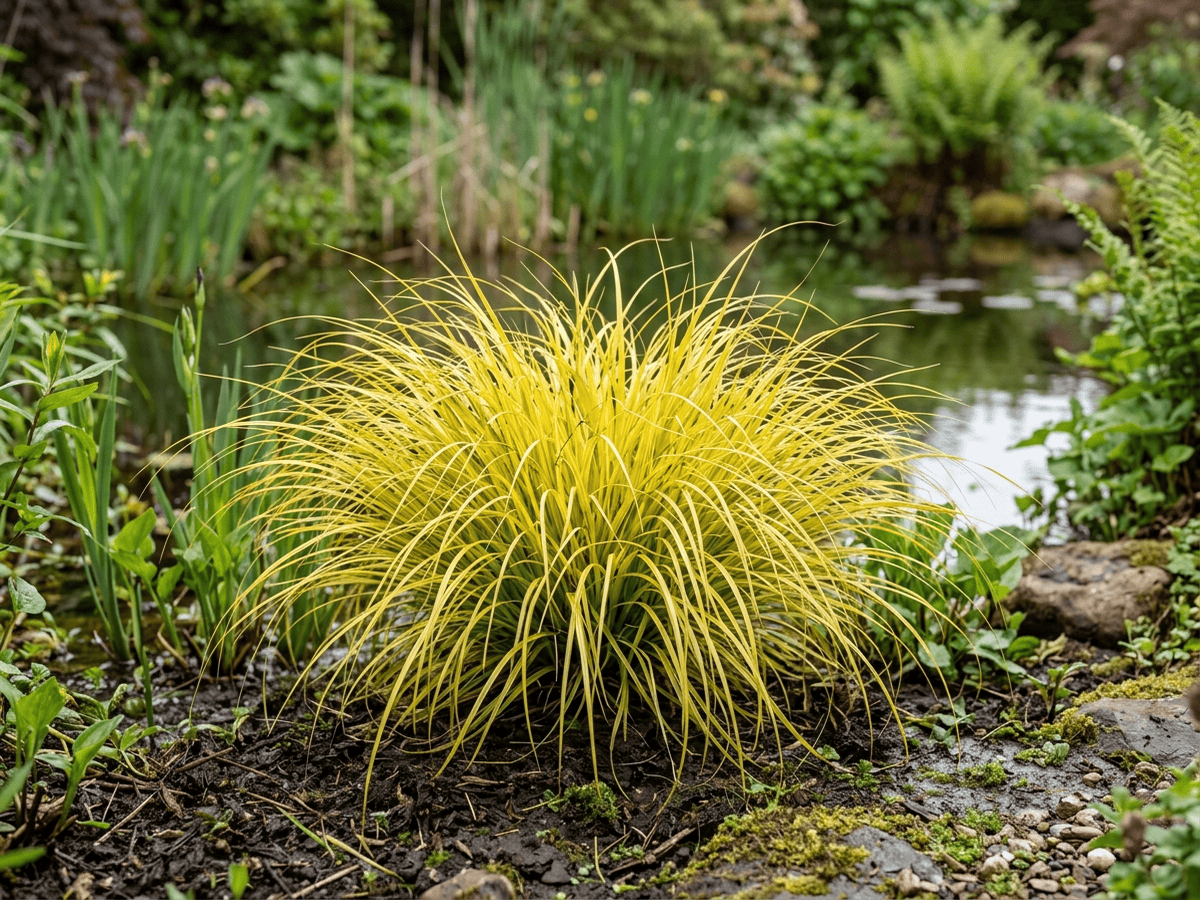 Tufted-SedgeCarex elata
 Gray's SedgeCarex grayi
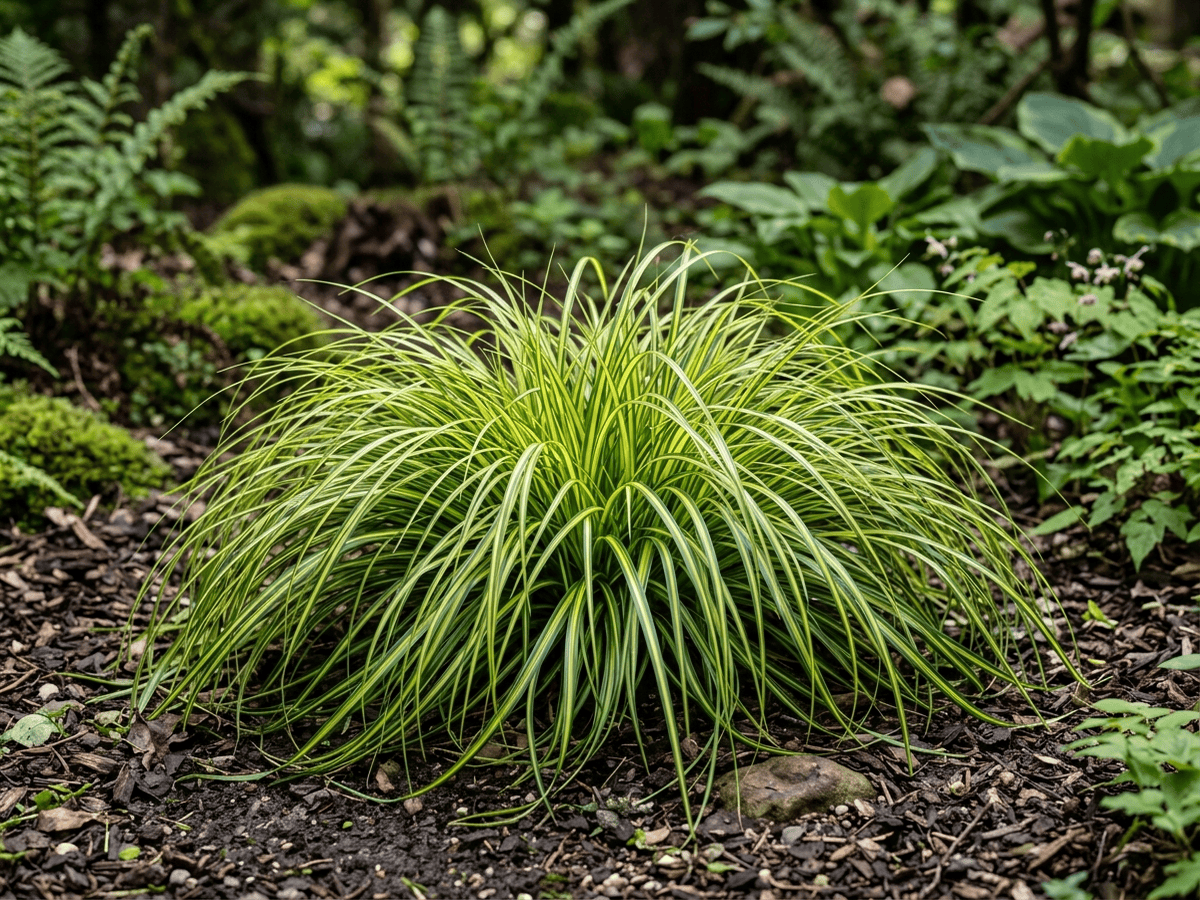 Evergold SedgeCarex oshimensis
Plants with similar care
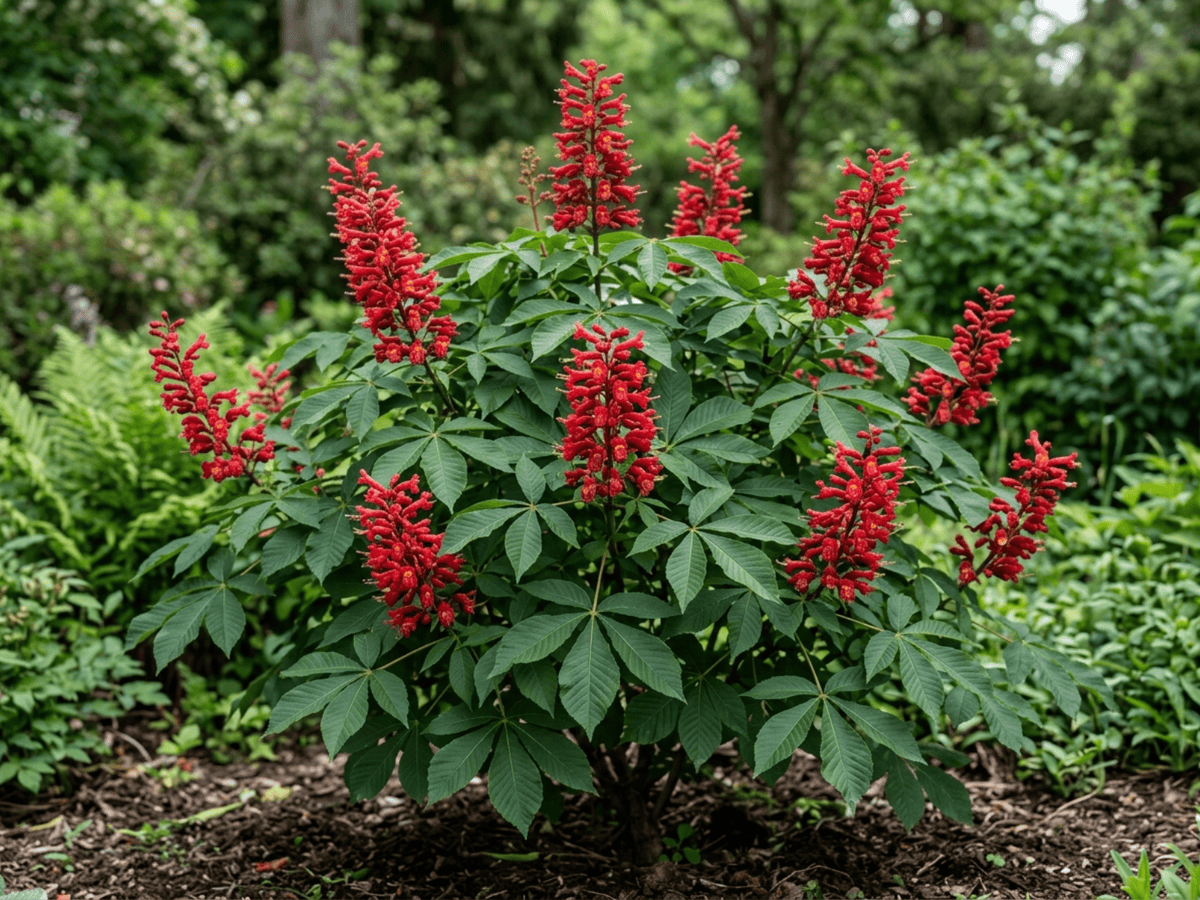 Red BuckeyeAesculus pavia
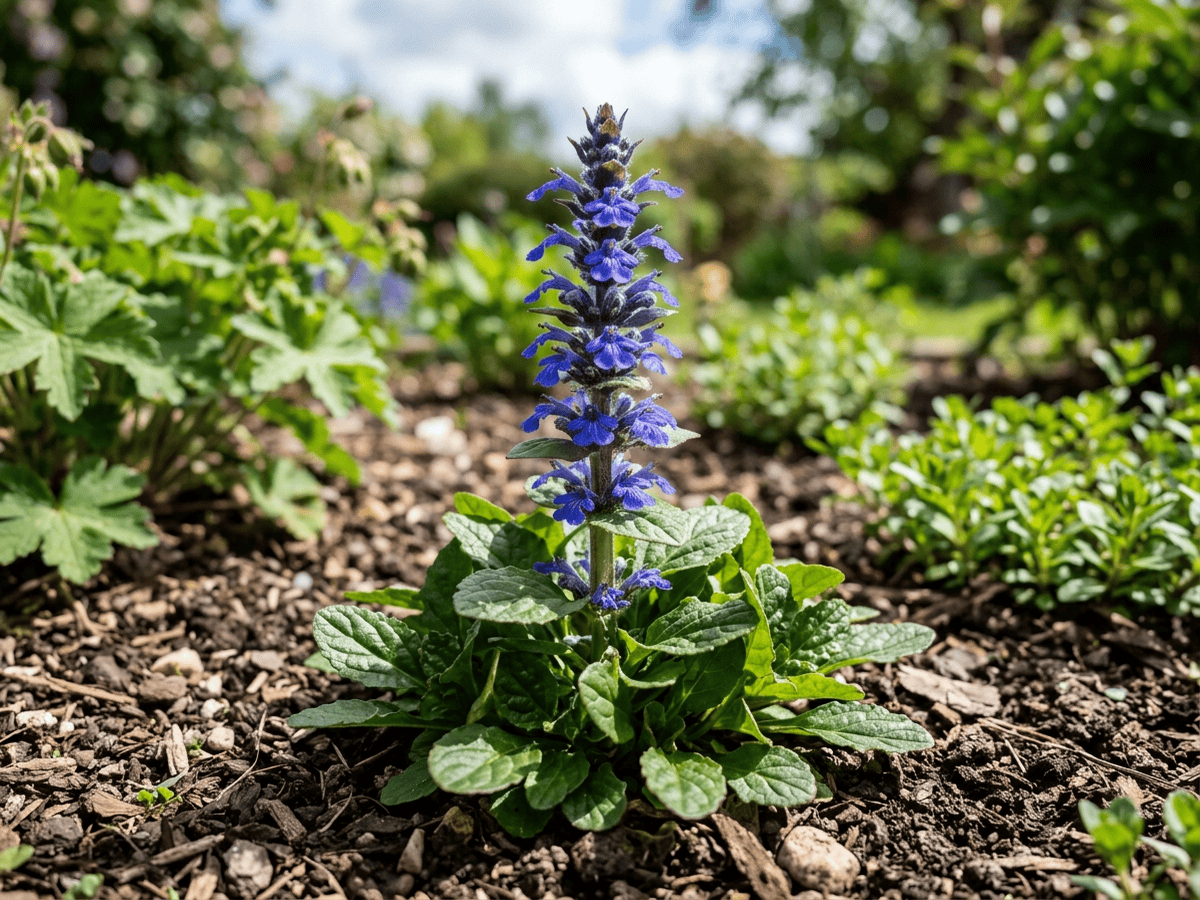 Blue BugleAjuga genevensis
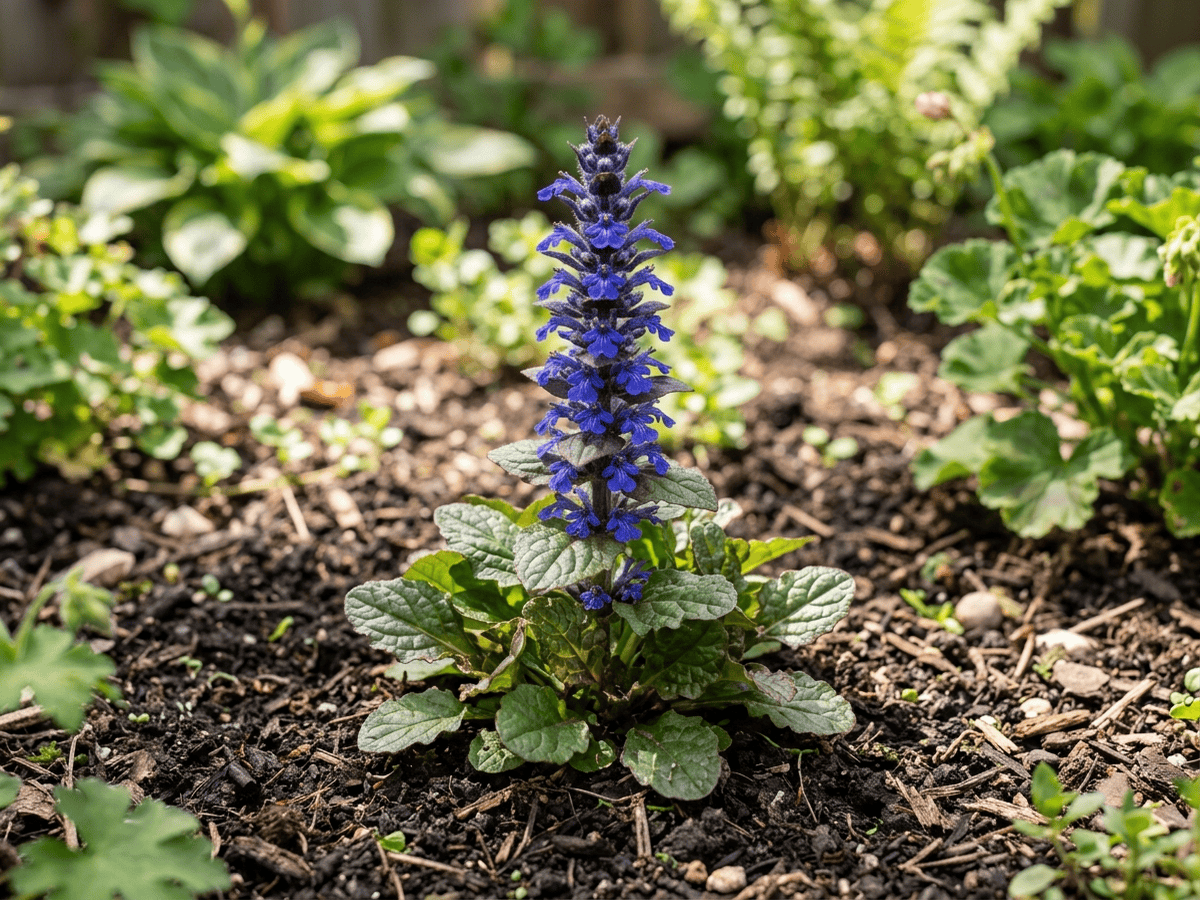 Pyramidal BugleAjuga pyramidalis
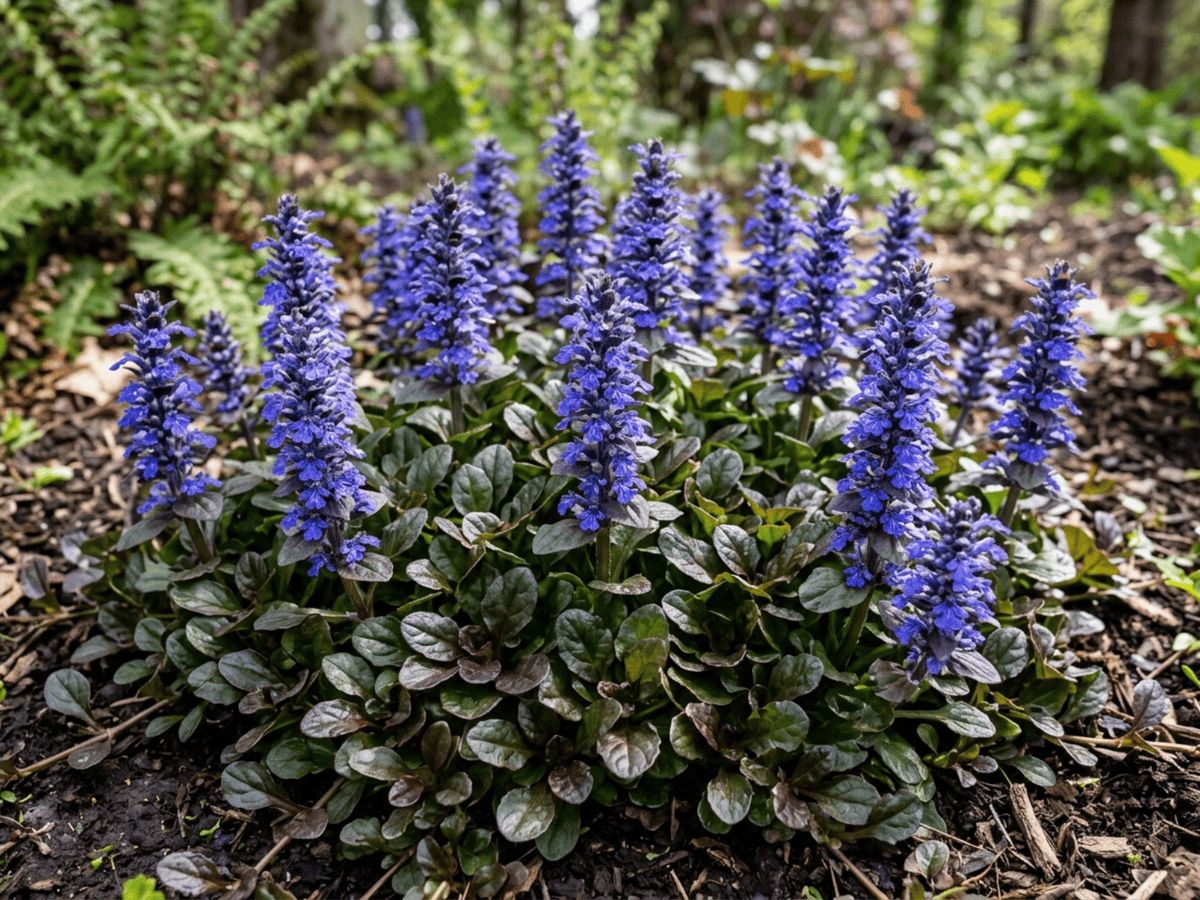 Carpet BugleAjuga reptans
Frequently asked questions
How often should I water Morrow's Sedge?
In summer, water about every 4 days; in winter, about every 30 days. Adjust for heat, pot size and drainage.
How much light does Morrow's Sedge need?
Part shade: 2–4 hrs direct. Watch the leaves — scorching or stretching means the light needs adjusting.
Is Morrow's Sedge toxic to cats or dogs?
No toxicity has been reported for this plant. Still, it is wise to keep pets from chewing on any houseplant. Educational information, not medical or veterinary advice. If exposure is suspected, contact a doctor or veterinarian.
Is Morrow's Sedge easy to grow?
Yes — it is considered an easy, beginner-friendly plant.
When does Morrow's Sedge bloom?
It typically blooms Mar–May in the Northern Hemisphere.
YardMate
Identify any plant in seconds
Snap a photo — YardMate names the plant, diagnoses problems, and reminds you when to water.
Download on the App Store