 YardMate


Gray's Sedge
Carex grayi
Easy · Beginner friendlyAbout Gray's Sedge
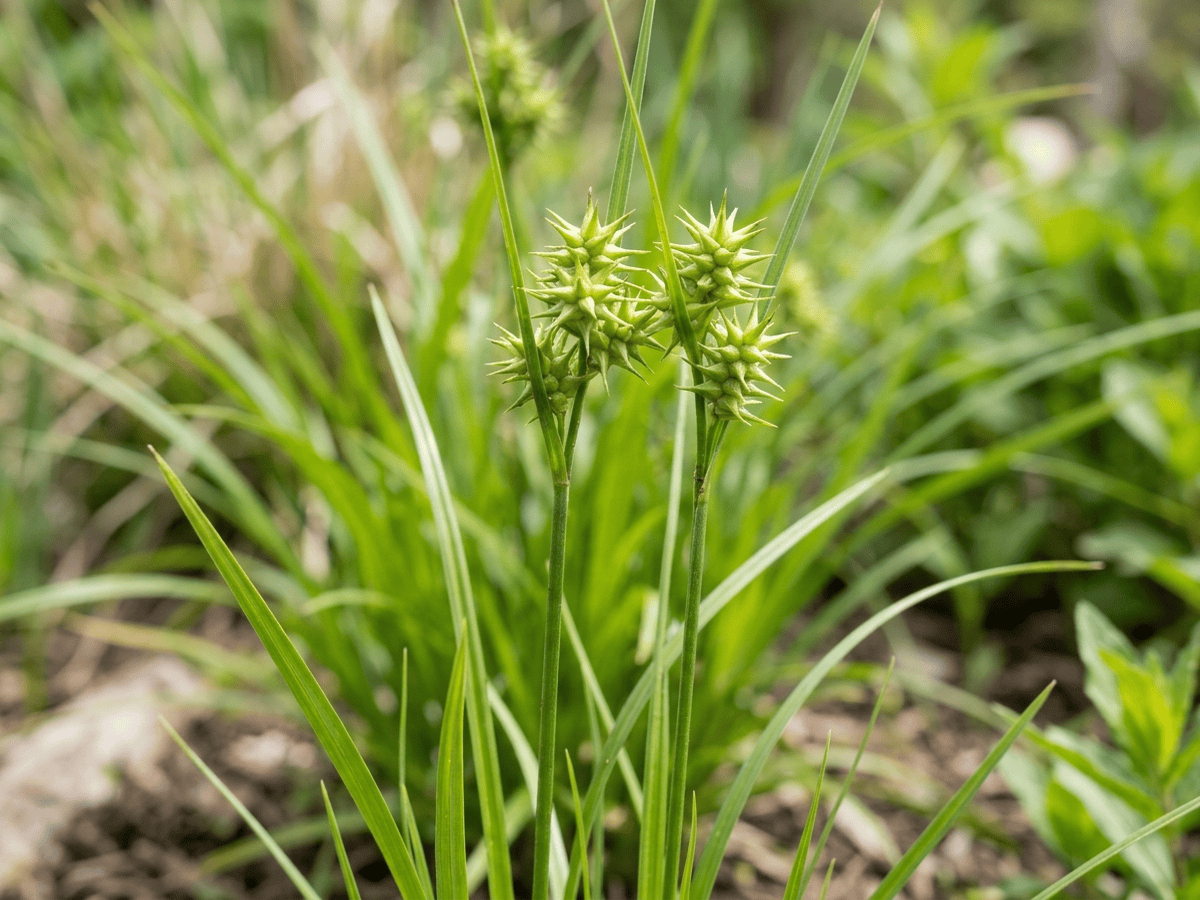
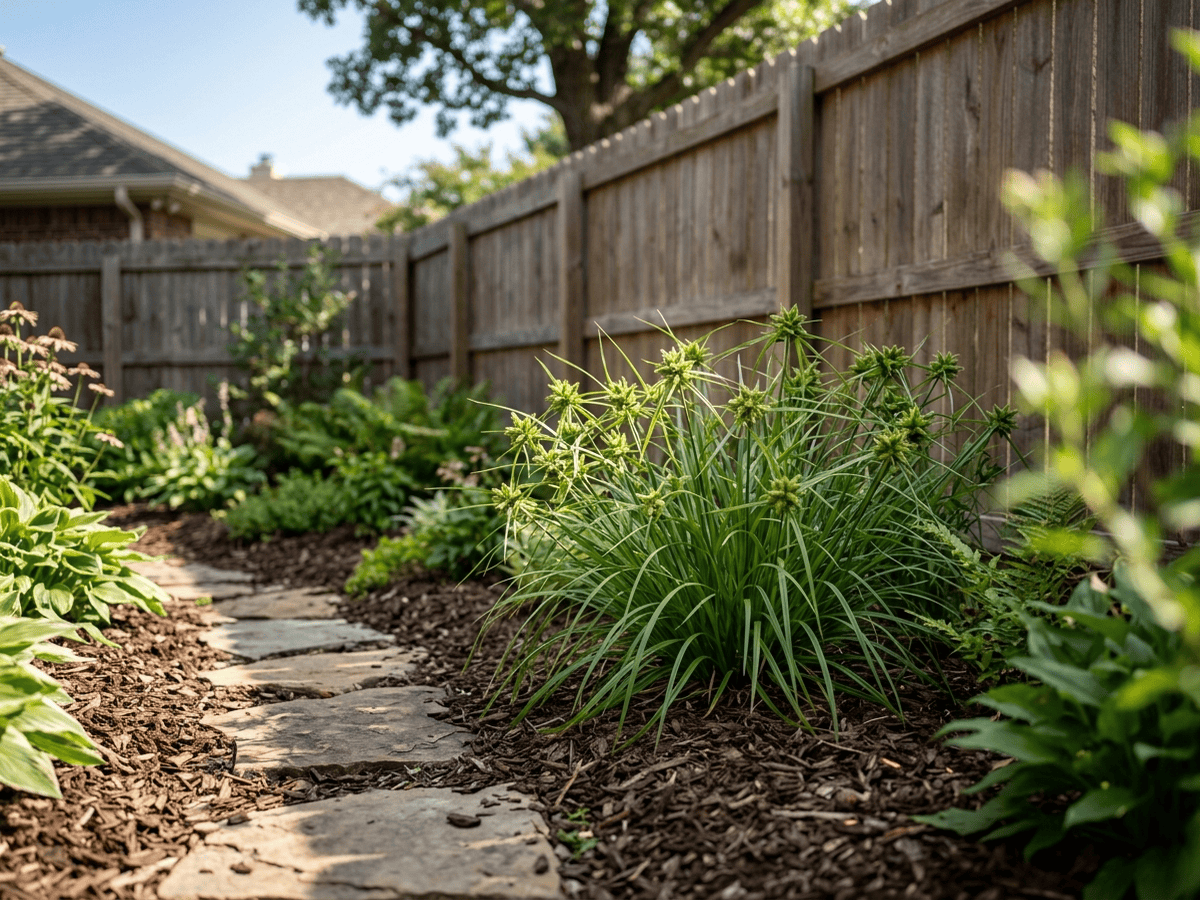
Gray's Sedge or Mace Sedge is an Eastern North American native wetland sedge reaching 2-3 feet tall, with bright-green arching foliage and remarkable spiky star-shaped seed heads that resemble medieval maces or morning stars. Native to floodplain forests and wet woodlands from the Midwest to the Northeast, it adds unique sculptural interest to rain gardens, pond margins, and woodland-edge plantings across the American Northeast and Midwest.
- Native
How to care for Gray's Sedge
Watering
- Springevery 5 days
- Summerevery 5 days
- Fallevery 7 days
- Winterevery 14 days
Soil · Well-draining
- Top dressingPine bark mulch10%
- Main mixPotting soil + perlite 2:170%
- DrainageLECA / gravel20%
Never skip the drainage layer — standing water is the top cause of root rot.
FERTILIZER
- Springevery 60 days
At a Glance
- NativeNorth America
- Height2–3 ft (0.6–0.9 m)
- Spread1–2 ft (0.3–0.6 m)
- Flower colorGreen
- Foliage colorGreen
- Fruit colorGreen
- SoilLoamy, Moisture-retentive
- LocationsYard
Bloom time
BLOOM CYCLE
Peak bloom
Jun–Aug
Spiky star-shaped seed heads through summer
Toxicity
Humans Safe · Pets Safe
None reported
Safe
EXPOSURE No exposure route is reported.
EFFECT No toxic effect is reported.
NOTE Listed as non-toxic for humans; avoid eating ornamental plants unless confirmed edible.
Safe
EXPOSURE No exposure route is reported.
EFFECT No toxic effect is reported.
NOTE Listed as non-toxic for dogs; avoid eating ornamental plants unless confirmed edible.
Safe
EXPOSURE No exposure route is reported.
EFFECT No toxic effect is reported.
NOTE Listed as non-toxic for cats; avoid eating ornamental plants unless confirmed edible.
Educational information, not medical or veterinary advice. If exposure is suspected, contact a doctor or veterinarian.
DISTRIBUTION


- Native
- Introduced
- North America
History
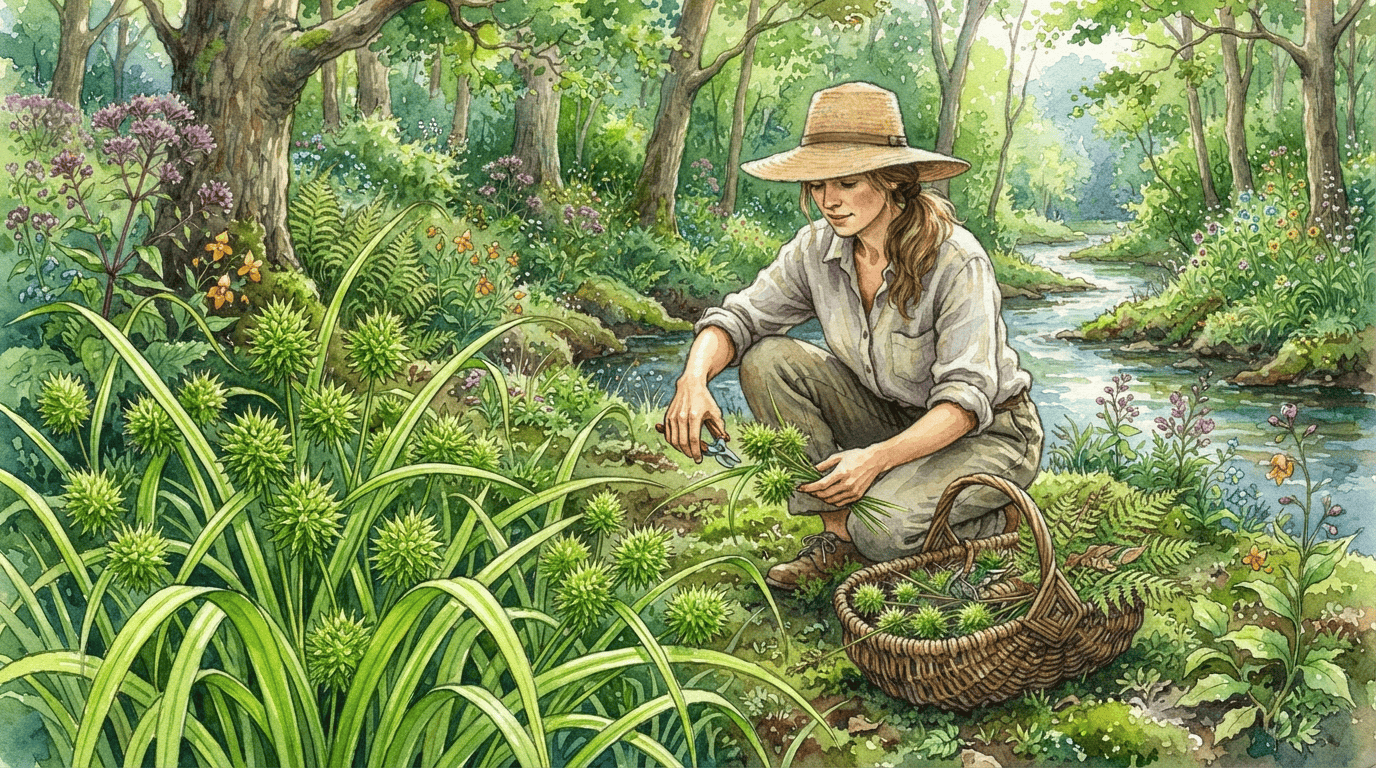
Carex grayi, commonly called Gray's sedge or morningstar sedge, is a tufted perennial sedge in the family Cyperaceae native to moist woodlands, floodplain forests, and stream banks of central and eastern North America from Quebec and Ontario south through Georgia and west through Texas and the Dakotas. American botanist John Carey formally described the species in 1847, honoring the pre-eminent 19th-century American botanist Asa Gray (1810-1888) of Harvard University. Plants form 60-90 cm tall clumps of broad bright green arching leaves.
The species is notable for its architecturally striking fruiting heads: the globular clusters of inflated perigynia (seed capsules) resemble spiky green spheres 2-3 cm across, each with a long beak, suggesting a medieval morningstar mace—unique among North American sedges. These fruit heads mature in summer, persist into fall, and are prized by floral designers.
Increasingly valued in native shade and rain gardens, and in specialty ornamental plantings for the unusual fruit architecture. Native to floodplain forests and wet woodlands across the eastern and midwestern United States.
Symbolism & meaning
What It Symbolizes
Gray's Sedge bears the meaning of distinction through its mace-like seed heads, spiky green orbs unmatched among native sedges and impossible to mistake. It also carries heritage, for it honours Asa Gray, the founder of American botany, whose name still anchors the country's plant taxonomy. In the woodland garden it is the small, scholarly presence, a sedge that turns a botanist's legacy into a quietly architectural detail at the edge of the path.
- Distinction — unique mace-like seed heads unmatched among sedges
- Heritage — honors Asa Gray, founder of American botany
Where the Name Comes From
The name Gray's Sedge describes its sedge-like clumps. 'Grayi' honors Asa Gray, the most influential American botanist of the 19th century.
Uses & Fun Facts
- Spiky mace-shaped seed heads add unusual texture
- Clumping sedge for moist shade and rain gardens
- Seeds and cover support waterfowl and wetland songbirds
Related plants
More Carex plants
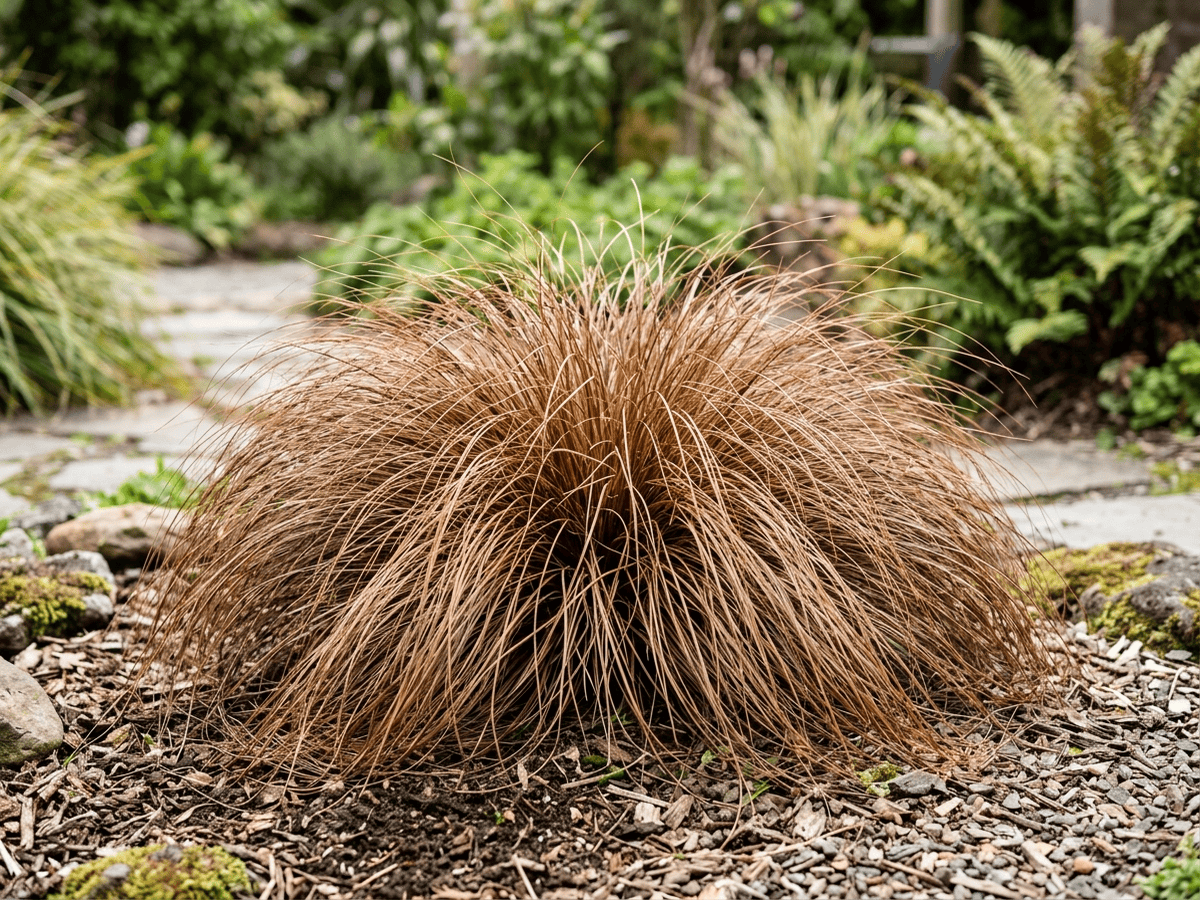 New Zealand Hair-SedgeCarex comans
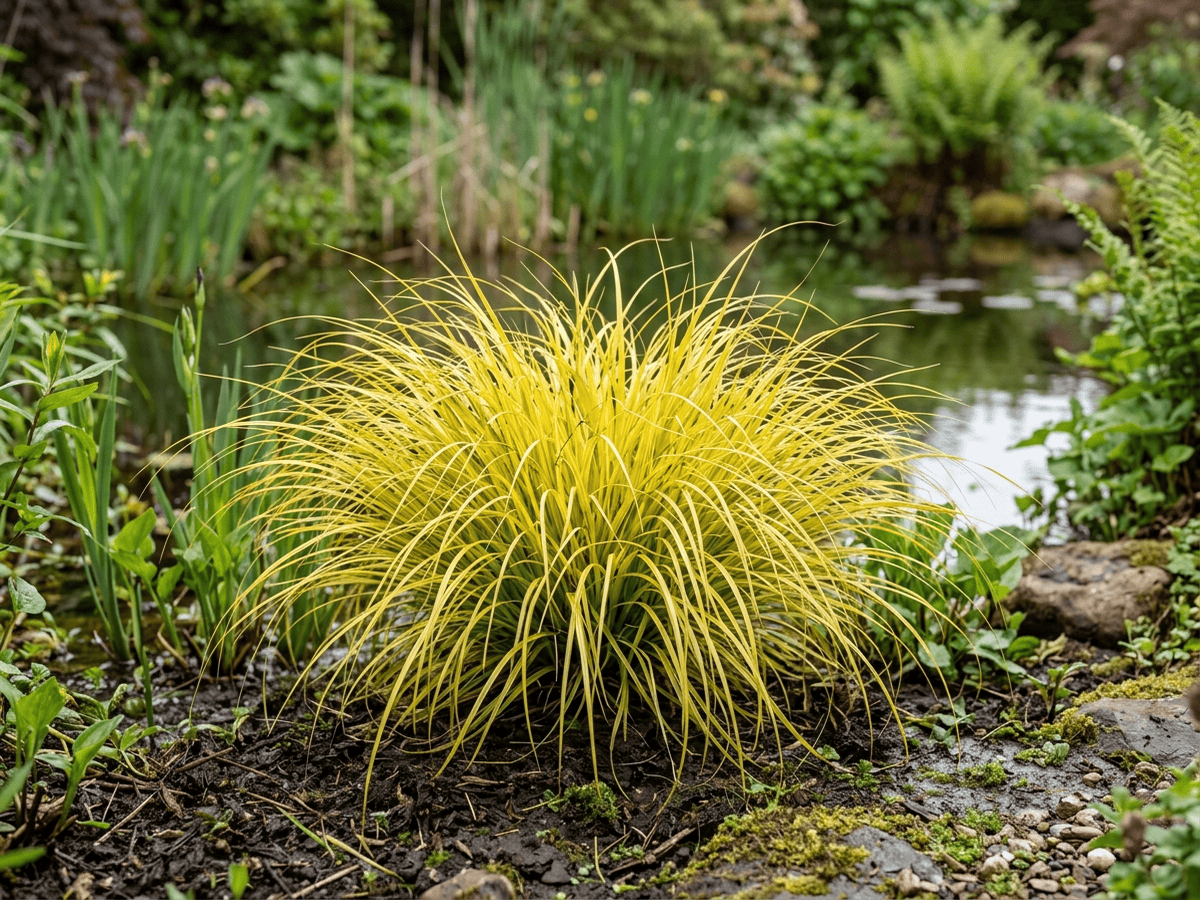 Tufted-SedgeCarex elata
 Morrow's SedgeCarex morrowii
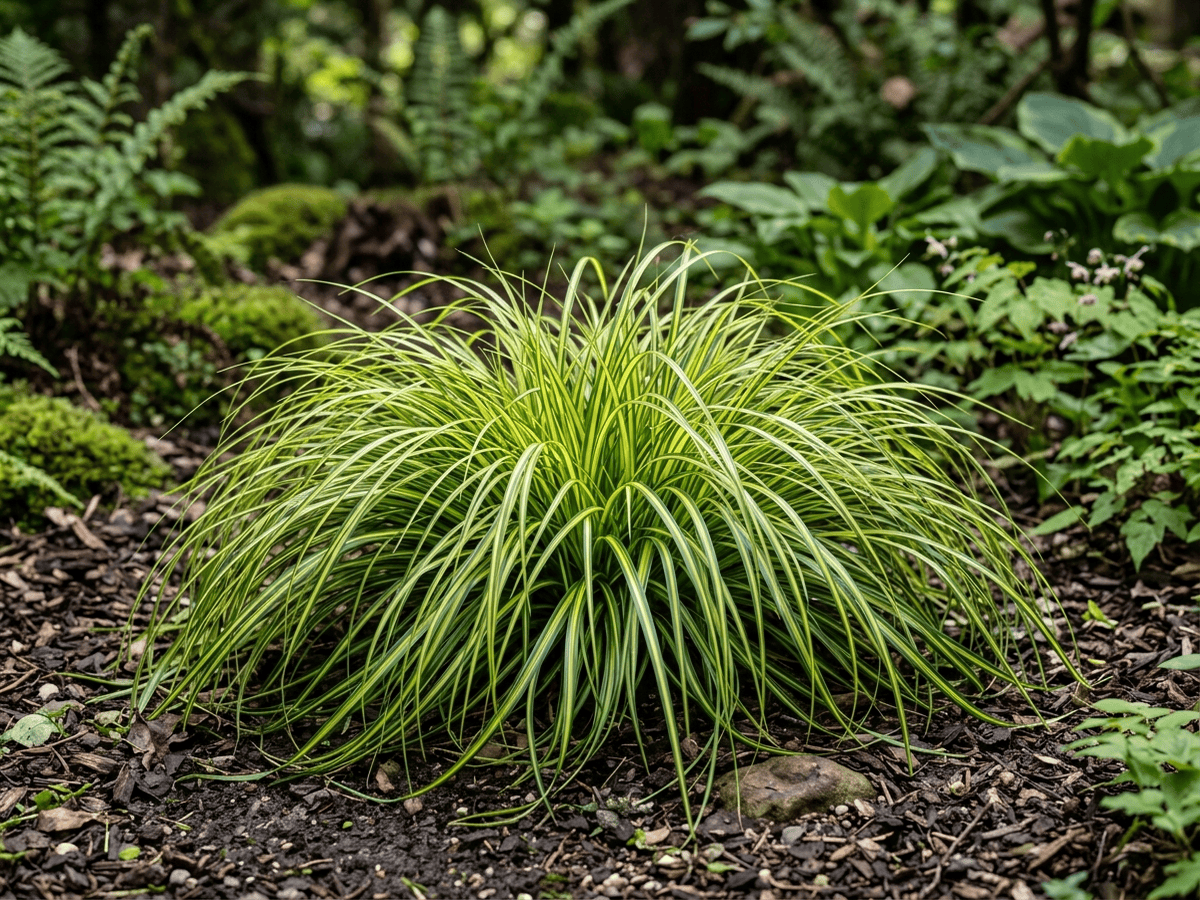 Evergold SedgeCarex oshimensis
Plants with similar care
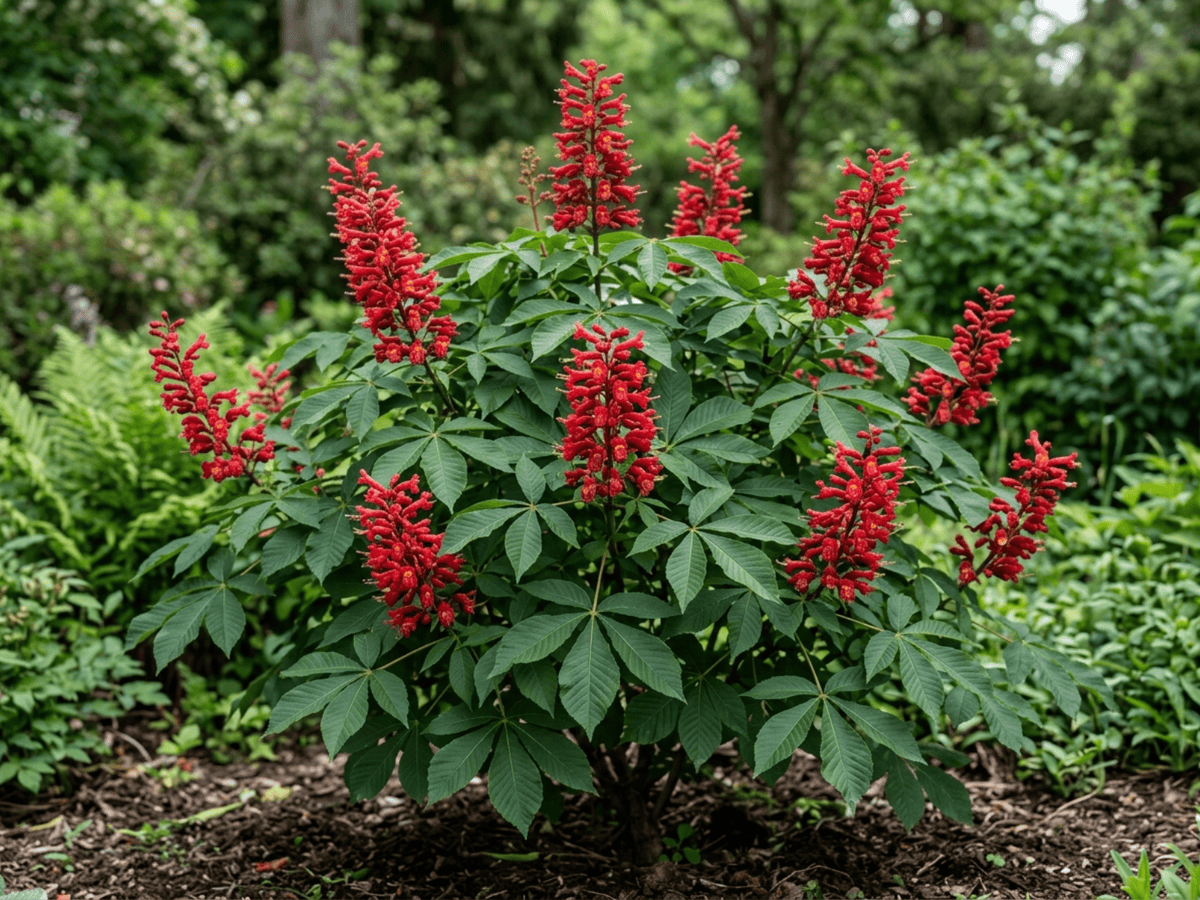 Red BuckeyeAesculus pavia
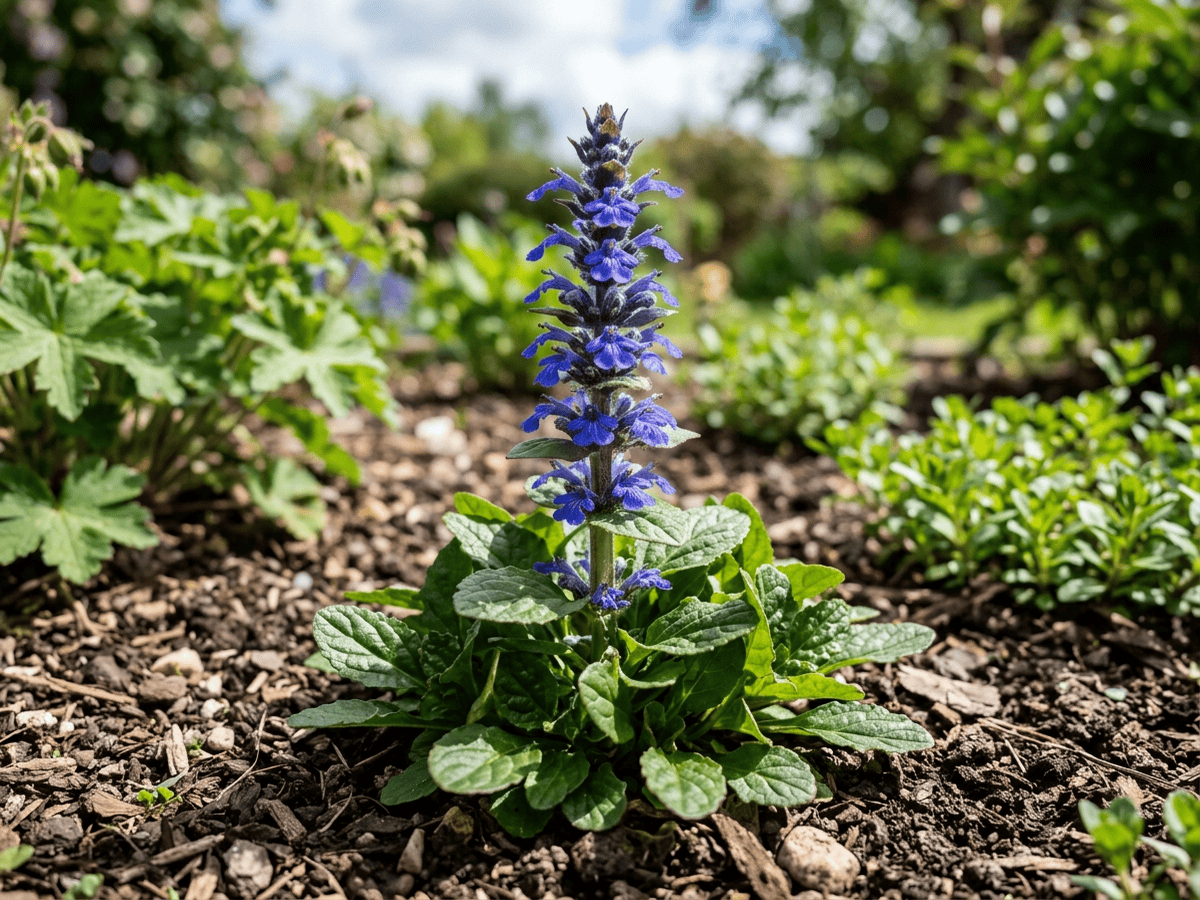 Blue BugleAjuga genevensis
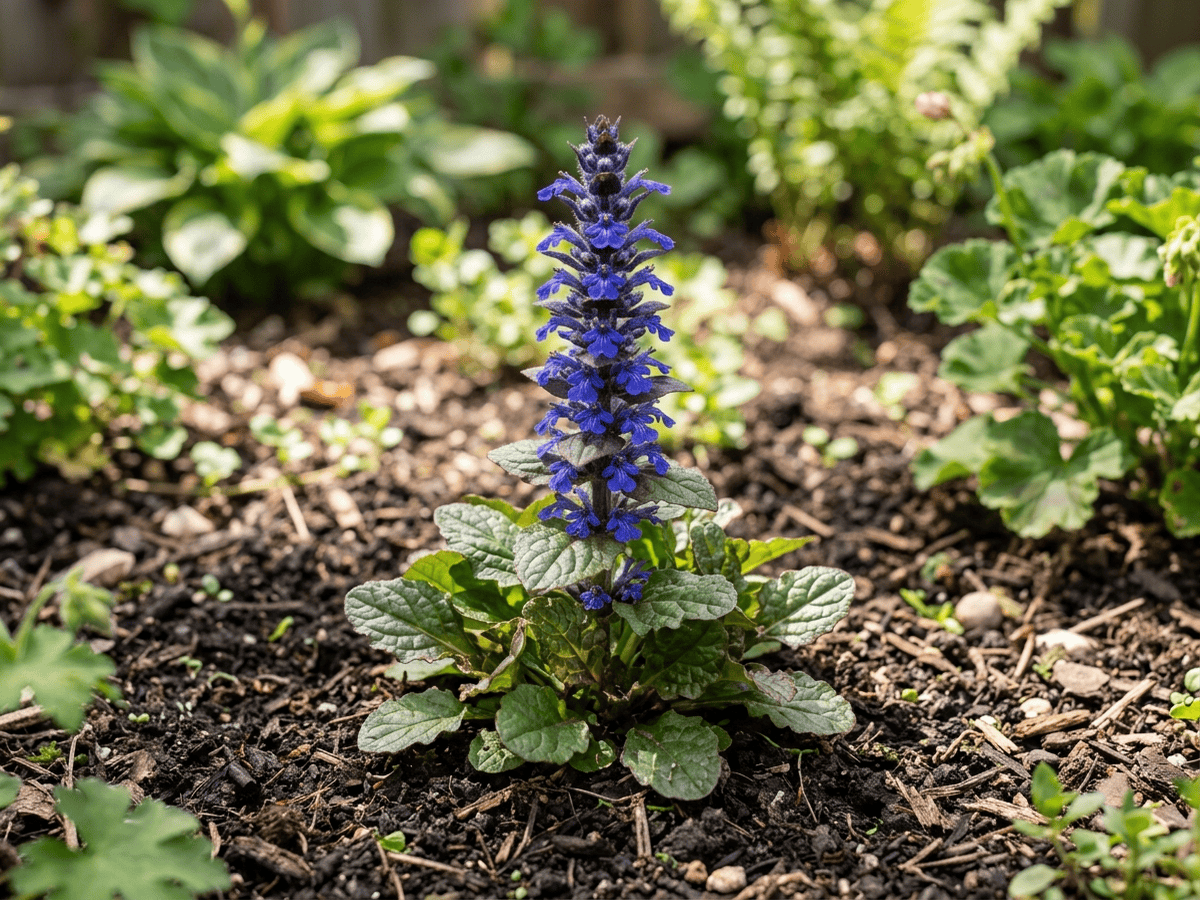 Pyramidal BugleAjuga pyramidalis
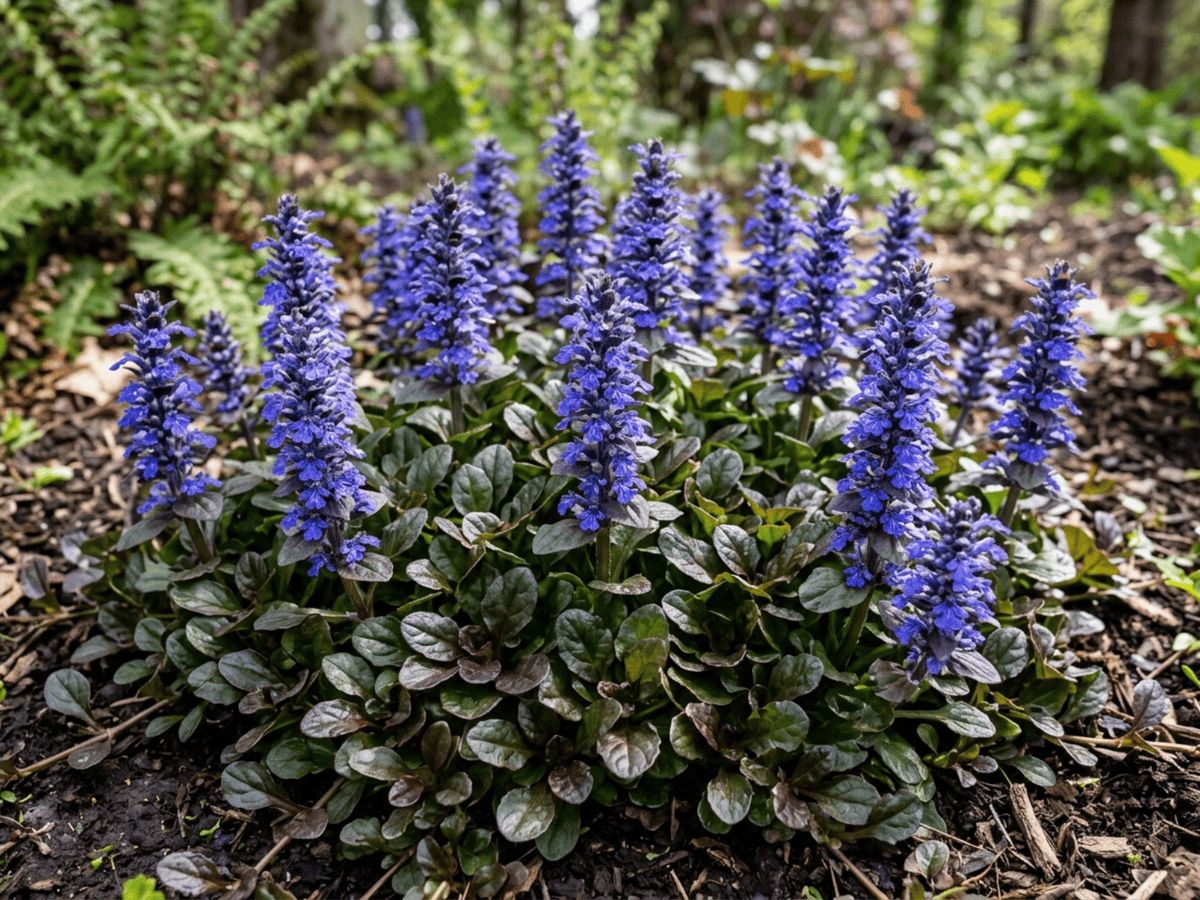 Carpet BugleAjuga reptans
Frequently asked questions
How often should I water Gray's Sedge?
In summer, water about every 5 days; in winter, about every 14 days. Adjust for heat, pot size and drainage.
How much light does Gray's Sedge need?
Part shade: 2–4 hrs direct. Watch the leaves — scorching or stretching means the light needs adjusting.
Is Gray's Sedge toxic to cats or dogs?
Pets Safe (Dogs Safe · Cats Safe) Educational information, not medical or veterinary advice. If exposure is suspected, contact a doctor or veterinarian.
Is Gray's Sedge easy to grow?
Yes — it is considered an easy, beginner-friendly plant.
When does Gray's Sedge bloom?
It typically blooms Jun–Aug in the Northern Hemisphere.
YardMate
Identify any plant in seconds
Snap a photo — YardMate names the plant, diagnoses problems, and reminds you when to water.
Download on the App Store