 YardMate

Evergold Sedge
Carex oshimensis
Easy · Beginner friendlyAbout Evergold Sedge
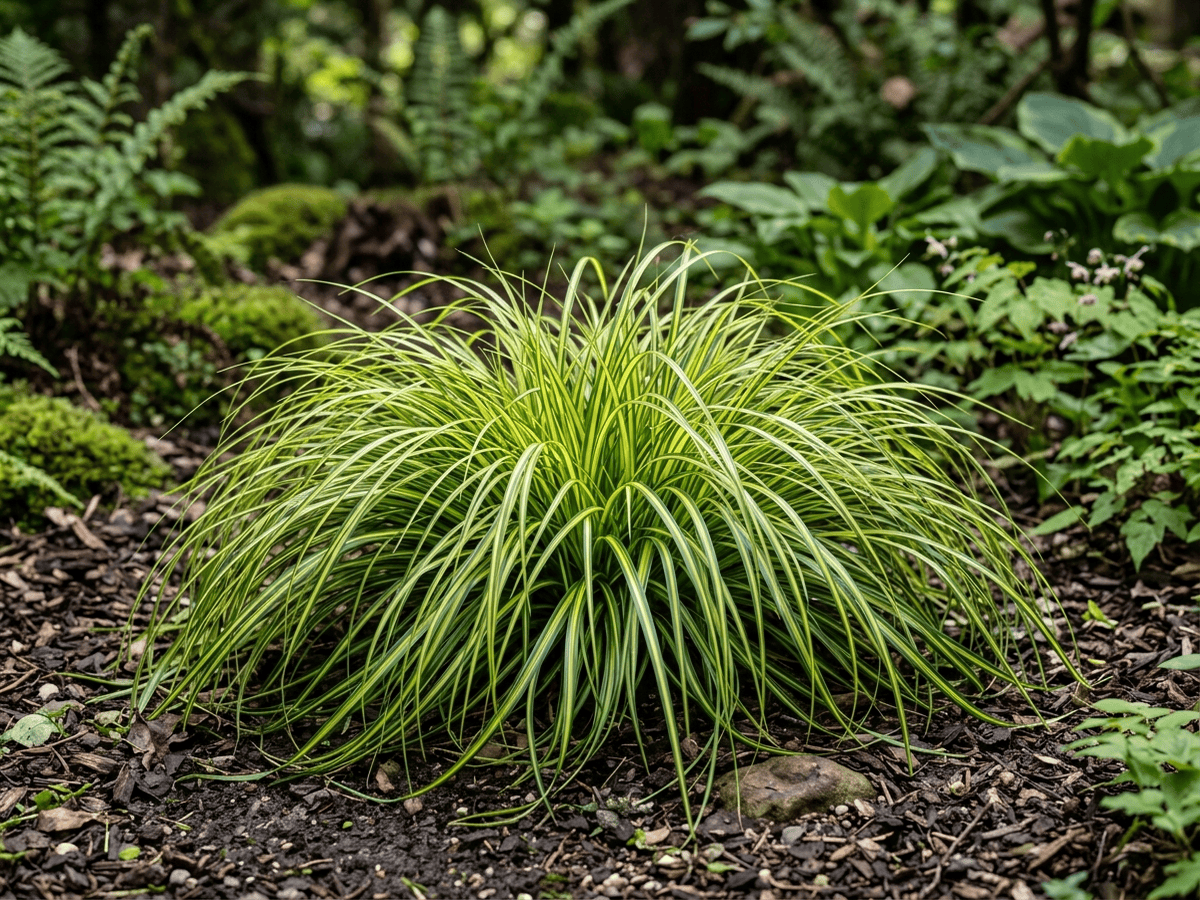
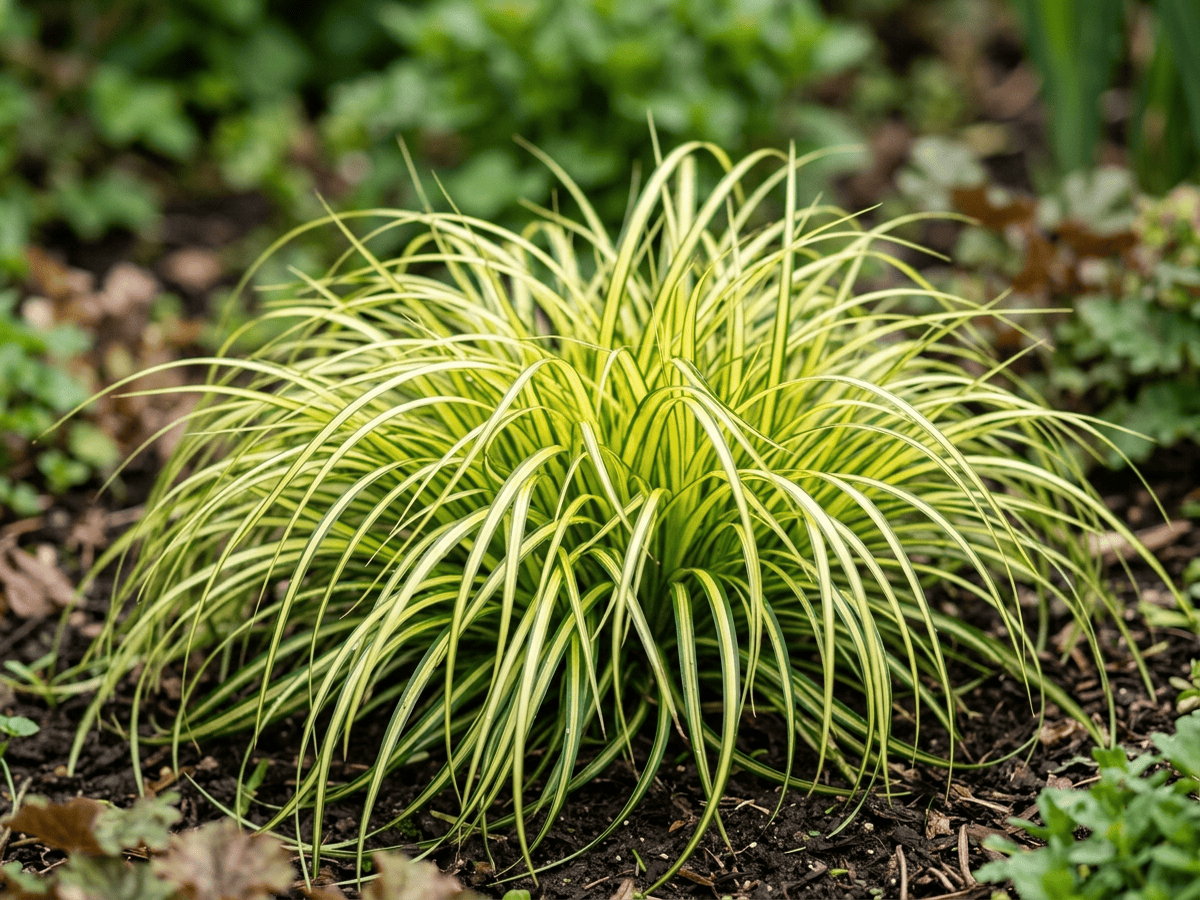
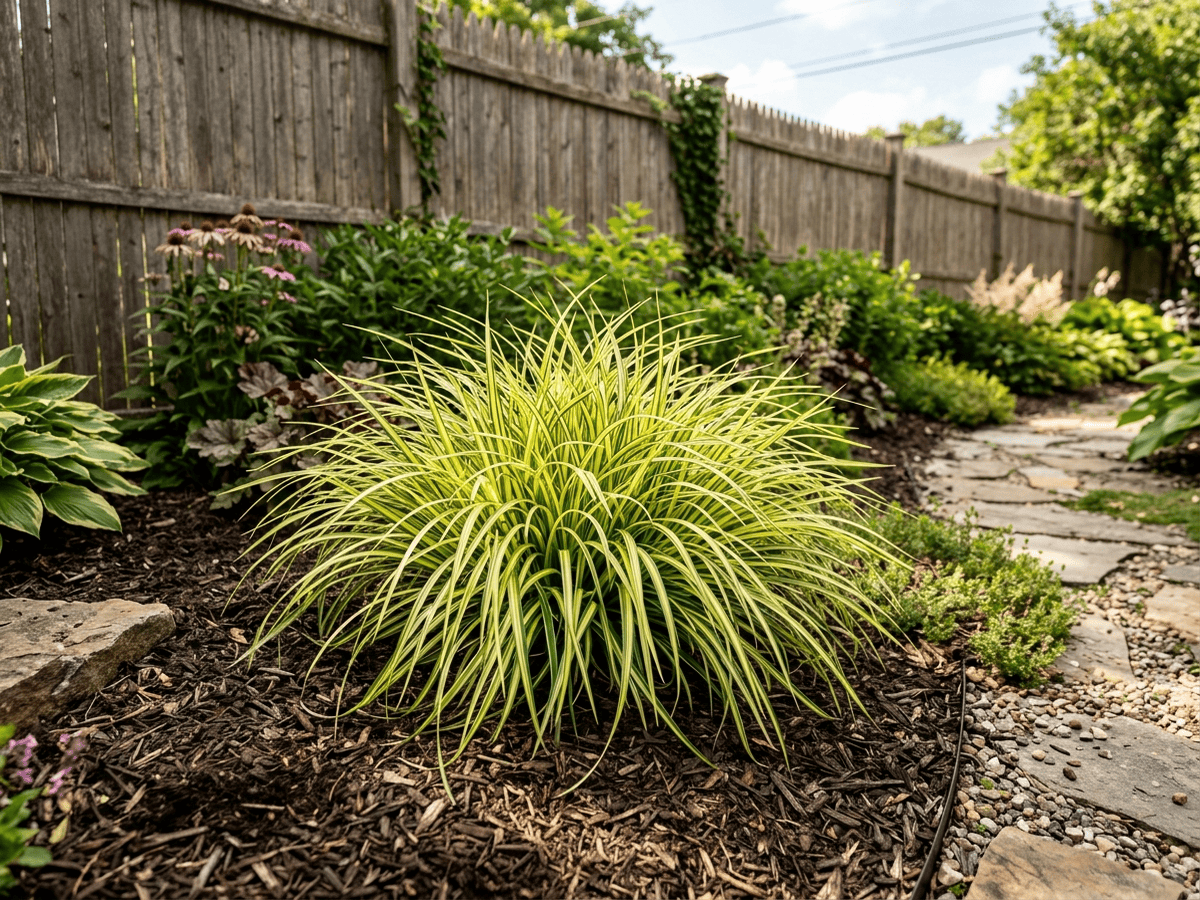
Japanese Forest Sedge is a Japanese evergreen sedge reaching 12-18 inches tall, forming graceful arching mounds of fine variegated foliage. The cultivars 'Evergold' (cream-striped), 'Everillo' (chartreuse), and 'EverColor' series have made this one of the most popular ornamental sedges in American gardens for their year-round color and shade tolerance. Excellent in mass plantings, container combinations, and as edging.
- Shade-tolerant
- Evergreen
- Container-friendly
How to care for Evergold Sedge
Watering
- Springevery 10 days
- Summerevery 14 days
- Fallevery 14 days
- Winterevery 30 days
Soil · Well-draining
- Top dressingPine bark mulch10%
- Main mixPotting soil + perlite 2:170%
- DrainageLECA / gravel20%
Never skip the drainage layer — standing water is the top cause of root rot.
FERTILIZER
- Springevery 60 days
At a Glance
- NativeEast Asia
- Height1–1.5 ft (0.3–0.5 m)
- Spread1–1.5 ft (0.3–0.5 m)
- Flower colorWhite, Cream
- Foliage colorDark-green, Variegated, Yellow
- SoilLoamy, Moisture-retentive
- LocationsYard · Balcony
Bloom time
BLOOM CYCLE
Peak bloom
Mar–May
Inconspicuous brown spikelets in spring
Toxicity
Humans Safe · Pets Safe
None reported
Safe
EXPOSURE No exposure route is reported.
EFFECT No toxic effect is reported.
NOTE Listed as non-toxic for humans; avoid eating ornamental plants unless confirmed edible.
Safe
EXPOSURE No exposure route is reported.
EFFECT No toxic effect is reported.
NOTE Listed as non-toxic for dogs; avoid eating ornamental plants unless confirmed edible.
Safe
EXPOSURE No exposure route is reported.
EFFECT No toxic effect is reported.
NOTE Listed as non-toxic for cats; avoid eating ornamental plants unless confirmed edible.
Educational information, not medical or veterinary advice. If exposure is suspected, contact a doctor or veterinarian.
DISTRIBUTION


- Native
- East Asia
History

Carex oshimensis, commonly called Oshima sedge, is a low tufted evergreen sedge in the family Cyperaceae endemic to the Izu Islands (particularly Oshima Island) and parts of southern Honshu, Japan. Japanese botanist Takenoshin Nakai formally described the species in 1915. Plants form compact fountain-like 20-40 cm wide mounds of glossy narrow strap-shaped dark green leaves that cascade gracefully.
Small brown flower spikes appear in late spring but are not ornamentally significant. The species has become globally important in horticulture through several major variegated cultivars: 'Evergold' (yellow central stripe with narrow green edges), 'Everest' (white-edged green), 'Everillo' (chartreuse-gold all over), and 'Eversheen' (bright yellow-green). Collectively these EverColor series sedges from Pat FitzGerald in Ireland (2010 onward) have become among the best-selling ornamental sedges worldwide, valued for evergreen habit, tolerance of part-shade, and bright foliage effect in winter gardens.
Hardy throughout much of the temperate zone. The 'Evergold' cultivar revolutionized American shade gardening in the 1990s by offering bright variegated evergreen color—a rare combination. The newer 'EverColor' series from Japanese breeders has made these sedges among the most planted in modern American landscapes.
Symbolism & meaning
What It Symbolizes
The Evergold Sedge carries brightness into the shaded corners where most plants only sulk. Its variegated yellow-and-green blades hold their cheer through every season, a quiet beam of light in dark places. Versatile in containers, mass plantings, and shady borders alike, this sedge makes visible the gift of being useful everywhere — a humble plant that brings color where color is needed most.
- Brightness — year-round variegated color in shade
- Versatility — thrives in containers, mass plantings, and edges
Where the Name Comes From
The name Evergold Sedge describes its sedge-like clumps. 'Oshimensis' refers to Oshima Island in Japan, the location of original collections.
Uses & Fun Facts
- Cream-striped clumps edge shaded pots and brighten small balconies
Related plants
More Carex plants
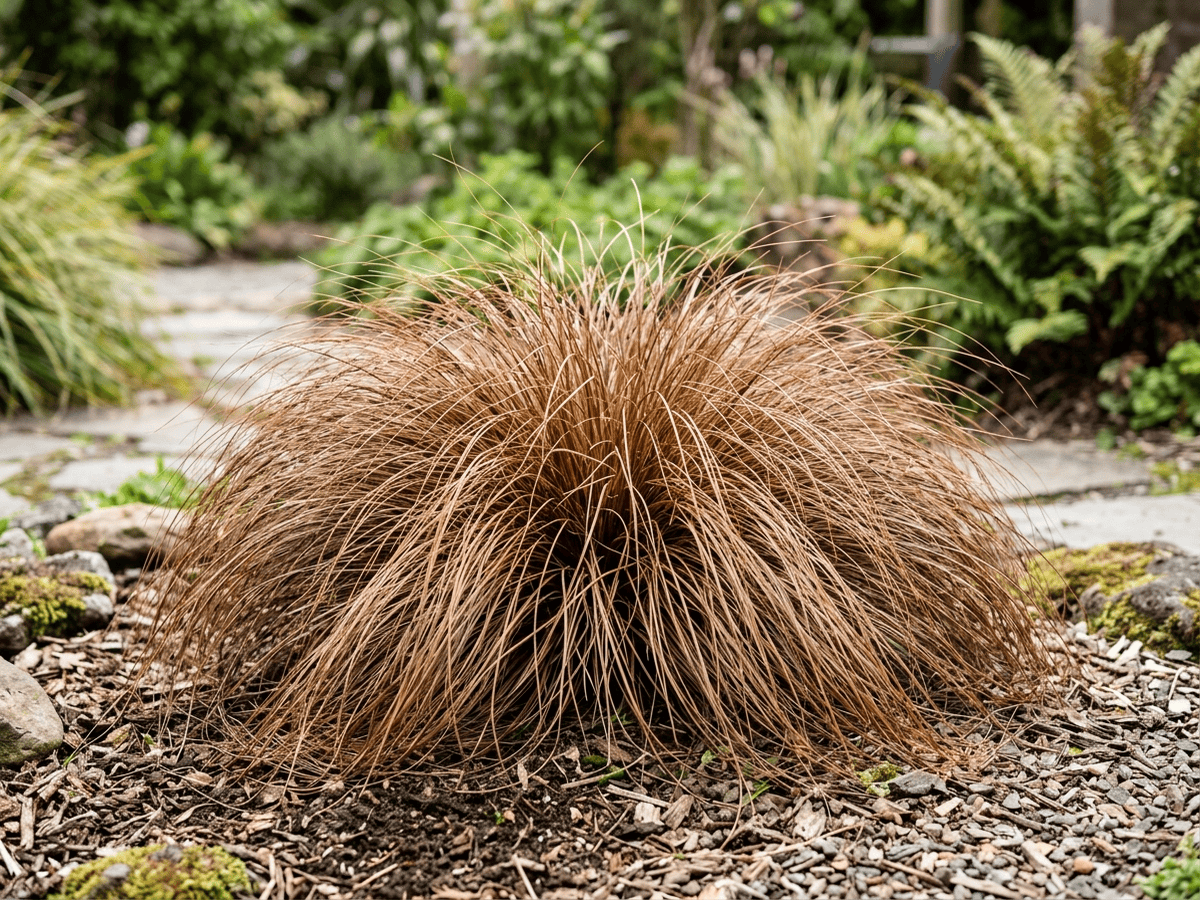 New Zealand Hair-SedgeCarex comans
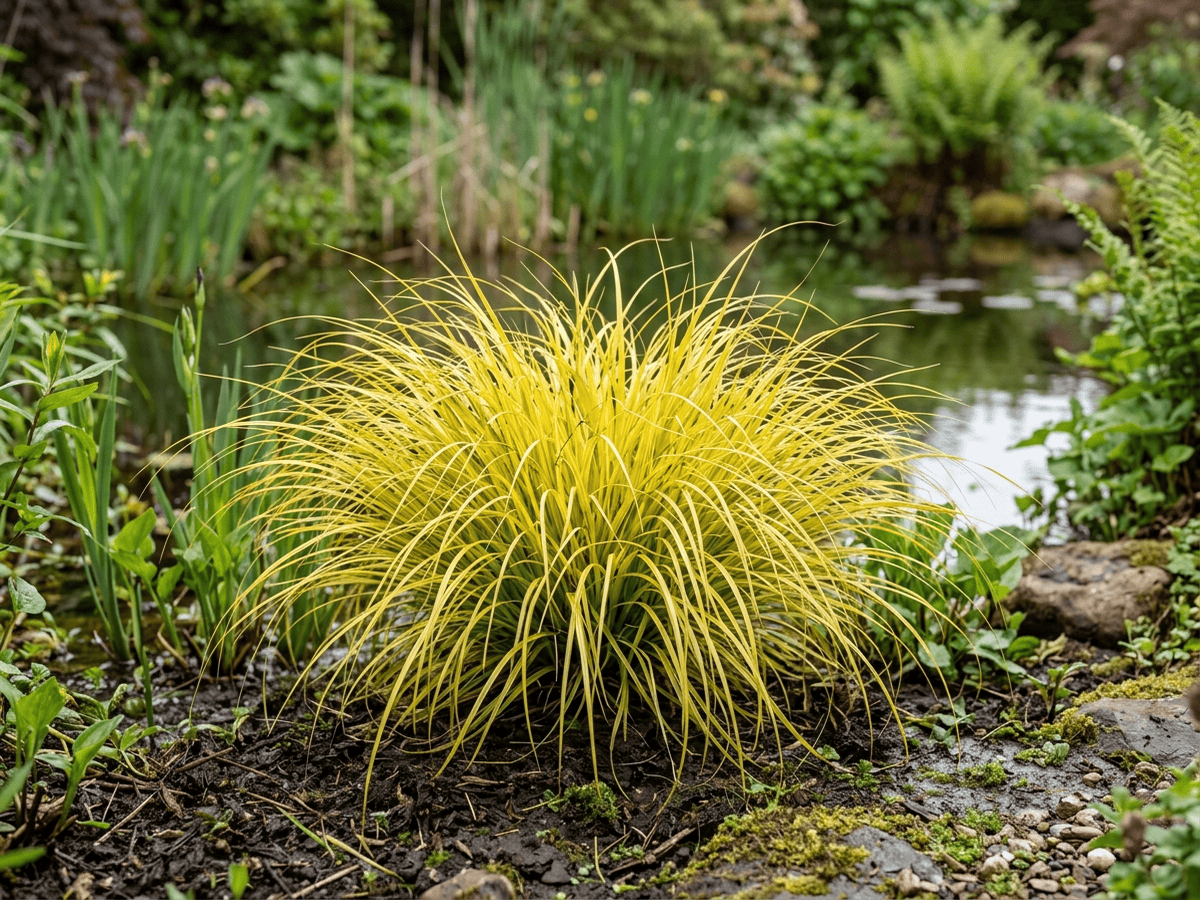 Tufted-SedgeCarex elata
 Gray's SedgeCarex grayi
 Morrow's SedgeCarex morrowii
Plants with similar care
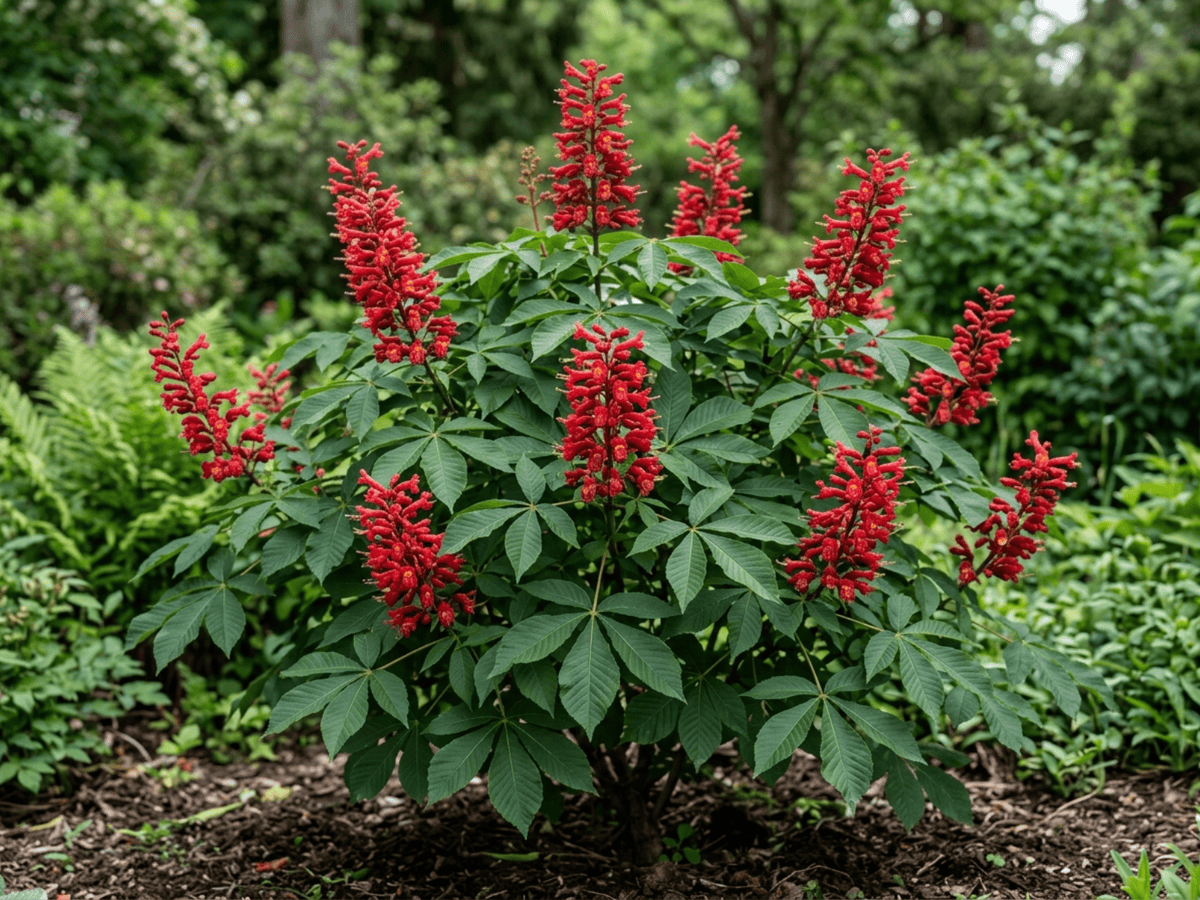 Red BuckeyeAesculus pavia
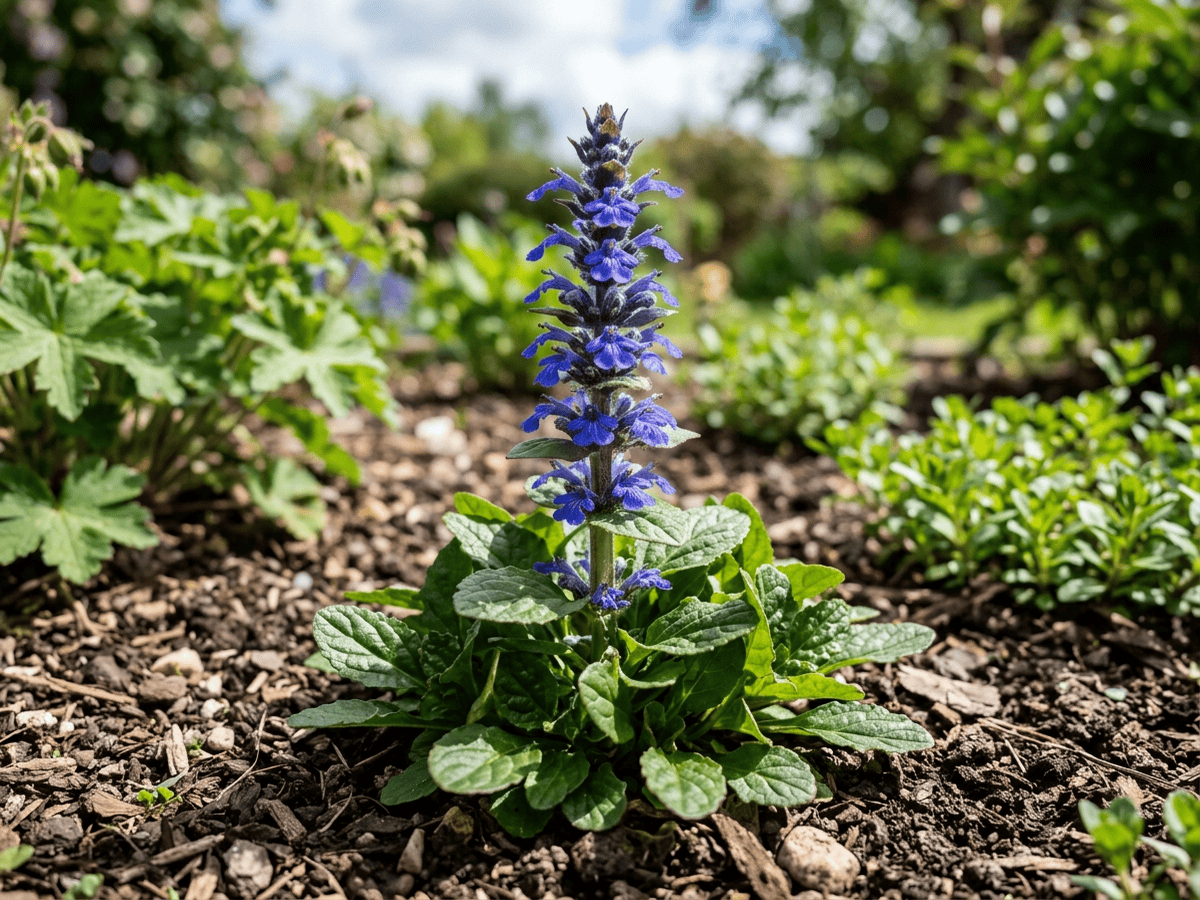 Blue BugleAjuga genevensis
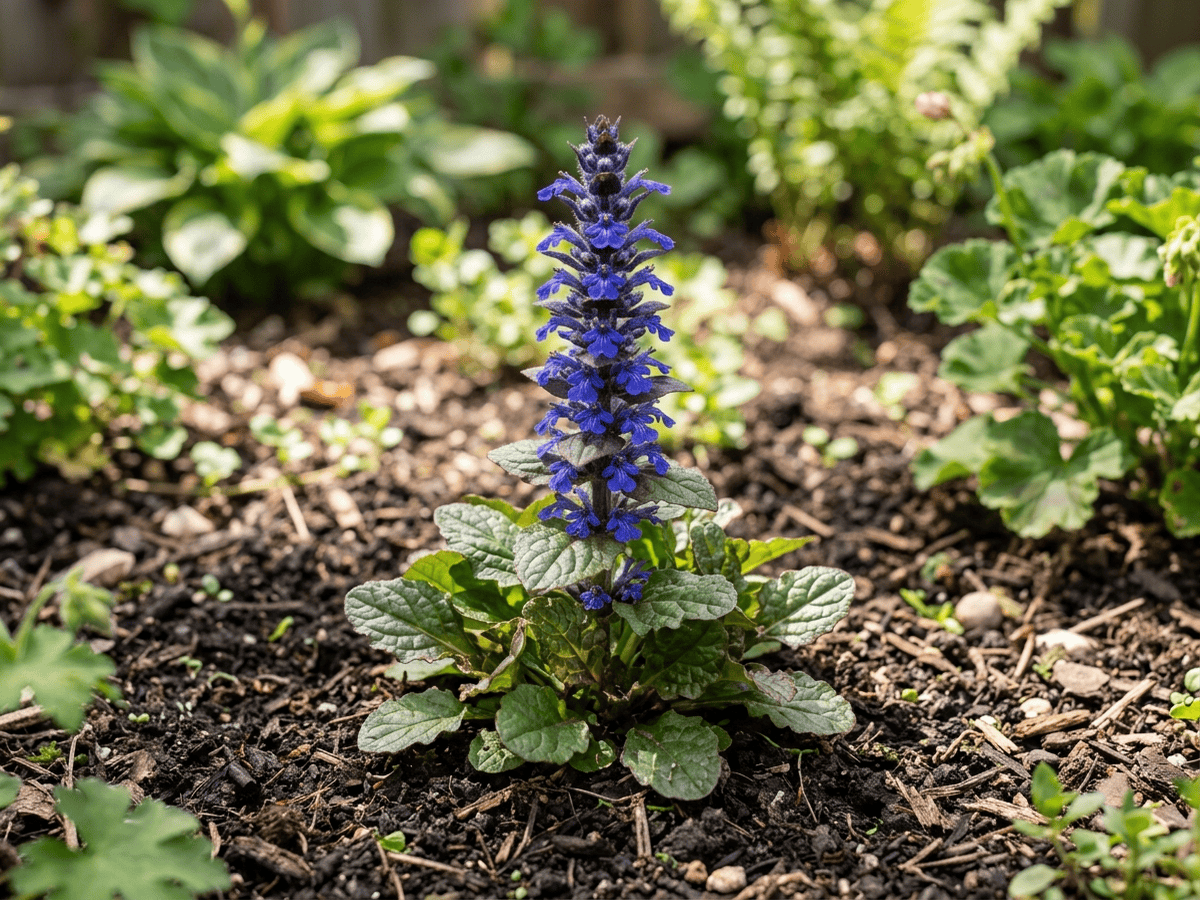 Pyramidal BugleAjuga pyramidalis
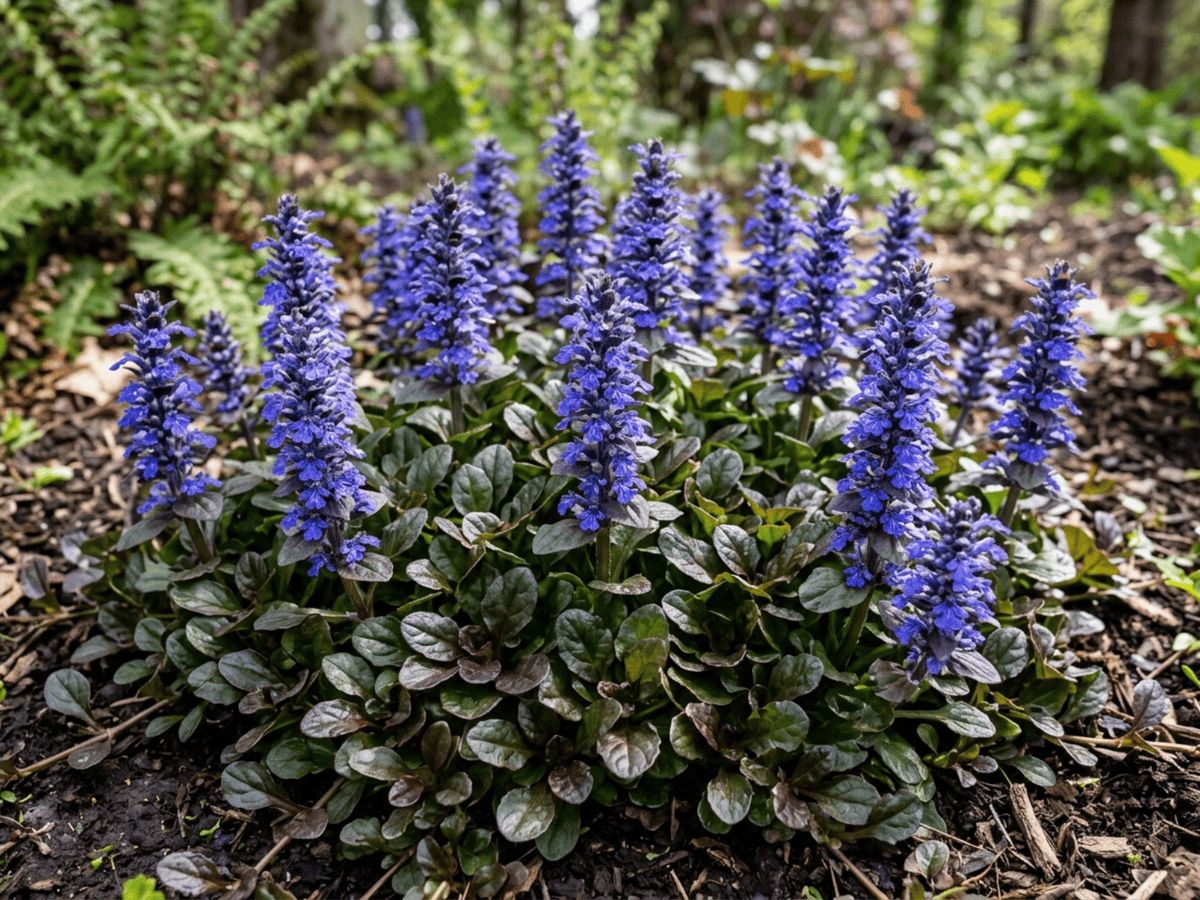 Carpet BugleAjuga reptans
Frequently asked questions
How often should I water Evergold Sedge?
In summer, water about every 14 days; in winter, about every 30 days. Adjust for heat, pot size and drainage.
How much light does Evergold Sedge need?
Part shade: 2–4 hrs direct. Watch the leaves — scorching or stretching means the light needs adjusting.
Is Evergold Sedge toxic to cats or dogs?
Pets Safe (Dogs Safe · Cats Safe) Educational information, not medical or veterinary advice. If exposure is suspected, contact a doctor or veterinarian.
Is Evergold Sedge easy to grow?
Yes — it is considered an easy, beginner-friendly plant.
When does Evergold Sedge bloom?
It typically blooms Mar–May in the Northern Hemisphere.
YardMate
Identify any plant in seconds
Snap a photo — YardMate names the plant, diagnoses problems, and reminds you when to water.
Download on the App Store