 YardMate
Tripora
Caryopteris divaricata
Easy · Beginner friendlyAbout Tripora
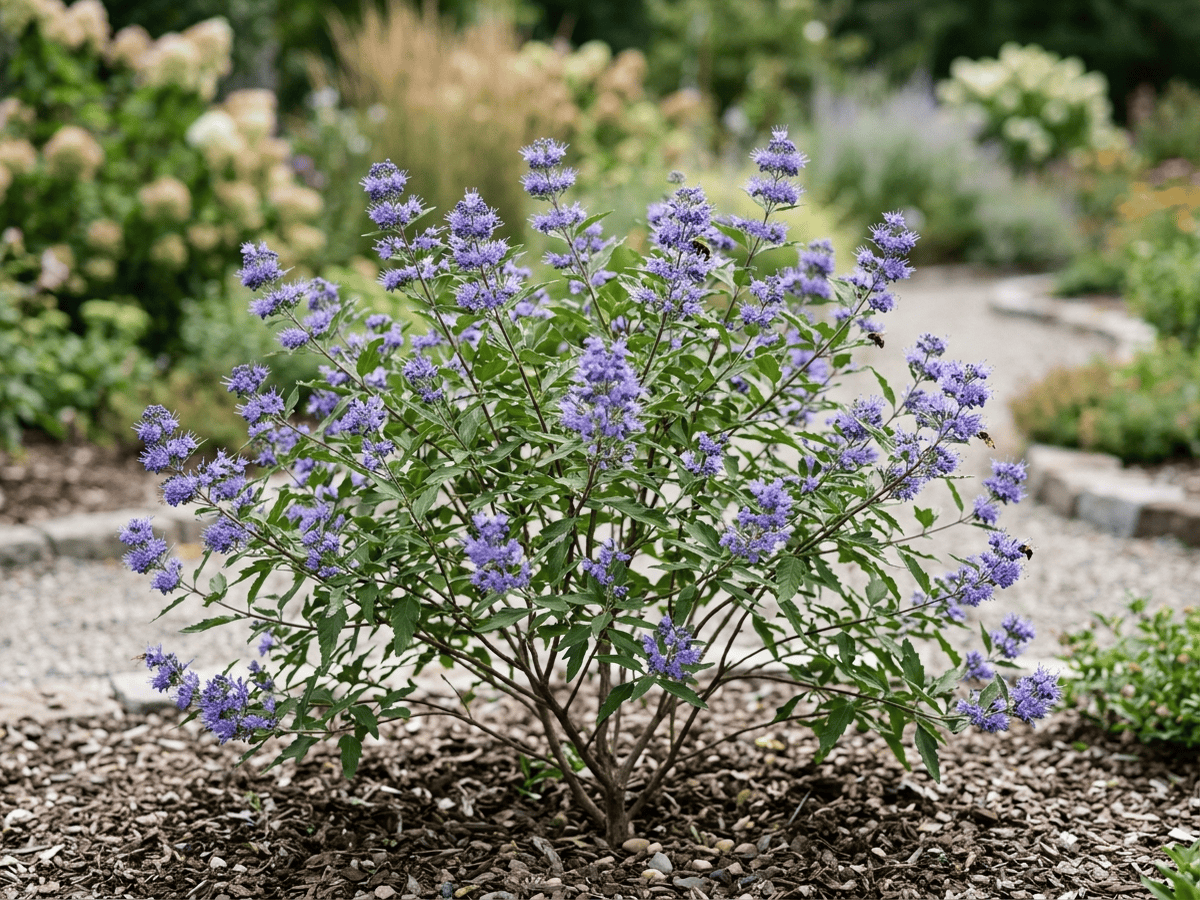
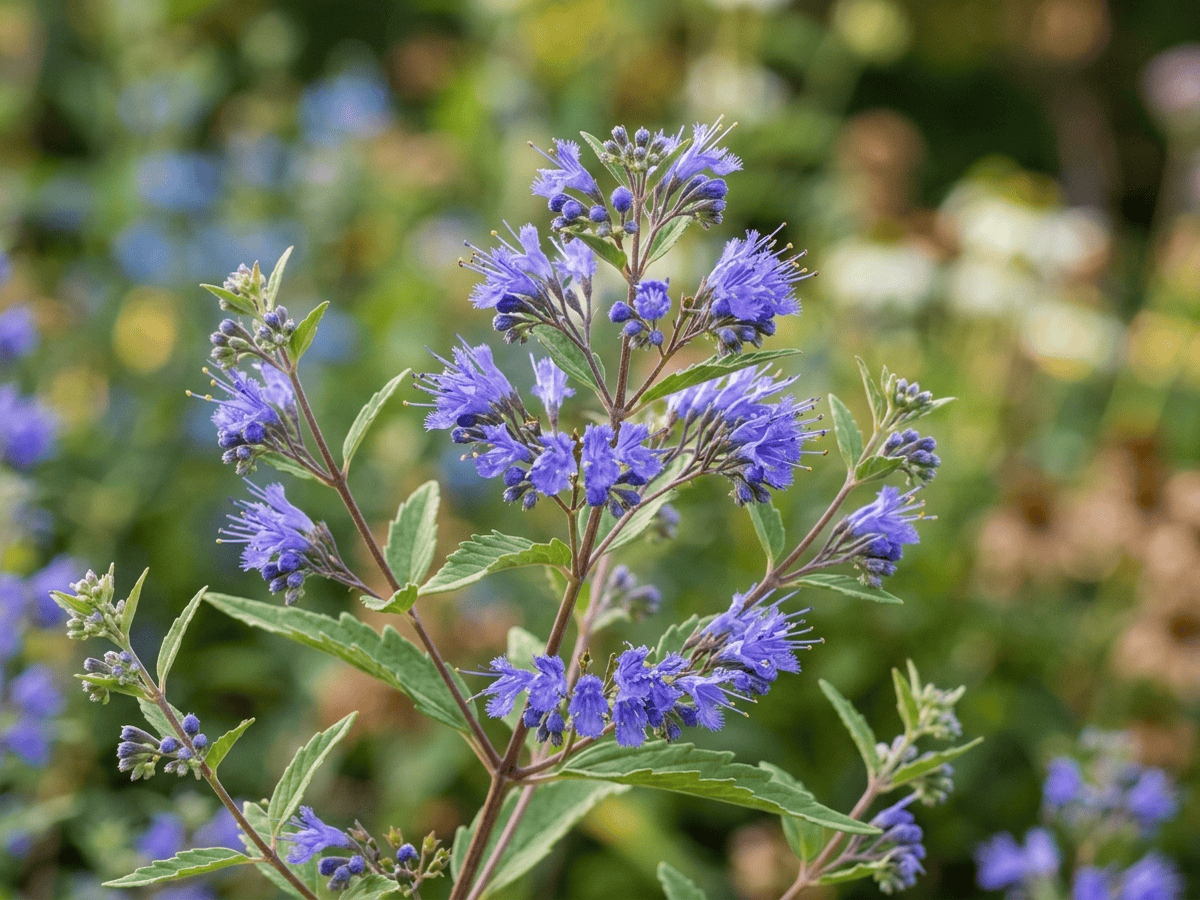
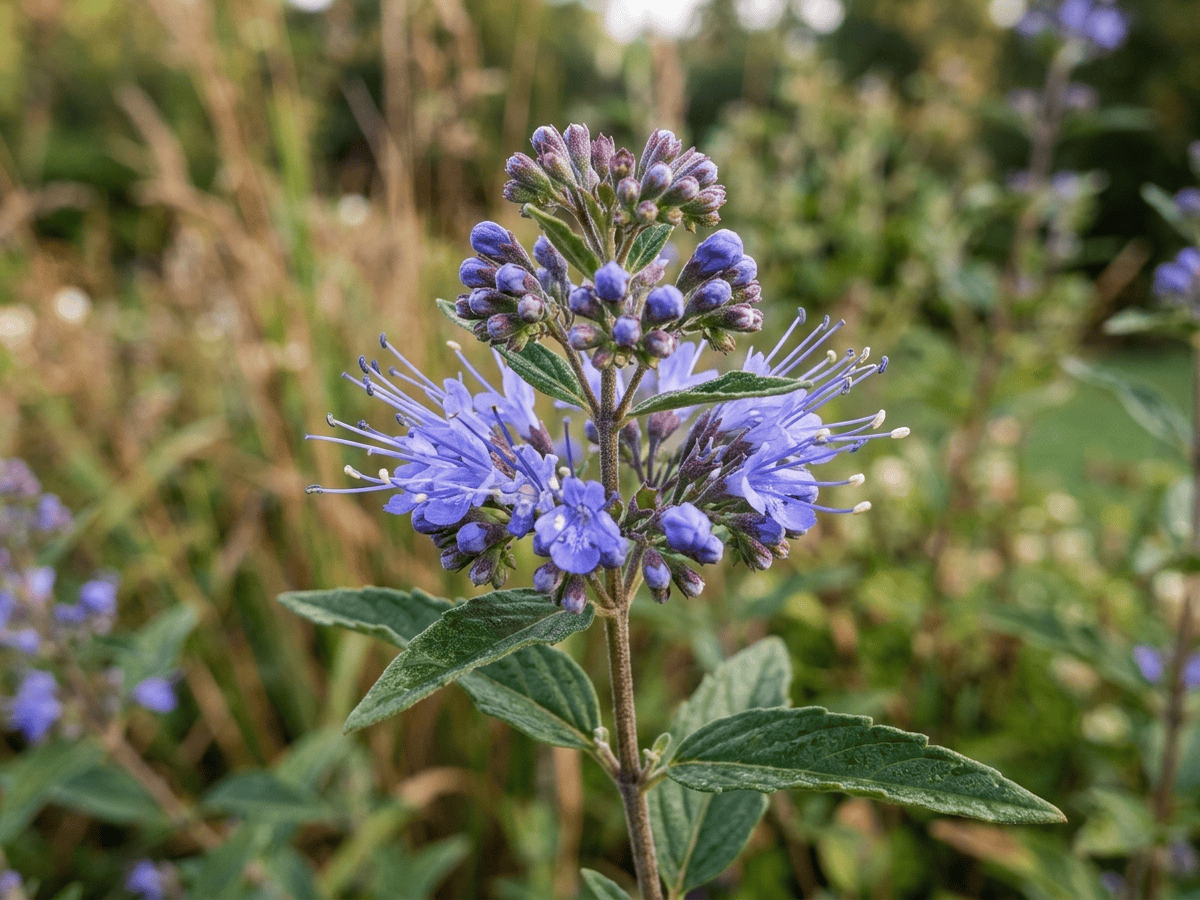
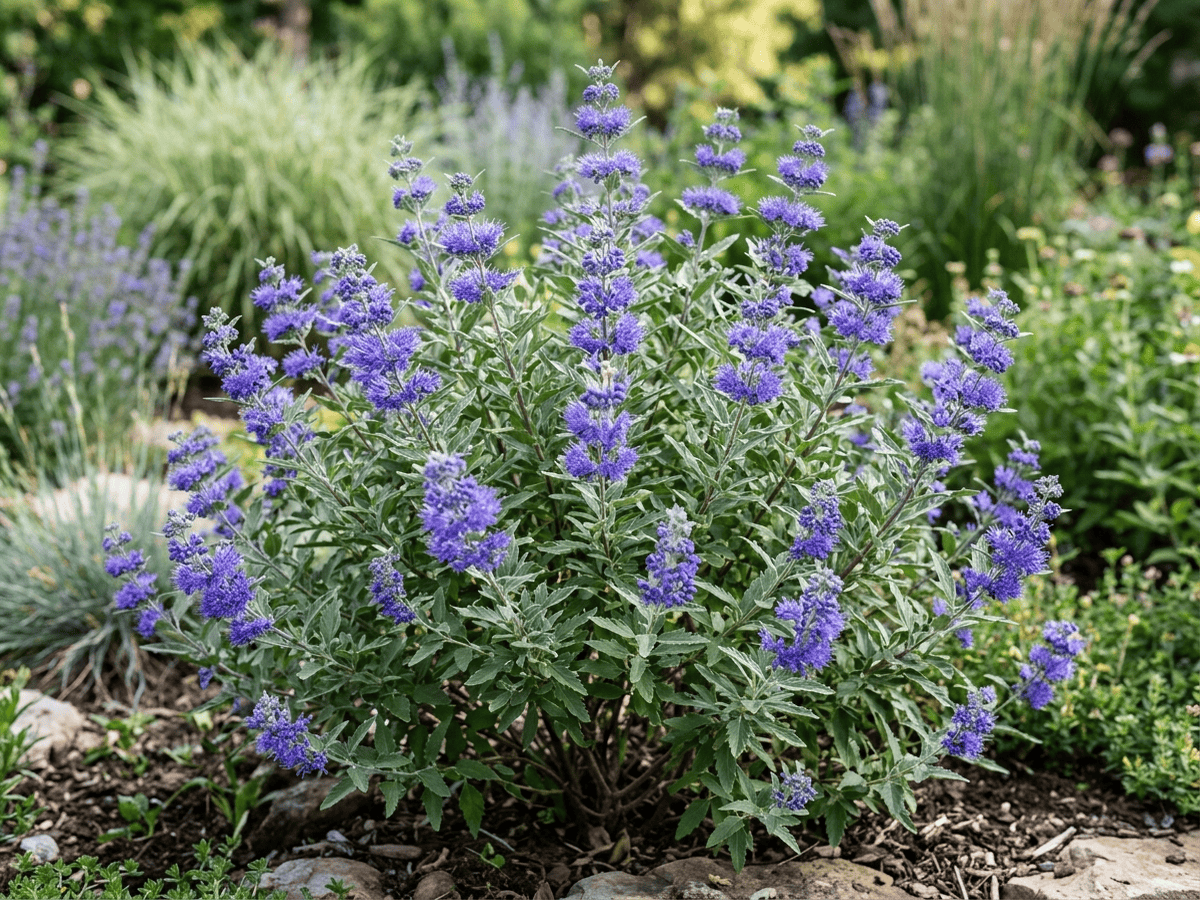
Large Bluebeard is a Chinese and Japanese herbaceous perennial or subshrub growing 3 to 4 feet tall, taller than the more familiar Caryopteris x clandonensis. Producing loose clusters of lavender-blue tubular flowers with projecting stamens from late summer through fall, it is a top late-season pollinator plant for American butterfly and bee gardens. Aromatic foliage releases a mint-sage scent when brushed.
- Fragrant
- Drought-tolerant
- Deer-resistant
- Pollinator-friendly
How to care for Tripora
Watering
- Springevery 5 days
- Summerevery 3 days
- Fallevery 7 days
- Winterevery 14 days
Soil · Well-draining
- Top dressingPine bark mulch10%
- Main mixPotting soil + perlite 2:170%
- DrainageLECA / gravel20%
Never skip the drainage layer — standing water is the top cause of root rot.
FERTILIZER
Balanced Feed 14-14-14
An even feed covers all three needs at once, keeping leaves, roots and blooms moving together with nothing pushed out of balance.
- Nitrogen · Leaves
- Phosphorus · Roots + Blooms
- Potassium · Strength
- Springevery 45 days
- Summerevery 60 days
At a Glance
- NativeEast Asia
- Height3–4 ft (0.9–1.2 m)
- Spread2–3 ft (0.6–0.9 m)
- Flower colorPurple, Blue
- Foliage colorGreen, Variegated
- SoilLoamy, Well-drained
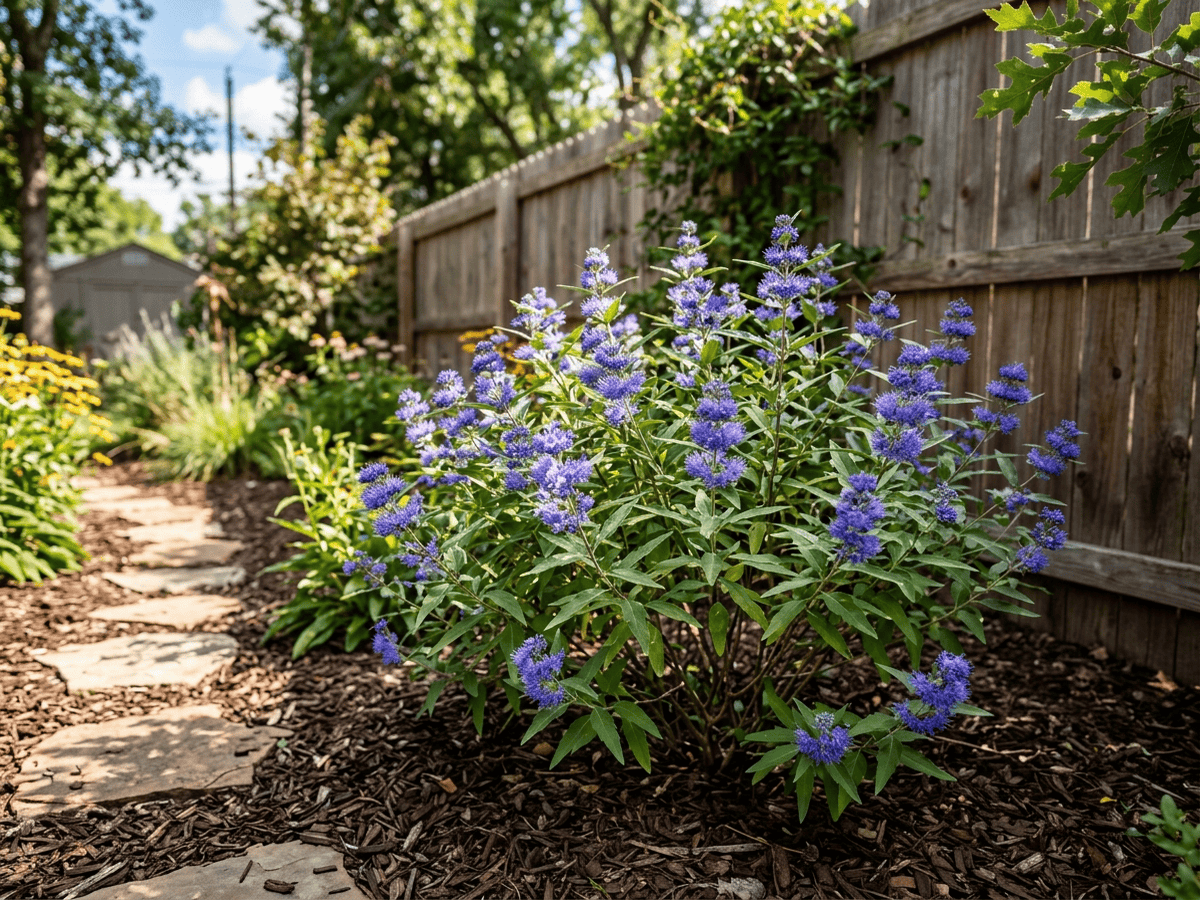
- LocationsYard
Bloom time
BLOOM CYCLE
Peak bloom
Aug–Nov
Lavender-blue clusters late summer to fall
Fragrance
STRONG FRAGRANCE
Foliage strongly pungent when crushed, often described as cat-urine-like.
Toxicity
No toxicity has been reported for this plant. Still, it is wise to keep pets from chewing on any houseplant.
Educational information, not medical or veterinary advice. If exposure is suspected, contact a doctor or veterinarian.
DISTRIBUTION


- Native
- East Asia
History
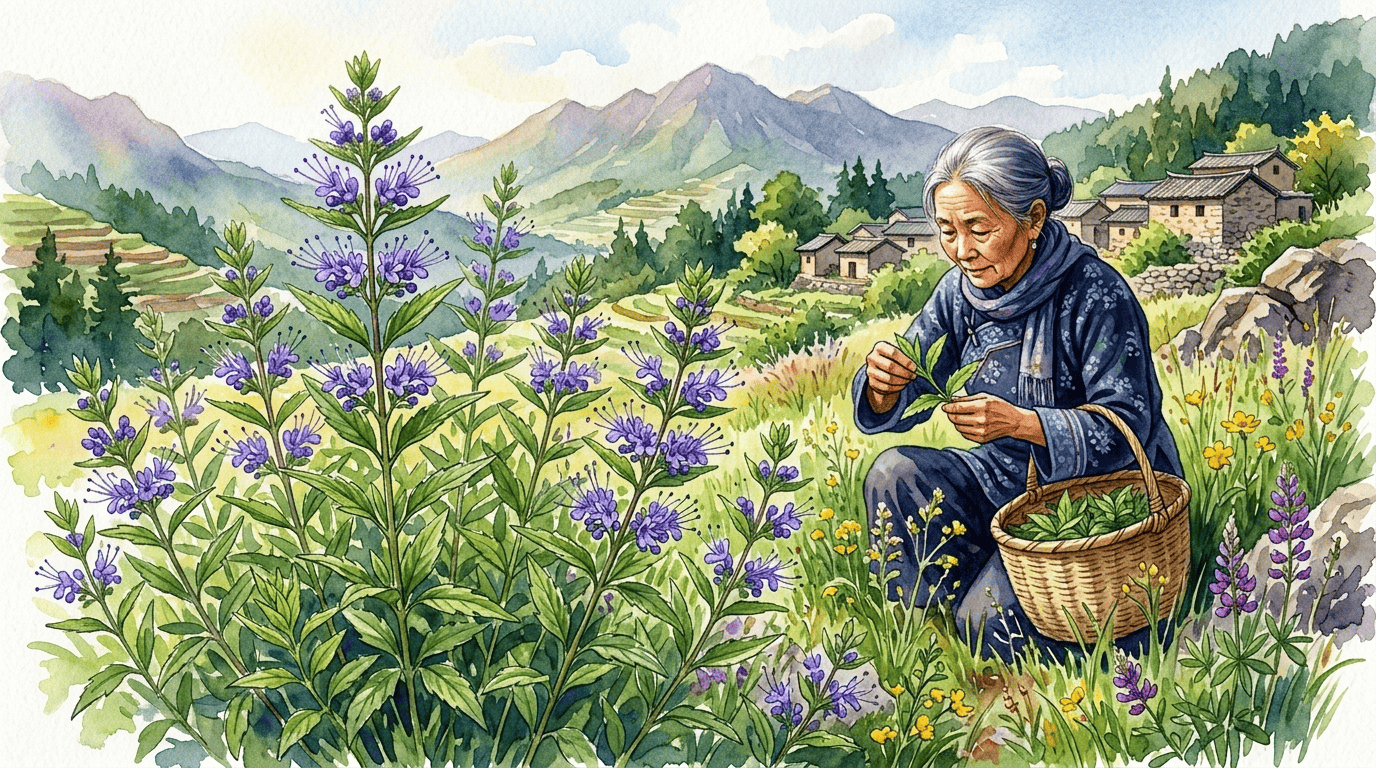
Caryopteris divaricata grows in open mountain meadows and forest edges across central and western China, Korea, and Japan. Carl Maximowicz of the St. Petersburg Botanical Garden described it in 1872. Unlike the later-famous shrubby C. × clandonensis hybrids, this species is a 1-meter-tall herbaceous perennial with strongly aromatic leaves.
Japanese and Korean folk medicine used the roots for inflammation and the foliage as a mild insect repellent, reflecting its strong smell, which Westerners often describe as reminiscent of cat urine. It was not widely cultivated in the West until Piet Oudolf and Dan Hinkley of Heronswood Nursery introduced it in the 1990s as 'Snow Fairy' (variegated foliage) and related selections, valuing its late-summer violet flowers for naturalistic designs.
It has become a signature plant of contemporary perennial gardens. Native to China, Korea, and Japan, introduced to American horticulture in the 20th century. The 'Snow Fairy' variegated cultivar brought renewed attention to this species in American gardens in the 2000s, prized for both its cream-edged leaves and late-summer blue bloom.
Symbolism & meaning
What It Symbolizes
Tripora expresses late-summer grace, blooming precisely when pollinators most need a fresh source of nectar. Its softly minty fragrance carries an aromatic heritage from East Asian gardens where Caryopteris has been valued for generations. To plant it is to extend the season's hospitality — both to bees and to noses — a few crucial weeks longer.
- Late grace — blooms when pollinators need it most
- Aromatic heritage — minty scent from East Asian gardens
Where the Name Comes From
'Caryopteris' from Greek 'karyon-pteron' meaning nut-wing, for winged seed; 'divaricata' from Latin means spreading or divergent, for habit.
Uses & Fun Facts
- Aromatic foliage releases a sage-like scent when brushed
- Late-summer blue flowers favored by bumblebees and butterflies
- Airy violet-blue spires for sunny perennial borders
Related plants
More Caryopteris plants

Plants with similar care
 Chinese AbeliaAbelia chinensis
 Fragrant AbeliaAbelia mosanensis
 Large-Flowered AbeliaAbelia uniflora
 Glossy AbeliaAbelia x grandiflora
Frequently asked questions
How often should I water Tripora?
In summer, water about every 3 days; in winter, about every 14 days. Adjust for heat, pot size and drainage.
How much light does Tripora need?
Full sun: 6+ hrs direct. Watch the leaves — scorching or stretching means the light needs adjusting.
Is Tripora toxic to cats or dogs?
No toxicity has been reported for this plant. Still, it is wise to keep pets from chewing on any houseplant. Educational information, not medical or veterinary advice. If exposure is suspected, contact a doctor or veterinarian.
Is Tripora easy to grow?
Yes — it is considered an easy, beginner-friendly plant.
When does Tripora bloom?
It typically blooms Aug–Nov in the Northern Hemisphere.
YardMate
Identify any plant in seconds
Snap a photo — YardMate names the plant, diagnoses problems, and reminds you when to water.
Download on the App Store