 YardMate


Atlas Cedar
Cedrus atlantica
Easy · Beginner friendlyAbout Atlas Cedar
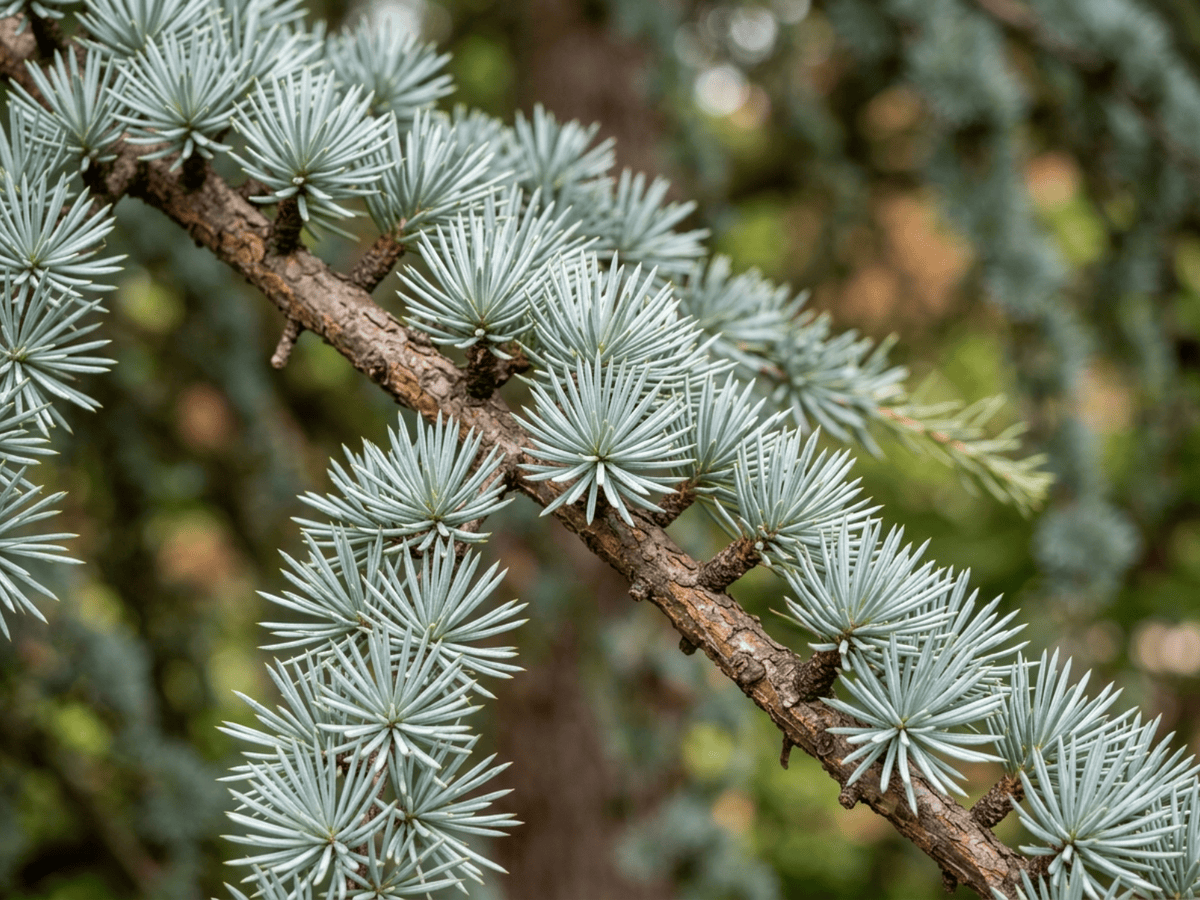
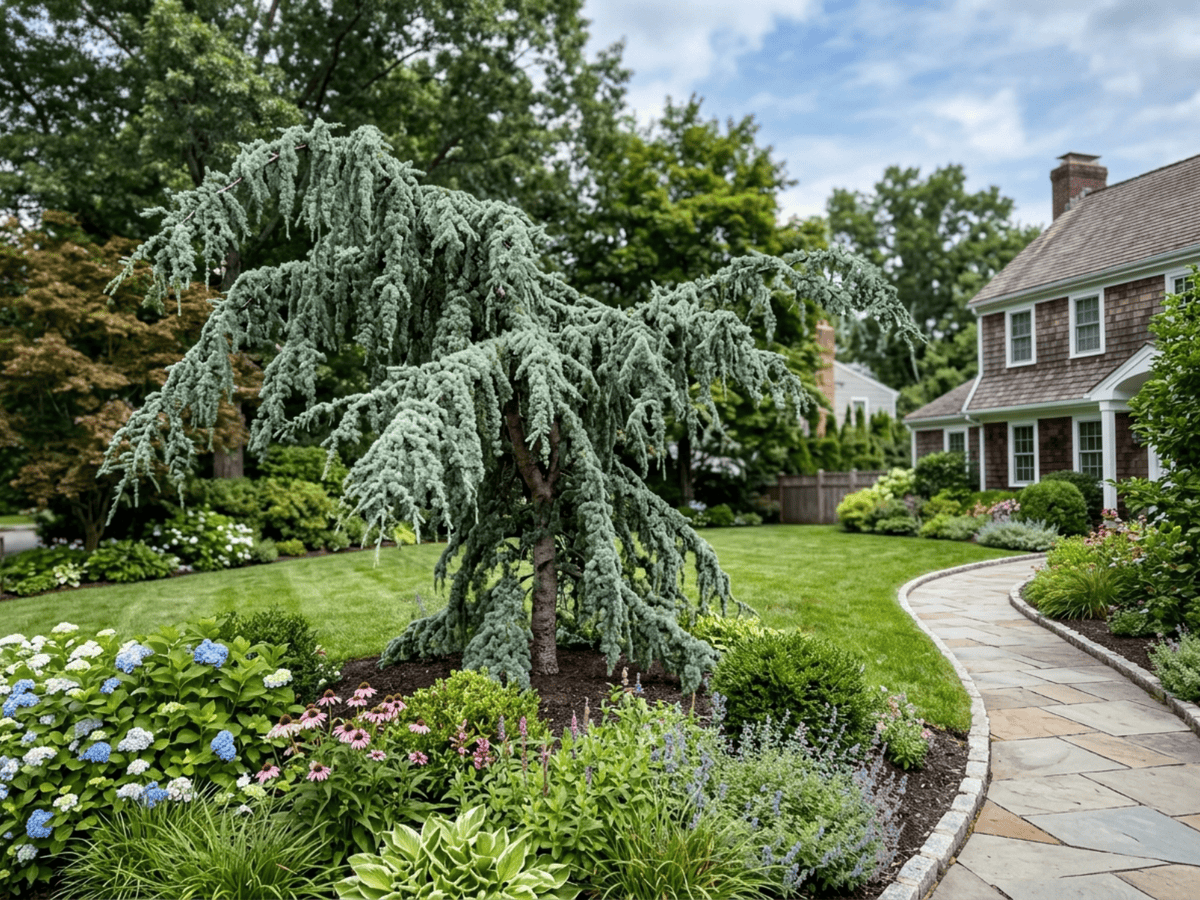
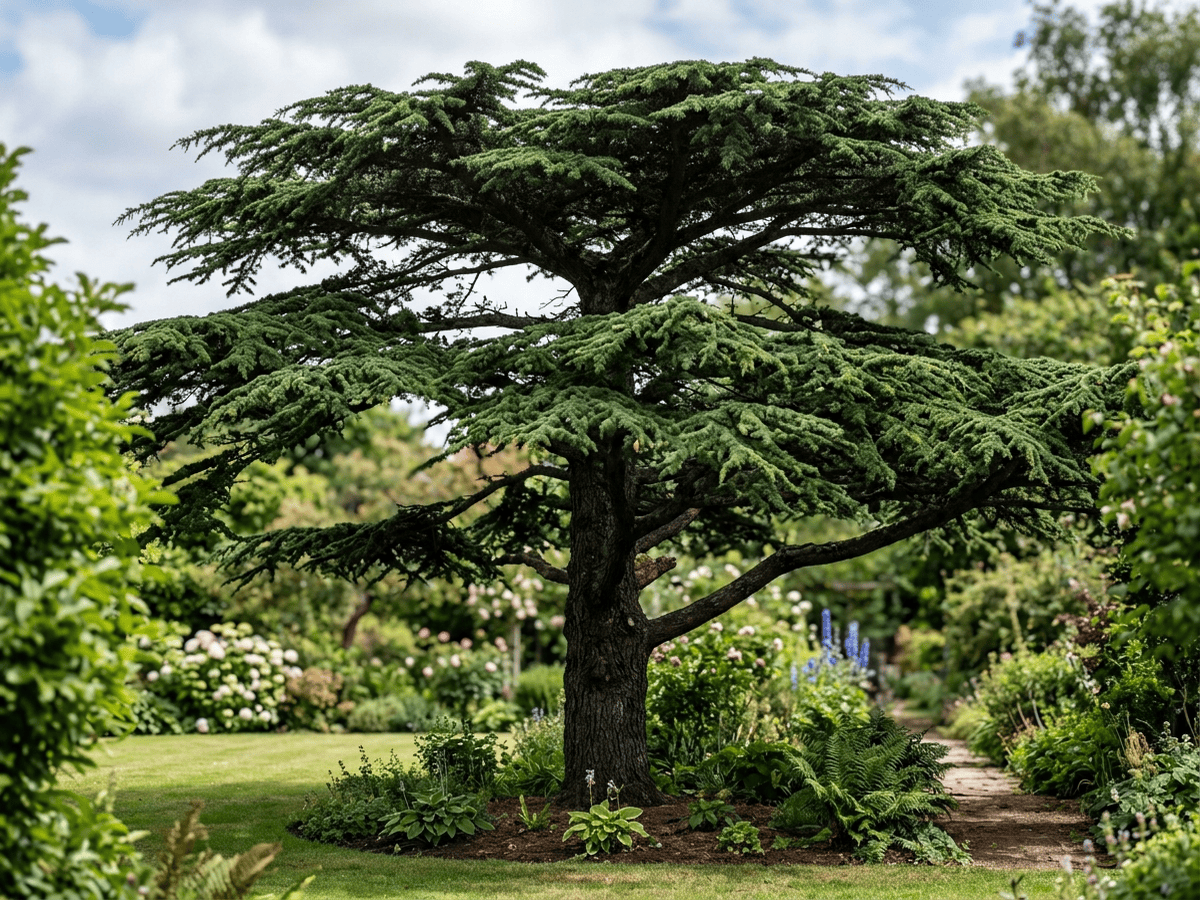
Atlas Cedar is a majestic coniferous tree native to the Atlas Mountains of Morocco and Algeria, reaching 60-100 feet in cultivation, with graceful horizontal branching and bundles of short needles in various shades from green to silvery-blue. The blue form 'Glauca' is especially prized. Its stately pyramidal youth evolves into a flat-topped signature silhouette in old age. Drought-tolerant once established, a premier specimen for large American landscapes.
- Drought-tolerant
- Evergreen
How to care for Atlas Cedar
Watering
- Springevery 14 days
- Summerevery 10 days
- Fallevery 21 days
- Winterevery 30 days
Soil · Well-draining
- Top dressingPine bark mulch10%
- Main mixPotting soil + perlite 2:170%
- DrainageLECA / gravel20%
Never skip the drainage layer — standing water is the top cause of root rot.
FERTILIZER
Balanced Feed 14-14-14
An even feed covers all three needs at once, keeping leaves, roots and blooms moving together with nothing pushed out of balance.
- Nitrogen · Leaves
- Phosphorus · Roots + Blooms
- Potassium · Strength
- Springevery 60 days
At a Glance
- NativeAfrica
- Height40–60 ft (12.2–18.3 m)
- Spread30–40 ft (9.1–12.2 m)
- Foliage colorBlue-green, Silver, Green
- Fruit colorBrown
- SoilLoamy, Well-drained
- LocationsYard
Fragrance
STRONG FRAGRANCE
Classic cedarwood aroma—warm, balsamic, long-lasting.
Toxicity
No toxicity has been reported for this plant. Still, it is wise to keep pets from chewing on any houseplant.
Educational information, not medical or veterinary advice. If exposure is suspected, contact a doctor or veterinarian.
DISTRIBUTION


- Native
- Introduced
- Africa
History
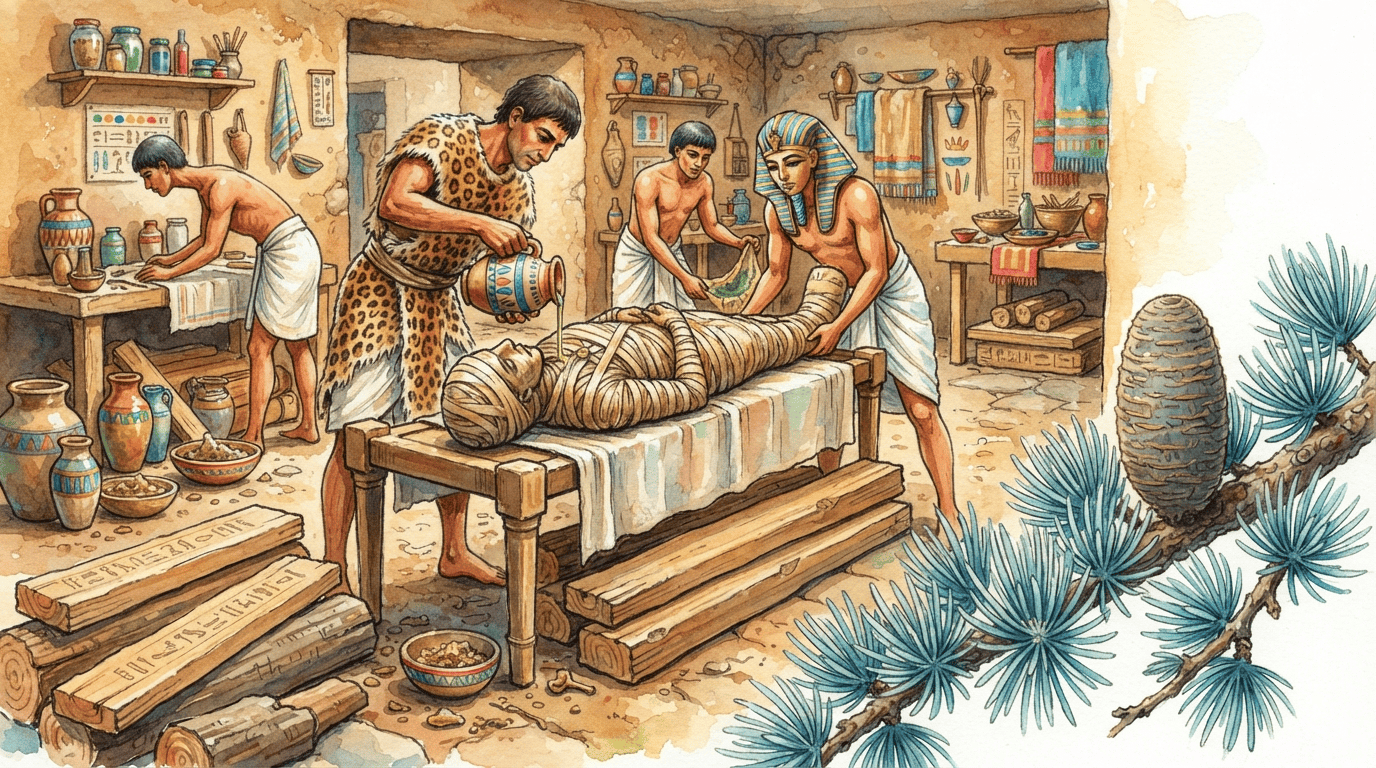
Cedrus atlantica occurs naturally in the Atlas, Rif, and Tell mountain ranges of Morocco and Algeria, typically between 1300 and 2600 meters elevation where it forms extensive pure stands. Italian botanist Giuseppe Manetti formally published the species name Cedrus atlantica in 1844, although the tree had long been known from antiquity; many modern taxonomists consider it a subspecies of C. libani (ssp. atlantica). Atlas cedar wood, like other true cedars, is richly aromatic and durable, and was prized across the ancient Mediterranean for temple construction, shipbuilding, and embalming—records show its use in Egyptian mummification and in Phoenician naval timber.
In Morocco the Atlas cedar forests of the Middle and High Atlas are essential habitat for the endangered Barbary macaque. In cultivation the glaucous blue-needled form 'Glauca' (described in 1890) has become one of the most popular large specimen conifers in North American and European gardens, and the weeping 'Glauca Pendula' is a garden classic. Wild populations are threatened by climate change and overgrazing.
Native Atlas cedar forests cover the Middle Atlas Mountains and have been logged since Roman times for durable rot-resistant timber. Introduced to Western horticulture in 1841. Increasingly threatened in its native range by drought and climate change. The aromatic wood and essential oil have a long history in North African traditional medicine.
Symbolism & meaning
What It Symbolizes
Atlas Cedar wears majesty with quiet confidence, its broad flat-topped silhouette dominating skylines from North African mountains to grand European parks. Beyond visual command, it carries deep endurance — long-lived survivors of the Atlas range, where they have weathered centuries of drought and storm. A tree for those who measure beauty in decades, not seasons.
- Majesty — stately flat-topped silhouette
- Endurance — long-lived Atlas mountain survivor
Where the Name Comes From
'Cedrus' is Latin for cedar; 'atlantica' refers to the Atlas Mountains.
Uses & Fun Facts
- Wide pyramidal canopy casts cool shade in large lawns
- Majestic blue-needled conifer as estate focal tree
- Aromatic durable cedar timber prized in joinery and building
- Resinous wood and foliage release classic cedar aroma
Related plants
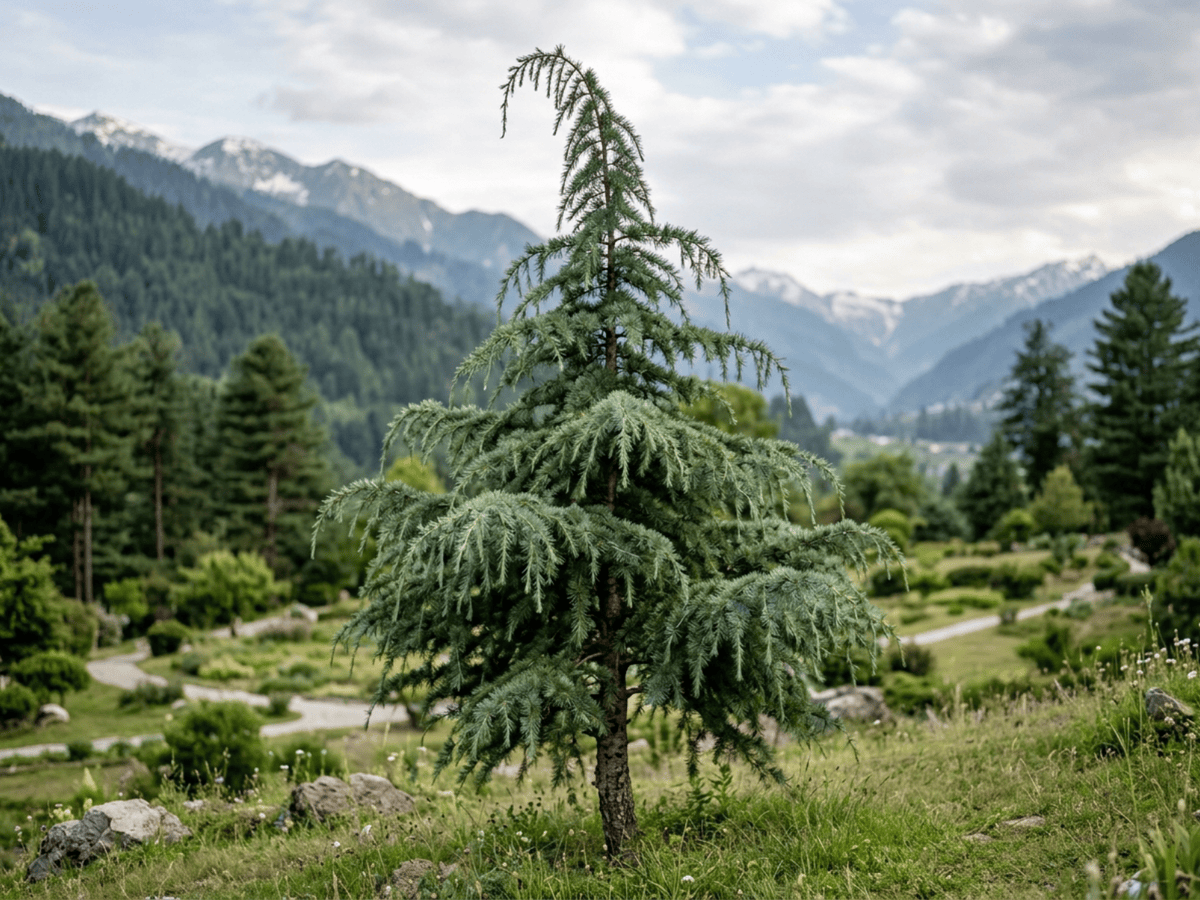
More Cedrus plants
Plants with similar care
 Chinese AbeliaAbelia chinensis
 Fragrant AbeliaAbelia mosanensis
 Large-Flowered AbeliaAbelia uniflora
 Glossy AbeliaAbelia x grandiflora
Frequently asked questions
How often should I water Atlas Cedar?
In summer, water about every 10 days; in winter, about every 30 days. Adjust for heat, pot size and drainage.
How much light does Atlas Cedar need?
Full sun: 6+ hrs direct. Watch the leaves — scorching or stretching means the light needs adjusting.
Is Atlas Cedar toxic to cats or dogs?
No toxicity has been reported for this plant. Still, it is wise to keep pets from chewing on any houseplant. Educational information, not medical or veterinary advice. If exposure is suspected, contact a doctor or veterinarian.
Is Atlas Cedar easy to grow?
Yes — it is considered an easy, beginner-friendly plant.
YardMate
Identify any plant in seconds
Snap a photo — YardMate names the plant, diagnoses problems, and reminds you when to water.
Download on the App Store