 YardMate

Deodar Cedar
Cedrus deodara
Medium · Some experienceAbout Deodar Cedar
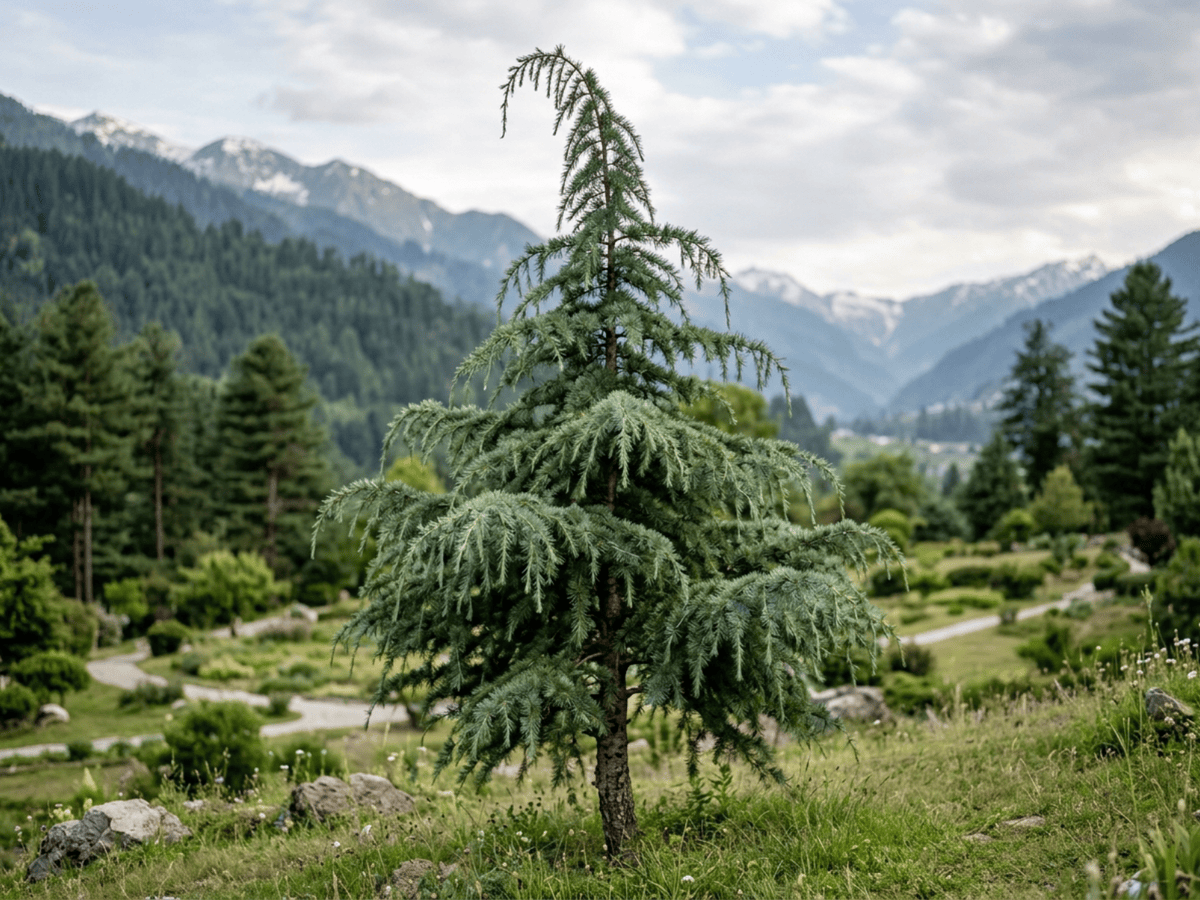
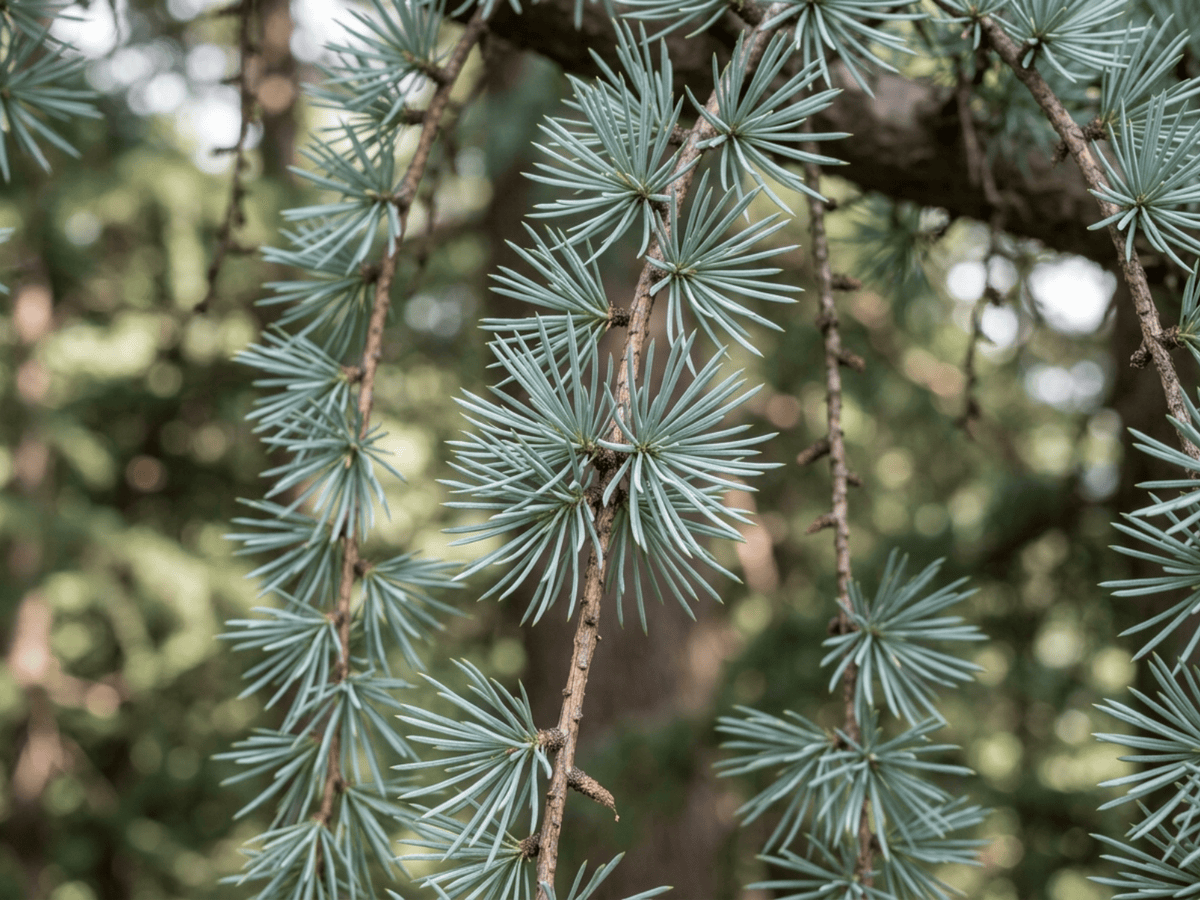
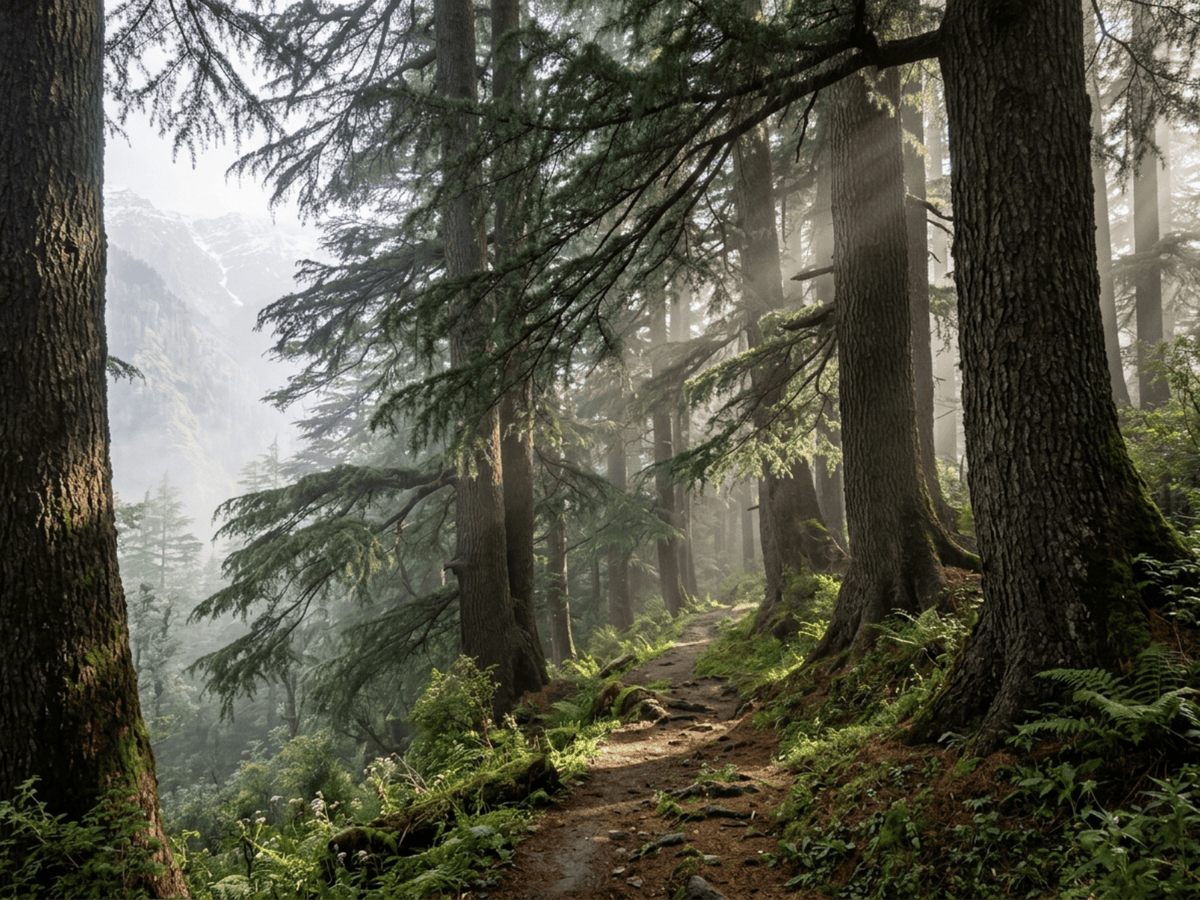
Cedrus deodara, the deodar cedar or Himalayan cedar, is a majestic evergreen conifer native to the western Himalayas, where it grows at elevations of 1,500 to 3,200 meters. It is one of the most graceful large conifers, reaching 40 to 50 meters in the wild and 15 to 25 meters in cultivation, with a broad pyramidal form and distinctively drooping branch tips that give it a soft, weeping silhouette. The blue-green to silver-green needles grow in rosettes along the branches, and barrel-shaped cones sit upright on the upper limbs. The aromatic wood is highly durable and naturally insect-repellent, prized in India for temple construction and sacred carvings. In Sanskrit, 'devadaru' means 'timber of the gods,' reflecting its spiritual significance in Hindu and Buddhist traditions. Deodar cedar thrives in deep, well-drained soil with full sun and moderate moisture. It is widely planted as a specimen tree in parks and large gardens throughout temperate regions. The essential oil is used in traditional Ayurvedic medicine and modern aromatherapy.
- Fragrant
- Evergreen
How to care for Deodar Cedar
Watering
- Springevery 7 days
- Summerevery 5 days
- Fallevery 14 days
- Winterevery 30 days
Soil · Well-draining
- Top dressingPine bark mulch10%
- Main mixPotting soil + perlite 2:170%
- DrainageLECA / gravel20%
Never skip the drainage layer — standing water is the top cause of root rot.
FERTILIZER
Balanced Feed 14-14-14
An even feed covers all three needs at once, keeping leaves, roots and blooms moving together with nothing pushed out of balance.
- Nitrogen · Leaves
- Phosphorus · Roots + Blooms
- Potassium · Strength
- Springevery 60 days
At a Glance
- NativeSouth Asia
- Height40–70 ft (12.2–21.3 m)
- Spread20–40 ft (6.1–12.2 m)
- Flower colorYellow
- Foliage colorGreen, Blue-green, Yellow
- SoilWell-drained, Loamy
- LocationsYard
Bloom time
BLOOM CYCLE
Barrel-shaped upright cones on mature trees; grown for its graceful weeping form rather than flowers
Fragrance
MODERATE FRAGRANCE
Distinctive warm, camphorous cedar scent from foliage and wood.
Toxicity
No toxicity has been reported for this plant. Still, it is wise to keep pets from chewing on any houseplant.
Educational information, not medical or veterinary advice. If exposure is suspected, contact a doctor or veterinarian.
DISTRIBUTION


- Native
- Introduced
- South Asia
History

Cedrus deodara is native to the western Himalaya, from eastern Afghanistan and Pakistan (where it forms major forests in the Hindu Kush and Karakoram foothills) through the Indian states of Jammu & Kashmir, Himachal Pradesh, and Uttarakhand, to Nepal and western Tibet, at elevations typically 1,500-3,200 meters. The name derives from the Sanskrit "devadāru" (देवदारु) — "wood of the gods" or "divine tree" — reflecting the species' central role in ancient Indian Hindu and Buddhist temple construction. The aromatic, rot-resistant, insect-resistant heartwood has been used for more than 3,000 years for Hindu temples (including at Varanasi), Buddhist monasteries in Ladakh and Bhutan, and traditional Kashmiri houseboats on Dal Lake. Deodar is the national tree of Pakistan, where it appears on the Gilgit-Baltistan regional seal.
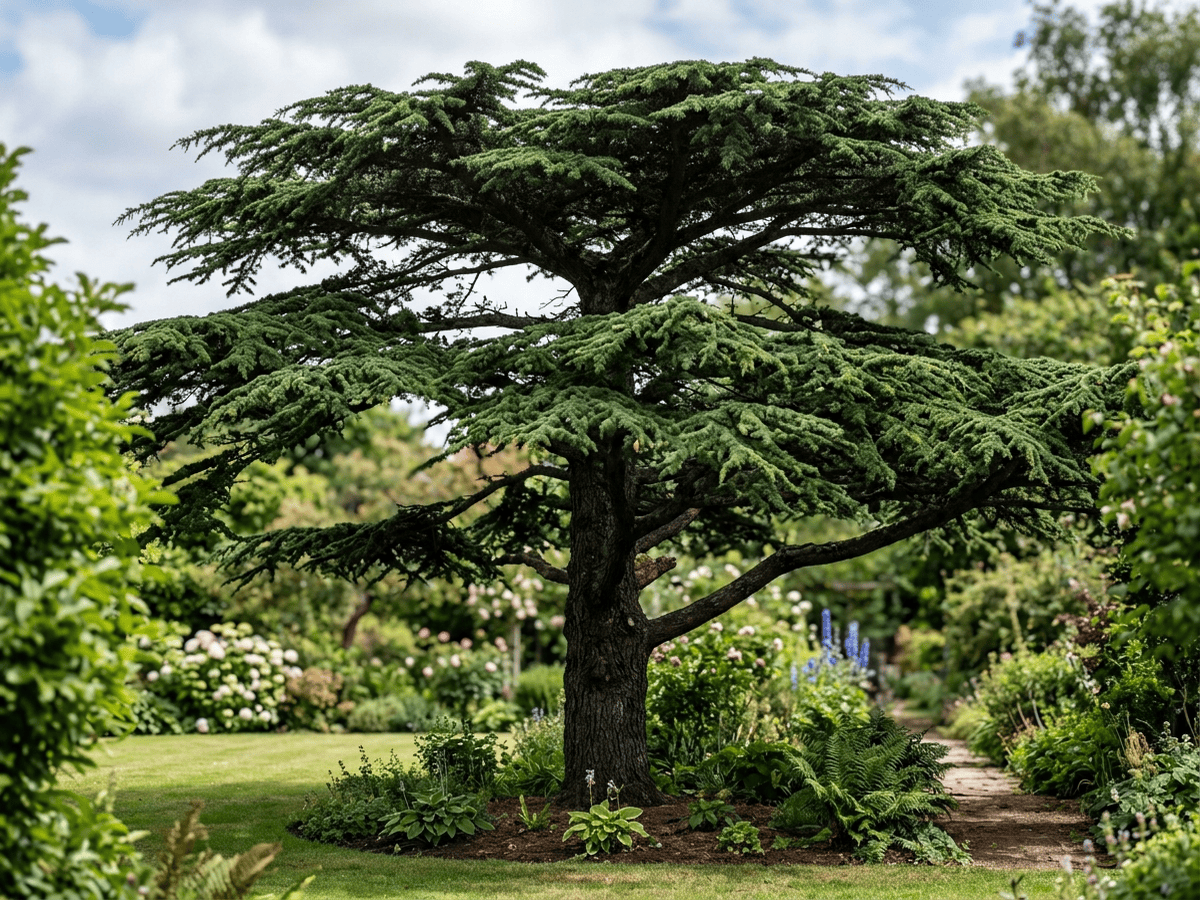
British colonial administrators and foresters widely planted deodar as an ornamental across the Raj hill stations (Shimla, Darjeeling, Nainital), and it was introduced to European gardens in the 1830s where its graceful weeping habit, blue-green needles, and large pendulous cones made it a favored specimen tree of Victorian estates. Extensively planted today in the US Pacific and Gulf South. The name deodar comes from Sanskrit 'devadaru' meaning 'timber of the gods,' and the tree has been sacred in Hindu tradition for millennia.
Ancient Himalayan temples and palaces were built from its aromatic, rot-resistant heartwood. The British planted extensive deodar forests during the Raj era, and the tree became the national tree of Pakistan.
Symbolism & meaning
What It Symbolizes
The Deodar Cedar embodies grandeur in every direction — its towering Himalayan form and sweeping branches carry a sense of divine magnificence. Sacred in Hindu and Buddhist traditions as the tree of the gods, its very name derives from devadāru, meaning timber of the divine. To stand beneath one is to feel the spirituality of mountain forests where saints once meditated and still seem near.
- Grandeur — The towering Himalayan form embodies majesty and divine magnificence
- Spirituality — Sacred in Hindu and Buddhist traditions as the tree of the gods
Where the Name Comes From
Cedrus comes from Greek 'kedros,' an ancient name for resinous conifers. Deodara derives from Sanskrit 'devadaru' — 'deva' (god) and 'daru' (wood), meaning 'timber of the gods.'
Uses & Fun Facts
- Aromatic wood and foliage release sweet cedar scent
- Weeping pyramidal form makes majestic lawn focal point
- Sacred tree in Himalayan Hindu tradition and temples
- Durable rot-resistant timber used for construction and crafts
Related plants
More Cedrus plants

Plants with similar care
 Mexican AbeliaAbelia floribunda
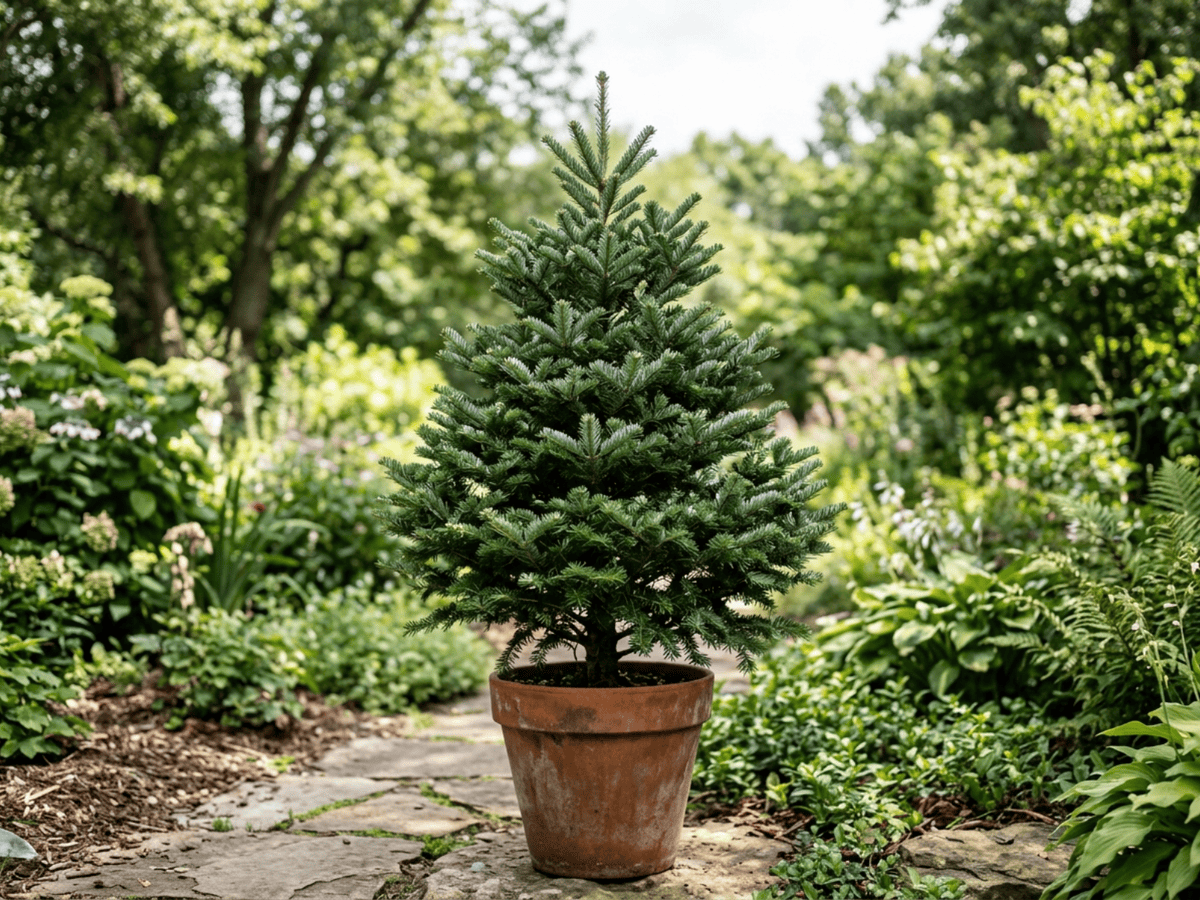 Fraser FirAbies fraseri
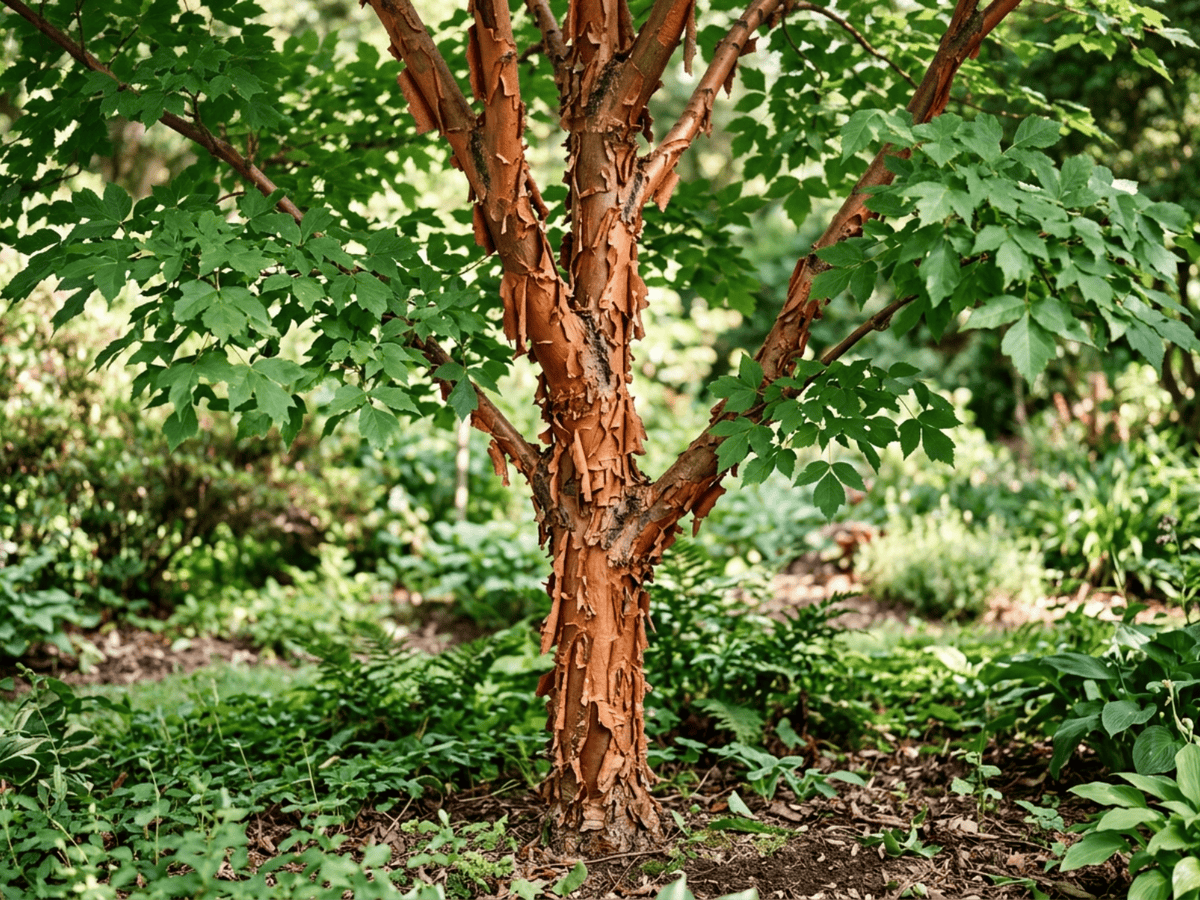 Paperbark MapleAcer griseum
 Sugar MapleAcer saccharum
Frequently asked questions
How often should I water Deodar Cedar?
In summer, water about every 5 days; in winter, about every 30 days. Adjust for heat, pot size and drainage.
How much light does Deodar Cedar need?
Full sun: 6+ hrs direct. Watch the leaves — scorching or stretching means the light needs adjusting.
Is Deodar Cedar toxic to cats or dogs?
No toxicity has been reported for this plant. Still, it is wise to keep pets from chewing on any houseplant. Educational information, not medical or veterinary advice. If exposure is suspected, contact a doctor or veterinarian.
Is Deodar Cedar easy to grow?
It is moderately demanding: a good choice once you have a little experience.
YardMate
Identify any plant in seconds
Snap a photo — YardMate names the plant, diagnoses problems, and reminds you when to water.
Download on the App Store