 YardMate

Lebanon Cedar
Cedrus libani
Medium · Some experienceAbout Lebanon Cedar
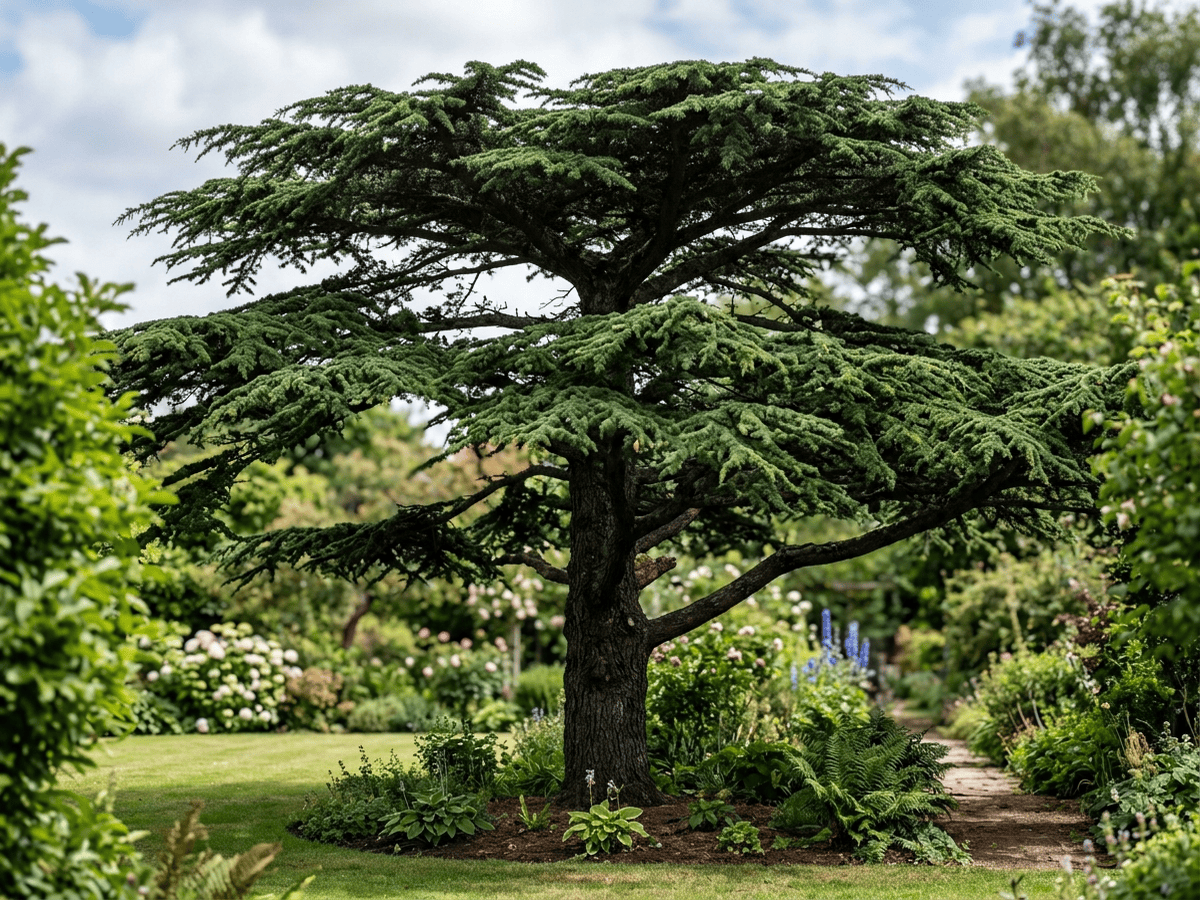
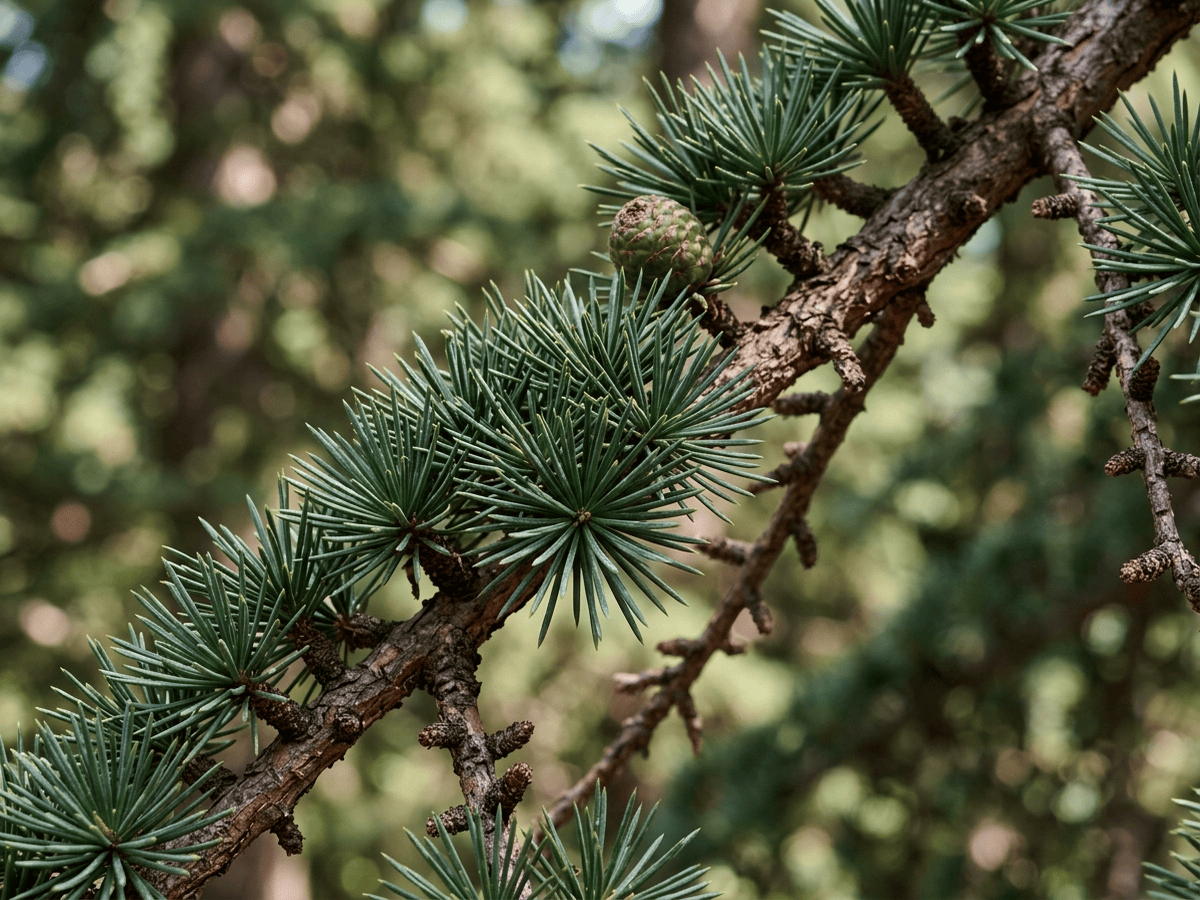
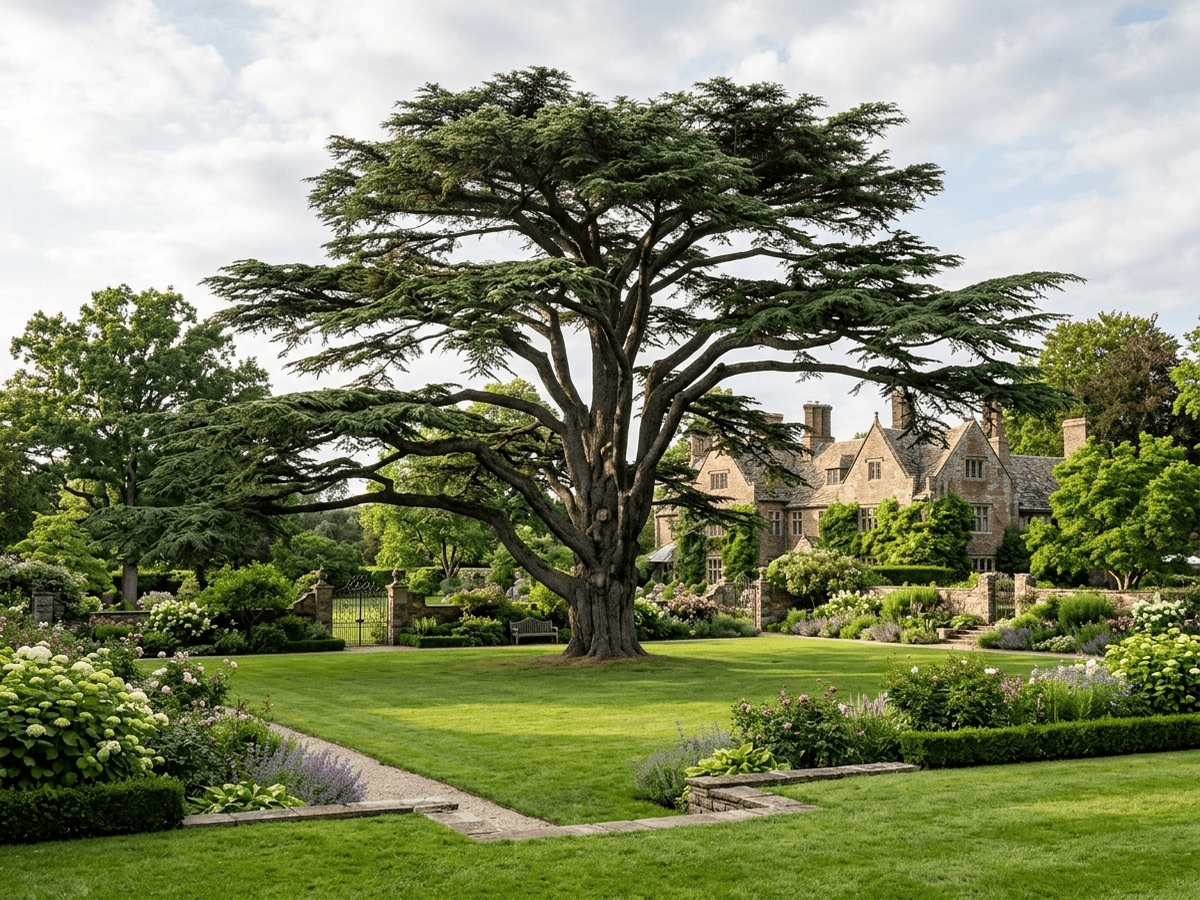
Cedar of Lebanon is a historically revered conifer native to the mountains of Lebanon, Syria, and Turkey, reaching 60-100 feet, with distinctive tabletop-like flattened crowns and massive horizontal branches in maturity. Short dark green needles and upright barrel-shaped cones complete its iconic silhouette. Slow-growing but extraordinarily long-lived, specimens over 1,000 years old persist in ancient Lebanese groves. A living symbol of durability and sacredness.
- Evergreen
How to care for Lebanon Cedar
Watering
- Springevery 14 days
- Summerevery 10 days
- Fallevery 21 days
- Winterevery 30 days
Soil · Well-draining
- Top dressingPine bark mulch10%
- Main mixPotting soil + perlite 2:170%
- DrainageLECA / gravel20%
Never skip the drainage layer — standing water is the top cause of root rot.
FERTILIZER
Balanced Feed 14-14-14
An even feed covers all three needs at once, keeping leaves, roots and blooms moving together with nothing pushed out of balance.
- Nitrogen · Leaves
- Phosphorus · Roots + Blooms
- Potassium · Strength
- Springevery 60 days
At a Glance
- NativeWestern Asia
- Height40–80 ft (12.2–24.4 m)
- Spread30–60 ft (9.1–18.3 m)
- Foliage colorGreen, Blue-green
- Fruit colorBrown
- SoilLoamy, Well-drained
- LocationsYard
Fragrance
STRONG FRAGRANCE
Classic cedarwood aroma—warm, balsamic, resinous.
Toxicity
No toxicity has been reported for this plant. Still, it is wise to keep pets from chewing on any houseplant.
Educational information, not medical or veterinary advice. If exposure is suspected, contact a doctor or veterinarian.
DISTRIBUTION


- Native
- Introduced
- Western Asia
History

Cedrus libani grows naturally on mountain slopes in Lebanon, western Syria, and the Taurus Mountains of southern Turkey, typically between 1300 and 3000 meters. French botanist Achille Richard formally described it in 1823. The species has been venerated for at least 5000 years: the Epic of Gilgamesh (c. 2100 BCE) describes the Sumerian king felling the Cedar Forest guarded by Humbaba; Egyptian pharaohs imported Lebanon cedar for sarcophagi, temple doors, and funerary boats (Khufu's solar barque, c. 2500 BCE, is largely cedar); Phoenician shipbuilders used it for their seafaring fleets; and the Hebrew Bible mentions it more than 70 times, most famously in the construction of Solomon's Temple (1 Kings 5-6).
Once forming vast forests, the species has been reduced by millennia of logging to about twelve small groves in Lebanon and larger remnants in Turkey. The surviving Forest of the Cedars of God near Bsharri in Lebanon is a UNESCO World Heritage site.
The cedar features on the flag and coat of arms of Lebanon. Introduced to British gardens in 1638.
Symbolism & meaning
What It Symbolizes
The Cedar of Lebanon is eternity itself, the biblical tree of Solomon's Temple and a symbol of durability and holiness across three millennia of Mediterranean scripture. Today its silhouette stands at the center of Lebanon's flag — national pride rooted in mountain forests that have witnessed Phoenician traders, Roman emperors, and modern republics. It is one of the few trees a culture has chosen to mean: we endure.
- Eternity — biblical symbol of durability and holiness
- National pride — emblem of Lebanon
Where the Name Comes From
'Libani' means 'of Lebanon'—the species has symbolized the country since antiquity.
Uses & Fun Facts
- Tabletop-crowned conifer as commanding focal point in large landscapes
- Historically revered tree of Lebanon featured in ancient texts
- Massive horizontal branches cast deep shade in mature gardens
Related plants
More Cedrus plants

Plants with similar care
 Mexican AbeliaAbelia floribunda
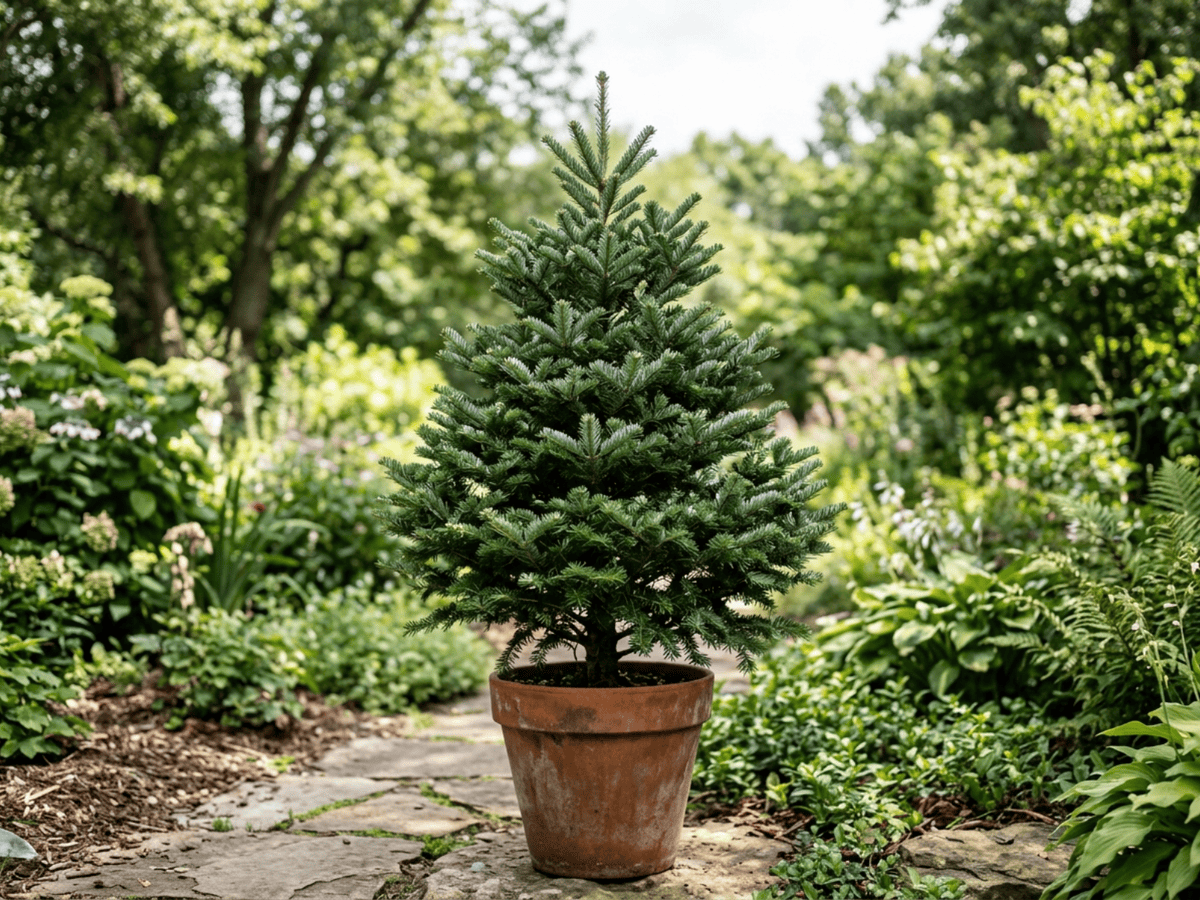 Fraser FirAbies fraseri
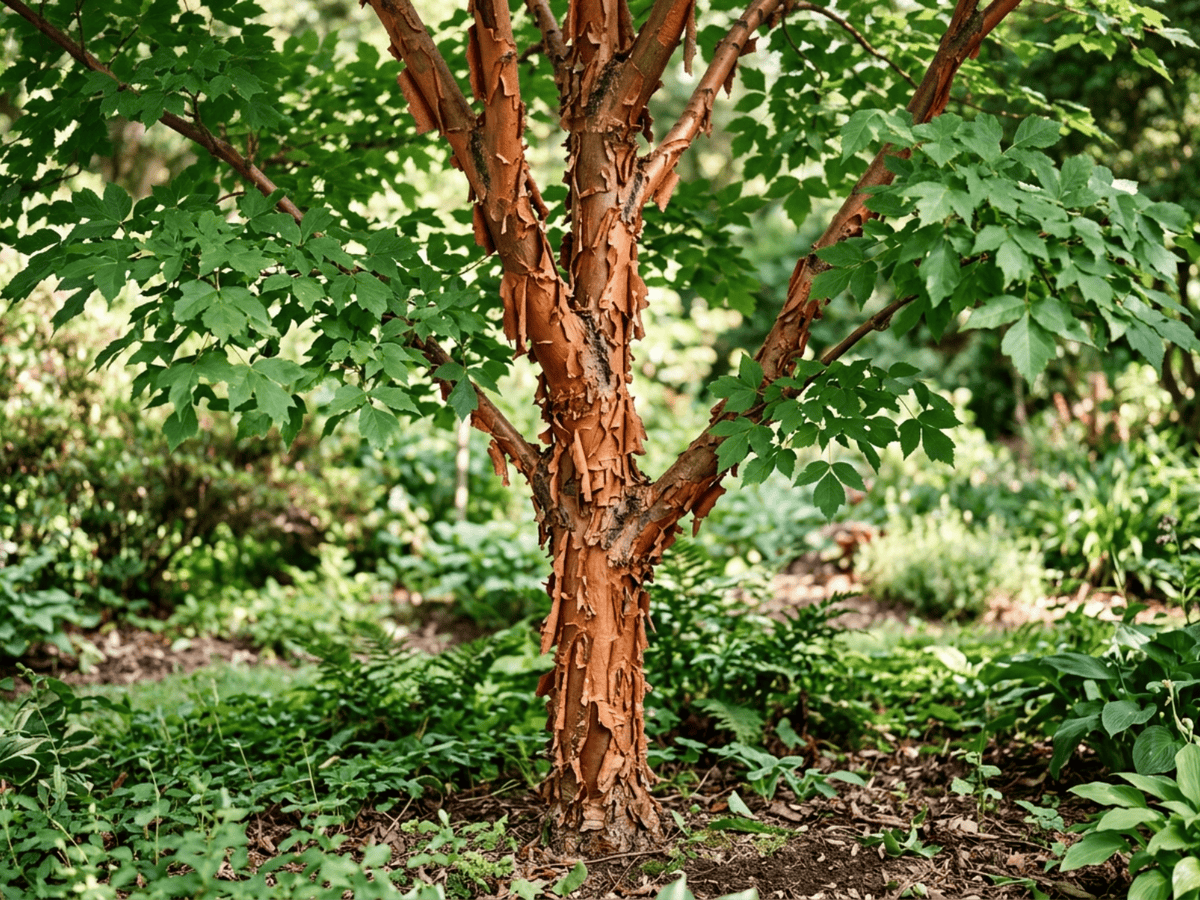 Paperbark MapleAcer griseum
 Sugar MapleAcer saccharum
Frequently asked questions
How often should I water Lebanon Cedar?
In summer, water about every 10 days; in winter, about every 30 days. Adjust for heat, pot size and drainage.
How much light does Lebanon Cedar need?
Full sun: 6+ hrs direct. Watch the leaves — scorching or stretching means the light needs adjusting.
Is Lebanon Cedar toxic to cats or dogs?
No toxicity has been reported for this plant. Still, it is wise to keep pets from chewing on any houseplant. Educational information, not medical or veterinary advice. If exposure is suspected, contact a doctor or veterinarian.
Is Lebanon Cedar easy to grow?
It is moderately demanding: a good choice once you have a little experience.
YardMate
Identify any plant in seconds
Snap a photo — YardMate names the plant, diagnoses problems, and reminds you when to water.
Download on the App Store