 YardMate

Crested Cockscomb
Celosia cristata
Easy · Beginner friendlyAbout Crested Cockscomb
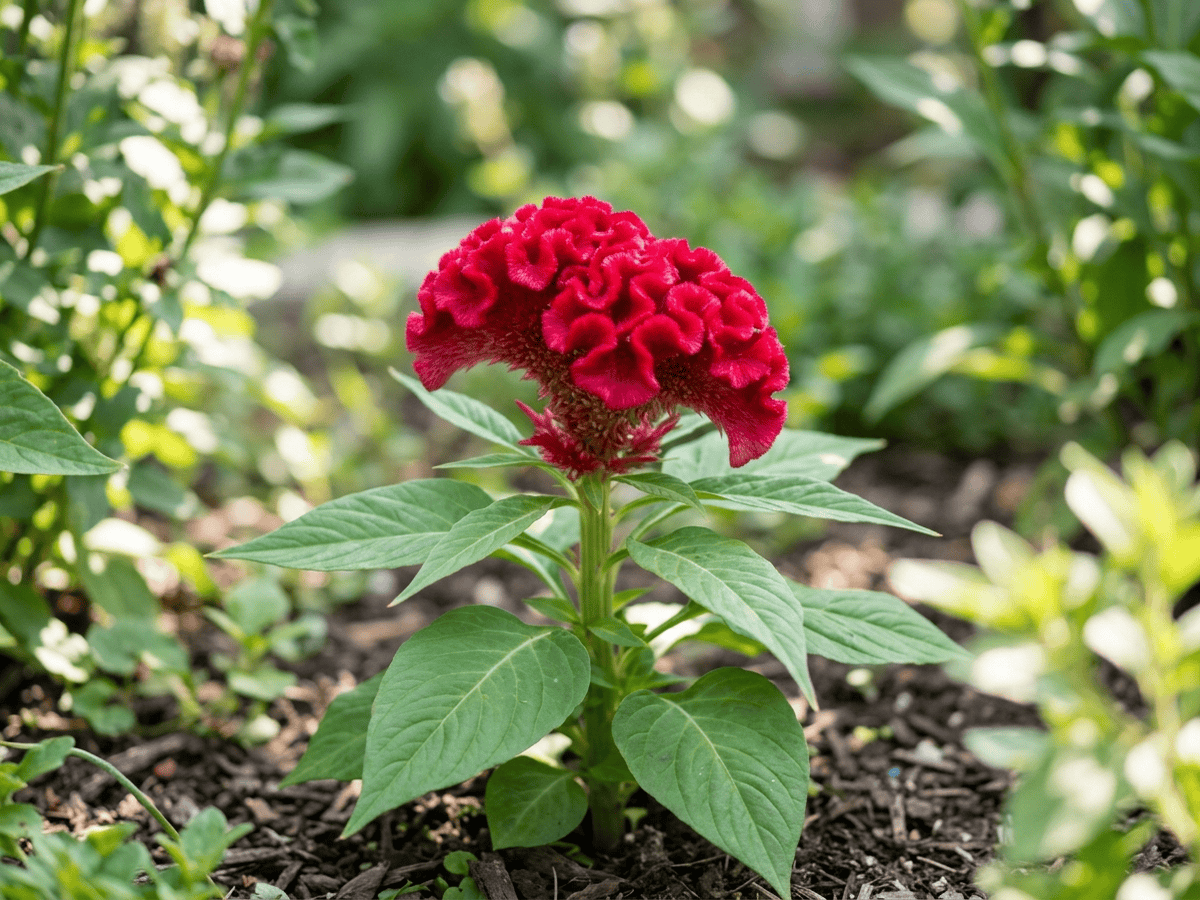
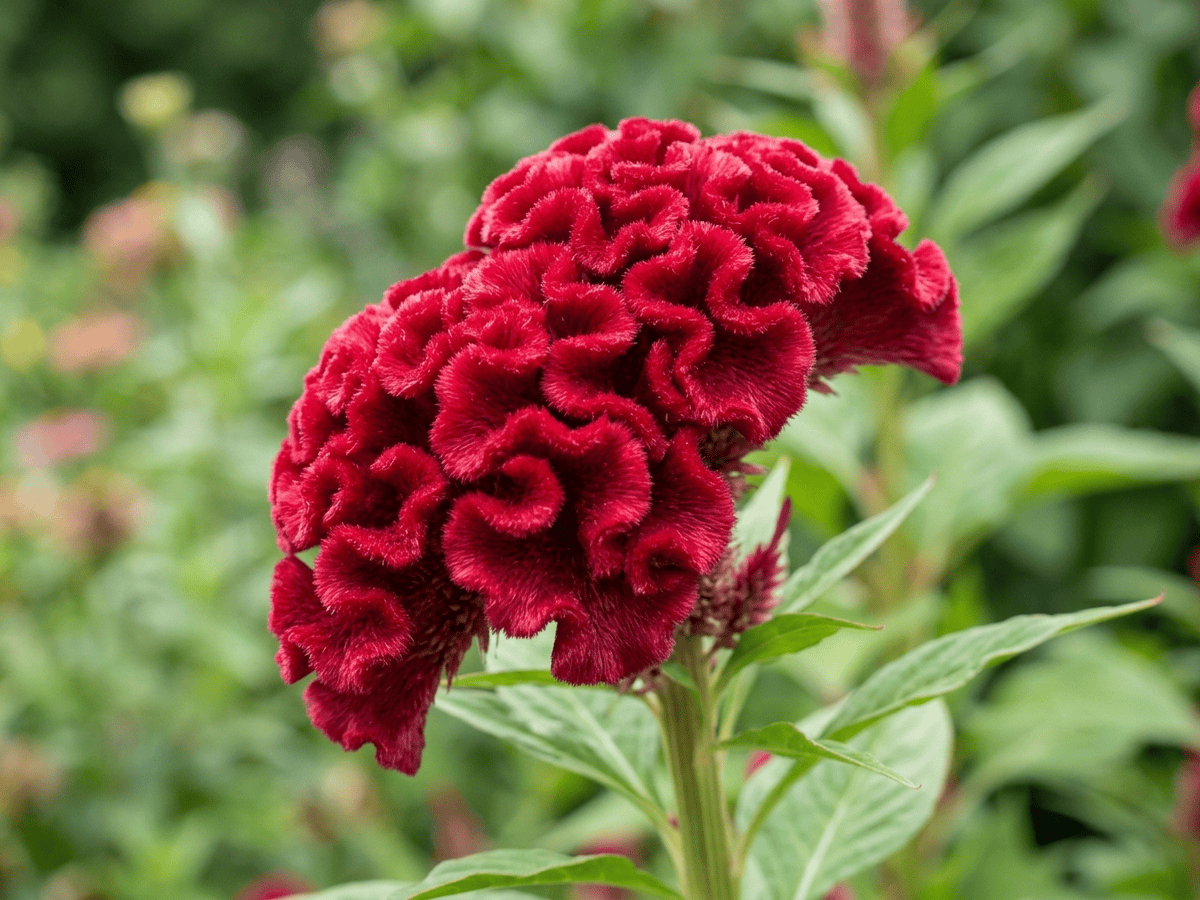
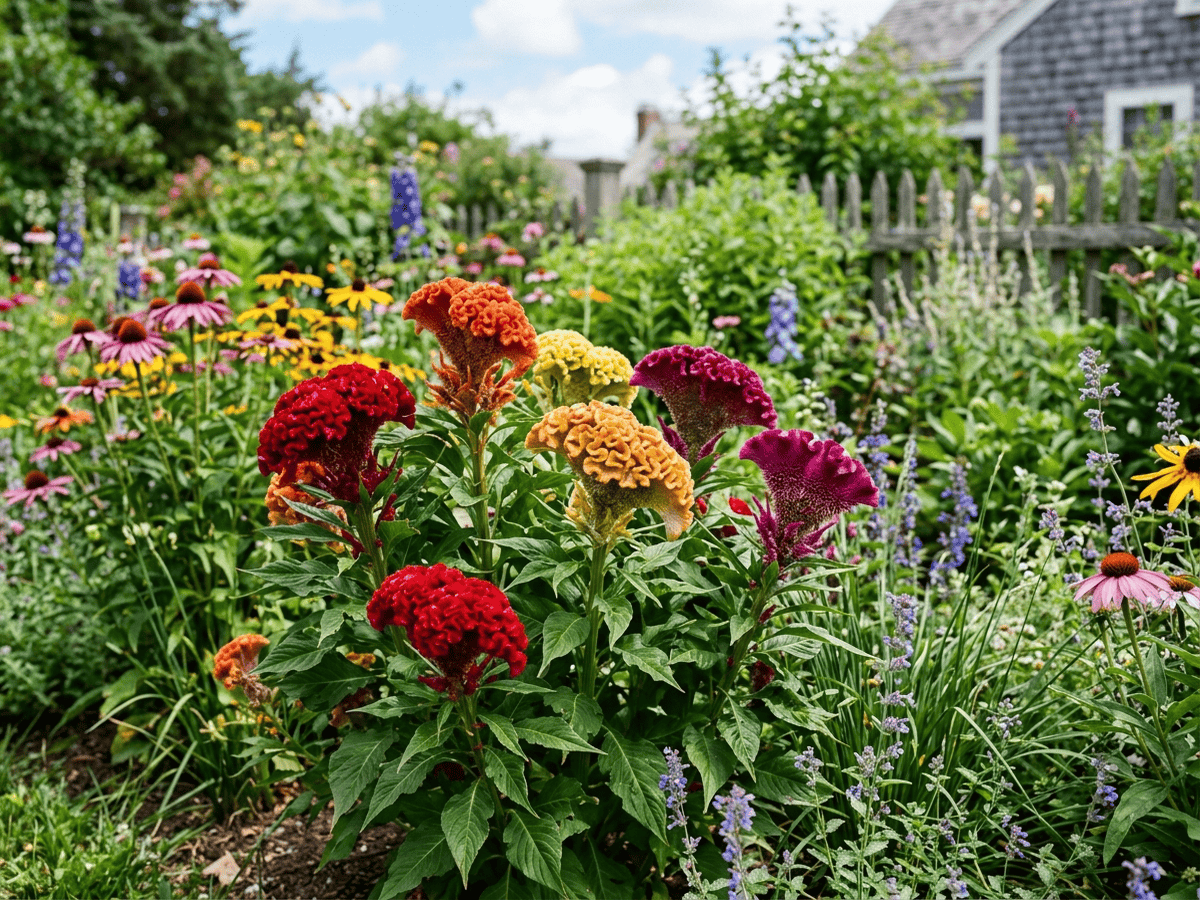
Cockscomb is the crested form of Celosia argentea, producing the distinctive convoluted brain-like or rooster-comb flower heads in vibrant red, orange, yellow, and pink. Growing 6 inches to 3 feet depending on cultivar, the fasciated flower heads are velvety to the touch and hold color for months. A classic cottage garden and state fair flower, recognized across American gardens for its unmistakable bizarre beauty.
- Cut-flower
- Drought-tolerant
- Heat-tolerant
How to care for Crested Cockscomb
Watering
- Springevery 5 days
- Summerevery 3 days
- Fallevery 7 days
- Winterpause watering
Soil · Rich & well-draining
- Top dressingCompost10%
- Main mixPotting soil + compost 3:180%
- DrainageGravel10%
Top up the compost layer each season.
FERTILIZER
Balanced Feed 14-14-14
An even feed covers all three needs at once, keeping leaves, roots and blooms moving together with nothing pushed out of balance.
- Nitrogen · Leaves
- Phosphorus · Roots + Blooms
- Potassium · Strength
- Springevery 21 days
- Summerevery 21 days
At a Glance
- NativeAfrica, Southeast Asia
- Height0.5–3 ft (0.2–0.9 m)
- Spread0.5–1.5 ft (0.2–0.5 m)
- Flower colorRed, Burgundy, Yellow, Pink
- Foliage colorGreen, Purple, Red
- SoilLoamy, Well-drained
- LocationsYard · Balcony
Bloom time
BLOOM CYCLE
Peak bloom
Jul–Nov
Brain-like crested heads July to frost, colors hold when dried
Toxicity
Pets Safe
None reported
Not reported
EXPOSURE No exposure route is reported.
EFFECT No toxic effect is reported.
NOTE No human toxicity is reported in this catalog; avoid eating ornamental plants unless confirmed edible.
Safe
EXPOSURE No exposure route is reported.
EFFECT No toxic effect is reported.
NOTE Listed as non-toxic for dogs; avoid eating ornamental plants unless confirmed edible.
Safe
EXPOSURE No exposure route is reported.
EFFECT No toxic effect is reported.
NOTE Listed as non-toxic for cats; avoid eating ornamental plants unless confirmed edible.
Educational information, not medical or veterinary advice. If exposure is suspected, contact a doctor or veterinarian.
DISTRIBUTION


- Native
- Introduced
- Africa
- Southeast Asia
History
Celosia cristata, now treated as Celosia argentea var. cristata or the Cristata Group, has been cultivated for centuries across tropical Asia, Africa, and the Americas for its dramatically fasciated brain-like inflorescences in scarlet, crimson, gold, and pink. Chinese horticulturists cultivated coxcomb during the Ming dynasty, and the plant appears in traditional medicine for bleeding and dysentery. It arrived in Europe via Portuguese traders by the 16th century and became a Victorian summer bedding staple.
In the 20th century American flower farmers rediscovered coxcomb as a long-lasting cut flower with outstanding everlasting potential, and modern series including Bombay and Chief dominate specialty market production. Gardeners also grow it alongside plumed and spicate Celosias for late-summer heat-proof color.
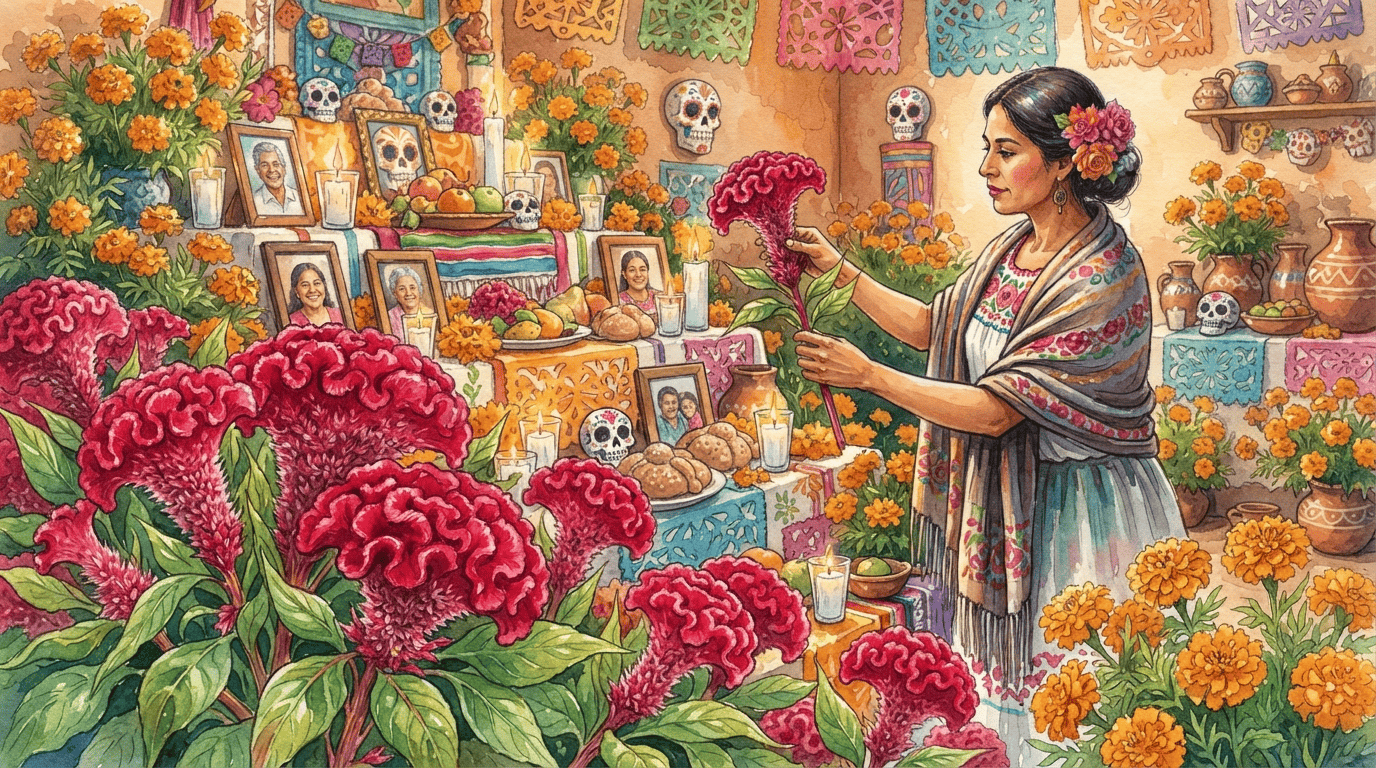
The crested mutation has been cultivated for over 2,000 years in China, India, and Africa. Brought to American colonial gardens in the 1700s and popularized by the Victorians, cockscomb remains a signature flower of Mexican Day of the Dead altars in the American Southwest.
Symbolism & meaning
What It Symbolizes
Crested cockscomb wears its meaning openly — affected, conspicuous, almost theatrical, with brain-like crests of saturated color that nothing in nature quite prepares the eye for. Yet its bold colors hold for months, even when dried, giving it the role of eternal beauty in the cut-flower trade. In parts of Asia it carries another meaning: remembrance, set on ancestor altars where its persistent color stands in for memory itself.
- Eternal beauty — colors persist for months even when dried
- Remembrance — traditional flower for ancestor altars
Where the Name Comes From
'cristata' from Latin means crested, for the fasciated rooster-comb-like flower heads.
Uses & Fun Facts
- Velvety brain-like flower crests dried for everlasting arrangements
- Bold red, pink, and yellow cockscomb plumes for hot summer beds
- Tender young leaves cooked as leafy vegetable across West Africa
Related plants
More Celosia plants
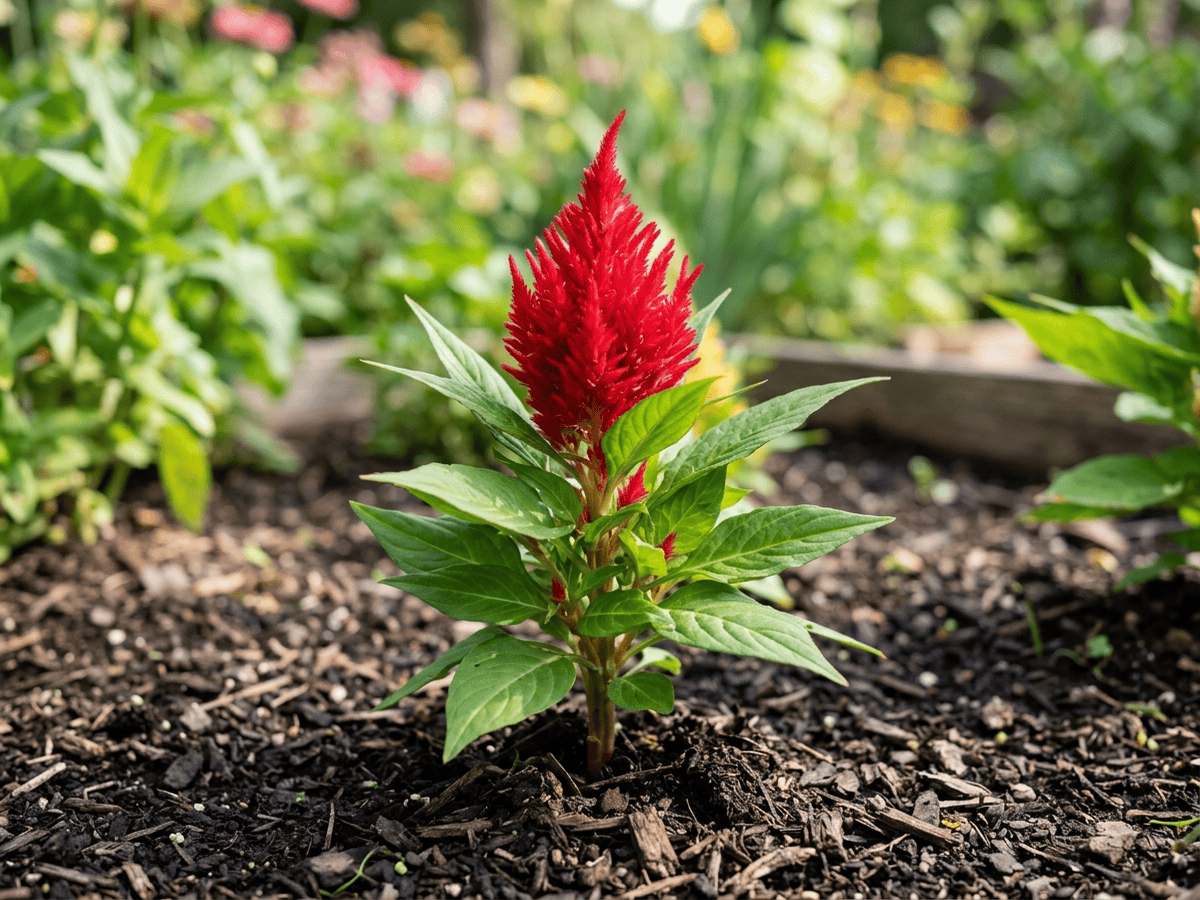
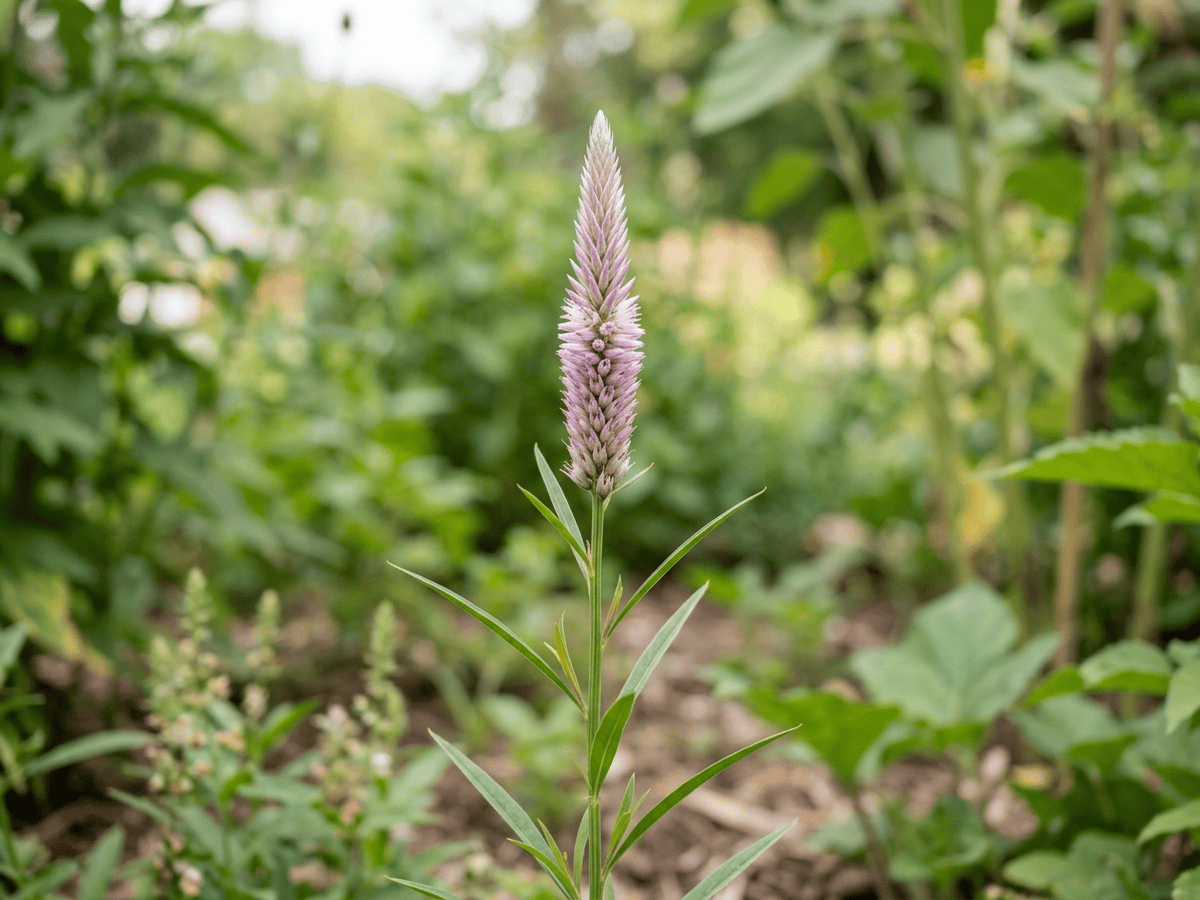
Plants with similar care
 Chinese AbeliaAbelia chinensis
 Fragrant AbeliaAbelia mosanensis
 Large-Flowered AbeliaAbelia uniflora
 Glossy AbeliaAbelia x grandiflora
Frequently asked questions
How often should I water Crested Cockscomb?
Water about every 5 days during the growing season, and always let excess water drain away.
How much light does Crested Cockscomb need?
Full sun: 6+ hrs direct. Watch the leaves — scorching or stretching means the light needs adjusting.
Is Crested Cockscomb toxic to cats or dogs?
Pets Safe (Dogs Safe · Cats Safe) Educational information, not medical or veterinary advice. If exposure is suspected, contact a doctor or veterinarian.
Is Crested Cockscomb easy to grow?
Yes — it is considered an easy, beginner-friendly plant.
When does Crested Cockscomb bloom?
It typically blooms Jul–Nov in the Northern Hemisphere.
YardMate
Identify any plant in seconds
Snap a photo — YardMate names the plant, diagnoses problems, and reminds you when to water.
Download on the App Store