 YardMate


Flamingo Feather Flower
Celosia spicata
Easy · Beginner friendlyAbout Flamingo Feather Flower
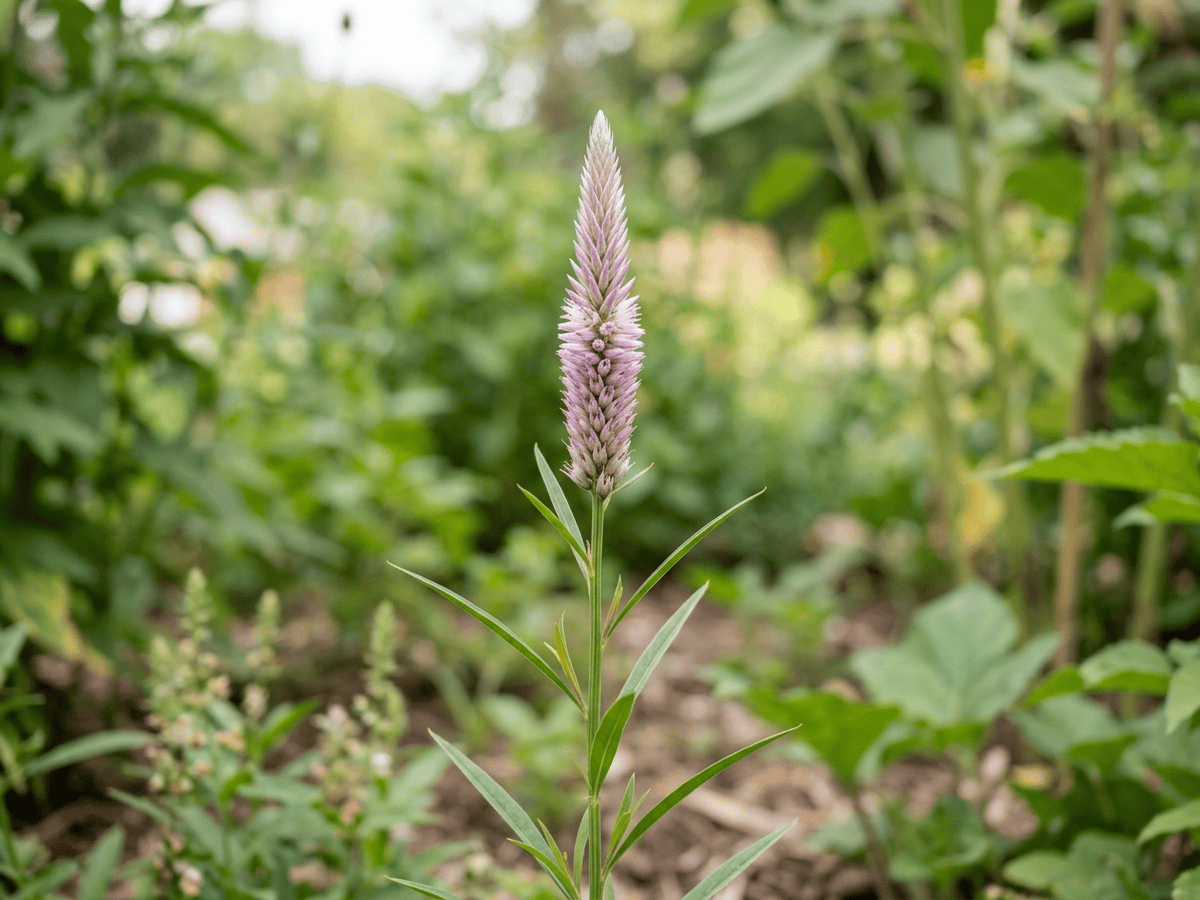
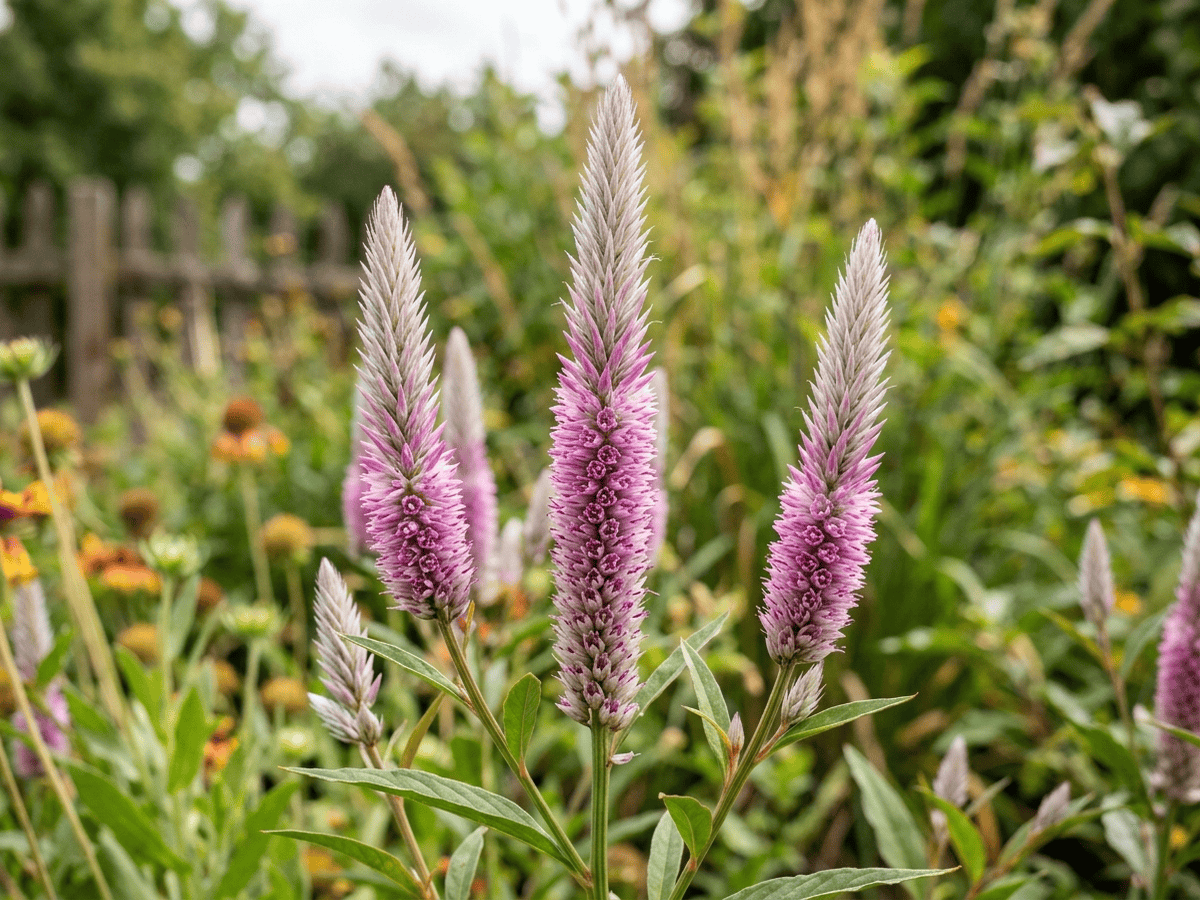
Wheat Celosia or Flamingo Feather is the spiked form of celosia, producing slender tapered plume spikes in pink, magenta, and cream from summer through frost. Growing 2 to 4 feet tall on strong upright stems, the feathery plumes resemble wheat or foxtails and are highly prized as cut and dried flowers. A modern favorite in American mixed borders and cottage gardens for its vertical accent and graceful form.
- Cut-flower
- Heat-tolerant
- Drought-tolerant
How to care for Flamingo Feather Flower
Watering
- Springevery 5 days
- Summerevery 3 days
- Fallevery 7 days
- Winterpause watering
Soil · Well-draining
- Top dressingPine bark mulch10%
- Main mixPotting soil + perlite 2:170%
- DrainageLECA / gravel20%
Never skip the drainage layer — standing water is the top cause of root rot.
FERTILIZER
Balanced Feed 14-14-14
An even feed covers all three needs at once, keeping leaves, roots and blooms moving together with nothing pushed out of balance.
- Nitrogen · Leaves
- Phosphorus · Roots + Blooms
- Potassium · Strength
- Springevery 21 days
- Summerevery 21 days
At a Glance
- NativeSoutheast Asia
- Height2–4 ft (0.6–1.2 m)
- Spread1–1.5 ft (0.3–0.5 m)
- Flower colorPink, Purple
- Foliage colorGreen, Purple
- SoilLoamy, Well-drained, Rich
- LocationsYard
Bloom time
BLOOM CYCLE
Peak bloom
Jul–Nov
Tapered wheat-like plume spikes July to frost
Toxicity
Pets Safe
None reported
Not reported
EXPOSURE No exposure route is reported.
EFFECT No toxic effect is reported.
NOTE No human toxicity is reported in this catalog; avoid eating ornamental plants unless confirmed edible.
Safe
EXPOSURE No exposure route is reported.
EFFECT No toxic effect is reported.
NOTE Listed as non-toxic for dogs; avoid eating ornamental plants unless confirmed edible.
Safe
EXPOSURE No exposure route is reported.
EFFECT No toxic effect is reported.
NOTE Listed as non-toxic for cats; avoid eating ornamental plants unless confirmed edible.
Educational information, not medical or veterinary advice. If exposure is suspected, contact a doctor or veterinarian.
DISTRIBUTION


- Native
- Southeast Asia
History

Celosia spicata, now accepted as Celosia argentea var. spicata or the Spicata Group, produces slender cylindrical flower spikes reminiscent of wheat or amaranth heads, ranging from silvery-pink to hot magenta. The type originates from tropical Asia where, like other Celosias, the leaves have long been used as a leafy vegetable. In the Anglo-American ornamental trade the Spicata Group gained popularity in the 1990s and 2000s as cut flower farmers and naturalistic garden designers sought alternatives to the more fasciated crested types.
Cultivars including Flamingo Feather and Cramer's Amazon perform well as summer bedding, cut flowers, and dried everlastings, retaining color indoors for months. It thrives in heat, drought, and nutrient-lean soils where more pampered annuals struggle.
Native to tropical Africa, introduced to American cut-flower gardens in the late 20th century and rapidly adopted by floral designers. The Flamingo series from Johnny's Selected Seeds popularized it for modern American cottage and cutting gardens.
Symbolism & meaning
What It Symbolizes
The Flamingo Feather Flower makes visible elegant boldness, its softly tapered plumes carrying a graceful flame above the late-summer border. Less brash than its crested cockscomb cousins, it has earned the affectionate name 'wheat of the garden' for spires that resemble grain heads ready for harvest. This celosia suggests confidence held with refinement — vivid color delivered through a slender, almost ceremonial form.
- Graceful flame — softer more elegant form than crested cockscomb
- Wheat of the garden — feathery plume resembles grain heads
Where the Name Comes From
'spicata' from Latin means spiked, for the slender tapered flower form.
Uses & Fun Facts
- Tapered pink plumes prized fresh and dried in cottage arrangements
- Vertical wheat-like spikes for hot summer mixed borders
Related plants
More Celosia plants
Plants with similar care
 Chinese AbeliaAbelia chinensis
 Fragrant AbeliaAbelia mosanensis
 Large-Flowered AbeliaAbelia uniflora
 Glossy AbeliaAbelia x grandiflora
Frequently asked questions
How often should I water Flamingo Feather Flower?
Water about every 5 days during the growing season, and always let excess water drain away.
How much light does Flamingo Feather Flower need?
Full sun: 6+ hrs direct. Watch the leaves — scorching or stretching means the light needs adjusting.
Is Flamingo Feather Flower toxic to cats or dogs?
Pets Safe (Dogs Safe · Cats Safe) Educational information, not medical or veterinary advice. If exposure is suspected, contact a doctor or veterinarian.
Is Flamingo Feather Flower easy to grow?
Yes — it is considered an easy, beginner-friendly plant.
When does Flamingo Feather Flower bloom?
It typically blooms Jul–Nov in the Northern Hemisphere.
YardMate
Identify any plant in seconds
Snap a photo — YardMate names the plant, diagnoses problems, and reminds you when to water.
Download on the App Store