 YardMate

Eastern Redbud
Cercis canadensis
Easy · Beginner friendlyAbout Eastern Redbud
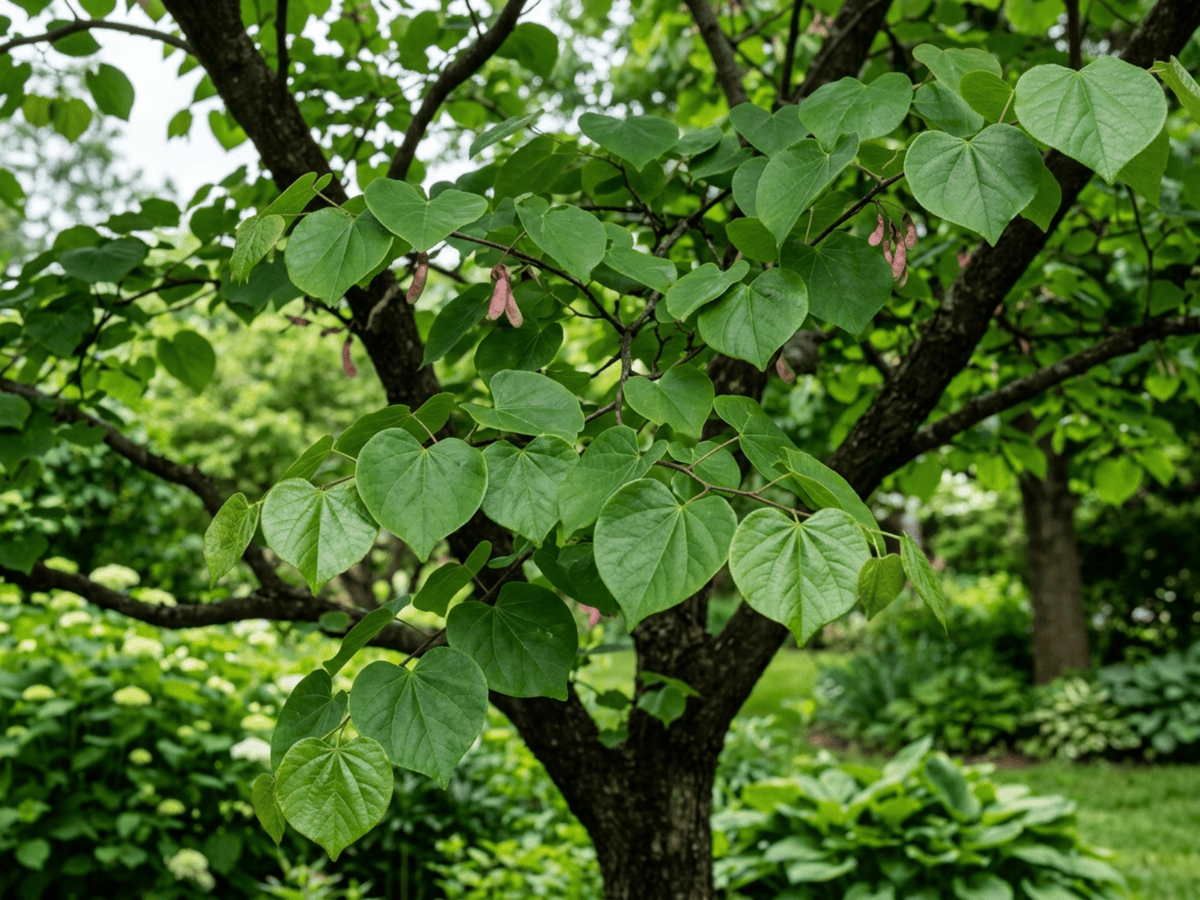
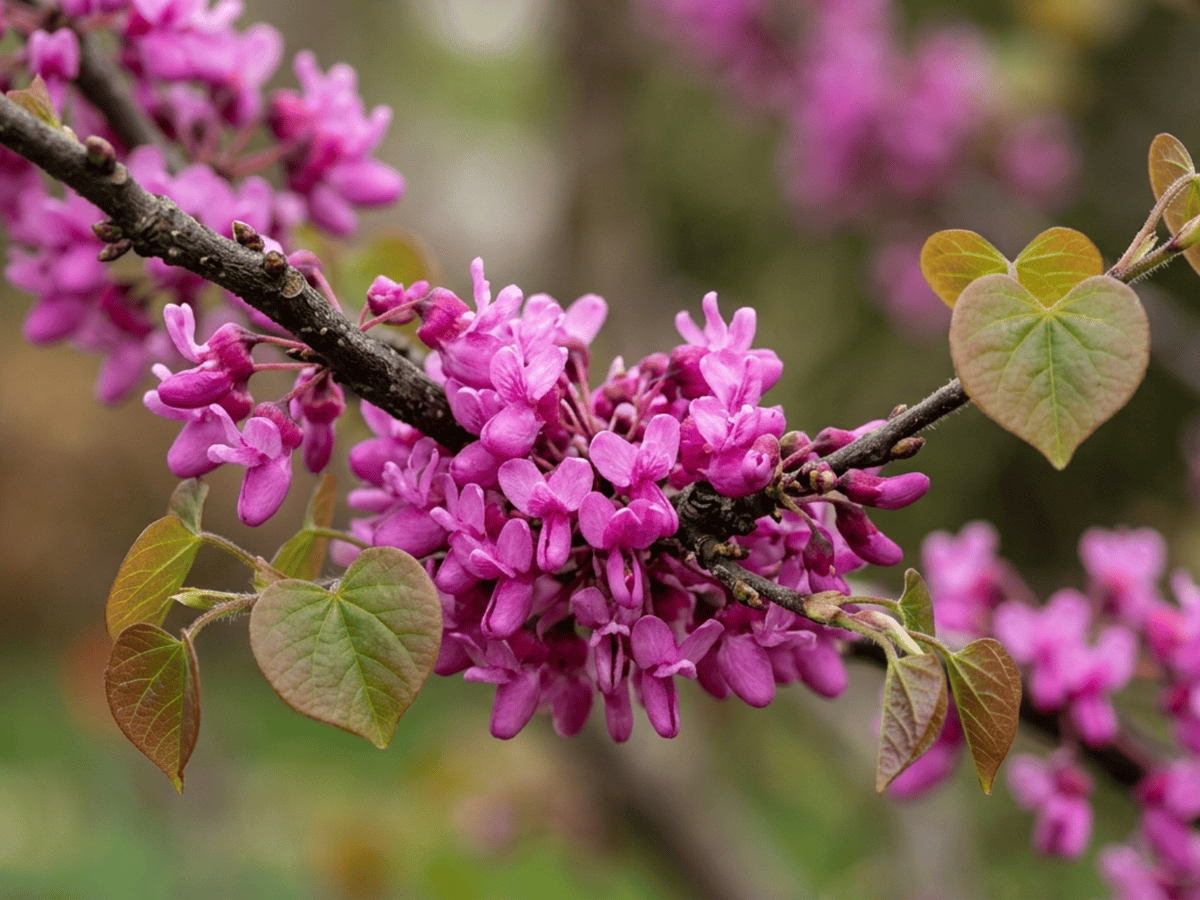
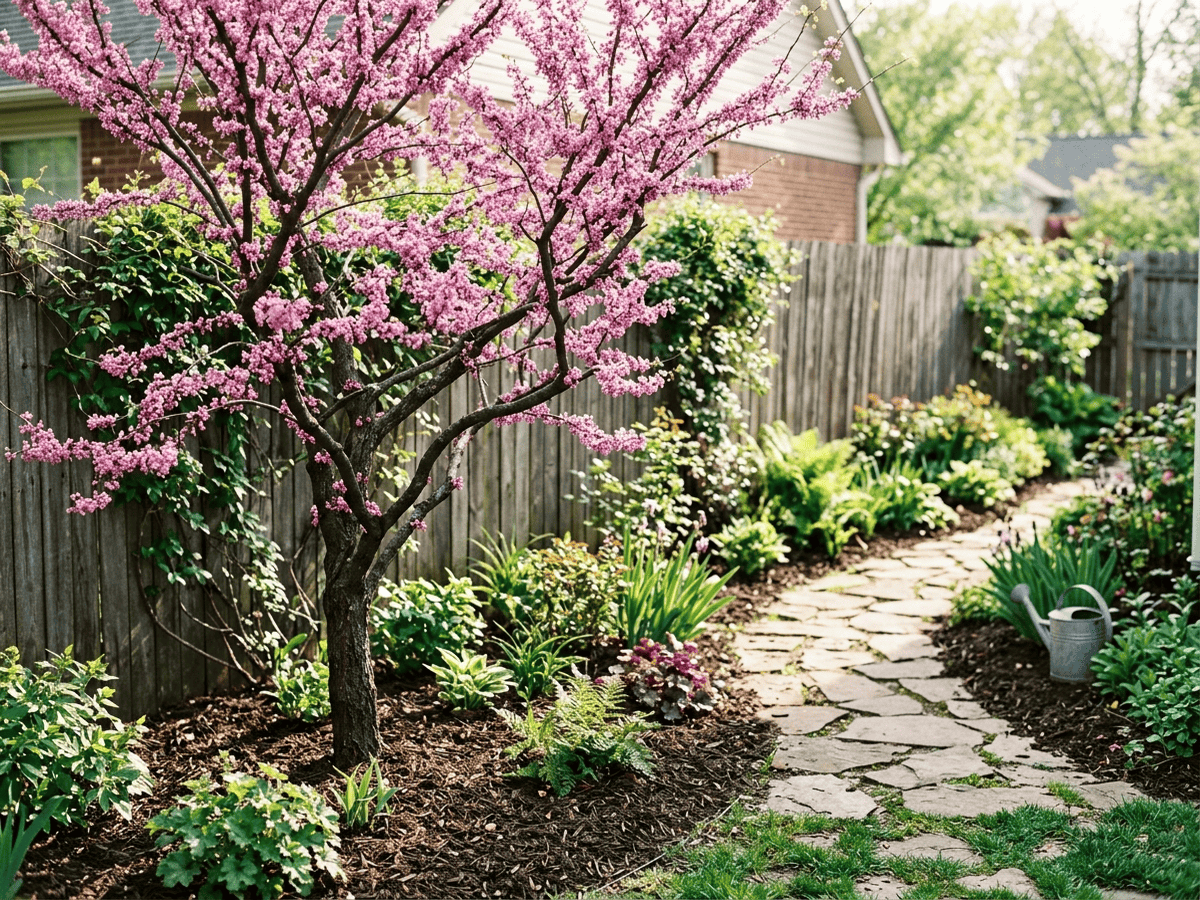
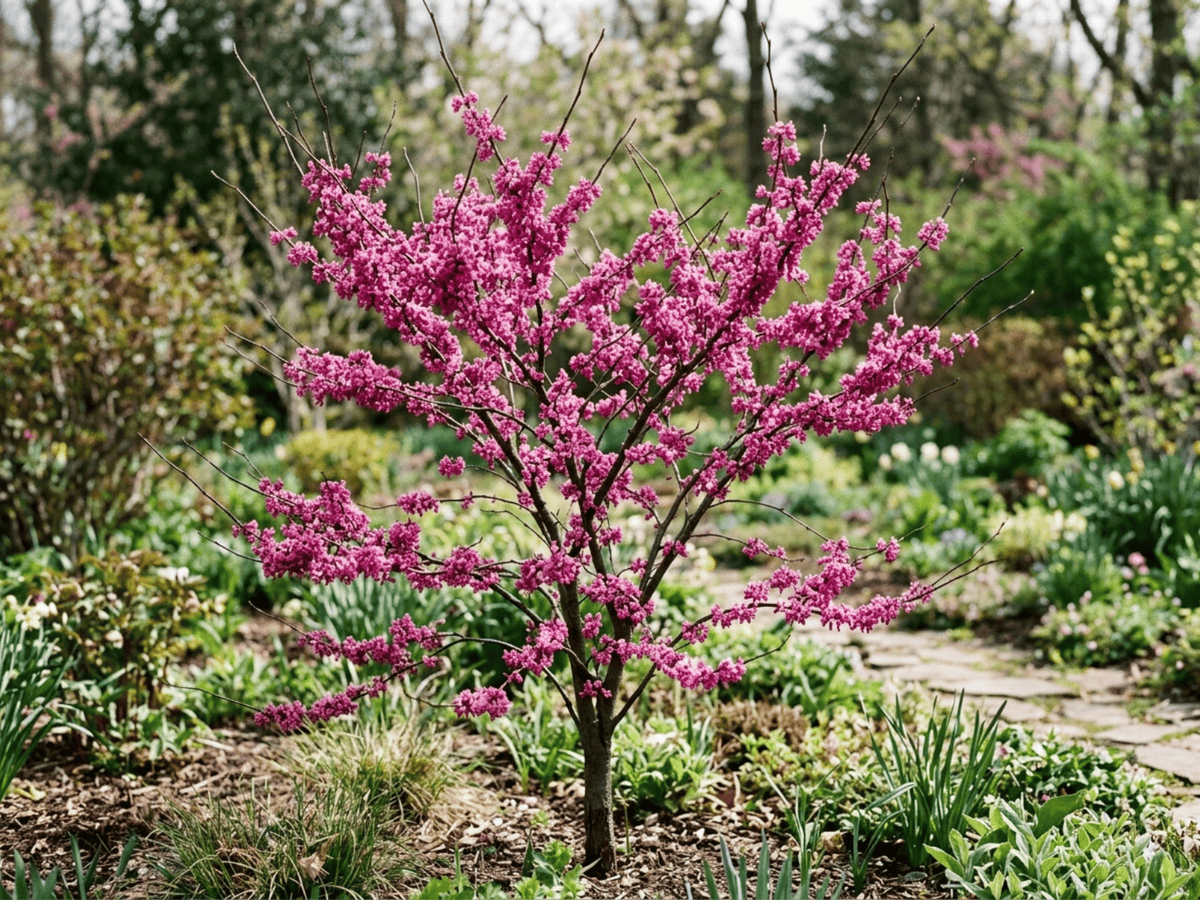
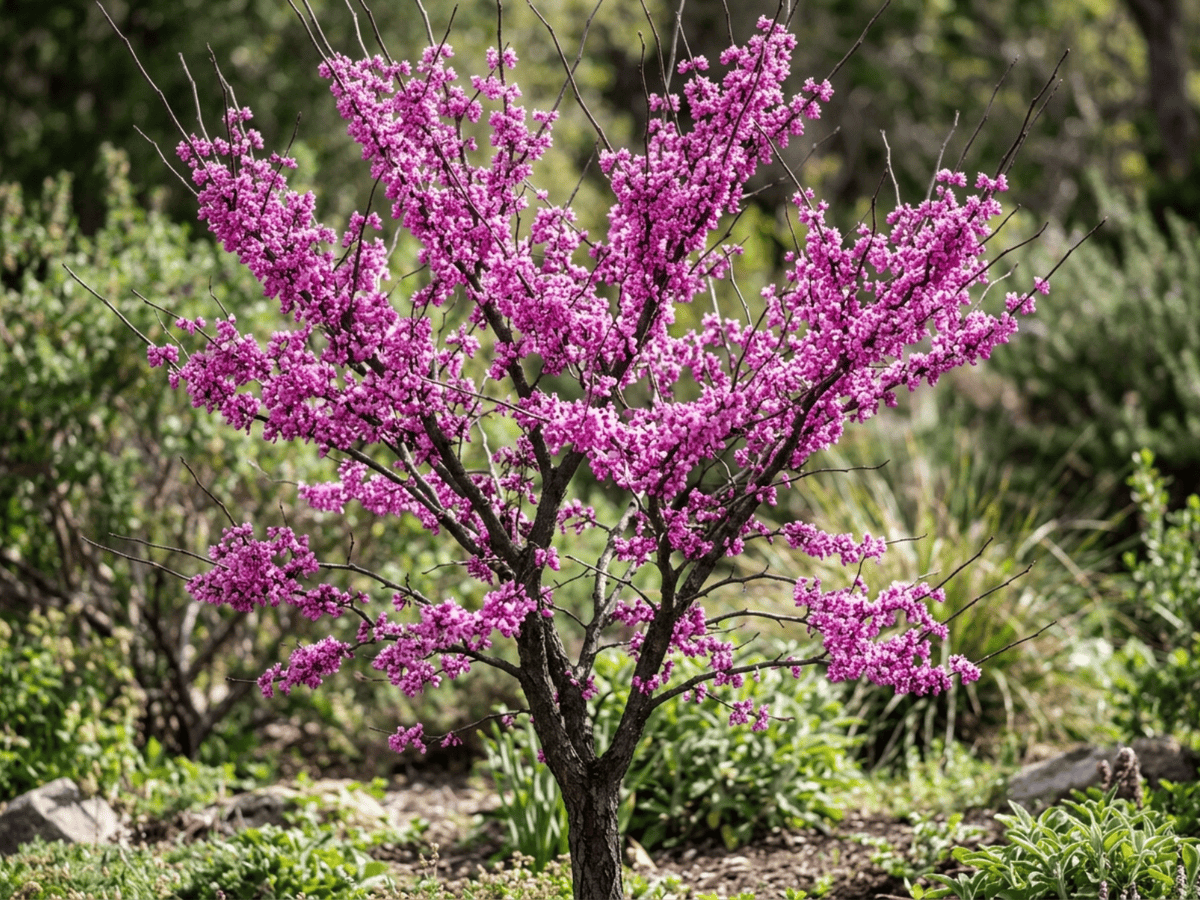
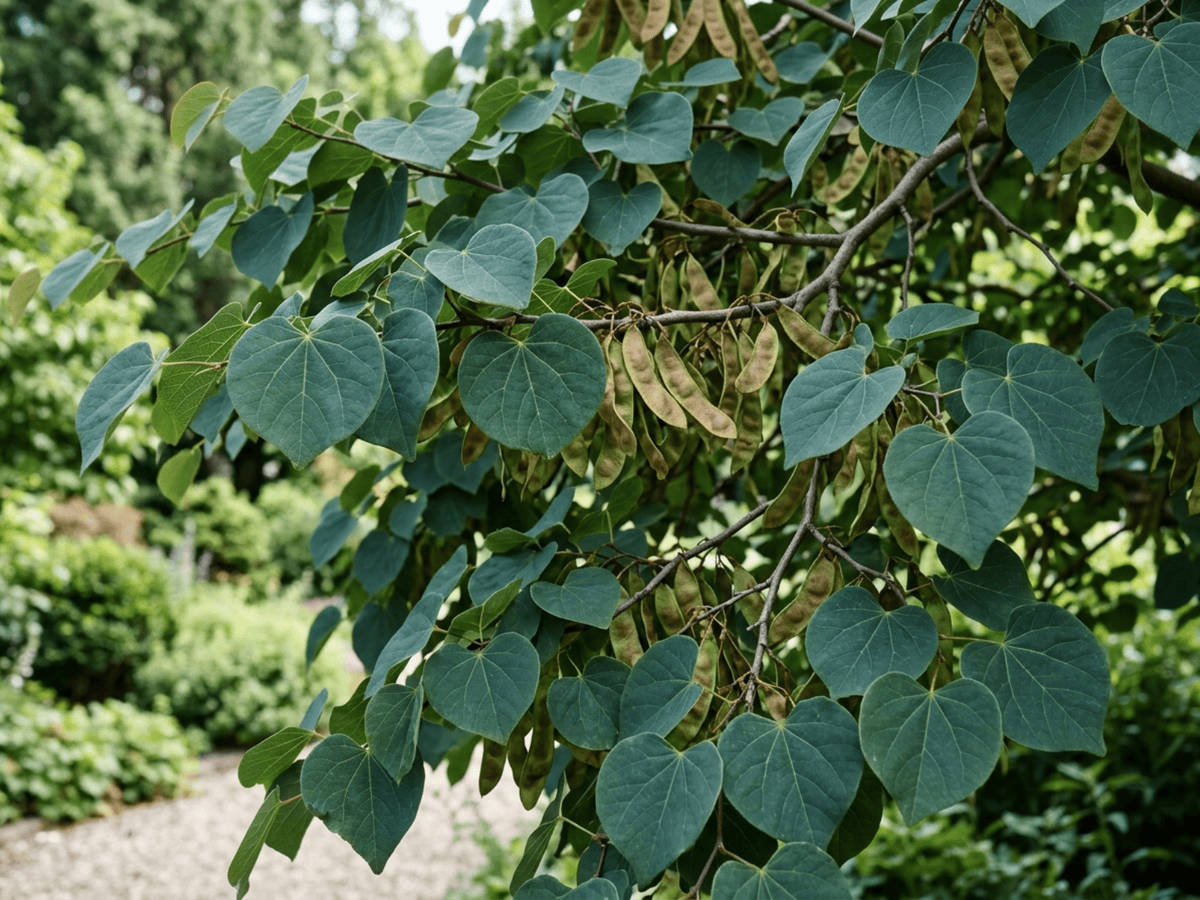
Cercis canadensis, the eastern redbud, is a beloved native understory tree of eastern North America, growing 20 to 30 feet tall. It is one of the earliest flowering trees of spring, producing clusters of vivid rosy-pink to magenta pea-shaped flowers directly on bare branches and even the trunk in a phenomenon called cauliflory. The heart-shaped leaves that follow emerge reddish-purple before maturing to green, then turn golden yellow in autumn. Redbud thrives in partial shade to full sun and tolerates a wide range of soil types, though it prefers moist, well-drained conditions. It serves as a critical early nectar source for pollinators emerging from winter dormancy. The tree has a relatively short lifespan of 50 to 75 years but grows quickly and provides striking seasonal color. Numerous cultivars exist including 'Forest Pansy' with purple foliage and 'The Rising Sun' with multicolored emerging leaves. It is the state tree of Oklahoma and a cherished symbol of Appalachian spring throughout the southeastern United States.
- Native
- Pollinator-friendly
How to care for Eastern Redbud
Watering
- Springevery 5 days
- Summerevery 4 days
- Fallevery 10 days
- Winterevery 30 days
Soil · Well-draining
- Top dressingPine bark mulch10%
- Main mixPotting soil + perlite 2:170%
- DrainageLECA / gravel20%
Never skip the drainage layer — standing water is the top cause of root rot.
FERTILIZER
Balanced Feed 14-14-14
An even feed covers all three needs at once, keeping leaves, roots and blooms moving together with nothing pushed out of balance.
- Nitrogen · Leaves
- Phosphorus · Roots + Blooms
- Potassium · Strength
- Springevery 60 days
At a Glance
- NativeNorth America
- Height20–30 ft (6.1–9.1 m)
- Spread25–35 ft (7.6–10.7 m)
- Flower colorPink, Purple, White
- Foliage colorGreen, Yellow, Purple
- SoilLoamy, Well-drained
- LocationsYard
Bloom time
BLOOM CYCLE
Peak bloom
Mar–Apr
Vivid pink flowers appear on bare wood in early spring before leaves; avoid heavy pruning in winter to preserve flower buds
Fragrance
NO FRAGRANCE
No notable fragrance.
Toxicity
No toxicity has been reported for this plant. Still, it is wise to keep pets from chewing on any houseplant.
Educational information, not medical or veterinary advice. If exposure is suspected, contact a doctor or veterinarian.
DISTRIBUTION

- Native
- Introduced
- North America
History
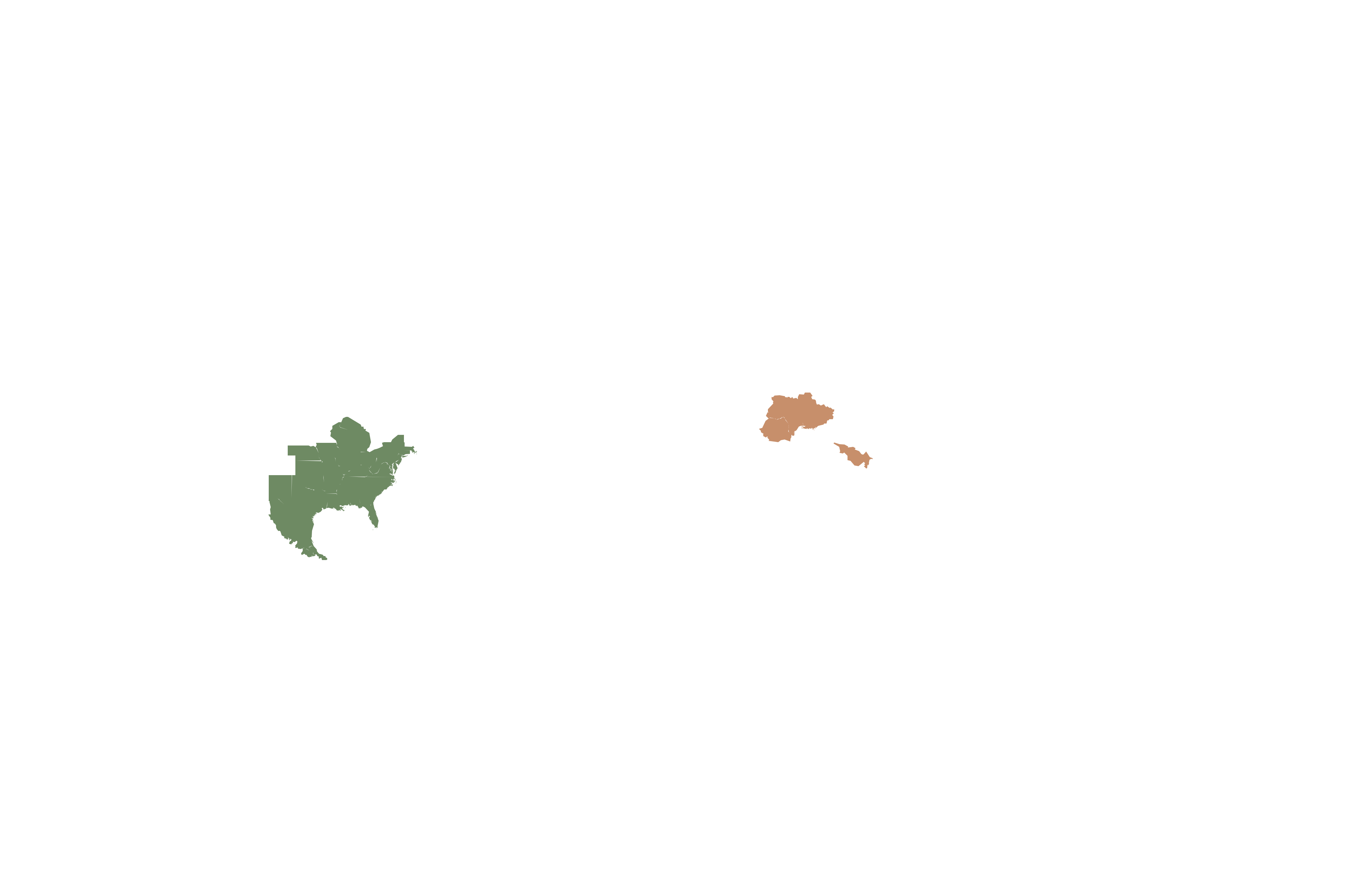
Cercis canadensis is native to eastern and central North America, from Ontario south to northern Florida and west to Nebraska and northern Mexico. Its characteristic early-spring display of pink-purple flowers emerging directly from bare branches and even the main trunk (a phenomenon called cauliflory) makes it one of the most recognizable understory trees of the deciduous Eastern forest. Indigenous peoples across its range and early European colonists used the flowers and young pods as a food: petals are added to salads for color and a mild pea flavor, and the young pods can be eaten like snow peas.
Indigenous and colonial medicinal uses included a bark decoction for dysentery and whooping cough, though such uses are not recommended today. Oklahoma designated the eastern redbud as its state tree in 1937 — the state's "Redbud Valley" near Tulsa celebrates the species annually. The common name "Judas tree" sometimes applied to this species properly belongs to the Mediterranean species C. siliquastrum, from a legend that Judas Iscariot hanged himself from such a tree.
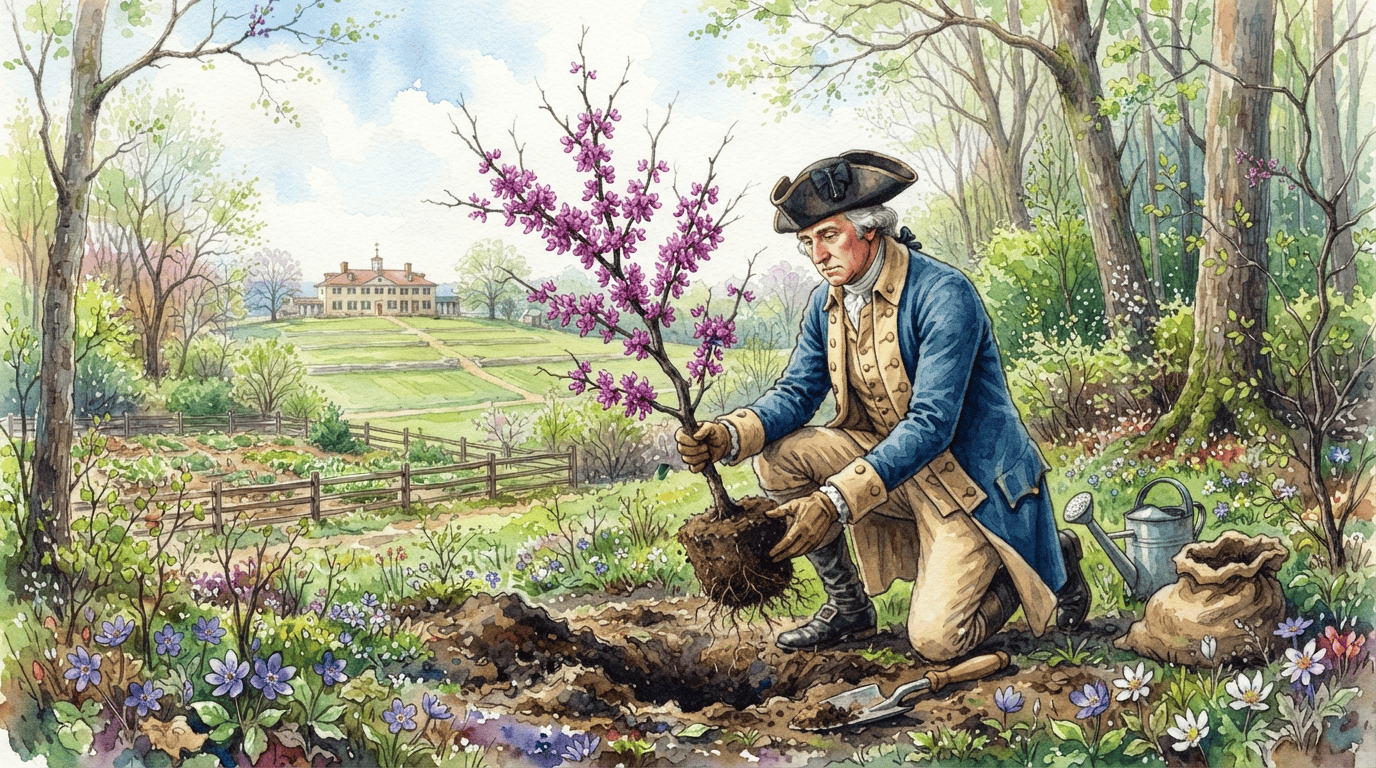
Native Americans used redbud bark to treat whooping cough and the flowers as a spring food source. George Washington recorded transplanting redbuds from the forest to his gardens at Mount Vernon. The tree became Oklahoma's state tree in 1937, celebrated for its role in heralding spring across the Great Plains.
Symbolism & meaning
What It Symbolizes
The Eastern Redbud heralds new beginnings, among the very first trees to flower each spring across the eastern woods. Its rosy-magenta blossoms hug the bare branches before any leaf appears, a signal of renewal after long winter. As a close relative of the legendary Judas tree of European tradition, the redbud also carries quieter undertones of regret and redemption — beauty mingled with old, lingering stories.
- New beginnings — Among the first trees to bloom in spring, heralding renewal and fresh starts
- Betrayal — Closely related to the Judas tree of legend, sometimes associated with themes of regret and redemption
Where the Name Comes From
'Eastern redbud' names both the rosy buds that flower before the leaves and its broad eastern North American range. Cercis comes from Greek 'kerkis', a weaver's shuttle, for the pod shape; canadensis means 'of Canada', though the tree ranges far south.
Uses & Fun Facts
- Magenta buds line bare branches for a vivid early-spring small tree
- Eastern Redbud flowers nourish foraging bees and pollinators
Related plants
More Cercis plants
Plants with similar care
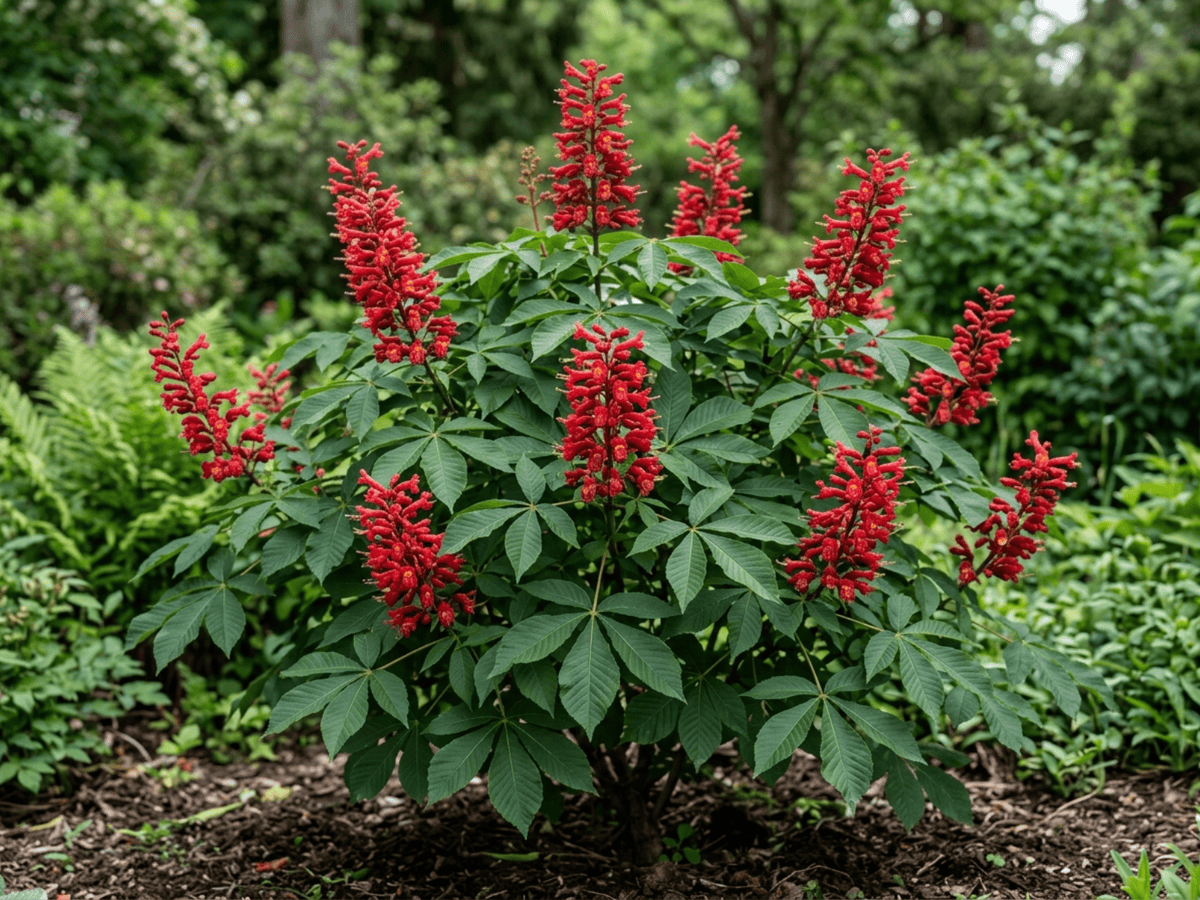 Red BuckeyeAesculus pavia
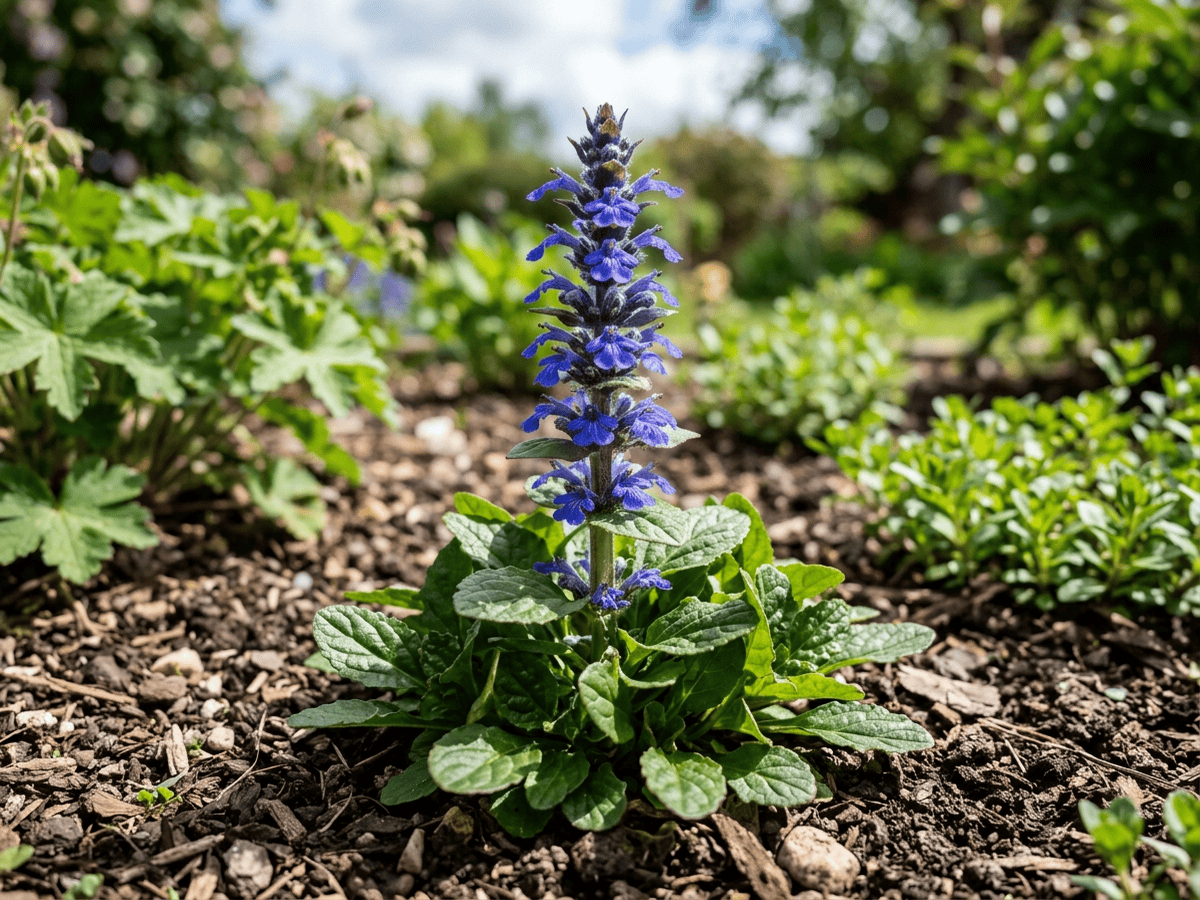 Blue BugleAjuga genevensis
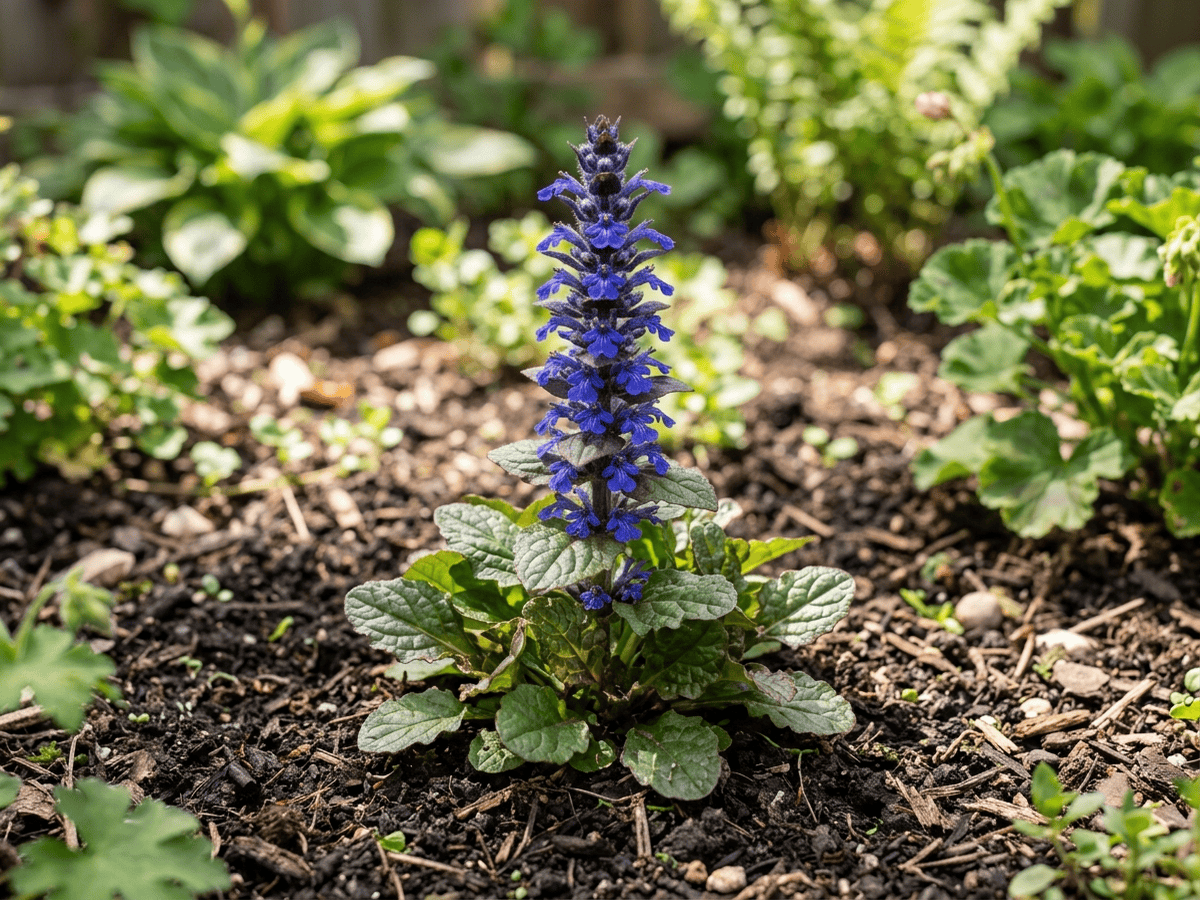 Pyramidal BugleAjuga pyramidalis
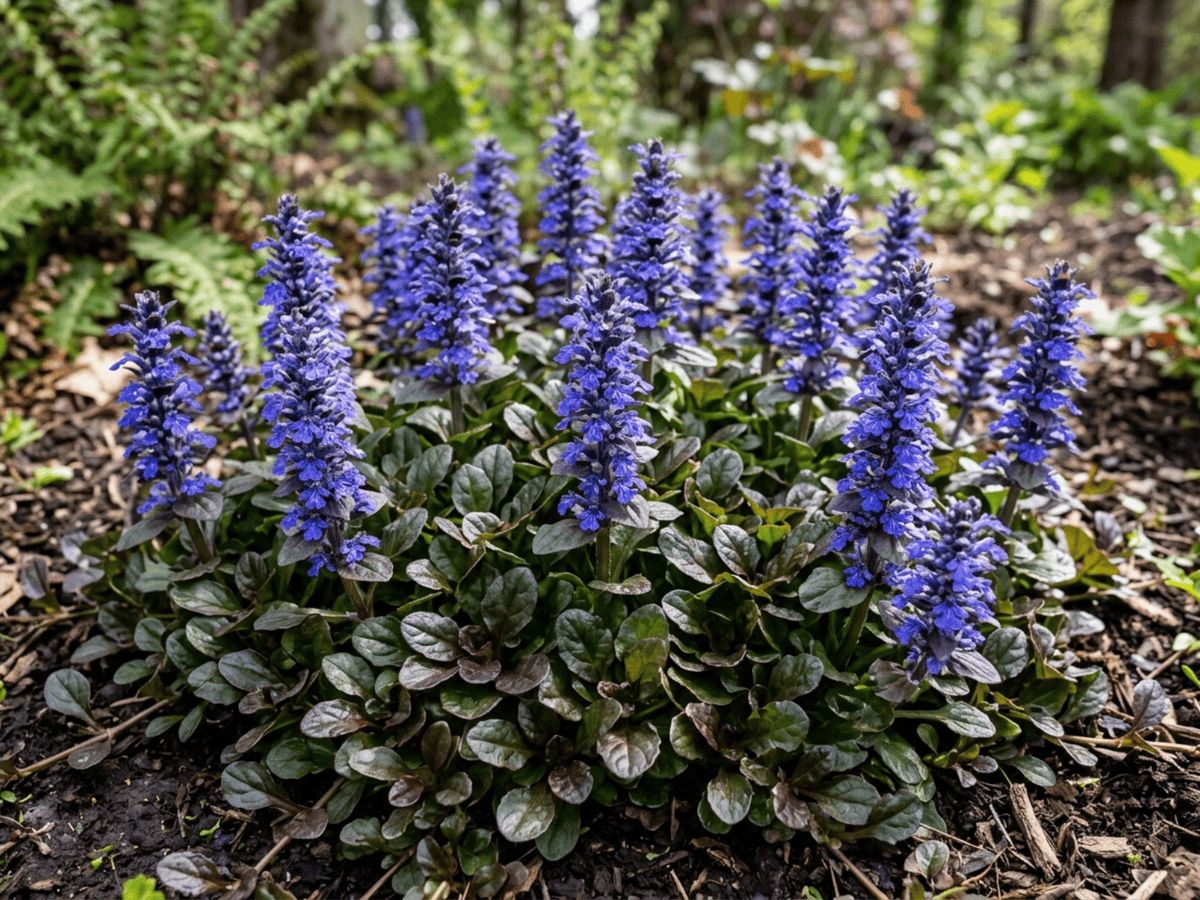 Carpet BugleAjuga reptans
Frequently asked questions
How often should I water Eastern Redbud?
In summer, water about every 4 days; in winter, about every 30 days. Adjust for heat, pot size and drainage.
How much light does Eastern Redbud need?
Part shade: 2–4 hrs direct. Watch the leaves — scorching or stretching means the light needs adjusting.
Is Eastern Redbud toxic to cats or dogs?
No toxicity has been reported for this plant. Still, it is wise to keep pets from chewing on any houseplant. Educational information, not medical or veterinary advice. If exposure is suspected, contact a doctor or veterinarian.
Is Eastern Redbud easy to grow?
Yes — it is considered an easy, beginner-friendly plant.
When does Eastern Redbud bloom?
It typically blooms Mar–Apr in the Northern Hemisphere.
YardMate
Identify any plant in seconds
Snap a photo — YardMate names the plant, diagnoses problems, and reminds you when to water.
Download on the App Store