 YardMate

Western Redbud
Cercis occidentalis
Easy · Beginner friendlyAbout Western Redbud
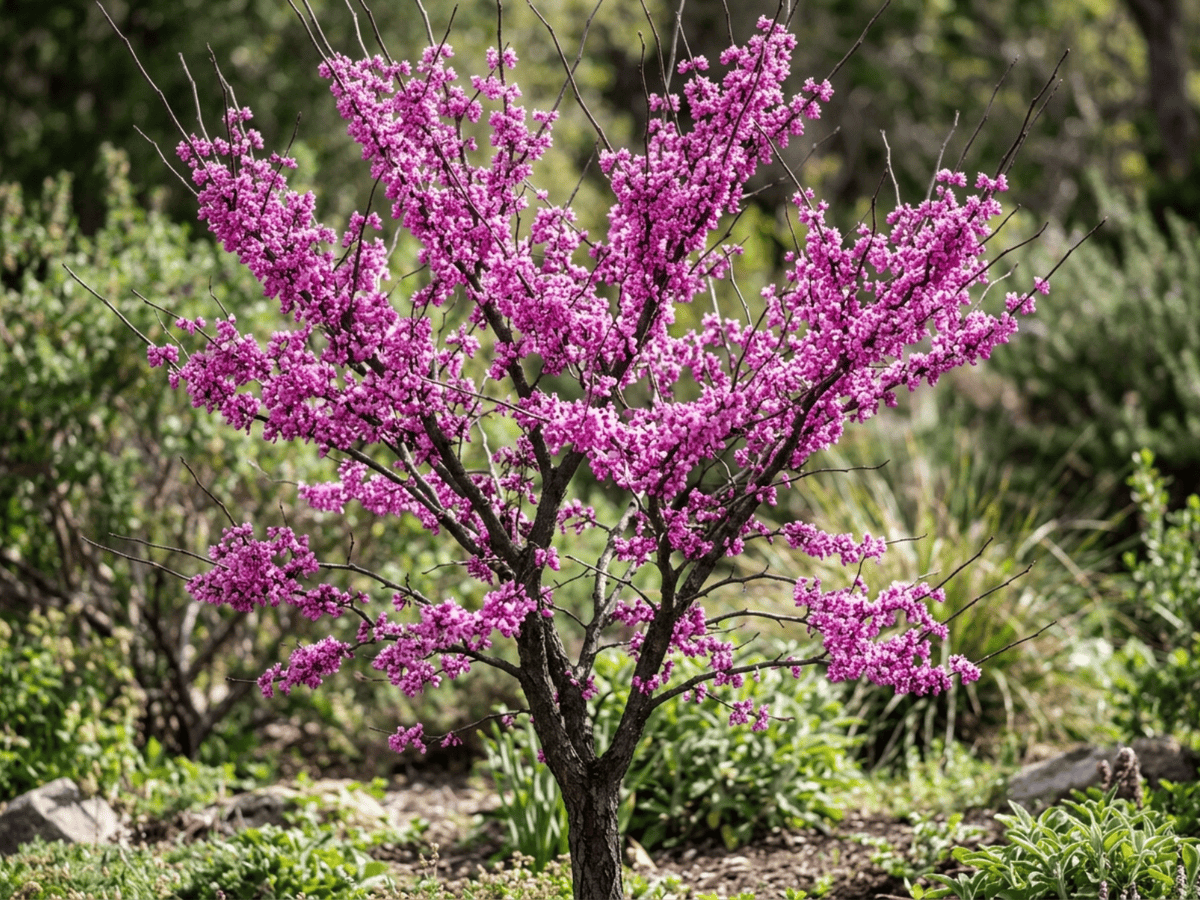
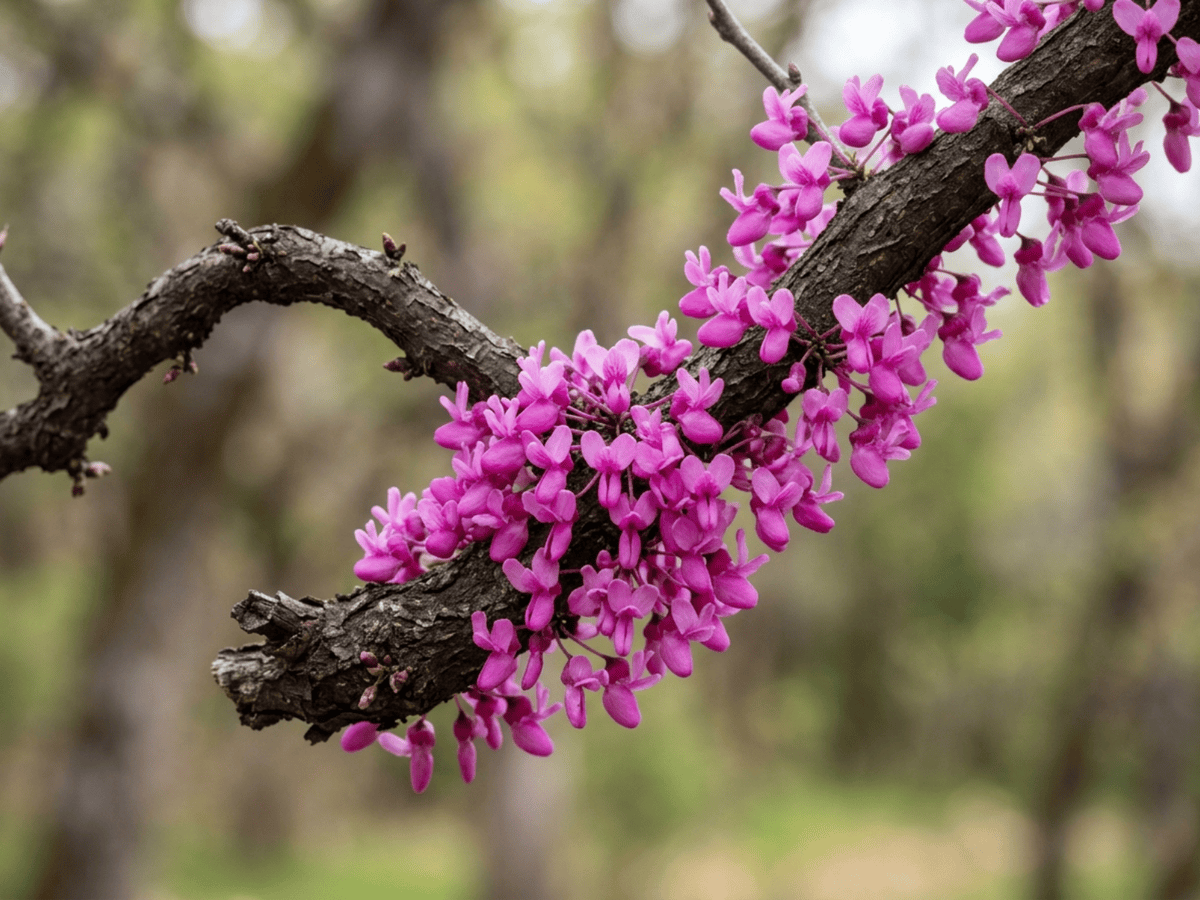
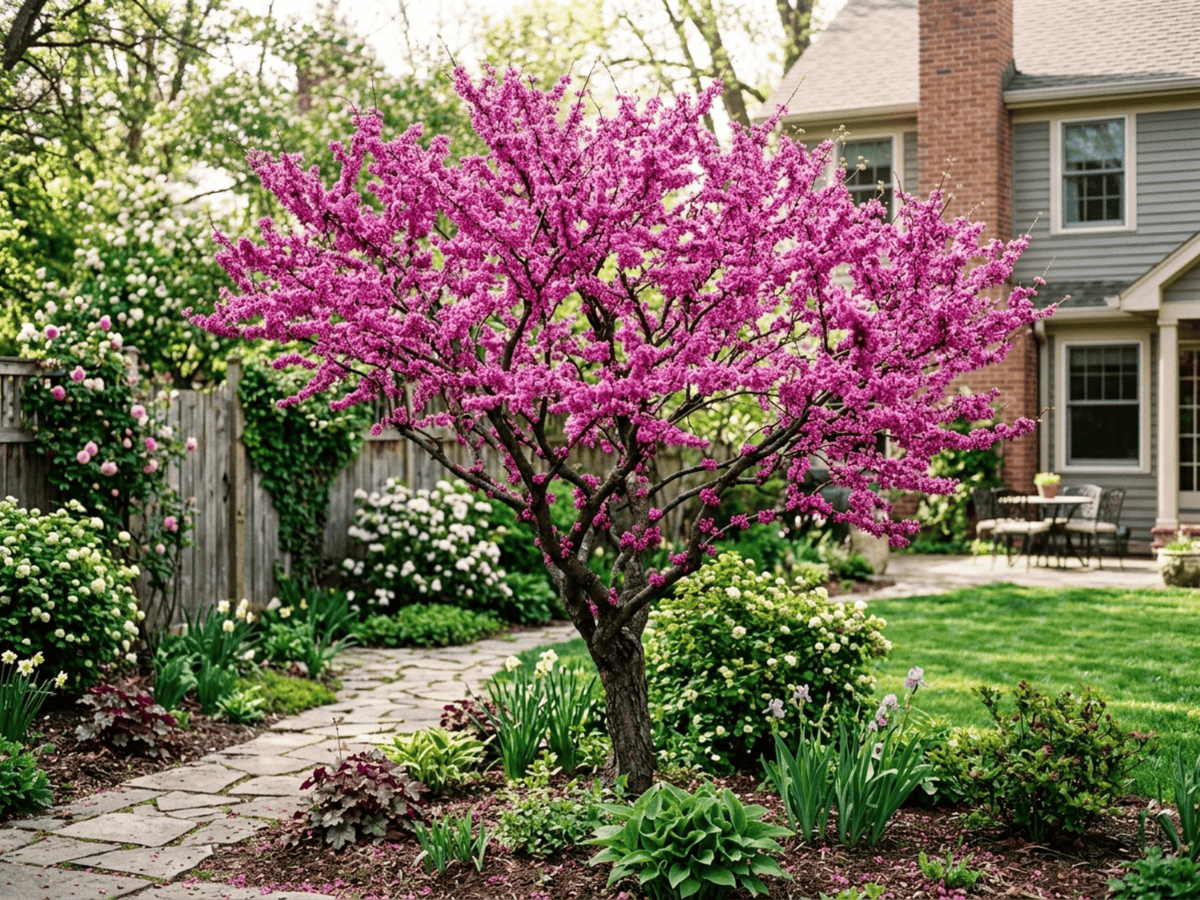
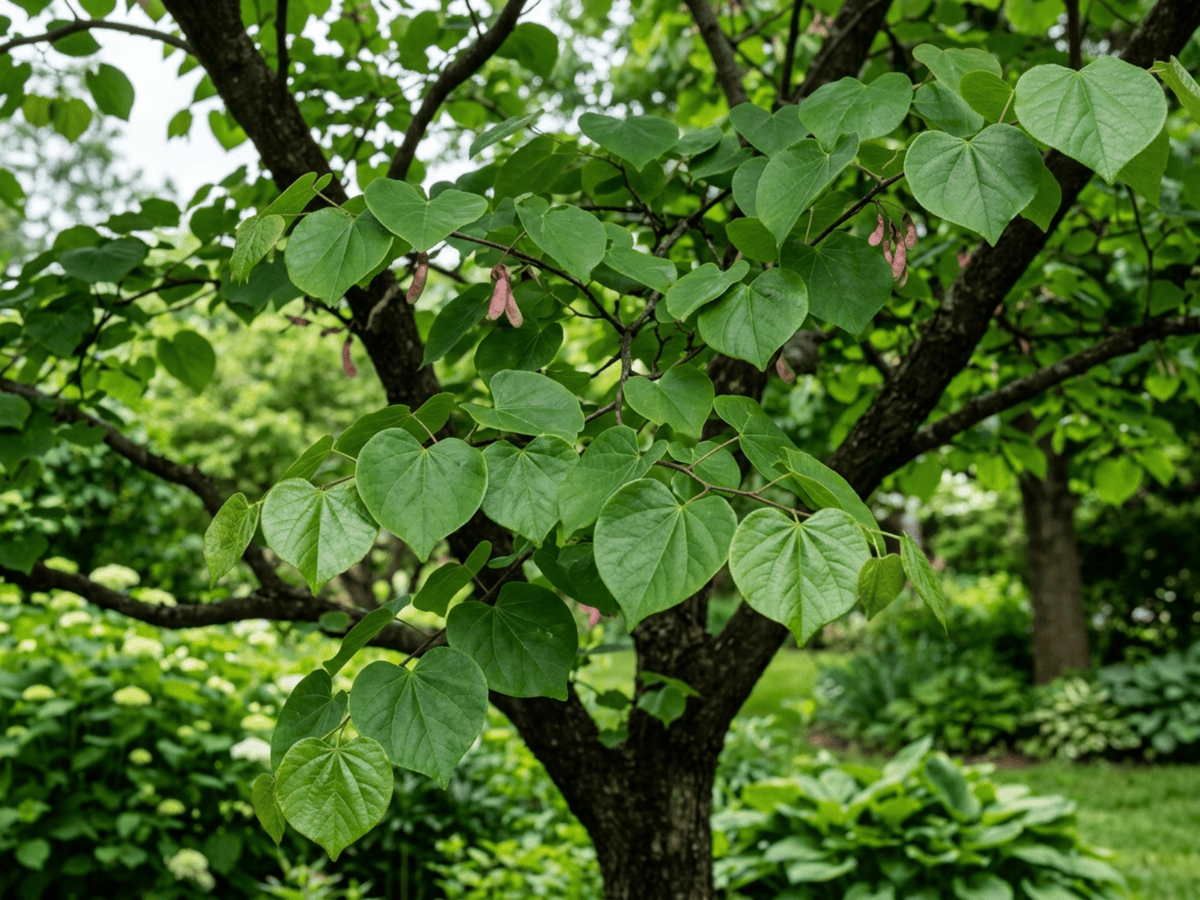
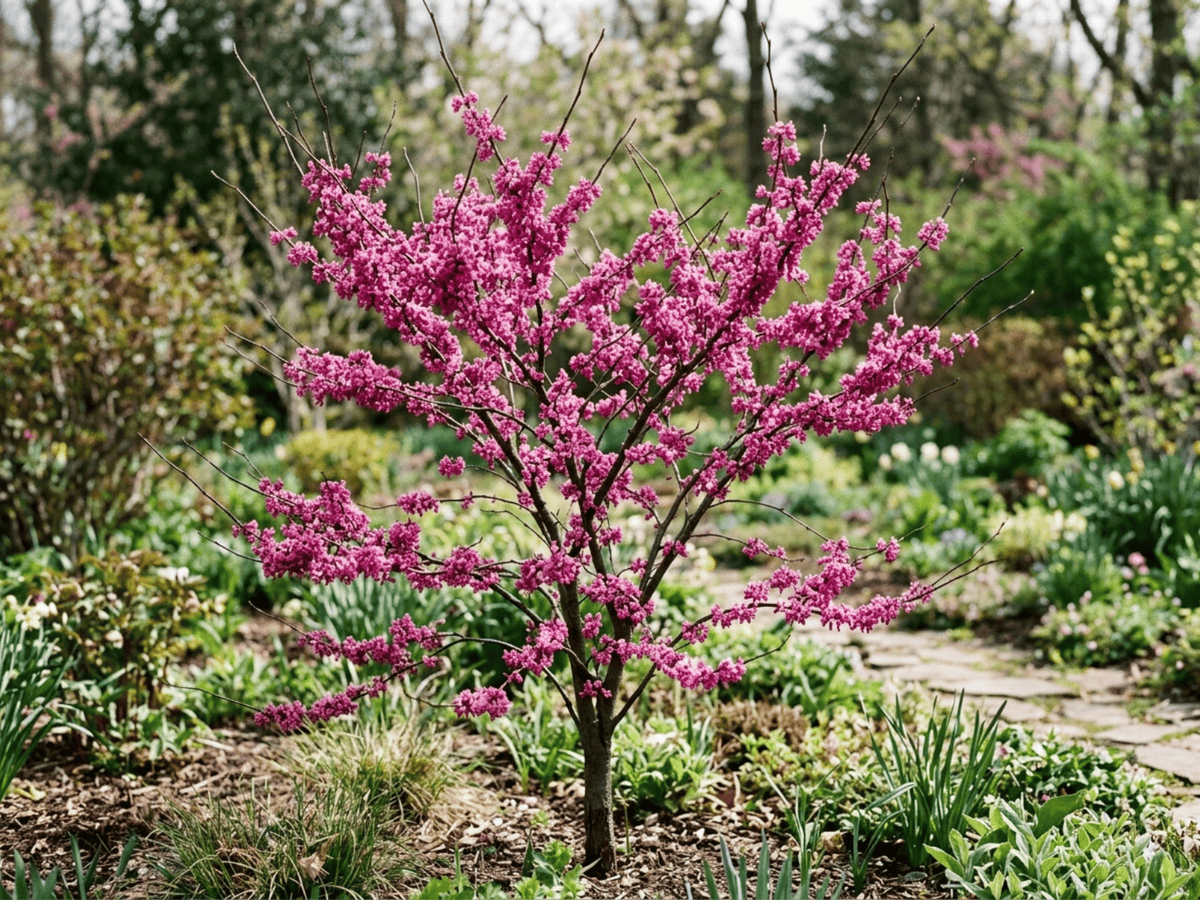
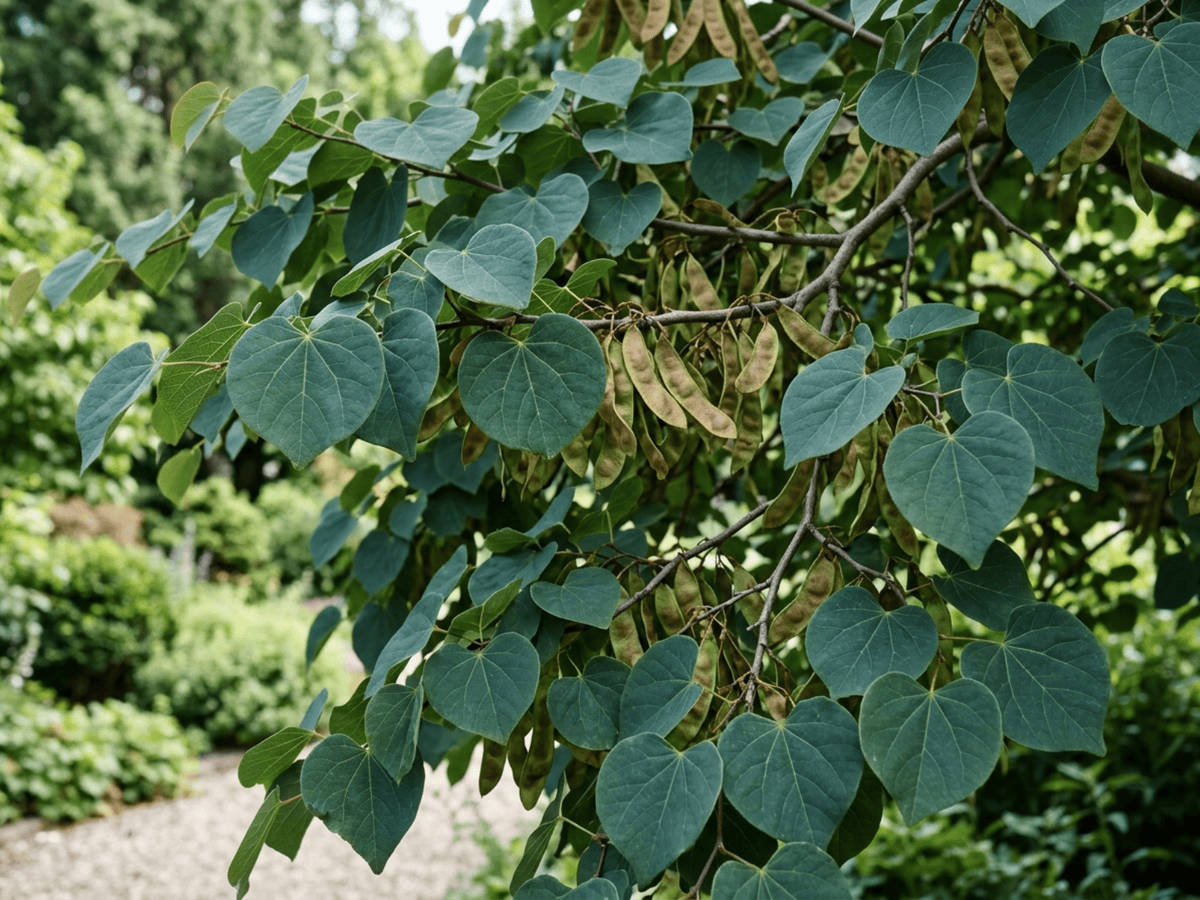
Western Redbud is a small deciduous California native tree reaching 10-20 feet, celebrated for its spectacular display of magenta-pink pea-like flowers that cover bare branches in early spring before leaves emerge. Native to foothill woodlands throughout California, its heart-shaped blue-green leaves turn yellow in autumn, followed by red-brown seed pods. A superb garden tree for small yards, it is drought-tolerant and brings year-round beauty to the California native landscape.
- Drought-tolerant
- Native
- Pollinator-friendly
How to care for Western Redbud
Watering
- Springevery 7 days
- Summerevery 14 days
- Fallevery 21 days
- Winterevery 30 days
Soil · Well-draining
- Top dressingPine bark mulch10%
- Main mixPotting soil + perlite 2:170%
- DrainageLECA / gravel20%
Never skip the drainage layer — standing water is the top cause of root rot.
FERTILIZER
- Springevery 45 days
At a Glance
- NativeNorth America
- Height10–20 ft (3–6.1 m)
- Spread10–15 ft (3–4.6 m)
- Flower colorPink, Purple
- Foliage colorGreen, Red, Yellow
- Fruit colorBrown, Red
- SoilLoamy, Well-drained
- LocationsYard
Bloom time
BLOOM CYCLE
Peak bloom
Feb–Apr
Magenta-pink flowers on bare branches February to April
Fragrance
NO FRAGRANCE
No notable fragrance.
Toxicity
No toxicity has been reported for this plant. Still, it is wise to keep pets from chewing on any houseplant.
Educational information, not medical or veterinary advice. If exposure is suspected, contact a doctor or veterinarian.
DISTRIBUTION


- Native
- North America
History
Cercis occidentalis is native to California (the foothills of the Sierra Nevada and North Coast Ranges), southern Nevada, Utah, northern Arizona, and northern New Mexico, growing in oak woodland, chaparral, and riparian slope communities at 300-2000 meters elevation. It is a small multi-trunked deciduous tree or large shrub 3-6 meters tall, producing in early spring (February-April depending on elevation) masses of hot-magenta-pink small pea-family flowers that emerge directly on bare branches and even old trunks before the leaves — this striking pre-leaf bloom on bare branches is one of the signature early-spring visual events of California Sierra Nevada and foothill landscape. Round heart-shaped leaves follow the flowers; in autumn the foliage turns golden-yellow to red.
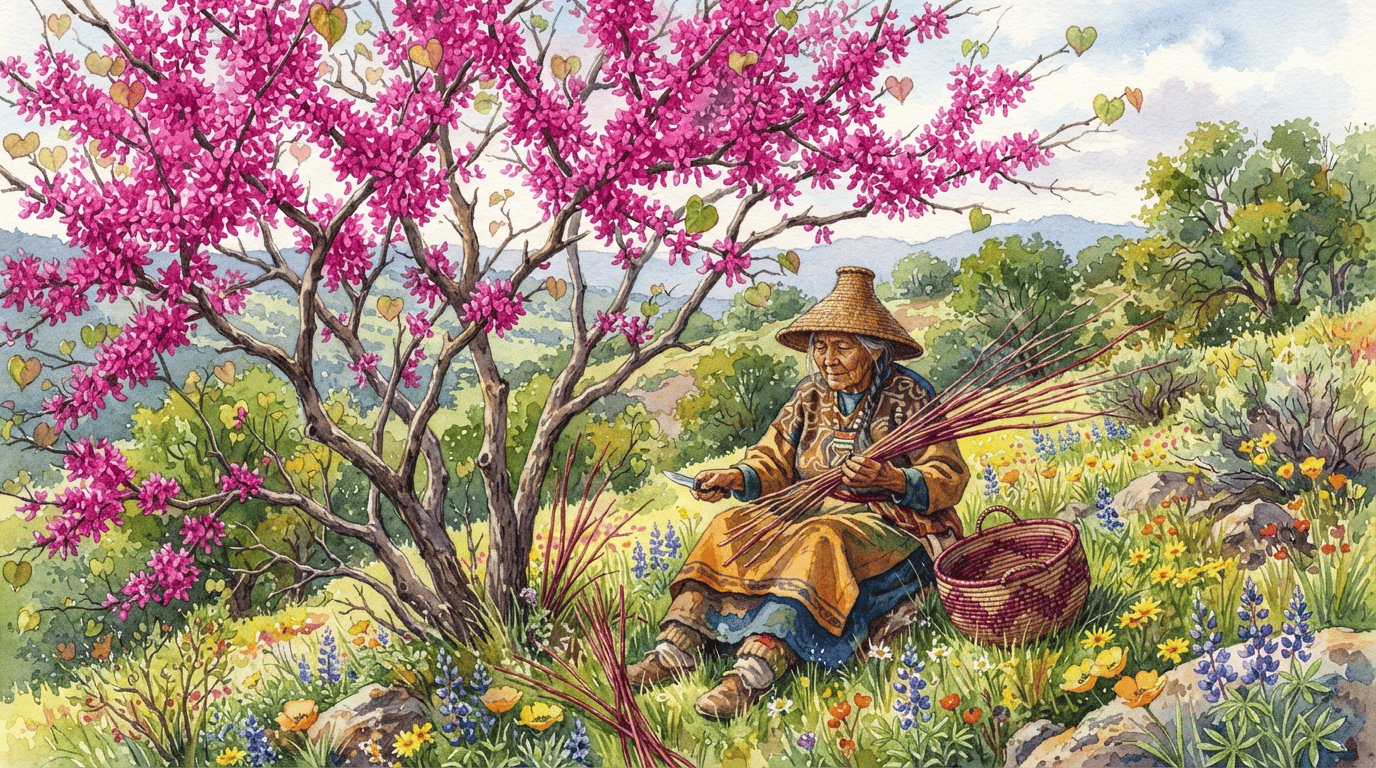
Flat reddish-brown seed pods 4-8 cm long remain on the branches through winter as decorative effect. The species has substantial cultural importance for California Indigenous basketweaving traditions — particularly among the Pomo, Miwok, Maidu, Wintun, and Yokuts — who have used young straight redbud branches as colored warp for coiled and twined baskets; the inner bark provides a natural bright red dye, and the species is one of the key plants whose stewardship by California Indigenous basketweavers has shaped California landscape for millennia.
The California Indian Basketweavers Association has been active in advocating for sustainable redbud harvest access on public lands.
Symbolism & meaning
What It Symbolizes
Western Redbud heralds renewal, one of the earliest spring bloomers whose magenta flowers light up bare branches before the leaves return. Spanish legend links its to romantic love, a flower of passion folded into the awakening of the year. It is the bloom that announces the season has turned, a burst of color insisting that renewal and love share the same quickening pulse.
- Renewal — earliest spring bloomer heralding the season
- Love — Spanish legend links it to romantic passion
Where the Name Comes From
'Cercis' from Greek 'kerkis', ancient name for the tree; 'occidentalis' means 'western'.
Uses & Fun Facts
- Flower buds historically eaten by California tribes
- Magenta-pink spring flowers smother bare branches
- Early-spring nectar fuels native bees emerging from dormancy
Related plants
More Cercis plants
Plants with similar care
 Chinese AbeliaAbelia chinensis
 Fragrant AbeliaAbelia mosanensis
 Large-Flowered AbeliaAbelia uniflora
 Glossy AbeliaAbelia x grandiflora
Frequently asked questions
How often should I water Western Redbud?
In summer, water about every 14 days; in winter, about every 30 days. Adjust for heat, pot size and drainage.
How much light does Western Redbud need?
Full sun: 6+ hrs direct. Watch the leaves — scorching or stretching means the light needs adjusting.
Is Western Redbud toxic to cats or dogs?
No toxicity has been reported for this plant. Still, it is wise to keep pets from chewing on any houseplant. Educational information, not medical or veterinary advice. If exposure is suspected, contact a doctor or veterinarian.
Is Western Redbud easy to grow?
Yes — it is considered an easy, beginner-friendly plant.
When does Western Redbud bloom?
It typically blooms Feb–Apr in the Northern Hemisphere.
YardMate
Identify any plant in seconds
Snap a photo — YardMate names the plant, diagnoses problems, and reminds you when to water.
Download on the App Store