 YardMate


Chinese Redbud
Cercis chinensis
Easy · Beginner friendlyAbout Chinese Redbud
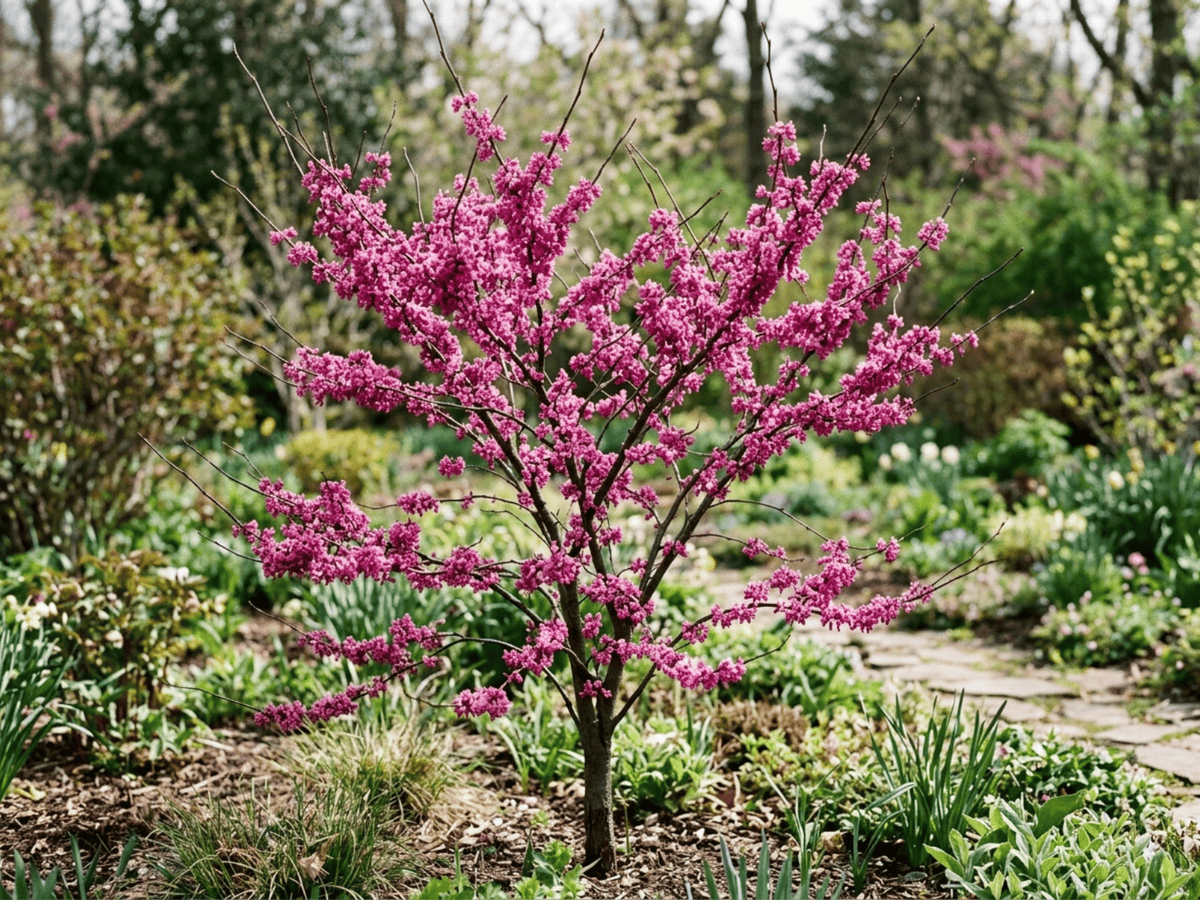
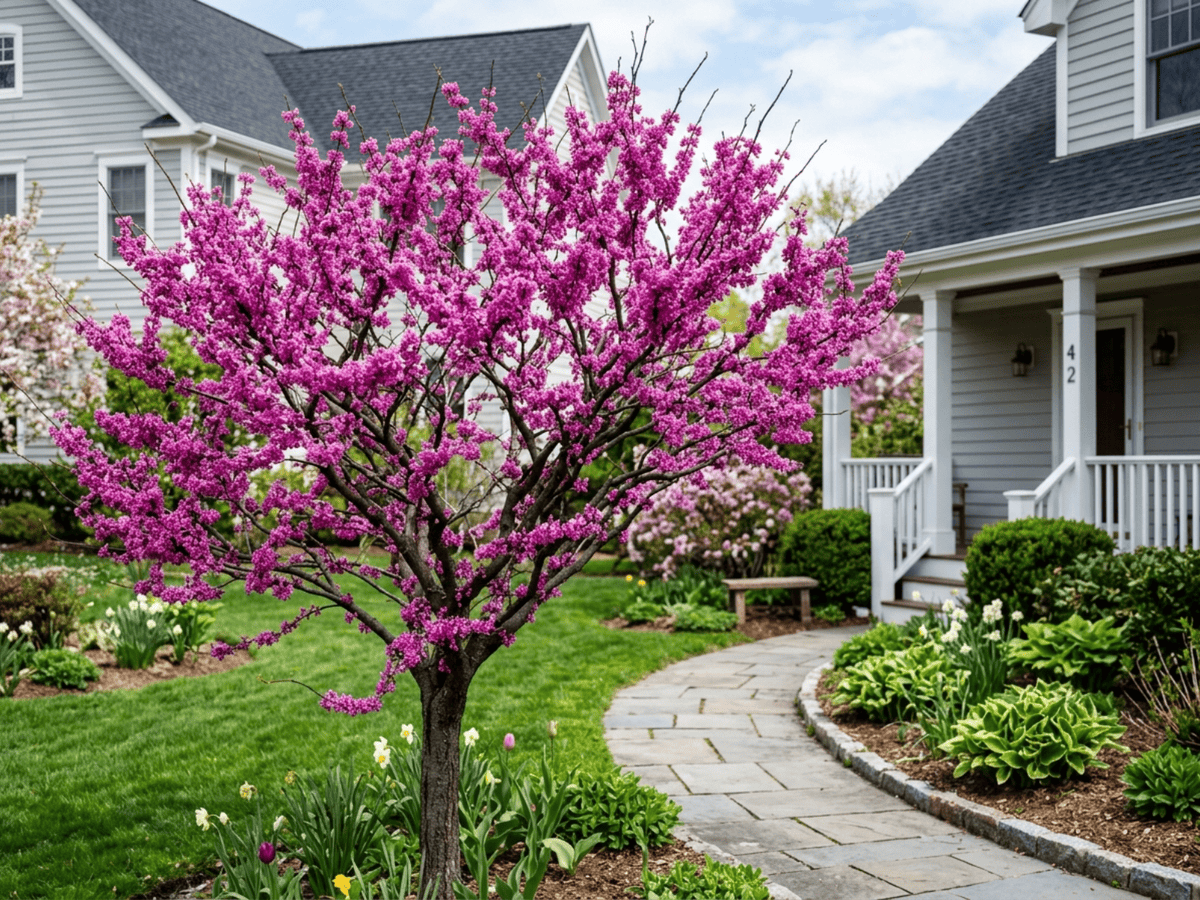
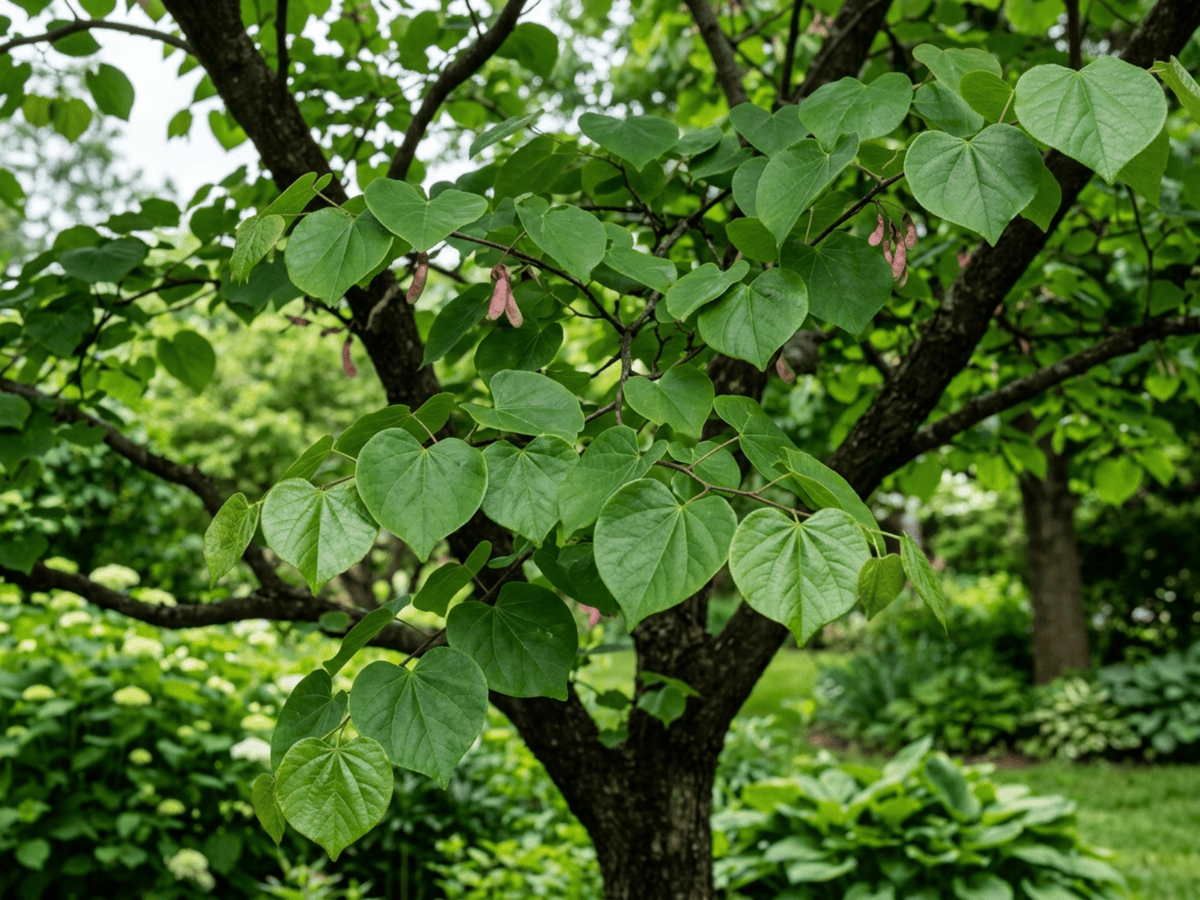
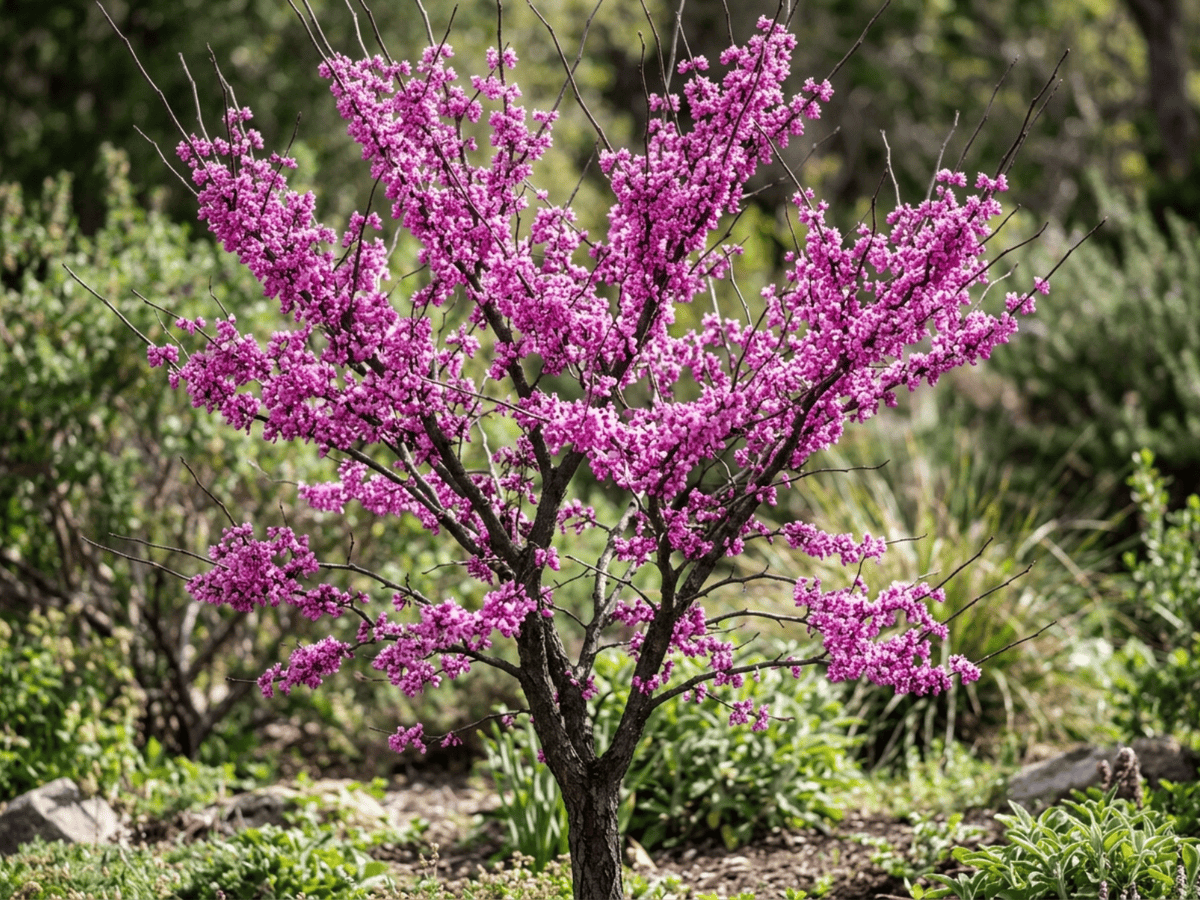
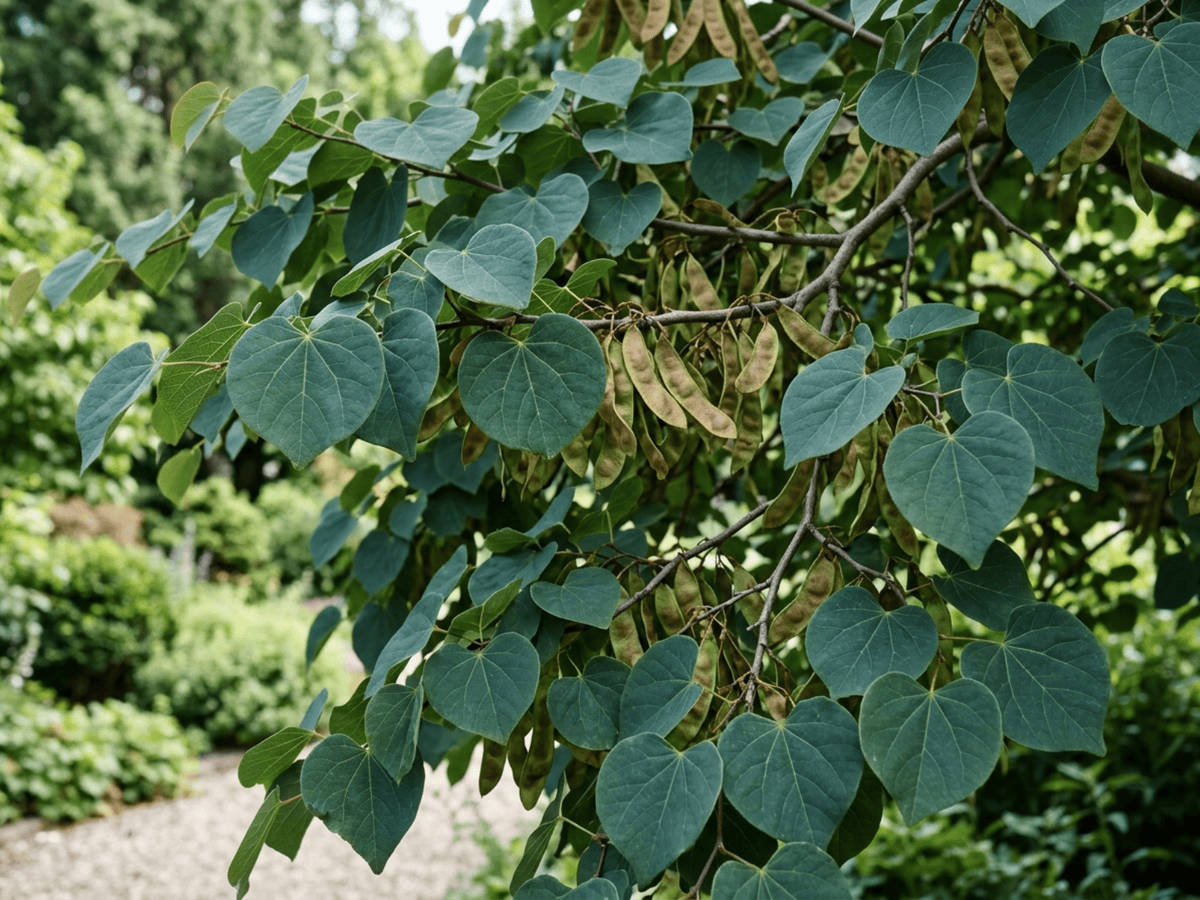
Chinese Redbud is a small deciduous tree or large shrub native to central China, smothered in spring with vibrant magenta-pink pea-like flowers on bare branches and trunks before the heart-shaped leaves emerge. Growing 8-15 feet tall, it is a standout small ornamental tree for American gardens, hardy in USDA zones 6-9. Its precocious bloom and clean habit make it an excellent alternative to the American redbud for smaller yards.
- Pollinator-friendly
How to care for Chinese Redbud
Watering
- Springevery 7 days
- Summerevery 5 days
- Fallevery 10 days
- Winterpause watering
Soil · Well-draining
- Top dressingPine bark mulch10%
- Main mixPotting soil + perlite 2:170%
- DrainageLECA / gravel20%
Never skip the drainage layer — standing water is the top cause of root rot.
FERTILIZER
Balanced Feed 14-14-14
An even feed covers all three needs at once, keeping leaves, roots and blooms moving together with nothing pushed out of balance.
- Nitrogen · Leaves
- Phosphorus · Roots + Blooms
- Potassium · Strength
- Springevery 60 days
- Summerevery 60 days
At a Glance
- NativeEast Asia
- Height8–15 ft (2.4–4.6 m)
- Spread8–12 ft (2.4–3.7 m)
- Flower colorPink, Purple, White
- Foliage colorGreen
- Fruit colorBrown
- SoilLoamy, Well-drained
- LocationsYard
Bloom time
BLOOM CYCLE
Peak bloom
Mar–Apr
Magenta-pink flowers March to April
Fragrance
LIGHT FRAGRANCE
The flowers have a mild sweet scent.
Toxicity
No toxicity has been reported for this plant. Still, it is wise to keep pets from chewing on any houseplant.
Educational information, not medical or veterinary advice. If exposure is suspected, contact a doctor or veterinarian.
DISTRIBUTION


- Native
- Introduced
- East Asia
History
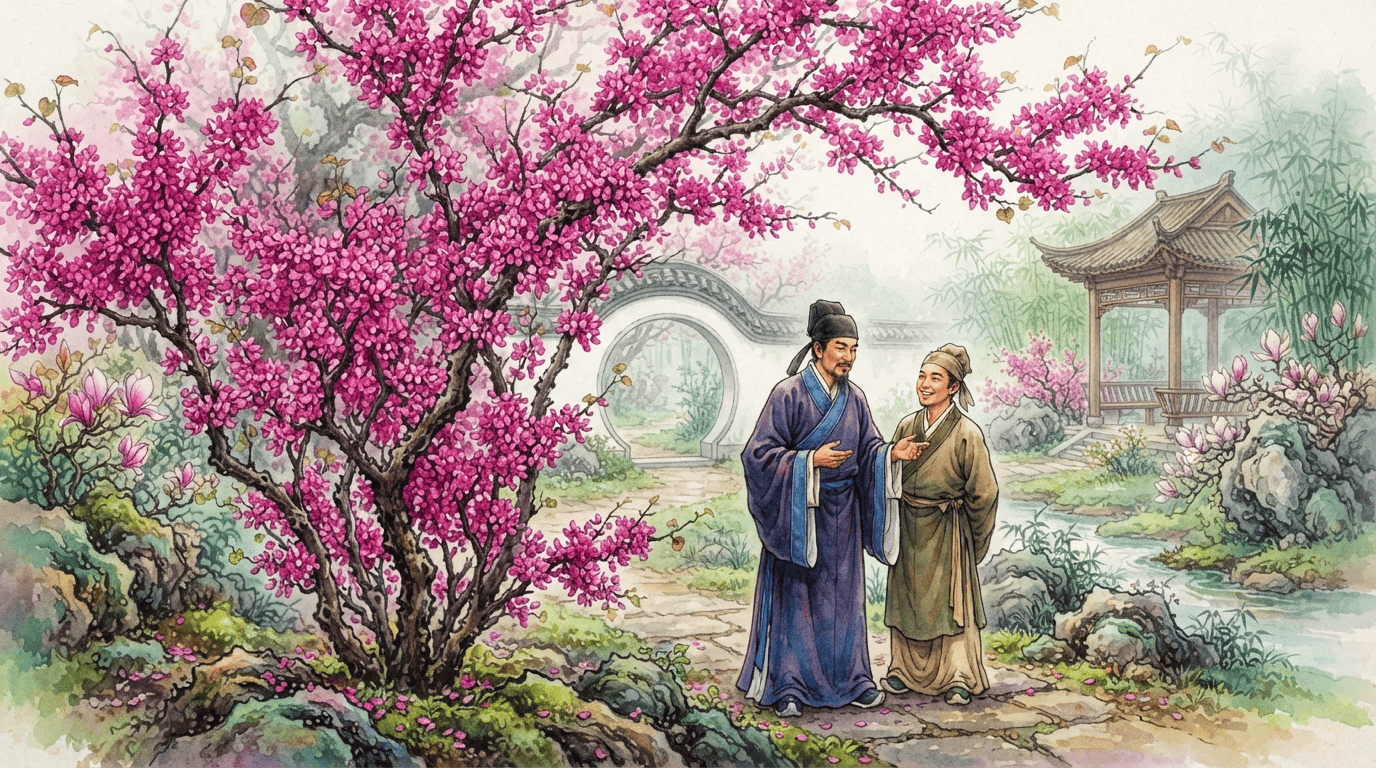
Cercis chinensis ranges across central and southern China. Chinese gardens have cultivated it for over 1000 years, and the plant features in classical Tang and Song dynasty poetry as a symbol of brotherhood and family unity—the trunk's persistent clumping habit inspiring metaphors of siblings remaining close. Linnaeus's son Carl Linnaeus the Younger formally described the species in 1781 based on specimens reaching European collections through Jesuit missionaries.
Unlike the American Cercis canadensis, C. chinensis typically forms a multi-stemmed shrub with larger, more intensely rose-pink flowers clustering directly on the bark in early spring before leaves emerge. Introduced to the West in 1850. Cultivars 'Avondale' (from New Zealand, exceptionally floriferous) and 'Don Egolf' (Longwood Gardens sterile selection) became widely grown in Western horticulture.
Symbolism & meaning
What It Symbolizes
Chinese Redbud is a tree of renewal, its precocious magenta flowers bursting directly from bare branches as though spring were impatient to begin. In Chinese tradition, it can symbolize harmony and brotherly love, its clustered blooms standing for family unity. It is a tree that announces both the season's return and the warmth of bonds reaffirmed.
- Renewal — precocious spring bloom heralds the season
- Harmony — Chinese symbol of brotherly love
Where the Name Comes From
The name Chinese Redbud points to China. 'Cercis' is the ancient Greek name; 'chinensis' refers to China.
Uses & Fun Facts
- Magenta pea-flowers feed early bees on bare branches
- Cauliflorous pink blooms cover bare branches as spring focal point
- Heart-shaped leaves and pink spring bloom for small gardens
Related plants
More Cercis plants
Plants with similar care
 Chinese AbeliaAbelia chinensis
 Fragrant AbeliaAbelia mosanensis
 Large-Flowered AbeliaAbelia uniflora
 Glossy AbeliaAbelia x grandiflora
Frequently asked questions
How often should I water Chinese Redbud?
Water about every 7 days during the growing season, and always let excess water drain away.
How much light does Chinese Redbud need?
Full sun: 6+ hrs direct. Watch the leaves — scorching or stretching means the light needs adjusting.
Is Chinese Redbud toxic to cats or dogs?
No toxicity has been reported for this plant. Still, it is wise to keep pets from chewing on any houseplant. Educational information, not medical or veterinary advice. If exposure is suspected, contact a doctor or veterinarian.
Is Chinese Redbud easy to grow?
Yes — it is considered an easy, beginner-friendly plant.
When does Chinese Redbud bloom?
It typically blooms Mar–Apr in the Northern Hemisphere.
YardMate
Identify any plant in seconds
Snap a photo — YardMate names the plant, diagnoses problems, and reminds you when to water.
Download on the App Store