 YardMate

Judas-Tree
Cercis siliquastrum
Medium · Some experienceAbout Judas-Tree
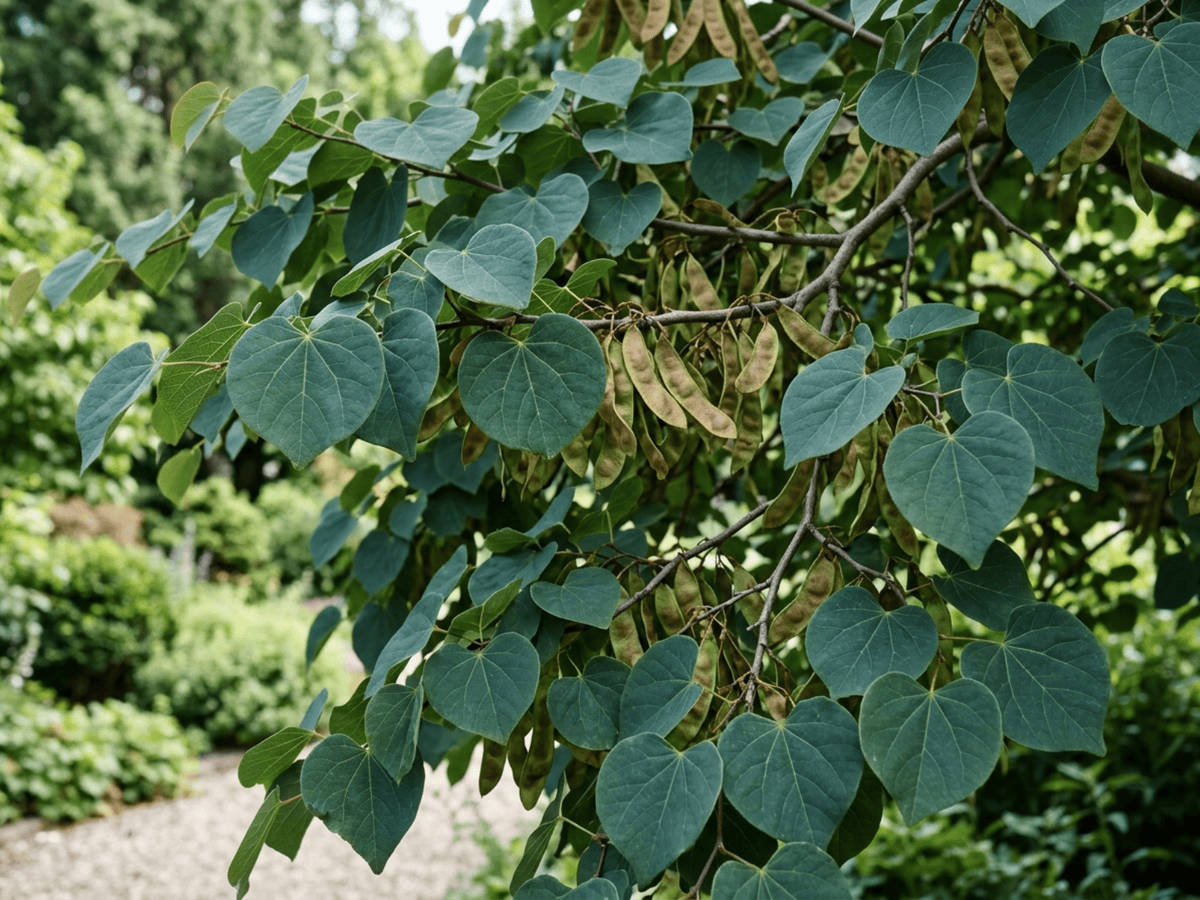
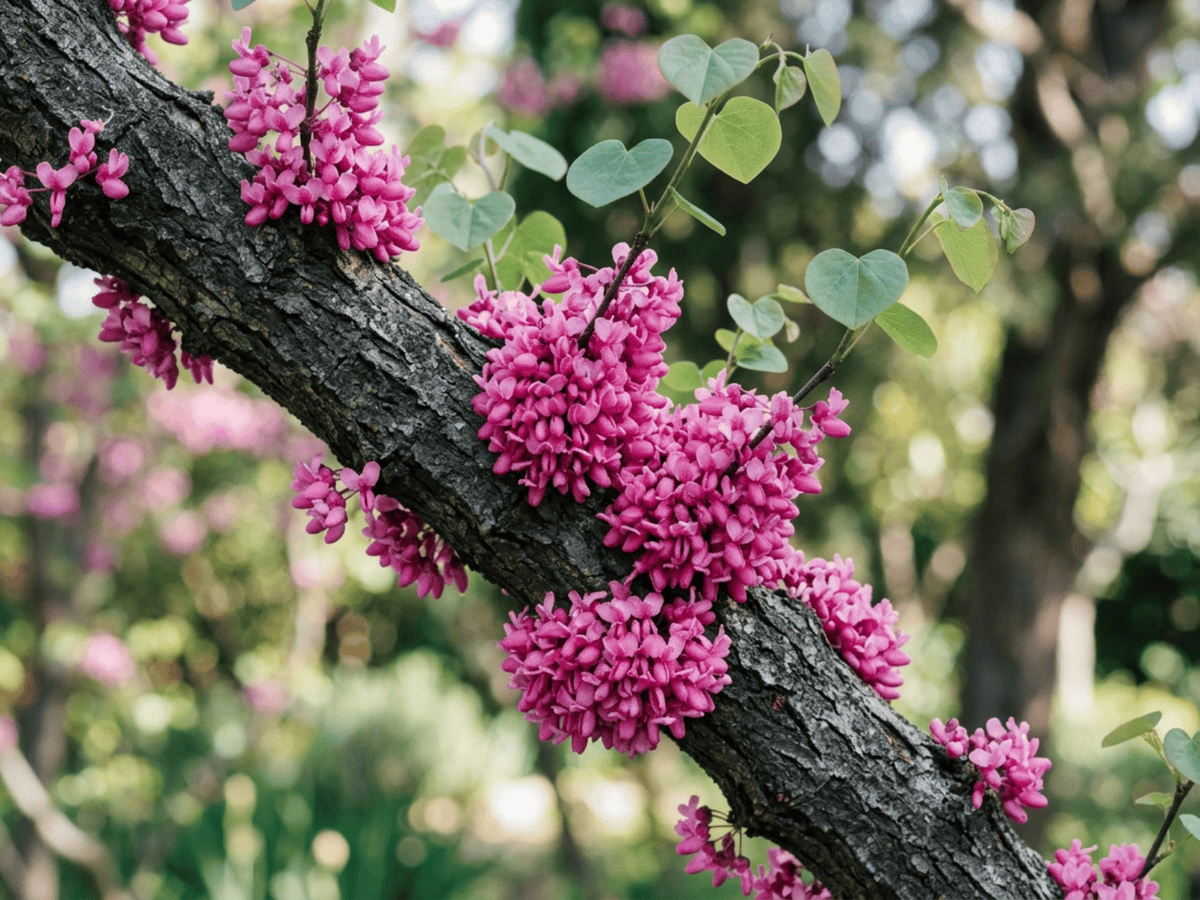
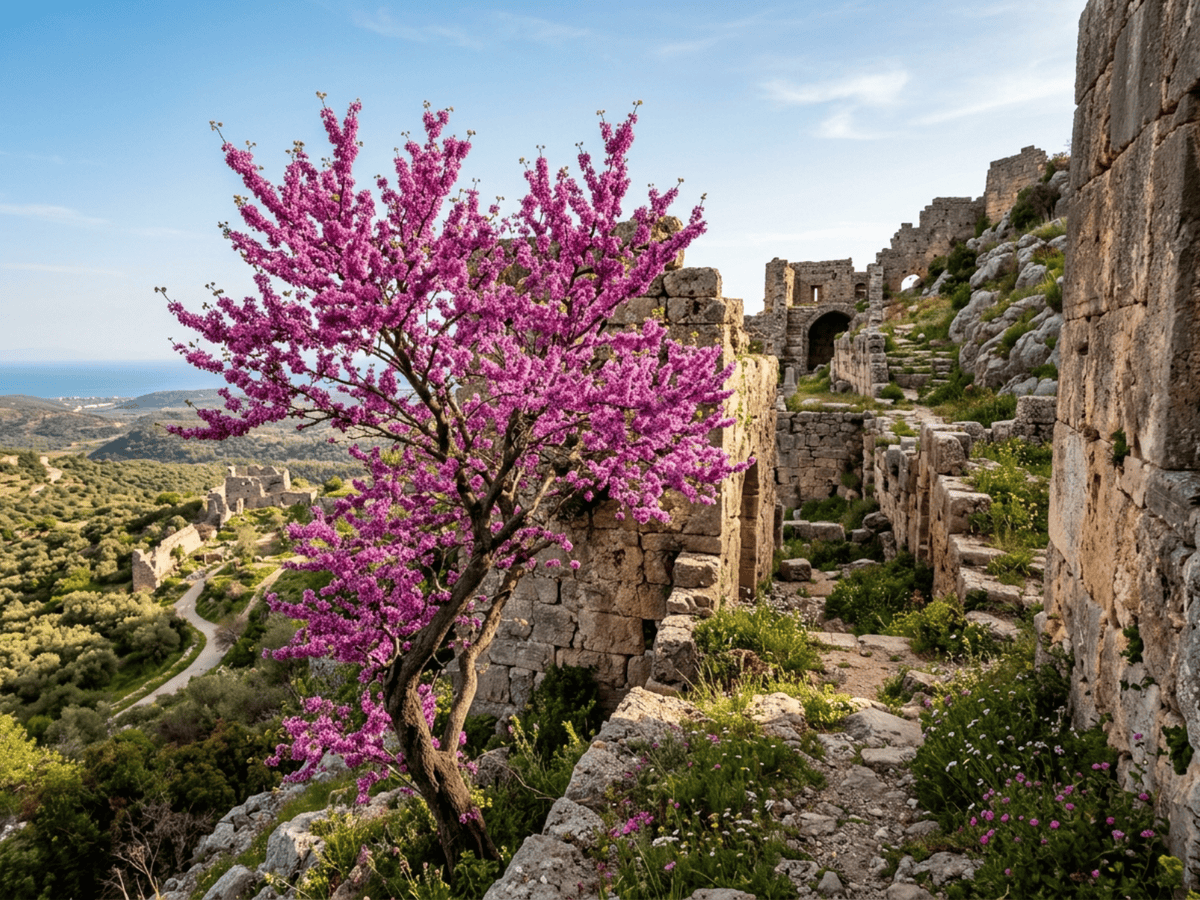
Cercis siliquastrum, the Judas tree, is a striking deciduous tree native to Southern Europe and Western Asia, typically growing 15 to 25 feet tall. Like its American relative, it displays the dramatic phenomenon of cauliflory, producing clusters of vivid magenta-pink flowers directly from the bark of branches and trunk in spring before the rounded, heart-shaped leaves emerge. The tree thrives in Mediterranean climates and is remarkably drought-tolerant once established, making it ideal for water-wise gardens. It prefers full sun and well-drained alkaline to neutral soil. The flat seed pods that follow flowering persist on the tree through winter, adding architectural interest. Fall color is typically golden yellow. The Judas tree has been cultivated in European gardens since at least the 16th century and is a common sight along streets and in parks throughout the Mediterranean basin. It requires minimal pruning and is relatively pest-free, though it can be slow to establish and resents transplanting once mature.
- Low-maintenance
- Drought-tolerant
How to care for Judas-Tree
Watering
- Springevery 5 days
- Summerevery 4 days
- Fallevery 10 days
- Winterevery 30 days
Soil · Well-draining
- Top dressingPine bark mulch10%
- Main mixPotting soil + perlite 2:170%
- DrainageLECA / gravel20%
Never skip the drainage layer — standing water is the top cause of root rot.
FERTILIZER
Balanced Feed 14-14-14
An even feed covers all three needs at once, keeping leaves, roots and blooms moving together with nothing pushed out of balance.
- Nitrogen · Leaves
- Phosphorus · Roots + Blooms
- Potassium · Strength
- Springevery 60 days
At a Glance
- NativeMediterranean, Western Asia
- Height20–30 ft (6.1–9.1 m)
- Spread20–30 ft (6.1–9.1 m)
- Flower colorPink, Purple, White
- Foliage colorGreen, Yellow
- SoilLoamy, Well-drained, Alkaline
- LocationsYard
Bloom time
BLOOM CYCLE
Peak bloom
Apr
Magenta-pink flowers burst from bare branches and trunk in mid-spring; avoid pruning in late winter to preserve flower buds
Fragrance
NO FRAGRANCE
No notable fragrance.
Toxicity
No toxicity has been reported for this plant. Still, it is wise to keep pets from chewing on any houseplant.
Educational information, not medical or veterinary advice. If exposure is suspected, contact a doctor or veterinarian.
DISTRIBUTION


- Native
- Introduced
- Mediterranean
- Western Asia
History
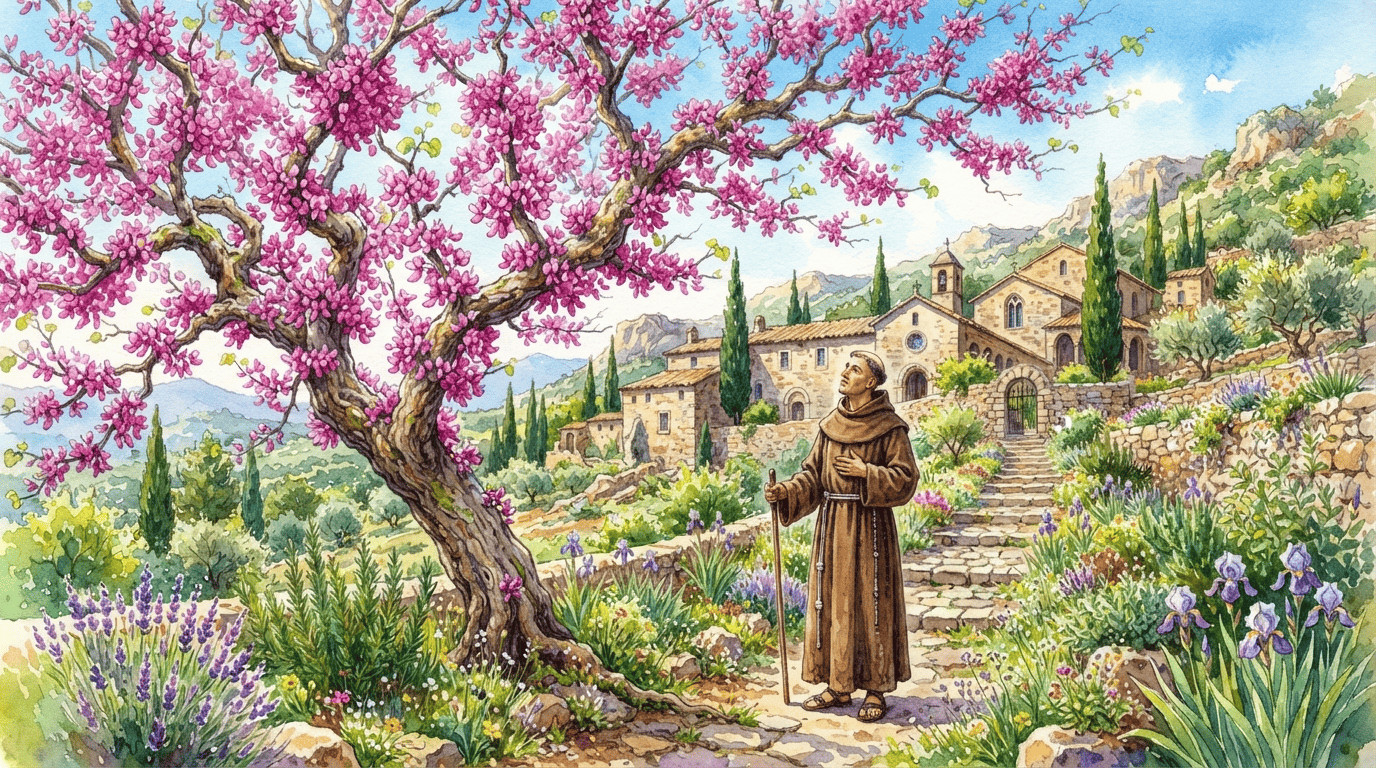
Cercis siliquastrum is native to the eastern Mediterranean basin and southern Europe, from France and Spain through Italy and the Balkans to Turkey, Syria, and Israel. Like its North American sister species C. canadensis, it displays cauliflorous flowering — rose-pink pea-like flowers emerge directly from bare branches and trunks in April and May, before the leaves unfurl. The common name "Judas tree" derives from the Christian legend that Judas Iscariot hanged himself from such a tree after betraying Christ, and that the formerly white flowers turned pink-red either from shame or from the blush of Judas's blood.
An alternative etymology holds that the name is a corruption of "Judea tree," since the species is abundant in historical Judea. The flowers are edible and have been used in Mediterranean cuisine to add color to salads and make a traditional preserve or syrup.
The tree has been cultivated in European gardens since at least the 16th century and was spread throughout British estate gardens during the 19th-century fashion for Mediterranean plants. Botanically this is myth, but it gave the tree its common name across Europe. The species has been cultivated in monastery gardens since medieval times and remains one of the most celebrated spring-flowering trees of the Mediterranean.
Symbolism & meaning
What It Symbolizes
Judas-Tree carries the weight of betrayal in its name, linked by old European legend to Judas Iscariot and themes of remorse. Yet each spring it speaks more loudly of rebirth — magenta blossoms erupting directly from bare gray wood in a defiant act of renewal. The same tree that holds a story of falling holds a brighter story of rising again.
- Betrayal — Associated with the legend of Judas Iscariot and themes of remorse
- Rebirth — Its spectacular spring bloom from bare wood symbolizes renewal after hardship
Where the Name Comes From
'Cercis' from Greek 'kerkis' (weaver's shuttle) for the seed pod shape. 'Siliquastrum' means 'bearing pods', from Latin 'siliqua' (pod).
Uses & Fun Facts
- Magenta cauliflorous blooms erupt directly from bark before leafout
- Small Mediterranean tree as spring focal point in courtyards
- Tart pink flowers tossed into Levantine spring salads
Related plants
More Cercis plants
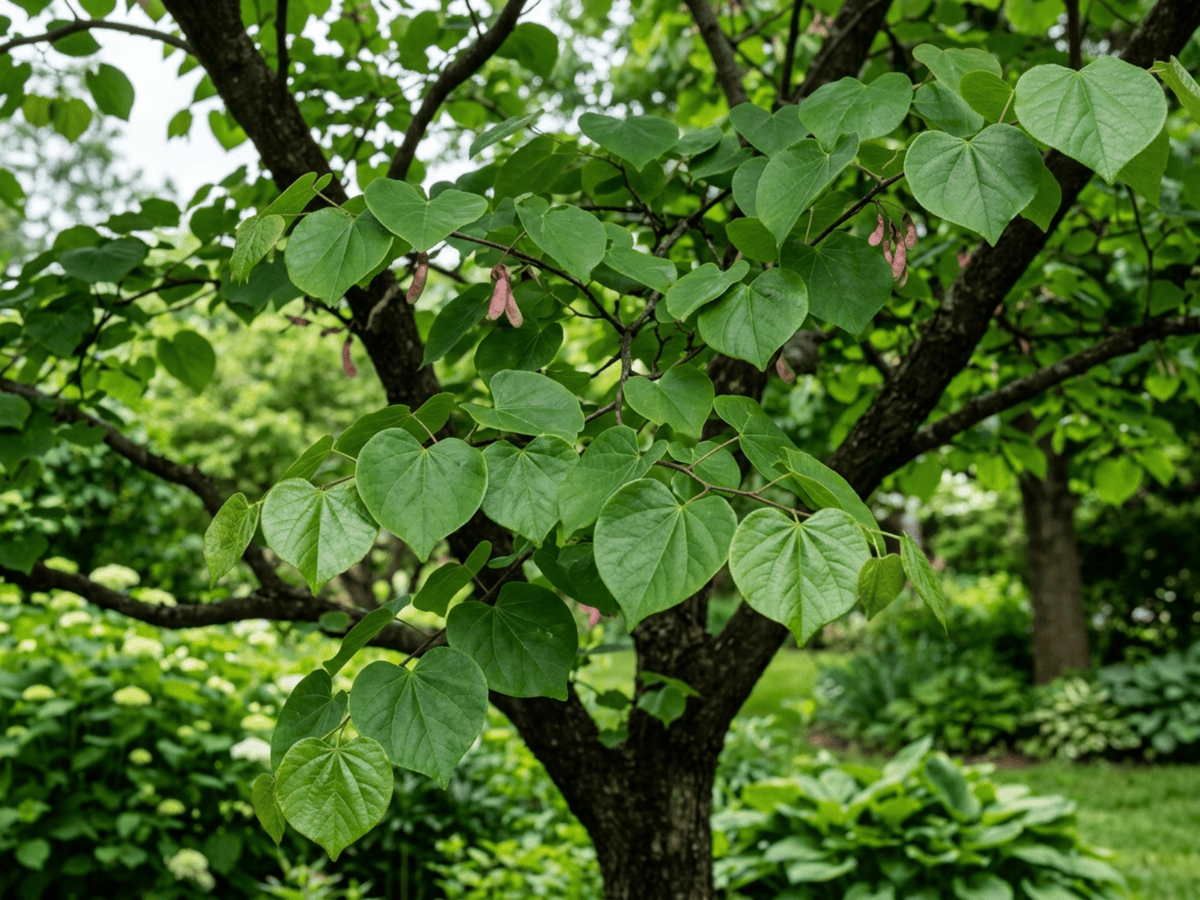
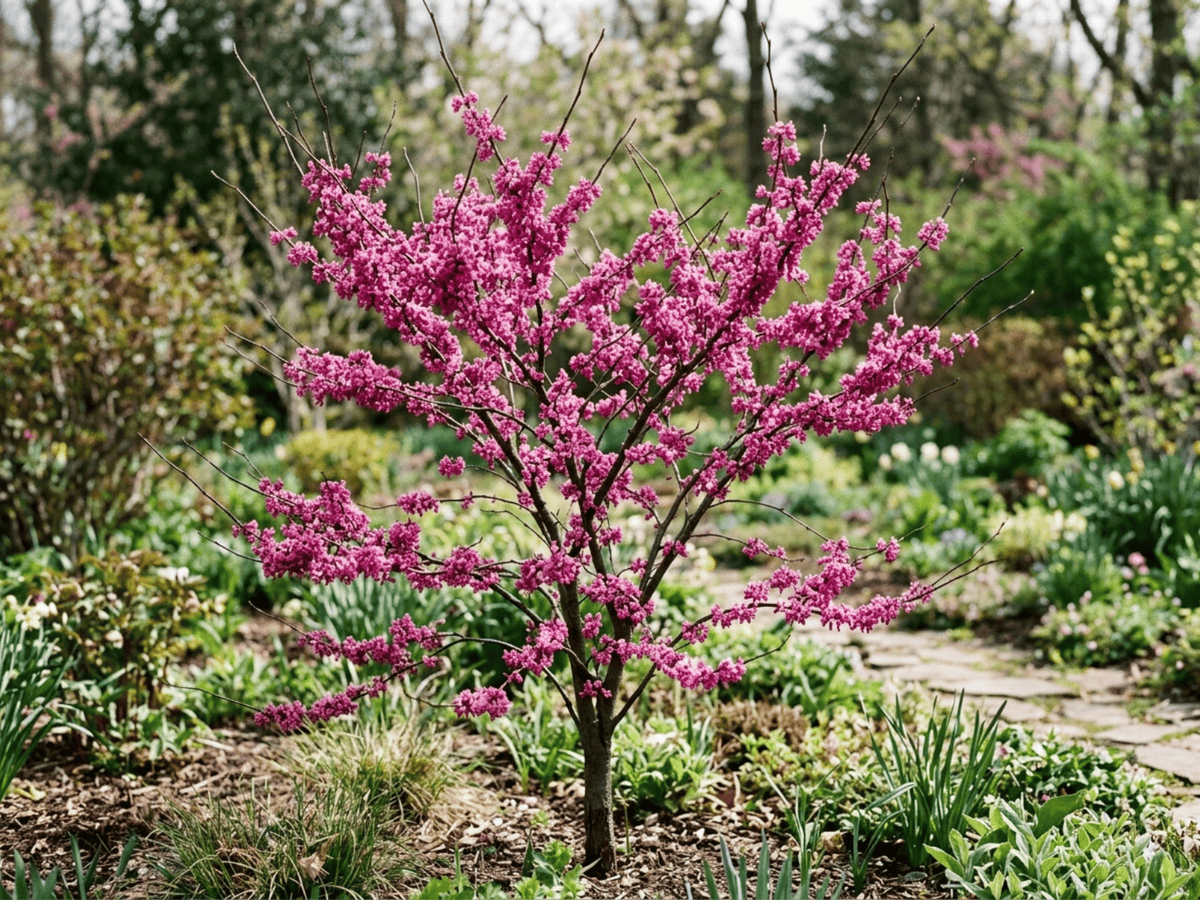
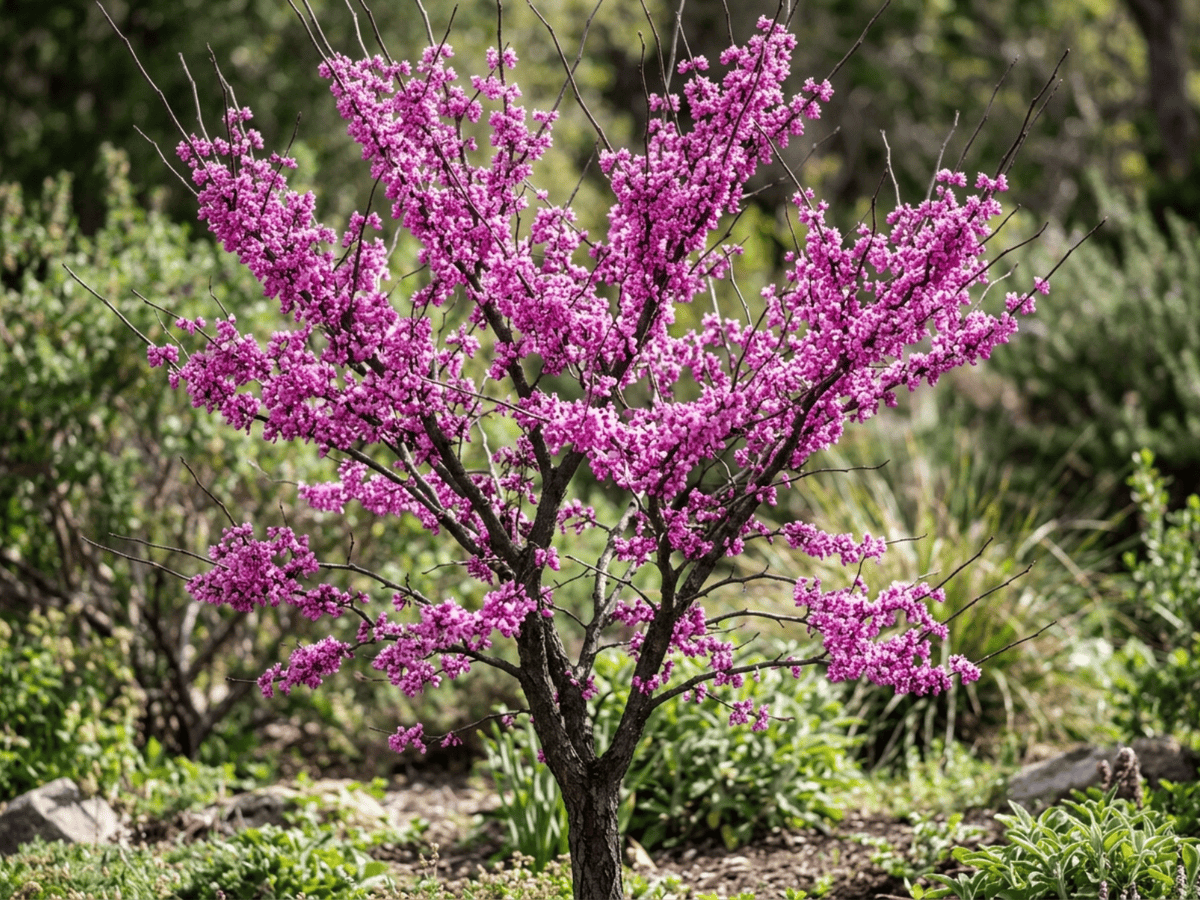
Plants with similar care
 Mexican AbeliaAbelia floribunda
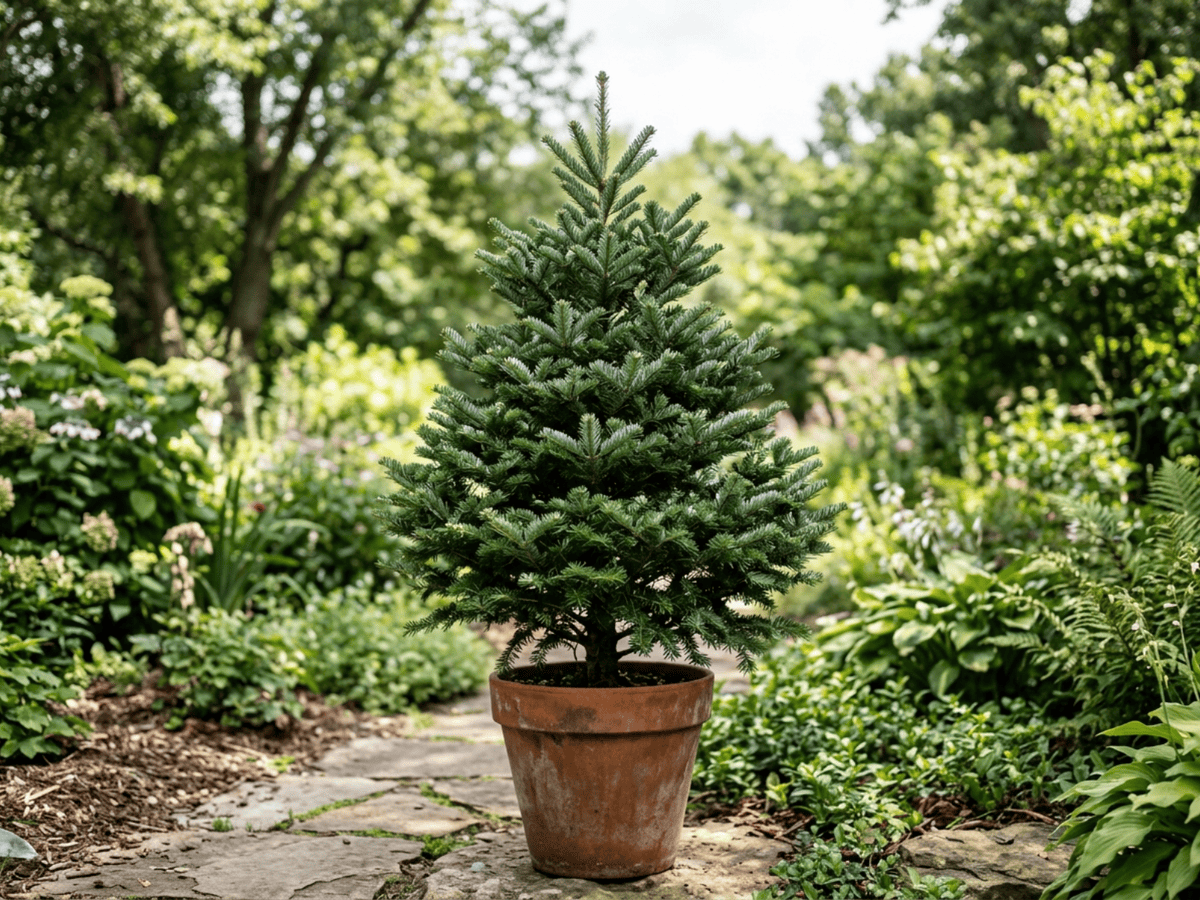 Fraser FirAbies fraseri
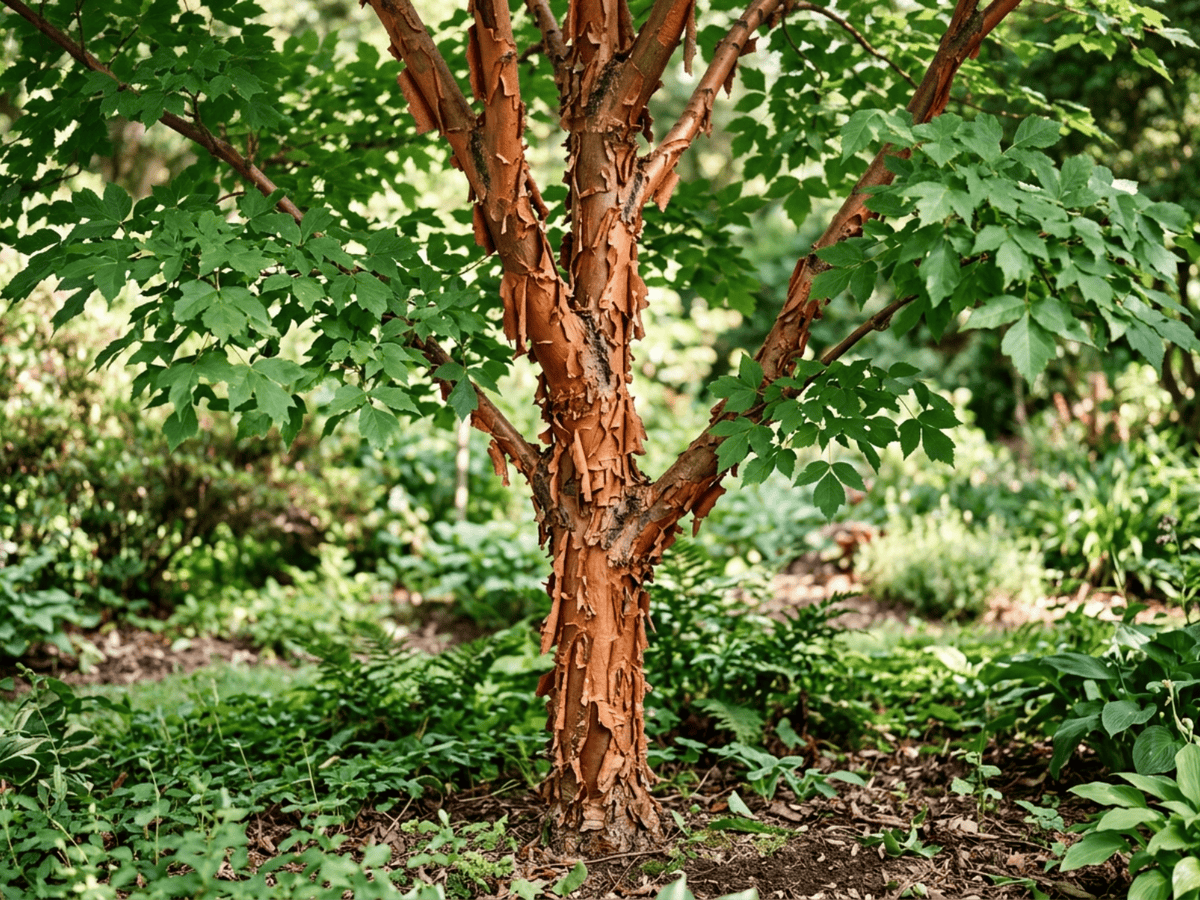 Paperbark MapleAcer griseum
 Sugar MapleAcer saccharum
Frequently asked questions
How often should I water Judas-Tree?
In summer, water about every 4 days; in winter, about every 30 days. Adjust for heat, pot size and drainage.
How much light does Judas-Tree need?
Full sun: 6+ hrs direct. Watch the leaves — scorching or stretching means the light needs adjusting.
Is Judas-Tree toxic to cats or dogs?
No toxicity has been reported for this plant. Still, it is wise to keep pets from chewing on any houseplant. Educational information, not medical or veterinary advice. If exposure is suspected, contact a doctor or veterinarian.
Is Judas-Tree easy to grow?
It is moderately demanding: a good choice once you have a little experience.
When does Judas-Tree bloom?
It typically blooms Apr in the Northern Hemisphere.
YardMate
Identify any plant in seconds
Snap a photo — YardMate names the plant, diagnoses problems, and reminds you when to water.
Download on the App Store