 YardMate

Large-Flower Clarkia
Clarkia pulchella
Easy · Beginner friendlyAbout Large-Flower Clarkia
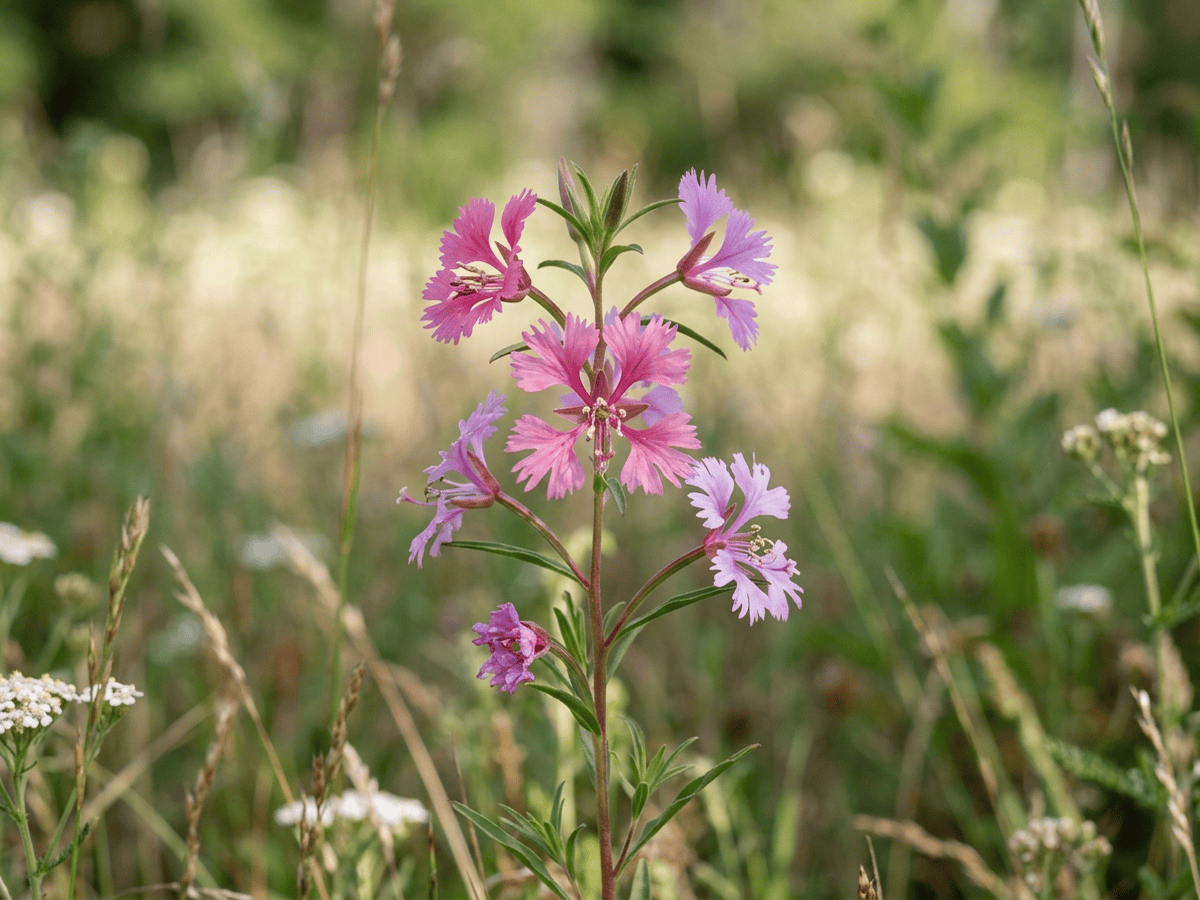
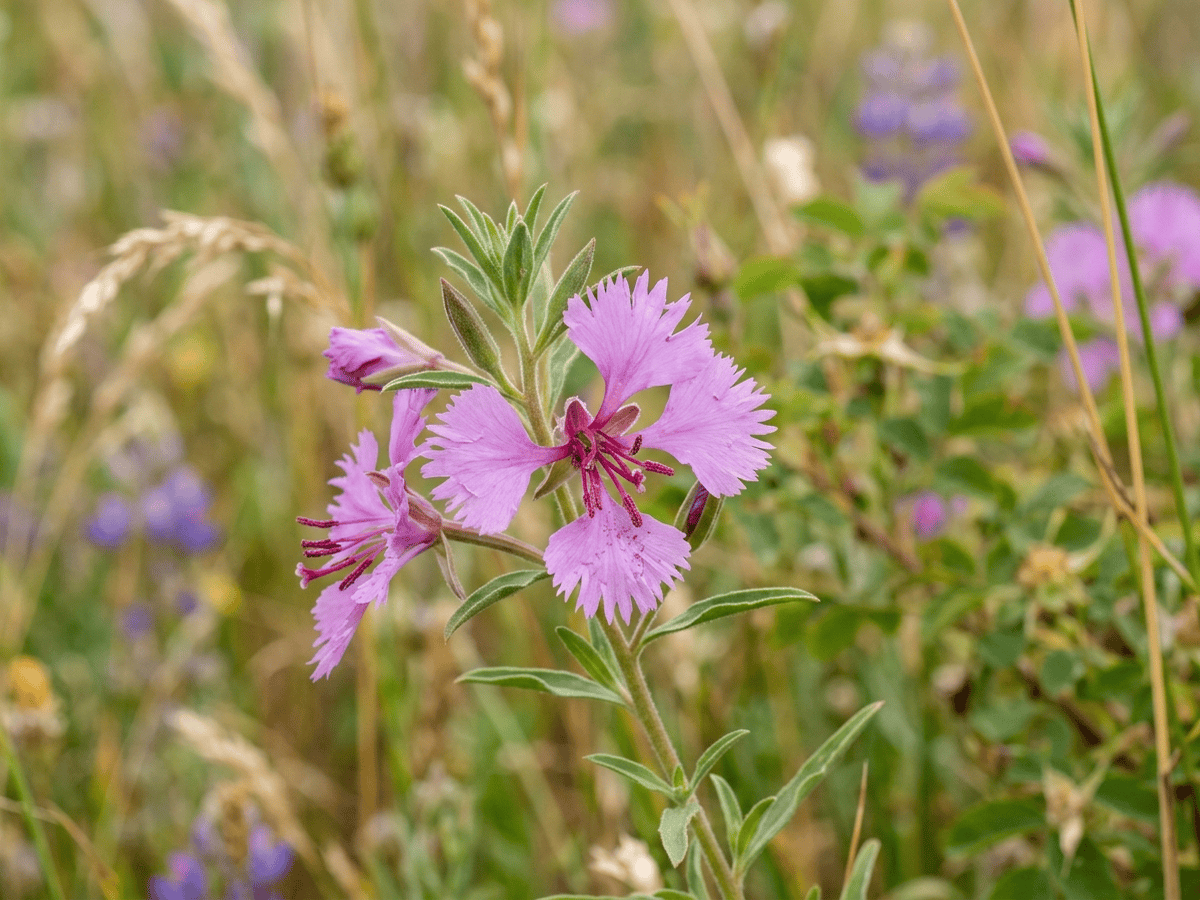
Pinkfairies or Ragged Robin Clarkia is a Pacific Northwest and Intermountain West native annual wildflower producing distinctive four-petal pink flowers with deeply lobed ragged edges. Growing 8 to 20 inches tall on slender stems, it blooms from late spring through midsummer across western meadows and rocky slopes. Famously collected by the Lewis and Clark Expedition in 1806 and named for William Clark, a heritage American native wildflower.
- Drought-tolerant
- Native
- Pollinator-friendly
How to care for Large-Flower Clarkia
Watering
- Springevery 5 days
- Summerevery 4 days
- Fallevery 7 days
- Winterpause watering
Soil · Well-draining
- Top dressingPine bark mulch10%
- Main mixPotting soil + perlite 2:170%
- DrainageLECA / gravel20%
Never skip the drainage layer — standing water is the top cause of root rot.
FERTILIZER
This plant needs little to no feeding.
At a Glance
- NativeNorth America
- Height1–2 ft (0.3–0.6 m)
- Spread0.5–1 ft (0.2–0.3 m)
- Flower colorPink, Purple, White
- Foliage colorGreen
- SoilSandy, Well-drained
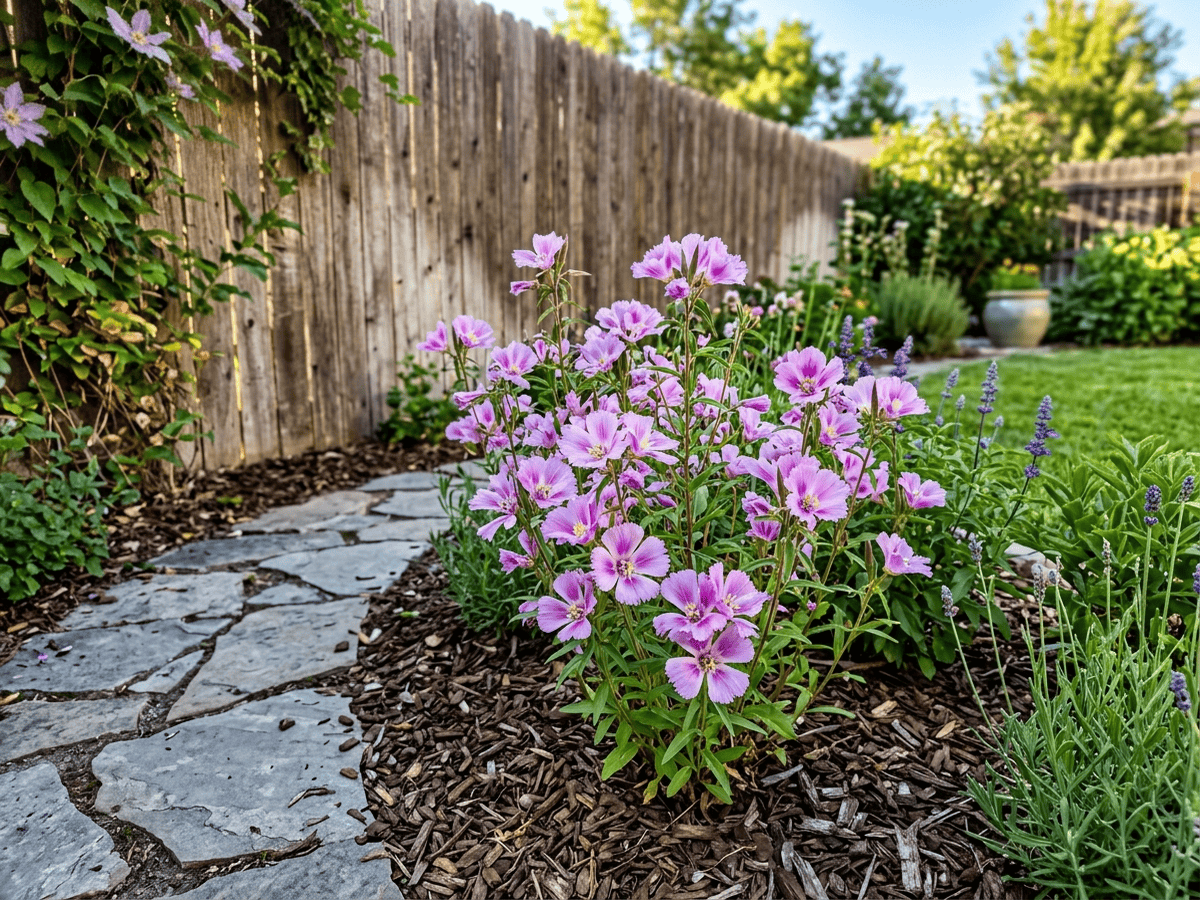
- LocationsYard
Bloom time
BLOOM CYCLE
Peak bloom
May, Jul
Ragged-petal pink flowers late spring to midsummer
Toxicity
No toxicity has been reported for this plant. Still, it is wise to keep pets from chewing on any houseplant.
Educational information, not medical or veterinary advice. If exposure is suspected, contact a doctor or veterinarian.
DISTRIBUTION

- Native
- Introduced
- North America
History
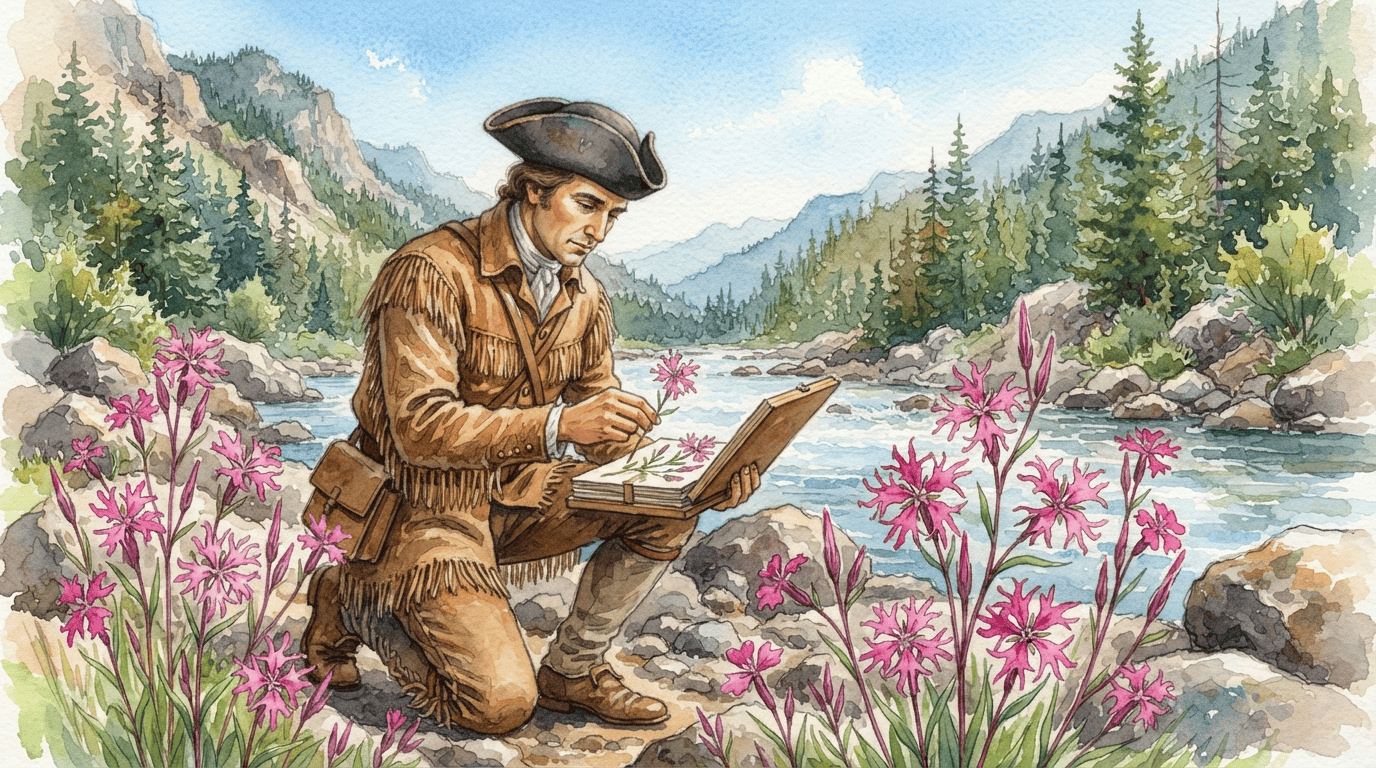
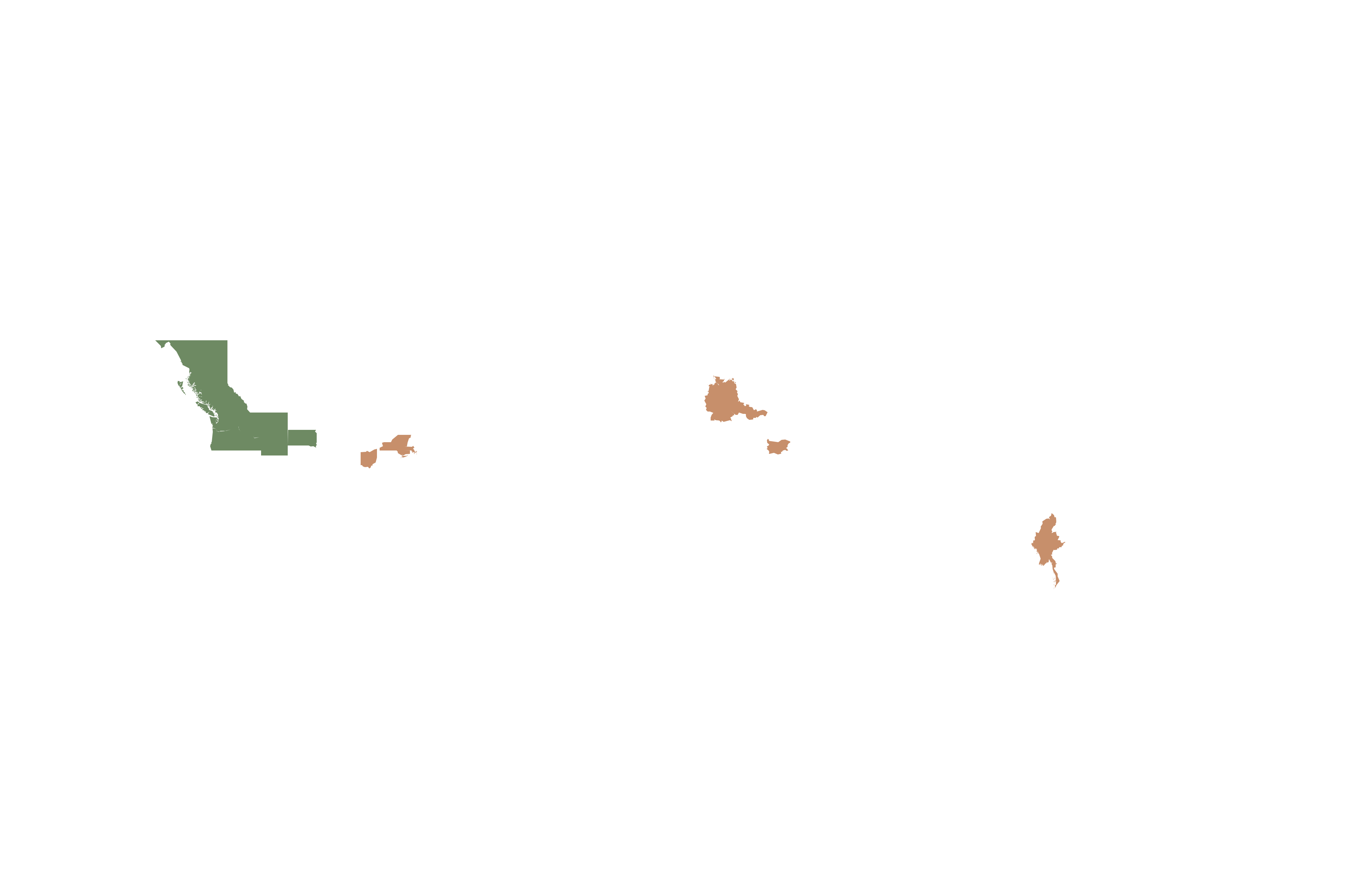
Clarkia pulchella, commonly called ragged-robin, pink fairies, or elkhorns clarkia, is a slender annual native to the inland Pacific Northwest of the United States and southwestern Canada, from eastern Washington and Oregon east to Montana and Alberta. Meriwether Lewis collected specimens in June 1806 along the Lolo Trail in what is now Idaho, and the plant reached European botanists through the shipment sent back to Thomas Jefferson. English botanist Frederick Pursh formally described the species in 1813, and American botanist Thomas Nuttall established the genus Clarkia in 1815 to honor Lewis's expedition partner Captain William Clark.
The flowers bear four pink petals each with three conspicuous lobes, giving a lacy ragged appearance. Clarkia pulchella has long been a favorite annual of cottage gardens and pollinator plantings.
Collected by Meriwether Lewis near the Clearwater River of Idaho in June 1806 during the return journey of the Corps of Discovery, and named by botanist Frederick Pursh to honor William Clark. The entire genus Clarkia, now containing over 40 species, traces its name to this single expedition collection.
Symbolism & meaning
What It Symbolizes
Large-Flower Clarkia carries the pioneer spirit in its torn-petal blooms, collected on the Lewis and Clark expedition and named for Captain Clark himself. Its beautifully ragged silhouette feels like a flower designed for a journey — wind-blown, slightly improvised, undeniably alive. Each bloom is a small reminder that the American landscape was once mapped one wildflower at a time.
- Pioneer spirit — collected on the Lewis and Clark journey
- Beautiful ragged — distinctive torn-petal flowers
Where the Name Comes From
Genus 'Clarkia' honors William Clark (1770-1838) of the Lewis and Clark Expedition; 'pulchella' from Latin means beautiful little one.
Uses & Fun Facts
- Ragged-edge pink flowers brighten western native annual beds
- Late-spring blooms feed native bees in dry meadows
- Wildflower mix component for Western heritage seed plantings
Related plants
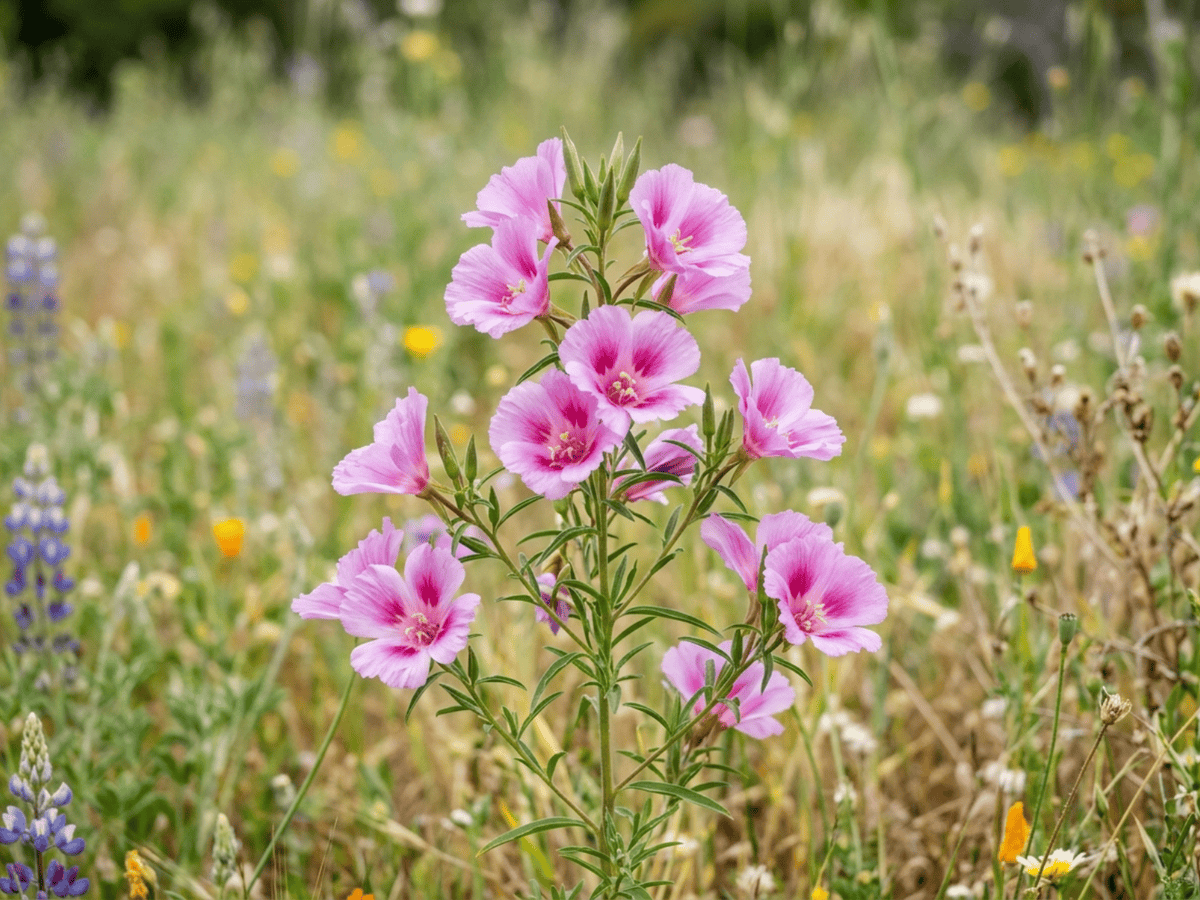
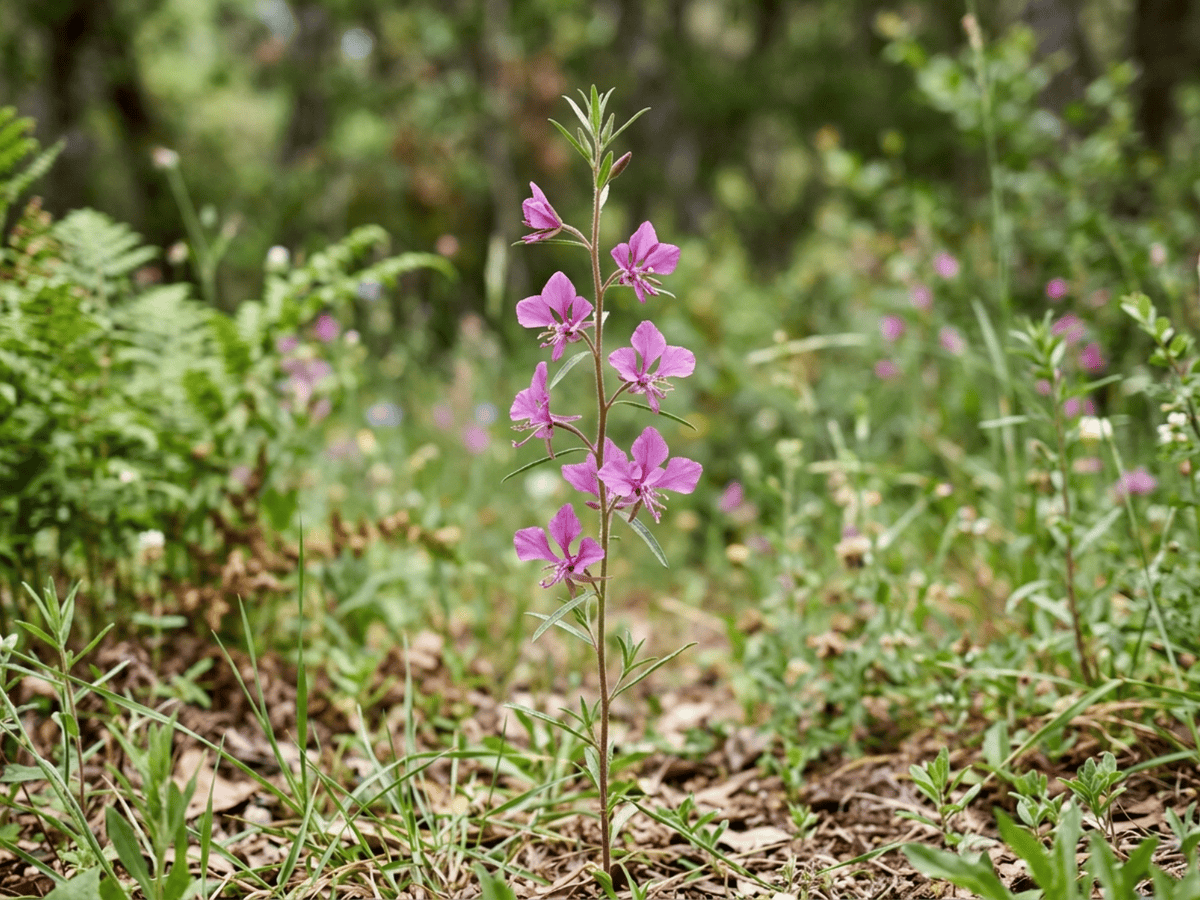
More Clarkia plants
Plants with similar care
 Chinese AbeliaAbelia chinensis
 Fragrant AbeliaAbelia mosanensis
 Large-Flowered AbeliaAbelia uniflora
 Glossy AbeliaAbelia x grandiflora
Frequently asked questions
How often should I water Large-Flower Clarkia?
Water about every 5 days during the growing season, and always let excess water drain away.
How much light does Large-Flower Clarkia need?
Full sun: 6+ hrs direct. Watch the leaves — scorching or stretching means the light needs adjusting.
Is Large-Flower Clarkia toxic to cats or dogs?
No toxicity has been reported for this plant. Still, it is wise to keep pets from chewing on any houseplant. Educational information, not medical or veterinary advice. If exposure is suspected, contact a doctor or veterinarian.
Is Large-Flower Clarkia easy to grow?
Yes — it is considered an easy, beginner-friendly plant.
When does Large-Flower Clarkia bloom?
It typically blooms May, Jul in the Northern Hemisphere.
YardMate
Identify any plant in seconds
Snap a photo — YardMate names the plant, diagnoses problems, and reminds you when to water.
Download on the App Store