 YardMate

Mirror Plant
Coprosma repens
Hard · Experienced growersAbout Mirror Plant
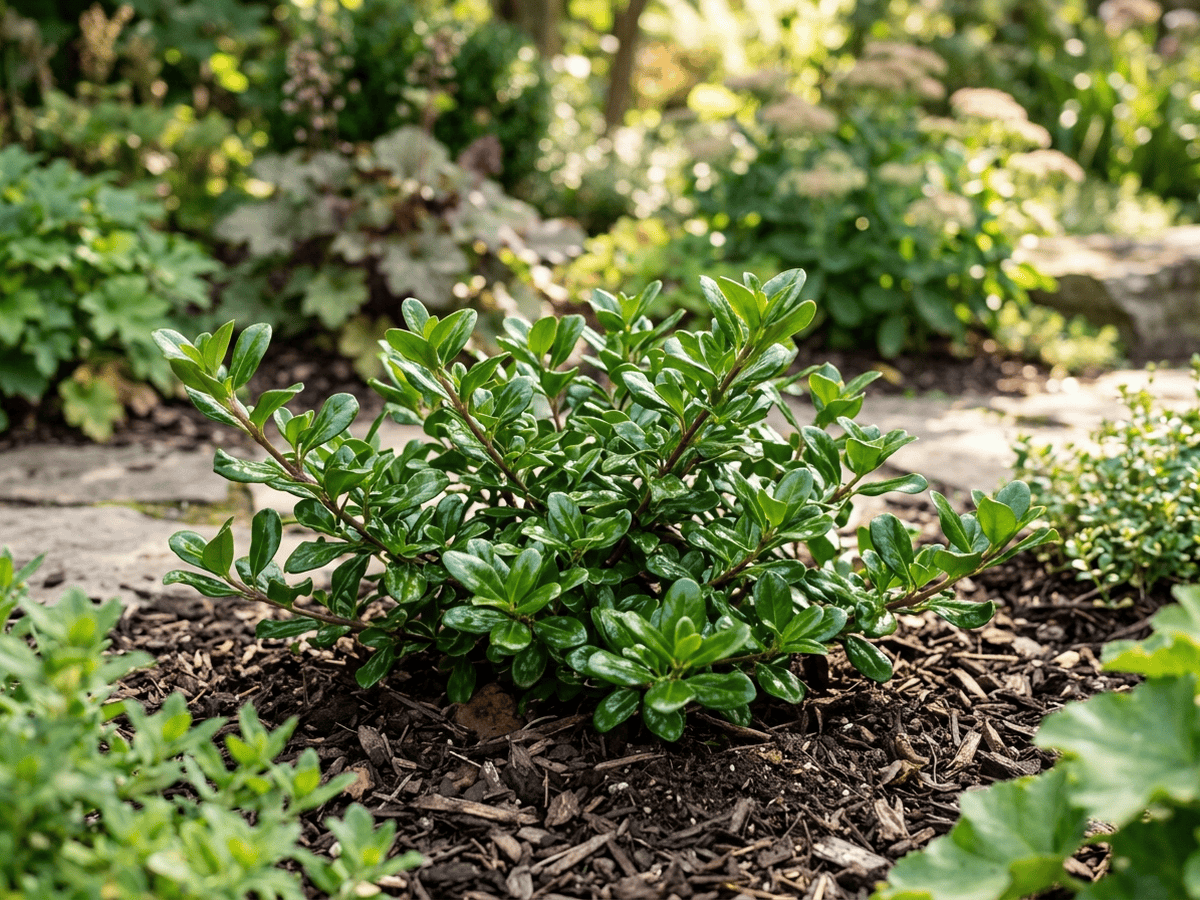
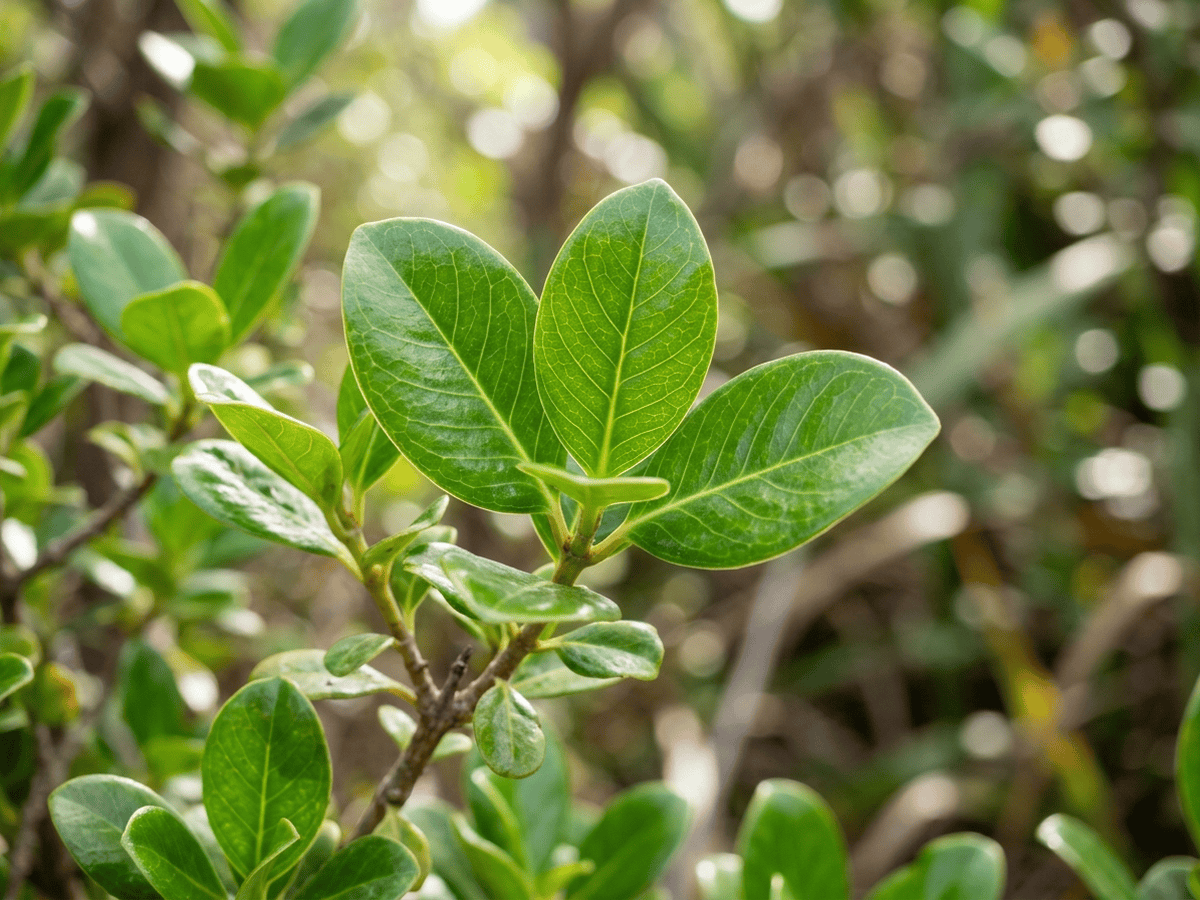
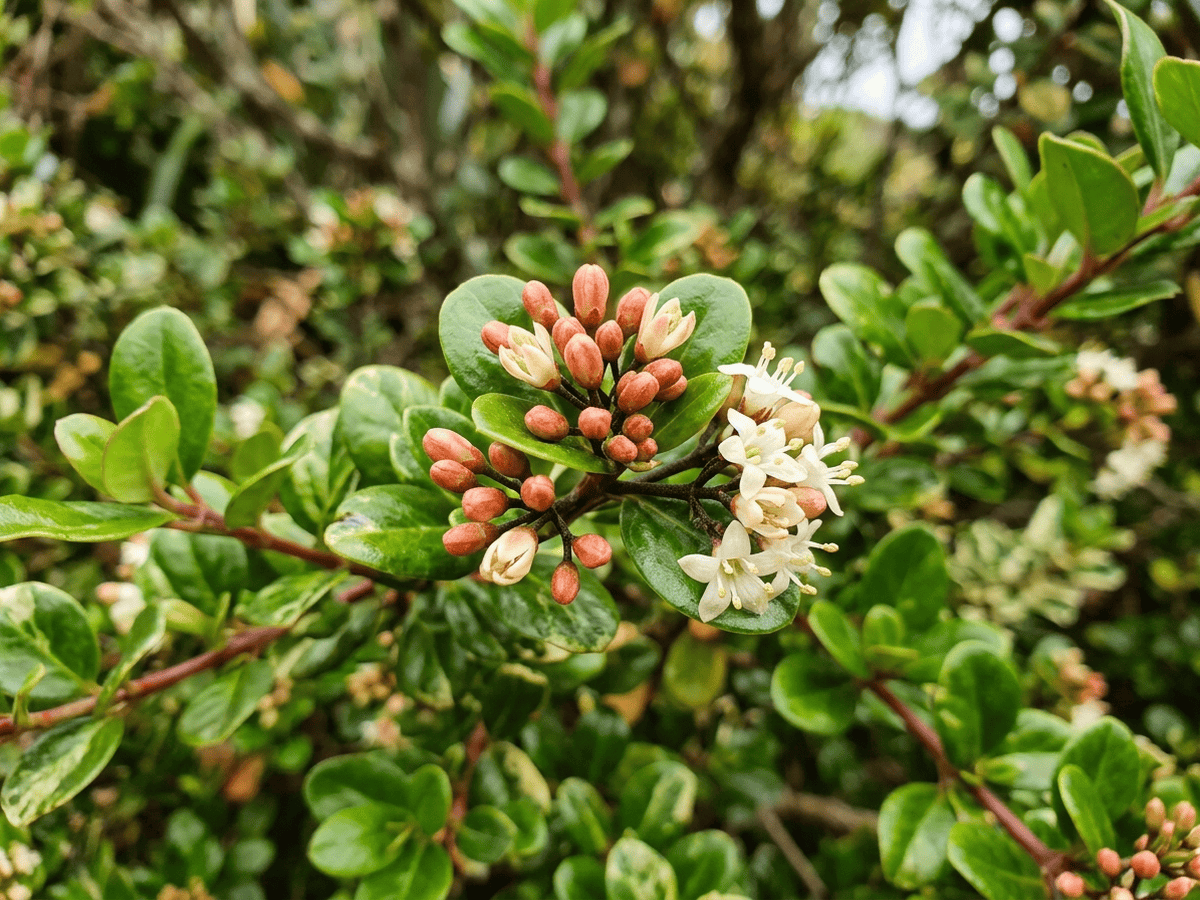
The Mirror Plant (Coprosma repens) is a bushy evergreen shrub native to coastal cliffs and forest margins of New Zealand, where it is also known as taupata. Its thick, glossy, rounded leaves catch and reflect light like tiny mirrors, giving the plant its common name. In the wild it forms a wind-sculpted shrub on exposed headlands; in cultivation it is most often clipped into dense hedges. The species is dioecious, with female plants producing small orange-red berries after inconspicuous greenish flowers. Highly tolerant of salt spray, coastal wind, and poor rocky soils, the Mirror Plant is grown worldwide for seaside hedging and windbreaks.
- Evergreen
- Drought-tolerant
- Spreading
- Fast-growing
- Showy-fruit
How to care for Mirror Plant
Watering
- Springevery 14 days
- Summerevery 7 days
- Fallevery 14 days
- Winterevery 30 days
Soil · Rich & well-draining
- Top dressingCompost10%
- Main mixPotting soil + compost 3:180%
- DrainageGravel10%
Top up the compost layer each season.
FERTILIZER
Balanced Feed 14-14-14
An even feed covers all three needs at once, keeping leaves, roots and blooms moving together with nothing pushed out of balance.
- Nitrogen · Leaves
- Phosphorus · Roots + Blooms
- Potassium · Strength
- Springevery 30 days
- Summerevery 30 days
- Fallevery 30 days
- Winterevery 30 days
At a Glance
- NativeNew Zealand
- Height3–6 ft (0.9–1.8 m)
- Spread3–6 ft (0.9–1.8 m)
- Foliage colorGreen
- SoilWell-drained
- LocationsYard · Patio
Fragrance
NO FRAGRANCE
Not grown for fragrance; the crushed leaves of some Coprosma species give off a faint musky odor, the source of the genus name.
Toxicity
No toxicity has been reported for this plant. Still, it is wise to keep pets from chewing on any houseplant.
Educational information, not medical or veterinary advice. If exposure is suspected, contact a doctor or veterinarian.
DISTRIBUTION


- Native
- Introduced
- New Zealand
History
Long before European ships reached New Zealand's shores, the Mirror Plant grew wild along the country's windswept coastal cliffs, where Maori communities knew it as taupata. Its tough, glossy leaves and salt-hardy constitution made it a reliable presence on exposed headlands, and parts of the plant found a place in rongoa, traditional Maori herbal medicine, applied to skin ailments. Its seeds were sometimes dried and roasted as a modest coffee substitute, a practical echo of the plant's membership in the coffee family, Rubiaceae.
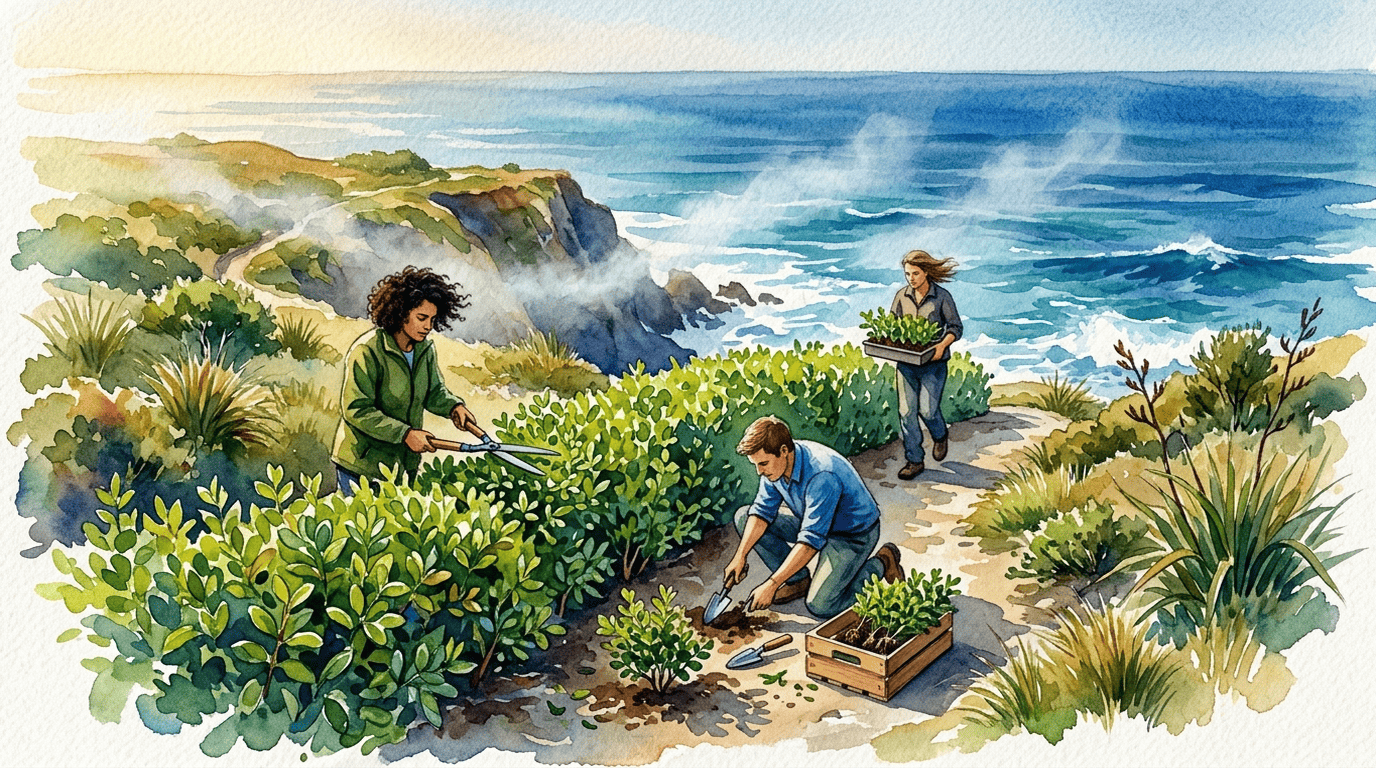
When European settlers arrived, they recognized the same qualities that had sustained the Mirror Plant on New Zealand's coastline: an unusual tolerance for salt spray, relentless wind, and thin, rocky soil. Nurseries began propagating it for shelterbelts and boundary hedges around homesteads exposed to the sea. By the twentieth century, the Mirror Plant had traveled far beyond its homeland, becoming a staple of coastal landscaping in California, the Mediterranean, and southern Australia, where its dense, wind-shorn form proved ideal for taming exposed gardens near the ocean.
Landscapers valued it for hedges that could be clipped tightly against gales, while its light-catching, mirror-like foliage gave seaside plantings a distinctive silvery sheen. In coastal California, the same toughness that made the Mirror Plant so useful also allowed it to naturalize beyond cultivated grounds, a reminder that resilience which shelters a garden from the sea wind can carry a plant well past its original borders.
Symbolism & meaning
What It Symbolizes
Growing wild on New Zealand's most exposed sea cliffs, the Mirror Plant thrives exactly where salt spray and constant wind defeat softer vegetation. Its tough, reflective leaves shrug off both drying wind and salt-laden air, gathering what light there is on foggy coastal mornings. Gardeners who plant it as a seaside hedge inherit that same resilience: a living windbreak that holds its shape and shine season after season, a reminder that beauty and toughness are not opposites.
- resilience — Rooted in wind-scoured cliffs and salt-soaked ground where few other shrubs survive, the Mirror Plant has become an emblem of coastal endurance.
- reflection — Its glossy, light-catching leaves have long given the Mirror Plant an association with clarity and self-reflection, as if the plant carries a piece of the sea's shimmer on land.
Where the Name Comes From
The genus name Coprosma comes from the Greek kopros (dung) and osme (smell), a reference to the unpleasant odor released when the leaves of some species in the genus are crushed. The species epithet repens means "creeping" in Latin, describing the low, spreading habit the plant often takes on windswept coastal ground.
Uses & Fun Facts
- Widely planted as a wind- and salt-tolerant hedge, screen, or foundation shrub in coastal gardens worldwide, prized for its glossy, light-reflecting foliage.
- Used by Maori in traditional rongoa medicine, with parts of the plant applied to skin ailments and other complaints.
- Seeds have been dried and roasted as a modest coffee substitute, reflecting the plant's membership in the coffee family, Rubiaceae.
- Orange-red berries on female plants provide food for native birds along the New Zealand coast.
Related plants
More Coprosma plants
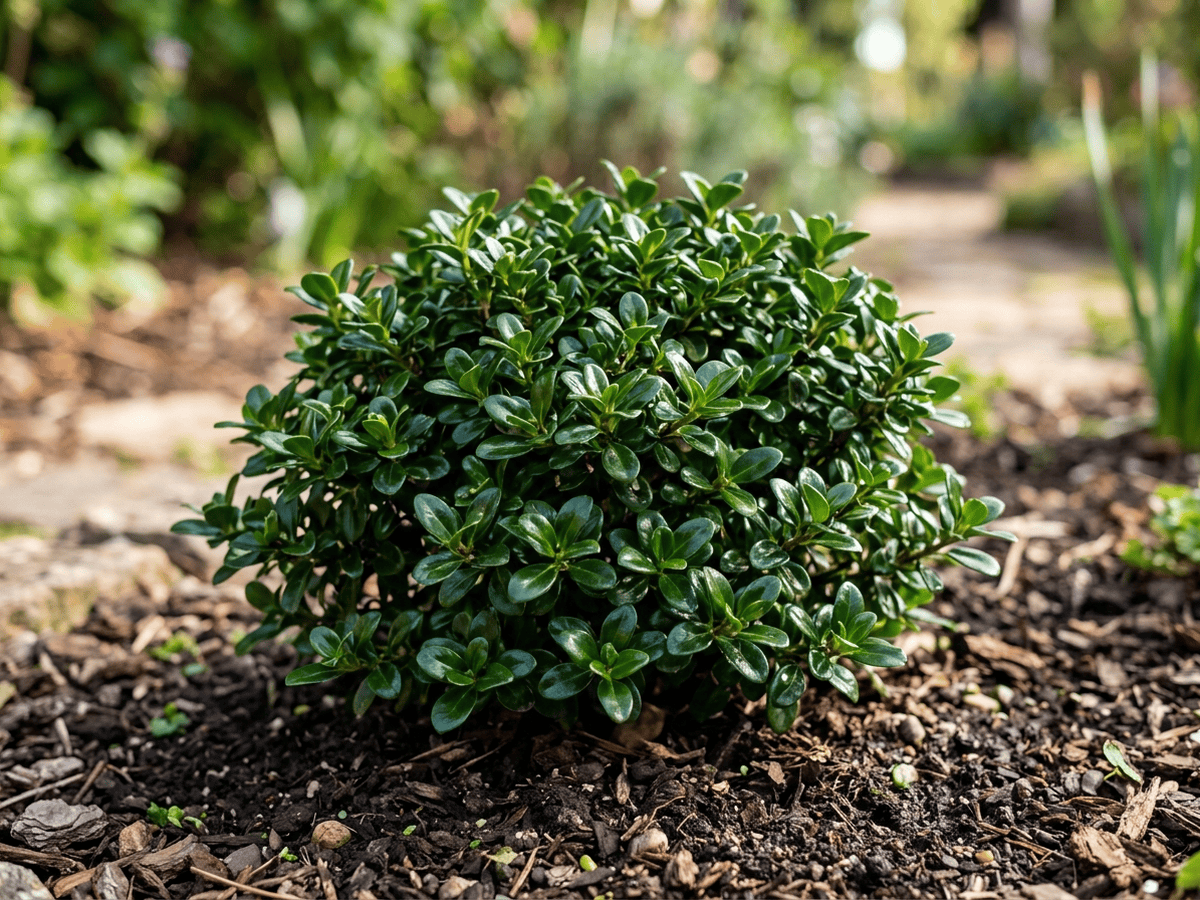
Plants with similar care
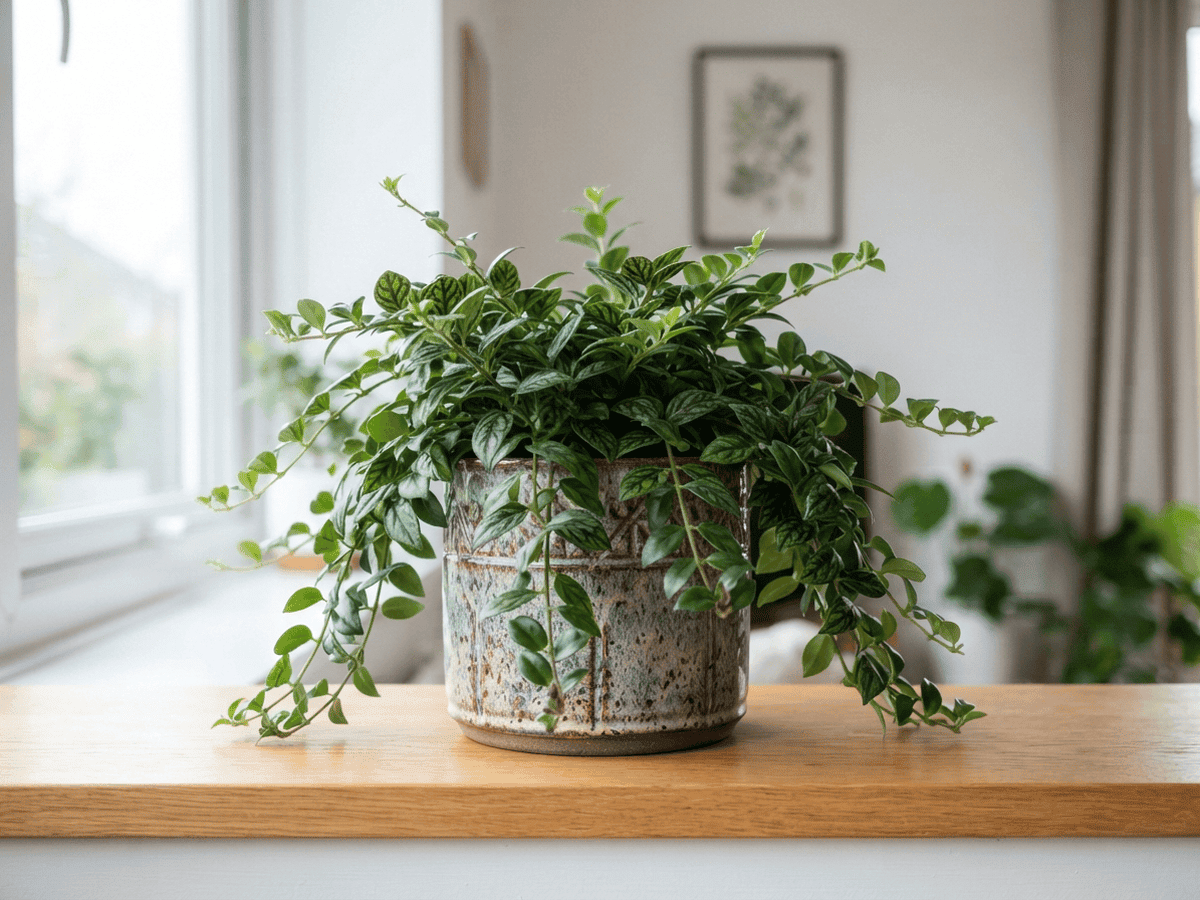 Lipstick PlantAeschynanthus longicaulis
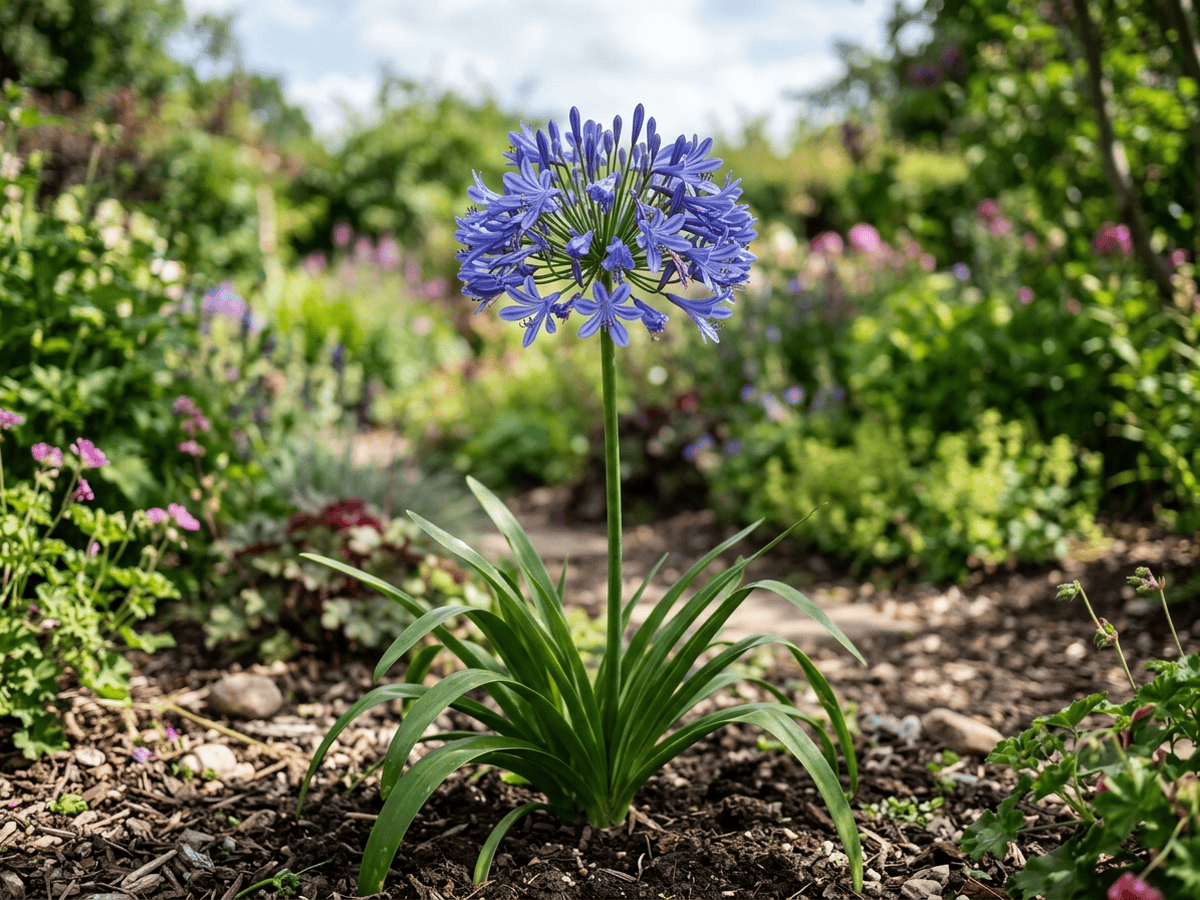 African LilyAgapanthus africanus
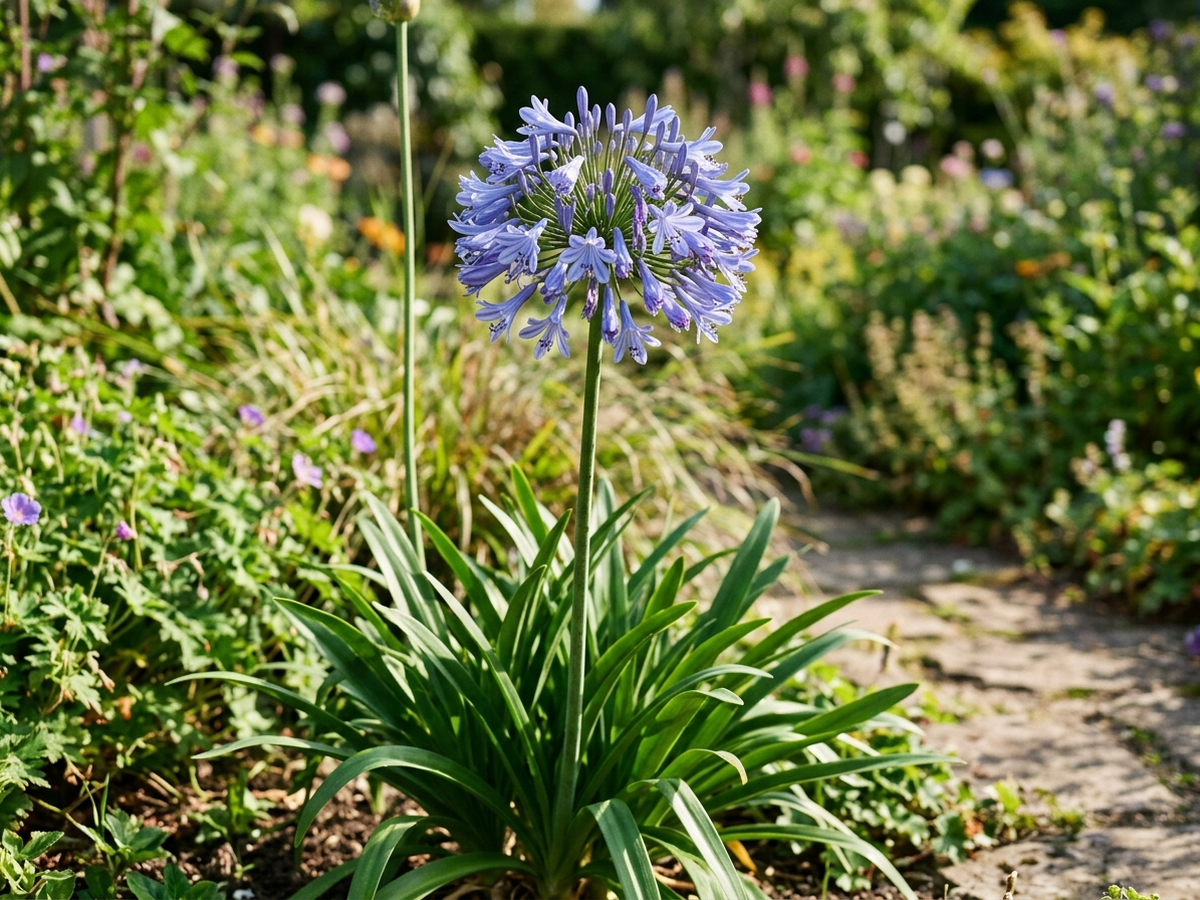 Bell AgapanthusAgapanthus campanulatus
 Common AgapanthusAgapanthus praecox
Frequently asked questions
How often should I water Mirror Plant?
In summer, water about every 7 days; in winter, about every 30 days. Adjust for heat, pot size and drainage.
How much light does Mirror Plant need?
Part sun: 4–6 hrs direct. Watch the leaves — scorching or stretching means the light needs adjusting.
Is Mirror Plant toxic to cats or dogs?
No toxicity has been reported for this plant. Still, it is wise to keep pets from chewing on any houseplant. Educational information, not medical or veterinary advice. If exposure is suspected, contact a doctor or veterinarian.
Is Mirror Plant easy to grow?
It is considered challenging and rewards experienced growers.
YardMate
Identify any plant in seconds
Snap a photo — YardMate names the plant, diagnoses problems, and reminds you when to water.
Download on the App Store