 YardMate
Dwarf Mirror Plant
Coprosma repens pumila
Hard · Experienced growersAbout Dwarf Mirror Plant
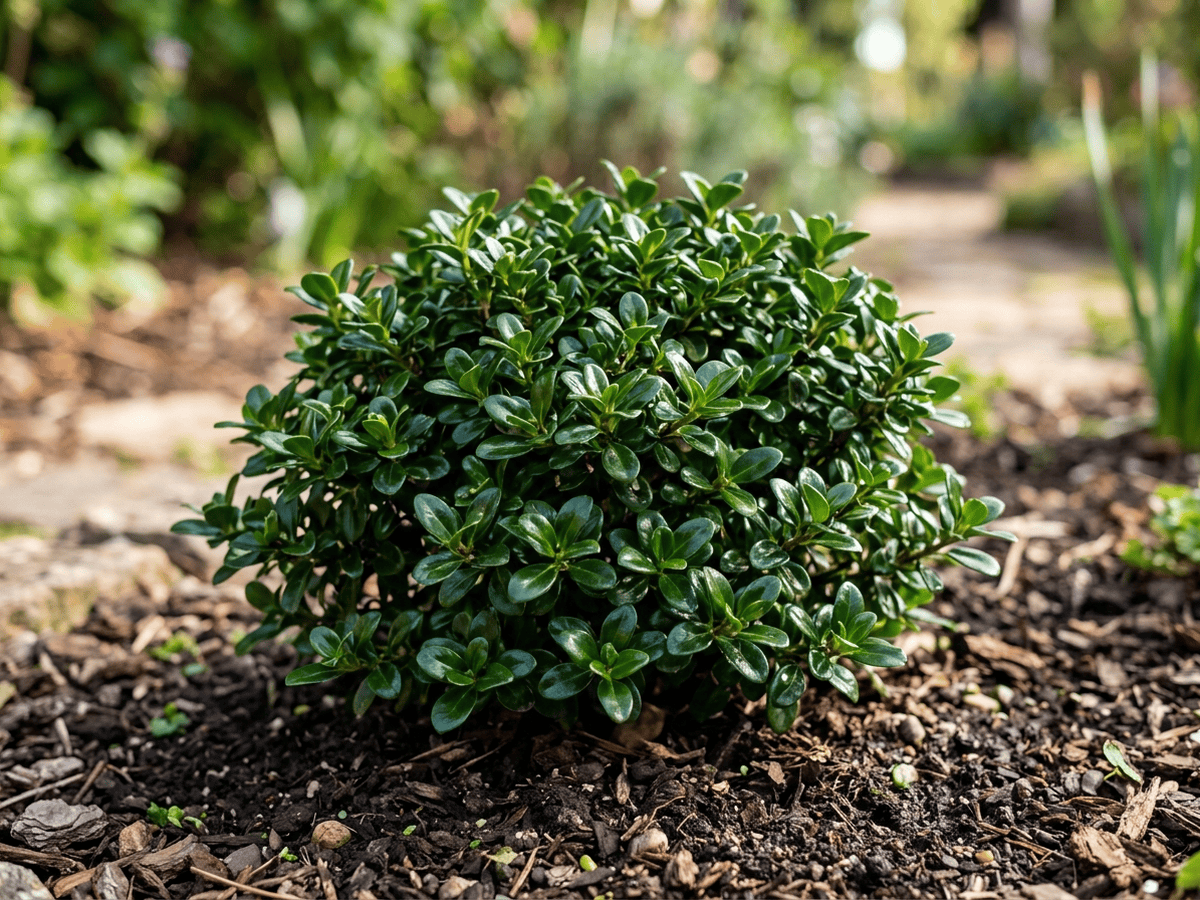
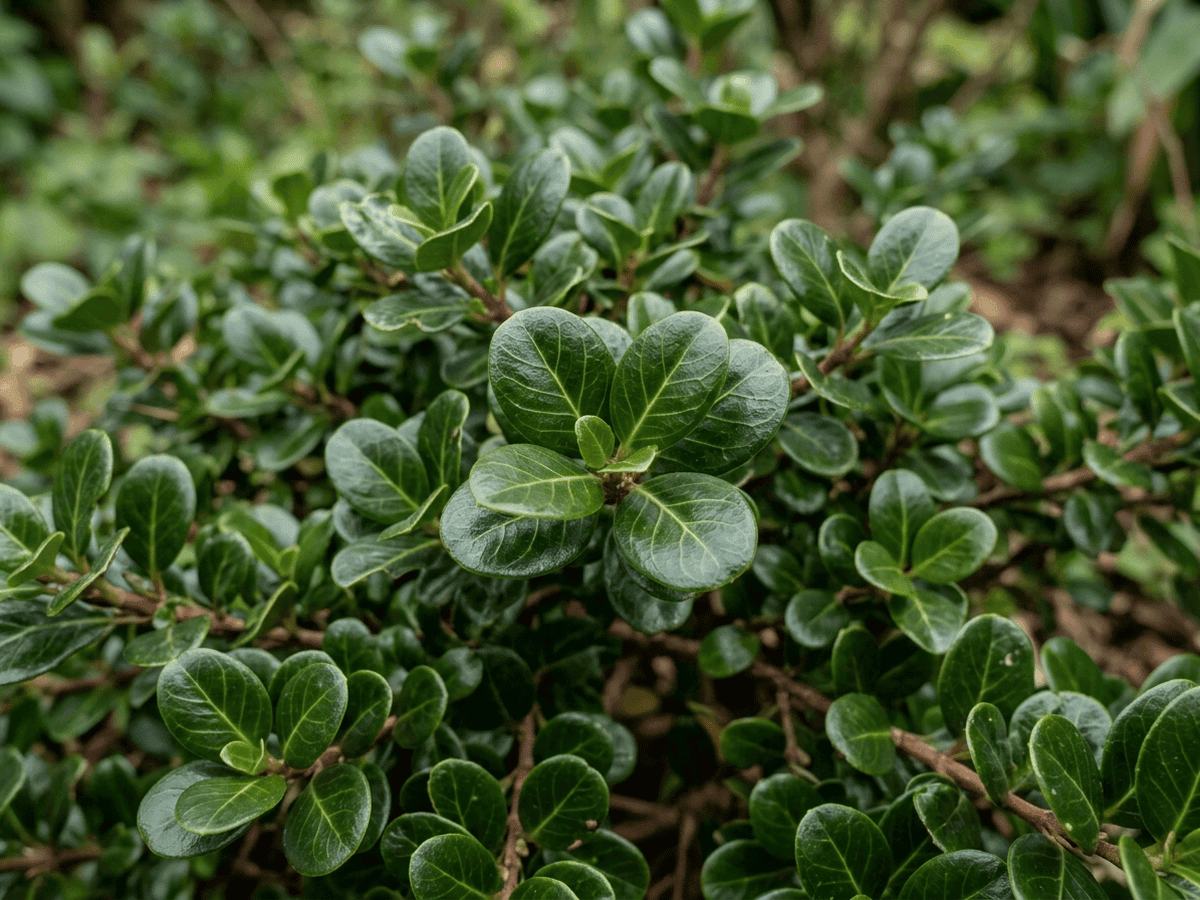
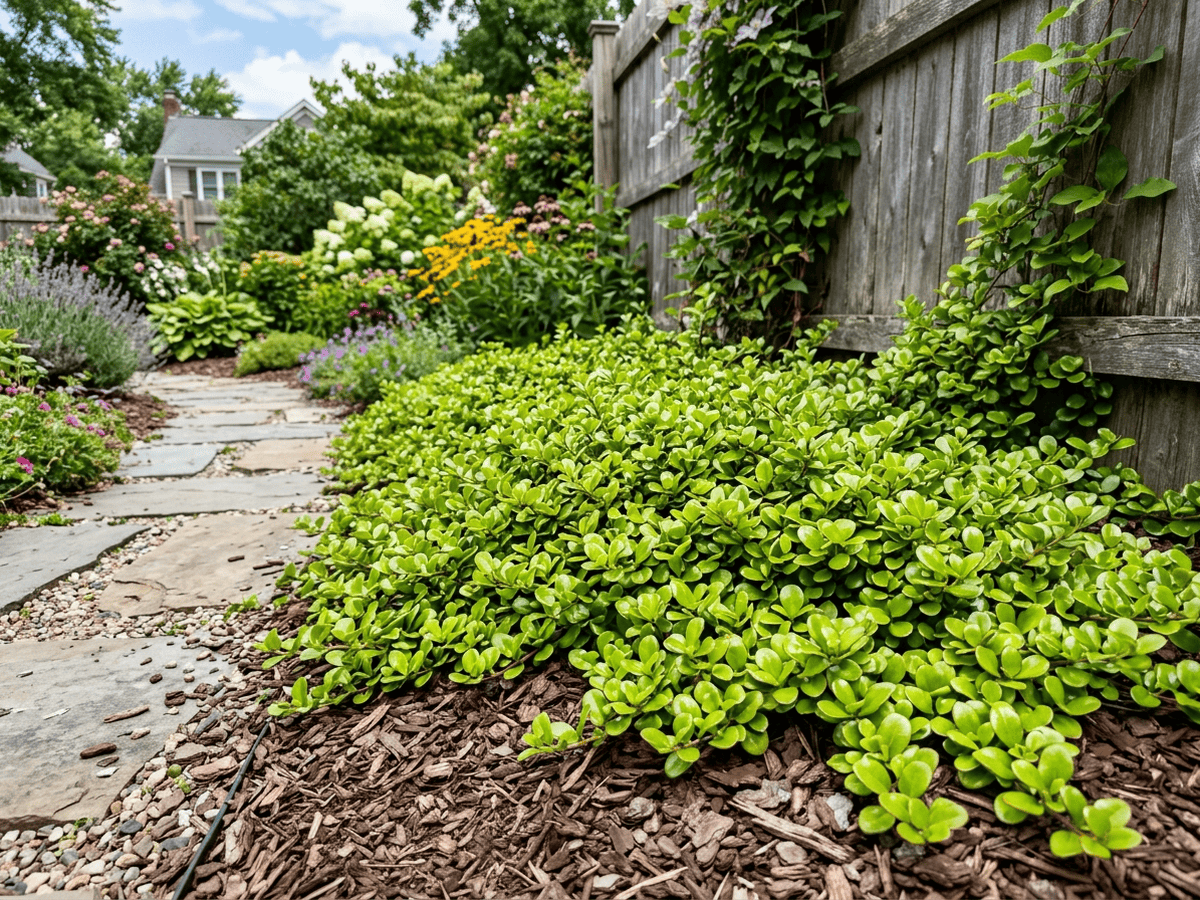
The Dwarf Mirror Plant (Coprosma repens 'Pumila') is a compact evergreen shrub prized for its small, rounded, glossy dark-green leaves that catch and reflect light like tiny mirrors. A dwarf selection of the New Zealand mirror bush, it forms a dense, low mound only 1 to 3 feet tall and 2 to 3 feet wide, far more restrained than the wild species, which can reach small-tree size. Native to coastal cliffs and dunes of New Zealand, the Dwarf Mirror Plant tolerates salt spray, wind, and drought once established, thriving in well-drained, sandy soil under full sun. Its neat habit suits low hedges, borders, and containers in mild coastal and Mediterranean-climate gardens.
- Evergreen
- Drought-tolerant
- Compact
- Container-friendly
How to care for Dwarf Mirror Plant
Watering
- Springevery 15 days
- Summerevery 15 days
- Fallevery 30 days
- Winterevery 30 days
Soil · Rich & well-draining
- Top dressingCompost10%
- Main mixPotting soil + compost 3:180%
- DrainageGravel10%
Top up the compost layer each season.
FERTILIZER
Balanced Feed 14-14-14
An even feed covers all three needs at once, keeping leaves, roots and blooms moving together with nothing pushed out of balance.
- Nitrogen · Leaves
- Phosphorus · Roots + Blooms
- Potassium · Strength
- Springevery 30 days
- Summerevery 30 days
At a Glance
- NativeNew Zealand
- Height1–3 ft (0.3–0.9 m)
- Spread2–3 ft (0.6–0.9 m)
- Foliage colorDark-green
- Fruit colorOrange
- SoilWell-drained, Sandy
- LocationsYard · Patio
Fragrance
NO FRAGRANCE
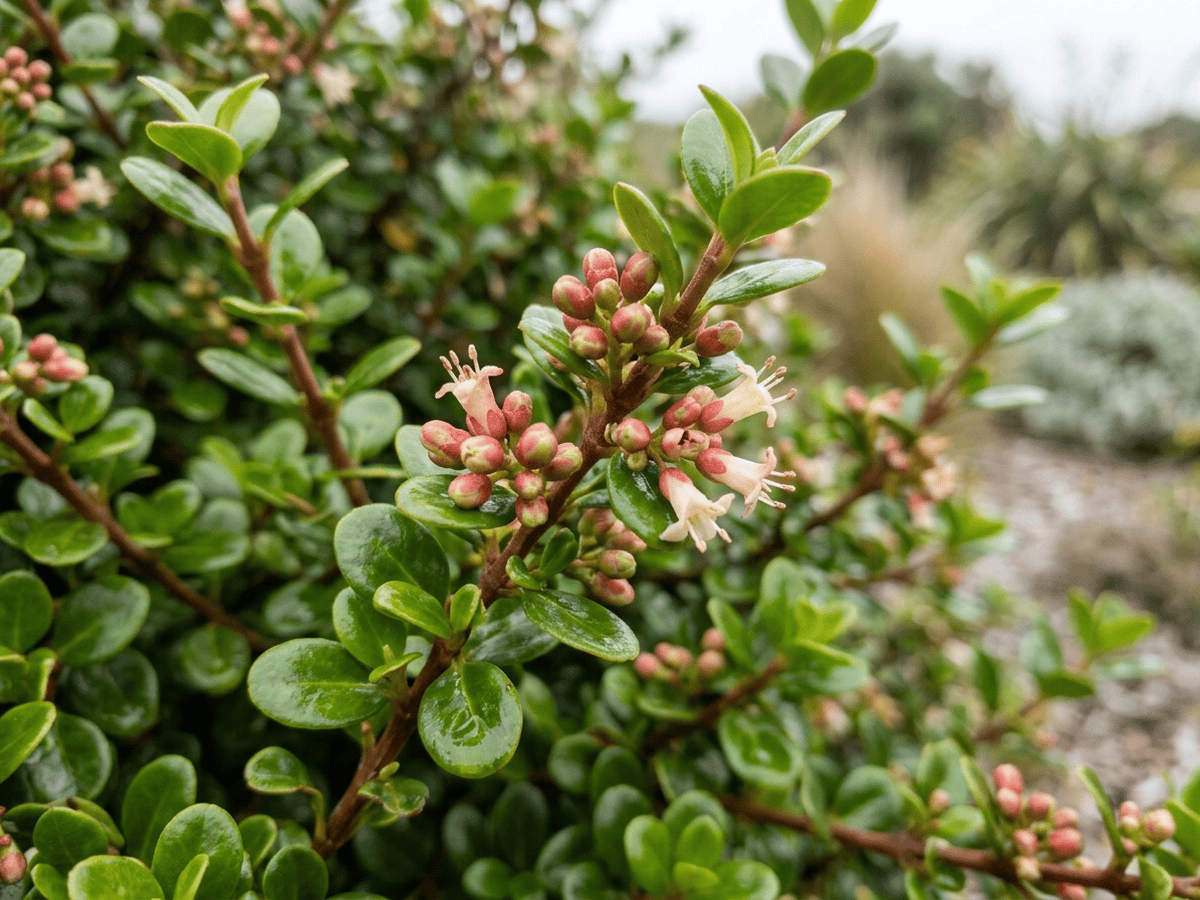
The small, inconspicuous greenish-white flowers carry no noticeable scent; the plant is grown for its glossy foliage rather than fragrance.
Toxicity
No toxicity has been reported for this plant. Still, it is wise to keep pets from chewing on any houseplant.
Educational information, not medical or veterinary advice. If exposure is suspected, contact a doctor or veterinarian.
DISTRIBUTION


- Native
- Introduced
- New Zealand
History
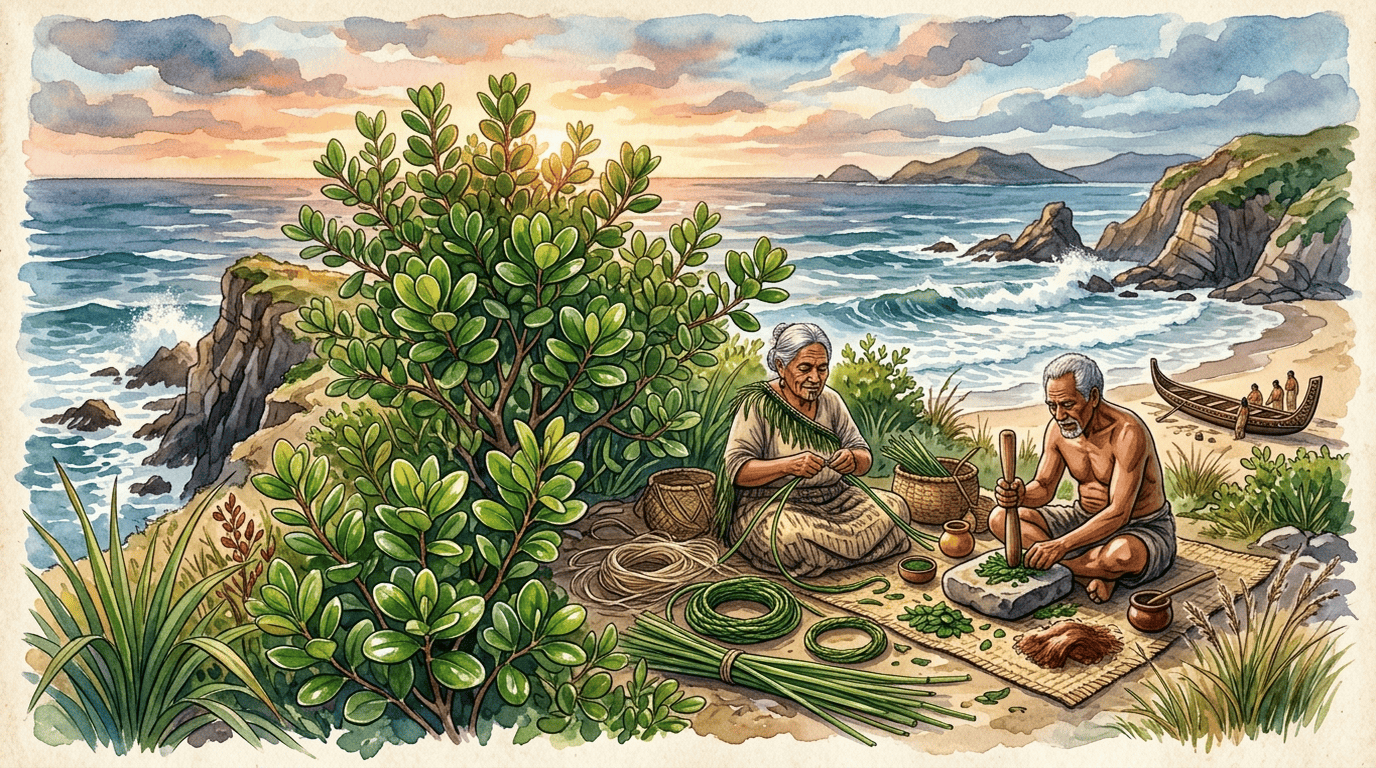
Long before European ships reached New Zealand, the wild ancestor of the Dwarf Mirror Plant grew along the country's coastal cliffs and dunes, where Maori knew it as taupata (also naupata, mamangi, or angiangi depending on region). Its tough, glossy leaves resisted salt spray and wind so well that Maori tradition credits a stand of the shrub at Maketu, in the Bay of Plenty, with having grown from plant material carried ashore on the early voyaging canoes that settled Aotearoa. The leaves were used in rongoa, traditional Maori medicine, and yielded a natural dye, while the roasted seeds served as a coffee substitute and the pliant stems were plaited into cordage.
European settlers later prized the same salt- and wind-hardiness for coastal shelterbelts and hedging, planting the mirror bush along exposed New Zealand roadsides and farm boundaries. Nurseries exporting New Zealand flora in the twentieth century carried it to Mediterranean-climate regions worldwide, especially coastal California, where its glossy foliage and tolerance of salt spray, drought, and poor sandy soil made it a staple of seaside landscaping.
Because the straight species could reach small-tree size, horticulturists selected naturally compact seedlings to breed dwarf forms such as 'Pumila,' keeping the mirror-bright foliage and coastal toughness in a low, mounding shrub suited to foundation plantings, low hedges, and patio containers where the full-size species would quickly outgrow its space.
Symbolism & meaning
What It Symbolizes
Along New Zealand's exposed coastline, salt wind and dry, sandy soil defeat most plants, yet the parent shrub of the Dwarf Mirror Plant thrives there, its dense evergreen foliage holding firm against the elements. Its glossy leaves, bright enough to catch and throw back sunlight, have long made it an emblem of resilience and clarity: a small, tough plant that turns a harsh environment into a mirror of light.
- resilience — Rooted in salt-sprayed cliffs and windswept dunes, the Dwarf Mirror Plant's parent shrub endures conditions that defeat most other plants, a living emblem of coastal endurance.
- reflection — Its glossy, mirror-bright leaves catch and throw back the light, giving the plant its name and a symbolic association with clarity and self-reflection.
Where the Name Comes From
The genus name Coprosma comes from the Greek kopros (dung) and osme (smell), referring to the unpleasant odor released when the leaves or stems of some Coprosma species are crushed or bruised. The species name repens is Latin for 'creeping,' describing the plant's low, spreading growth habit, while the cultivar name 'Pumila' is Latin for 'dwarf' or 'small,' marking this selection's compact size compared to the wild species.
Uses & Fun Facts
- Dense, glossy-leafed dwarf shrub for low hedges, borders, foundation plantings, and containers in coastal and Mediterranean-climate gardens
- Stems of the wild mirror bush were traditionally plaited by Maori into cordage, and the leaves used to produce a natural dye
- Roasted seeds of the species were traditionally ground and brewed as a coffee substitute
- Leaves were used by Maori healers in rongoa, traditional New Zealand medicine
Related plants
More Coprosma plants
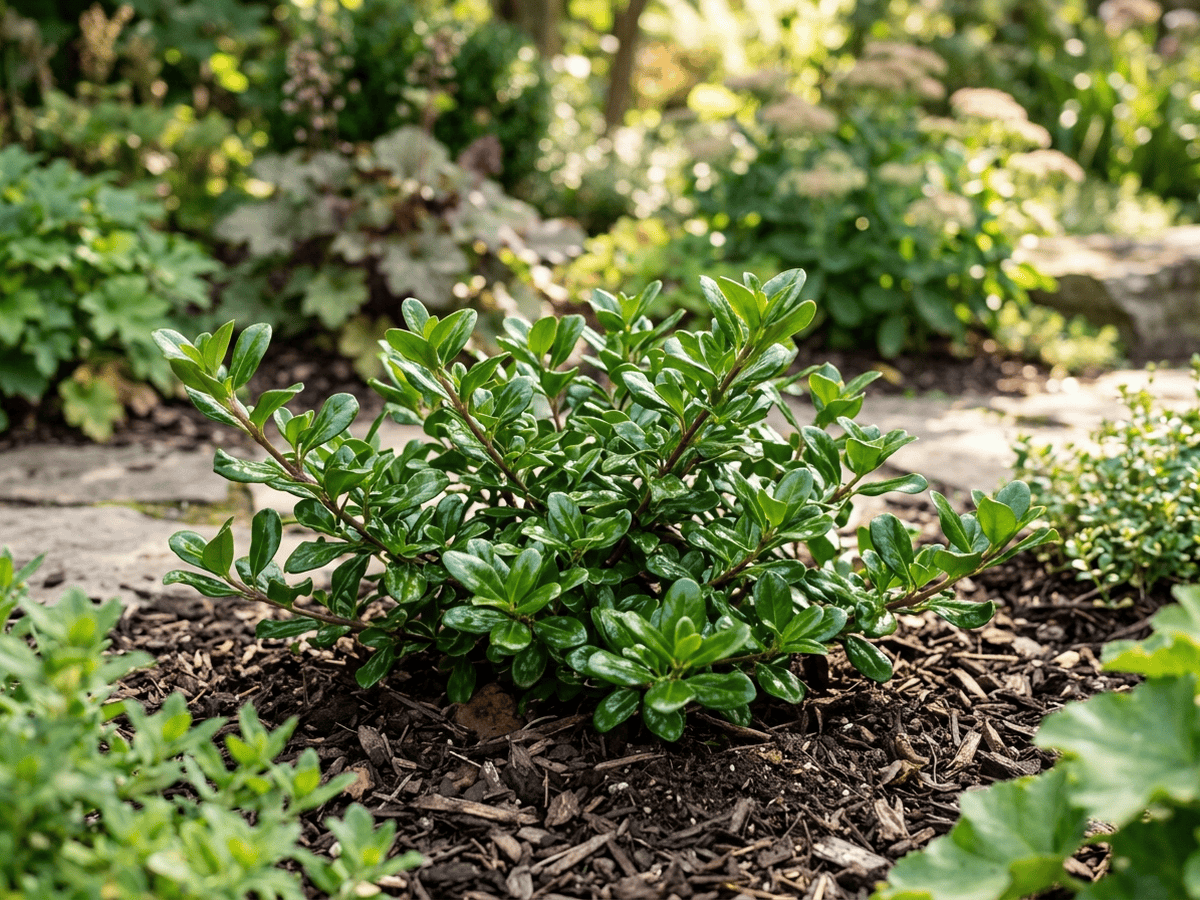
Plants with similar care
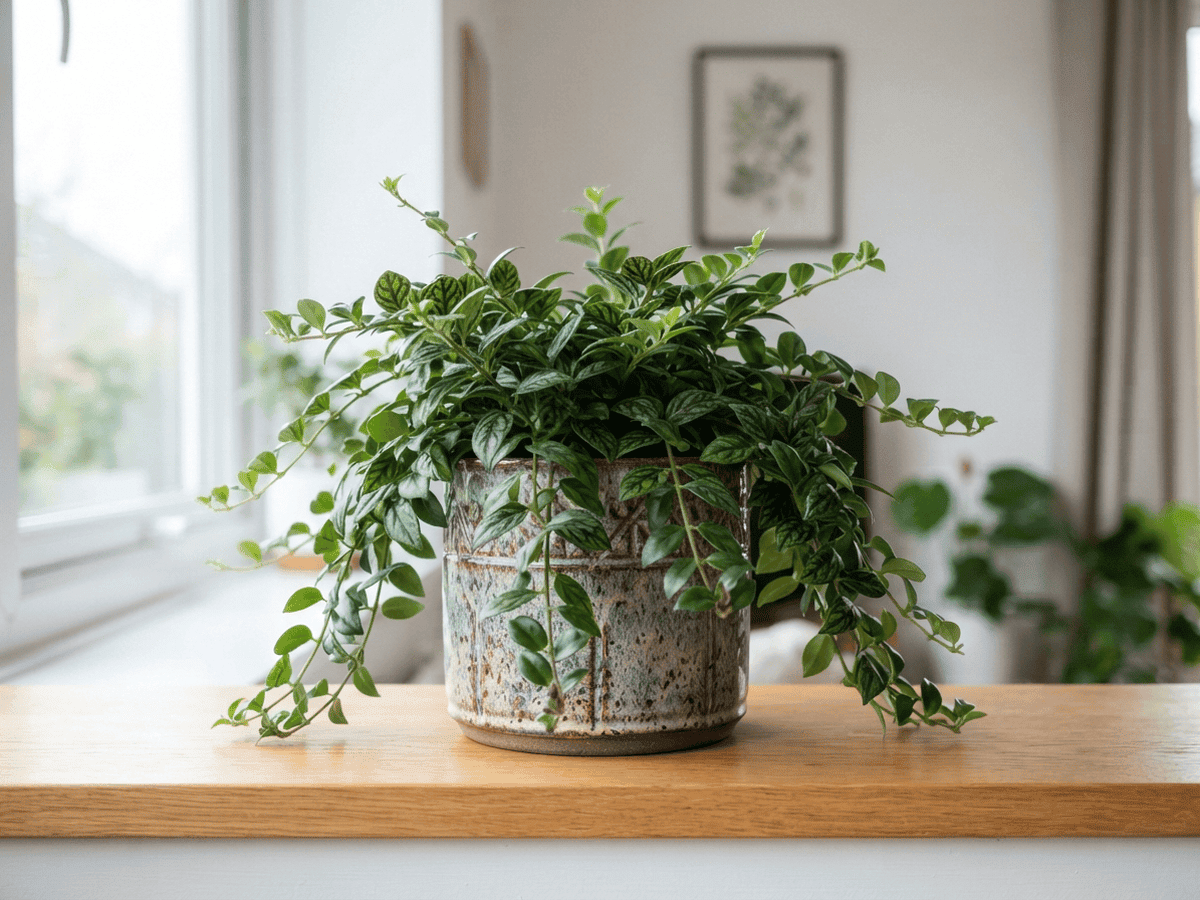 Lipstick PlantAeschynanthus longicaulis
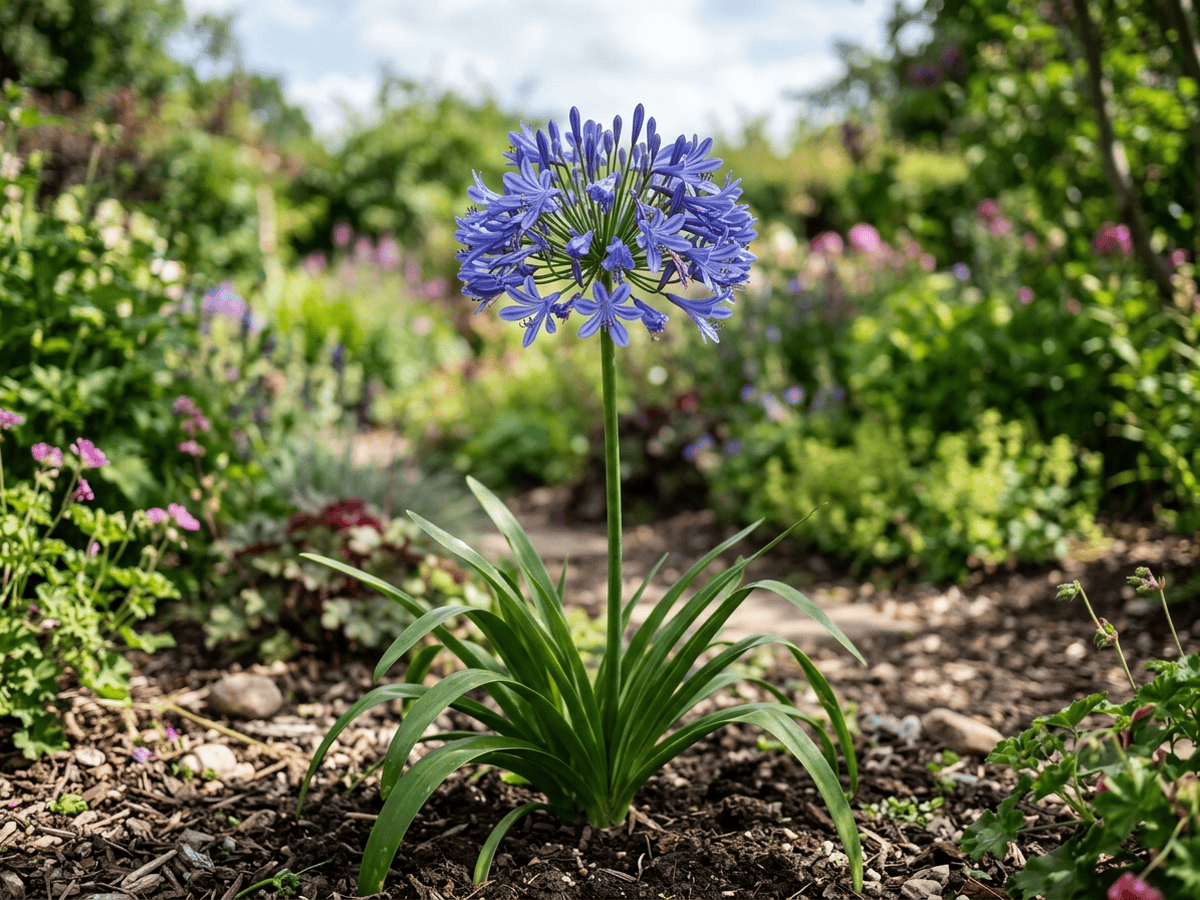 African LilyAgapanthus africanus
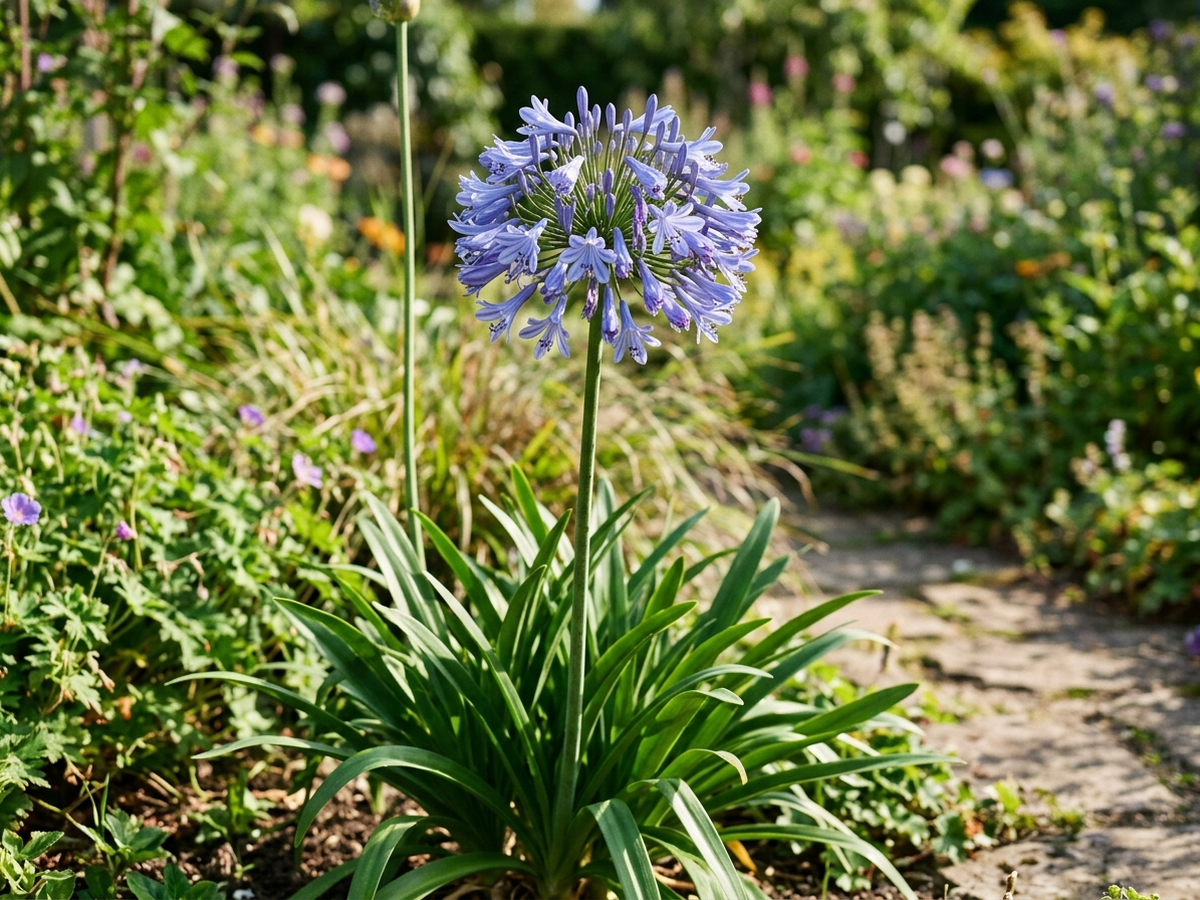 Bell AgapanthusAgapanthus campanulatus
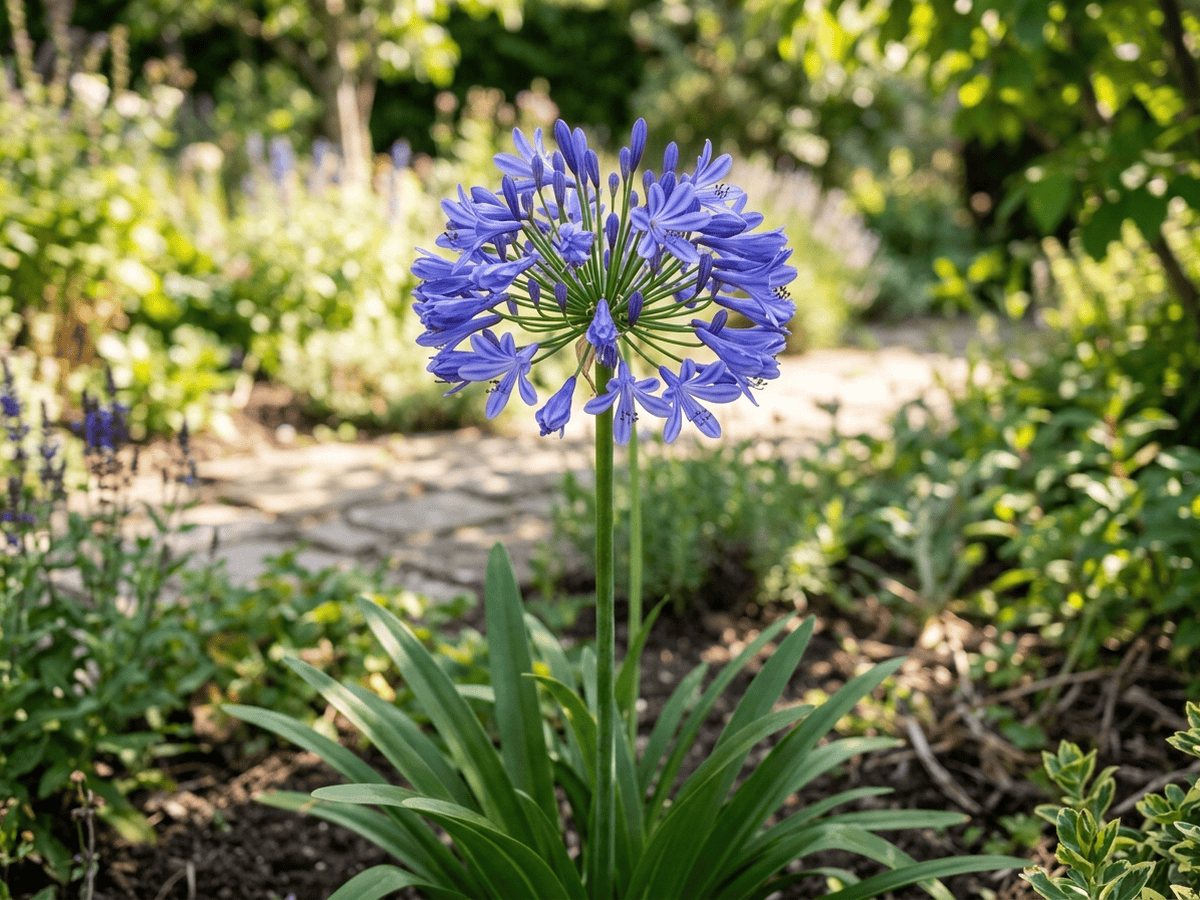 Common AgapanthusAgapanthus praecox
Frequently asked questions
How often should I water Dwarf Mirror Plant?
In summer, water about every 15 days; in winter, about every 30 days. Adjust for heat, pot size and drainage.
How much light does Dwarf Mirror Plant need?
Part sun: 4–6 hrs direct. Watch the leaves — scorching or stretching means the light needs adjusting.
Is Dwarf Mirror Plant toxic to cats or dogs?
No toxicity has been reported for this plant. Still, it is wise to keep pets from chewing on any houseplant. Educational information, not medical or veterinary advice. If exposure is suspected, contact a doctor or veterinarian.
Is Dwarf Mirror Plant easy to grow?
It is considered challenging and rewards experienced growers.
YardMate
Identify any plant in seconds
Snap a photo — YardMate names the plant, diagnoses problems, and reminds you when to water.
Download on the App Store