 YardMate


Large-Flowered Tickseed
Coreopsis grandiflora
Easy · Beginner friendlyAbout Large-Flowered Tickseed
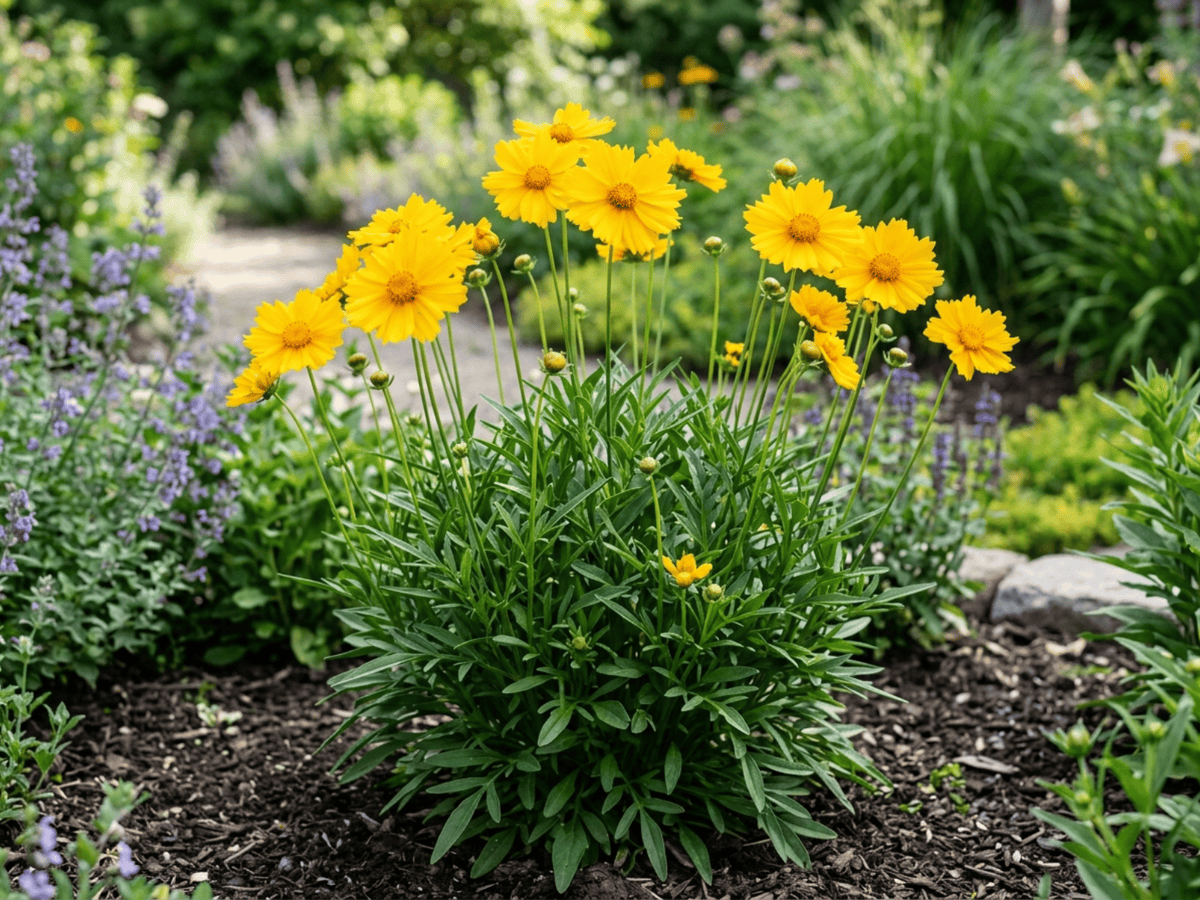
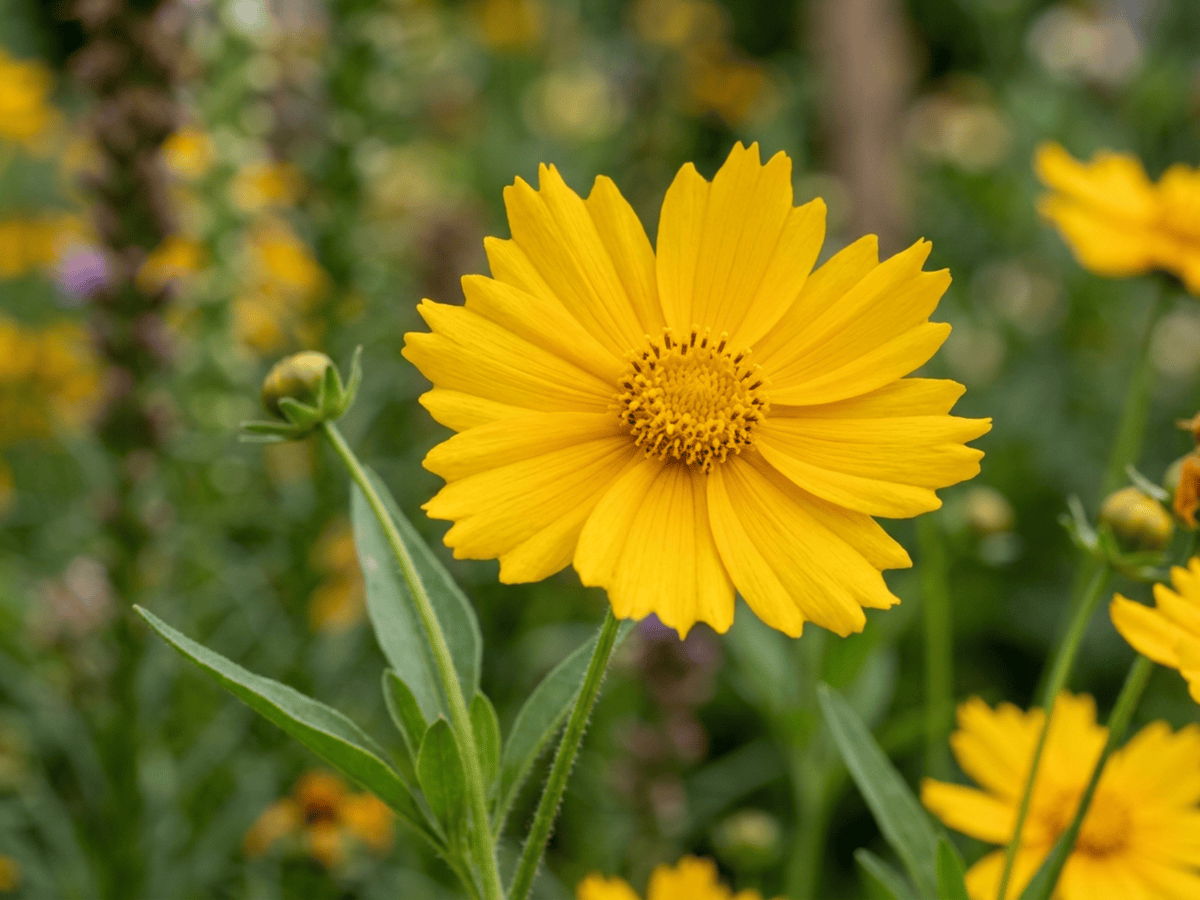
Large-flowered Tickseed is a short-lived native perennial of the south-central US, 12–24 inches tall, with broad golden-yellow daisy flowers 2–3 inches across from early summer to fall. Widely planted as a bright mass-flowering perennial in American gardens and roadside wildflower seedings. Cultivars 'Early Sunrise' and 'Sunburst' offer double forms; newer hybrids extend color to pink, red, and bicolor.
- Drought-tolerant
- Deer-resistant
- Native
- Pollinator-friendly
How to care for Large-Flowered Tickseed
Watering
- Springevery 5 days
- Summerevery 4 days
- Fallevery 7 days
- Winterpause watering
Soil · Well-draining
- Top dressingPine bark mulch10%
- Main mixPotting soil + perlite 2:170%
- DrainageLECA / gravel20%
Never skip the drainage layer — standing water is the top cause of root rot.
FERTILIZER
- Springevery 30 days
- Summerevery 30 days
At a Glance
- NativeNorth America
- Height1.5–2.5 ft (0.5–0.8 m)
- Spread1–2 ft (0.3–0.6 m)
- Flower colorYellow
- Foliage colorGreen
- SoilWell-drained, Sandy
- LocationsYard · Balcony
Bloom time
BLOOM CYCLE
Peak bloom
Jun–Nov
Large gold daisies summer to fall
Toxicity
No toxicity has been reported for this plant. Still, it is wise to keep pets from chewing on any houseplant.
Educational information, not medical or veterinary advice. If exposure is suspected, contact a doctor or veterinarian.
DISTRIBUTION

- Native
- Introduced
- North America
History
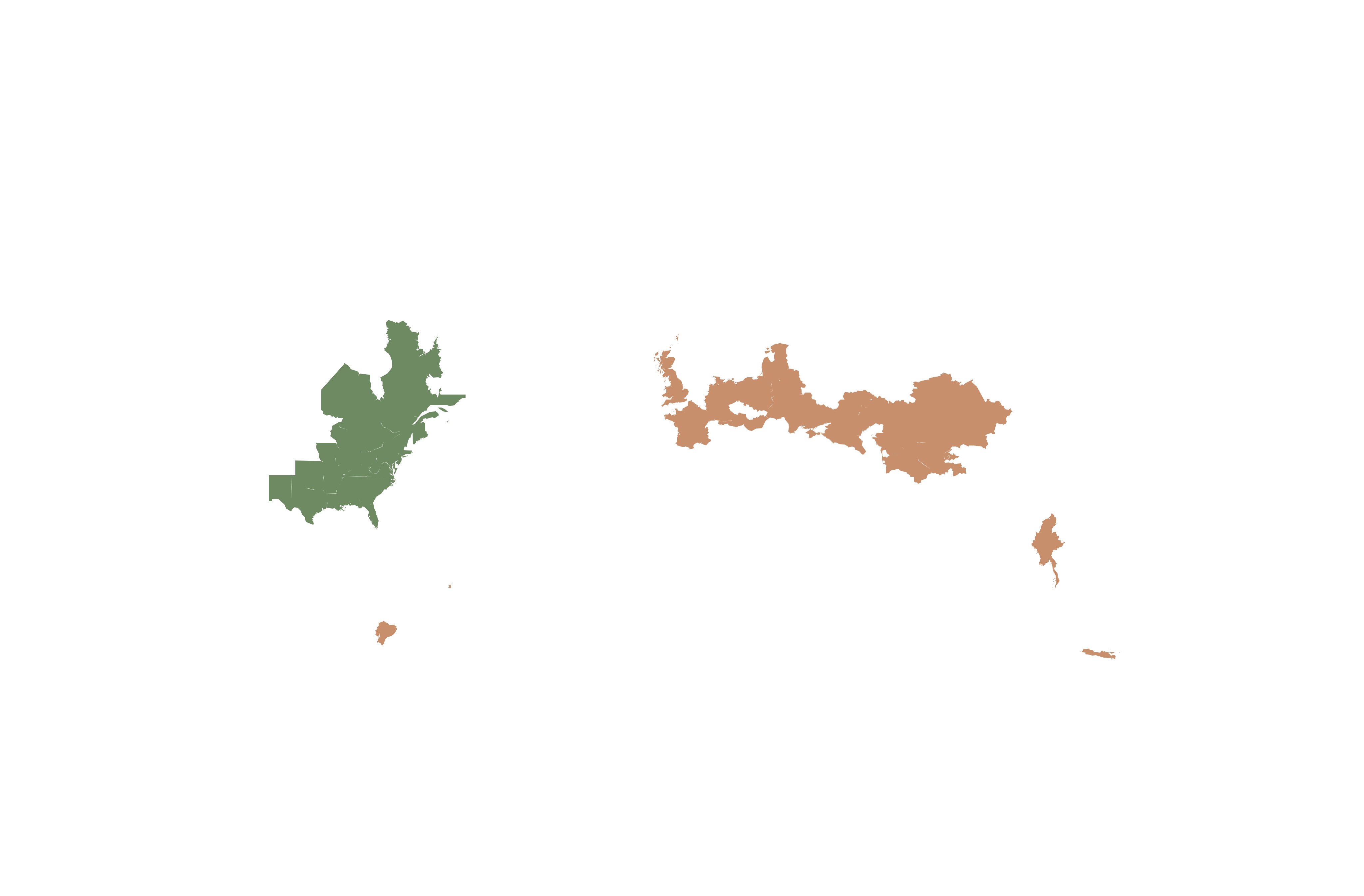
Coreopsis grandiflora occurs naturally from Kansas through Missouri, Arkansas, and Texas east to Georgia. Stephen Elliott described it in his Sketch of the Botany of South Carolina and Georgia (1821). Unlike the threadleaf species, it has broad lance-shaped foliage and bold 2-inch yellow daisies.
European horticulturists introduced cultivars such as 'Sunray' in the 20th century. Starting in the 1990s, breeders at companies like Itsaul Plants and Terra Nova used it as a parent for the Big Bang series and other complex hybrids featuring red, pink, and bicolor flowers. Though a short-lived perennial, its prolific seeding and deadheading response make it a garden mainstay.
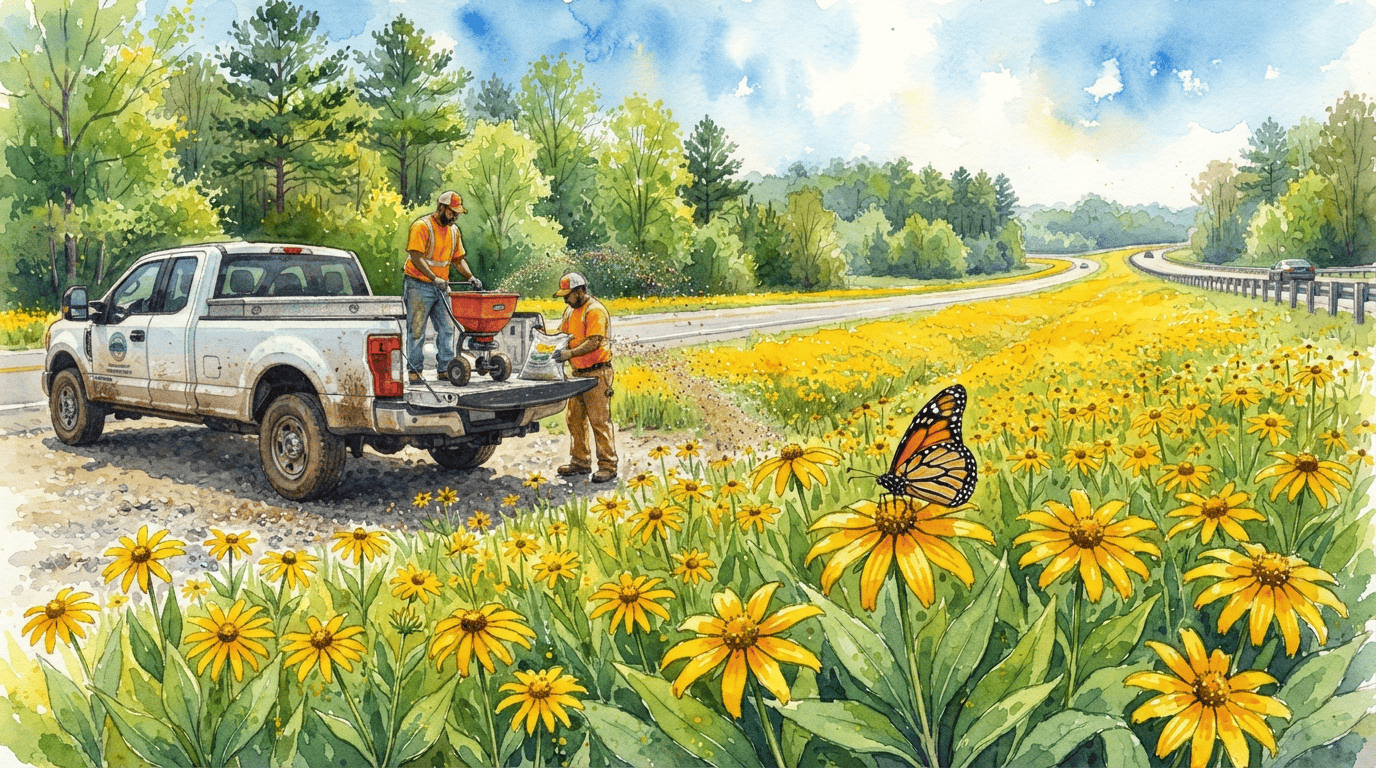
Native from Missouri to Florida and west to New Mexico. 'Early Sunrise' won the All-America Selections award in 1989, becoming one of the first perennials ever to win AAS, and widely spread through American roadside and garden seedings. It is the state wildflower of Mississippi.
Symbolism & meaning
What It Symbolizes
Large-Flowered Tickseed is pure cheerfulness — bright gold daisy-like flowers that lift any garden bed they're placed in. Paired with warmth, the blooms read like distilled summer sunshine, easy company for bees and butterflies alike. It is often read as a flower of uncomplicated gladness: nothing rare or precious, just dependable, sun-soaked joy returning year after year.
- Cheerfulness — bright gold lifts the garden
- Warmth — evokes summer sunshine
Where the Name Comes From
Genus means 'bug-like' for seed shape; 'grandiflora' means 'large-flowered'.
Uses & Fun Facts
- Yellow daisy flowers draw bees and hoverflies all summer
- Compact strains bloom non-stop in patio pots and window boxes
- Cheerful yellow blooms last well in casual bouquets
Related plants
More Coreopsis plants
 Lance-Leaved CoreopsisCoreopsis lanceolata
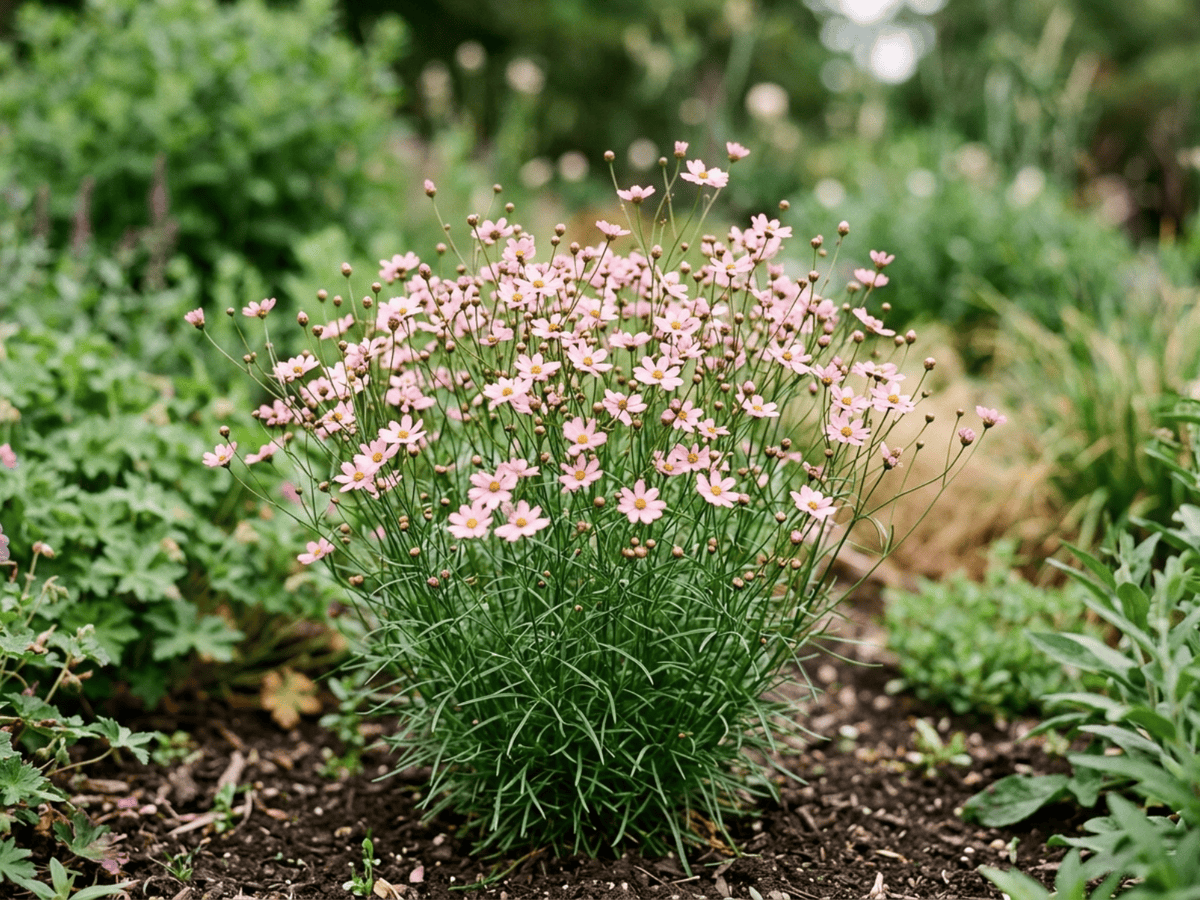 Rose CoreopsisCoreopsis rosea
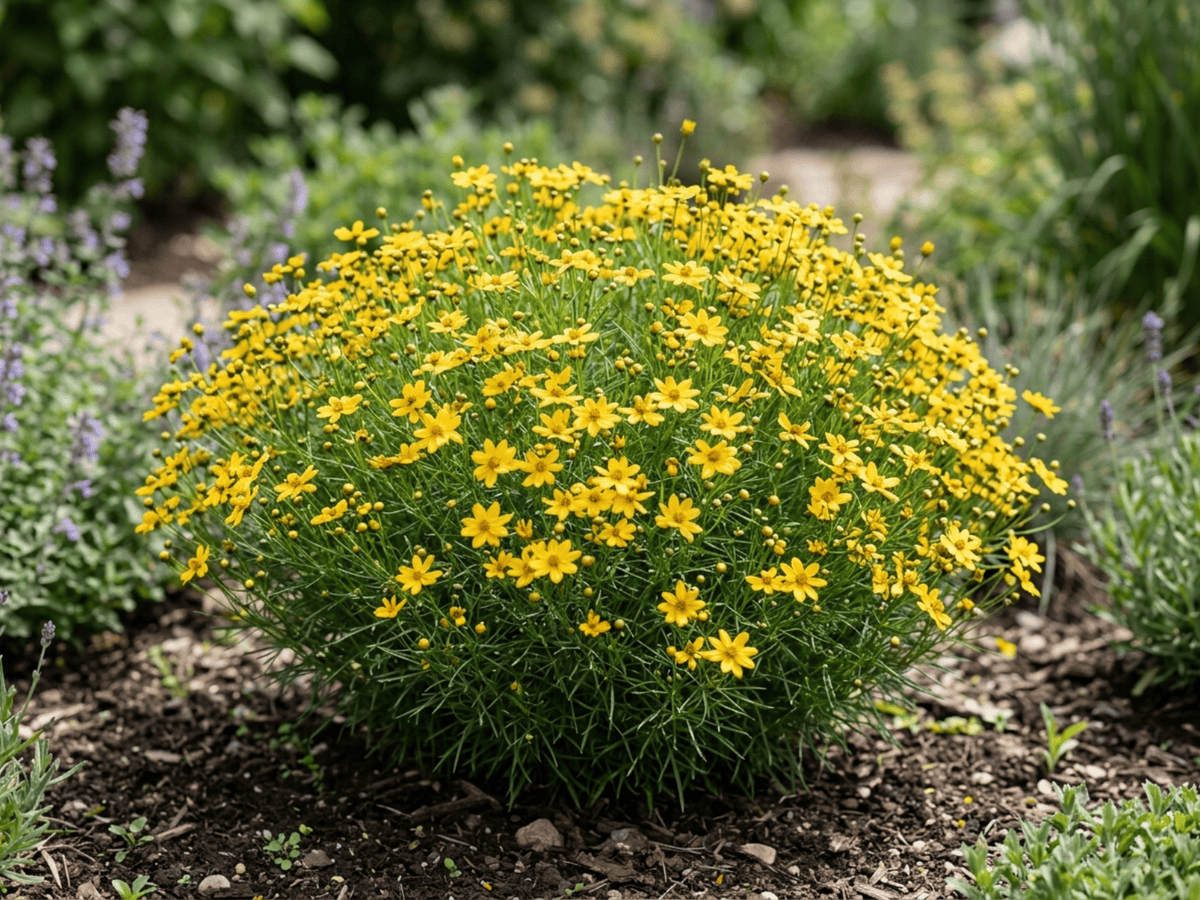 Whorled CoreopsisCoreopsis verticillata
Plants with similar care
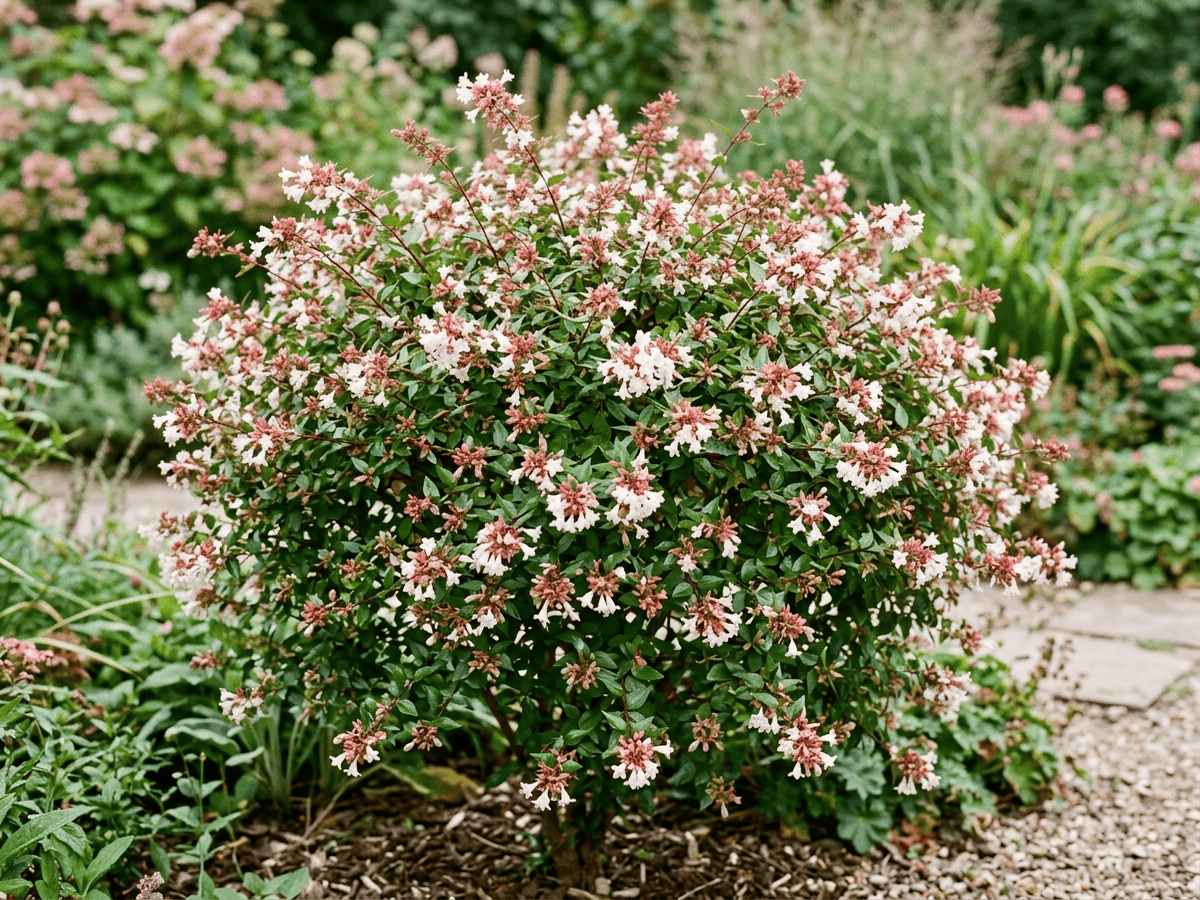 Chinese AbeliaAbelia chinensis
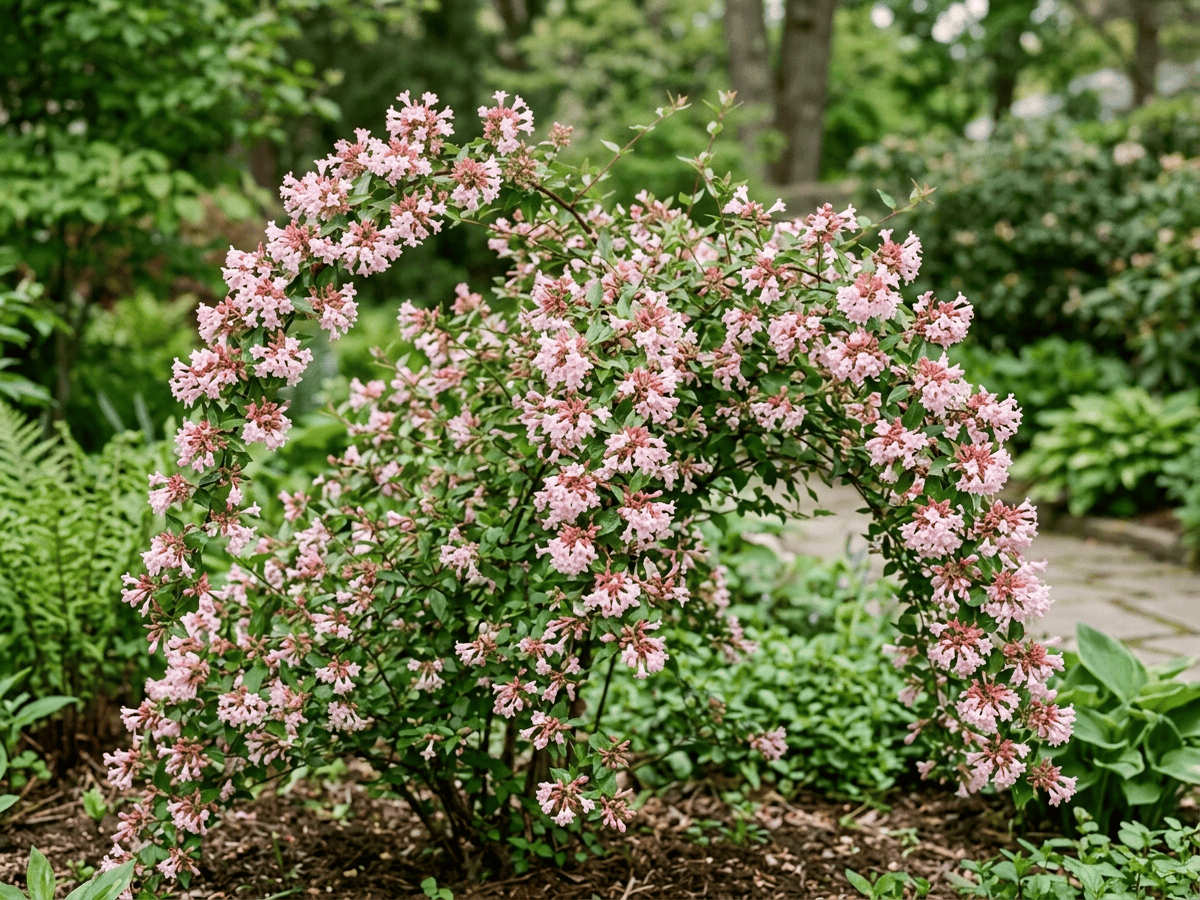 Fragrant AbeliaAbelia mosanensis
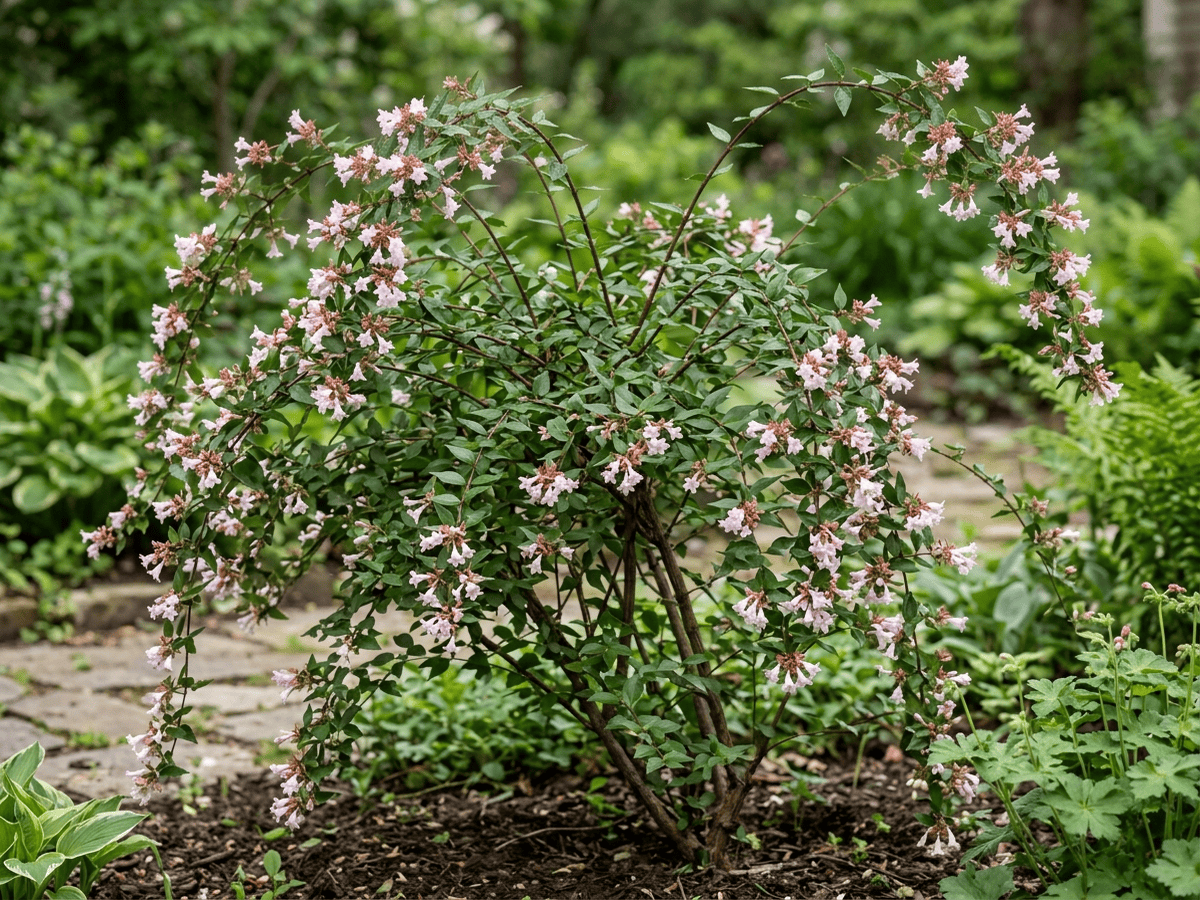 Large-Flowered AbeliaAbelia uniflora
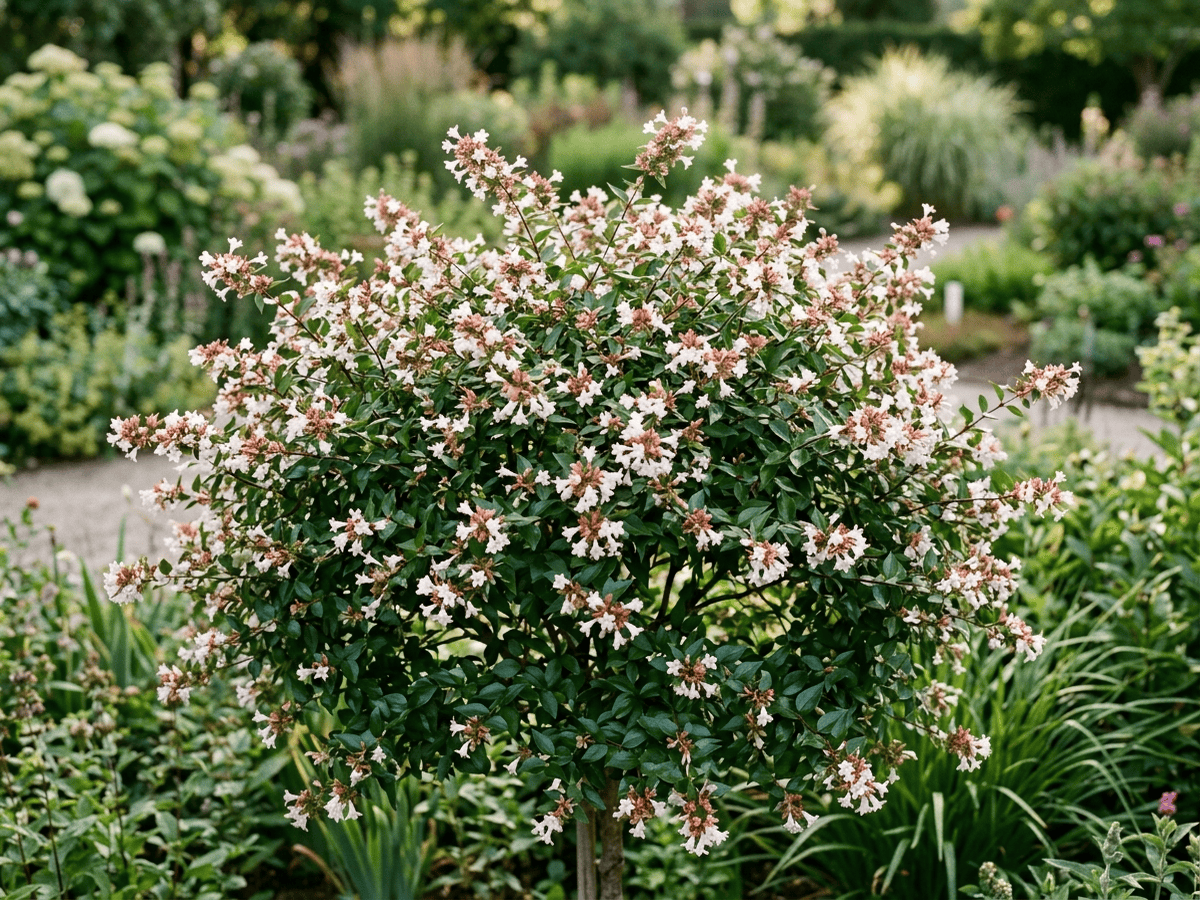 Glossy AbeliaAbelia x grandiflora
Frequently asked questions
How often should I water Large-Flowered Tickseed?
Water about every 5 days during the growing season, and always let excess water drain away.
How much light does Large-Flowered Tickseed need?
Full sun: 6+ hrs direct. Watch the leaves — scorching or stretching means the light needs adjusting.
Is Large-Flowered Tickseed toxic to cats or dogs?
No toxicity has been reported for this plant. Still, it is wise to keep pets from chewing on any houseplant. Educational information, not medical or veterinary advice. If exposure is suspected, contact a doctor or veterinarian.
Is Large-Flowered Tickseed easy to grow?
Yes — it is considered an easy, beginner-friendly plant.
When does Large-Flowered Tickseed bloom?
It typically blooms Jun–Nov in the Northern Hemisphere.
YardMate
Identify any plant in seconds
Snap a photo — YardMate names the plant, diagnoses problems, and reminds you when to water.
Download on the App Store