 YardMate


Lance-Leaved Coreopsis
Coreopsis lanceolata
Easy · Beginner friendlyAbout Lance-Leaved Coreopsis
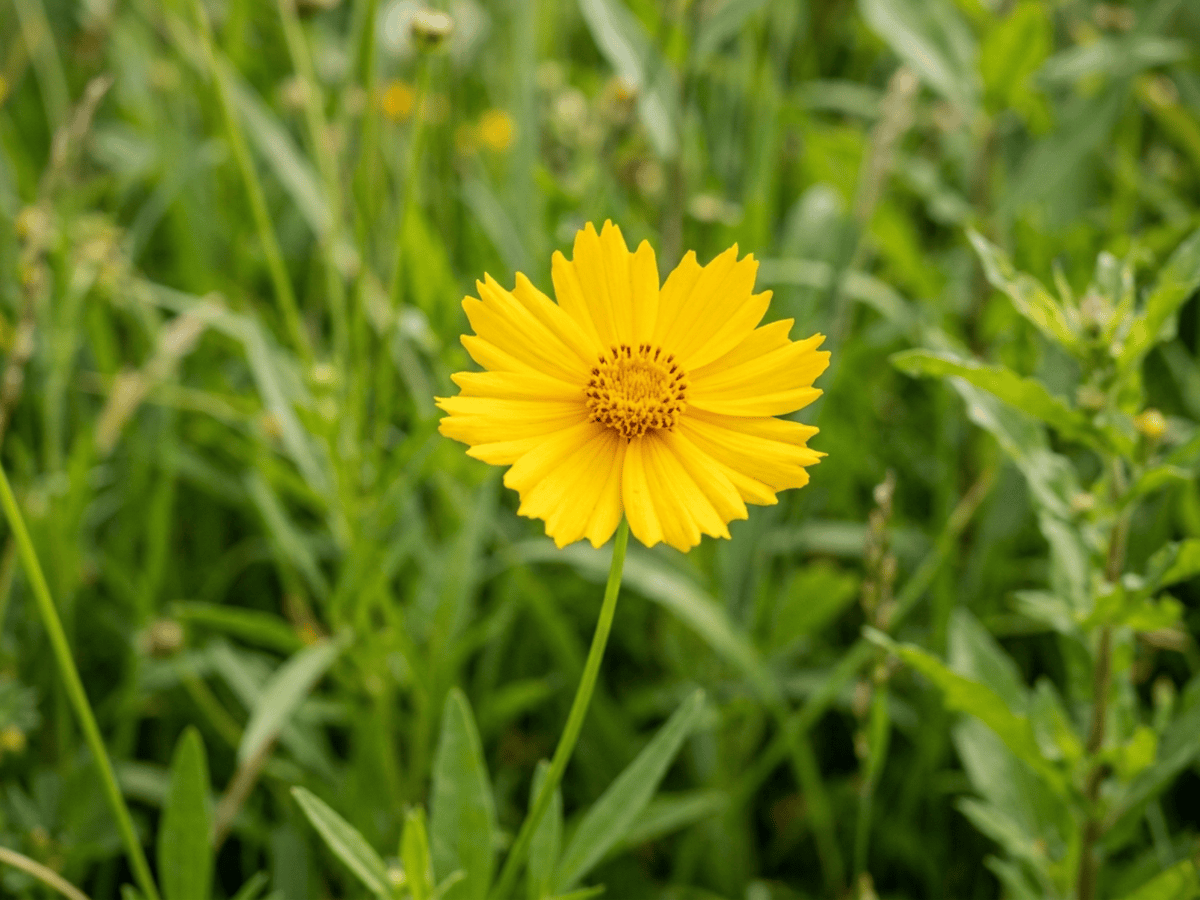
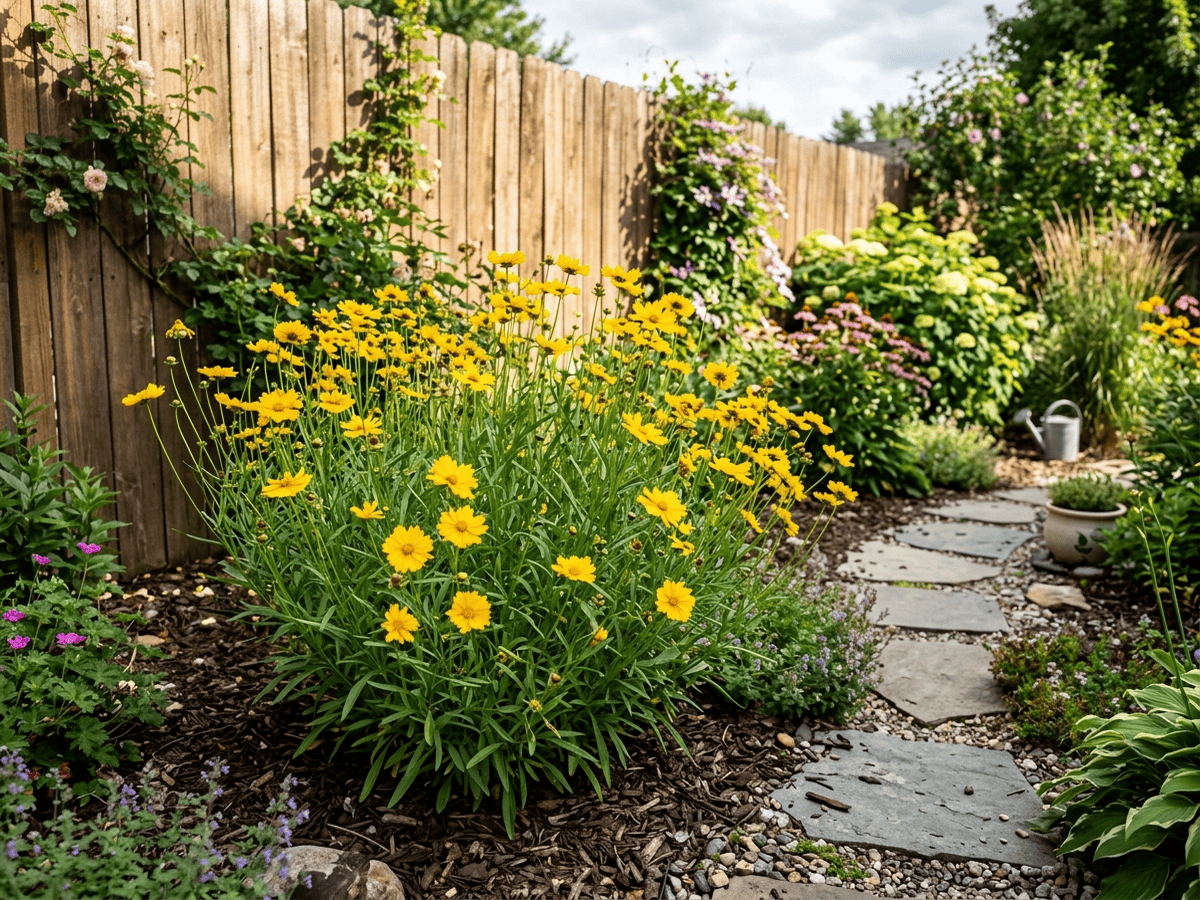
Coreopsis lanceolata, lanceleaf coreopsis or tickseed, is a cheerful North American native wildflower that paints fields and roadsides golden-yellow from late spring through mid summer. Each flower features bright yellow ray petals with notched or lobed tips surrounding a compact golden disc, creating a simple, sunny charm that epitomizes the American wildflower meadow. Growing 30–60 cm tall with narrow, lance-shaped basal leaves, it forms tidy clumps that spread slowly by short rhizomes and self-seeding. It is extraordinarily easy to grow, thriving in poor, dry soil and full sun with almost zero maintenance — in fact, rich soil and too much water make it flop and reduce its lifespan. The flowers attract native bees, small butterflies, and beneficial insects, while goldfinches feast on the seeds in autumn. Deadheading extends bloom for weeks. It is the state wildflower of Mississippi and a foundation species for highway wildflower plantings across the southeastern United States. An ideal starter plant for anyone beginning a native wildflower garden.
- Low-maintenance
- Drought-tolerant
- Native
- Pollinator-friendly
How to care for Lance-Leaved Coreopsis
Watering
- Springevery 7 days
- Summerevery 5 days
- Fallevery 14 days
- Winterevery 30 days
Soil · Well-draining
- Top dressingPine bark mulch10%
- Main mixPotting soil + perlite 2:170%
- DrainageLECA / gravel20%
Never skip the drainage layer — standing water is the top cause of root rot.
FERTILIZER
Balanced Feed 14-14-14
An even feed covers all three needs at once, keeping leaves, roots and blooms moving together with nothing pushed out of balance.
- Nitrogen · Leaves
- Phosphorus · Roots + Blooms
- Potassium · Strength
- Springevery 60 days
At a Glance
- NativeNorth America
- Height1–2 ft (0.3–0.6 m)
- Spread1–2 ft (0.3–0.6 m)
- Flower colorYellow
- Foliage colorGreen
- SoilSandy, Well-drained
- LocationsYard
Bloom time
BLOOM CYCLE
Peak bloom
Mar–Aug
Golden-yellow notched petals from late spring; deadhead for extended bloom into summer
Fragrance
NO FRAGRANCE
No notable fragrance.
Toxicity
No toxicity has been reported for this plant. Still, it is wise to keep pets from chewing on any houseplant.
Educational information, not medical or veterinary advice. If exposure is suspected, contact a doctor or veterinarian.
DISTRIBUTION

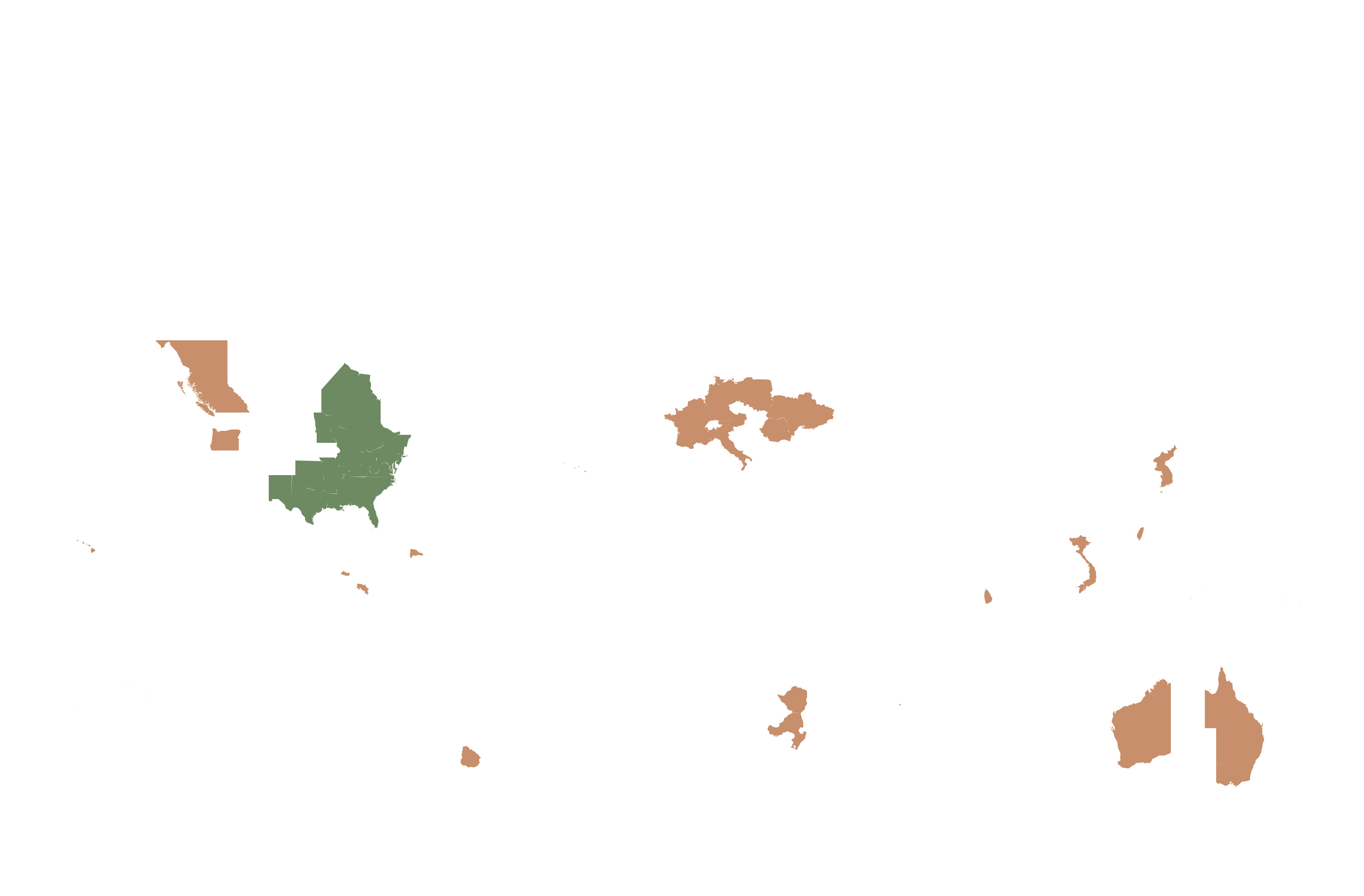
- Native
- Introduced
- North America
History

Coreopsis lanceolata is native to the central and southeastern United States, from the Great Plains east through the Midwest and Southeast. It produces abundant bright golden-yellow daisy-like flowers 4-6 cm across on wiry 40-60 cm stems from late spring through summer. The species is one of the foundational components of US roadside wildflower seed mixes — it was a major component of the "Lady Bird Johnson" native roadside planting initiative of the 1960s that transformed interstate highway design from manicured turfgrass to native flower meadow, and remains a staple of USDA NRCS (Natural Resources Conservation Service) prairie and pollinator seed specifications.
It is the state wildflower of Mississippi (designated 1991), and a group of Coreopsis species collectively including C. lanceolata is the state wildflower of Florida (designated 1991) — both reflecting the strong cultural and ecological association of the species with southeastern American roadsides and meadows. The species is an excellent nectar source for a wide range of native bees, small butterflies, and syrphid flies.
In landscape horticulture it is a tough, drought-tolerant, short-lived perennial (individual plants often last only 2-3 years) that regenerates reliably from seed. Popular named cultivars include "Sterntaler," "Baby Sun," and the compact "Sunray." Coreopsis lanceolata is native to prairies, open woodlands, and roadsides from the Great Lakes to the Gulf of Mexico.
Symbolism & meaning
What It Symbolizes
Lance-Leaved Coreopsis radiates cheerfulness, its sunny golden flowers an open expression of optimism and uncomplicated happiness. Blooming reliably with minimal care, it earns its old garden name of always happy, a flower that offers joy without demanding effort in return. It is the bloom of effortless contentment, proof that beauty can also be easy, generous, and freely given.
- Cheerfulness — Sunny golden flowers that radiate optimism and simple, uncomplicated happiness
- Always Happy — Blooms reliably with minimal care, embodying effortless joy and contentment
Where the Name Comes From
Coreopsis from Greek 'koris' (bedbug) and 'opsis' (appearance), referring to the seed's resemblance to a small insect. Lanceolata means 'lance-shaped,' describing the leaves.
Uses & Fun Facts
- Golden-yellow daisies fill meadows and roadsides for months
- Native nectar source for bees and butterflies
- Seeds eaten by goldfinches and other songbirds
Related plants
More Coreopsis plants
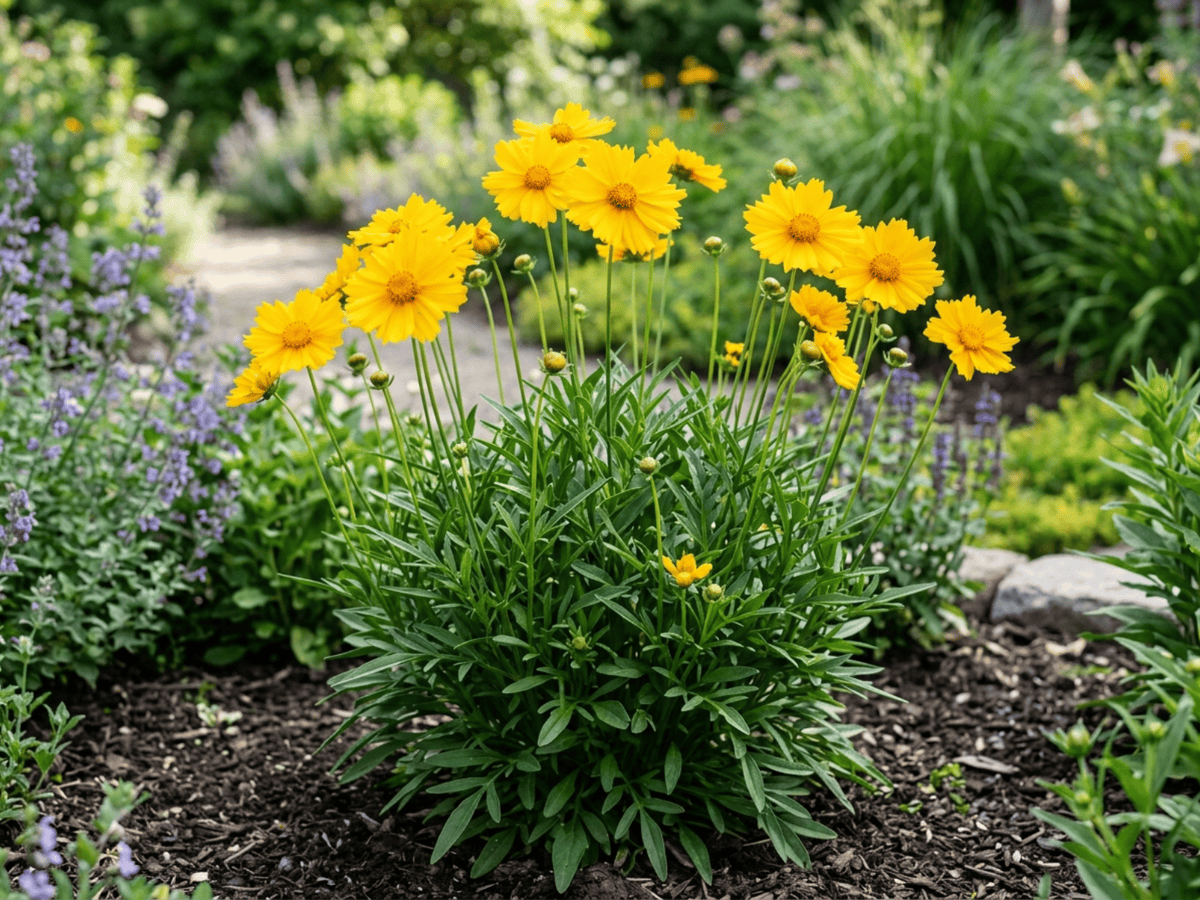 Large-Flowered TickseedCoreopsis grandiflora
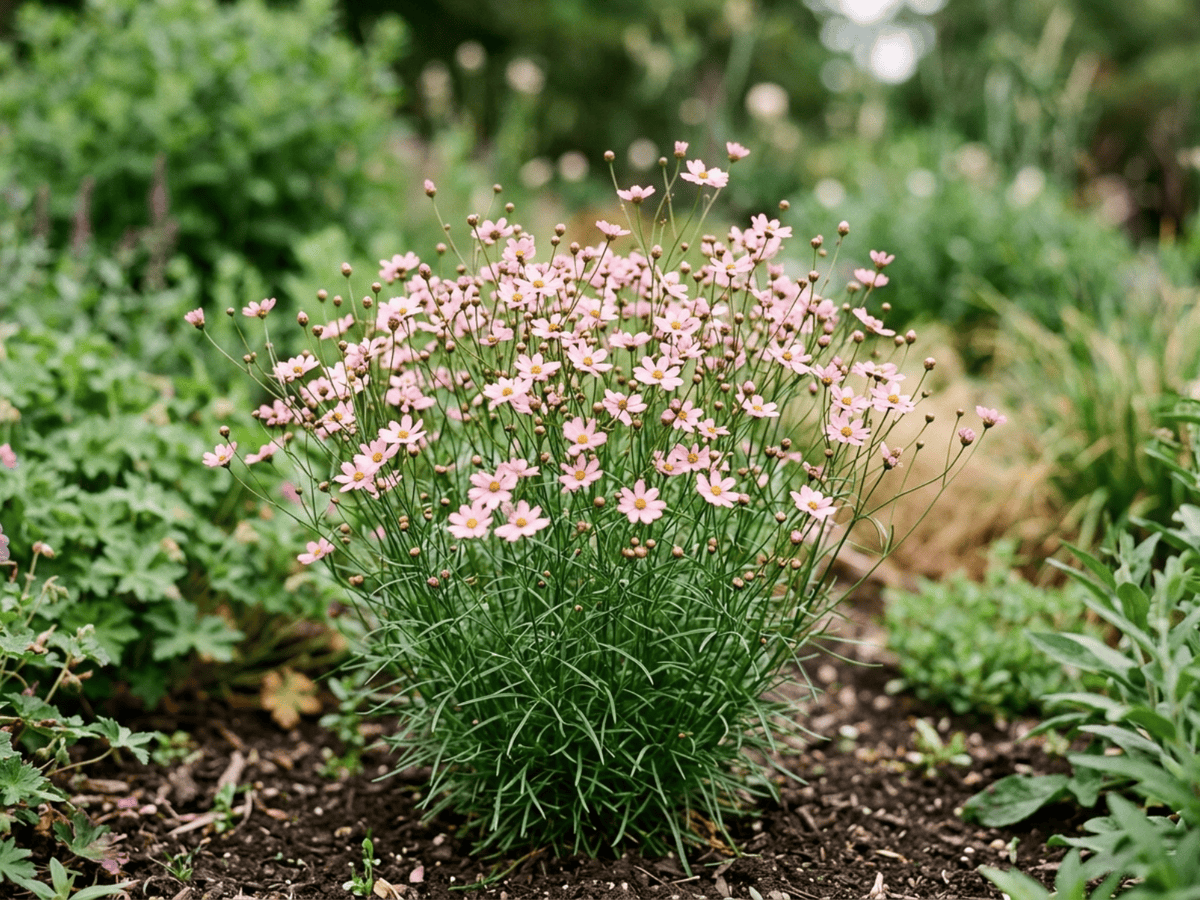 Rose CoreopsisCoreopsis rosea
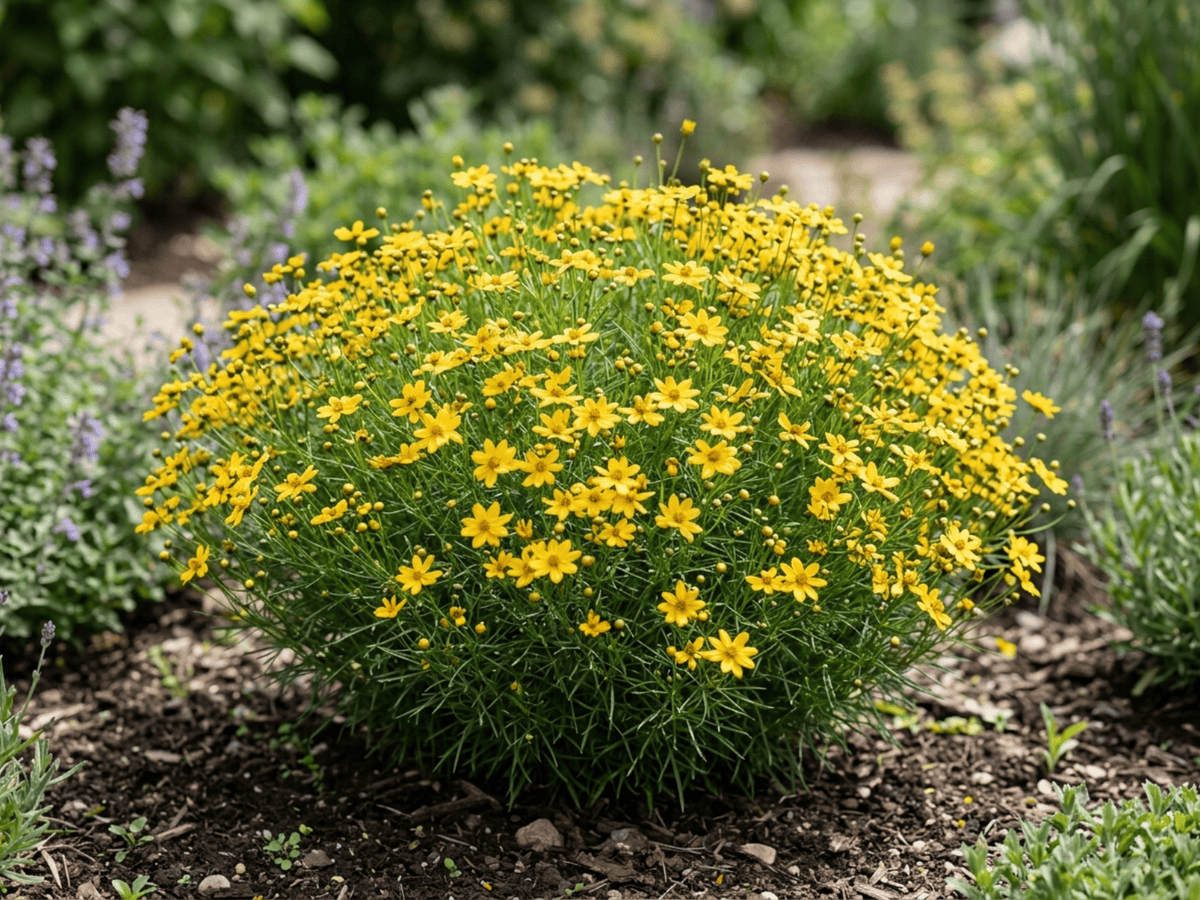 Whorled CoreopsisCoreopsis verticillata
Plants with similar care
 Chinese AbeliaAbelia chinensis
 Fragrant AbeliaAbelia mosanensis
 Large-Flowered AbeliaAbelia uniflora
 Glossy AbeliaAbelia x grandiflora
Frequently asked questions
How often should I water Lance-Leaved Coreopsis?
In summer, water about every 5 days; in winter, about every 30 days. Adjust for heat, pot size and drainage.
How much light does Lance-Leaved Coreopsis need?
Full sun: 6+ hrs direct. Watch the leaves — scorching or stretching means the light needs adjusting.
Is Lance-Leaved Coreopsis toxic to cats or dogs?
No toxicity has been reported for this plant. Still, it is wise to keep pets from chewing on any houseplant. Educational information, not medical or veterinary advice. If exposure is suspected, contact a doctor or veterinarian.
Is Lance-Leaved Coreopsis easy to grow?
Yes — it is considered an easy, beginner-friendly plant.
When does Lance-Leaved Coreopsis bloom?
It typically blooms Mar–Aug in the Northern Hemisphere.
YardMate
Identify any plant in seconds
Snap a photo — YardMate names the plant, diagnoses problems, and reminds you when to water.
Download on the App Store