 YardMate

Rose Coreopsis
Coreopsis rosea
Medium · Some experienceAbout Rose Coreopsis
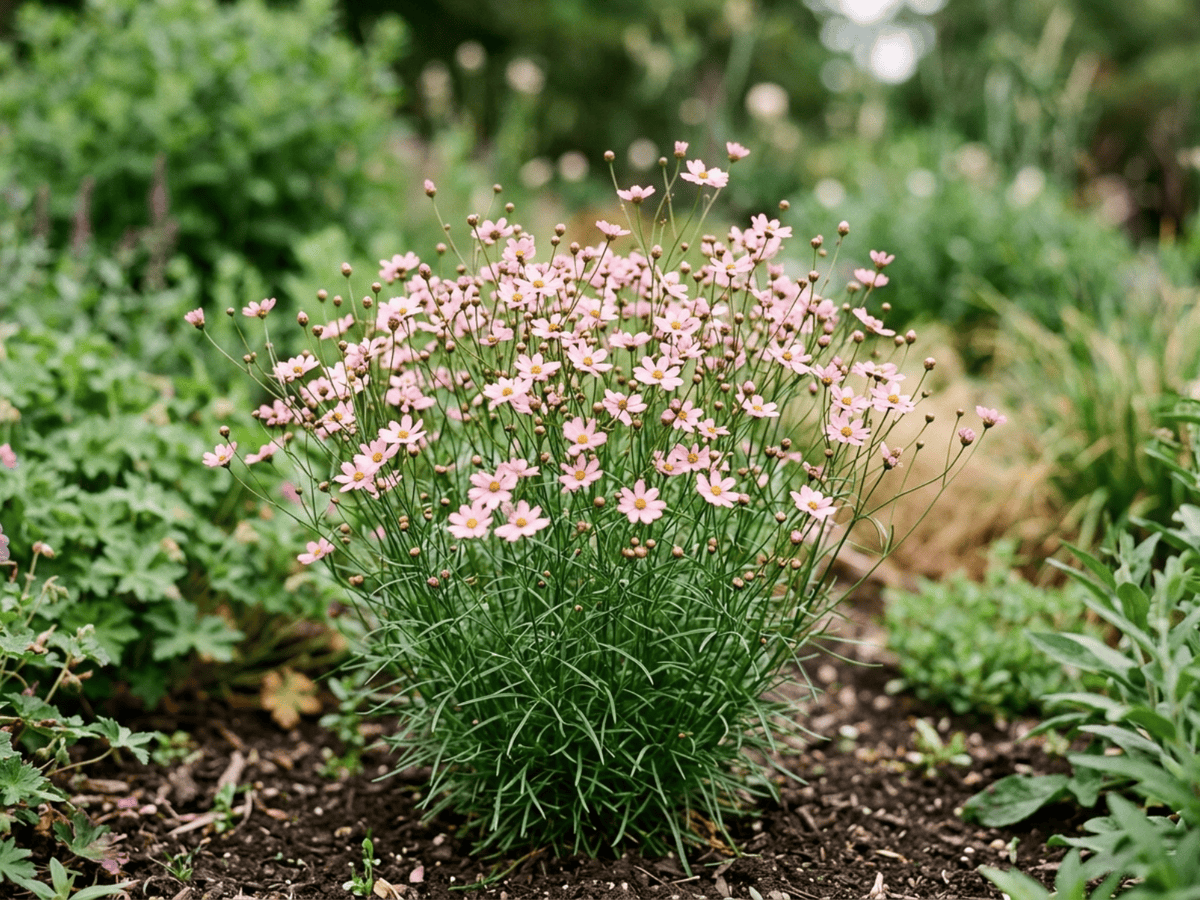
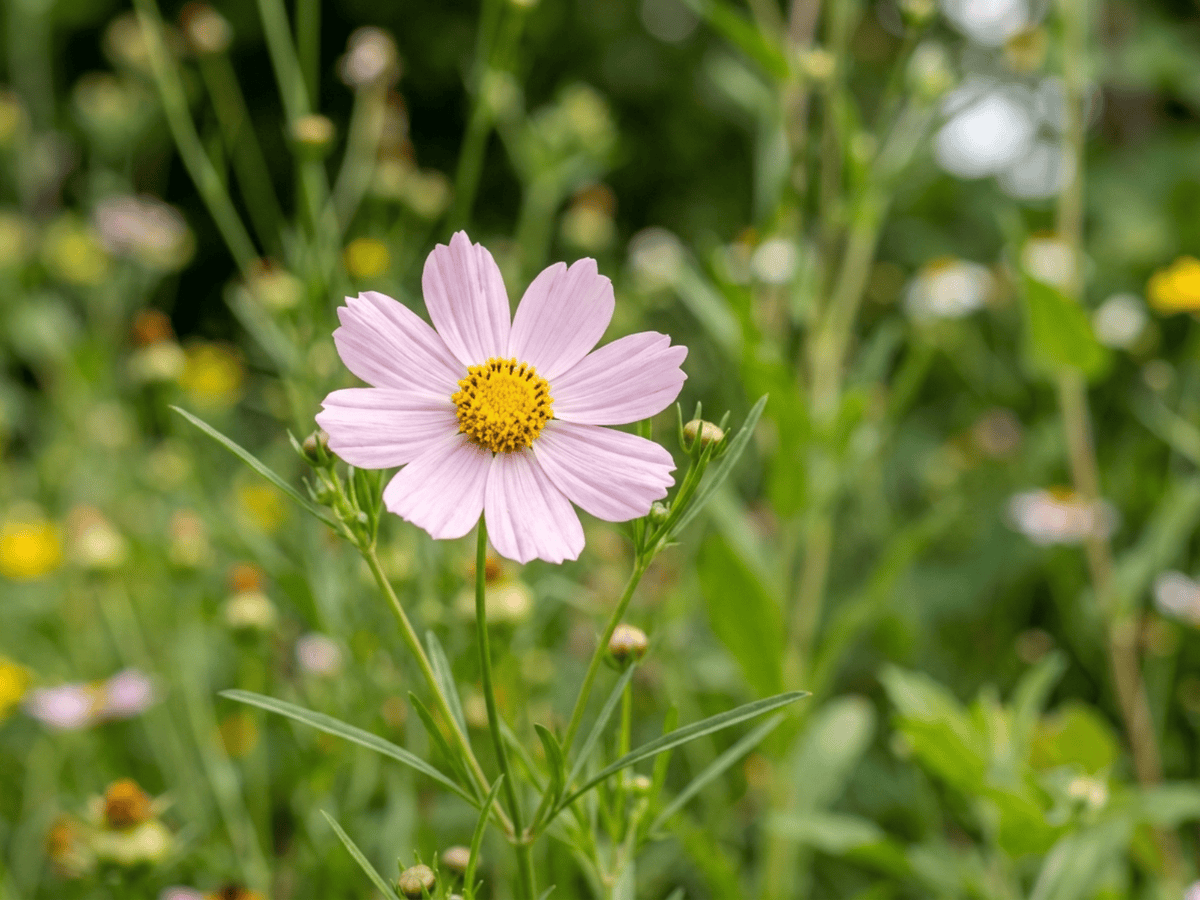
Pink Tickseed is a rare native perennial of the northeastern US Atlantic coastal plain, 12–18 inches tall, with fine foliage and small pink or rose daisy flowers with yellow centers. Forms spreading mats by rhizomes—more moisture-loving than other Coreopsis. The cultivar 'American Dream' was the original pink coneflower widely sold in American nurseries; newer Color Wheel and Li'l Bang series extend the range. Hardy zones 4–8.
- Native
- Pollinator-friendly
How to care for Rose Coreopsis
Watering
- Springevery 3 days
- Summerevery 2 days
- Fallevery 4 days
- Winterevery 7 days
Soil · Well-draining
- Top dressingPine bark mulch10%
- Main mixPotting soil + perlite 2:170%
- DrainageLECA / gravel20%
Never skip the drainage layer — standing water is the top cause of root rot.
FERTILIZER
- Springevery 30 days
- Summerevery 30 days
At a Glance
- NativeNorth America
- Height1–2 ft (0.3–0.6 m)
- Spread1–2 ft (0.3–0.6 m)
- Flower colorPink, White
- Foliage colorGreen
- SoilLoamy, Well-drained, Moisture-retentive
- LocationsYard
Bloom time
BLOOM CYCLE
Peak bloom
Jun–Sep
Pink daisies summer to early fall
Toxicity
No toxicity has been reported for this plant. Still, it is wise to keep pets from chewing on any houseplant.
Educational information, not medical or veterinary advice. If exposure is suspected, contact a doctor or veterinarian.
DISTRIBUTION


- Native
- Introduced
- North America
History
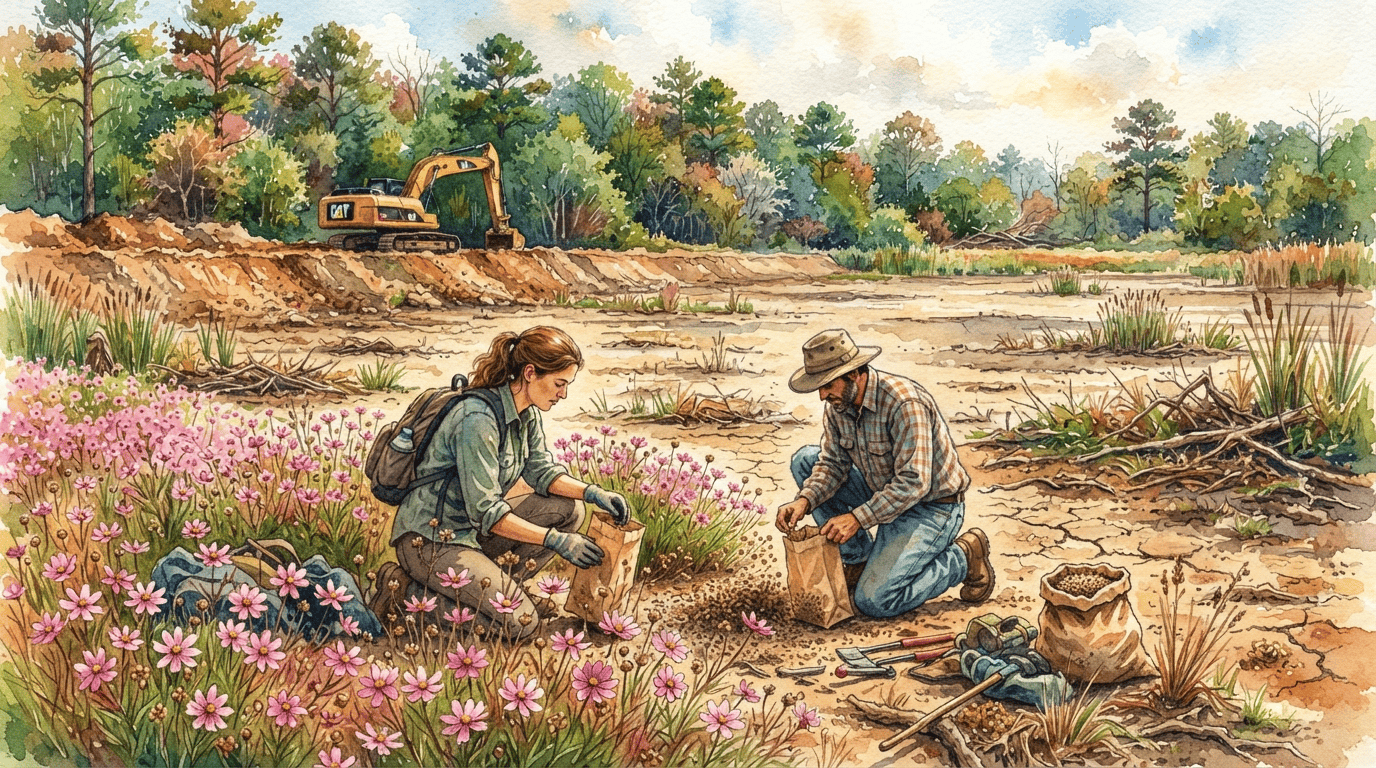
Coreopsis rosea inhabits seasonally inundated coastal plain ponds and wet sandy shores, a specialized habitat that has become increasingly fragmented. Thomas Nuttall described the species in 1818. Unique among coreopsis for its pink ray flowers and threadleaf foliage, it remained a botanical rarity until the cultivar 'American Dream' was introduced around 1983, presenting rich rose-pink flowers on compact plants.
This cultivar and later selections like 'Sweet Dreams' and 'Heaven's Gate' made it a garden staple. It requires moisture unlike most coreopsis, making it valuable for rain gardens. Wild populations are tracked as globally vulnerable (G3) by NatureServe, threatened by hydrological changes and development. Native to wet coastal plain habitats from Nova Scotia to Georgia—a rare and localized species. 'American Dream' was introduced in the 1980s and brought pink coreopsis into mainstream American horticulture.
Symbolism & meaning
What It Symbolizes
Rose Coreopsis carries gentle affection, its soft pink rays evoking tenderness rather than the brash gold of its sunnier cousins. It is a child of Atlantic coastal plain heritage, native to wet meadows and pond edges along the eastern seaboard. A wildflower for tender hearts and damp ground, where understatement does the slow, steady work of charm.
- Gentle affection — soft pink evokes tenderness
- Coastal heritage — Atlantic coastal plain native
Where the Name Comes From
Genus means 'bug-like' for seed shape; 'rosea' means 'rose-pink'.
Uses & Fun Facts
- Pink daisies attract small native bees and butterflies
- Threadleaf clumps spread to fill sunny moist edges
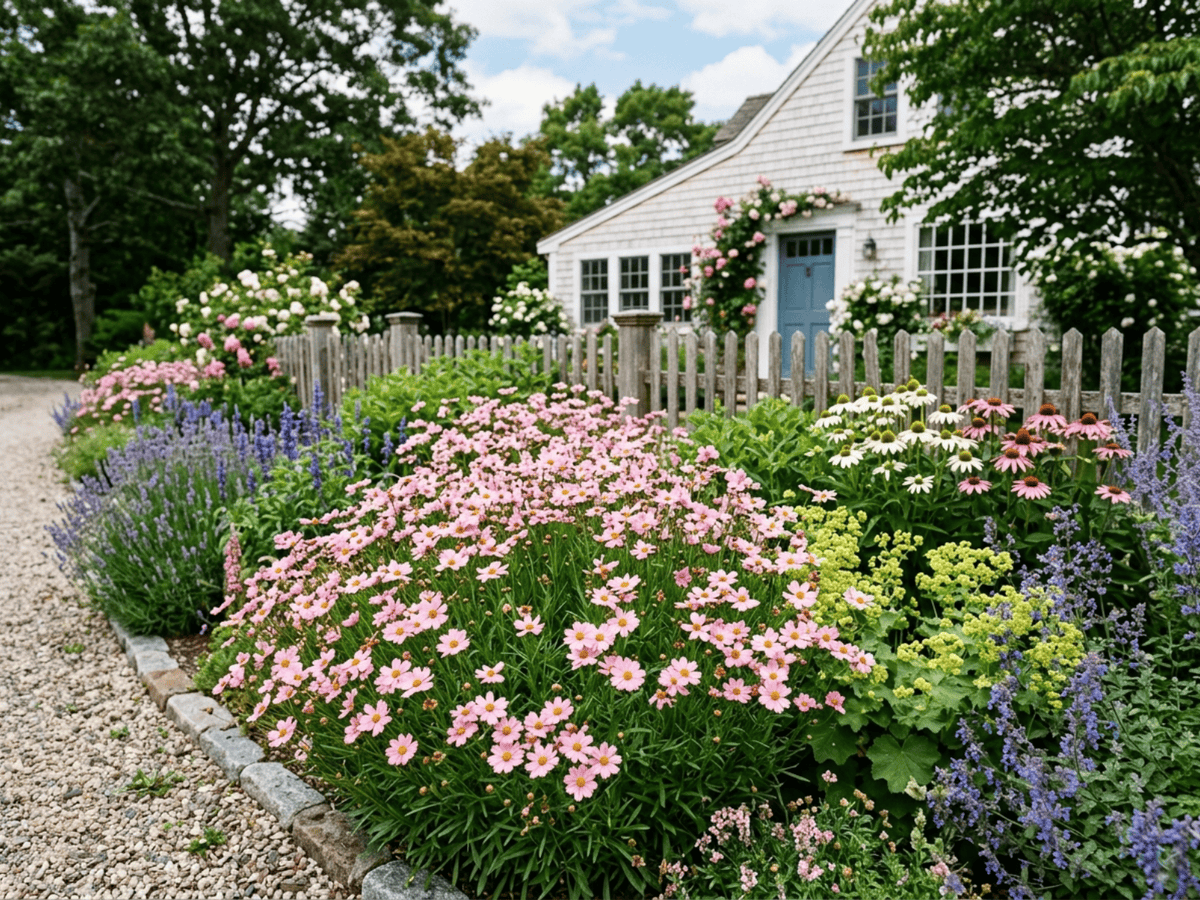
- Long-blooming pink tickseed for native perennial borders
Related plants
More Coreopsis plants
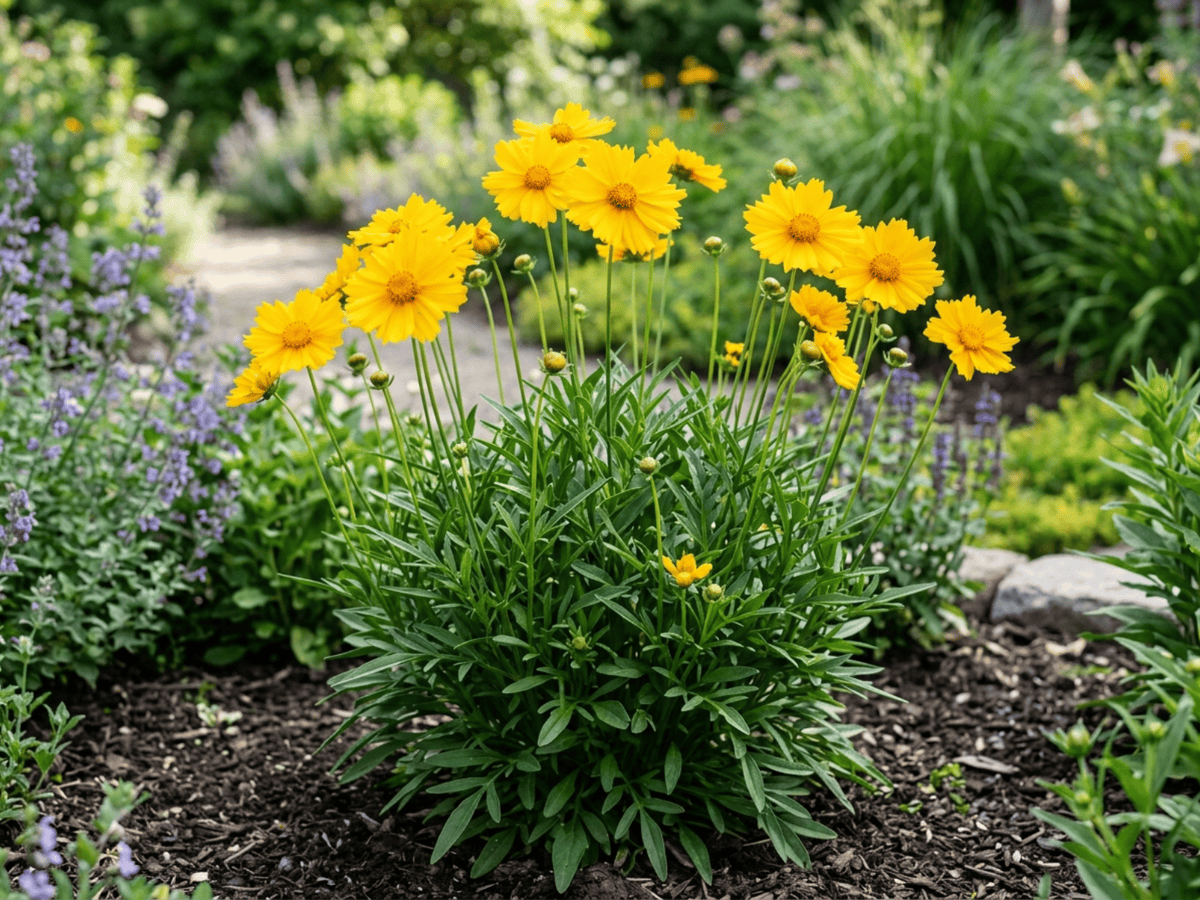 Large-Flowered TickseedCoreopsis grandiflora
 Lance-Leaved CoreopsisCoreopsis lanceolata
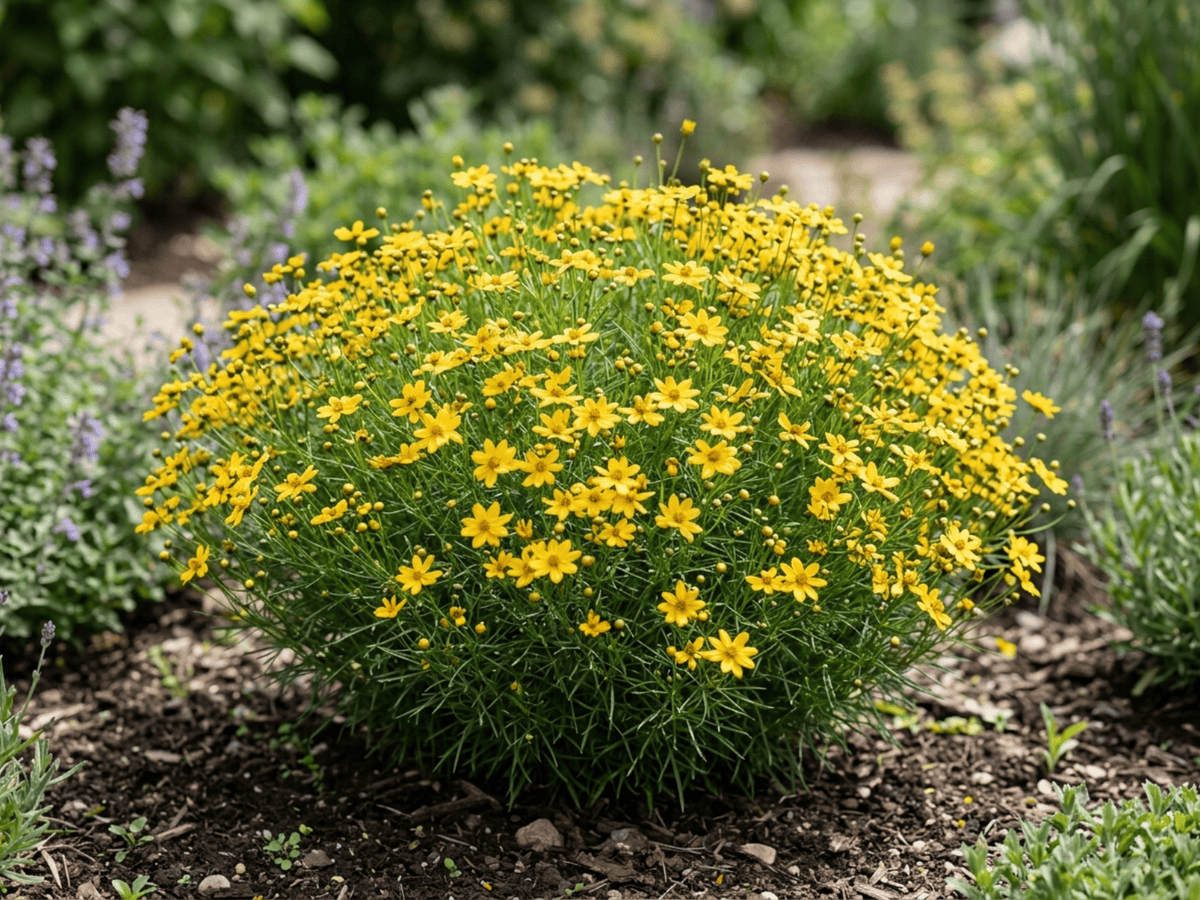 Whorled CoreopsisCoreopsis verticillata
Plants with similar care
 Mexican AbeliaAbelia floribunda
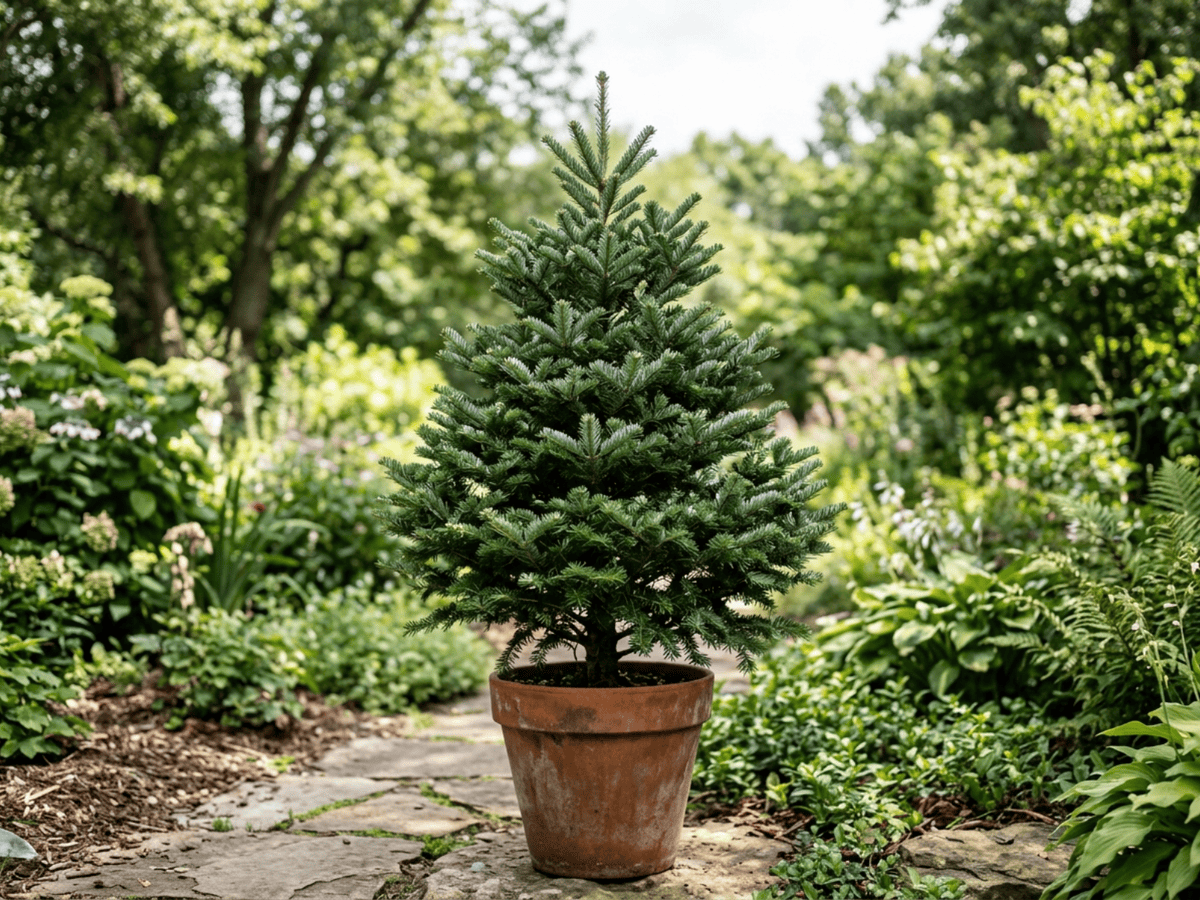 Fraser FirAbies fraseri
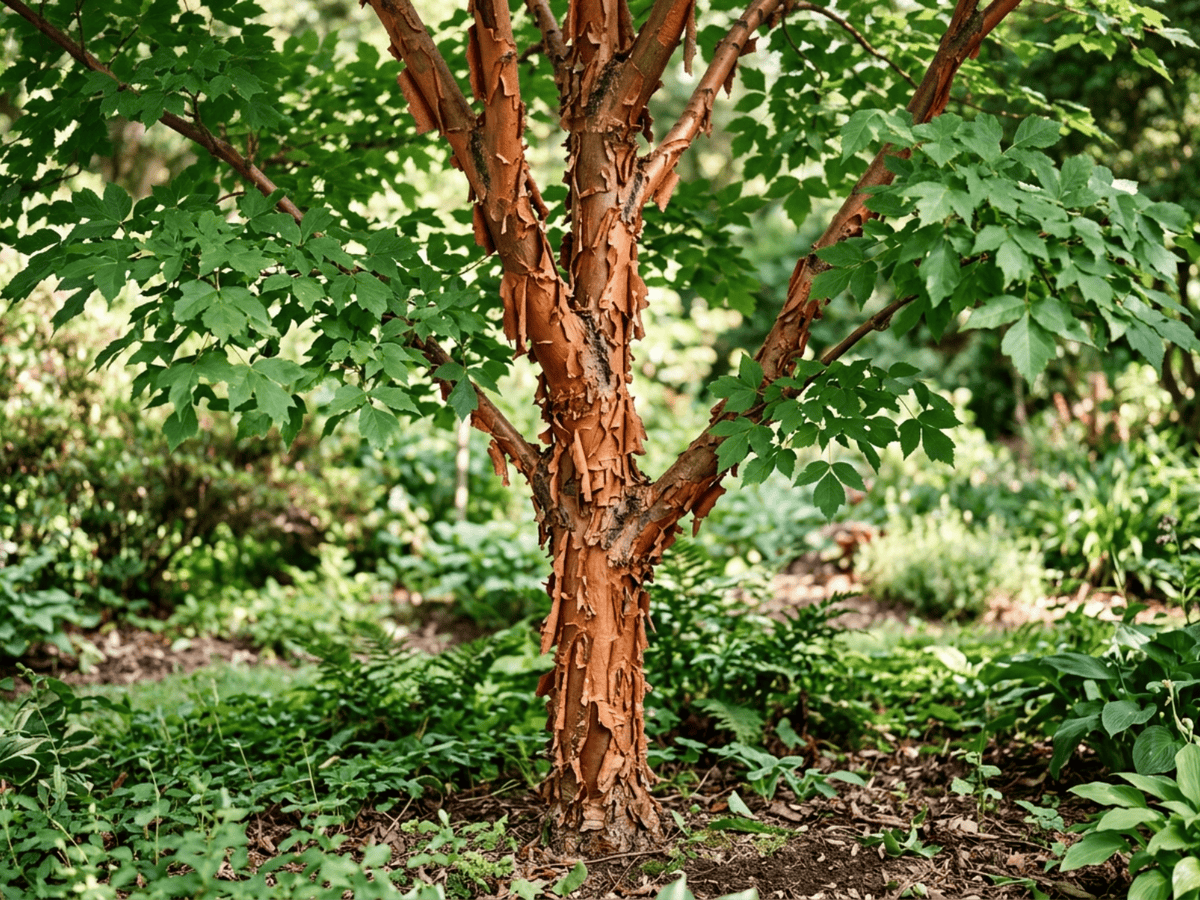 Paperbark MapleAcer griseum
 Sugar MapleAcer saccharum
Frequently asked questions
How often should I water Rose Coreopsis?
In summer, water about every 2 days; in winter, about every 7 days. Adjust for heat, pot size and drainage.
How much light does Rose Coreopsis need?
Full sun: 6+ hrs direct. Watch the leaves — scorching or stretching means the light needs adjusting.
Is Rose Coreopsis toxic to cats or dogs?
No toxicity has been reported for this plant. Still, it is wise to keep pets from chewing on any houseplant. Educational information, not medical or veterinary advice. If exposure is suspected, contact a doctor or veterinarian.
Is Rose Coreopsis easy to grow?
It is moderately demanding: a good choice once you have a little experience.
When does Rose Coreopsis bloom?
It typically blooms Jun–Sep in the Northern Hemisphere.
YardMate
Identify any plant in seconds
Snap a photo — YardMate names the plant, diagnoses problems, and reminds you when to water.
Download on the App Store