 YardMate


Rose Daphne
Daphne cneorum
Hard · Experienced growersAbout Rose Daphne
Garland Flower is a low-growing evergreen subshrub from the mountains of Europe, reaching only 6-12 inches tall and spreading to 3 feet wide. In late spring it produces dense terminal clusters of intensely fragrant rose-pink flowers that cover the plant in a carpet of color and scent. The trailing stems root where they touch the ground, gradually forming a fragrant groundcover. Ideal for rock gardens, raised beds, and the front of borders in cool-summer regions.
- Fragrant
- Groundcover
- Compact
- Evergreen
How to care for Rose Daphne
Watering
- Springevery 7 days
- Summerevery 5 days
- Fallevery 10 days
- Winterevery 21 days
Soil · Well-draining
- Top dressingPine bark mulch10%
- Main mixPotting soil + perlite 2:170%
- DrainageLECA / gravel20%
Never skip the drainage layer — standing water is the top cause of root rot.
FERTILIZER
Balanced Feed 14-14-14
An even feed covers all three needs at once, keeping leaves, roots and blooms moving together with nothing pushed out of balance.
- Nitrogen · Leaves
- Phosphorus · Roots + Blooms
- Potassium · Strength
- Springevery 30 days
At a Glance
- NativeEurope
- Height0.5–1 ft (0.2–0.3 m)
- Spread2–3 ft (0.6–0.9 m)
- Flower colorPink
- Foliage colorDark-green, Green
- SoilLoamy, Well-drained
- LocationsYard · Balcony
Bloom time
BLOOM CYCLE
Peak bloom
Apr, May, Sep, Oct, Nov
Rose-pink fragrant clusters April to May; occasional fall rebloom
Fragrance
STRONG FRAGRANCE
The flowers have an intense sweet clove-carnation fragrance.
Toxicity
Humans Toxic · Pets Toxic
daphnetoxin and mezerein
Toxic
- Leaf
- Fruit
- Bark
- Sap
- Ingestion
- Contact
EXPOSURE Eating leaves, fruit, bark, and sap. Touching leaves, fruit, bark, and sap.
EFFECT Oral and GI irritation, blistering, vomiting, potential cardiac effects.
NOTE All Daphne species are highly toxic. Sap can cause contact dermatitis.
Toxic
- Leaf
- Fruit
- Bark
- Ingestion
EXPOSURE Eating leaves, fruit, and bark.
EFFECT Oral irritation, vomiting, diarrhea.
NOTE All Daphne species are highly toxic. Sap can cause contact dermatitis.
Toxic
- Leaf
- Fruit
- Bark
- Ingestion
EXPOSURE Eating leaves, fruit, and bark.
EFFECT Oral irritation, vomiting, diarrhea.
NOTE All Daphne species are highly toxic. Sap can cause contact dermatitis.
Educational information, not medical or veterinary advice. If exposure is suspected, contact a doctor or veterinarian.
DISTRIBUTION


- Native
- Europe
History

Daphne cneorum is native to scattered mountain habitats across central and southern Europe from the Pyrenees through the Alps and Carpathians to the Balkans, typically on limestone outcrops and dry sunny slopes. Linnaeus described the species in Species Plantarum (1753), the epithet cneorum being an ancient Greek plant name adopted by Pliny. A low, prostrate to semi-decumbent evergreen shrub rarely exceeding 30 cm in height but spreading to 1 meter or more, it produces dense rounded clusters of rose-pink flowers at the tips of its branches in late spring, with a remarkably strong and sweet clove-carnation fragrance that has made it one of the most sought-after of rock garden plants since the 18th century.
It has a reputation for being tempermental in cultivation—failing suddenly in heavy soils—but when happy it forms long-lived ground-hugging mats. The cultivar 'Eximia' has larger and richer pink flowers; 'Variegata' has yellow-edged leaves. Like all Daphne, every part of the plant is highly toxic.
Native to limestone mountains across central and southern Europe from Spain to Ukraine. Temperamental in cultivation—it demands perfect drainage and resents transplanting. In the cool-summer climates of New England and the Pacific Northwest, it rewards patient gardeners with decades of spring fragrance. The cultivar 'Ruby Glow' has deeper pink flowers.
Symbolism & meaning
What It Symbolizes
Rose daphne radiates desire in fragrance — its perfume is so penetrating that a single small shrub can scent an entire spring garden, drawing admirers irresistibly close. Slow and sometimes temperamental in cultivation, it offers reward to the patient: years of dependable pink bloom and that intoxicating scent. Few plants ask so much trust at planting time and repay it so generously once established.
- Desire — irresistible fragrance draws admirers close
- Reward — compensates patient gardeners with years of beauty
Where the Name Comes From
The name Rose Daphne describes its rose-like blooms. 'Cneorum' from Greek 'kneoron', an ancient name for an olive-like plant; refers to the narrow leaves.
Uses & Fun Facts
- Intensely sweet pink flower clusters perfume spring rock gardens
- Low evergreen mat for sunny well-drained alpine borders
Related plants
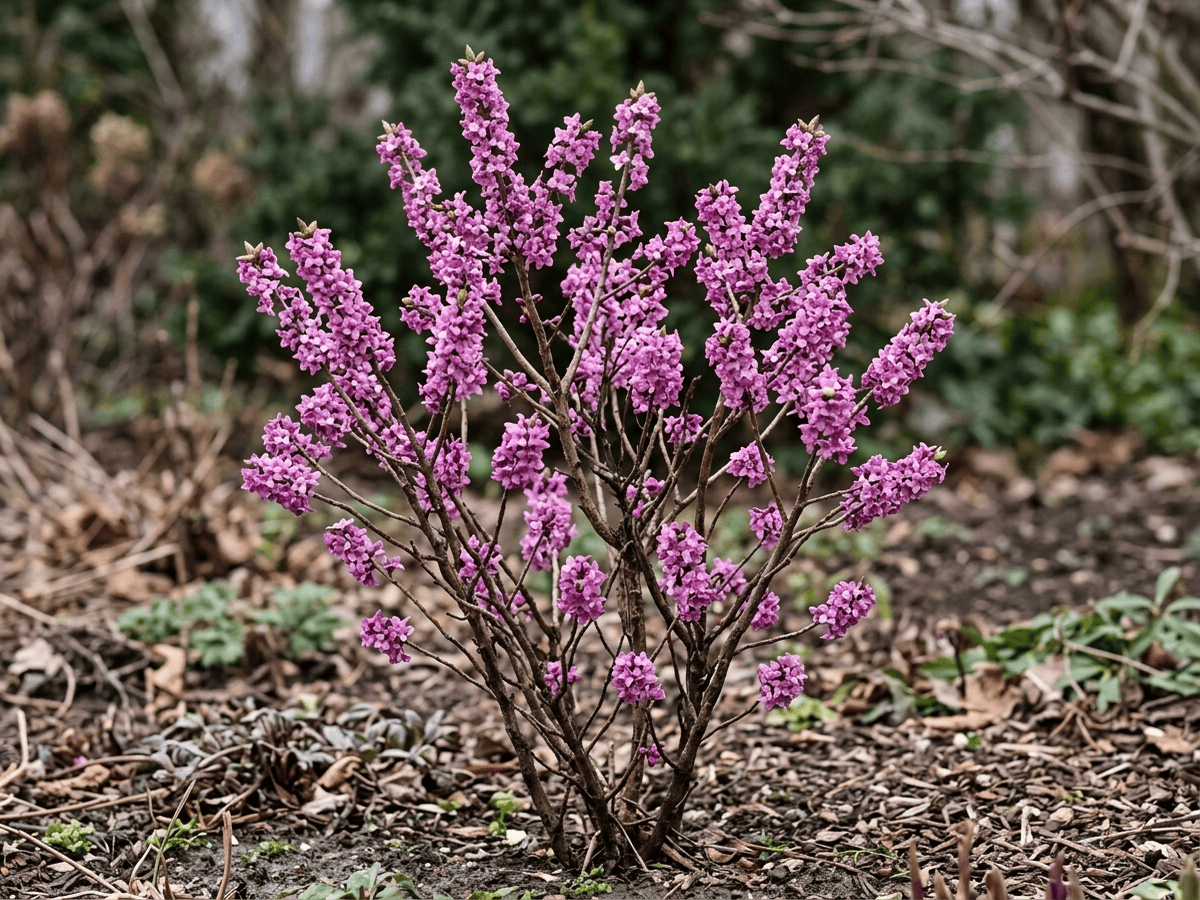
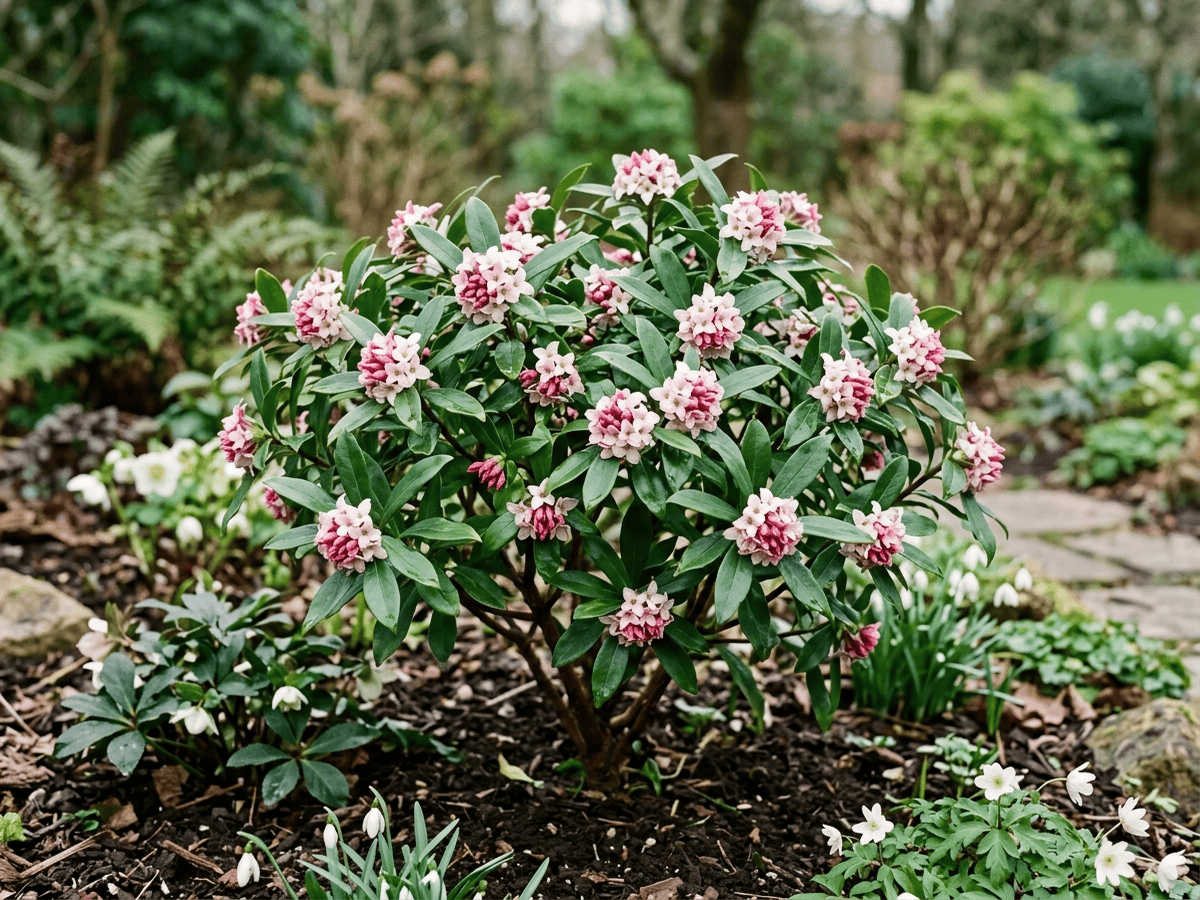
More Daphne plants
Plants with similar care
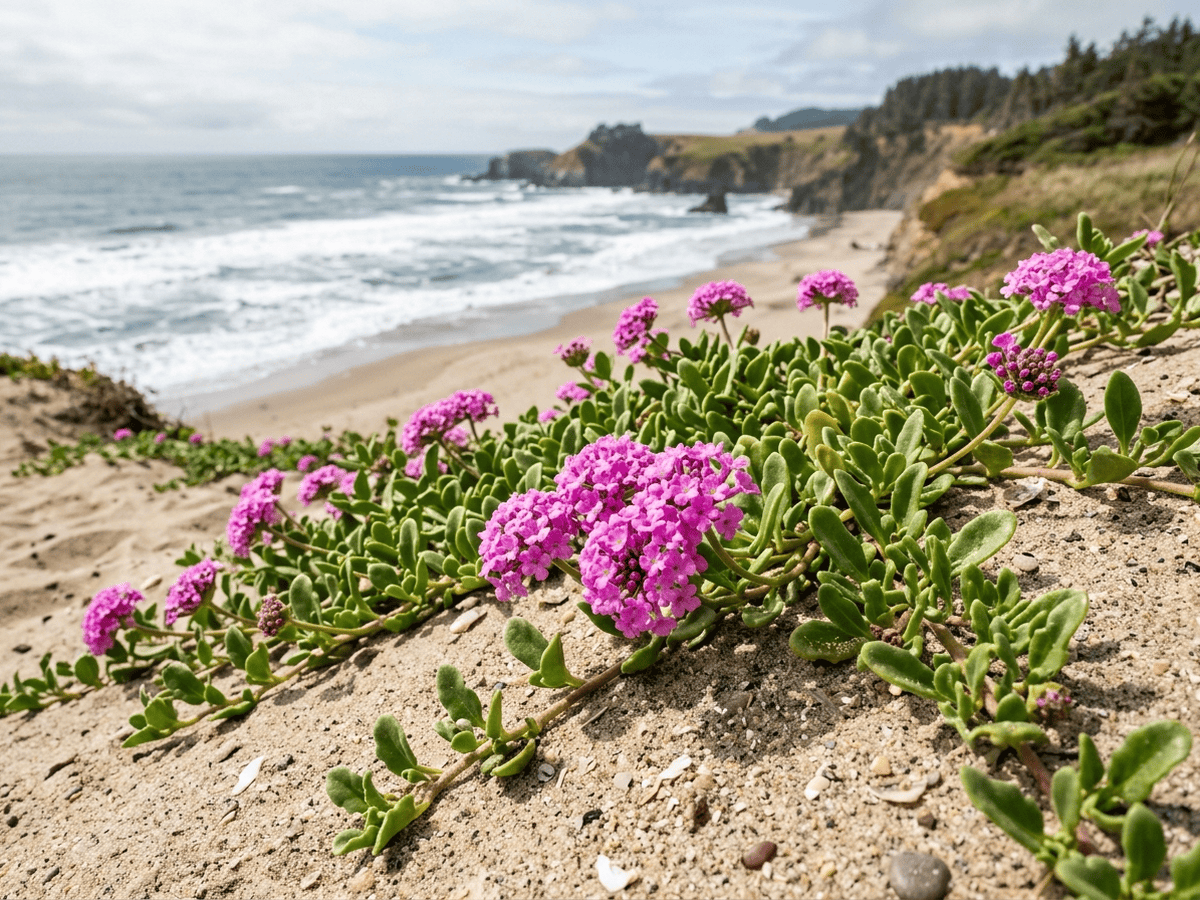 Pink Sand VerbenaAbronia umbellata
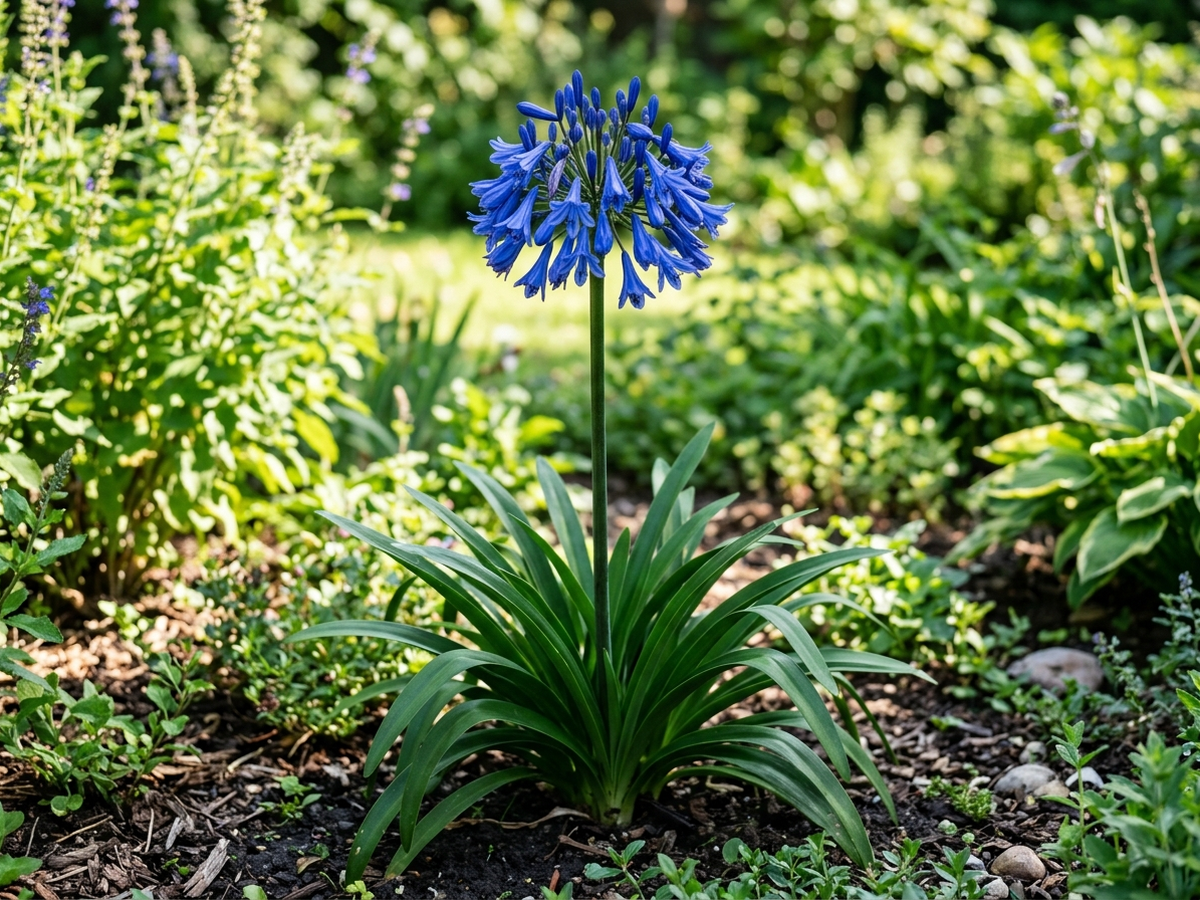 Drooping AgapanthusAgapanthus inapertus
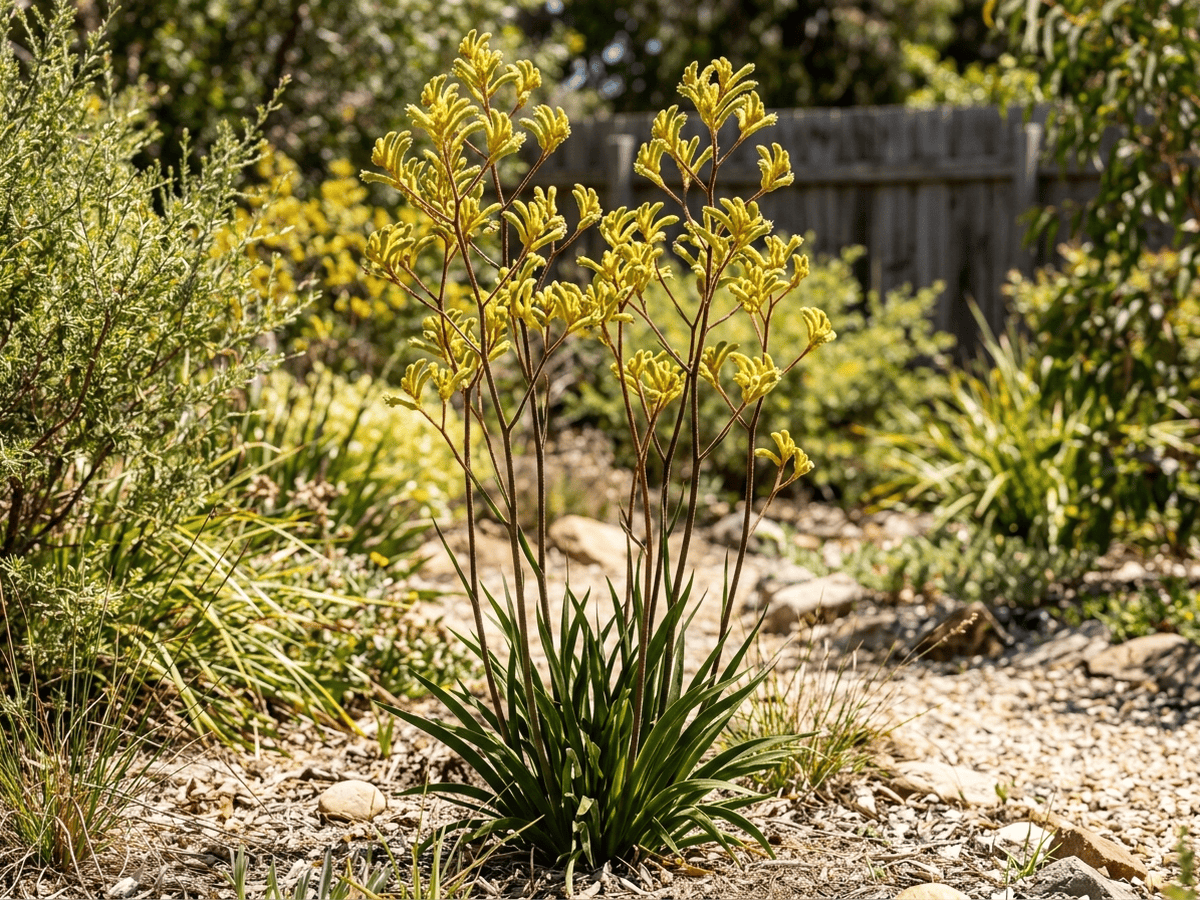 Tall Kangaroo PawAnigozanthos flavidus
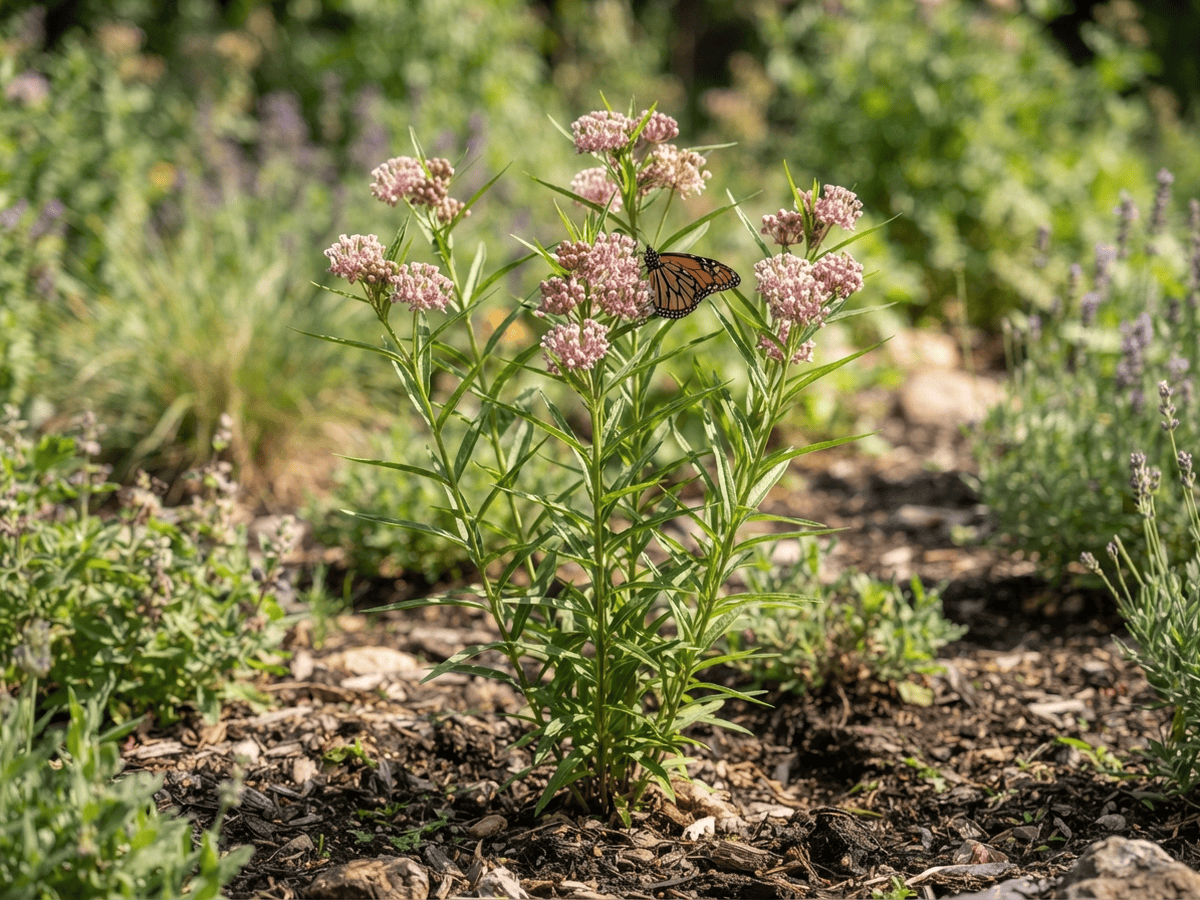 Narrowleaf MilkweedAsclepias fascicularis
Frequently asked questions
How often should I water Rose Daphne?
In summer, water about every 5 days; in winter, about every 21 days. Adjust for heat, pot size and drainage.
How much light does Rose Daphne need?
Full sun: 6+ hrs direct. Watch the leaves — scorching or stretching means the light needs adjusting.
Is Rose Daphne toxic to cats or dogs?
Pets Toxic (Dogs Toxic · Cats Toxic) Educational information, not medical or veterinary advice. If exposure is suspected, contact a doctor or veterinarian.
Is Rose Daphne easy to grow?
It is considered challenging and rewards experienced growers.
When does Rose Daphne bloom?
It typically blooms Apr, May, Sep, Oct, Nov in the Northern Hemisphere.
YardMate
Identify any plant in seconds
Snap a photo — YardMate names the plant, diagnoses problems, and reminds you when to water.
Download on the App Store