 YardMate


Mezereon
Daphne mezereum
Medium · Some experienceAbout Mezereon
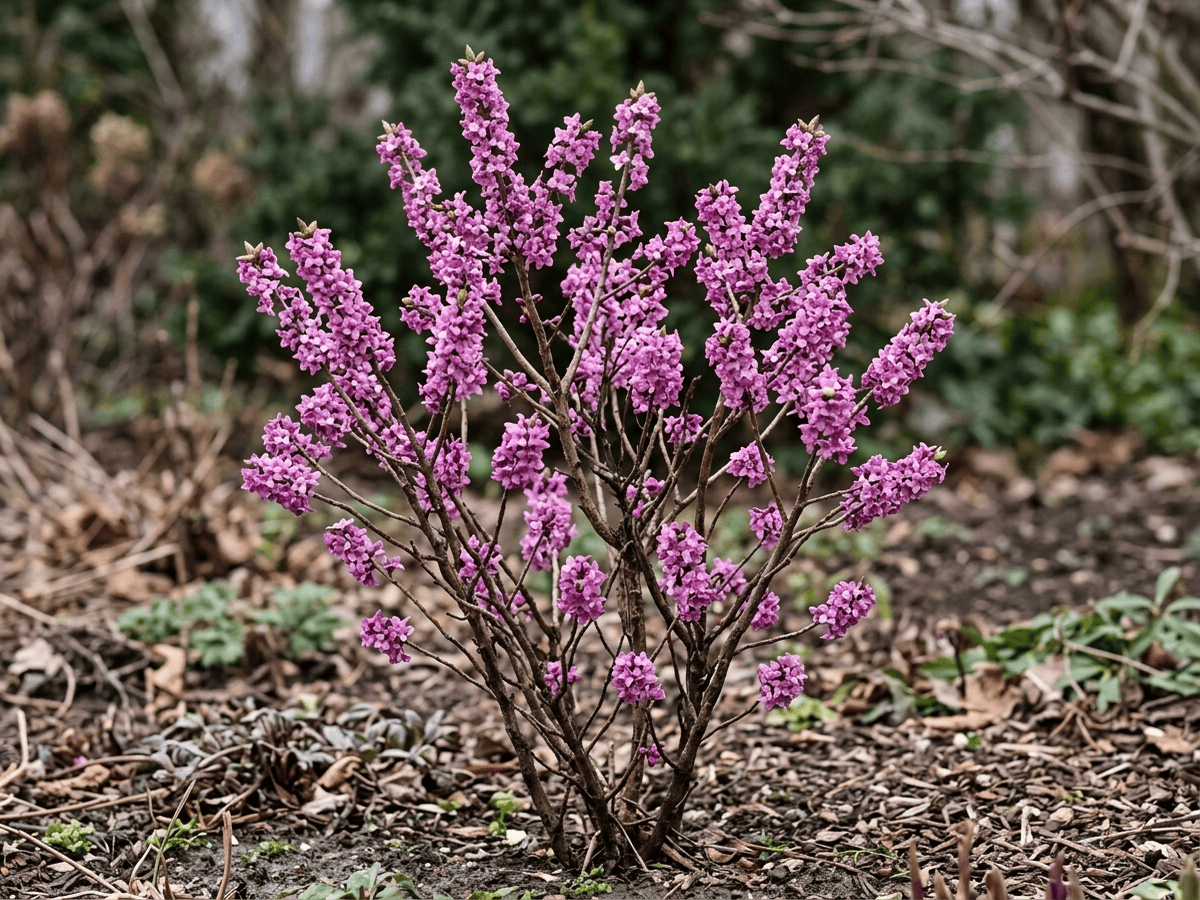
February Daphne is a deciduous European shrub growing 3-5 feet tall that produces clusters of fragrant pink-purple flowers directly on bare stems in late winter to very early spring, before leaves emerge. One of the earliest spring-blooming shrubs in northern gardens, it naturalizes in cool woodland edges across the northeastern United States and Pacific Northwest. Bright red berries follow in summer but are extremely poisonous. Hardy to Zone 4, it blooms reliably even after harsh winters.
- Fragrant
- Cold-hardy
How to care for Mezereon
Watering
- Springevery 7 days
- Summerevery 5 days
- Fallevery 10 days
- Winterevery 21 days
Soil · Well-draining
- Top dressingPine bark mulch10%
- Main mixPotting soil + perlite 2:170%
- DrainageLECA / gravel20%
Never skip the drainage layer — standing water is the top cause of root rot.
FERTILIZER
Balanced Feed 14-14-14
An even feed covers all three needs at once, keeping leaves, roots and blooms moving together with nothing pushed out of balance.
- Nitrogen · Leaves
- Phosphorus · Roots + Blooms
- Potassium · Strength
- Springevery 30 days
At a Glance
- NativeEurope, Western Asia
- Height3–5 ft (0.9–1.5 m)
- Spread3–5 ft (0.9–1.5 m)
- Flower colorPurple, Pink, White
- Foliage colorGreen
- Fruit colorRed
- SoilLoamy, Well-drained, Alkaline
- LocationsYard
Bloom time
BLOOM CYCLE
Peak bloom
Feb–Mar
Pink-purple flowers on bare stems February to March
Fragrance
STRONG FRAGRANCE
Powerful sweet hyacinth-like fragrance in late winter.
Toxicity
Humans Severe · Pets Toxic
daphnetoxin and mezerein
Severe
- Leaf
- Fruit
- Bark
- Sap
- Ingestion
- Contact
EXPOSURE Eating leaves, fruit, bark, and sap. Touching leaves, fruit, bark, and sap.
EFFECT Severe oral and GI irritation, vomiting, bloody diarrhea, kidney damage, potential death; as few as 6 berries can kill a child.
NOTE Extremely toxic. Historically a cause of childhood poisoning deaths. Sap is a strong vesicant causing severe blistering.
Toxic
- Leaf
- Fruit
- Bark
- Ingestion
EXPOSURE Eating leaves, fruit, and bark.
EFFECT Oral irritation, vomiting, bloody diarrhea, weakness, potential death.
NOTE Extremely toxic. Historically a cause of childhood poisoning deaths. Sap is a strong vesicant causing severe blistering.
Toxic
- Leaf
- Fruit
- Bark
- Ingestion
EXPOSURE Eating leaves, fruit, and bark.
EFFECT Oral irritation, vomiting, bloody diarrhea, weakness.
NOTE Extremely toxic. Historically a cause of childhood poisoning deaths. Sap is a strong vesicant causing severe blistering.
Educational information, not medical or veterinary advice. If exposure is suspected, contact a doctor or veterinarian.
DISTRIBUTION

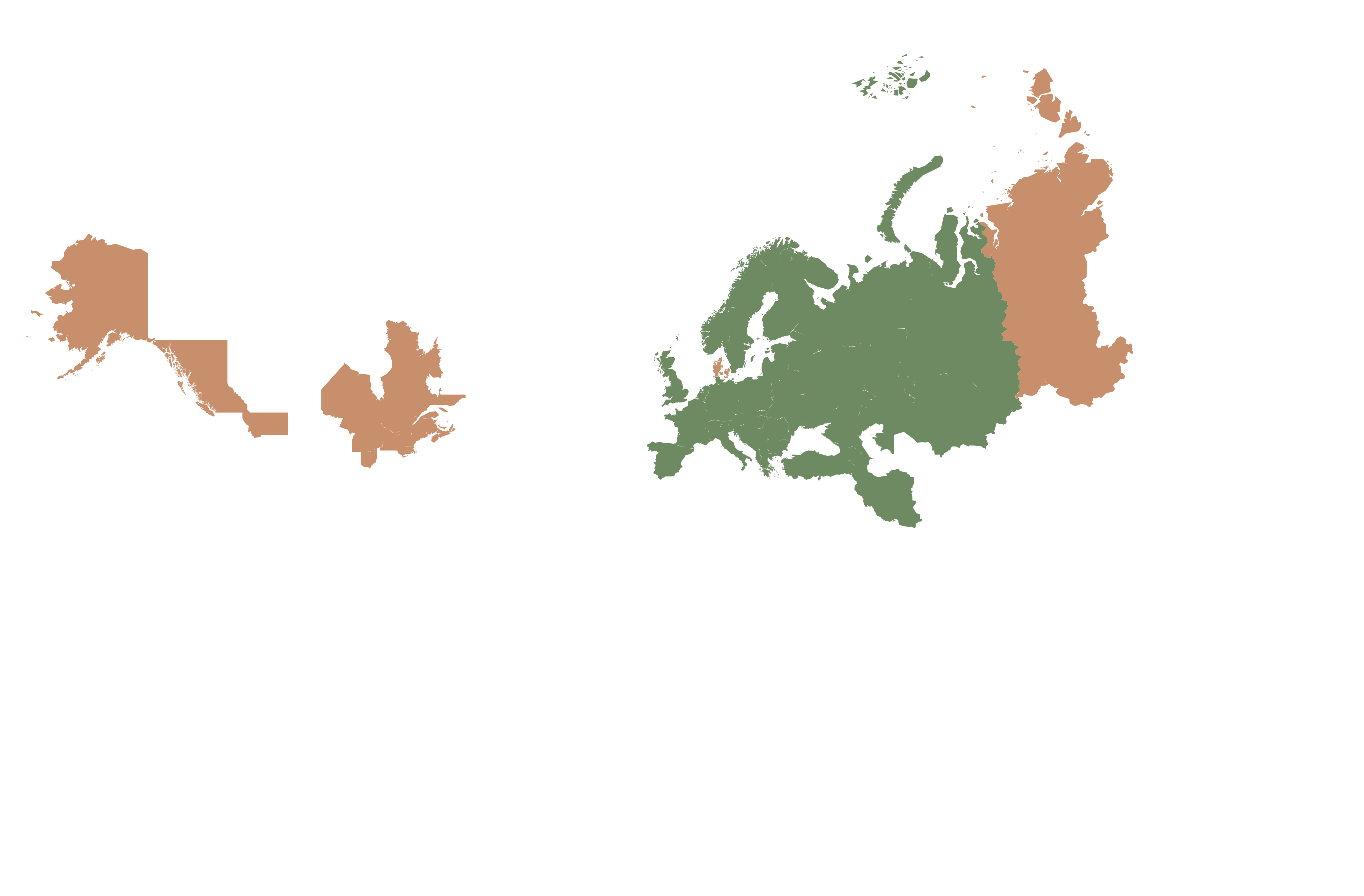
- Native
- Introduced
- Europe
- Western Asia
History

Daphne mezereum occurs naturally across Europe from Scandinavia and Britain to Spain, east through the Balkans and European Russia to western Siberia, typically in cool deciduous woodlands on limestone. Linnaeus described the species in Species Plantarum (1753), retaining the medieval Arabic/Persian-derived name mezereon that had been used in European herbals for centuries. It is one of the earliest shrubs to bloom in European temperate climates, opening clusters of powerfully fragrant purple-pink flowers directly on bare stems in February and March, followed by small bright red berries in summer.
The bark, marketed as cortex mezerei, was an official drug in European pharmacopoeias from the Middle Ages through the 19th century—used externally as a rubefacient and vesicant for rheumatic pain and internally in tiny doses as a purgative—but its extreme toxicity (containing the diterpene mezerein and daphnetoxin) caused many fatal poisonings and its medicinal use is now abandoned. Children have died from eating as few as six berries. A white-flowered form 'Alba' has yellow berries.
Native across Europe and western Asia, naturalized in parts of New England and the Pacific Northwest. The common name 'mezereum' derives from Persian for 'destroyer of life', reflecting its extreme toxicity. Despite its danger, it has been cultivated since medieval times for its early flowers. In Scandinavian tradition, its bloom signals the end of winter.
Symbolism & meaning
What It Symbolizes
Mezereon is beauty with teeth. Rosy winter flowers appear on bare stems when the garden is starved for color, followed by bright berries that look far too inviting. Its symbolism is dangerous invitation: fragrance, color, and caution bound together on a leafless branch.
- Boldness — blooms on bare stems when snow still lingers
- Danger — beauty paired with lethal toxicity
Where the Name Comes From
'Mezereum' from Persian/Arabic 'mazaryun', meaning 'deadly' or 'destroyer of life'.
Uses & Fun Facts
- Powerfully fragrant winter flowers scent paths before most shrubs wake
Related plants
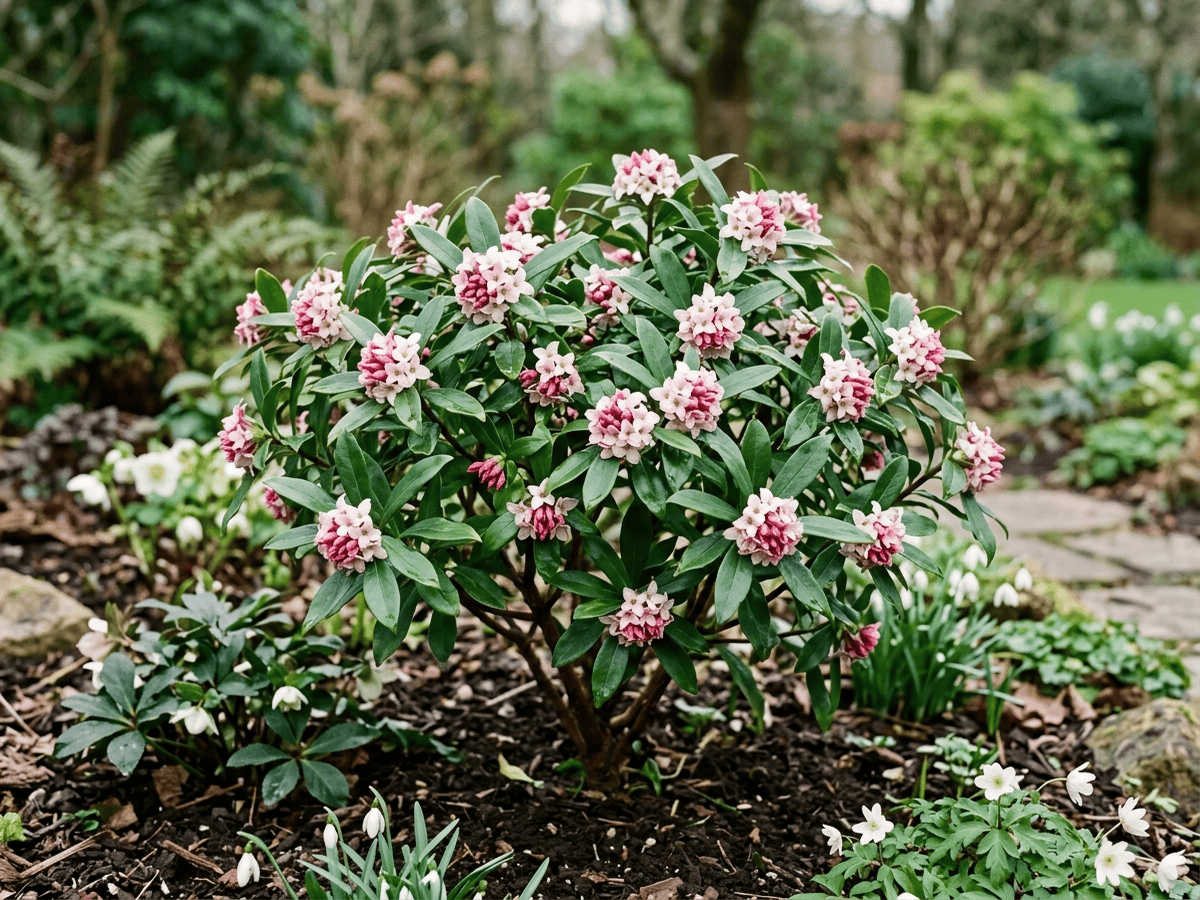
More Daphne plants

Plants with similar care
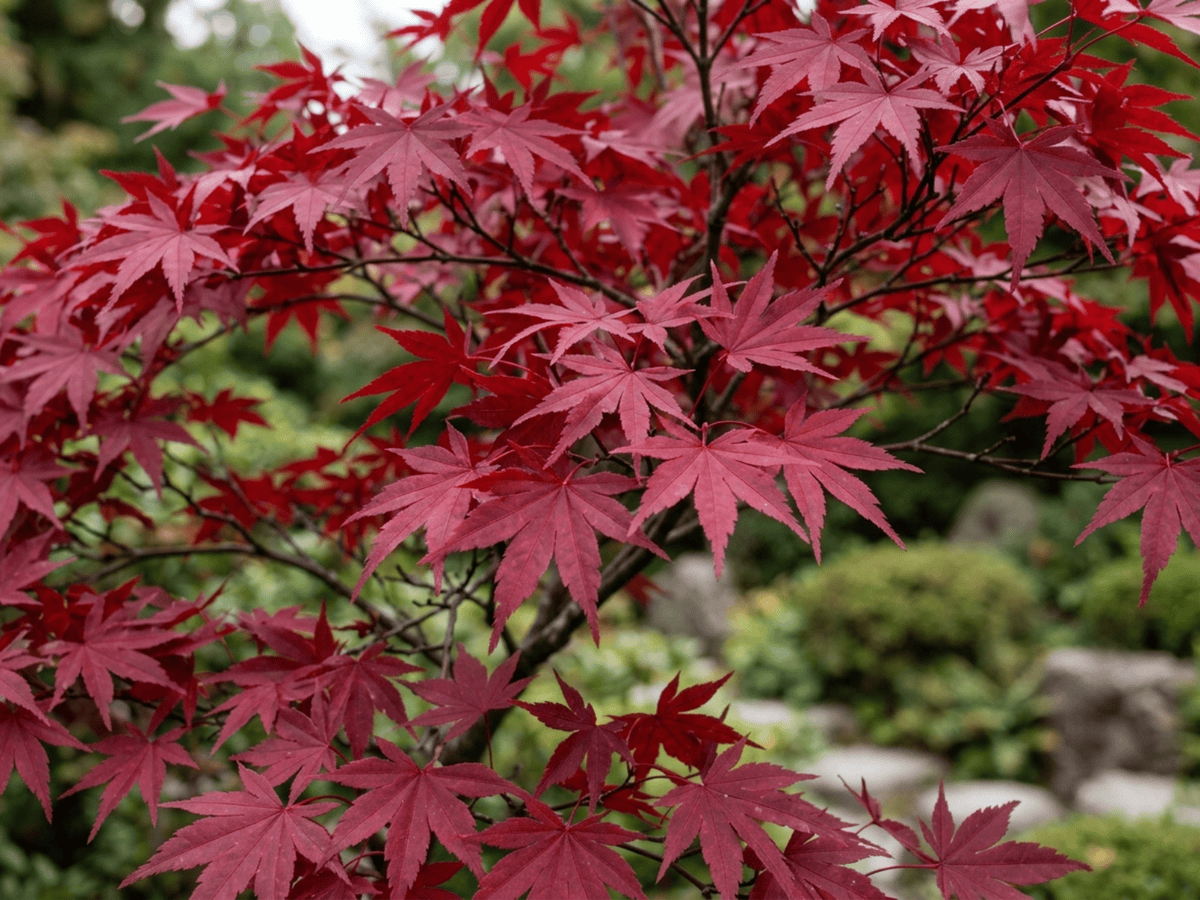 Japanese MapleAcer palmatum
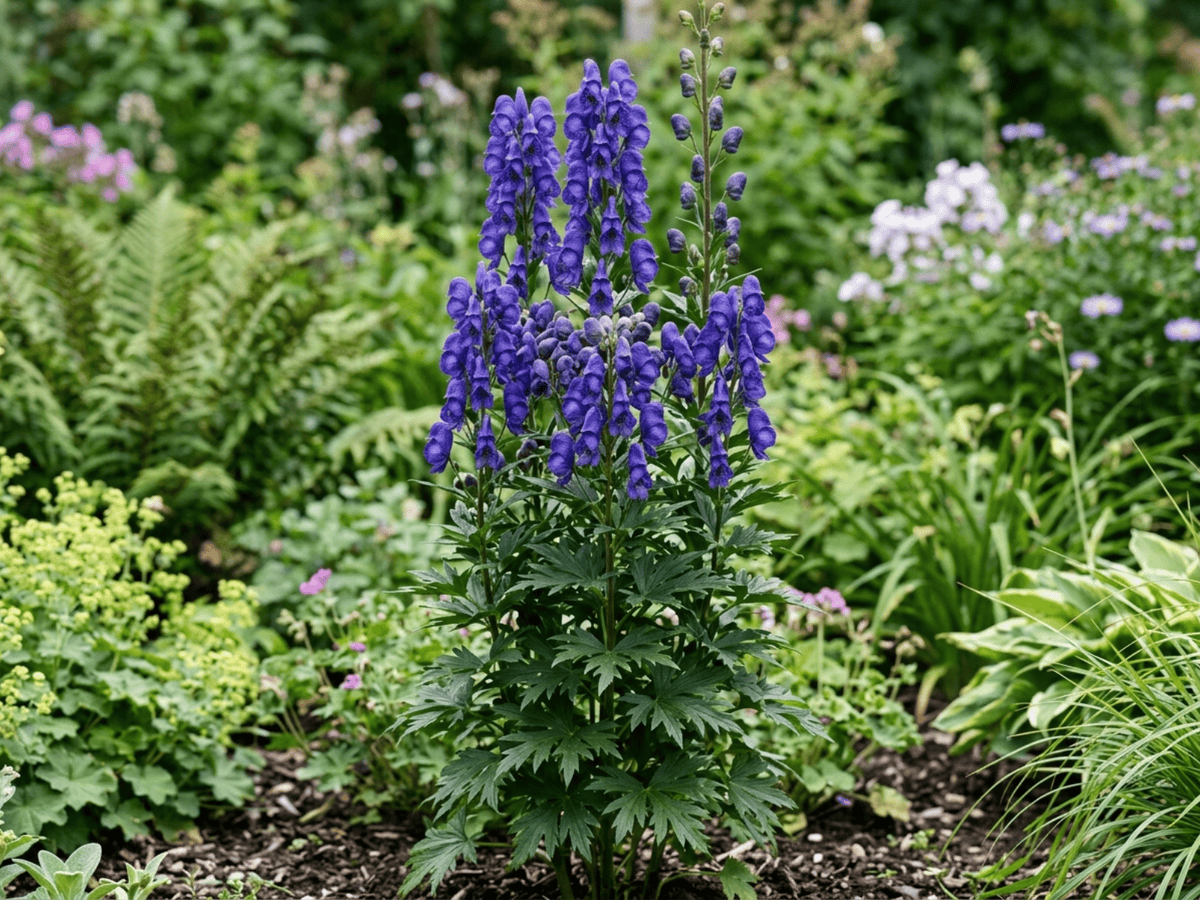 Azure MonkshoodAconitum carmichaelii
 Florida HobblebushAgarista populifolia
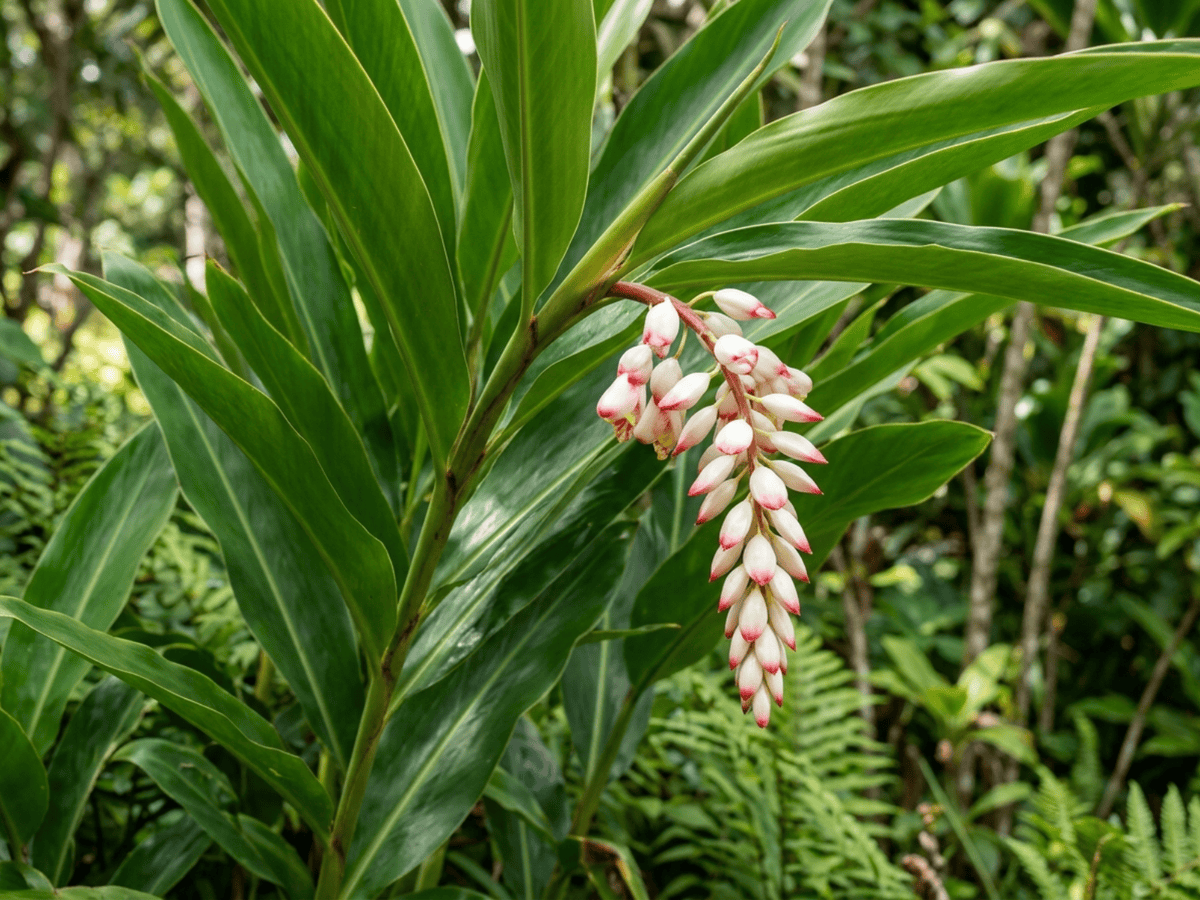 Shell GingerAlpinia zerumbet
Frequently asked questions
How often should I water Mezereon?
In summer, water about every 5 days; in winter, about every 21 days. Adjust for heat, pot size and drainage.
How much light does Mezereon need?
Part shade: 2–4 hrs direct. Watch the leaves — scorching or stretching means the light needs adjusting.
Is Mezereon toxic to cats or dogs?
Pets Toxic (Dogs Toxic · Cats Toxic) Educational information, not medical or veterinary advice. If exposure is suspected, contact a doctor or veterinarian.
Is Mezereon easy to grow?
It is moderately demanding: a good choice once you have a little experience.
When does Mezereon bloom?
It typically blooms Feb–Mar in the Northern Hemisphere.
YardMate
Identify any plant in seconds
Snap a photo — YardMate names the plant, diagnoses problems, and reminds you when to water.
Download on the App Store