 YardMate
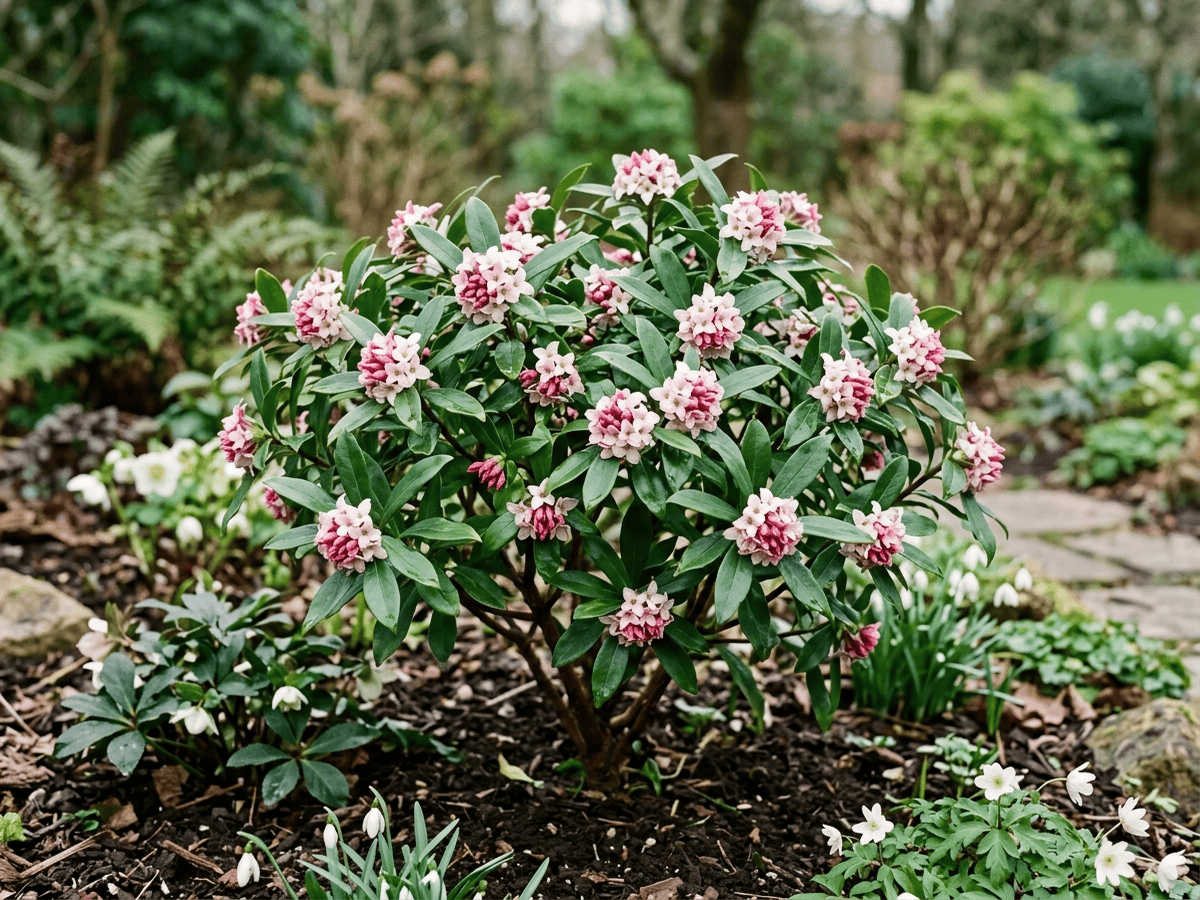


Winter Daphne
Daphne odora
Hard · Experienced growersAbout Winter Daphne
Winter Daphne is a compact evergreen shrub from China and Japan, growing 3-4 feet tall, revered for producing what many gardeners consider the most intoxicating fragrance of any garden plant. Clusters of rosy-pink buds open to white star-shaped flowers from January to March, releasing an intense sweet perfume that can scent an entire garden. The cultivar 'Aureomarginata' with gold-edged leaves is both hardier and more widely grown than the plain green form.
- Fragrant
- Compact
- Evergreen
How to care for Winter Daphne
Watering
- Springevery 7 days
- Summerevery 5 days
- Fallevery 10 days
- Winterevery 21 days
Soil · Well-draining
- Top dressingPine bark mulch10%
- Main mixPotting soil + perlite 2:170%
- DrainageLECA / gravel20%
Never skip the drainage layer — standing water is the top cause of root rot.
FERTILIZER
Balanced Feed 14-14-14
An even feed covers all three needs at once, keeping leaves, roots and blooms moving together with nothing pushed out of balance.
- Nitrogen · Leaves
- Phosphorus · Roots + Blooms
- Potassium · Strength
- Springevery 30 days
At a Glance
- NativeEast Asia
- Height3–4 ft (0.9–1.2 m)
- Spread3–4 ft (0.9–1.2 m)
- Flower colorPink, White
- Foliage colorDark-green, Green, Yellow
- Fruit colorRed
- SoilLoamy, Well-drained, Acidic
- LocationsYard · Balcony
Bloom time
BLOOM CYCLE
Peak bloom
Jan–Mar
Pink-white fragrant clusters January to March
Fragrance
STRONG FRAGRANCE
Intense clove-vanilla-honey fragrance, one of the most powerful of any garden plant.
Toxicity
Humans Toxic · Pets Toxic
daphnetoxin and mezerein
Toxic
- Leaf
- Fruit
- Bark
- Sap
- Ingestion
- Contact
EXPOSURE Eating leaves, fruit, bark, and sap. Touching leaves, fruit, bark, and sap.
EFFECT Severe oral and GI irritation, blistering, vomiting, potential cardiac and neurological effects.
NOTE All Daphne species are highly toxic; bright berries particularly tempting to children and pets. Sap can cause contact dermatitis.
Toxic
- Leaf
- Fruit
- Bark
- Ingestion
EXPOSURE Eating leaves, fruit, and bark.
EFFECT Oral irritation, vomiting, diarrhea, weakness.
NOTE All Daphne species are highly toxic; bright berries particularly tempting to children and pets. Sap can cause contact dermatitis.
Toxic
- Leaf
- Fruit
- Bark
- Ingestion
EXPOSURE Eating leaves, fruit, and bark.
EFFECT Oral irritation, vomiting, diarrhea, weakness.
NOTE All Daphne species are highly toxic; bright berries particularly tempting to children and pets. Sap can cause contact dermatitis.
Educational information, not medical or veterinary advice. If exposure is suspected, contact a doctor or veterinarian.
DISTRIBUTION


- Native
- Introduced
- East Asia
History
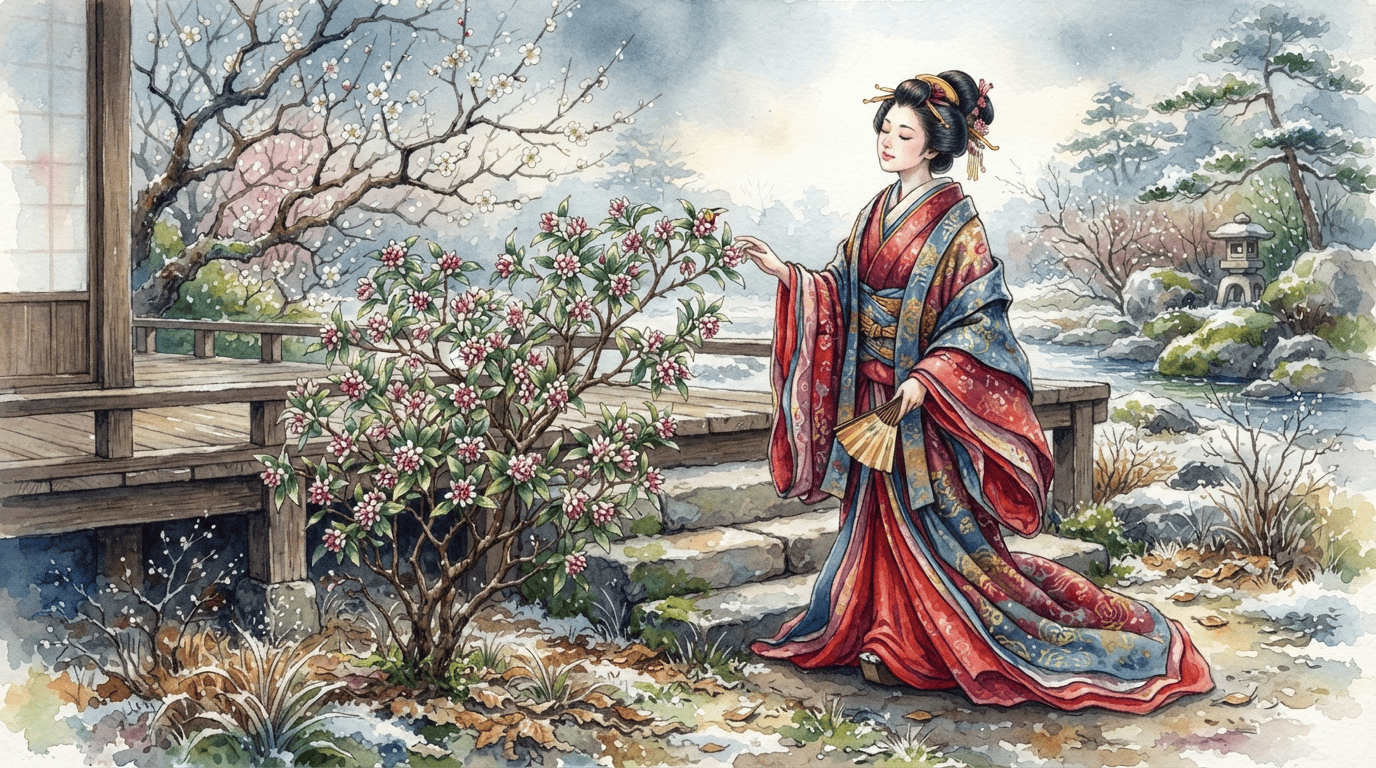
Daphne odora is native to central and southern China and has been cultivated in Japan since at least the Heian period. Its Japanese name, often translated as sinking clove flower, points to the plant's extraordinary scent: a late-winter mix of clove, honey, vanilla, and spice that carries through cold air long before spring is visible. Thunberg described it in 1784 from Japanese material.
In gardens it is loved and feared in equal measure. The flowers are unforgettable, and the variegated form 'Aureomarginata' is one of the most planted, but daphnes are famous for dying suddenly after years of apparent health, usually from root stress or fungal problems in poorly drained soil.
All parts are toxic, as in other Daphne species. Its beauty is sharpened by that fragility: a small evergreen shrub that makes winter smell impossible, then demands exactly the right conditions to stay.
Symbolism & meaning
What It Symbolizes
Winter Daphne carries glory in its legendary fragrance, capable of perfuming an entire garden in the bleak weeks of late winter. Its name reaches back to the nymph Daphne, who was transformed to escape Apollo and so achieved a kind of immortality in plant form. To grow it is to keep both myth and miracle close — a flower that defies the season with sweetness.
- Glory — legendary fragrance that fills winter gardens
- Immortality — named after the nymph who became a laurel tree
Where the Name Comes From
'Daphne' from the Greek nymph in mythology; 'odora' means 'fragrant' in Latin.
Uses & Fun Facts
- Powerfully sweet pink-white winter flowers perfume entire gardens
- Compact evergreen ideal near doors and patios for winter scent
Related plants
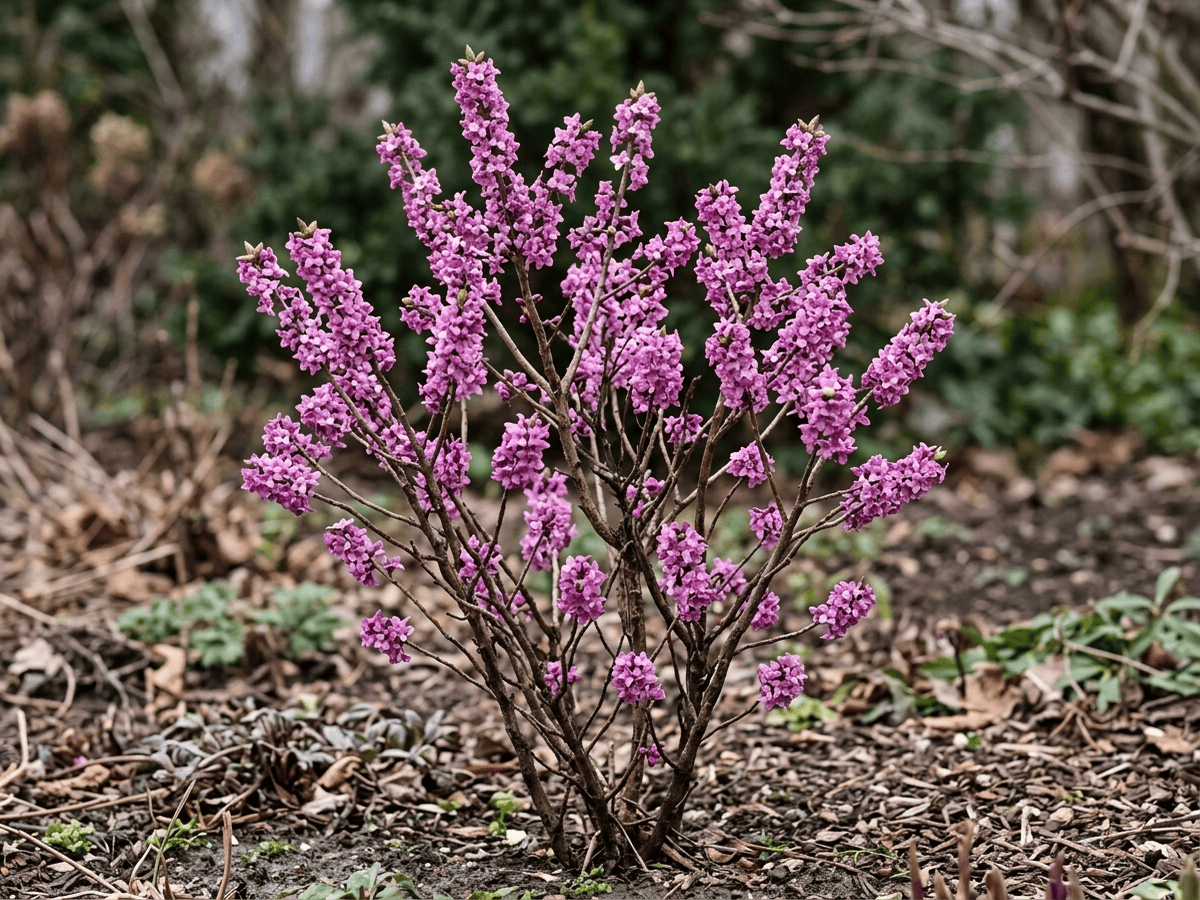
More Daphne plants

Plants with similar care
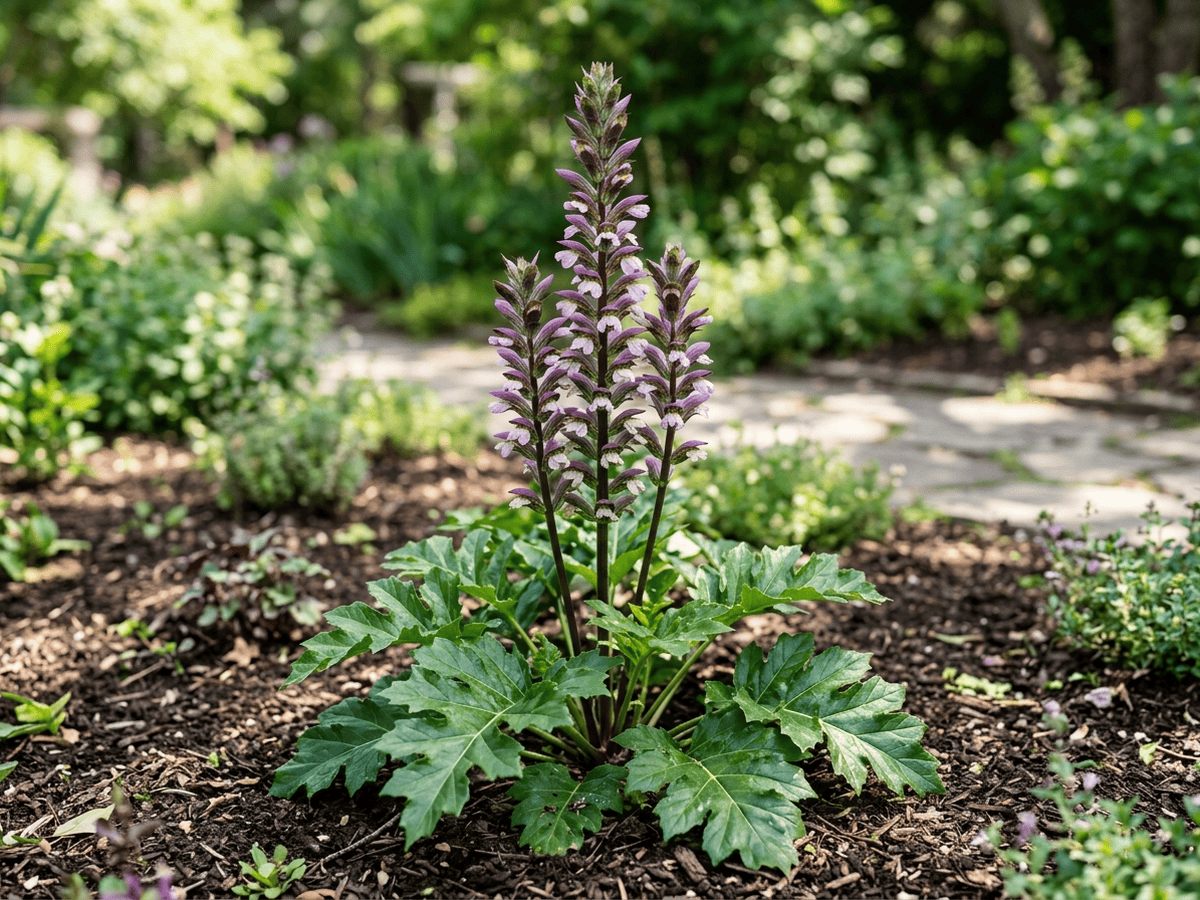 Bear's BreechesAcanthus mollis
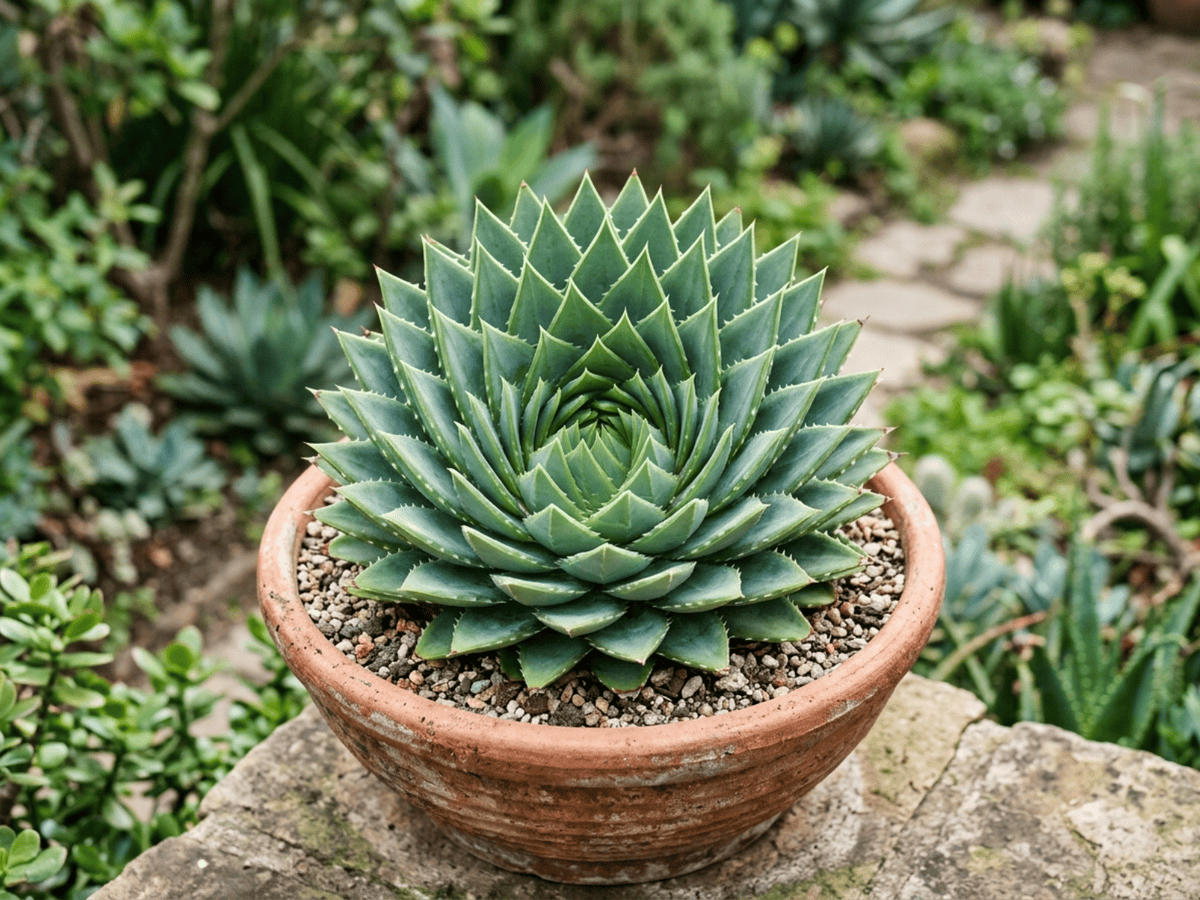 Spiral AloeAloe polyphylla
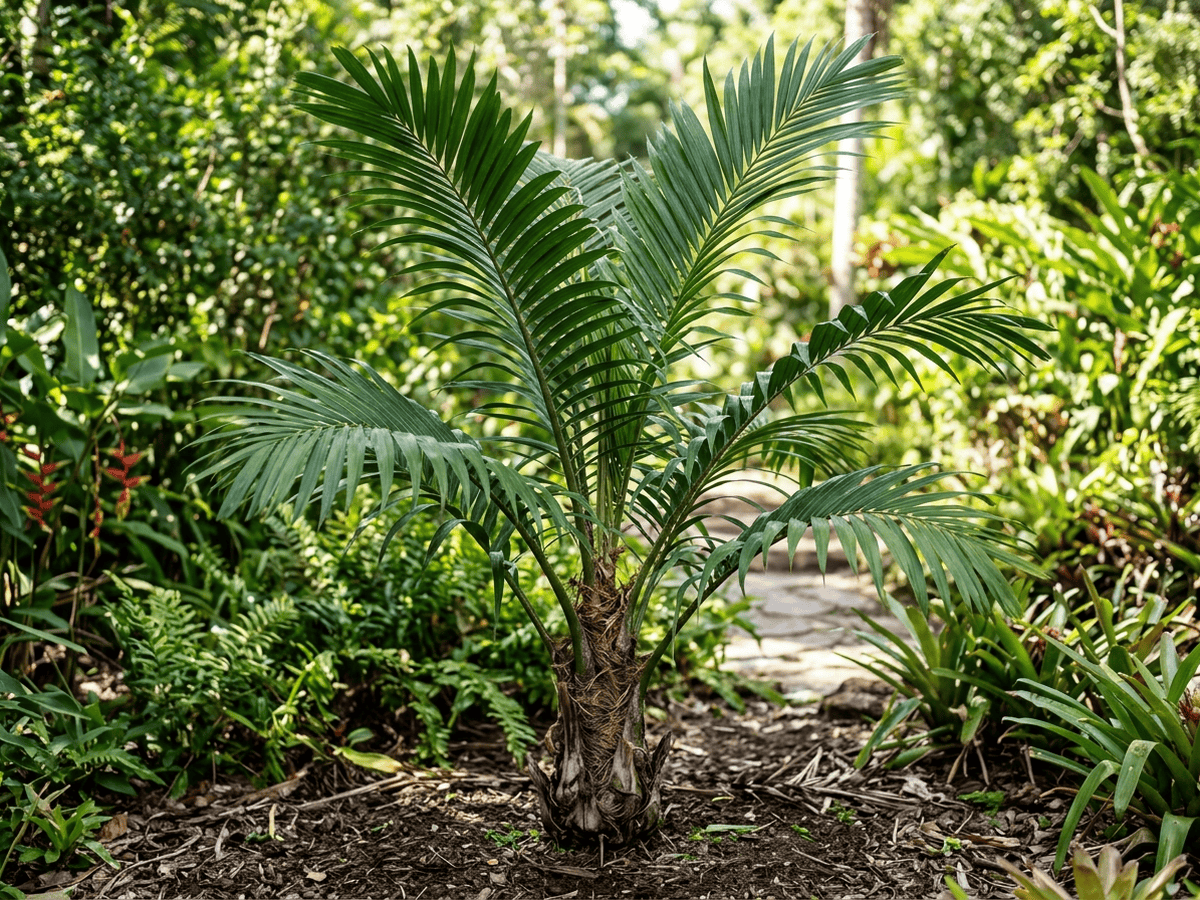 Formosa PalmArenga engleri
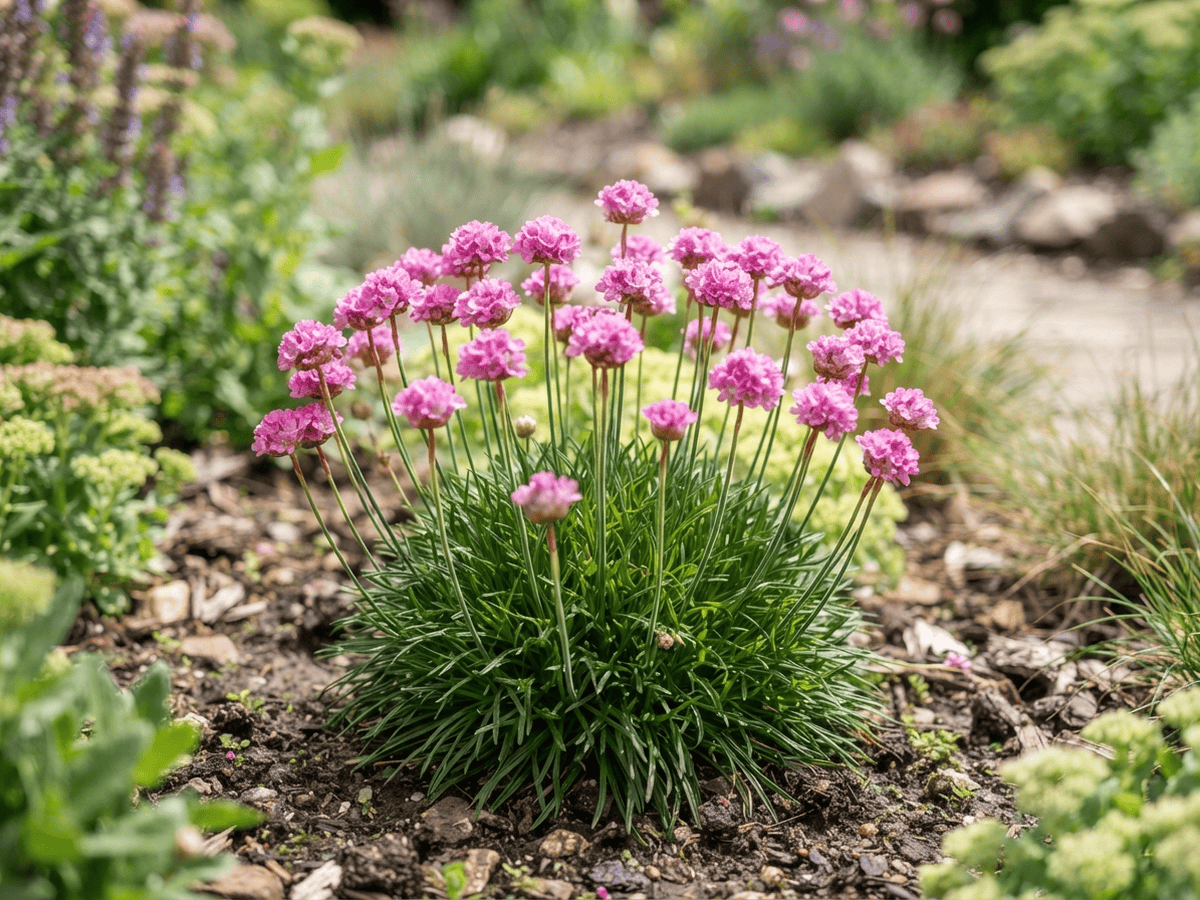 Sea ThriftArmeria maritima
Frequently asked questions
How often should I water Winter Daphne?
In summer, water about every 5 days; in winter, about every 21 days. Adjust for heat, pot size and drainage.
How much light does Winter Daphne need?
Part shade: 2–4 hrs direct. Watch the leaves — scorching or stretching means the light needs adjusting.
Is Winter Daphne toxic to cats or dogs?
Pets Toxic (Dogs Toxic · Cats Toxic) Educational information, not medical or veterinary advice. If exposure is suspected, contact a doctor or veterinarian.
Is Winter Daphne easy to grow?
It is considered challenging and rewards experienced growers.
When does Winter Daphne bloom?
It typically blooms Jan–Mar in the Northern Hemisphere.
YardMate
Identify any plant in seconds
Snap a photo — YardMate names the plant, diagnoses problems, and reminds you when to water.
Download on the App Store