 YardMate


Pacific Bleeding Heart
Dicentra formosa
Easy · Beginner friendlyAbout Pacific Bleeding Heart
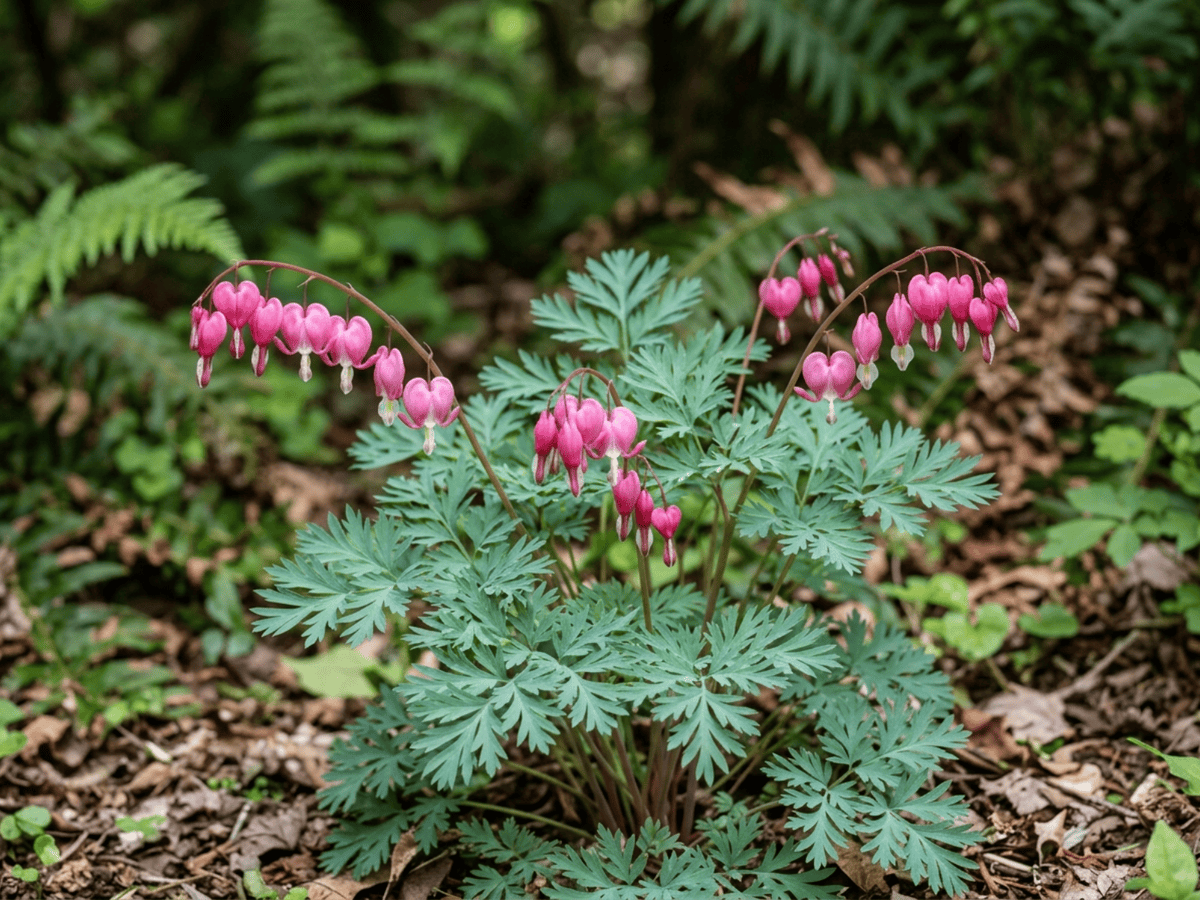
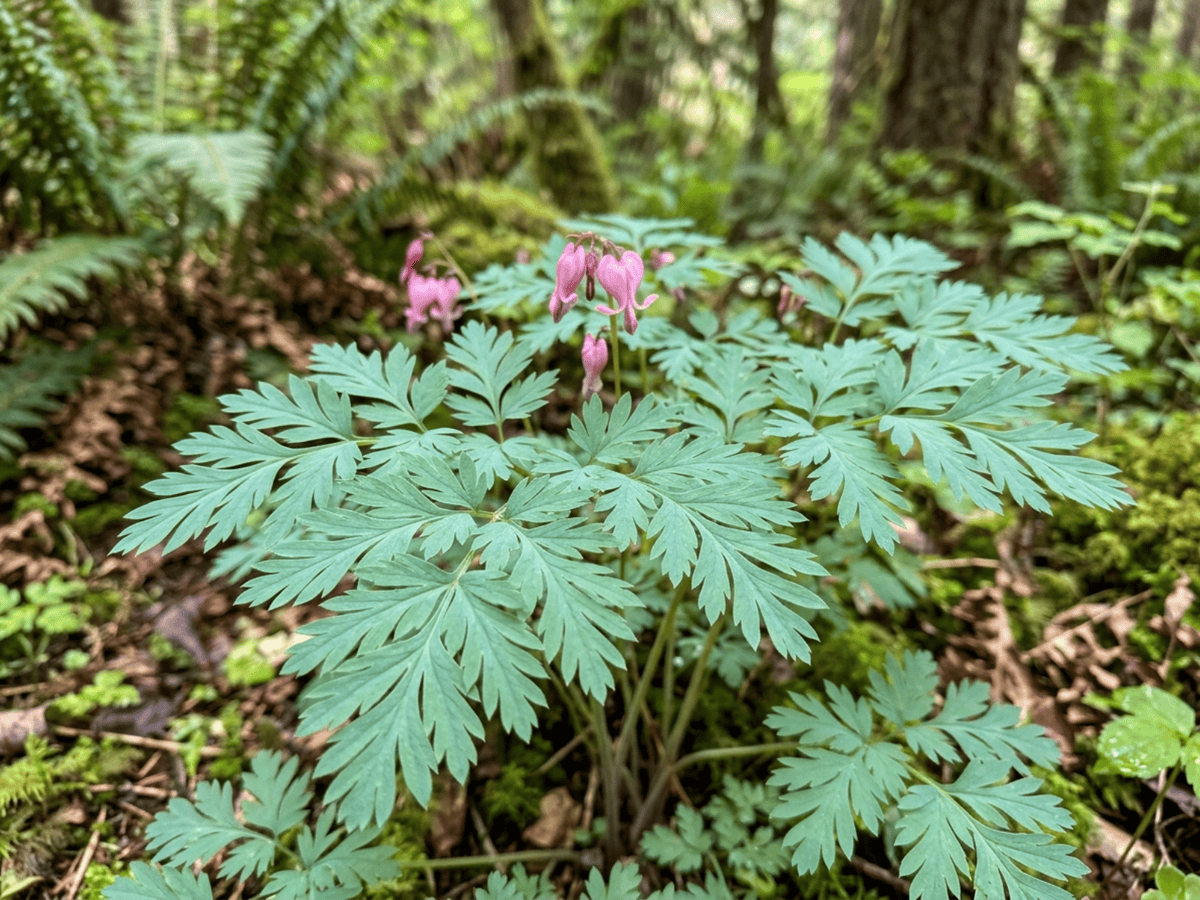
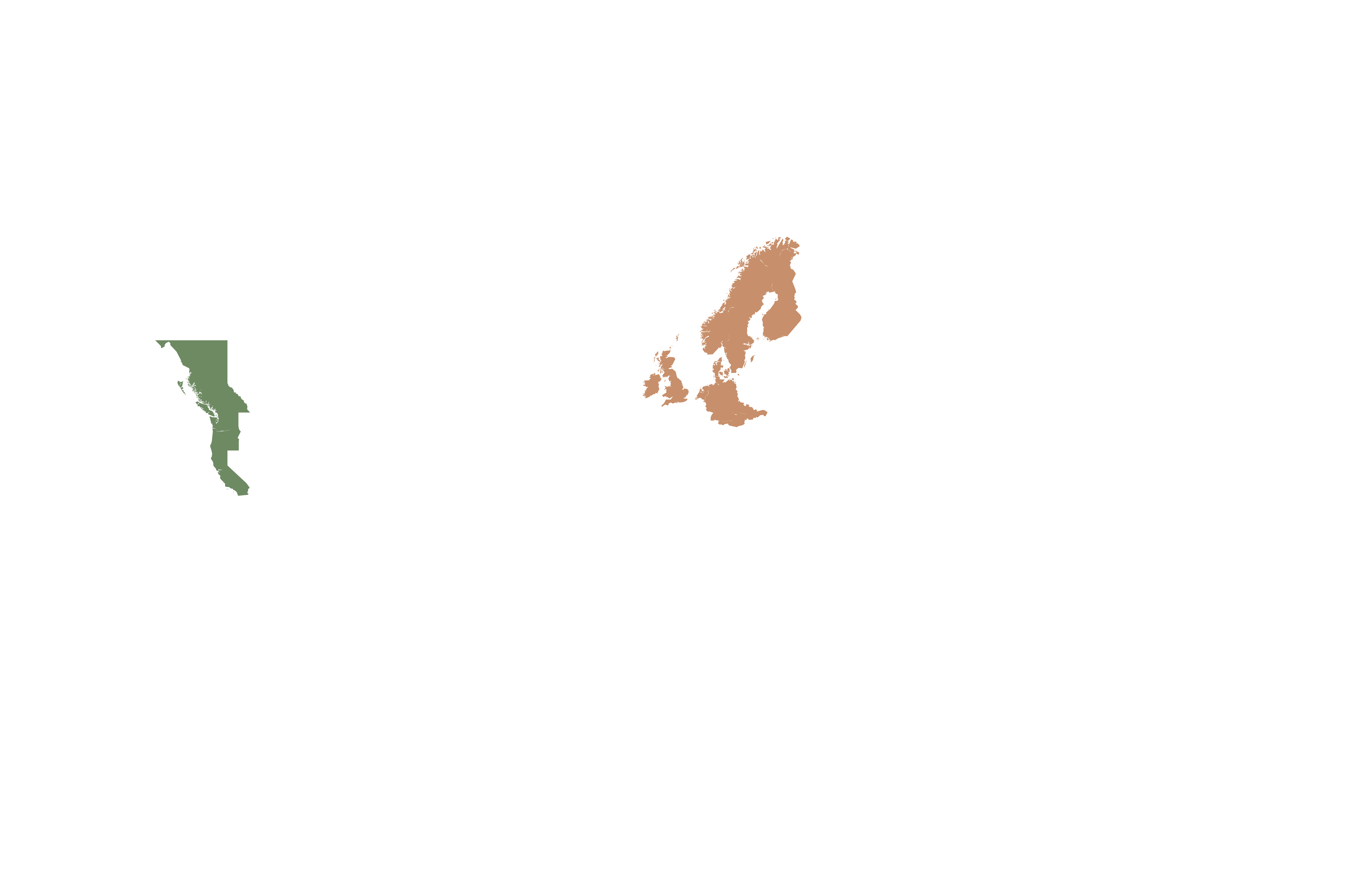
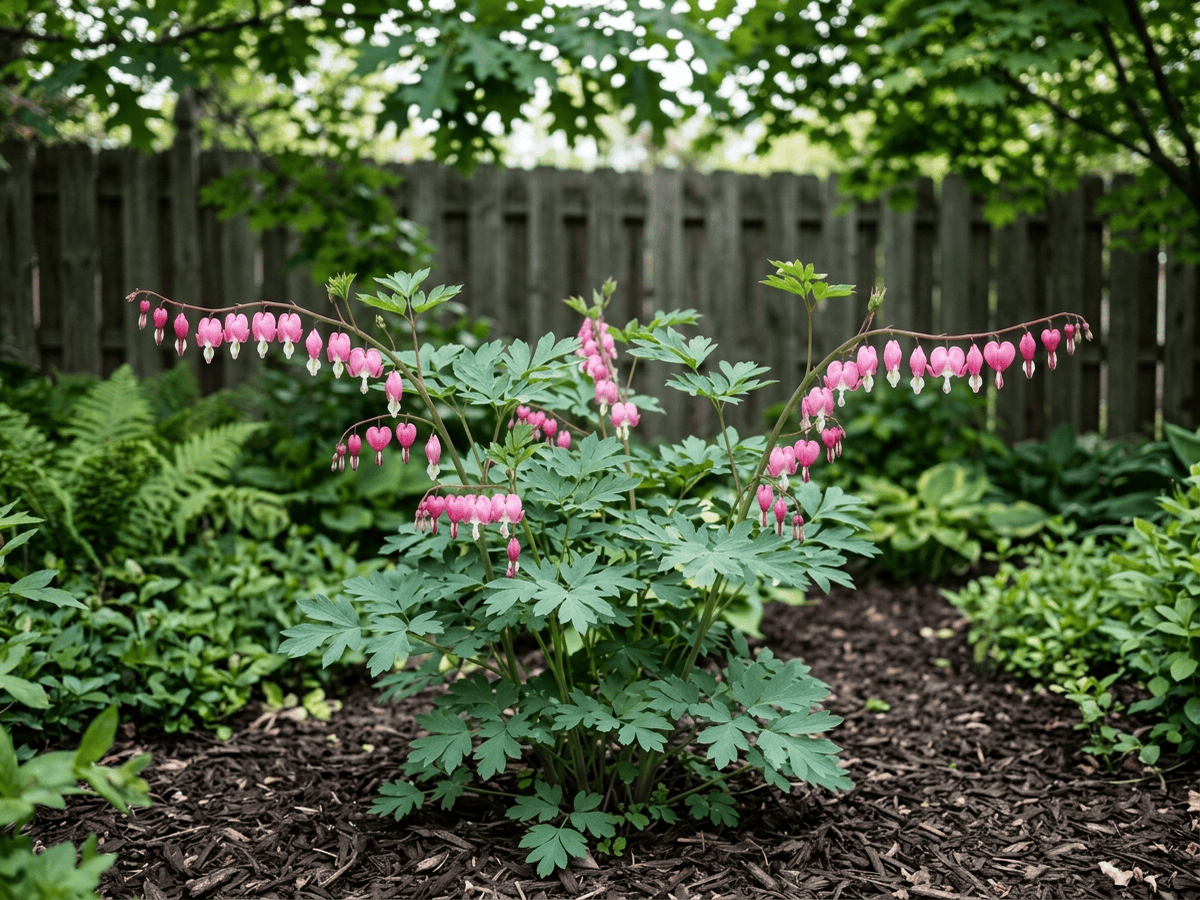
Pacific Bleeding Heart is a graceful native perennial of the western United States from British Columbia to central California, featuring finely divided blue-green fern-like foliage and nodding pink heart-shaped flowers. Growing 12-18 inches tall, it spreads by rhizomes to form drifts in moist shade. Unlike its Asian cousins, it often reblooms through summer and is a garden favorite for Pacific Northwest woodland plantings.
- Shade-tolerant
- Deer-resistant
- Native
- Pollinator-friendly
How to care for Pacific Bleeding Heart
Watering
- Springevery 4 days
- Summerevery 3 days
- Fallevery 5 days
- Winterpause watering
Soil · Well-draining
- Top dressingPine bark mulch10%
- Main mixPotting soil + perlite 2:170%
- DrainageLECA / gravel20%
Never skip the drainage layer — standing water is the top cause of root rot.
FERTILIZER
Balanced Feed 14-14-14
An even feed covers all three needs at once, keeping leaves, roots and blooms moving together with nothing pushed out of balance.
- Nitrogen · Leaves
- Phosphorus · Roots + Blooms
- Potassium · Strength
- Springevery 30 days
- Summerevery 30 days
At a Glance
- NativeNorth America
- Height1–1.5 ft (0.3–0.5 m)
- Spread1–1.5 ft (0.3–0.5 m)
- Flower colorPink, White
- Foliage colorGreen, Blue-green
- SoilRich, Moisture-retentive, Loamy
- LocationsYard
Bloom time
BLOOM CYCLE
Peak bloom
Apr–Aug
Pink heart flowers April to August
Toxicity
Humans Moderate · Pets Moderate
isoquinoline alkaloids and bicuculline
Moderate
- All
- Contact
- Ingestion
EXPOSURE Touching any part of the plant. Eating any part of the plant.
EFFECT Dermatitis, tremors, and seizures in large doses.
NOTE Documented concern for humans: Dermatitis, tremors, and seizures in large doses.
Moderate
- All
- Ingestion
EXPOSURE Eating any part of the plant.
EFFECT Tremors, seizures, and respiratory distress.
NOTE ASPCA lists bleeding hearts as toxic; alkaloids affect nervous system.
Moderate
- All
- Ingestion
EXPOSURE Eating any part of the plant.
EFFECT Tremors, seizures, and respiratory distress.
NOTE ASPCA lists bleeding hearts as toxic; alkaloids affect nervous system.
Educational information, not medical or veterinary advice. If exposure is suspected, contact a doctor or veterinarian.
DISTRIBUTION

- Native
- Introduced
- North America
History
Dicentra formosa grows in moist redwood and mixed evergreen forests of the Pacific coast from southern British Columbia to central California. Scottish plant hunter David Douglas collected specimens during his 1820s expeditions for the Royal Horticultural Society. The genus has since been split, with the Asian and North American bleeding hearts variously reassigned, though D. formosa retains its original name.
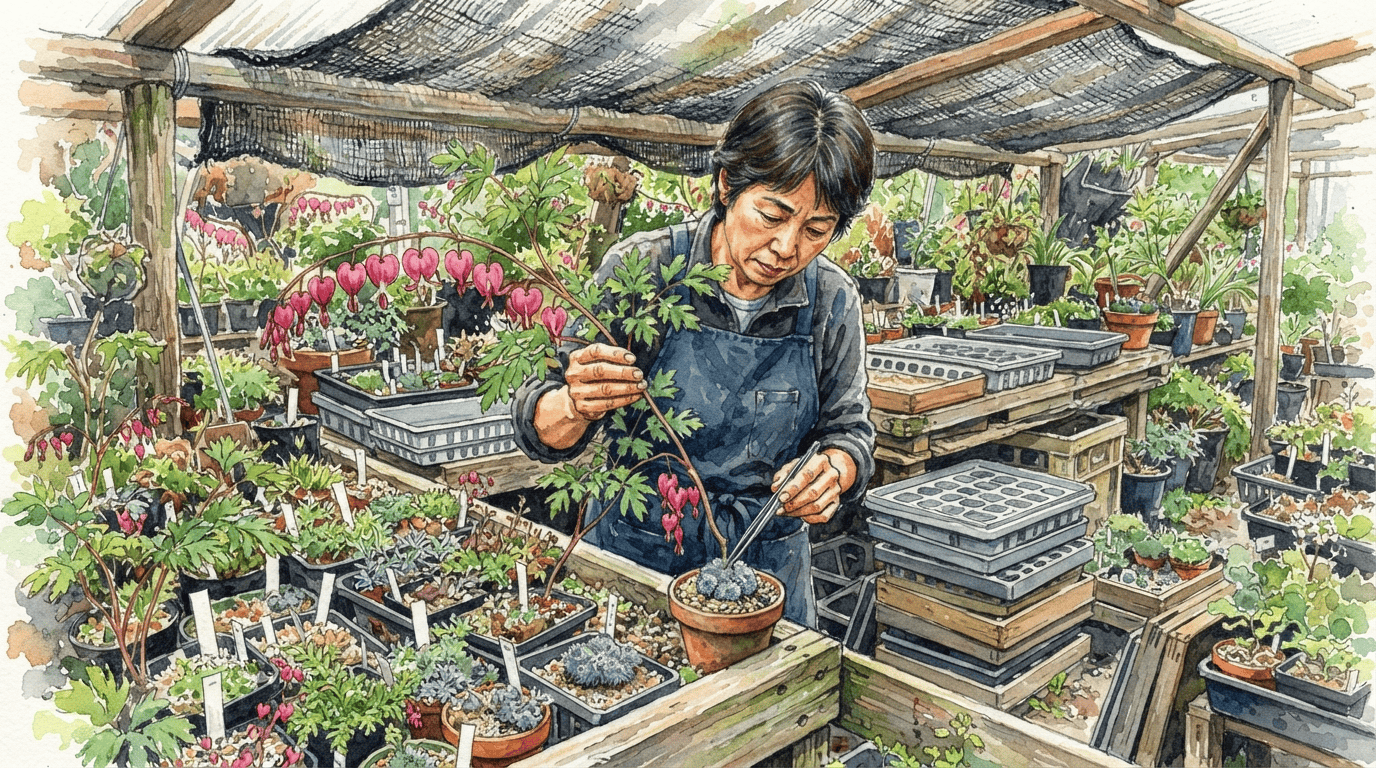
American breeder Ed Brown at Burpee developed 'Luxuriant' in the 1950s-60s, a vigorous cross involving this species that blooms through summer rather than only in spring like classic D. spectabilis (now Lamprocapnos). Later breeder Akira Shiozaki in Japan produced the 'King of Hearts' series in the 1990s crossing D. formosa with D. peregrina, further extending the season and color range of hardy bleeding hearts.
An iconic wildflower of the Pacific Northwest rainforests, often growing alongside sword ferns and salal. Used medicinally by Indigenous peoples of the Pacific coast. The cultivar 'Aurora' with white flowers and 'Bacchanal' with rich crimson blooms are popular in shade gardens.
Symbolism & meaning
What It Symbolizes
Pacific Bleeding Heart hangs its delicate pink blooms like small pendants of affection, each heart-shaped flower expressing tenderness without need of words. Ferny blue-green foliage gives it grace in every corner of a shaded garden, where it spreads slowly through the leaf litter. To grow it is to keep a quiet declaration of feeling at knee height, year after year.
- Affection — heart-shaped blooms express tenderness
- Grace — ferny foliage and dangling flowers
Where the Name Comes From
The name Pacific Bleeding Heart describes heart-shaped flowers with a droplet-like tip. 'Dicentra' from Greek 'dis' (two) and 'kentron' (spur); 'formosa' means 'beautiful' in Latin.
Uses & Fun Facts
- Pink heart flowers attract bumblebees and hummingbirds
- Spreads to form lacy carpet in moist woodland shade
Related plants
More Dicentra plants

Plants with similar care
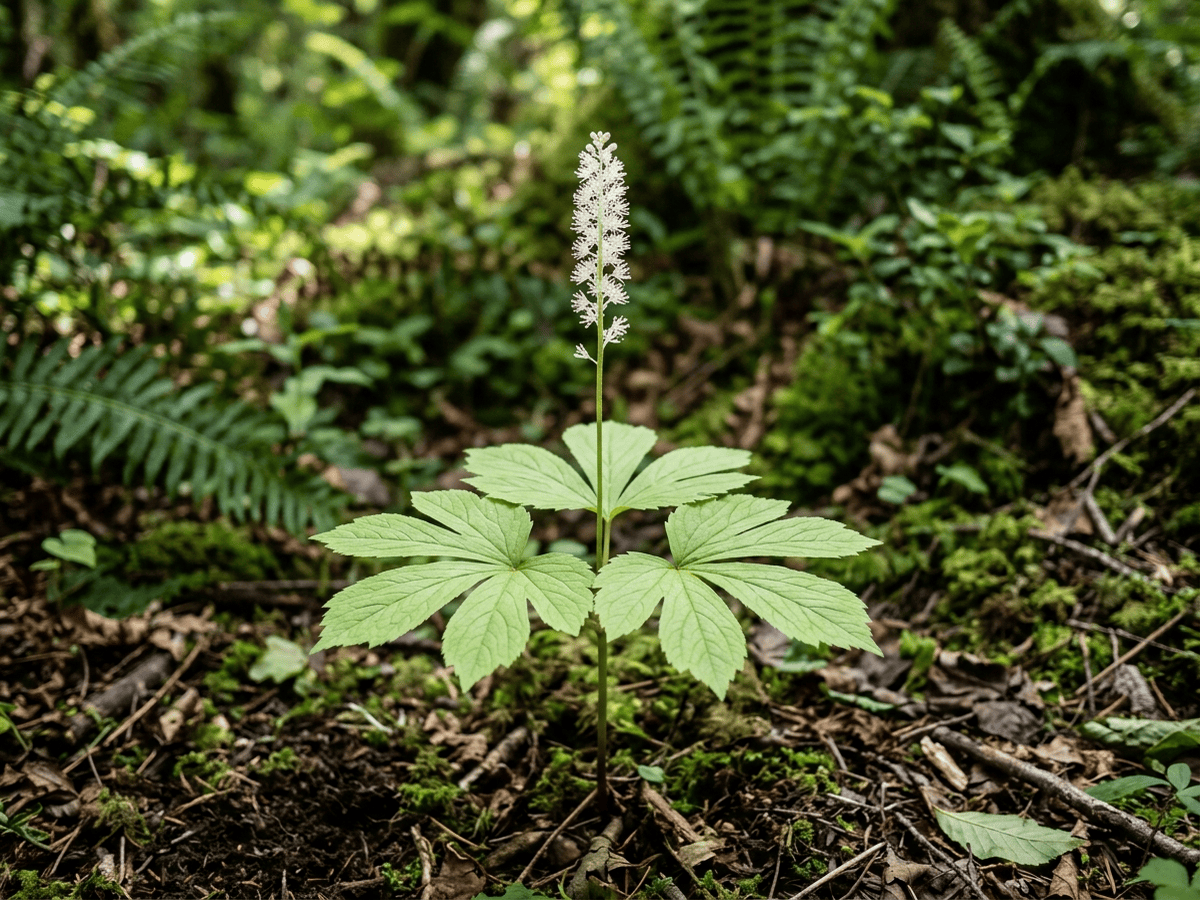 Vanilla LeafAchlys triphylla
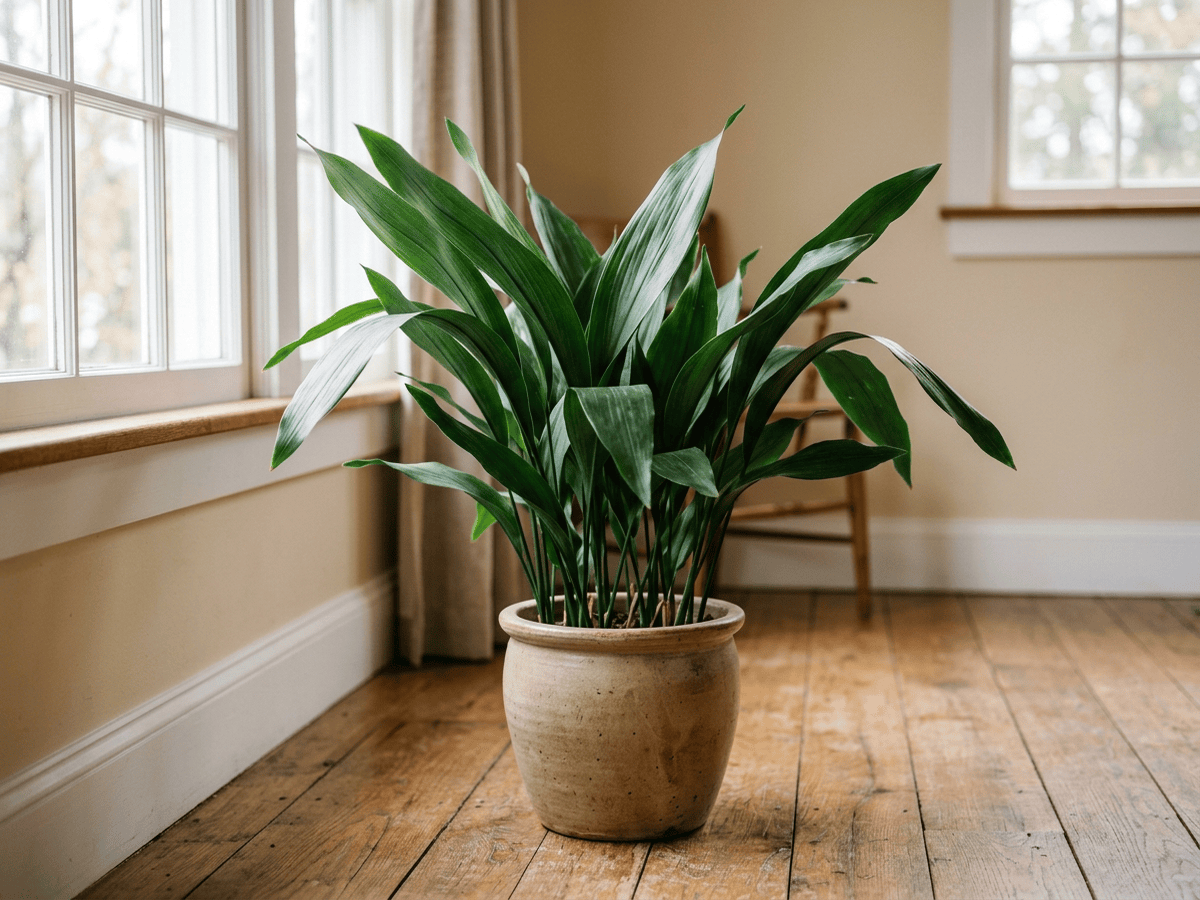 Cast-Iron PlantAspidistra elatior
 Chinese AucubaAucuba chinensis
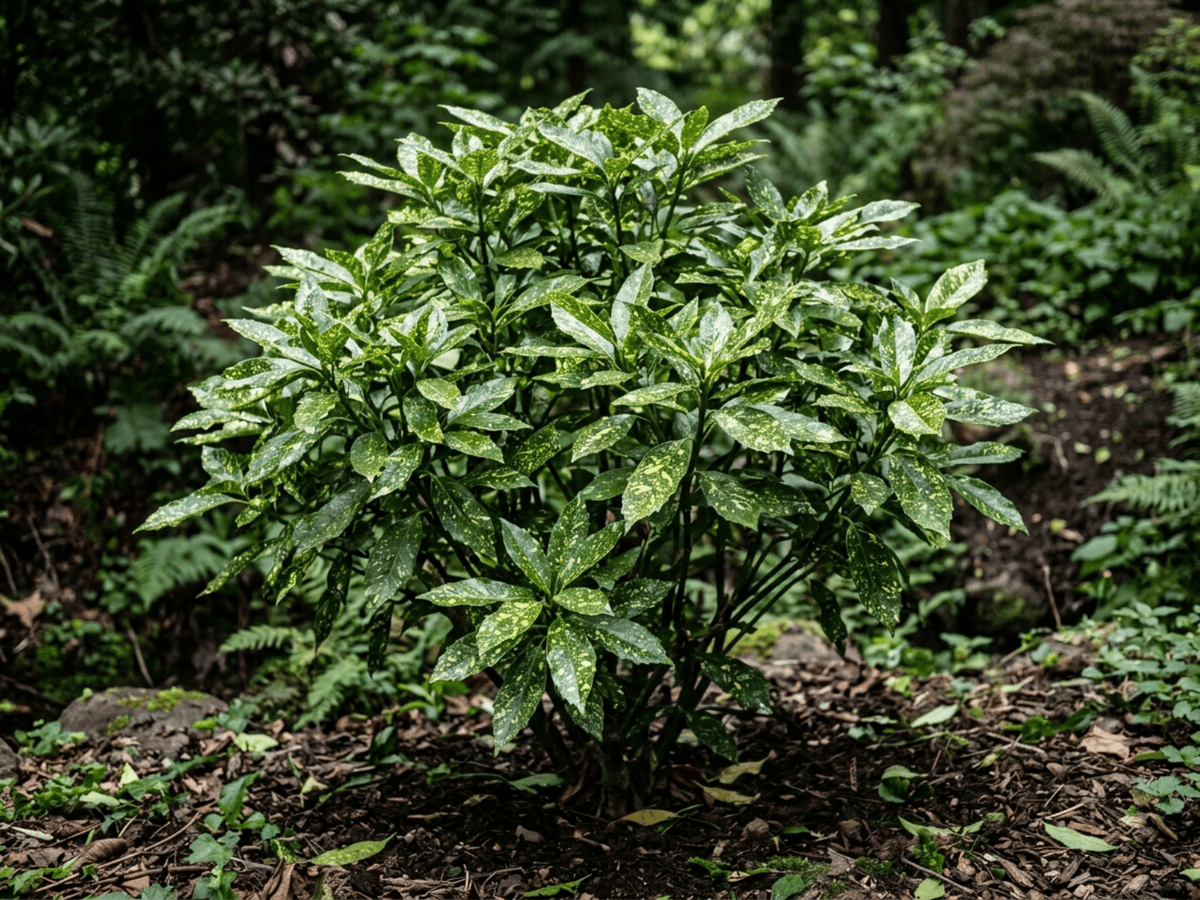 Japanese AucubaAucuba japonica
Frequently asked questions
How often should I water Pacific Bleeding Heart?
Water about every 4 days during the growing season, and always let excess water drain away.
How much light does Pacific Bleeding Heart need?
Full shade: <2 hrs direct. Watch the leaves — scorching or stretching means the light needs adjusting.
Is Pacific Bleeding Heart toxic to cats or dogs?
Pets Moderate (Dogs Moderate · Cats Moderate) Educational information, not medical or veterinary advice. If exposure is suspected, contact a doctor or veterinarian.
Is Pacific Bleeding Heart easy to grow?
Yes — it is considered an easy, beginner-friendly plant.
When does Pacific Bleeding Heart bloom?
It typically blooms Apr–Aug in the Northern Hemisphere.
YardMate
Identify any plant in seconds
Snap a photo — YardMate names the plant, diagnoses problems, and reminds you when to water.
Download on the App Store