 YardMate


Smooth Purple Coneflower
Echinacea laevigata
Medium · Some experienceAbout Smooth Purple Coneflower
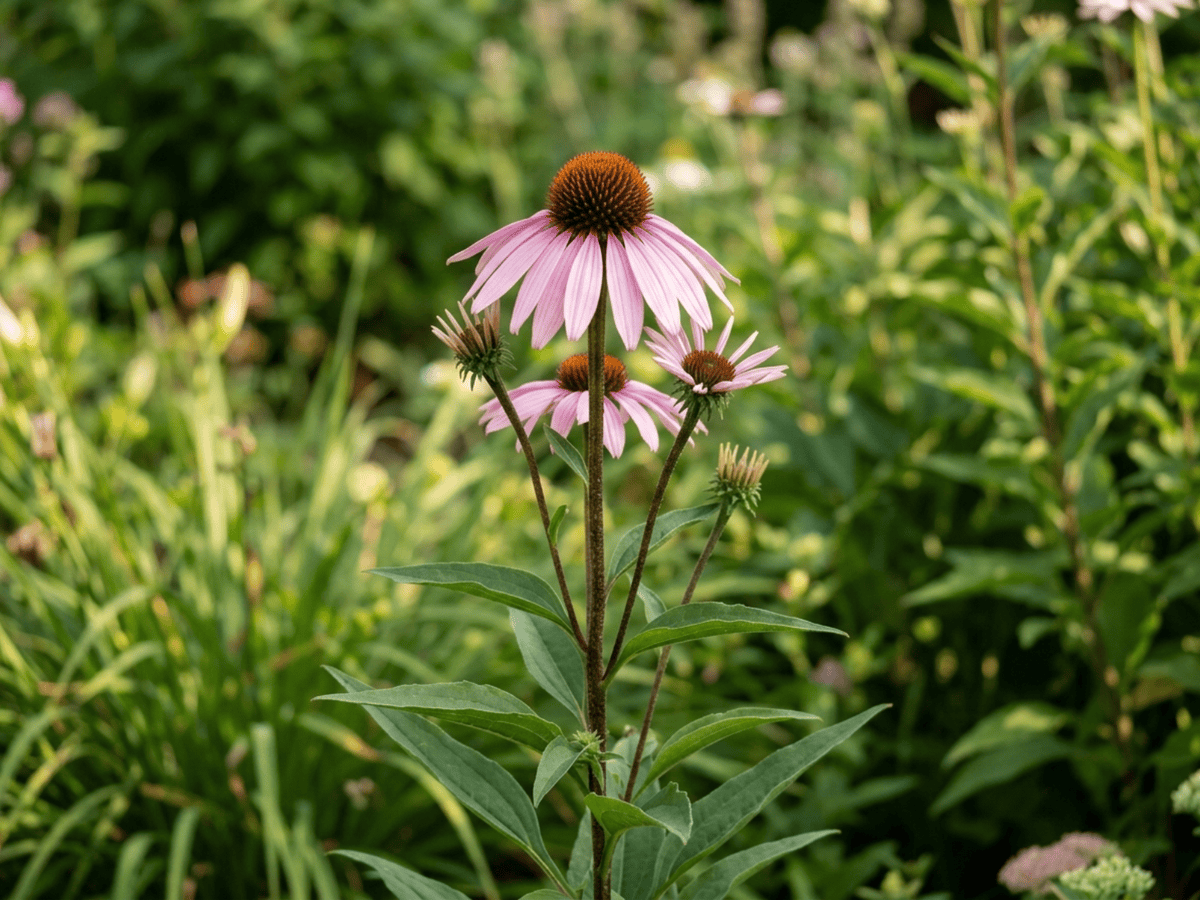
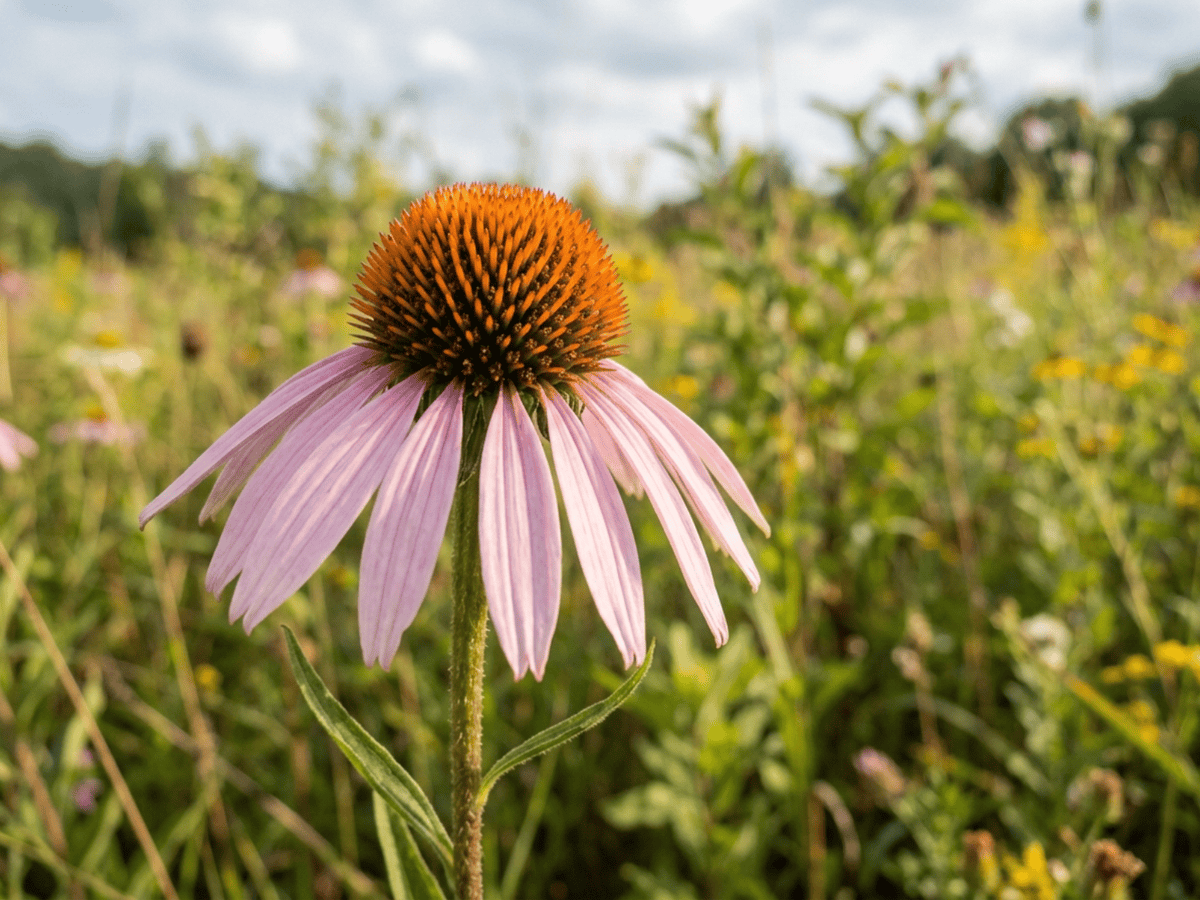
Smooth Coneflower is a rare native perennial of the southeastern US—listed as federally threatened—reaching 3–4 feet tall with drooping pink-purple ray flowers and coppery cones. Found naturally in only a few Piedmont locations in the Carolinas, Georgia, and Virginia. Grown in conservation gardens and native plant nurseries as part of recovery efforts. More slender and graceful than the common Echinacea purpurea.
- Native
- Pollinator-friendly
How to care for Smooth Purple Coneflower
Watering
- Springevery 5 days
- Summerevery 4 days
- Fallevery 7 days
- Winterpause watering
Soil · Well-draining
- Top dressingPine bark mulch10%
- Main mixPotting soil + perlite 2:170%
- DrainageLECA / gravel20%
Never skip the drainage layer — standing water is the top cause of root rot.
FERTILIZER
- Springevery 30 days
- Summerevery 30 days
At a Glance
- NativeNorth America
- Height2–4 ft (0.6–1.2 m)
- Spread1.5–2 ft (0.5–0.6 m)
- Flower colorPink
- Foliage colorGreen
- SoilWell-drained, Loamy
- LocationsYard
Bloom time
BLOOM CYCLE
Peak bloom
Jul
Drooping pink rays early to midsummer
Toxicity
Pets Slight
alkylamides and caffeic acid derivatives
Not reported
EXPOSURE No exposure route is reported.
EFFECT No toxic effect is reported.
NOTE No toxicity is reported for humans in this catalog; this is not evidence that the plant is edible or harmless.
Slight
- All
- Ingestion
EXPOSURE Eating any part of the plant.
EFFECT Mild vomiting.
NOTE Traditionally used medicinally; generally safe but may cause mild GI upset in pets.
Slight
- All
- Ingestion
EXPOSURE Eating any part of the plant.
EFFECT Mild vomiting.
NOTE Traditionally used medicinally; generally safe but may cause mild GI upset in pets.
Educational information, not medical or veterinary advice. If exposure is suspected, contact a doctor or veterinarian.
DISTRIBUTION


- Native
- North America
History

Echinacea laevigata occupies thin limestone and diabase soils in open woodlands of the southeastern Appalachians. It was long confused with E. purpurea until Cronquist recognized it as distinct in 1945. The US Fish and Wildlife Service listed it as federally endangered in 1992 after surveys documented dramatic declines from fire suppression, roadside mowing, and collection pressure from herbal markets targeting Echinacea species.
Conservation partners including the North Carolina Botanical Garden and the Center for Plant Conservation maintain seed banks and conduct reintroductions. Though available from some specialty native plant nurseries, it is rarely grown outside conservation contexts.
Its smooth stems and drooping pale pink rays distinguish it from commoner species. Federally listed as Threatened under the Endangered Species Act in 1992 due to habitat loss in the Piedmont Southeast. Native plant societies, The Nature Conservancy, and specialty nurseries now propagate it for restoration and home conservation gardens.
Symbolism & meaning
What It Symbolizes
Smooth Purple Coneflower carries strength with fragility close behind. It shares the coneflower family's prairie toughness, yet its own habitats have become rare enough to make every surviving population feel precious. Its meaning is restoration: the patient work of bringing a strong plant back from the edge.
- Strength — Echinacea symbolism from medicinal use
- Conservation — threatened species worth preserving
Where the Name Comes From
Genus from Greek 'echinos' (hedgehog) for the spiny cones; 'laevigata' means 'smooth' for the leaves.
Uses & Fun Facts
- Pink coneflowers feed bees and butterflies all summer
- Seed heads provide winter food for goldfinches
- Rare native coneflower for piedmont meadow restorations
Related plants
More Echinacea plants
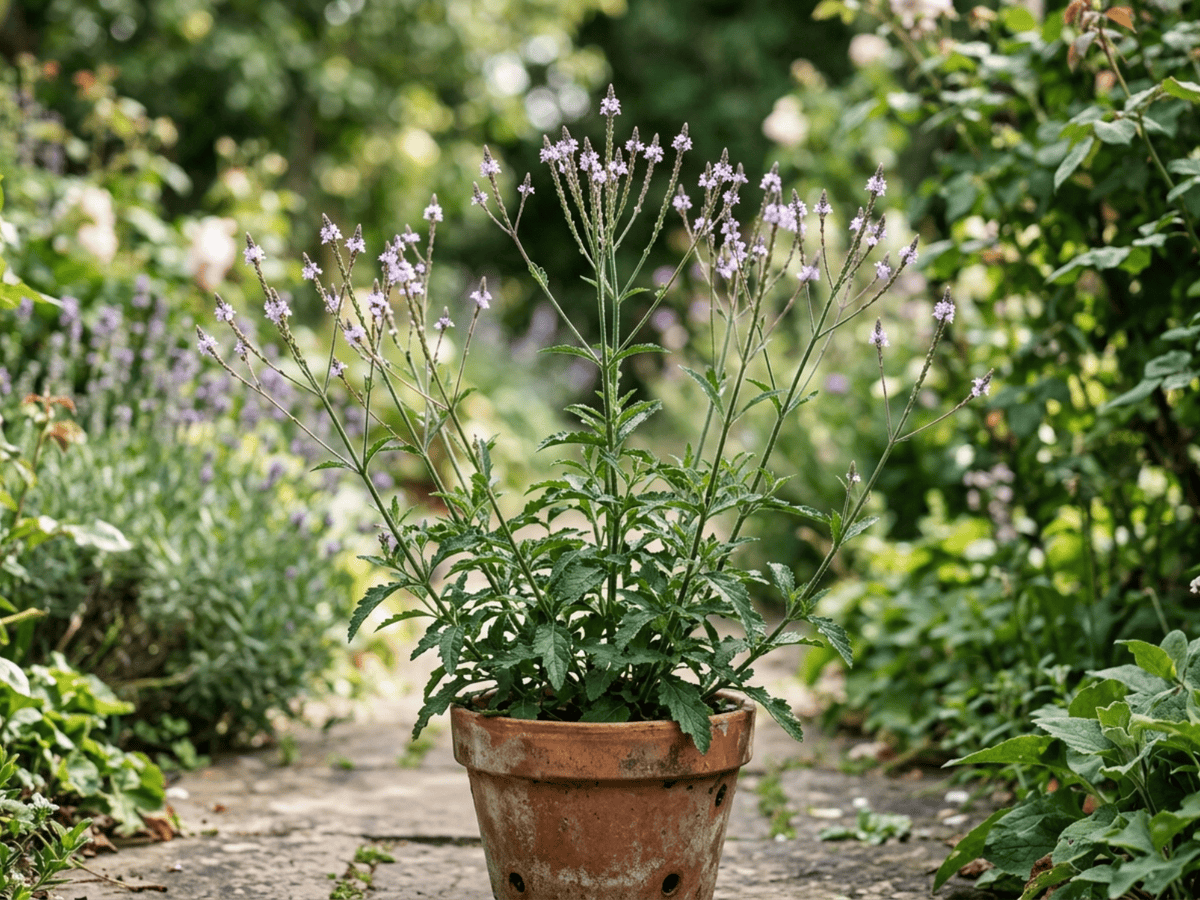 Narrow-Leaved Purple ConeflowerEchinacea angustifolia
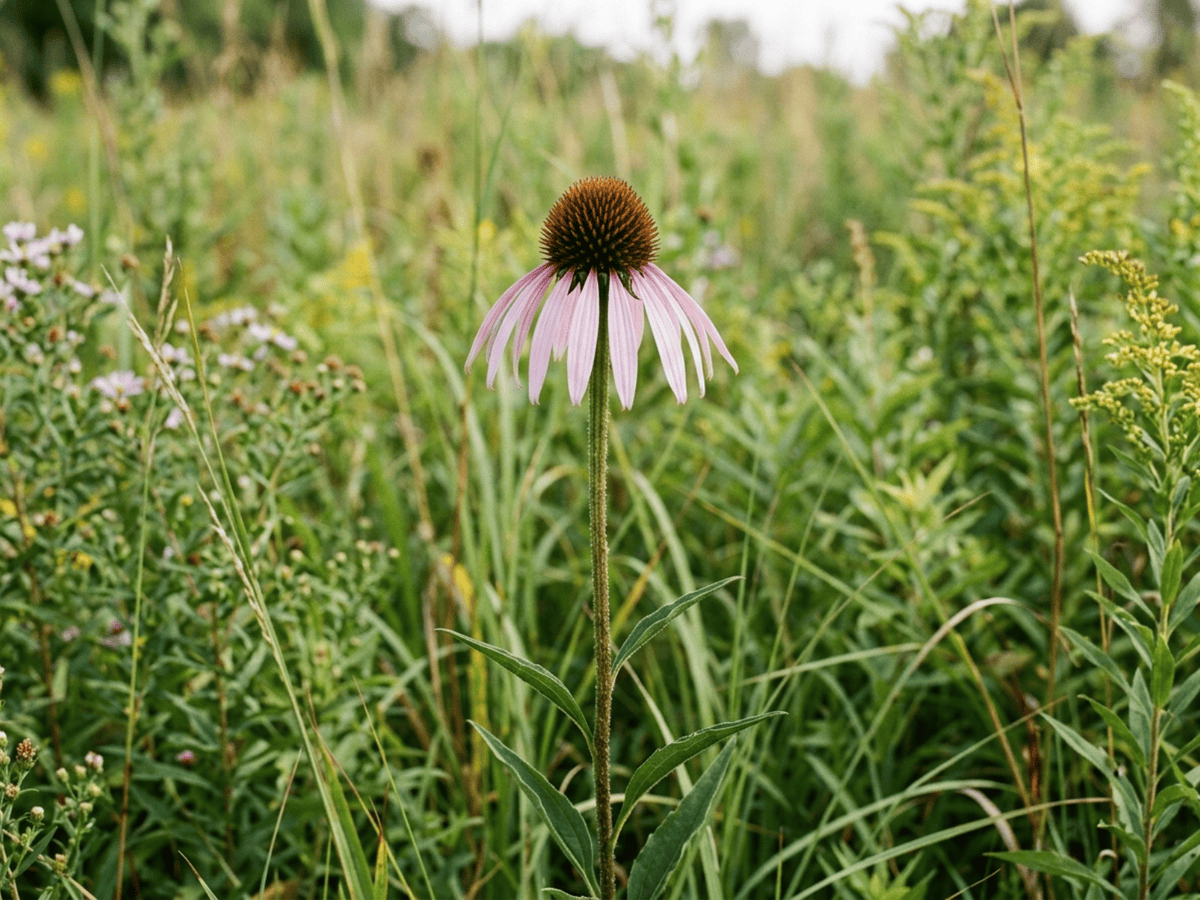 Pale Purple ConeflowerEchinacea pallida
 Purple ConeflowerEchinacea purpurea
Plants with similar care
 Mexican AbeliaAbelia floribunda
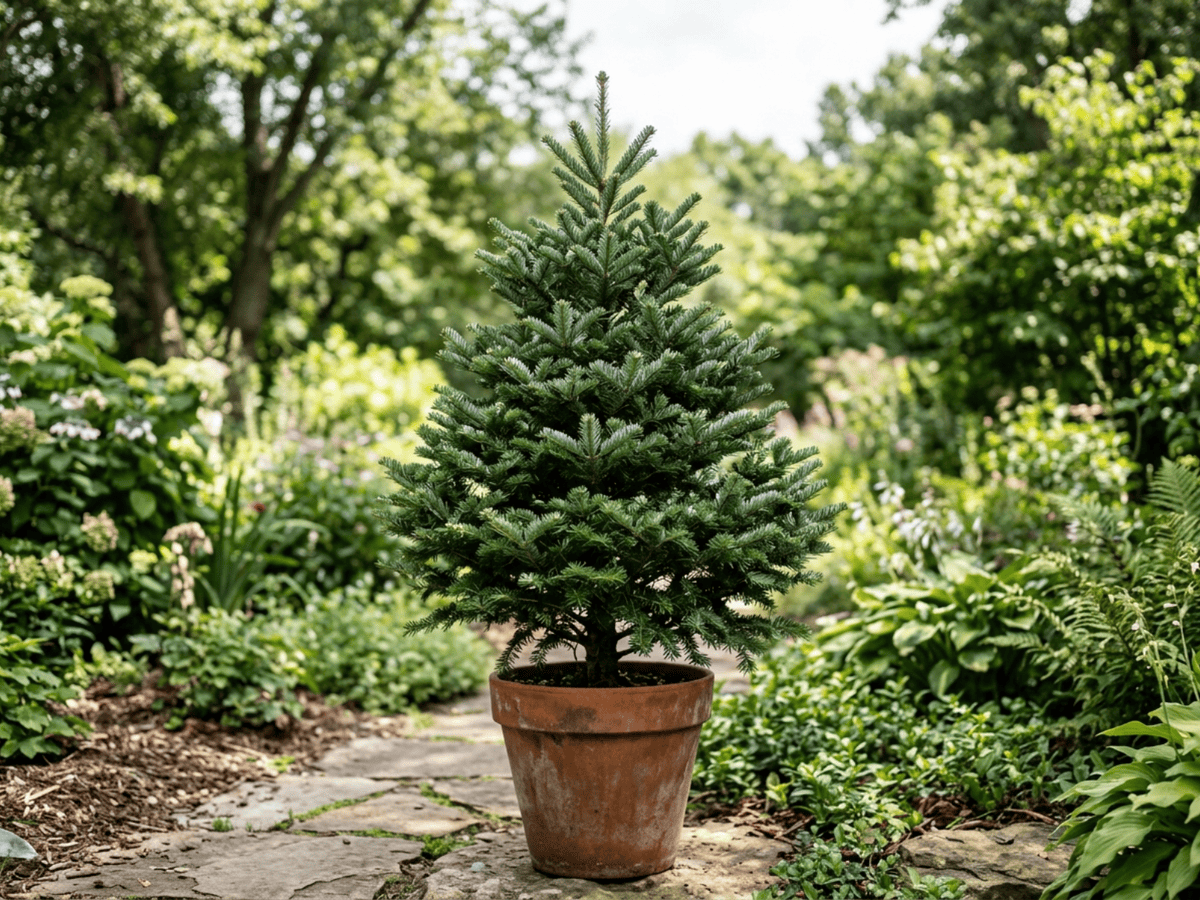 Fraser FirAbies fraseri
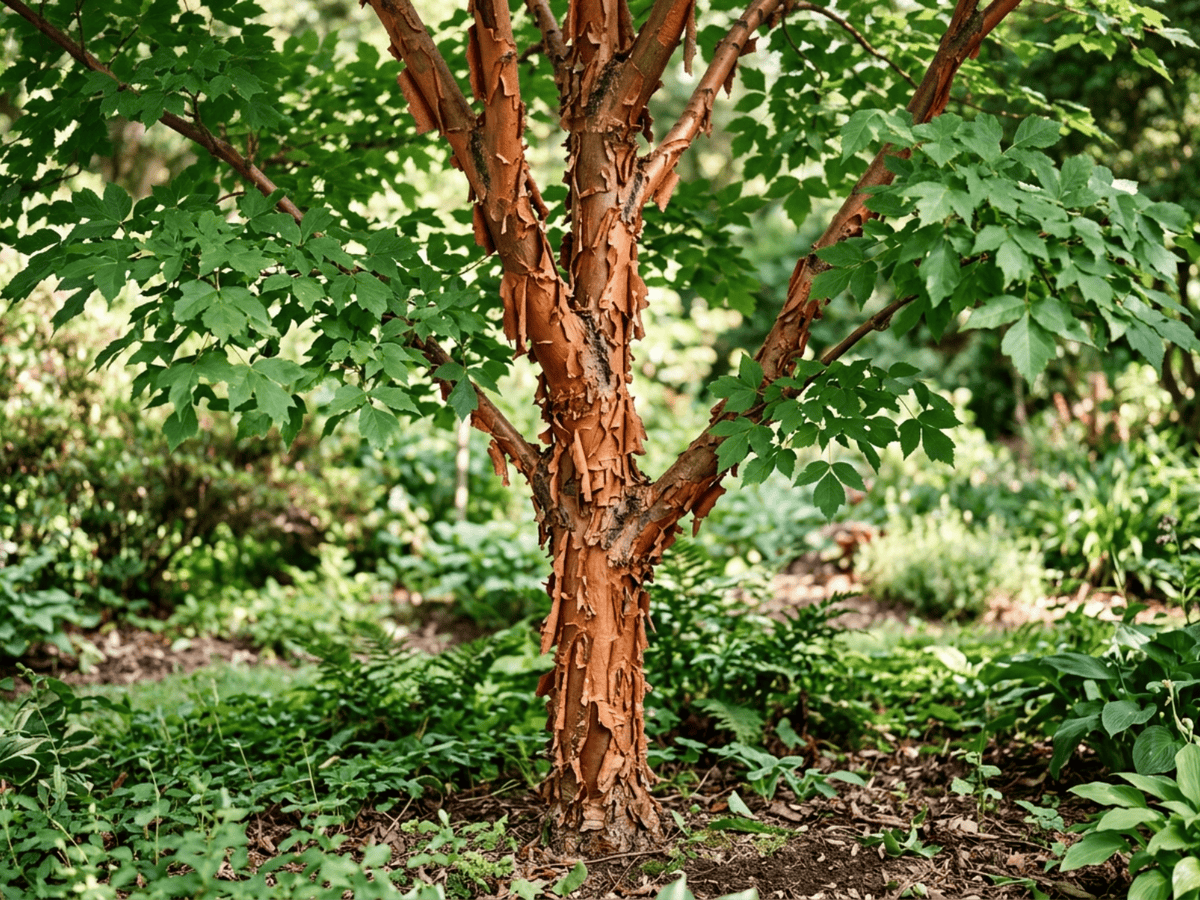 Paperbark MapleAcer griseum
 Sugar MapleAcer saccharum
Frequently asked questions
How often should I water Smooth Purple Coneflower?
Water about every 5 days during the growing season, and always let excess water drain away.
How much light does Smooth Purple Coneflower need?
Full sun: 6+ hrs direct. Watch the leaves — scorching or stretching means the light needs adjusting.
Is Smooth Purple Coneflower toxic to cats or dogs?
Pets Slight (Dogs Slight · Cats Slight) Educational information, not medical or veterinary advice. If exposure is suspected, contact a doctor or veterinarian.
Is Smooth Purple Coneflower easy to grow?
It is moderately demanding: a good choice once you have a little experience.
When does Smooth Purple Coneflower bloom?
It typically blooms Jul in the Northern Hemisphere.
YardMate
Identify any plant in seconds
Snap a photo — YardMate names the plant, diagnoses problems, and reminds you when to water.
Download on the App Store