 YardMate

Coast Fawn Lily
Erythronium revolutum
Medium · Some experienceAbout Coast Fawn Lily
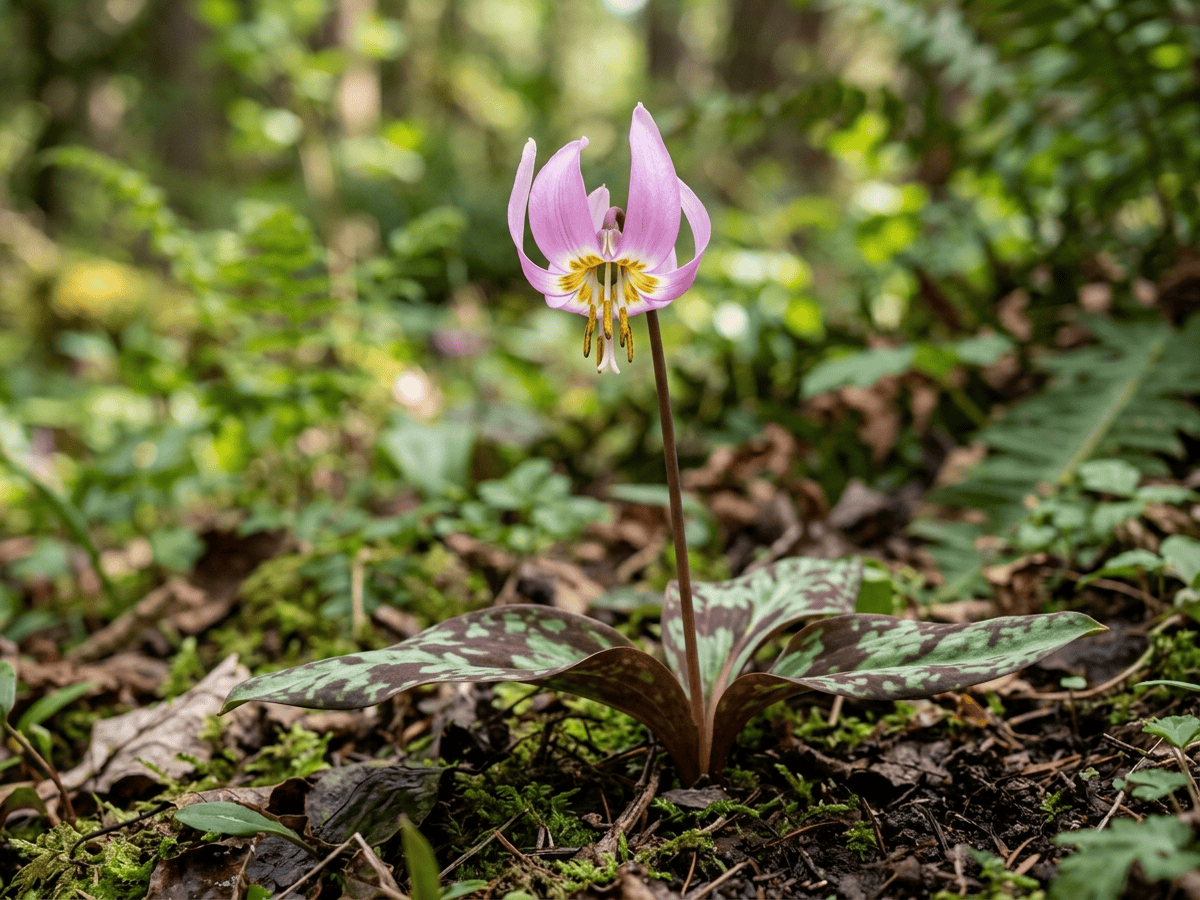
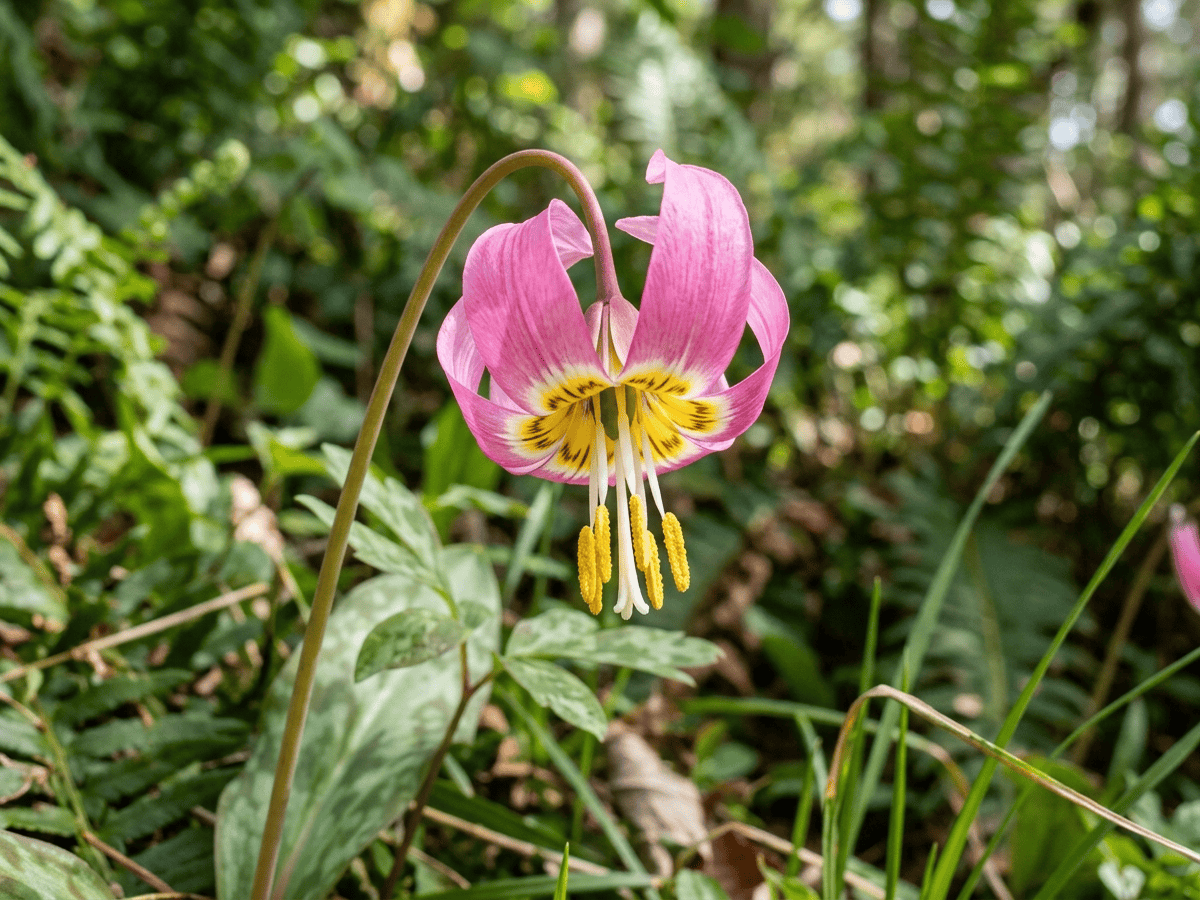
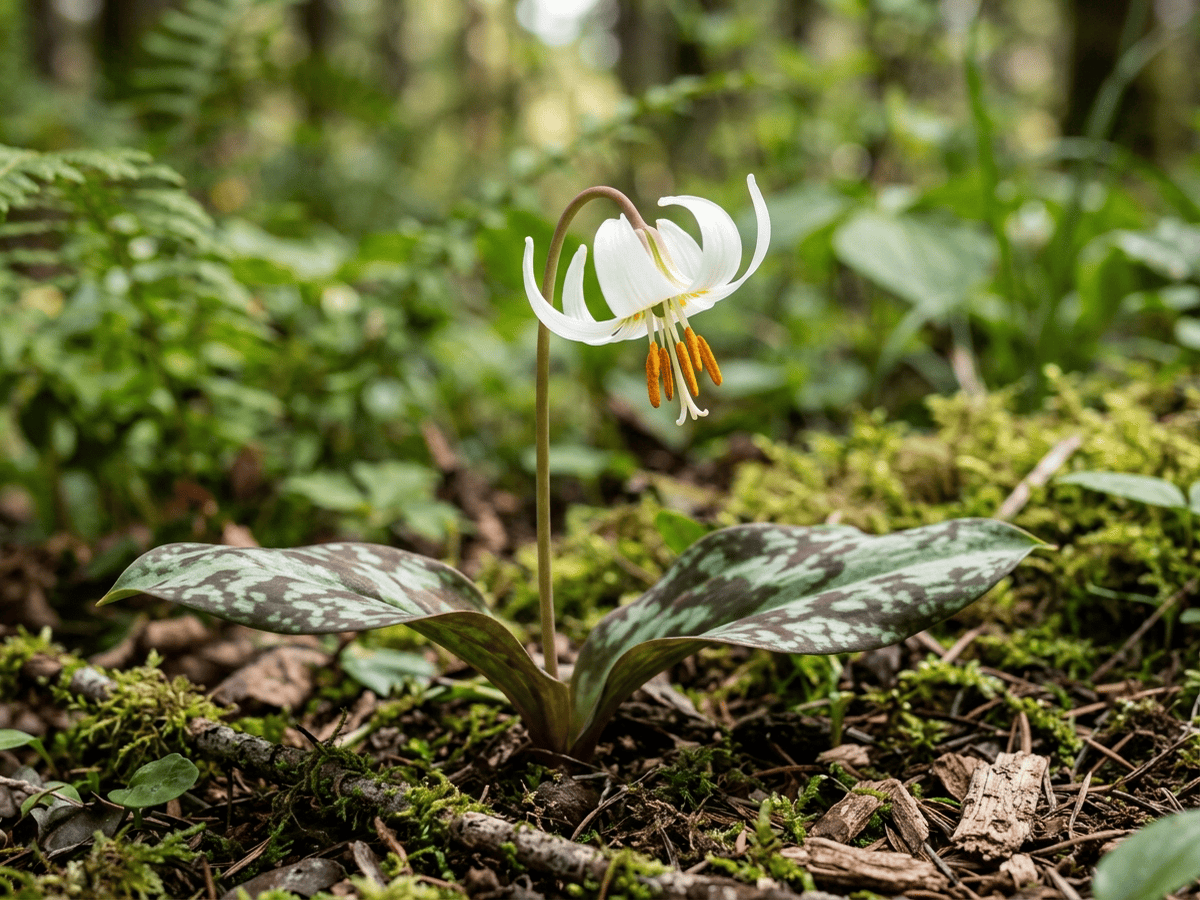
Pink Fawn Lily is a stunning native bulb of moist Pacific Northwest forests and stream banks, ranging from British Columbia south to northern California. Its mottled fawn-spotted leaves rise from underground bulbs each spring, accompanied by exquisite nodding pink flowers with strongly reflexed petals and golden anthers. Growing 8 to 16 inches tall, it forms breathtaking displays along woodland streams in April and May, considered one of the most beautiful of all native lily relatives.
- Shade-tolerant
- Deer-resistant
- Native
How to care for Coast Fawn Lily
Watering
- Springevery 5 days
- Summerpause watering
- Fallevery 10 days
- Winterevery 14 days
Soil · Well-draining
- Main mixLoam + coarse sand 3:175%
- DrainageGravel25%
Sharp drainage matters most — bulbs rot in wet soil while dormant.
FERTILIZER
- Springevery 30 days
- Fallevery 60 days
At a Glance
- NativeNorth America
- Height0.5–1 ft (0.2–0.3 m)
- Spread0.5–1 ft (0.2–0.3 m)
- Flower colorPink, Purple
- Foliage colorGreen, Bronze, Variegated
- SoilLoamy, Moisture-retentive, Acidic
- LocationsYard
Bloom time
BLOOM CYCLE
Peak bloom
Apr–May
Nodding pink flowers with reflexed petals April to May
Toxicity
Humans Slight · Pets Slight
Unknown toxic principle
Slight
- Leaf
- Ingestion
EXPOSURE Eating leaves.
EFFECT Raw leaves emetic and bulbs edible cooked.
NOTE Documented concern for humans: Raw leaves emetic and bulbs edible cooked.
Slight
- Leaf
- Root
- Ingestion
EXPOSURE Eating leaves and roots.
EFFECT Raw material can cause GI upset.
NOTE Not specifically listed by ASPCA; raw plant emetic in quantity.
Slight
- Leaf
- Root
- Ingestion
EXPOSURE Eating leaves and roots.
EFFECT Raw material can cause GI upset.
NOTE Not specifically listed by ASPCA; raw plant emetic in quantity.
Educational information, not medical or veterinary advice. If exposure is suspected, contact a doctor or veterinarian.
DISTRIBUTION


- Native
- North America
History

Erythronium revolutum, the pink fawn lily, mahogany fawn lily, or coast fawn lily, is a bulbous spring ephemeral native to moist streamside forests and seeps of the Pacific coast from Vancouver Island and mainland British Columbia through western Washington and Oregon to northwest California. English botanist Sir James Edward Smith first described it in 1809 from material sent by William Menzies. The plant bears paired leaves heavily mottled in brown and silver, and stalks of one to three nodding flowers whose deep pink petals curl sharply backward to expose bright yellow anthers.
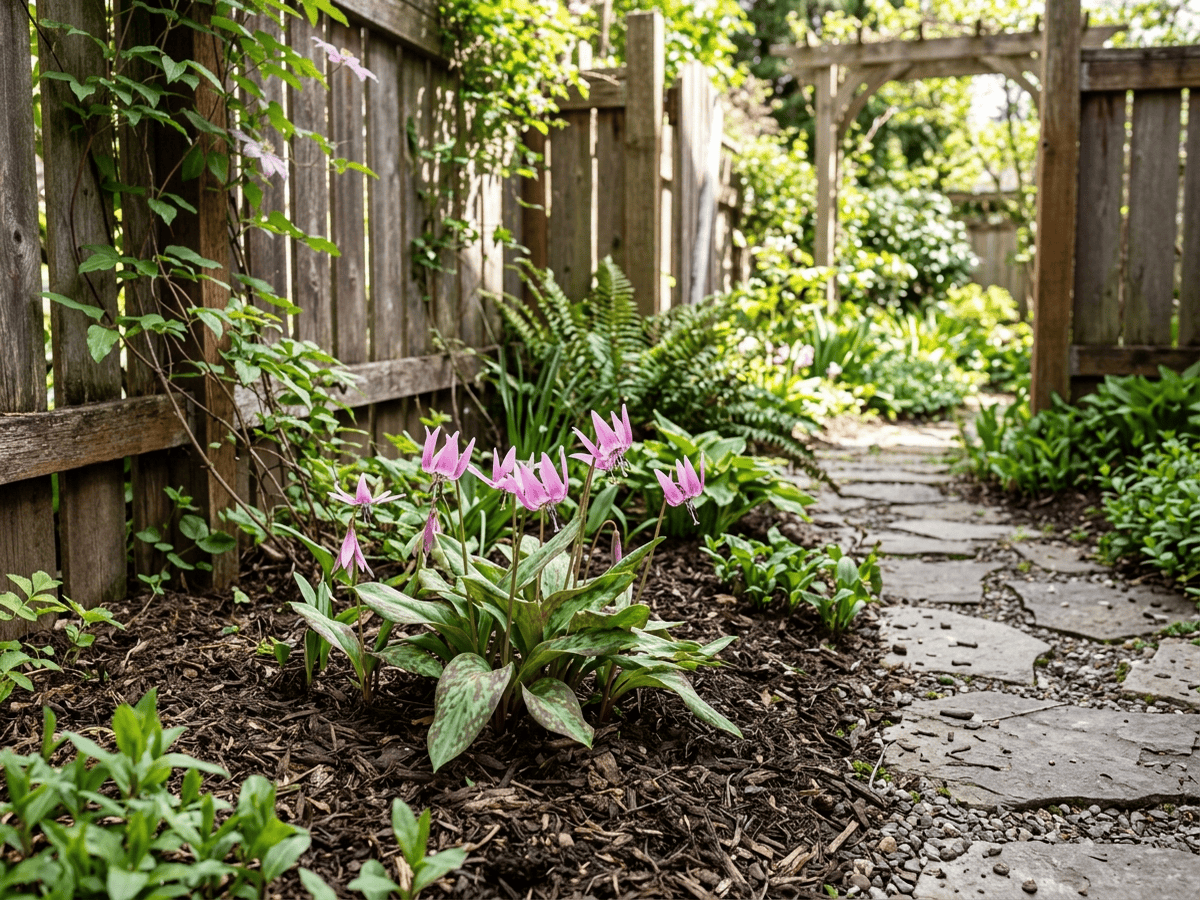
Indigenous peoples of the Pacific Northwest including the Kwakwaka'wakw reportedly pit-roasted the bulbs of various Erythronium species. It is increasingly cultivated in woodland gardens where careful drainage and shade mimic its native streamside habitat.
First scientifically described in the 19th century from specimens collected in the Pacific Northwest, the plant has long been admired by botanists and gardeners as one of the most exquisite of North American native bulbs. Native populations are now protected in many areas due to overcollection.
Symbolism & meaning
What It Symbolizes
The Coast Fawn Lily is considered the most elegant of fawn lilies, its deeply reflexed pink petals embodying refined beauty in the wet woodlands it inhabits. It graces moist Pacific Northwest streamsides, a streamside grace that few gardeners ever see in the wild. It is often read as a flower of overlooked rivers, a refined bloom for those who walk slowly enough to find its under alder shade in early spring.
- Refined beauty — considered most elegant of fawn lilies
- Stream side grace — graces moist Pacific Northwest woodlands
Where the Name Comes From
The name Coast Fawn Lily describes its lily-like flowers. 'Erythronium' from Greek for red; 'revolutum' means rolled back, referring to the strongly reflexed petals.
Uses & Fun Facts
- Reflexed pink lilies grace Pacific Northwest woodland gardens
- Early-spring nectar for emerging native bees
Related plants
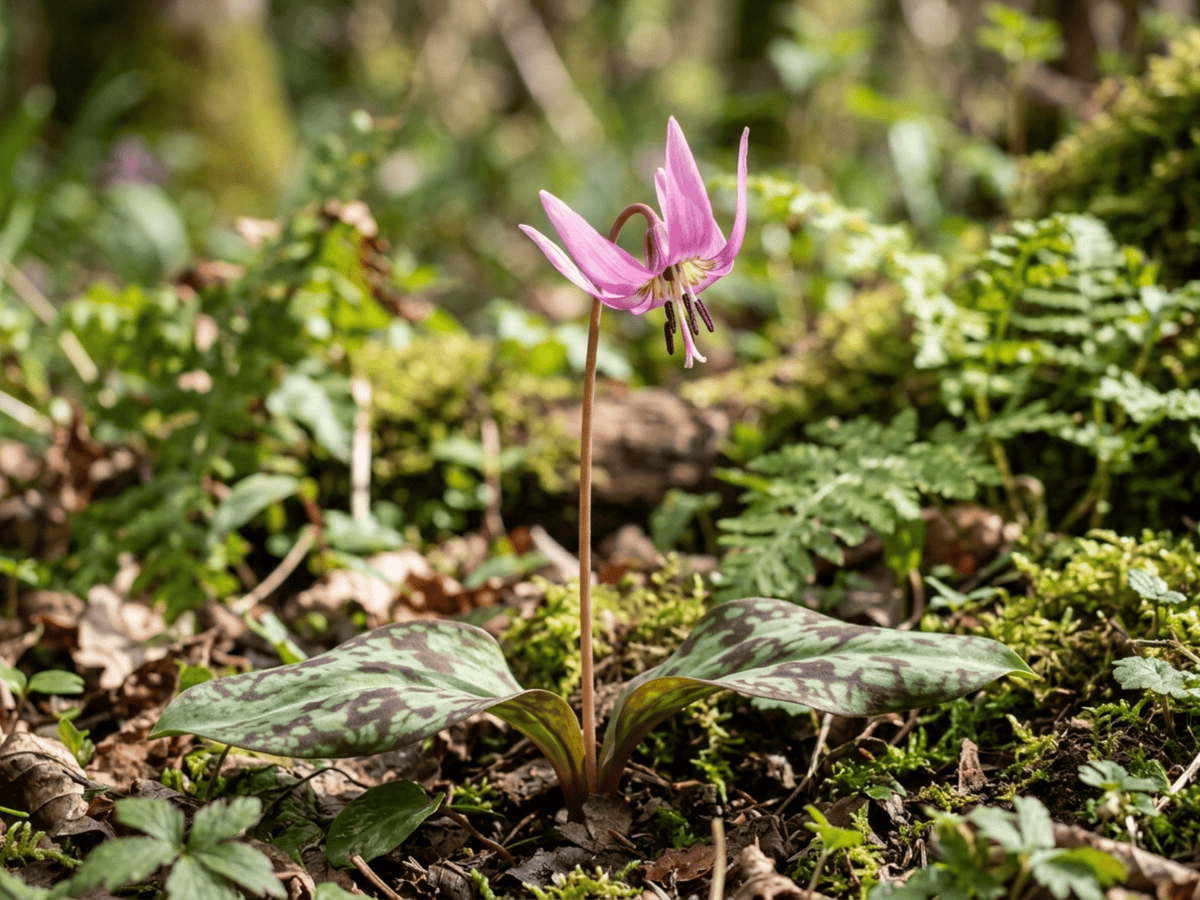
More Erythronium plants
Plants with similar care
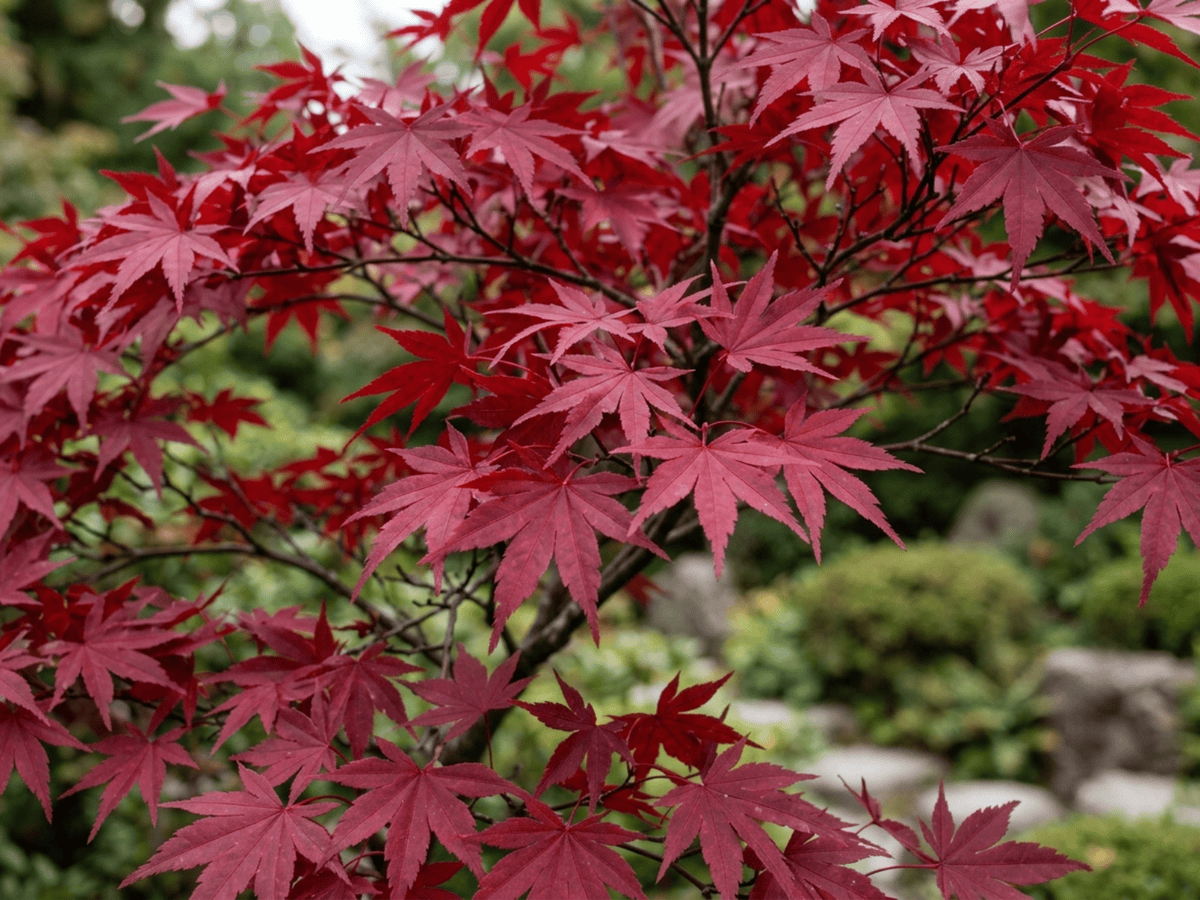 Japanese MapleAcer palmatum
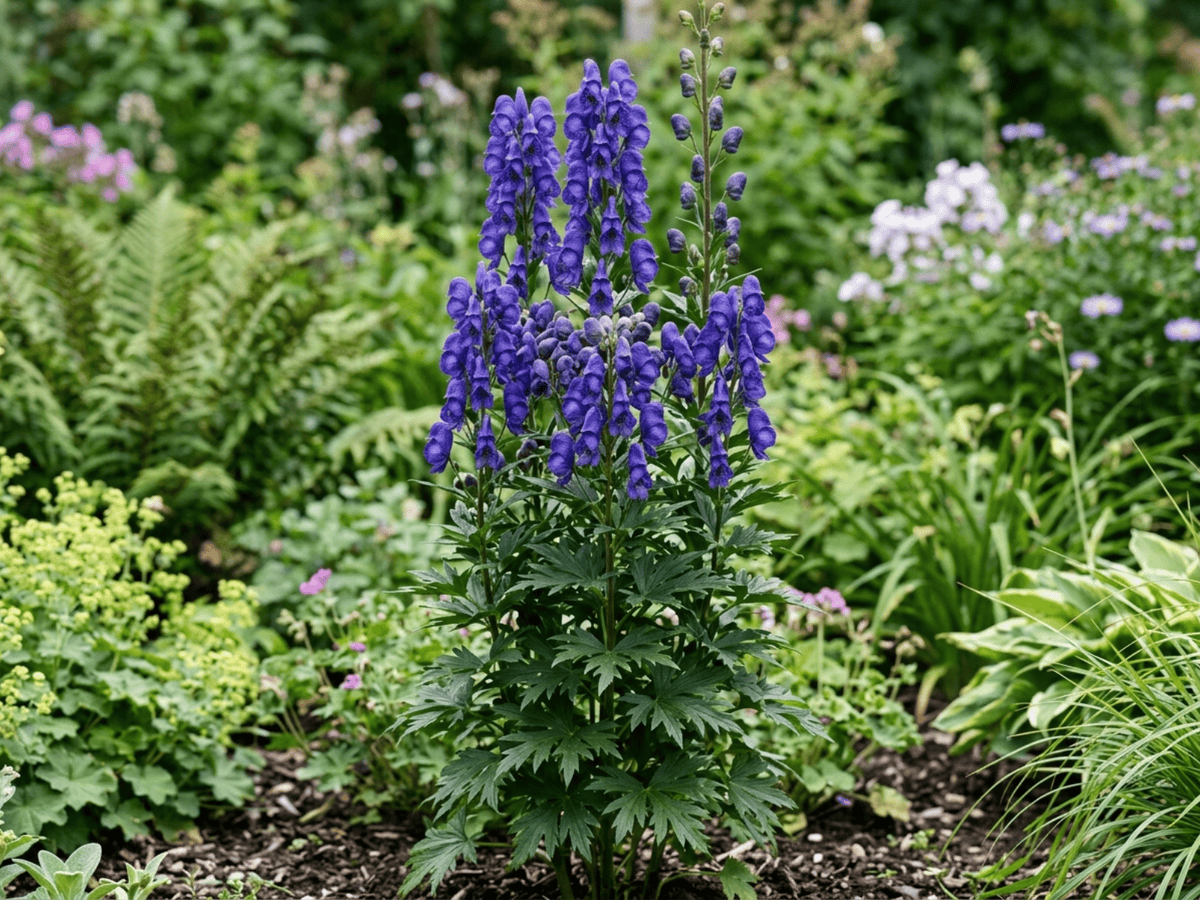 Azure MonkshoodAconitum carmichaelii
 Florida HobblebushAgarista populifolia
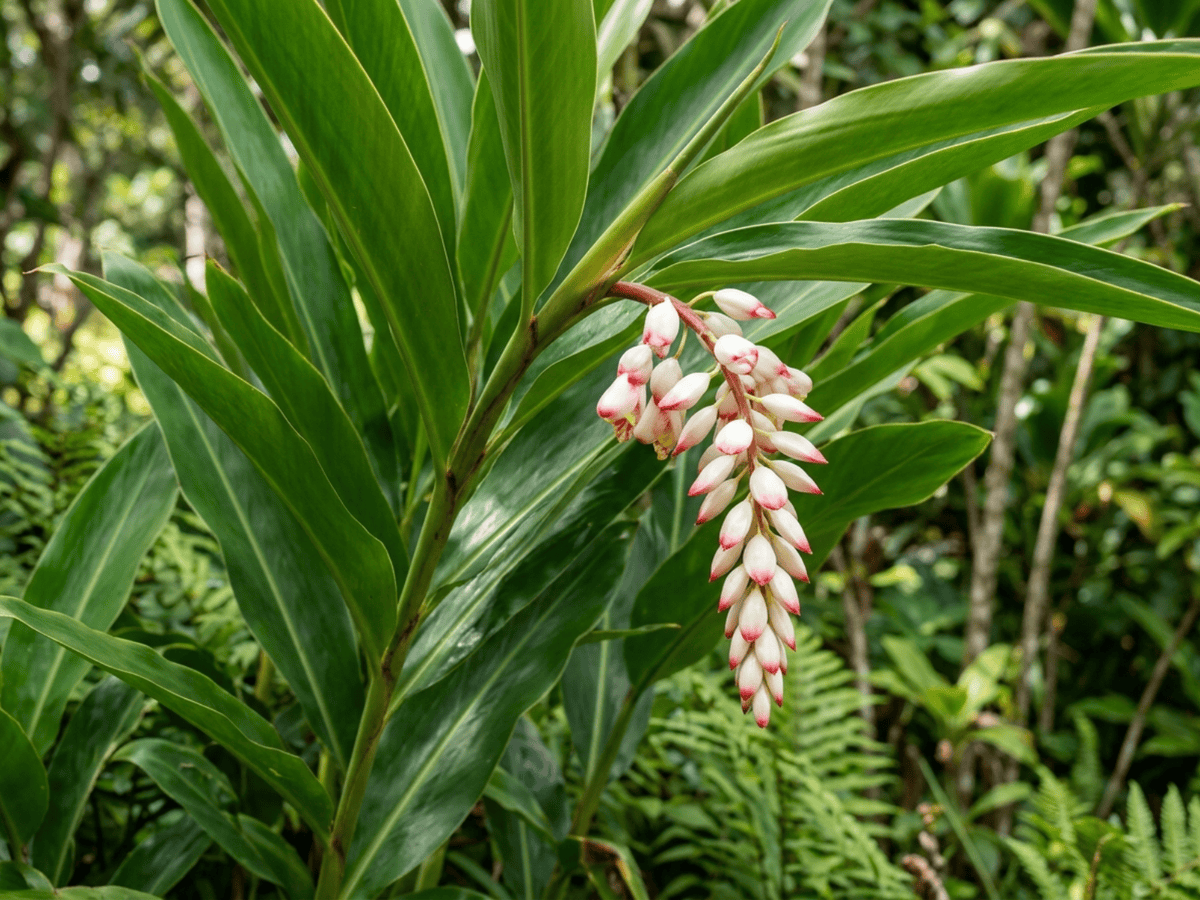 Shell GingerAlpinia zerumbet
Frequently asked questions
How often should I water Coast Fawn Lily?
Water about every 5 days during the growing season, and always let excess water drain away.
How much light does Coast Fawn Lily need?
Part shade: 2–4 hrs direct. Watch the leaves — scorching or stretching means the light needs adjusting.
Is Coast Fawn Lily toxic to cats or dogs?
Pets Slight (Dogs Slight · Cats Slight) Educational information, not medical or veterinary advice. If exposure is suspected, contact a doctor or veterinarian.
Is Coast Fawn Lily easy to grow?
It is moderately demanding: a good choice once you have a little experience.
When does Coast Fawn Lily bloom?
It typically blooms Apr–May in the Northern Hemisphere.
YardMate
Identify any plant in seconds
Snap a photo — YardMate names the plant, diagnoses problems, and reminds you when to water.
Download on the App Store