 YardMate
Giant White Fawn Lily
Erythronium oregonum
Medium · Some experienceAbout Giant White Fawn Lily
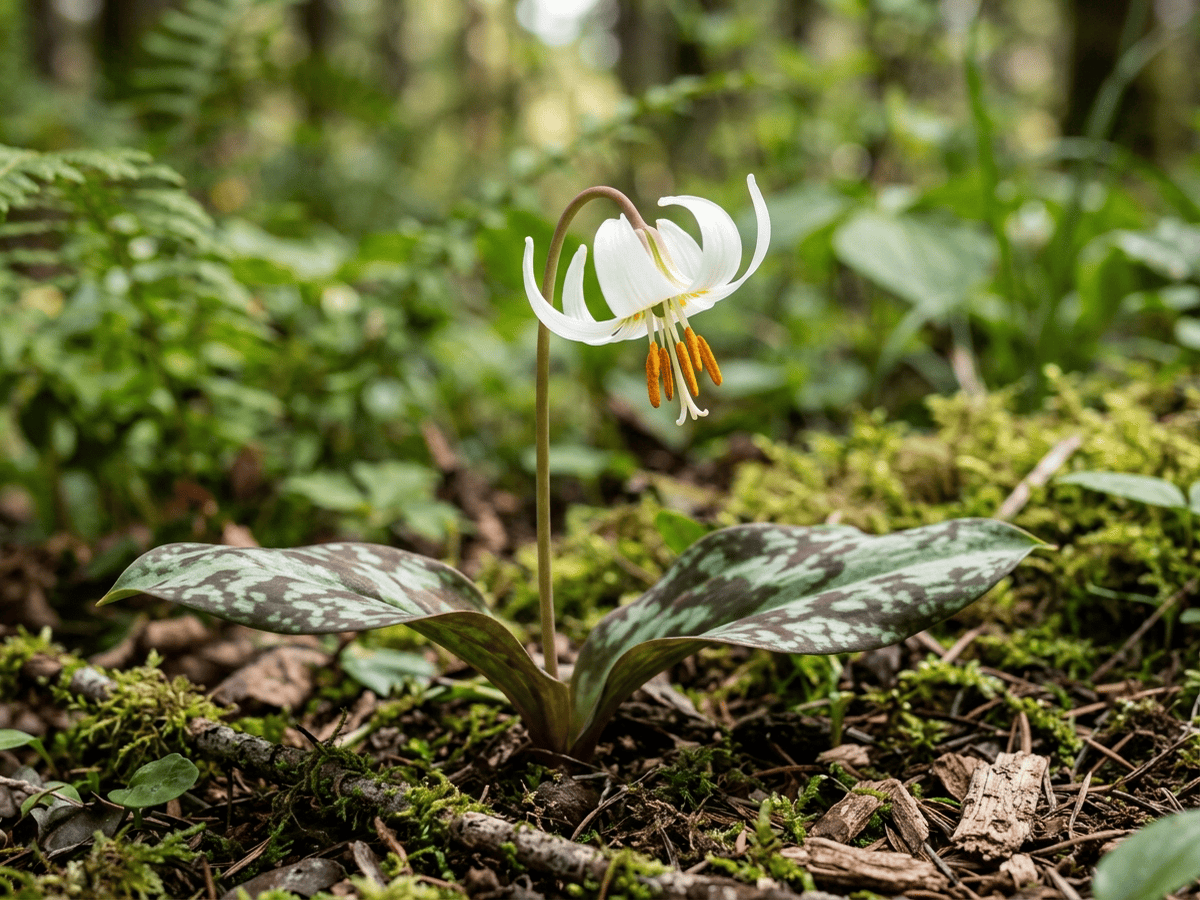
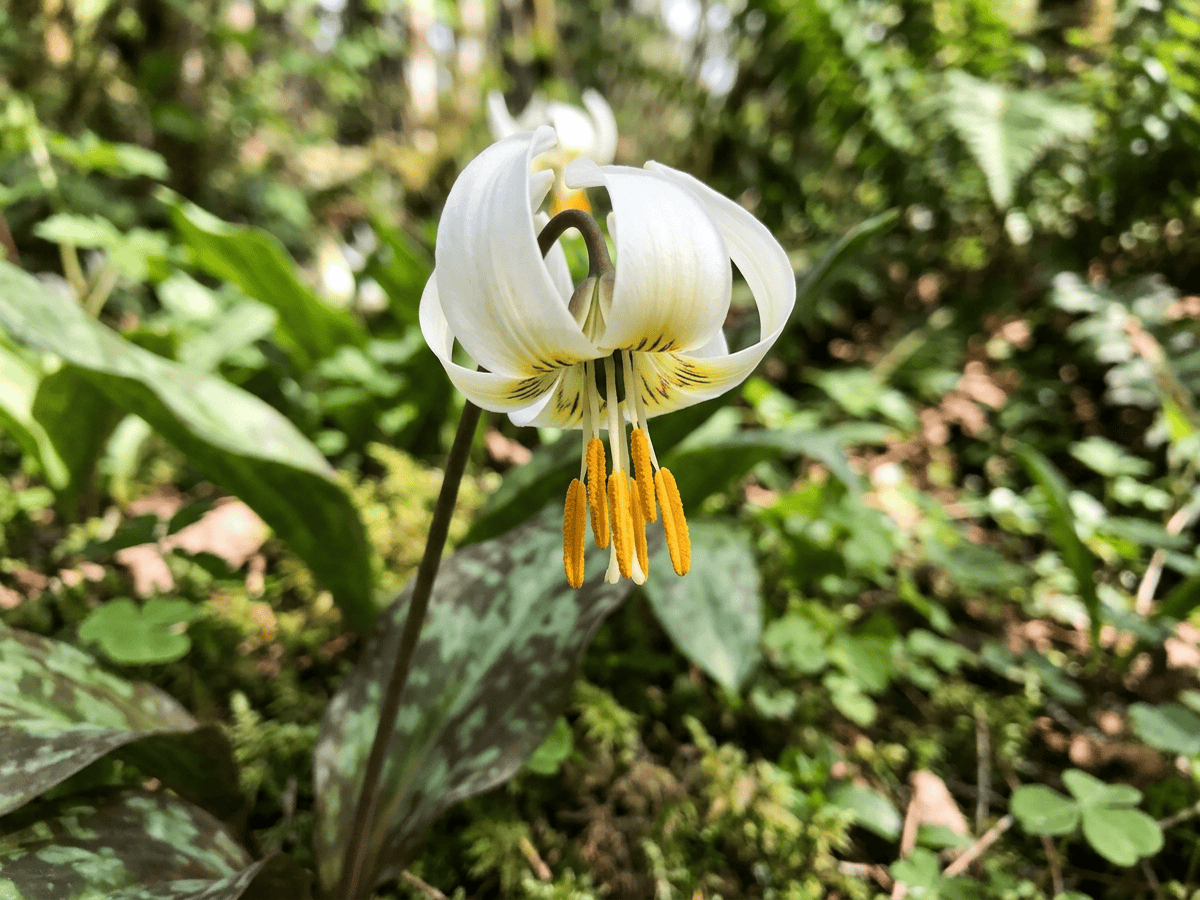
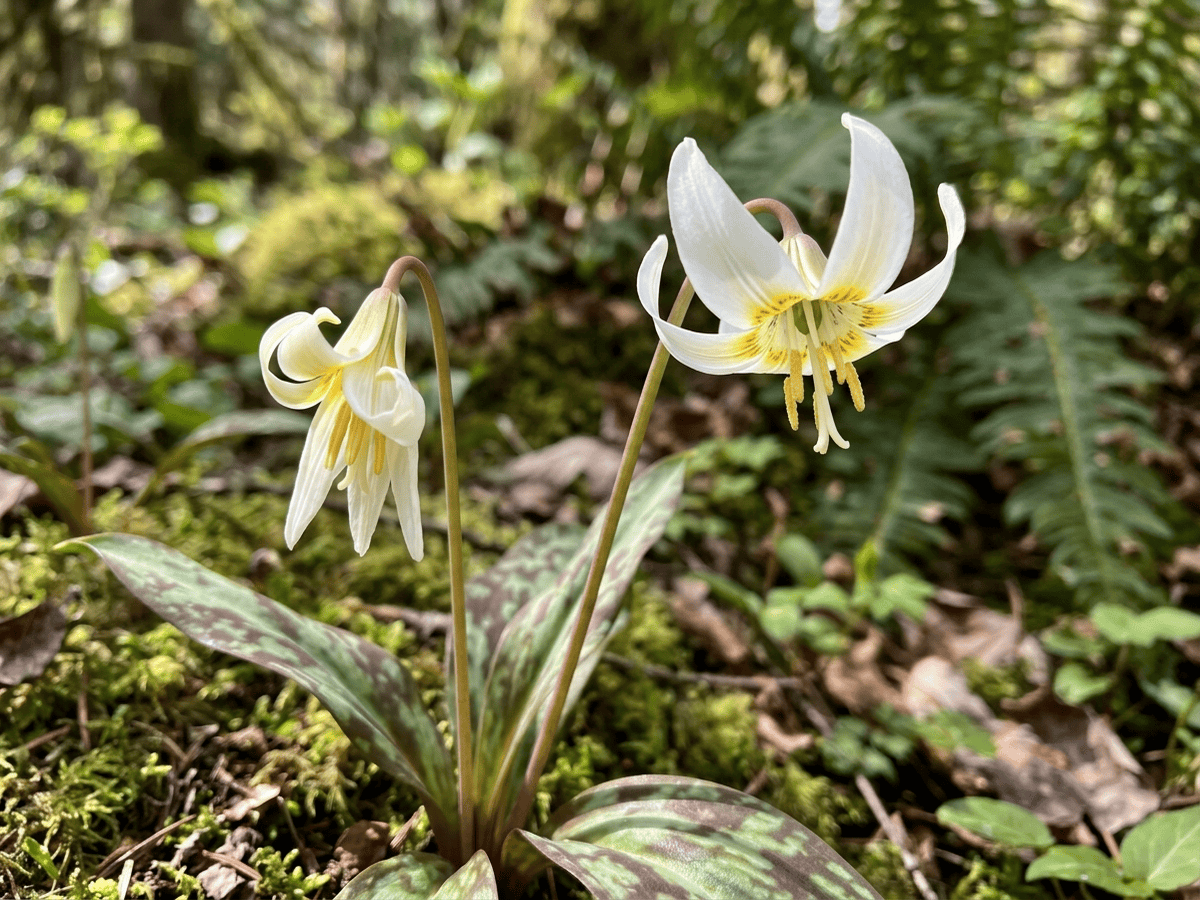
Oregon Fawn Lily, also called Giant White Fawn Lily, is a graceful spring-blooming bulb native to the Pacific Northwest from Vancouver Island south through Oregon. Its pair of mottled, fawn-spotted basal leaves emerge in early spring, followed by elegant nodding white flowers with reflexed petals and bright yellow centers held atop slender 8 to 12 inch stalks. A treasured native of moist meadows and open woodlands, blooming in March and April.
- Shade-tolerant
- Deer-resistant
- Native
How to care for Giant White Fawn Lily
Watering
- Springevery 5 days
- Summerpause watering
- Fallevery 10 days
- Winterevery 14 days
Soil · Well-draining
- Main mixLoam + coarse sand 3:175%
- DrainageGravel25%
Sharp drainage matters most — bulbs rot in wet soil while dormant.
FERTILIZER
- Springevery 30 days
- Fallevery 60 days
At a Glance
- NativeNorth America
- Height0.5–1 ft (0.2–0.3 m)
- Spread0.5–1 ft (0.2–0.3 m)
- Flower colorWhite, Cream
- Foliage colorGreen, Bronze, Variegated
- SoilLoamy, Moisture-retentive
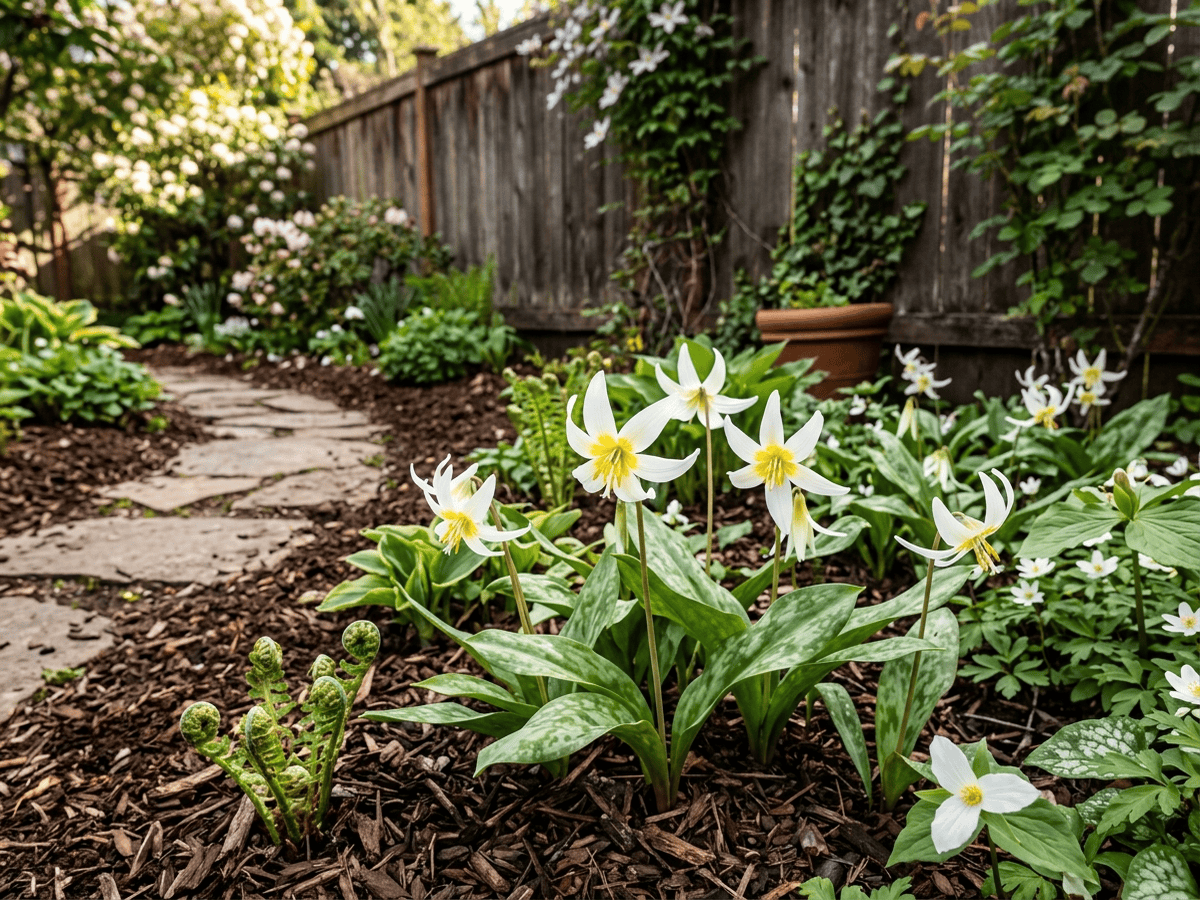
- LocationsYard
Bloom time
BLOOM CYCLE
Peak bloom
Mar–Apr
Nodding white flowers with yellow centers March to April
Toxicity
Humans Slight · Pets Slight
Unknown toxic principle
Slight
- Leaf
- Ingestion
EXPOSURE Eating leaves.
EFFECT Raw leaves emetic and bulbs edible when cooked.
NOTE Documented concern for humans: Raw leaves emetic and bulbs edible when cooked.
Slight
- Leaf
- Root
- Ingestion
EXPOSURE Eating leaves and roots.
EFFECT Raw material can cause GI upset.
NOTE Not specifically listed by ASPCA; raw plant emetic in quantity.
Slight
- Leaf
- Root
- Ingestion
EXPOSURE Eating leaves and roots.
EFFECT Raw material can cause GI upset.
NOTE Not specifically listed by ASPCA; raw plant emetic in quantity.
Educational information, not medical or veterinary advice. If exposure is suspected, contact a doctor or veterinarian.
DISTRIBUTION


- Native
- North America
History
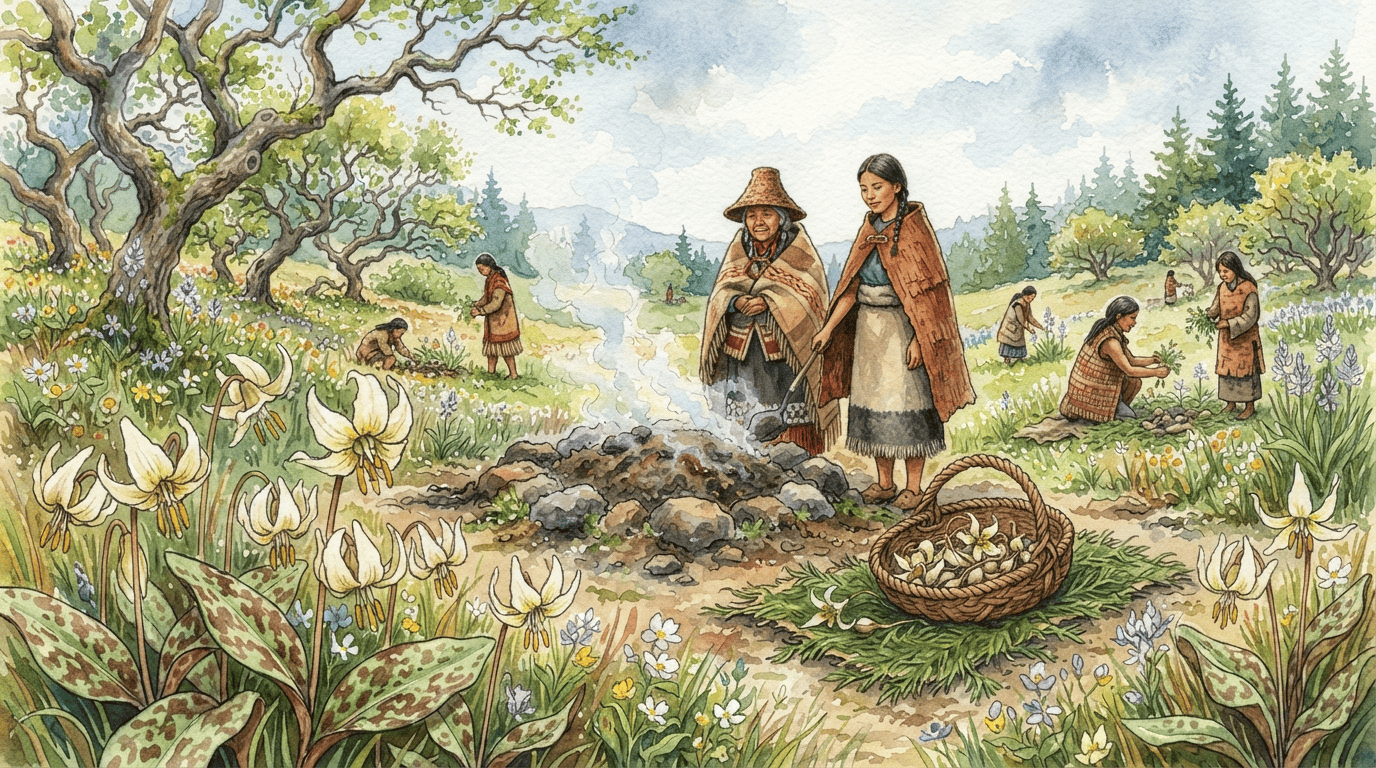
Erythronium oregonum, the giant white fawn lily or Oregon trout lily, is a spring-flowering bulbous perennial native to open woodlands, rocky slopes, and Garry oak savannas of southwestern British Columbia, western Washington, and Oregon, with disjunct populations in northwest California. The species was described by American botanist Sereno Watson in 1885. In March and April each mature bulb produces a pair of broad leaves mottled with brown and a slender stalk bearing one to three nodding creamy-white flowers with recurved petals and golden anthers.
Indigenous Coast Salish and other regional peoples pit-roasted the deep bulbs as a starchy food. Documented by botanists exploring the Oregon Territory in the mid-19th century. The species is a cornerstone species of the threatened Garry oak ecosystem and is increasingly used in native meadow restoration.
Symbolism & meaning
What It Symbolizes
The Giant White Fawn Lily suggests innocence, its pure white nodding flowers among the first to grace the Pacific Northwest forest floor in early spring. As an icon of those mossy meadows, it carries the spirit of forest spring itself — a flower that arrives quietly with the returning warmth. Few blooms feel more like a whispered welcome to the season.
- Innocence — pure white nodding flowers of early spring
- Forest spring — icon of Pacific Northwest spring meadows
Where the Name Comes From
The name Giant White Fawn Lily describes its lily-like flowers. 'Erythronium' is from Greek 'erythros' meaning red, originally for a European species; 'oregonum' refers to its native range in Oregon.
Uses & Fun Facts
- Mottled leaves and nodding white flowers for Pacific Northwest shade
- Early nectar source for emerging native bumblebee queens
Related plants
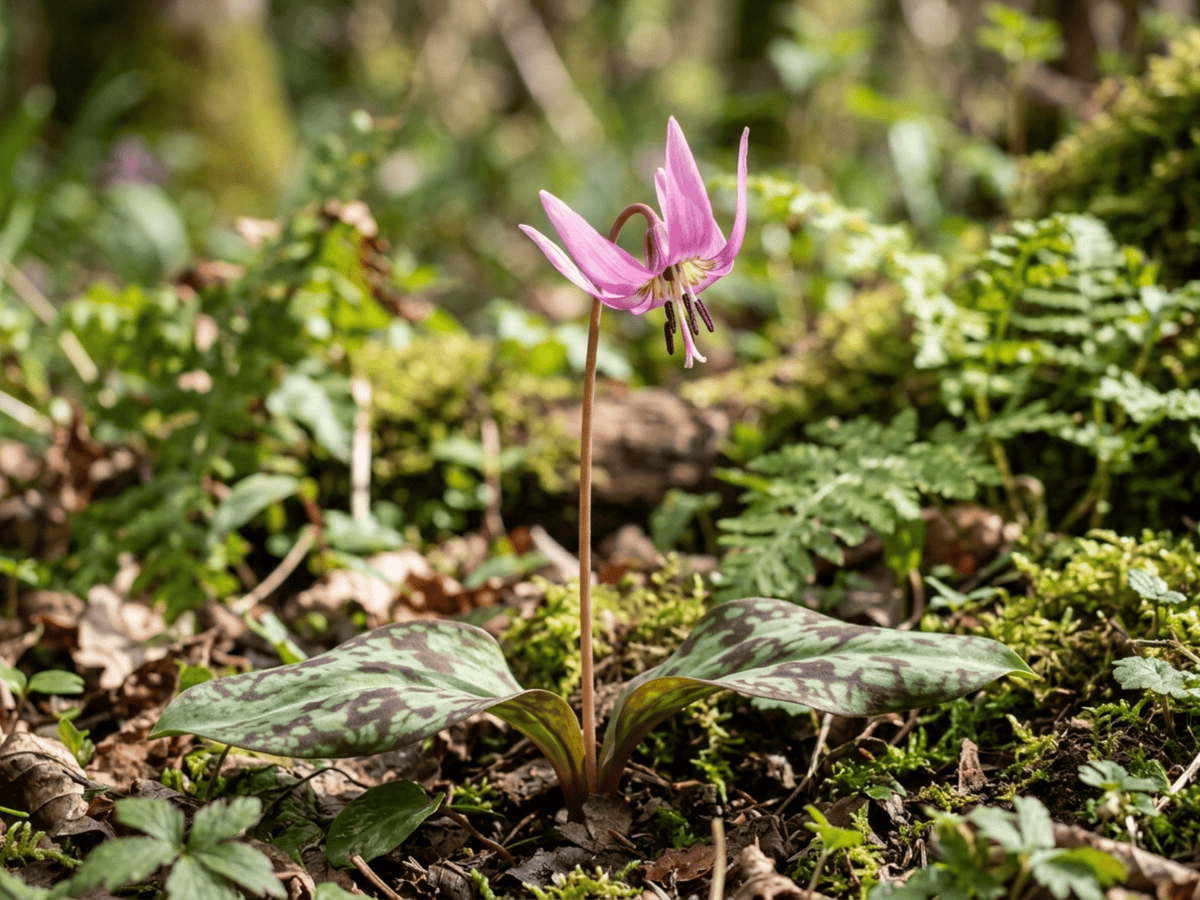
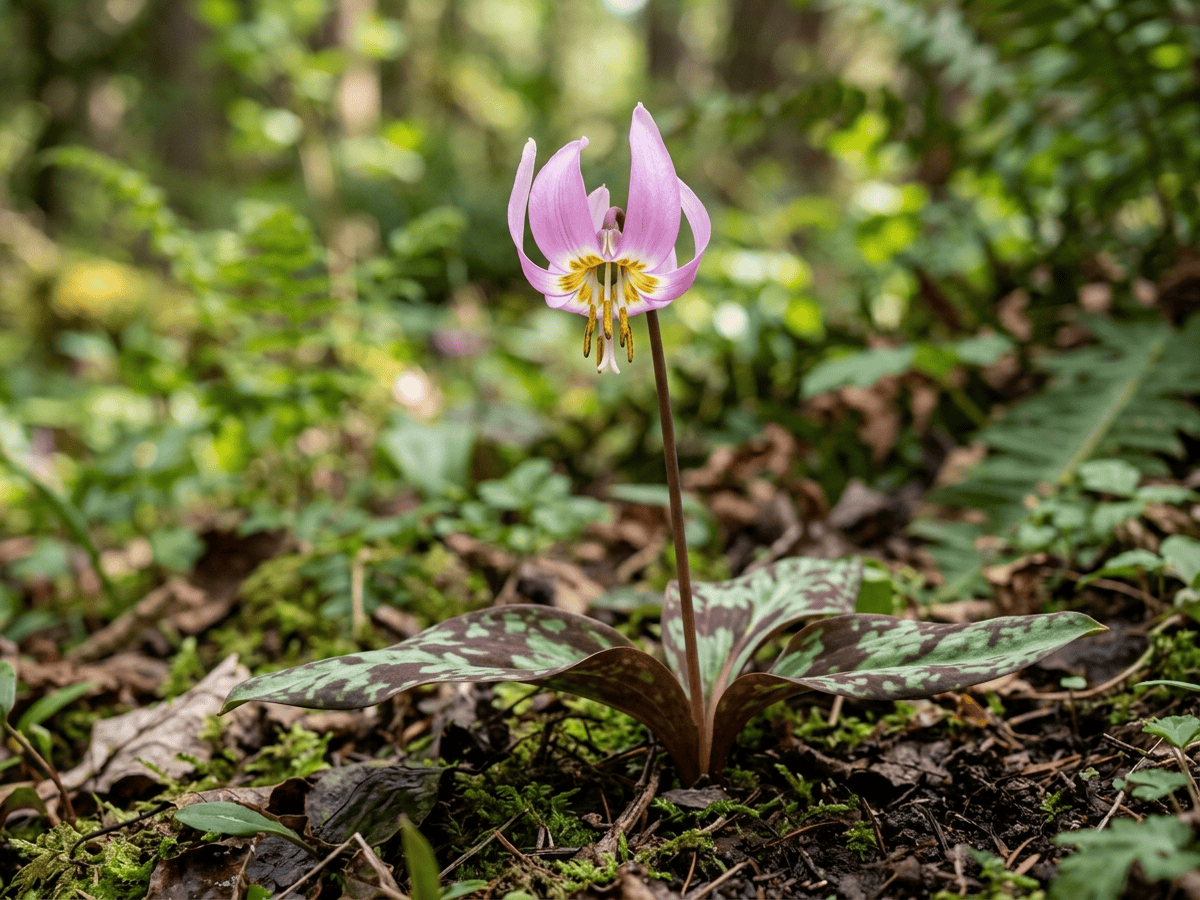
More Erythronium plants
Plants with similar care
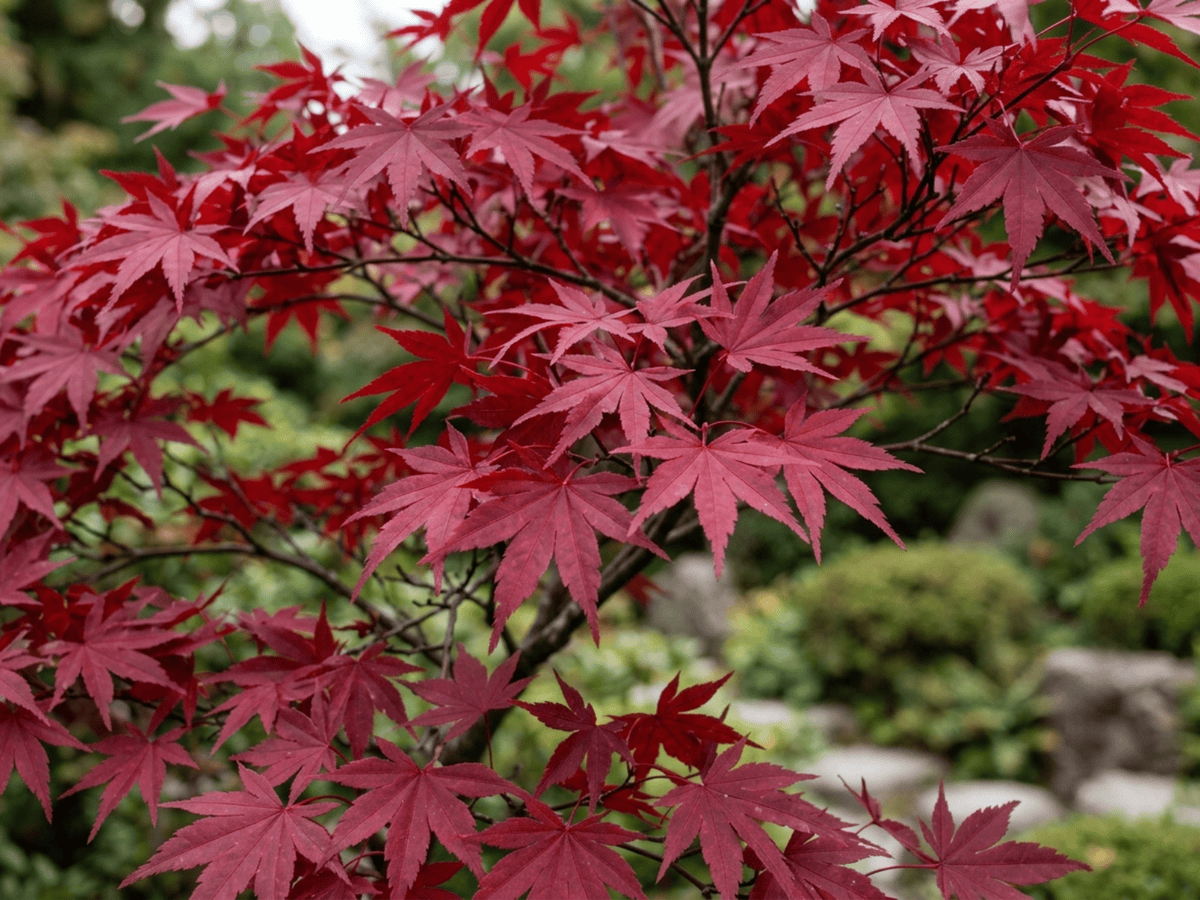 Japanese MapleAcer palmatum
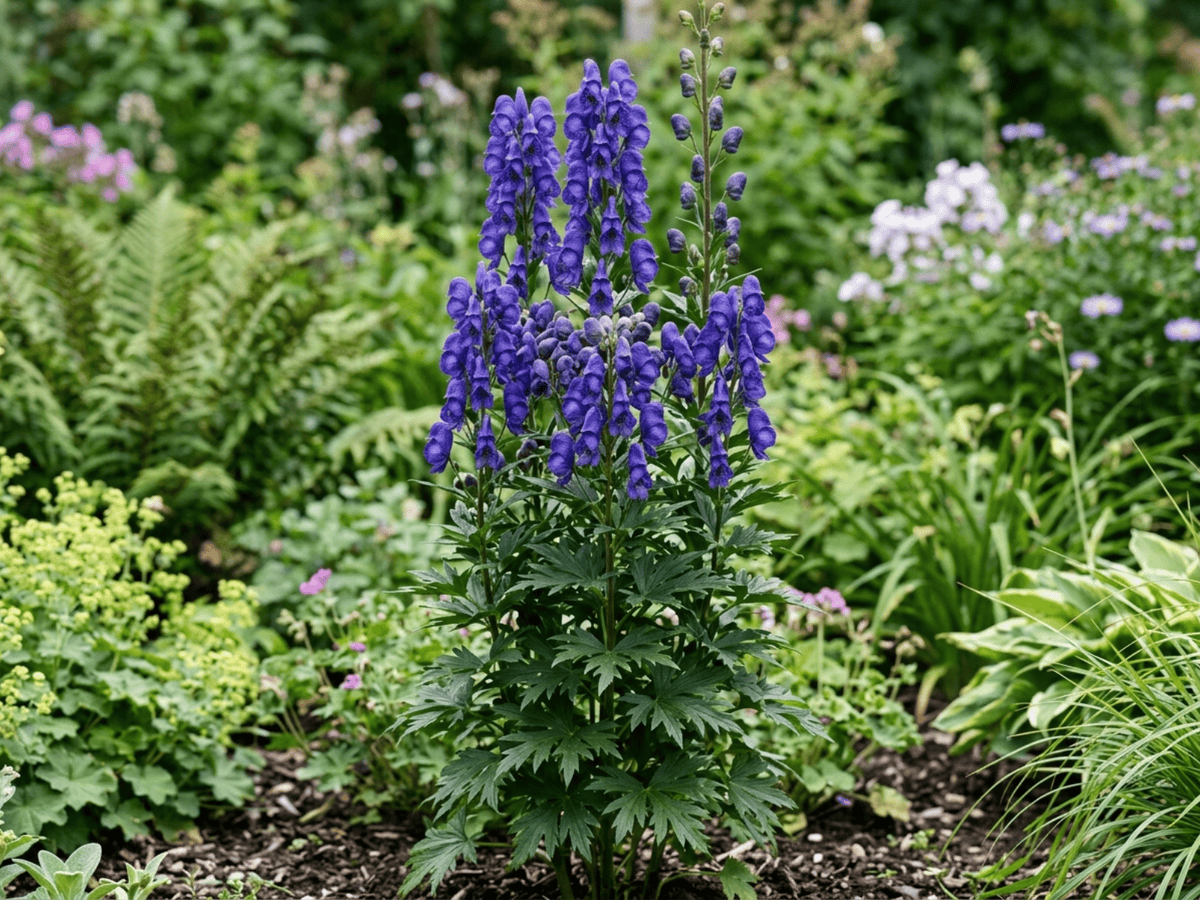 Azure MonkshoodAconitum carmichaelii
 Florida HobblebushAgarista populifolia
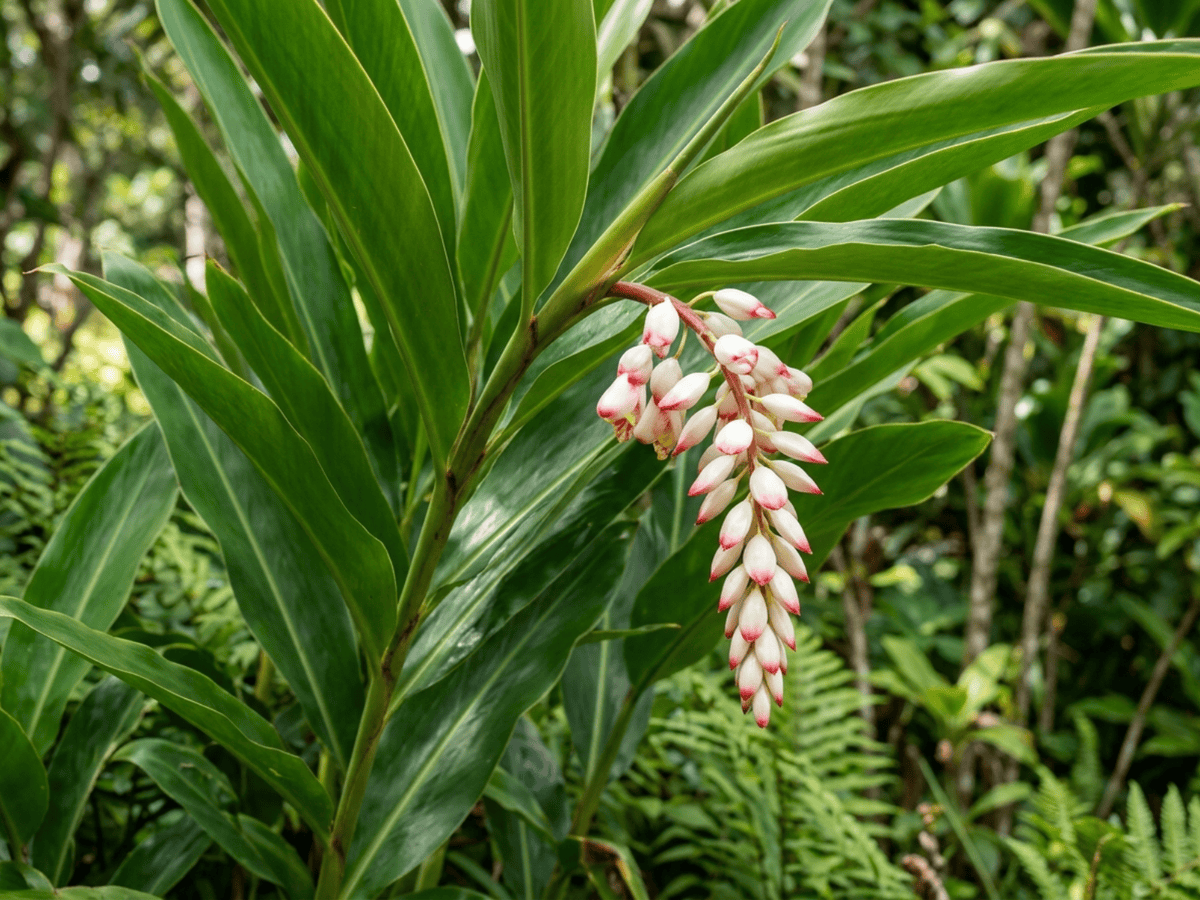 Shell GingerAlpinia zerumbet
Frequently asked questions
How often should I water Giant White Fawn Lily?
Water about every 5 days during the growing season, and always let excess water drain away.
How much light does Giant White Fawn Lily need?
Part shade: 2–4 hrs direct. Watch the leaves — scorching or stretching means the light needs adjusting.
Is Giant White Fawn Lily toxic to cats or dogs?
Pets Slight (Dogs Slight · Cats Slight) Educational information, not medical or veterinary advice. If exposure is suspected, contact a doctor or veterinarian.
Is Giant White Fawn Lily easy to grow?
It is moderately demanding: a good choice once you have a little experience.
When does Giant White Fawn Lily bloom?
It typically blooms Mar–Apr in the Northern Hemisphere.
YardMate
Identify any plant in seconds
Snap a photo — YardMate names the plant, diagnoses problems, and reminds you when to water.
Download on the App Store