 YardMate


Winged Euonymus
Euonymus alatus
Easy · Beginner friendlyAbout Winged Euonymus
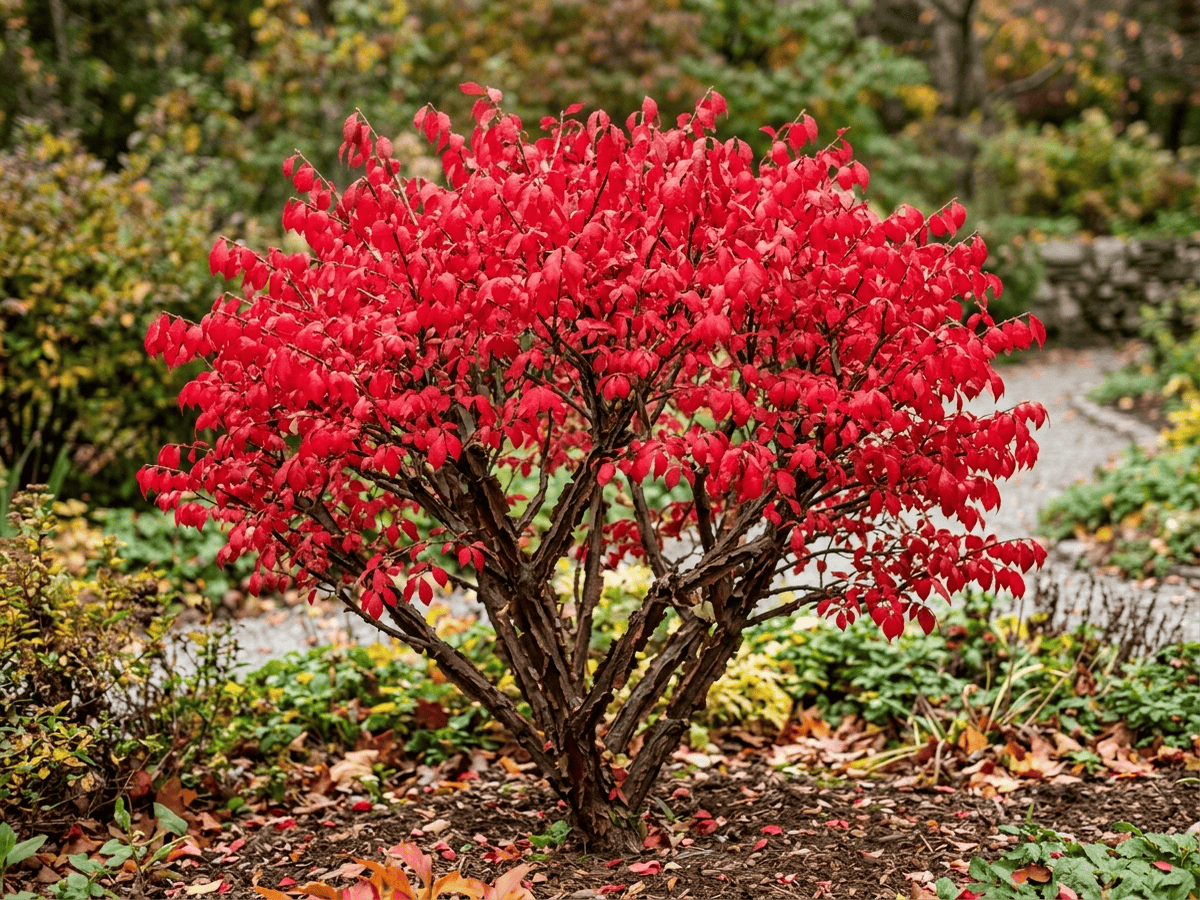
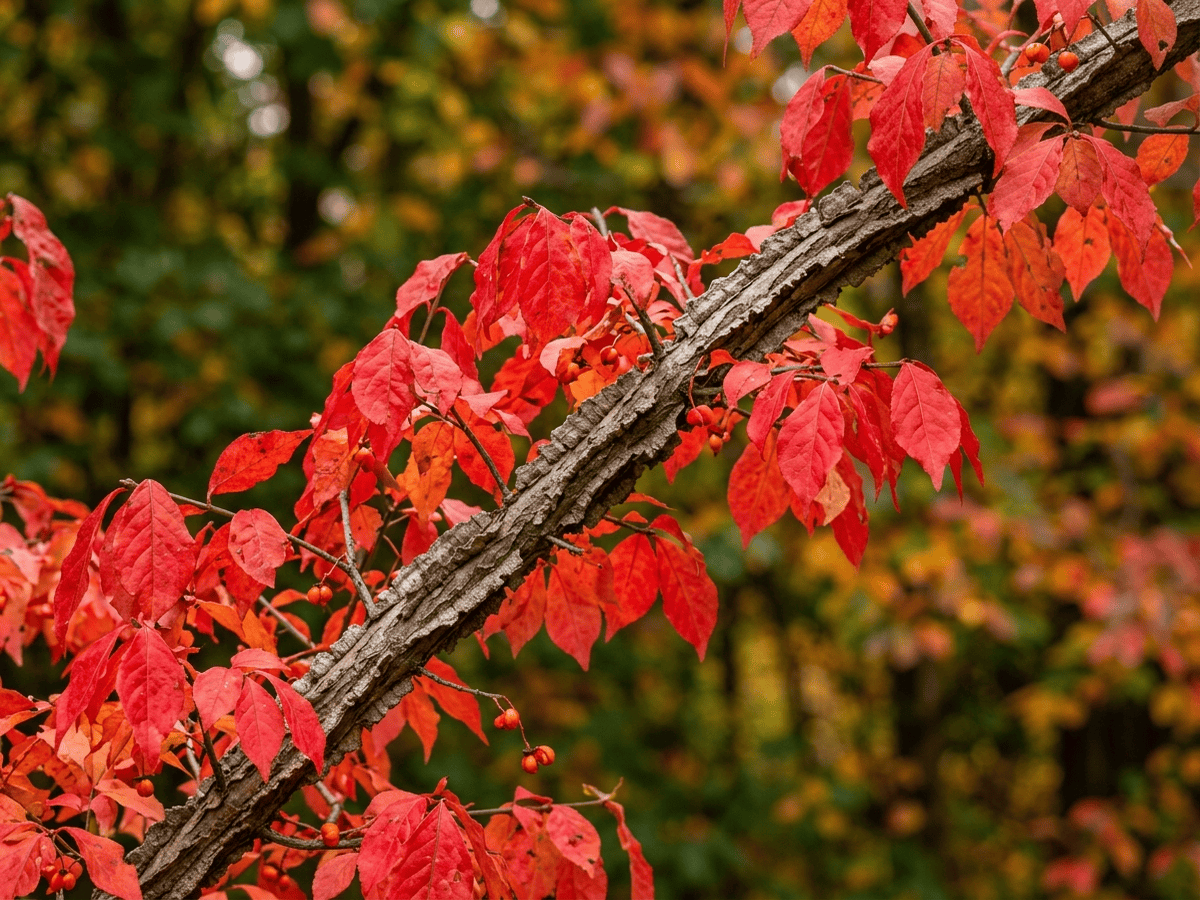
Burning Bush is an East Asian deciduous shrub introduced to American gardens in the 1860s for its brilliant fluorescent red fall color, now a top invasive shrub in eastern and midwestern US forests. Growing 6 to 15 feet tall with distinctive corky winged stems and oval finely toothed leaves, it produces small greenish flowers and pink-red seed capsules with orange seeds. Listed invasive or banned in many northeastern states.
- Shade-tolerant
- Fall-color
How to care for Winged Euonymus
Watering
- Springevery 14 days
- Summerevery 10 days
- Fallevery 14 days
- Winterevery 30 days
Soil · Well-draining
- Top dressingPine bark mulch10%
- Main mixPotting soil + perlite 2:170%
- DrainageLECA / gravel20%
Never skip the drainage layer — standing water is the top cause of root rot.
FERTILIZER
- Springevery 45 days
At a Glance
- NativeEast Asia
- Height10–15 ft (3–4.6 m)
- Spread10–15 ft (3–4.6 m)
- Flower colorGreen, Yellow
- Foliage colorGreen, Red
- Fruit colorRed, Pink, Orange
- SoilLoamy, Well-drained
- LocationsYard
Bloom time
BLOOM CYCLE
Peak bloom
May
Small greenish flowers late spring
Toxicity
Humans Moderate · Pets Moderate
cardiac glycosides and alkaloids
Moderate
- Fruit
- Seed
- Leaf
- Ingestion
EXPOSURE Eating fruit, seeds, and leaves.
EFFECT Vomiting and diarrhea.
NOTE All parts mildly toxic; fruits especially cause gastrointestinal upset.
Moderate
- Fruit
- Seed
- Leaf
- Ingestion
EXPOSURE Eating fruit, seeds, and leaves.
EFFECT Vomiting, diarrhea, and weakness.
NOTE All parts mildly toxic; fruits especially cause gastrointestinal upset.
Moderate
- Fruit
- Seed
- Leaf
- Ingestion
EXPOSURE Eating fruit, seeds, and leaves.
EFFECT Vomiting, diarrhea, and weakness.
NOTE All parts mildly toxic; fruits especially cause gastrointestinal upset.
Educational information, not medical or veterinary advice. If exposure is suspected, contact a doctor or veterinarian.
DISTRIBUTION

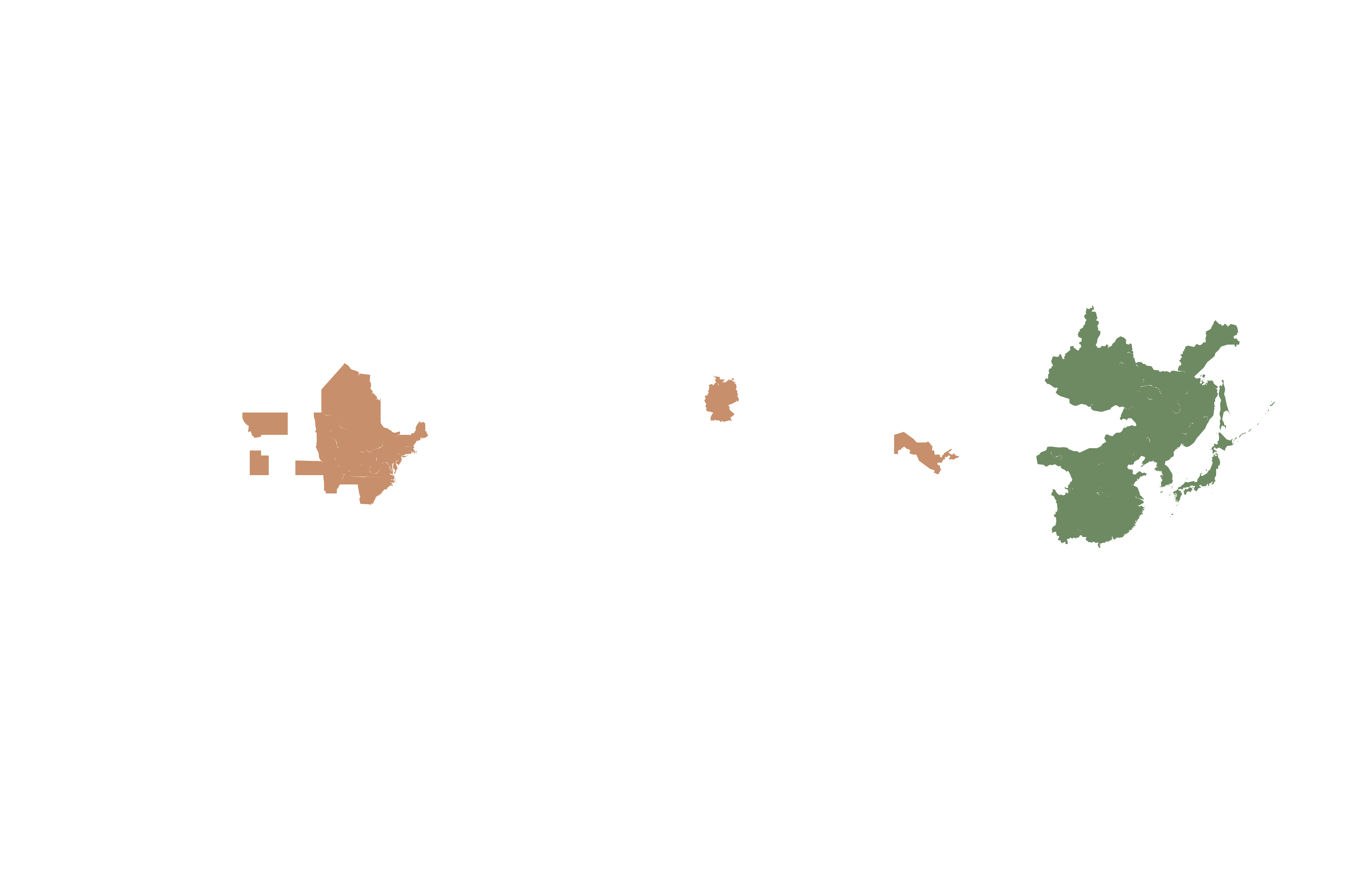
- Native
- Introduced
- East Asia
History
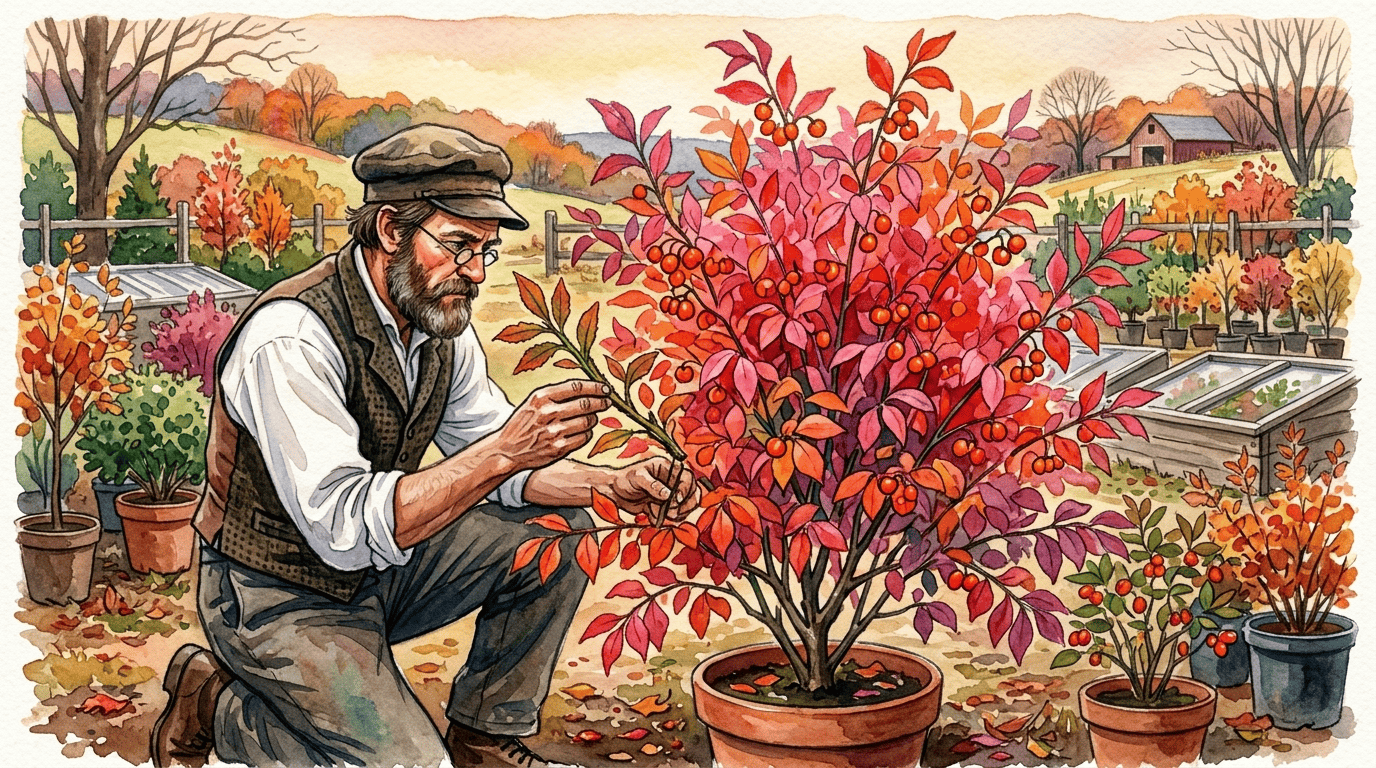
Euonymus alatus, burning bush or winged spindle, is a deciduous shrub native to northeastern China, Korea, and Japan with distinctive corky wings on young stems and brilliant fluorescent scarlet-pink autumn foliage. The Parsons nursery of Long Island introduced the species to American horticulture around 1860, and by the twentieth century it was one of the most widely planted landscape shrubs in the Northeast, used in corporate plantings, highway medians, and home gardens for its tidy shape and unmatched fall color. Birds eat the orange-red arils and disperse seeds into forests, where the shrub forms dense thickets that shade out native spring ephemerals and tree seedlings.
Massachusetts, Connecticut, New Hampshire, and several other states have banned sale, and native alternatives with similar autumn impact are promoted. Native to northeastern Asia, Burning Bush was introduced to American gardens in the 1860s and widely planted for its unmatched fluorescent red fall color.
Now escapes into forests throughout the eastern US, listed invasive in many states and banned outright in Massachusetts, New Hampshire, and elsewhere.
Symbolism & meaning
What It Symbolizes
Winged Euonymus is a beautiful invasion, its corky-winged stems and incandescent fall color seducing gardeners while its seedlings smother native woods. Once the darling of every parking lot and foundation planting, it has earned banned status across an expanding map of US states. In its scarlet brilliance, the cost of choosing color over consequence becomes painfully clear.
- Beautiful invasion — brilliant fall color, destructive spread
- Winged stems — distinctive corky-winged branches
Where the Name Comes From
'Euonymus' means good name in Greek, used ironically for a dangerous genus; 'alatus' from Latin means winged, for the distinctive corky wings on stems.
Related plants
More Euonymus plants
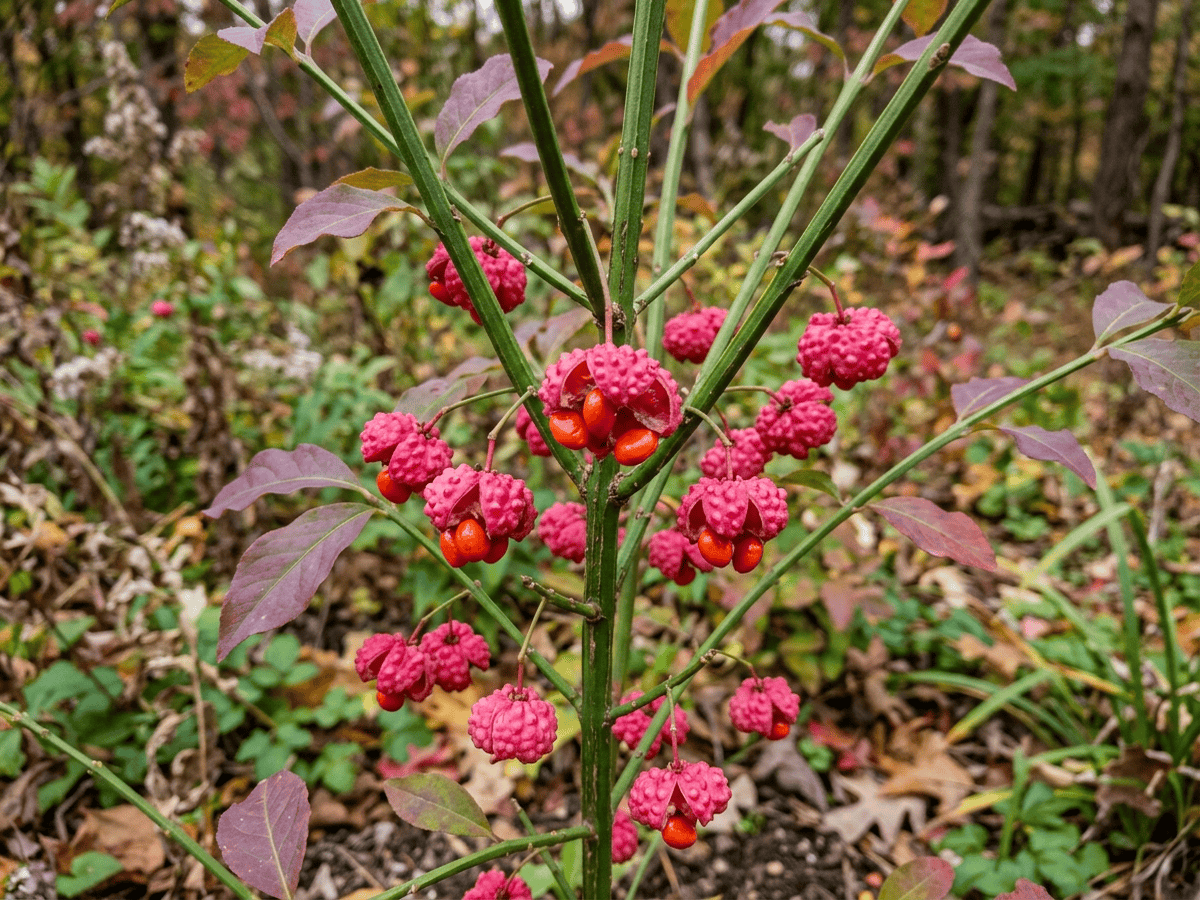 Strawberry BushEuonymus americanus
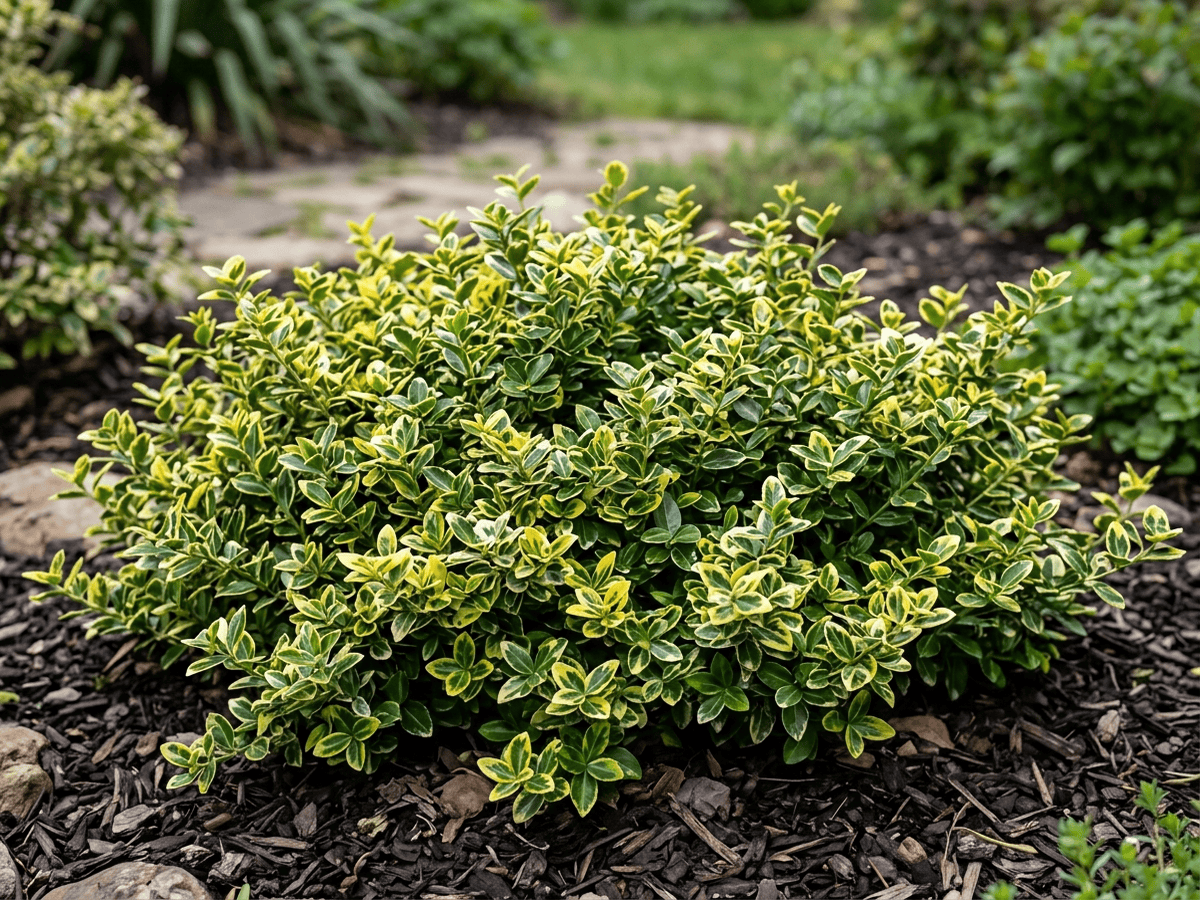 Fortune's SpindleEuonymus fortunei
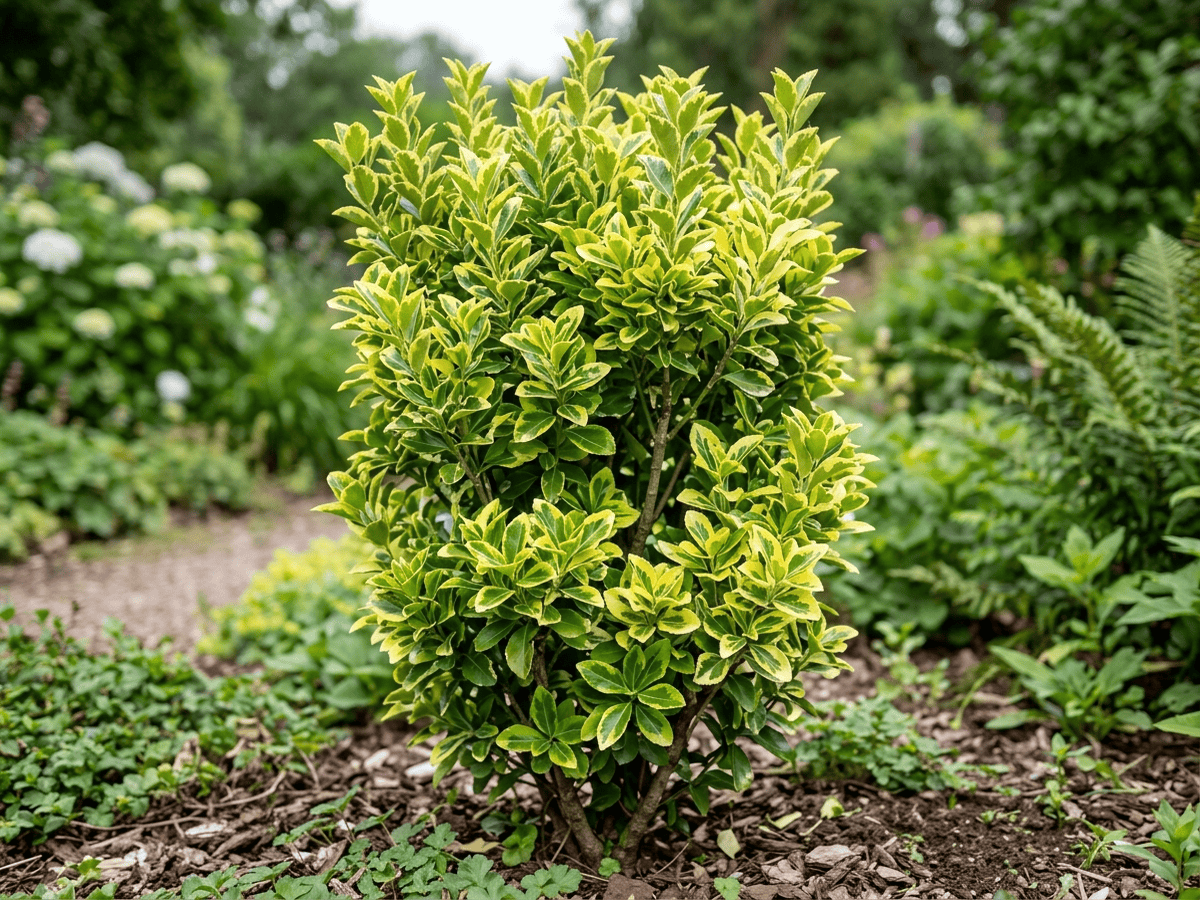 Japanese Spindle TreeEuonymus japonicus
Plants with similar care
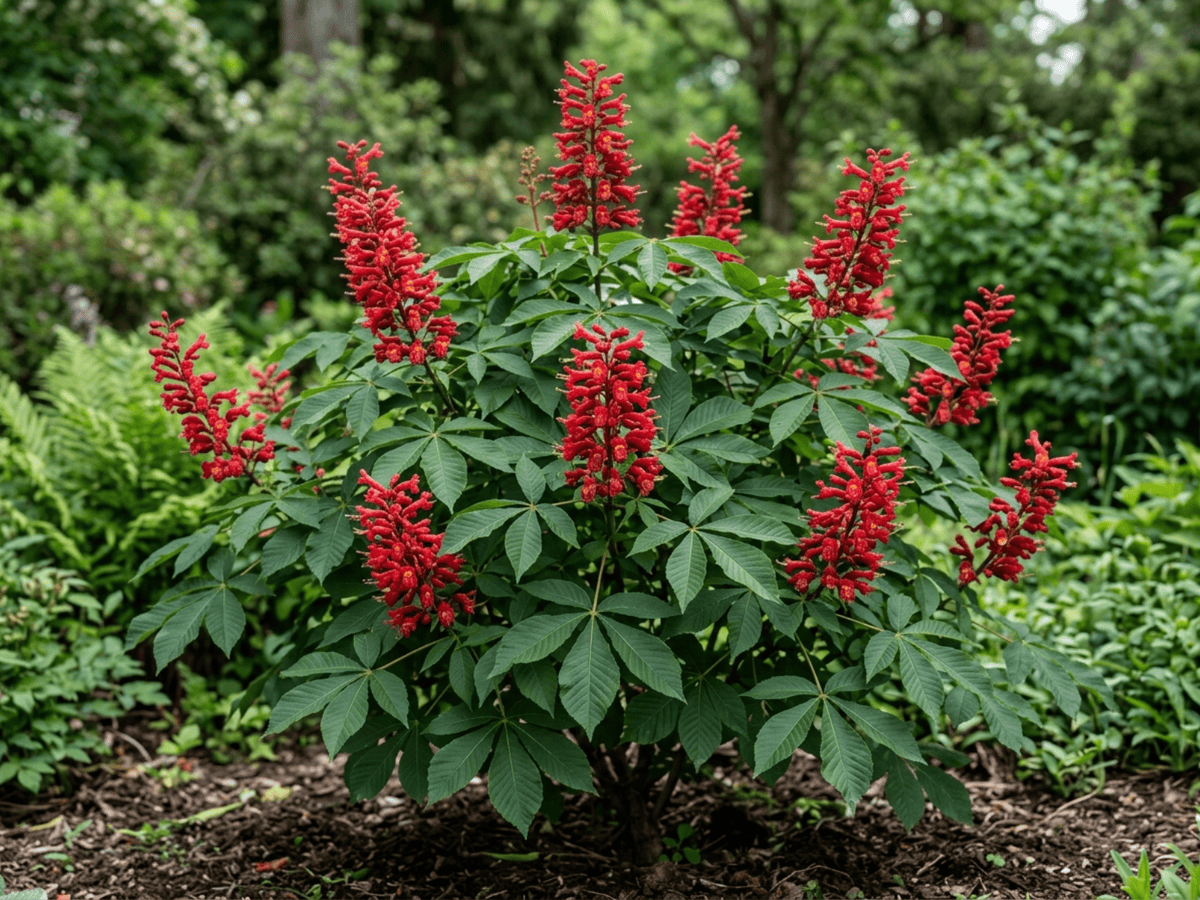 Red BuckeyeAesculus pavia
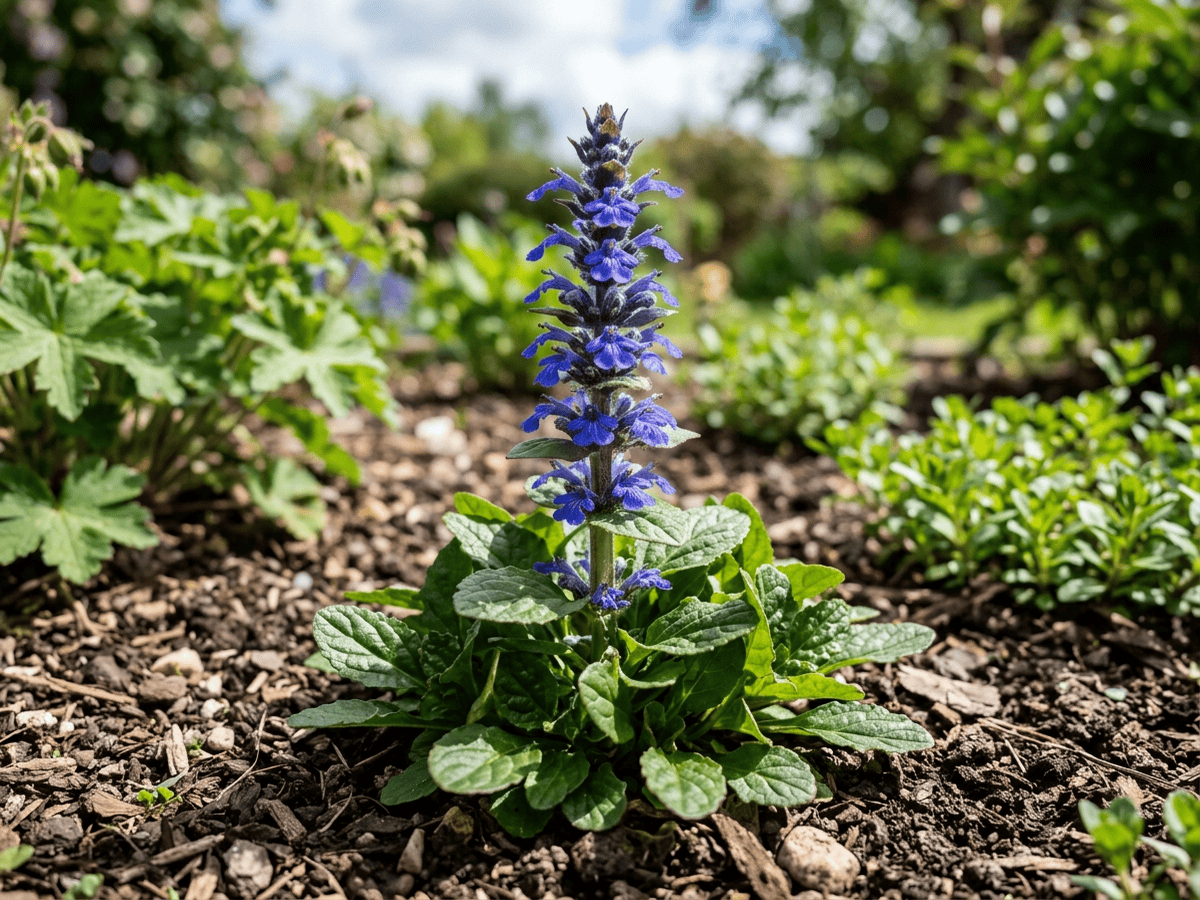 Blue BugleAjuga genevensis
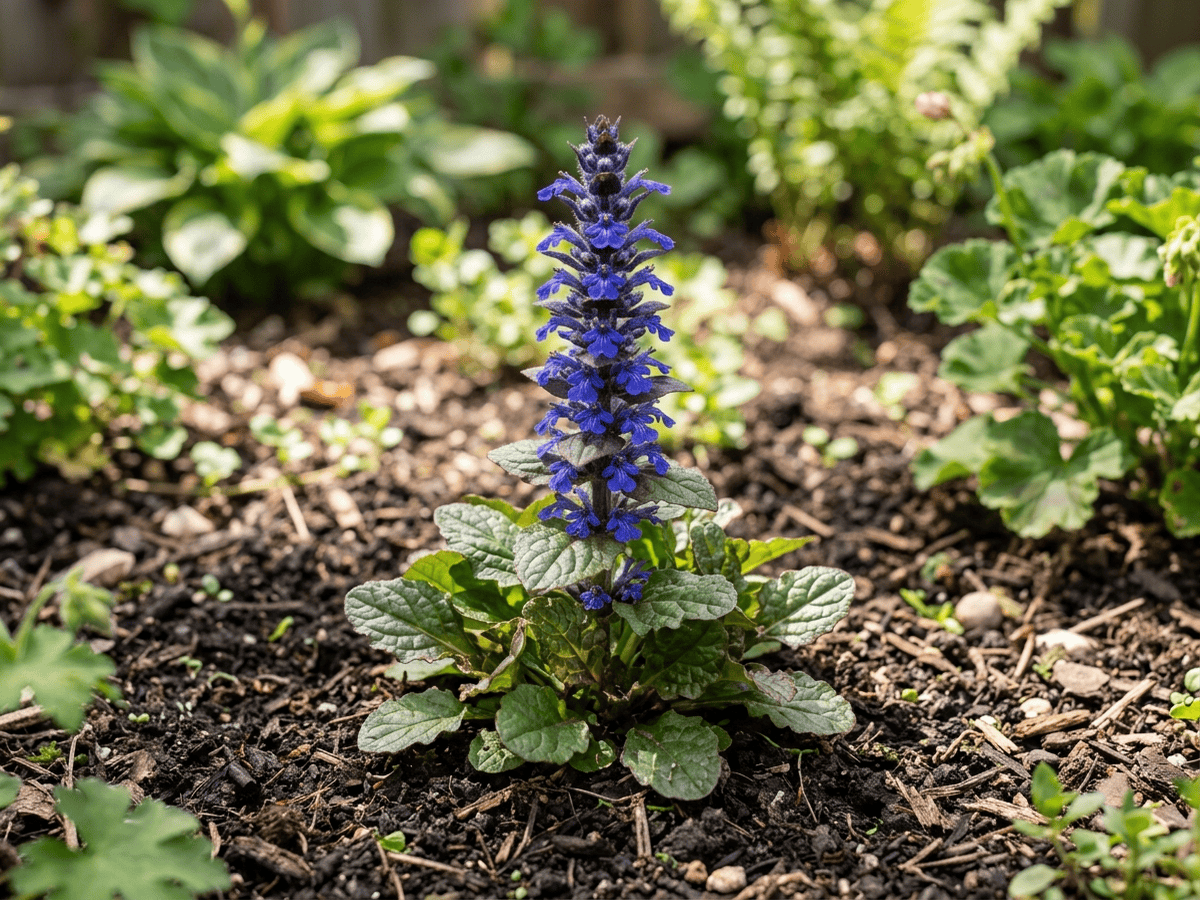 Pyramidal BugleAjuga pyramidalis
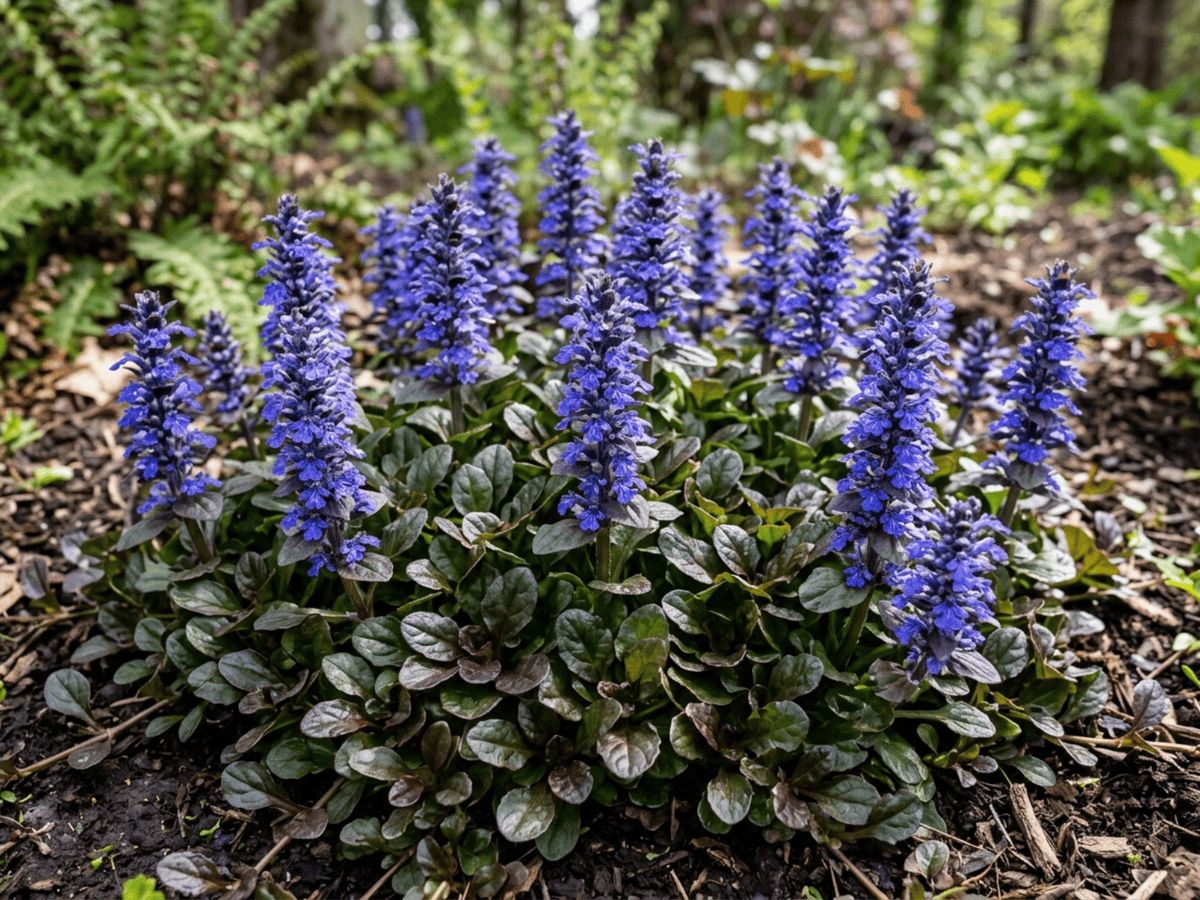 Carpet BugleAjuga reptans
Frequently asked questions
How often should I water Winged Euonymus?
In summer, water about every 10 days; in winter, about every 30 days. Adjust for heat, pot size and drainage.
How much light does Winged Euonymus need?
Part shade: 2–4 hrs direct. Watch the leaves — scorching or stretching means the light needs adjusting.
Is Winged Euonymus toxic to cats or dogs?
Pets Moderate (Dogs Moderate · Cats Moderate) Educational information, not medical or veterinary advice. If exposure is suspected, contact a doctor or veterinarian.
Is Winged Euonymus easy to grow?
Yes — it is considered an easy, beginner-friendly plant.
When does Winged Euonymus bloom?
It typically blooms May in the Northern Hemisphere.
YardMate
Identify any plant in seconds
Snap a photo — YardMate names the plant, diagnoses problems, and reminds you when to water.
Download on the App Store