 YardMate

Strawberry Bush
Euonymus americanus
Easy · Beginner friendlyAbout Strawberry Bush
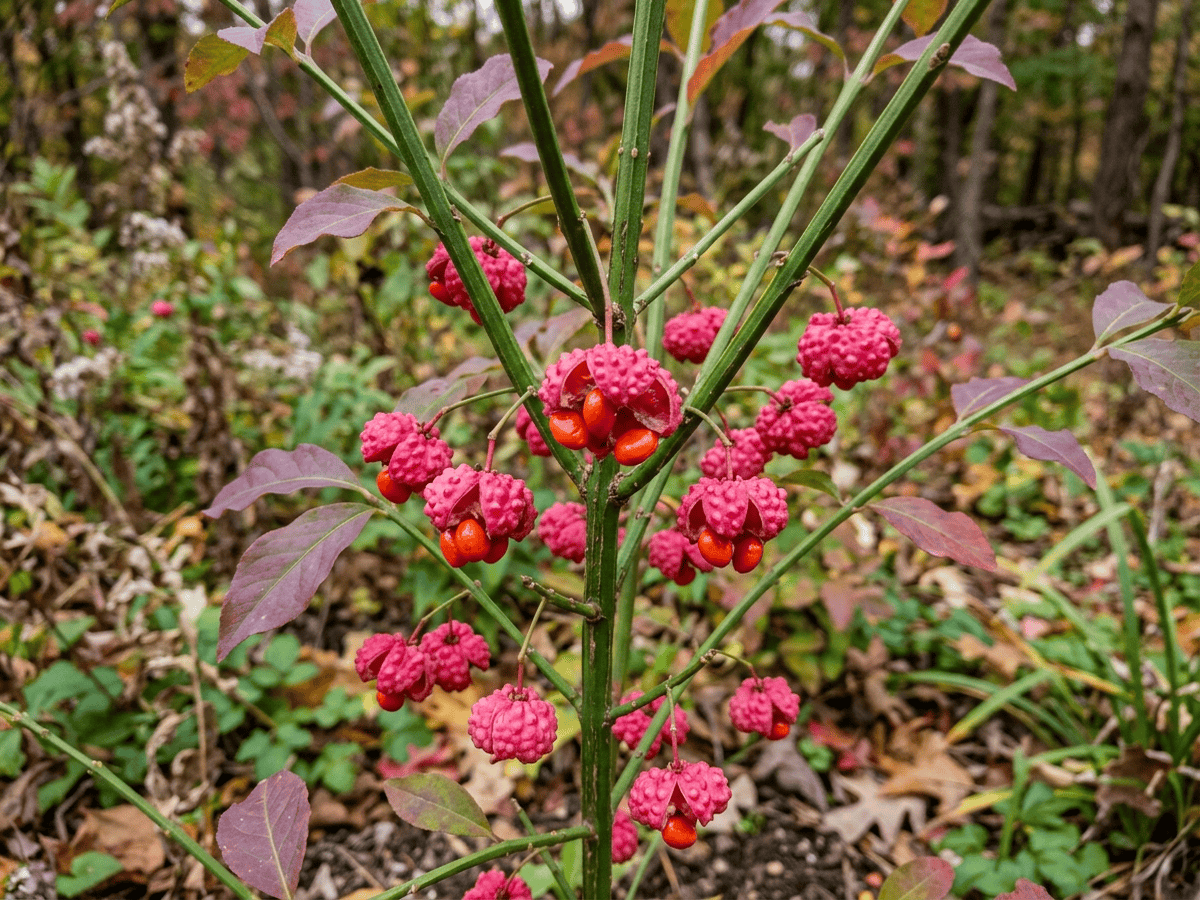
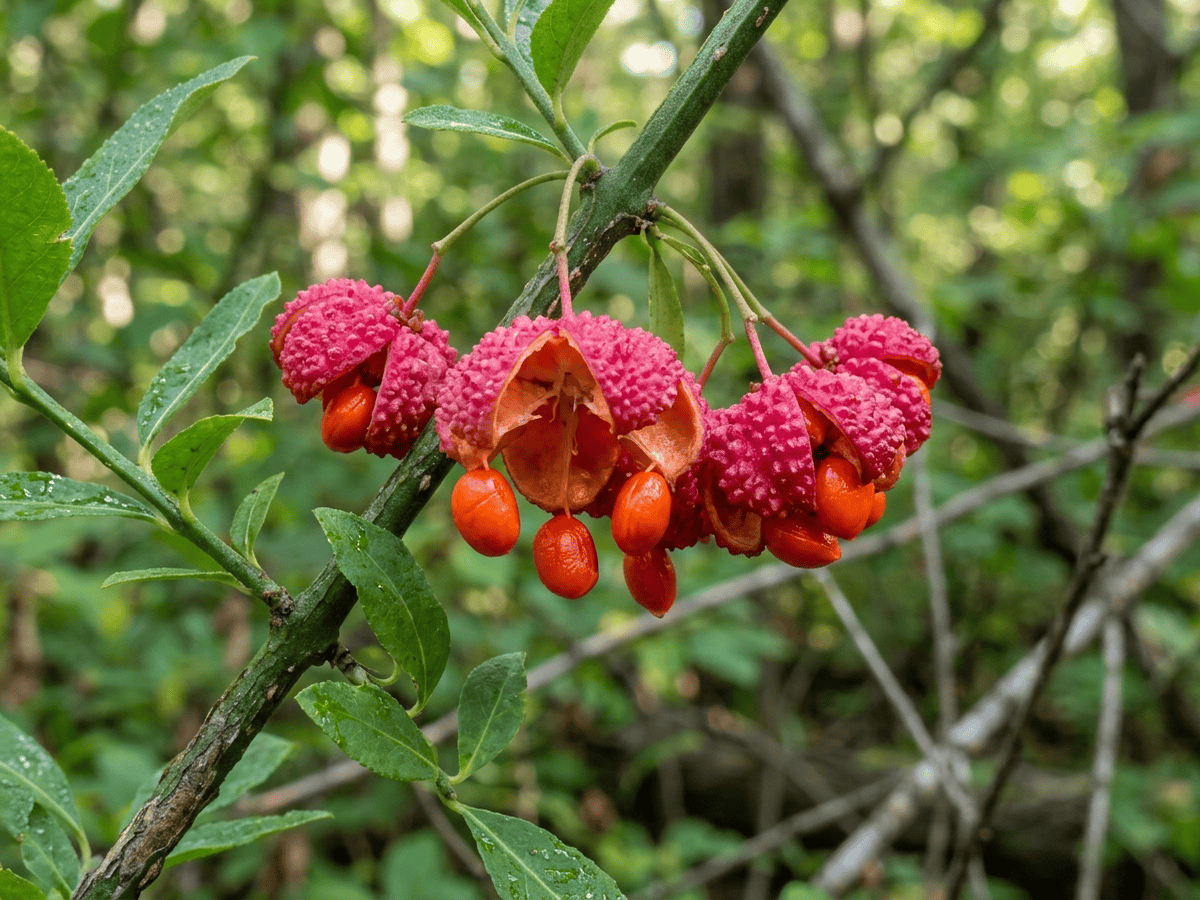
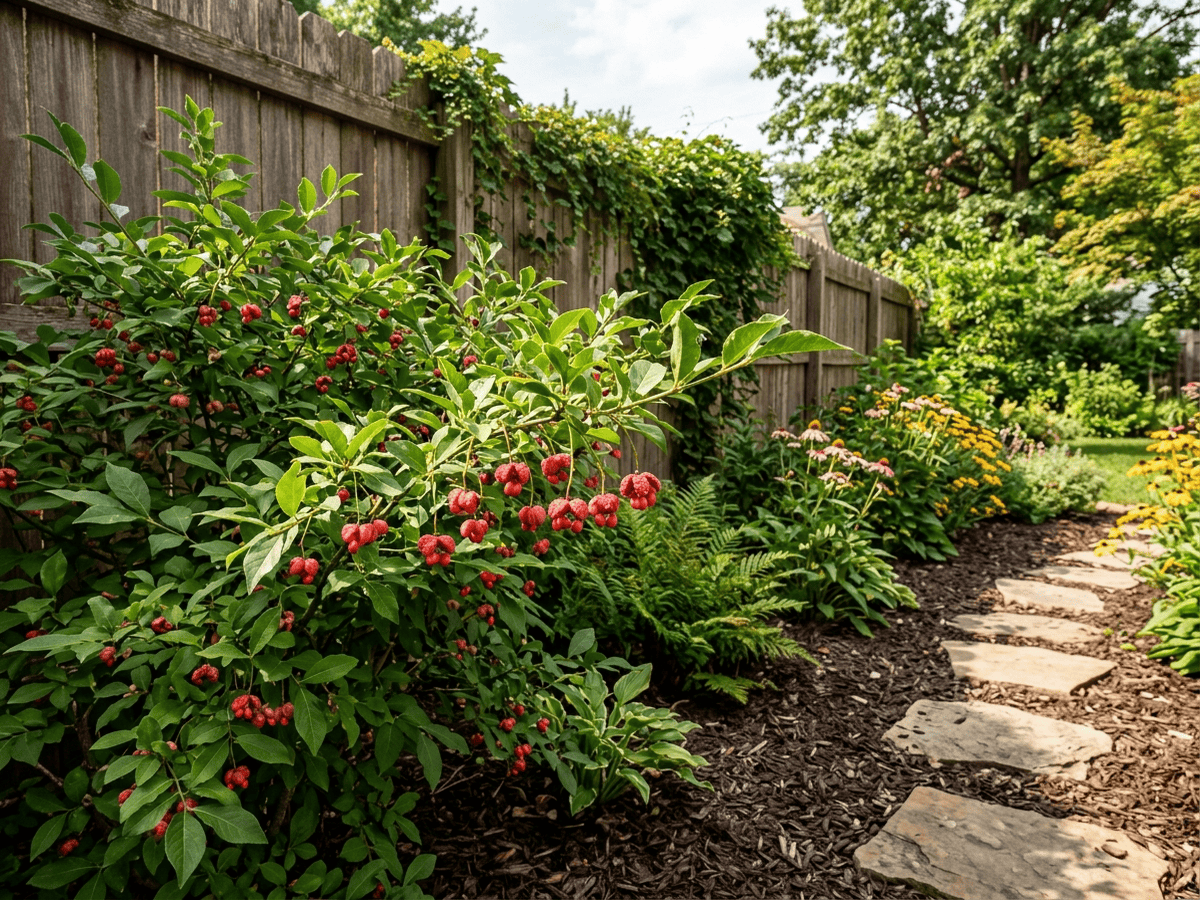
Strawberry Bush or Hearts-a-Bustin' is a deciduous native shrub of the eastern United States, growing 4-8 feet tall with slender bright green stems and small pointed leaves. Its claim to fame is the extraordinary fall fruit display: warty crimson-red capsules split open to reveal brilliant orange-red seeds, creating the appearance of tiny bursting hearts. Native from New York to Florida in moist woodlands and stream banks, it adds a uniquely American accent to native shade gardens.
- Shade-tolerant
- Native
- Wildlife-friendly
How to care for Strawberry Bush
Watering
- Springevery 5 days
- Summerevery 3 days
- Fallevery 7 days
- Winterevery 14 days
Soil · Well-draining
- Top dressingPine bark mulch10%
- Main mixPotting soil + perlite 2:170%
- DrainageLECA / gravel20%
Never skip the drainage layer — standing water is the top cause of root rot.
FERTILIZER
Balanced Feed 14-14-14
An even feed covers all three needs at once, keeping leaves, roots and blooms moving together with nothing pushed out of balance.
- Nitrogen · Leaves
- Phosphorus · Roots + Blooms
- Potassium · Strength
- Springevery 30 days
At a Glance
- NativeNorth America
- Height4–8 ft (1.2–2.4 m)
- Spread3–6 ft (0.9–1.8 m)
- Flower colorGreen, Yellow
- Foliage colorGreen, Red, Yellow
- Fruit colorRed, Orange
- SoilLoamy, Moisture-retentive, Well-drained
- LocationsYard
Bloom time
BLOOM CYCLE
Peak bloom
May–Jun
Small greenish-pink flowers May to June; inconspicuous
Toxicity
Humans Moderate · Pets Moderate
cardiac glycosides
Moderate
- Fruit
- Seed
- Leaf
- Ingestion
EXPOSURE Eating fruit, seeds, and leaves.
EFFECT Vomiting, diarrhea, cardiac glycoside risk.
NOTE Documented concern for humans: Vomiting, diarrhea, cardiac glycoside risk.
Moderate
- Fruit
- Leaf
- Ingestion
EXPOSURE Eating fruit and leaves.
EFFECT Vomiting, diarrhea, weakness.
NOTE ASPCA toxic. Bright arillate seeds tempting to children.
Moderate
- Fruit
- Leaf
- Ingestion
EXPOSURE Eating fruit and leaves.
EFFECT Vomiting, diarrhea, weakness.
NOTE ASPCA toxic. Bright arillate seeds tempting to children.
Educational information, not medical or veterinary advice. If exposure is suspected, contact a doctor or veterinarian.
DISTRIBUTION


- Native
- North America
History
Euonymus americanus is native to the eastern United States from New York south through Florida and west to Texas, typically in moist rich woodlands and along streams. Linnaeus described the species in Species Plantarum (1753). The species is unusual among American Euonymus in being deciduous with distinctly green winter stems—giving it the alternate common name brook euonymus.
Inconspicuous greenish-yellow flowers in late spring are followed by the species' remarkable autumn show: warty pink-red capsules splitting open to reveal bright orange-red fleshy arillate seeds, creating the celebrated strawberry bush effect that inspired the poetic southern common name hearts-a-bustin'-with-love (sometimes shortened to hearts-a-bustin'). The species is such a favorite browse of white-tailed deer that it serves as an indicator of deer-overbrowsing pressure in eastern forests—where deer populations have grown, strawberry bush populations have collapsed. Fall foliage is dusty rose to scarlet.
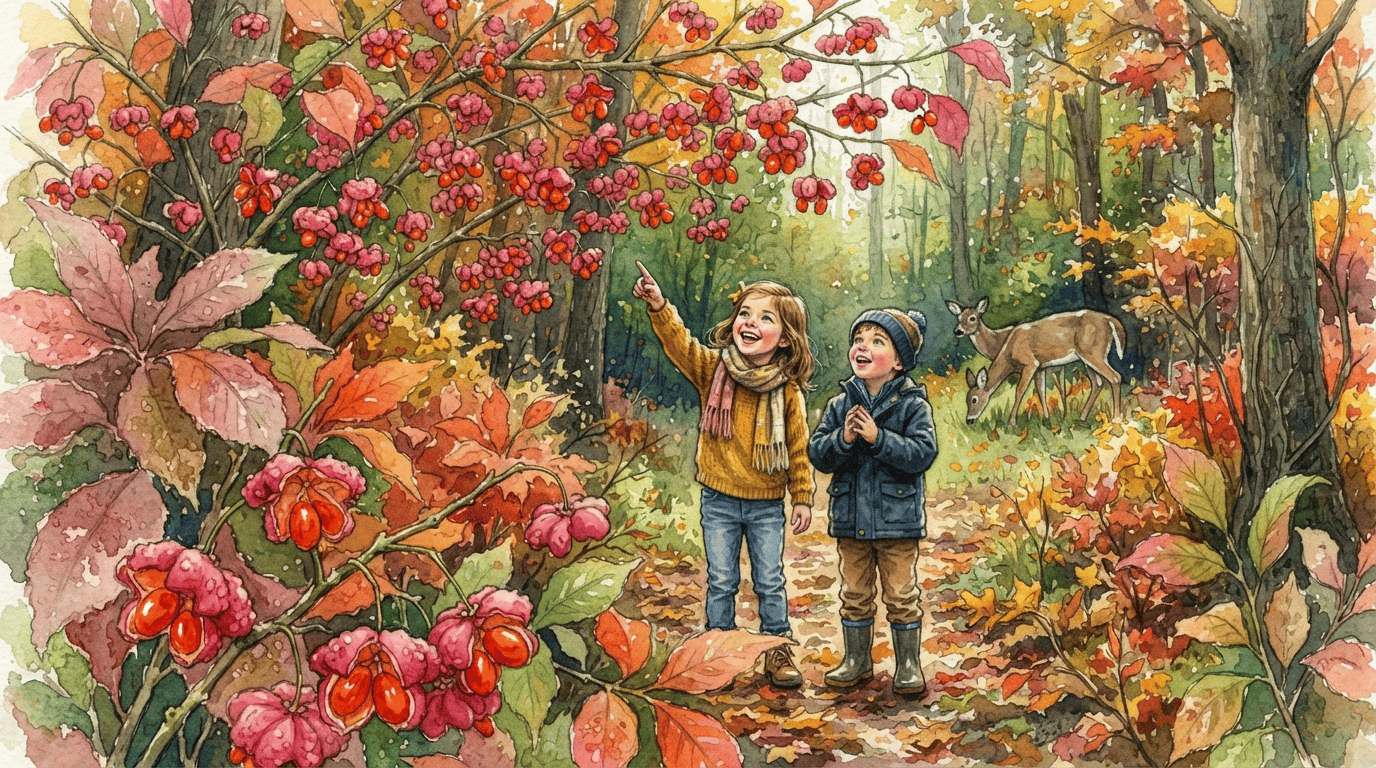
Valued in native-plant gardening despite browsing challenges. Called 'hearts-a-bustin' in the rural American South for the way the warty red capsules burst open to reveal orange seeds—a sight that delights children and adults alike. Deer browse it heavily, earning it another common name 'deer candy.' Native Americans used the bark as a laxative and a tea from the seeds as eye drops.
Symbolism & meaning
What It Symbolizes
Strawberry Bush splits open its hot-pink seed capsules in autumn to reveal scarlet seeds, a visual flourish that has earned it the meaning of joy, hearts overflowing with delight. Another layer is discovery, the reward of an attentive woodland walker who notices its hidden, almost theatrical fruit. In the southeastern forest it is the quiet companion plant that suddenly turns extravagant, asking only that someone slow down enough on the trail to look.
- Joy — bursting fruit capsules evoke hearts overflowing with delight
- Discovery — hidden woodland beauty that rewards the attentive observer
Where the Name Comes From
'Americanus' refers to its North American origin.
Uses & Fun Facts
- Pink capsules with red seeds feed thrushes and finches
- Hearts-a-bustin' fruits crack open for autumn drama
Related plants
More Euonymus plants
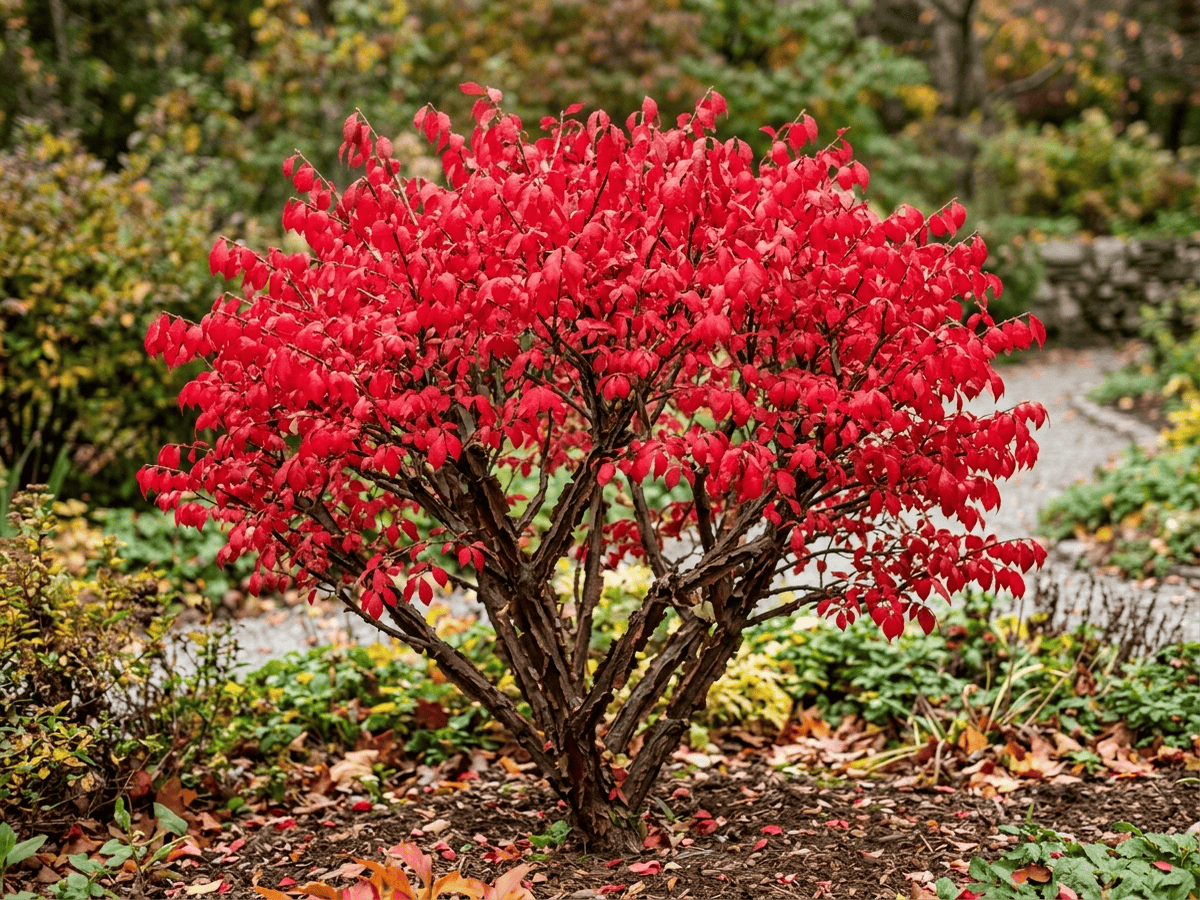 Winged EuonymusEuonymus alatus
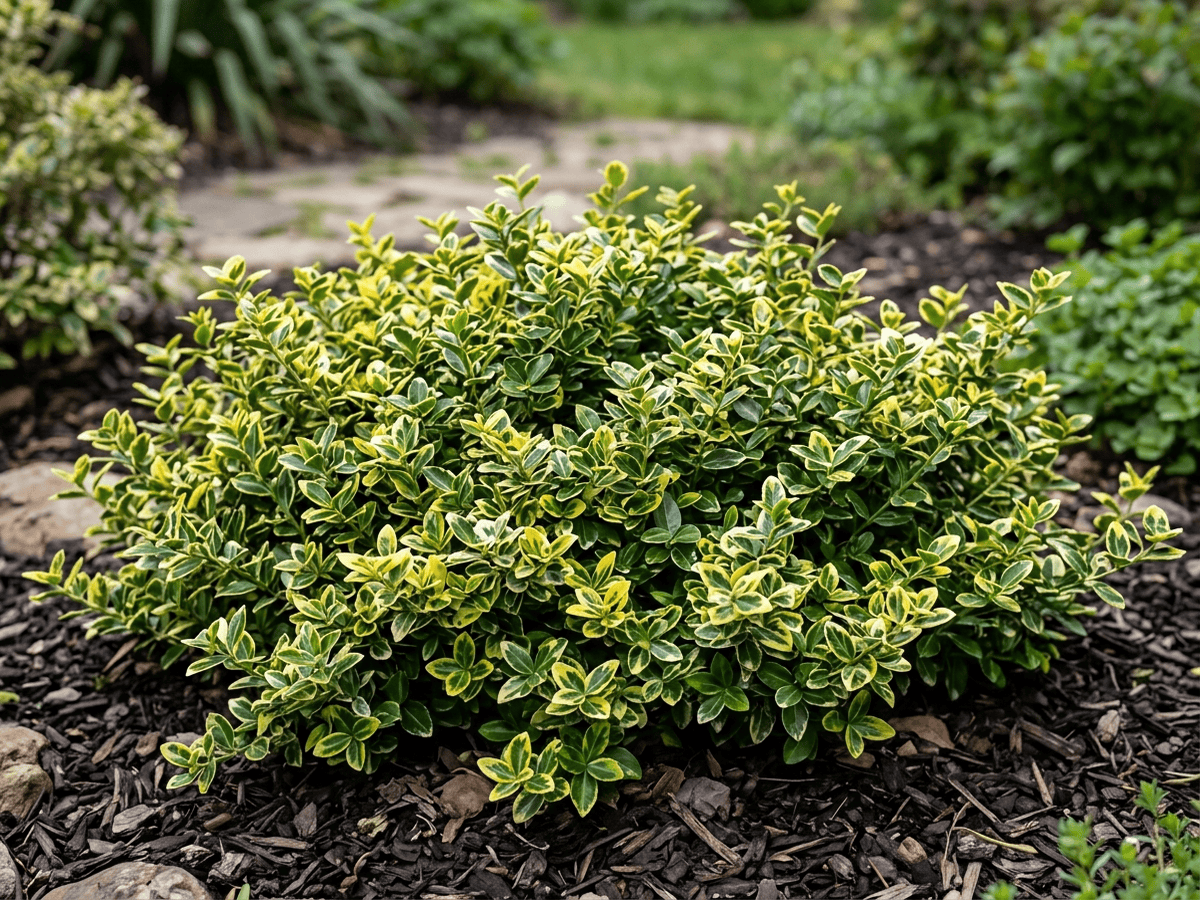 Fortune's SpindleEuonymus fortunei
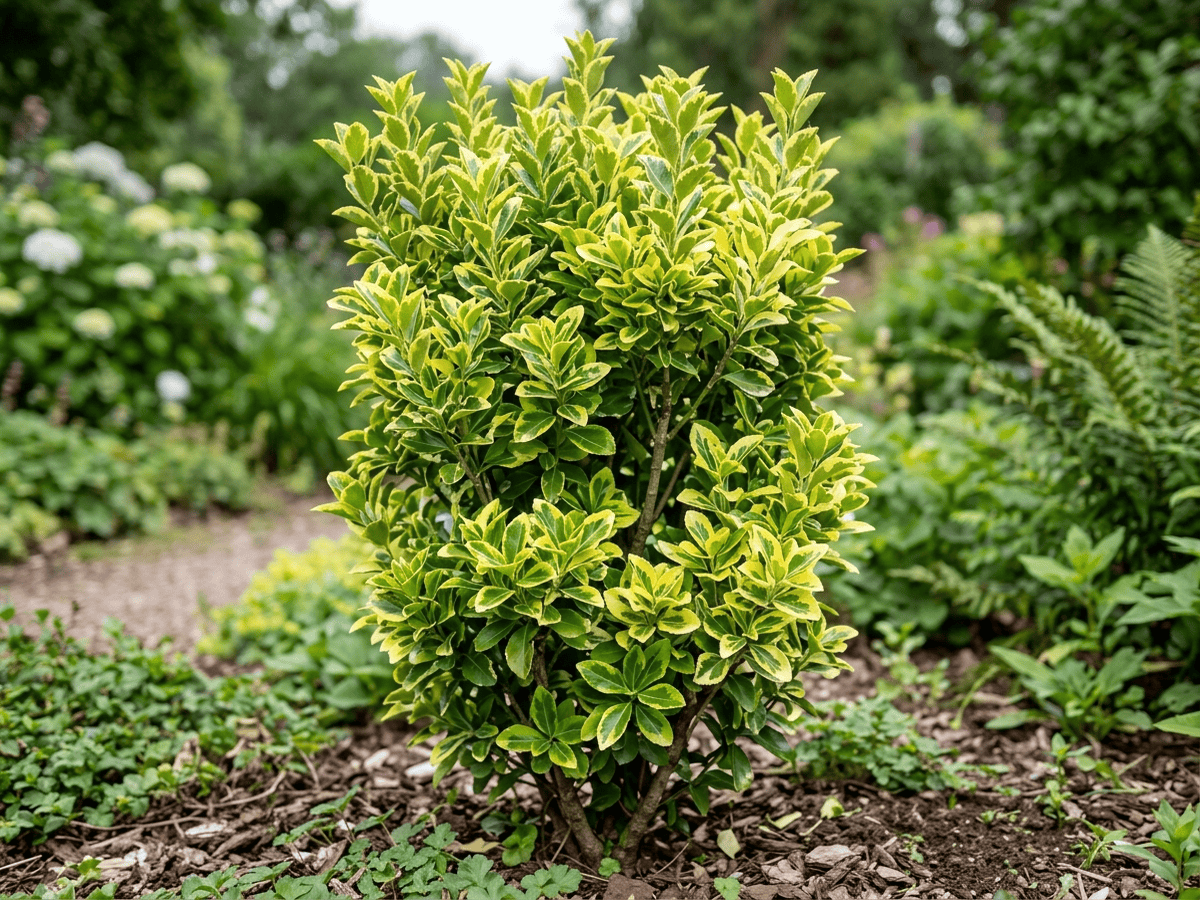 Japanese Spindle TreeEuonymus japonicus
Plants with similar care
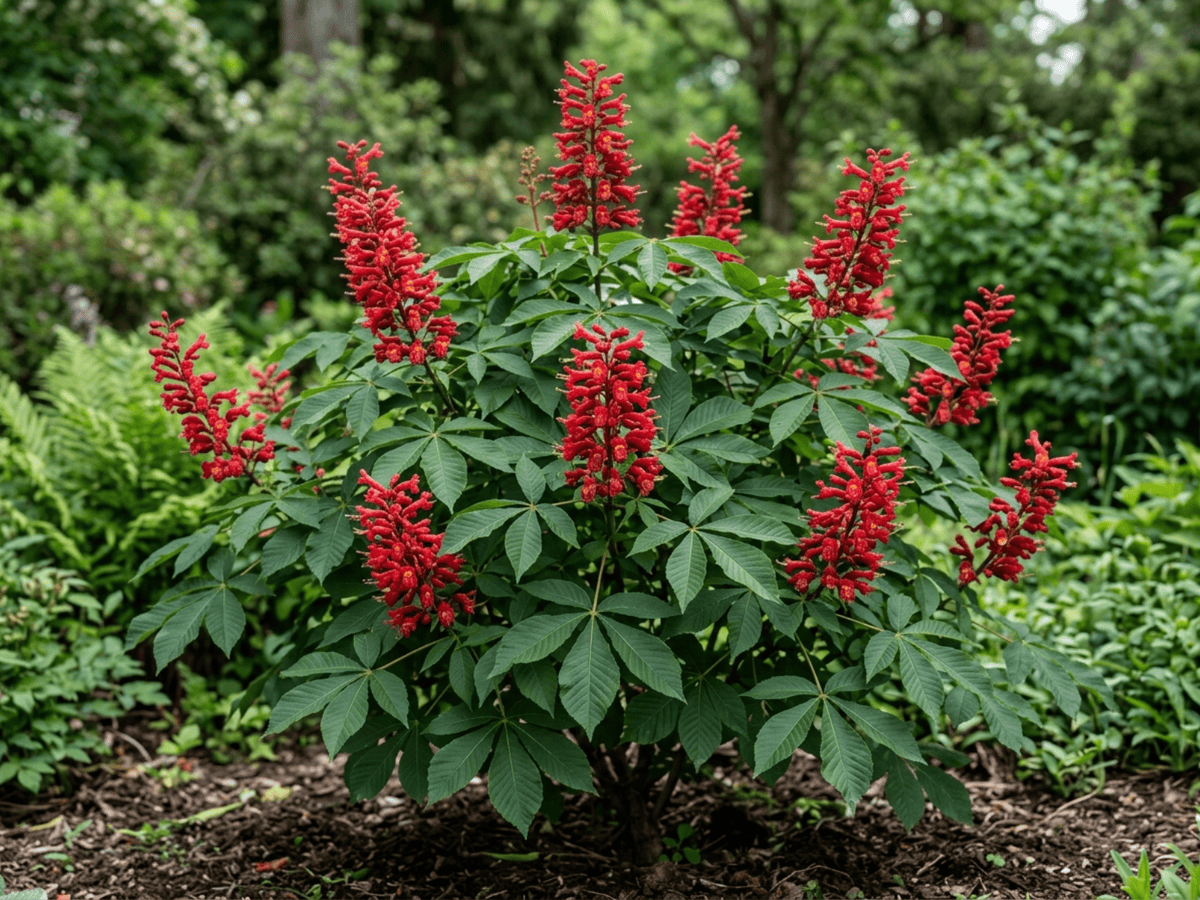 Red BuckeyeAesculus pavia
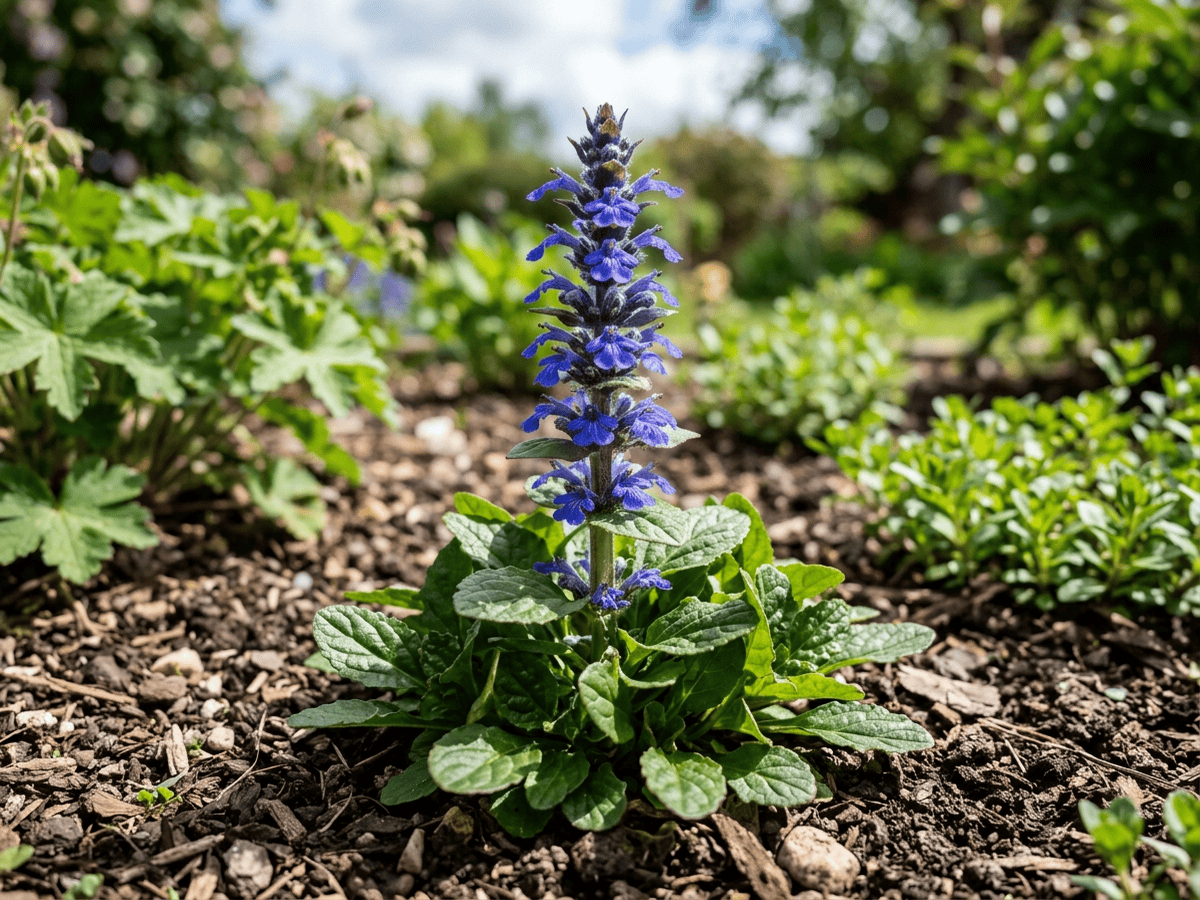 Blue BugleAjuga genevensis
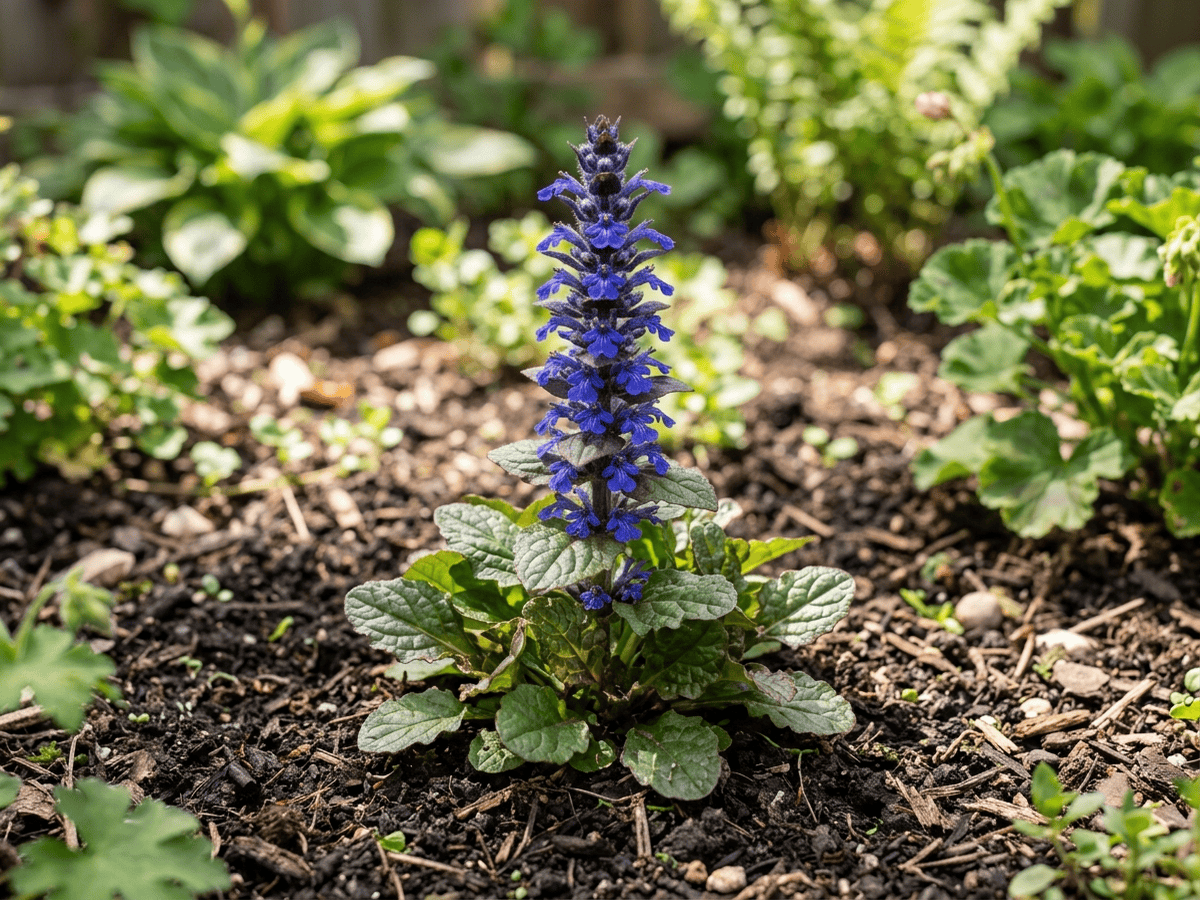 Pyramidal BugleAjuga pyramidalis
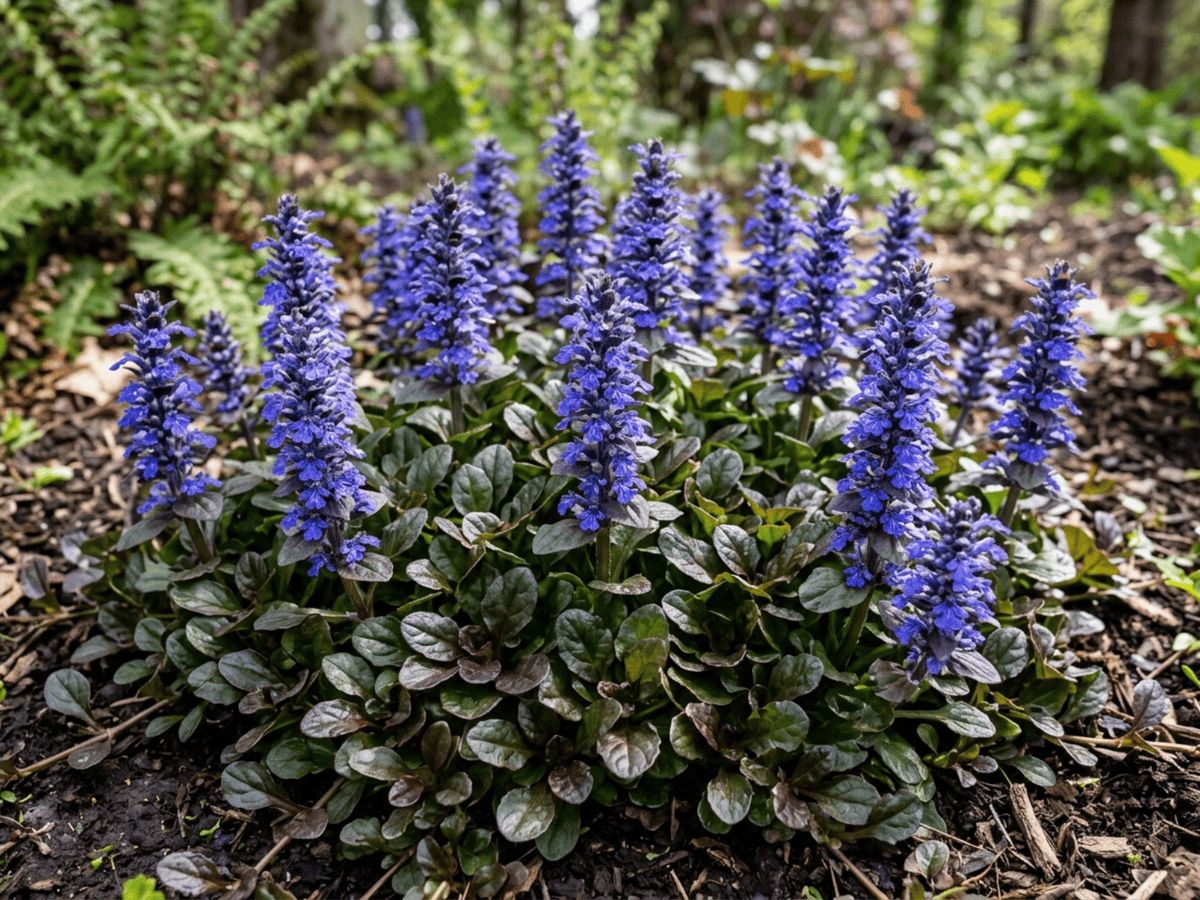 Carpet BugleAjuga reptans
Frequently asked questions
How often should I water Strawberry Bush?
In summer, water about every 3 days; in winter, about every 14 days. Adjust for heat, pot size and drainage.
How much light does Strawberry Bush need?
Part shade: 2–4 hrs direct. Watch the leaves — scorching or stretching means the light needs adjusting.
Is Strawberry Bush toxic to cats or dogs?
Pets Moderate (Dogs Moderate · Cats Moderate) Educational information, not medical or veterinary advice. If exposure is suspected, contact a doctor or veterinarian.
Is Strawberry Bush easy to grow?
Yes — it is considered an easy, beginner-friendly plant.
When does Strawberry Bush bloom?
It typically blooms May–Jun in the Northern Hemisphere.
YardMate
Identify any plant in seconds
Snap a photo — YardMate names the plant, diagnoses problems, and reminds you when to water.
Download on the App Store