 YardMate

Fortune's Spindle
Euonymus fortunei
Easy · Beginner friendlyAbout Fortune's Spindle
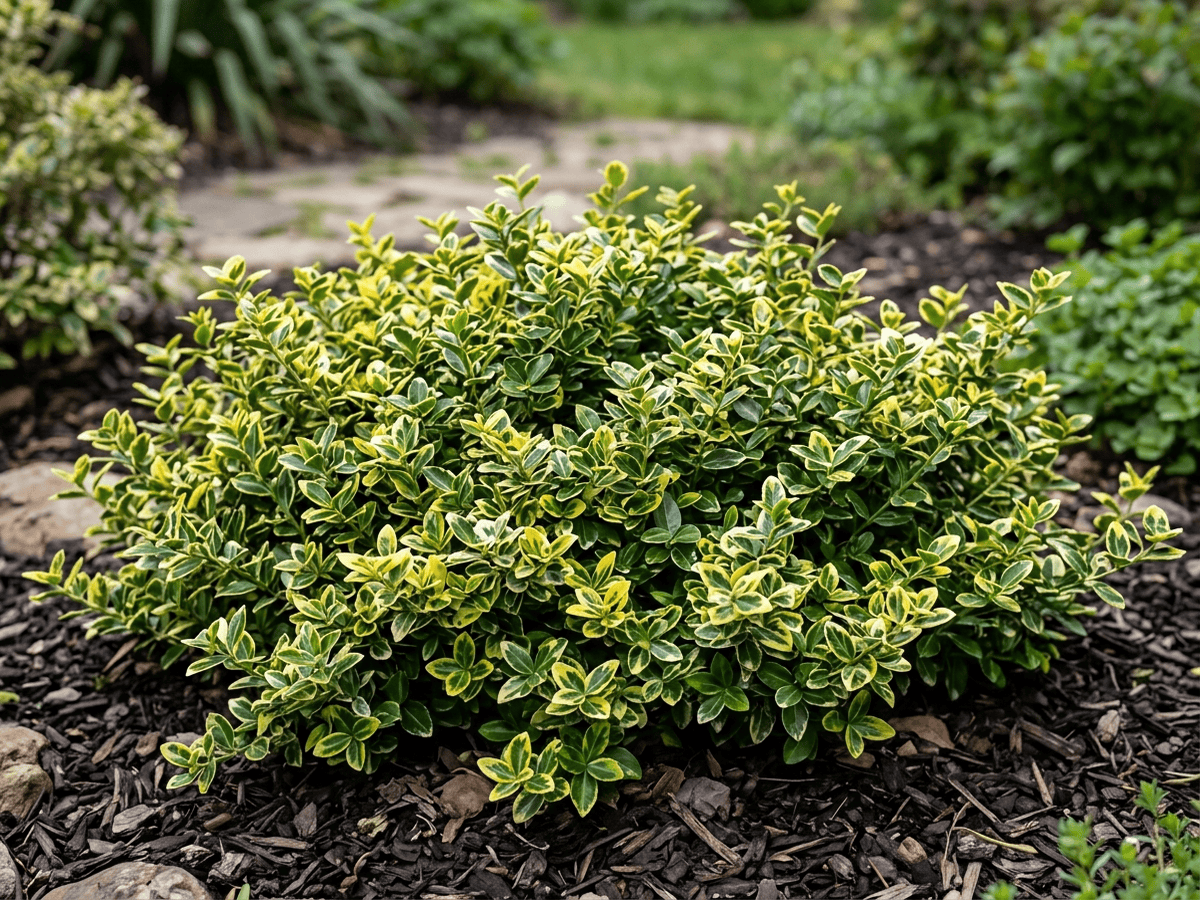
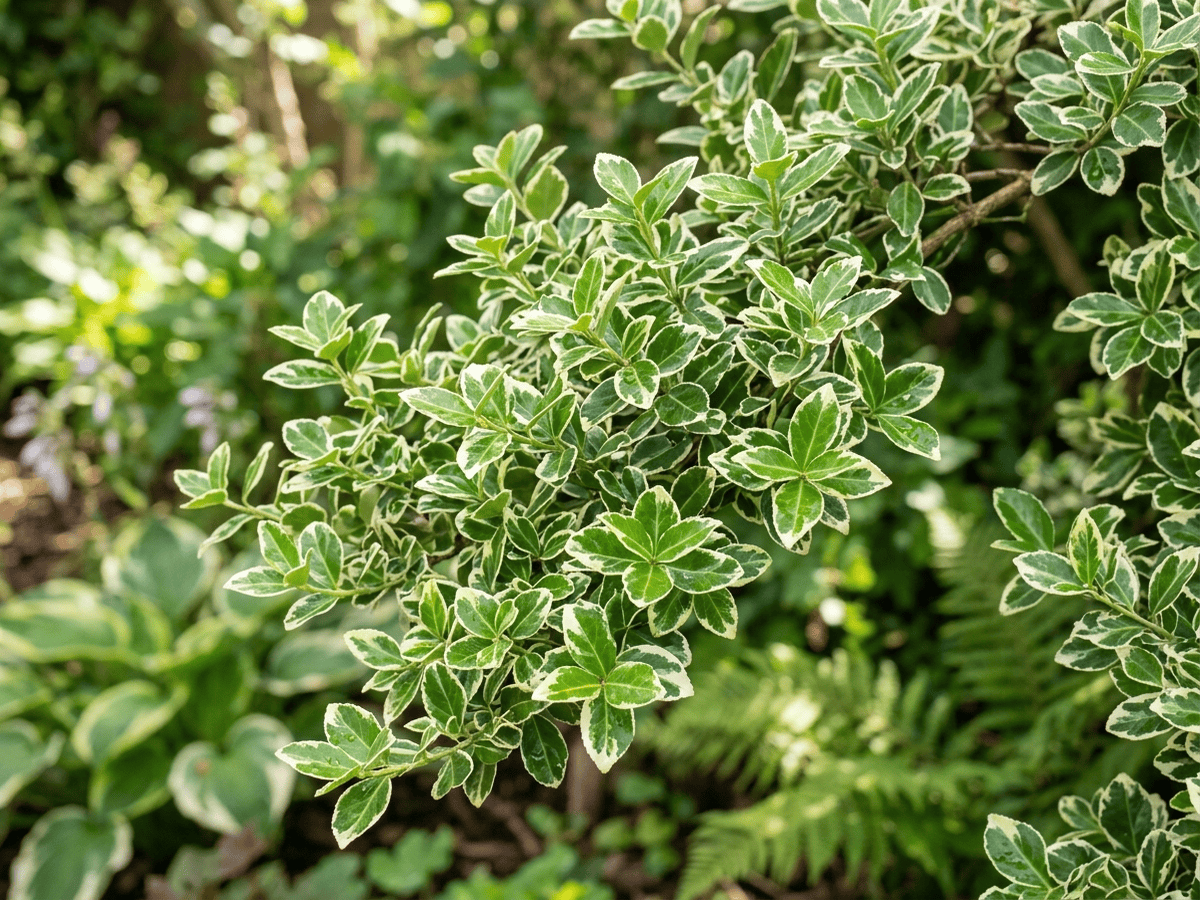
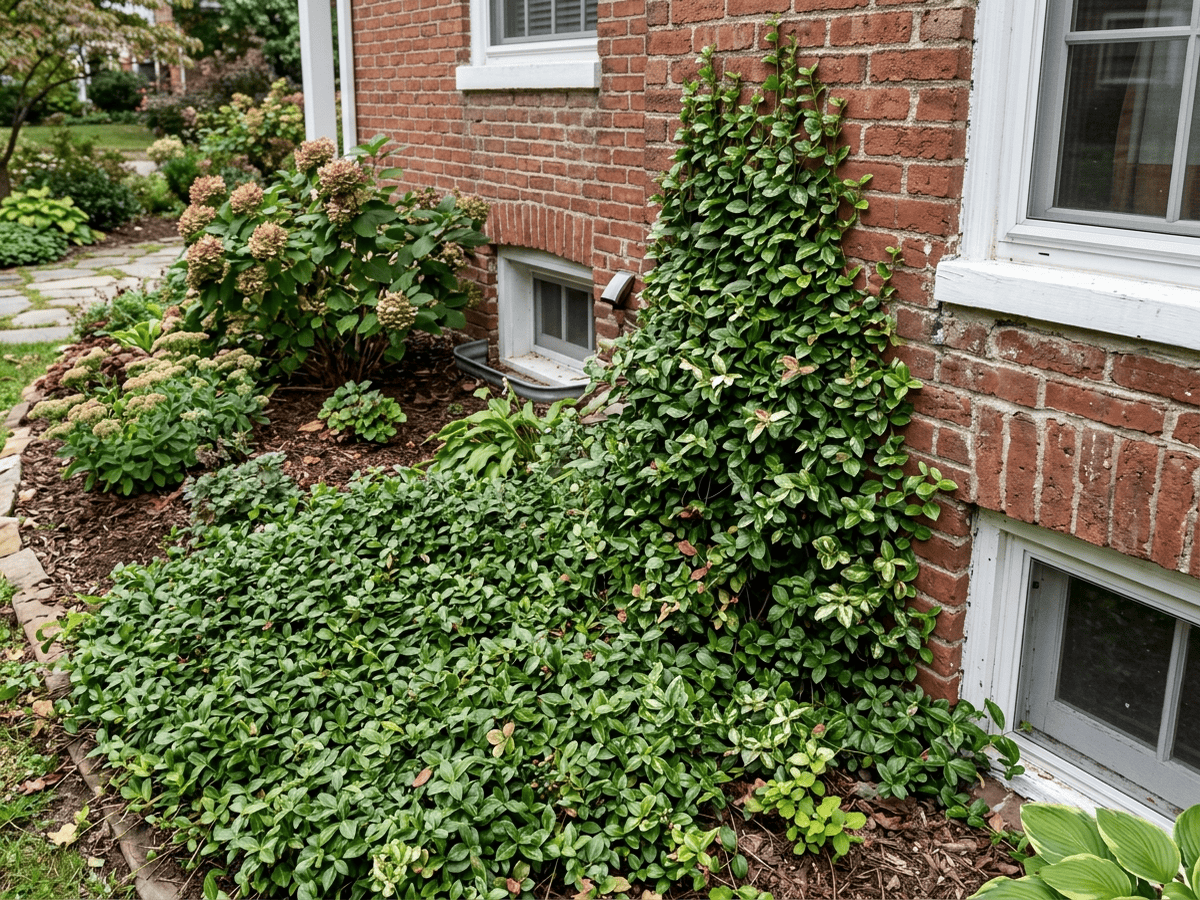
Wintercreeper is a versatile evergreen vine or groundcover from China, growing as a trailing mat, a climbing vine to 40 feet, or a mounding shrub depending on support. The glossy dark green leaves are available in numerous variegated cultivars—'Emerald Gaiety' (white-edged), 'Emerald 'n' Gold' (gold-edged), and 'Coloratus' (purple winter color) are landscape staples. Extremely adaptable and cold-hardy to Zone 4, it tolerates sun, shade, poor soil, and urban pollution.
- Cold-hardy
- Shade-tolerant
- Evergreen
How to care for Fortune's Spindle
Watering
- Springevery 7 days
- Summerevery 5 days
- Fallevery 10 days
- Winterevery 21 days
Soil · Well-draining
- Top dressingPine bark mulch10%
- Main mixPotting soil + perlite 2:170%
- DrainageLECA / gravel20%
Never skip the drainage layer — standing water is the top cause of root rot.
FERTILIZER
Balanced Feed 14-14-14
An even feed covers all three needs at once, keeping leaves, roots and blooms moving together with nothing pushed out of balance.
- Nitrogen · Leaves
- Phosphorus · Roots + Blooms
- Potassium · Strength
- Springevery 30 days
At a Glance
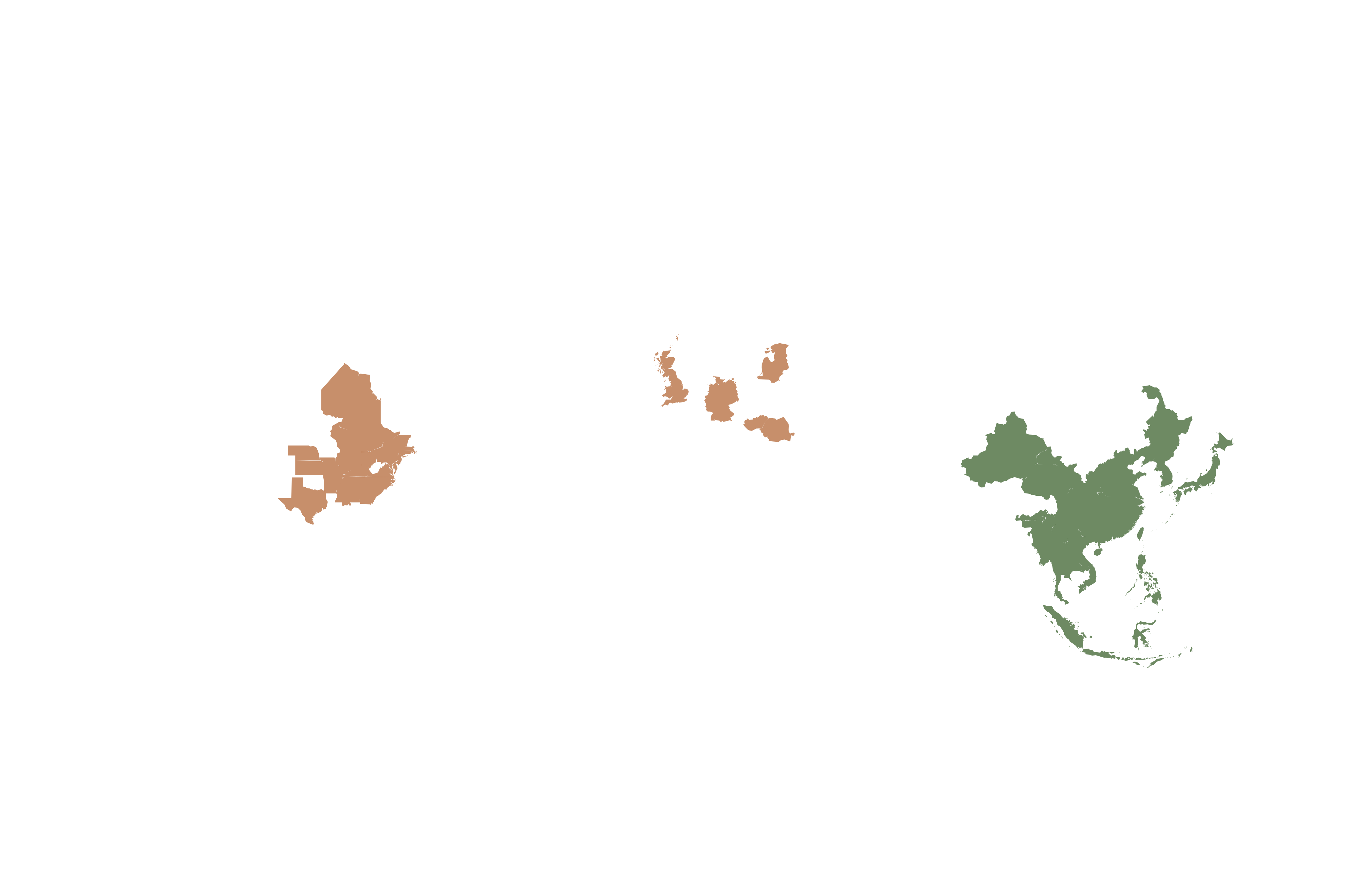
- NativeEast Asia
- Height1–2 ft (0.3–0.6 m)
- Spread3–6 ft (0.9–1.8 m)
- Flower colorWhite, Green
- Foliage colorGreen, Dark-green, Yellow, Variegated
- Fruit colorOrange, Red
- SoilLoamy, Well-drained
- LocationsYard
Bloom time
BLOOM CYCLE
Peak bloom
Jun–Aug
Inconspicuous; grown for evergreen foliage
Toxicity
Humans Moderate · Pets Moderate
evonoside and cardiac glycosides (low concentration)
Moderate
- Leaf
- Fruit
- Seed
- Ingestion
EXPOSURE Eating leaves, fruit, and seeds.
EFFECT GI upset, diarrhea; cardiac glycoside risk at high doses.
NOTE Documented concern for humans: GI upset, diarrhea; cardiac glycoside risk at high doses.
Moderate
- Leaf
- Fruit
- Ingestion
EXPOSURE Eating leaves and fruit.
EFFECT Vomiting, diarrhea, weakness.
NOTE ASPCA lists Euonymus as toxic to dogs, cats, and horses.
Moderate
- Leaf
- Fruit
- Ingestion
EXPOSURE Eating leaves and fruit.
EFFECT Vomiting, diarrhea, weakness.
NOTE ASPCA lists Euonymus as toxic to dogs, cats, and horses.
Educational information, not medical or veterinary advice. If exposure is suspected, contact a doctor or veterinarian.
DISTRIBUTION

- Native
- Introduced
- East Asia
History

Euonymus fortunei is native to China, Korea, Japan, and the Philippines. Russian botanist Nikolai Turczaninow formally described the species in 1863, naming it for Scottish plant collector Robert Fortune, who had introduced the plant to the West from China in the 1860s. The species is remarkably variable in habit: young plants are low, trailing, and non-flowering; mature plants develop aerial rootlets that allow them to climb trees or walls by 15+ meters (var. radicans, climbing form); and aged climbing plants can produce upright free-standing shrubby growth with flowers and fruit (f.
carrierei). Many variegated cultivars introduced from the 1930s onward—'Emerald 'n Gold', 'Emerald Gaiety', 'Moonshadow', 'Sunspot', 'Coloratus' (purple winter color), 'Silver Queen'—made it enormously popular as a tough evergreen groundcover through the mid- and late 20th century. However, in the eastern United States the species has escaped cultivation to become a serious invasive species, smothering native plants and climbing forest trees.
It is now banned or listed as invasive in many states and should be replaced with native alternatives for new plantings. Named after Robert Fortune (1812–1880), the Scottish plant hunter who introduced tea cultivation from China to India. Introduced to the West in 1907 by Ernest Wilson. The cultivar 'Coloratus' was discovered growing in a gutter in Oklahoma, demonstrating the species' remarkable tenacity. Check local invasive species lists before planting.
Symbolism & meaning
What It Symbolizes
Fortune's spindle is adaptability made shrub — content as a vine climbing a wall, a groundcover blanketing a slope, or a tidy shrub in foundation plantings, it shifts form to match its conditions. Persistence is its companion virtue; it survives drought, deep shade, salt spray, and neglect with equal indifference. Its flexibility is also its weakness in some regions, where that same toughness has carried it into the wild.
- Adaptability — grows as vine, groundcover, or shrub in any condition
- Persistence — tough survivor that thrives where others fail
Where the Name Comes From
'Euonymus' comes from Greek 'eu' (good) and 'onoma' (name), an ironic good name for a dangerous genus; 'fortunei' honors Robert Fortune.
Uses & Fun Facts
- Dense evergreen growth pruned into low formal hedges and edging
- Trailing stems form weed-suppressing mats in dry shade
- Self-clinging stems scale walls, fences, and tree trunks
Related plants
More Euonymus plants
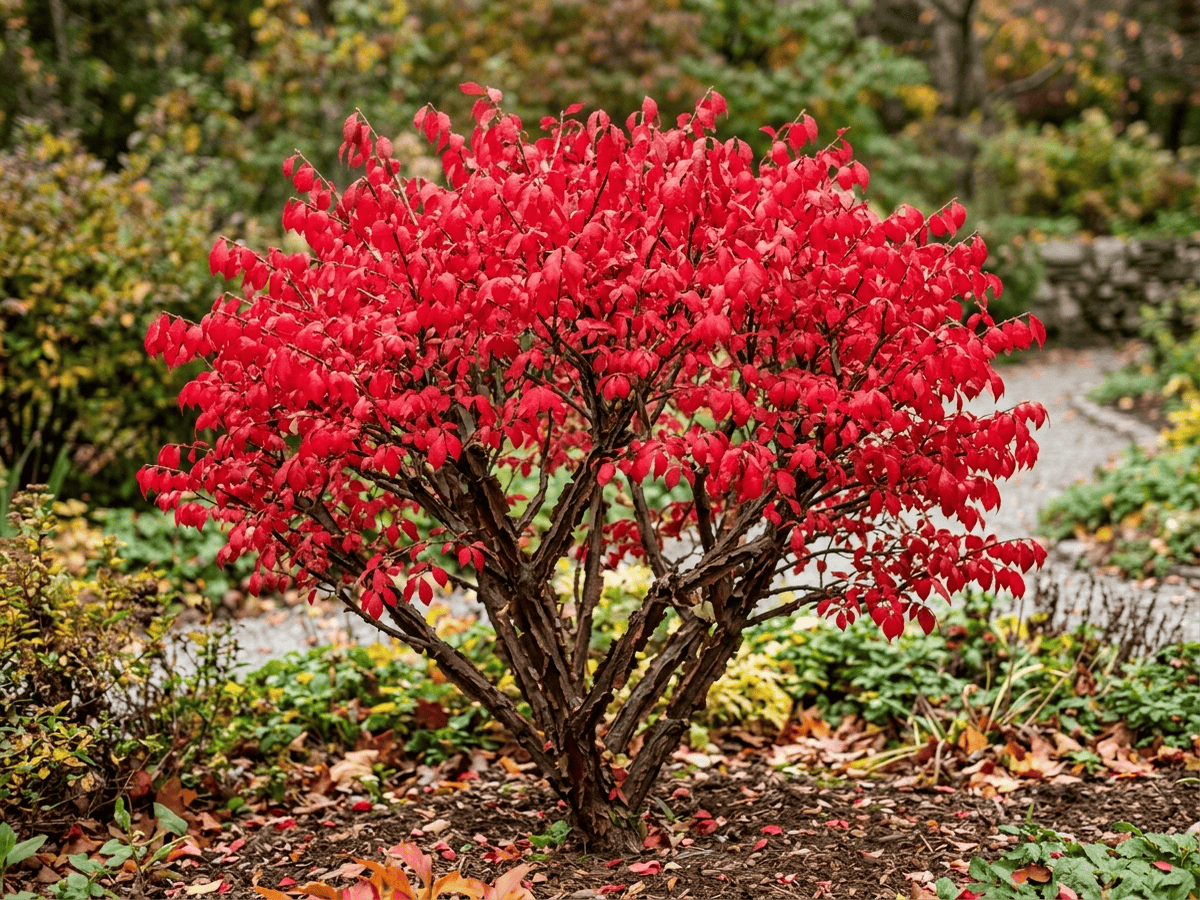 Winged EuonymusEuonymus alatus
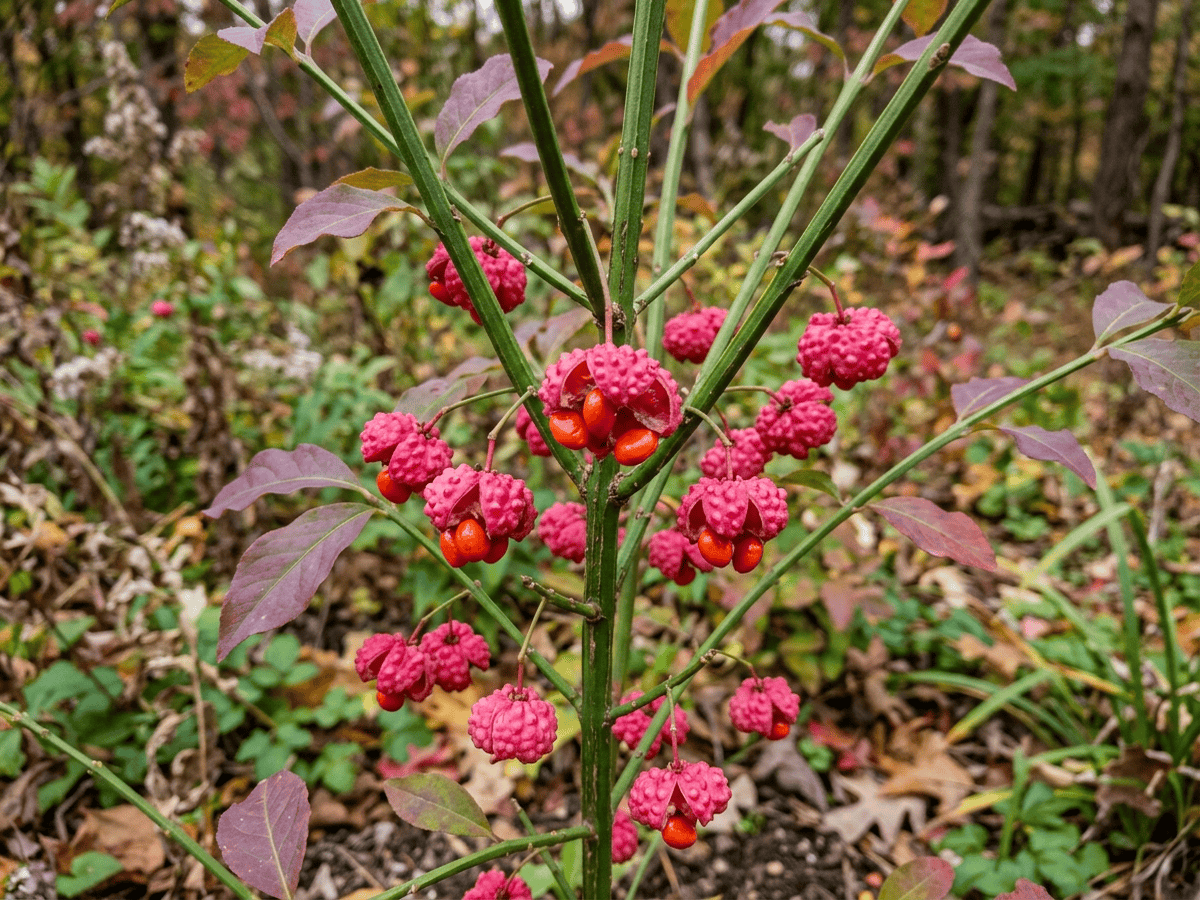 Strawberry BushEuonymus americanus
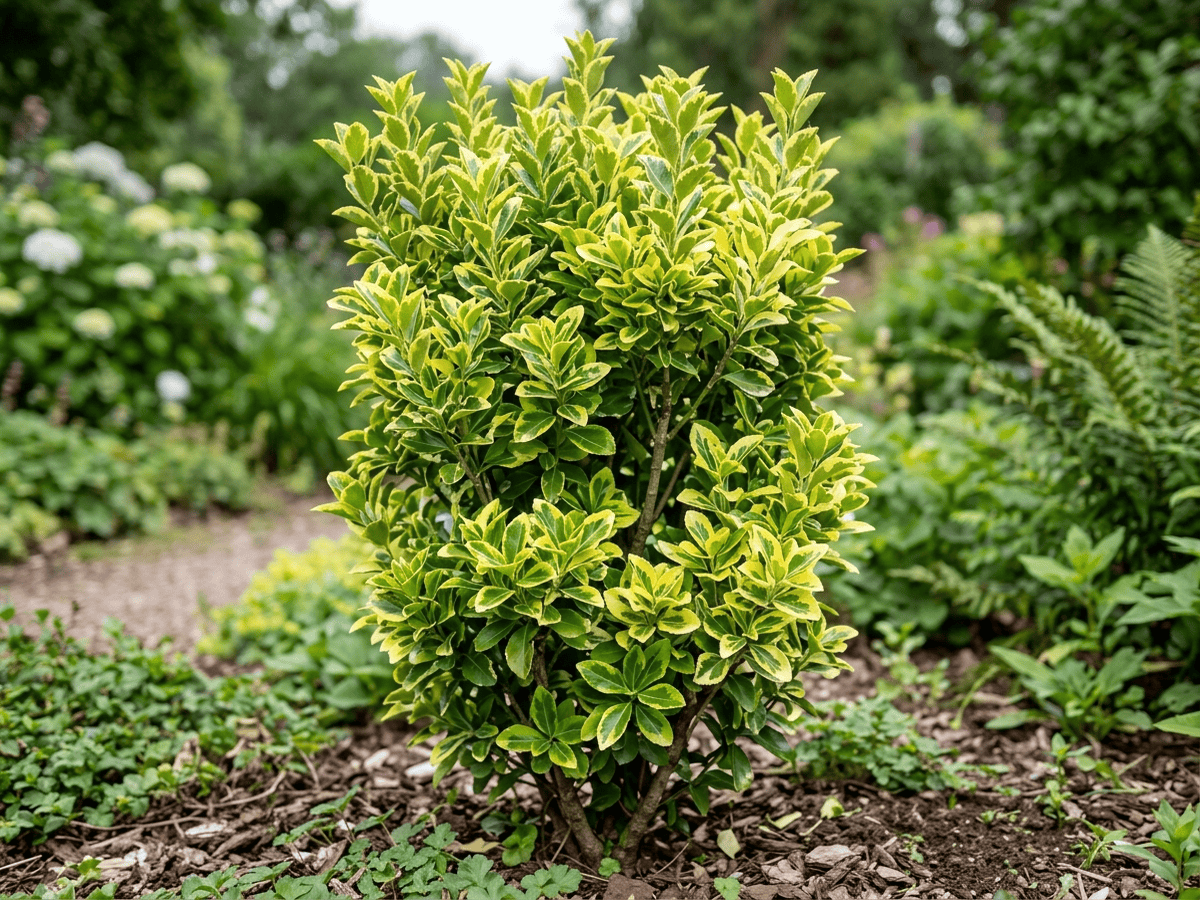 Japanese Spindle TreeEuonymus japonicus
Plants with similar care
 Chinese AbeliaAbelia chinensis
 Fragrant AbeliaAbelia mosanensis
 Large-Flowered AbeliaAbelia uniflora
 Glossy AbeliaAbelia x grandiflora
Frequently asked questions
How often should I water Fortune's Spindle?
In summer, water about every 5 days; in winter, about every 21 days. Adjust for heat, pot size and drainage.
How much light does Fortune's Spindle need?
Full sun: 6+ hrs direct. Watch the leaves — scorching or stretching means the light needs adjusting.
Is Fortune's Spindle toxic to cats or dogs?
Pets Moderate (Dogs Moderate · Cats Moderate) Educational information, not medical or veterinary advice. If exposure is suspected, contact a doctor or veterinarian.
Is Fortune's Spindle easy to grow?
Yes — it is considered an easy, beginner-friendly plant.
When does Fortune's Spindle bloom?
It typically blooms Jun–Aug in the Northern Hemisphere.
YardMate
Identify any plant in seconds
Snap a photo — YardMate names the plant, diagnoses problems, and reminds you when to water.
Download on the App Store