 YardMate


Snake's-Head Fritillary
Fritillaria meleagris
Easy · Beginner friendlyAbout Snake's-Head Fritillary
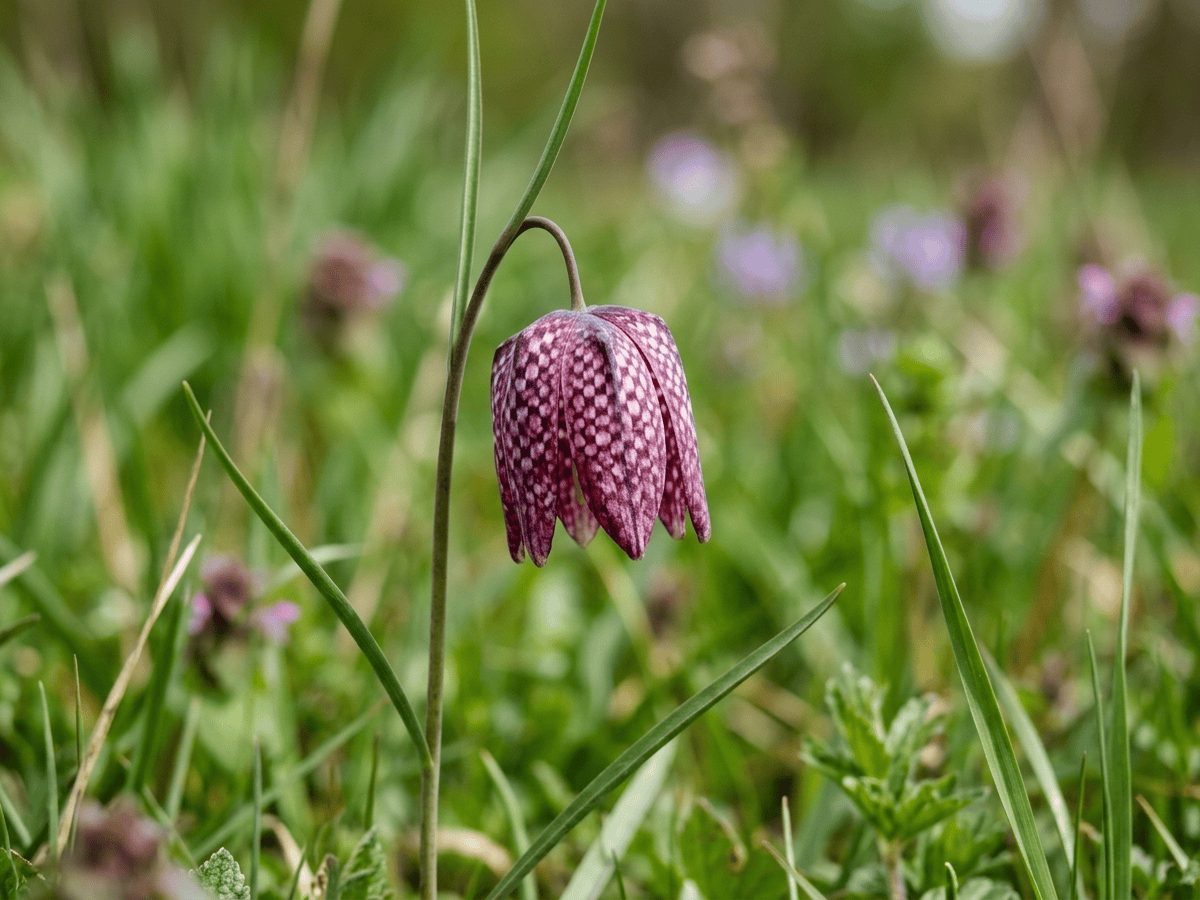
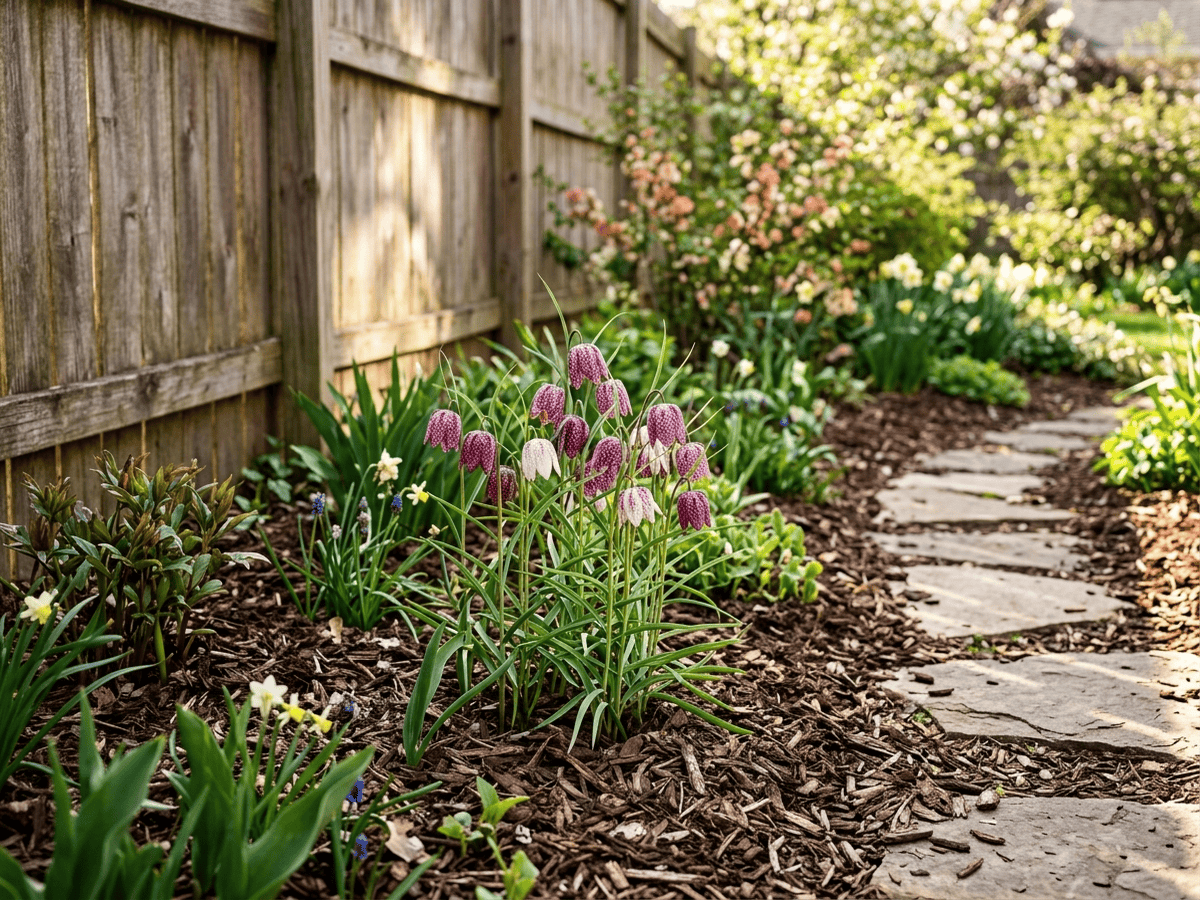
Checkered Lily or Snake's Head Fritillary is a European meadow bulb hardy in USDA zones 3-8, producing nodding bell flowers uniquely patterned in purple and white checkerboard squares in mid-spring. Growing 8 to 12 inches tall with grassy leaves, it naturalizes in damp lawns, meadows, and woodland edges. A charming collector's bulb in American shade and rock gardens, listed as near-threatened in its native European meadows.
- Deer-resistant
How to care for Snake's-Head Fritillary
Watering
- Springevery 3 days
- Summerpause watering
- Fallevery 10 days
- Winterevery 14 days
Soil · Well-draining
- Main mixLoam + coarse sand 3:175%
- DrainageGravel25%
Sharp drainage matters most — bulbs rot in wet soil while dormant.
FERTILIZER
Balanced Feed 14-14-14
An even feed covers all three needs at once, keeping leaves, roots and blooms moving together with nothing pushed out of balance.
- Nitrogen · Leaves
- Phosphorus · Roots + Blooms
- Potassium · Strength
- Fallevery 60 days
At a Glance
- NativeEurope
- Height0.5–1 ft (0.2–0.3 m)
- Spread0.5 ft (0.2 m)
- Flower colorPurple, Pink, White
- Foliage colorGreen
- SoilLoamy, Moisture-retentive
- LocationsYard
Bloom time
BLOOM CYCLE
Peak bloom
Mar–May
Checkered purple and white bells in mid-spring
Toxicity
Humans Moderate · Pets Moderate
imperialine and alkaloids
Moderate
- Bulb
- Ingestion
EXPOSURE Eating bulbs.
EFFECT Nausea and vomiting.
NOTE Bulbs contain toxic alkaloids; ingestion can cause significant GI and cardiac effects.
Moderate
- Bulb
- Ingestion
EXPOSURE Eating bulbs.
EFFECT Vomiting and diarrhea.
NOTE Bulbs contain toxic alkaloids; ingestion can cause significant GI and cardiac effects.
Moderate
- Bulb
- Ingestion
EXPOSURE Eating bulbs.
EFFECT Vomiting and diarrhea.
NOTE Bulbs contain toxic alkaloids; ingestion can cause significant GI and cardiac effects.
Educational information, not medical or veterinary advice. If exposure is suspected, contact a doctor or veterinarian.
DISTRIBUTION

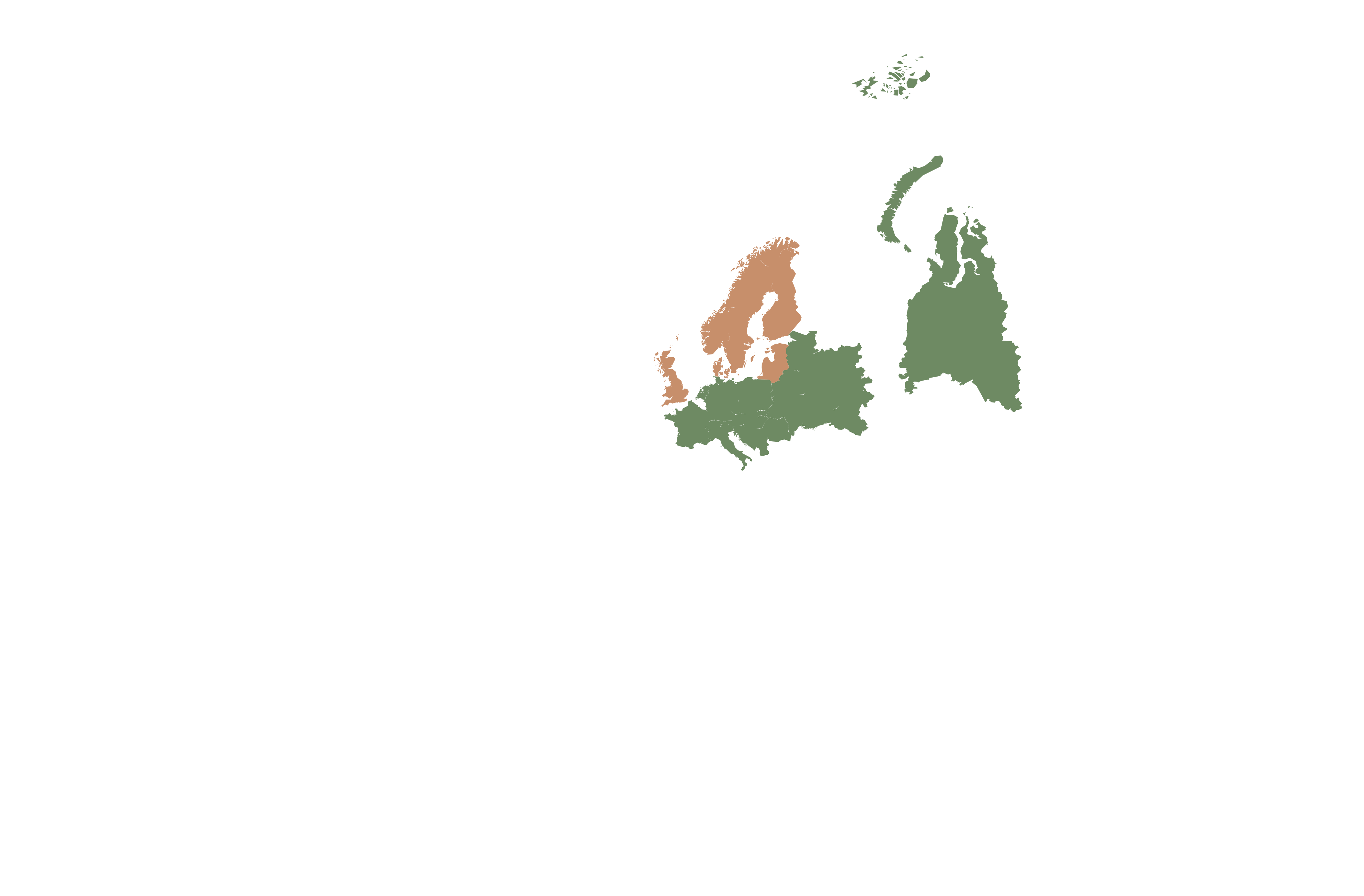
- Native
- Introduced
- Europe
History
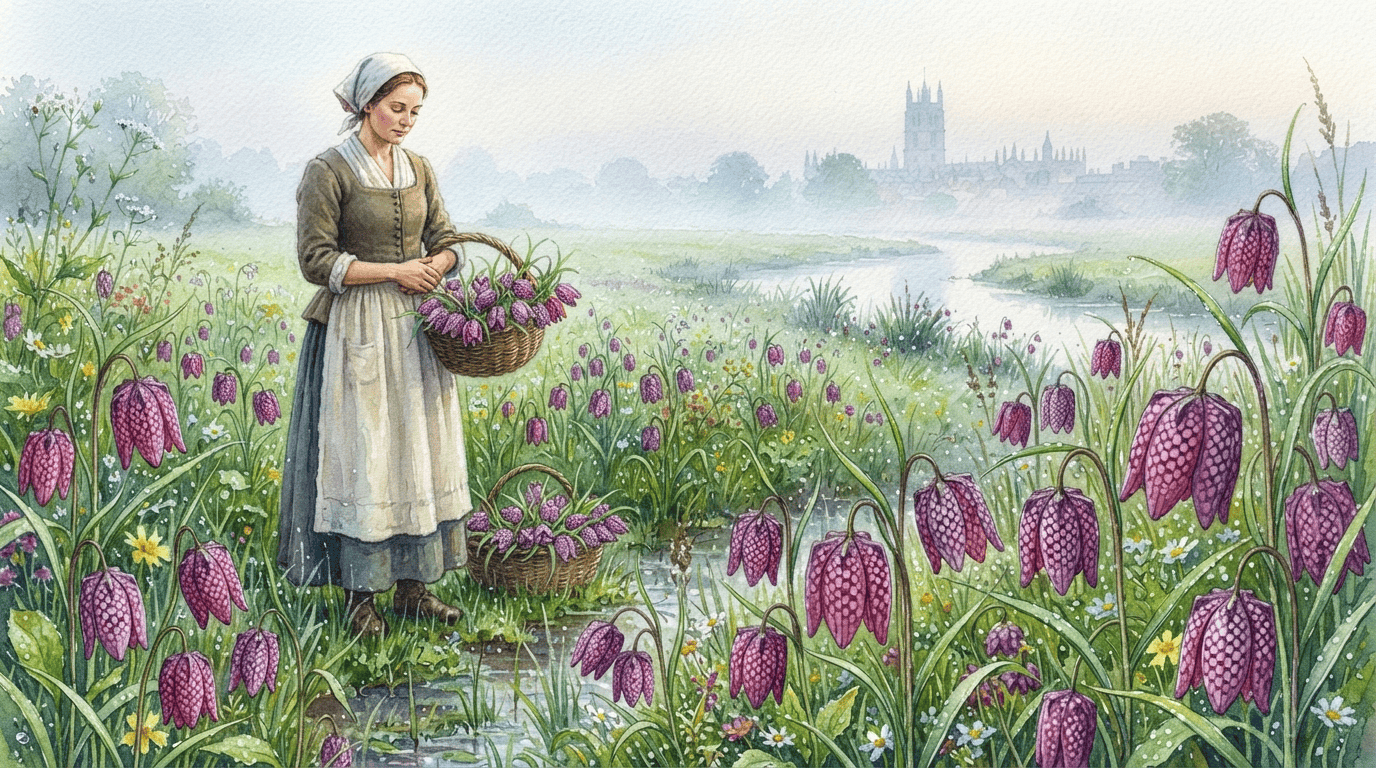
Fritillaria meleagris grows in damp floodplain meadows from England through France and Germany to the Danube valley. Linnaeus included it in Species Plantarum (1753); the epithet meleagris refers to its resemblance to the speckled plumage of a guinea fowl. It was first described in cultivation by the French herbalist Noël Capperon in 1570 after finding wild plants near Orléans.
By the 17th century it was a cottage-garden favorite in England, where it also grew wild in Thames-side meadows and has given rise to such famous populations as the Oxford Magdalen College Meadow and Cricklade's North Meadow (now an SSSI). 20th-century agricultural drainage destroyed most wild sites; it is now rare in Britain and protected. Native to European river meadows from England to Russia, cultivated since the 1500s.
Introduced to American gardens in the 1800s as a specialty bulb and embraced by 20th-century woodland gardeners. Celebrated in English literature as the county flower of Oxfordshire. Modern gardens commonly grow it as a lawn or meadow bulb; 'Alba' is a pure-white form.
Symbolism & meaning
What It Symbolizes
The Snake's-Head Fritillary suggests unique beauty — one of vanishingly few flowers in the world to carry true checkerboard patterning, its drooping bells painted in soft purple squares. Its meadow heritage anchors it to wet European meadows where its arrival once heralded spring's full bloom. To grow it is to keep alive a strange, almost otherworldly piece of vanishing pastoral landscape.
- Unique beauty — one of few truly checkered flowers
- Meadow heritage — signature flower of European wet meadows
Where the Name Comes From
'meleagris' from Latin means guinea fowl, for the checkered pattern resembling guinea fowl plumage.
Uses & Fun Facts
- Checkered purple-and-white nodding bells for damp meadow plantings
- Early nectar for emerging bumblebees in moist woodland edges
Related plants
More Fritillaria plants
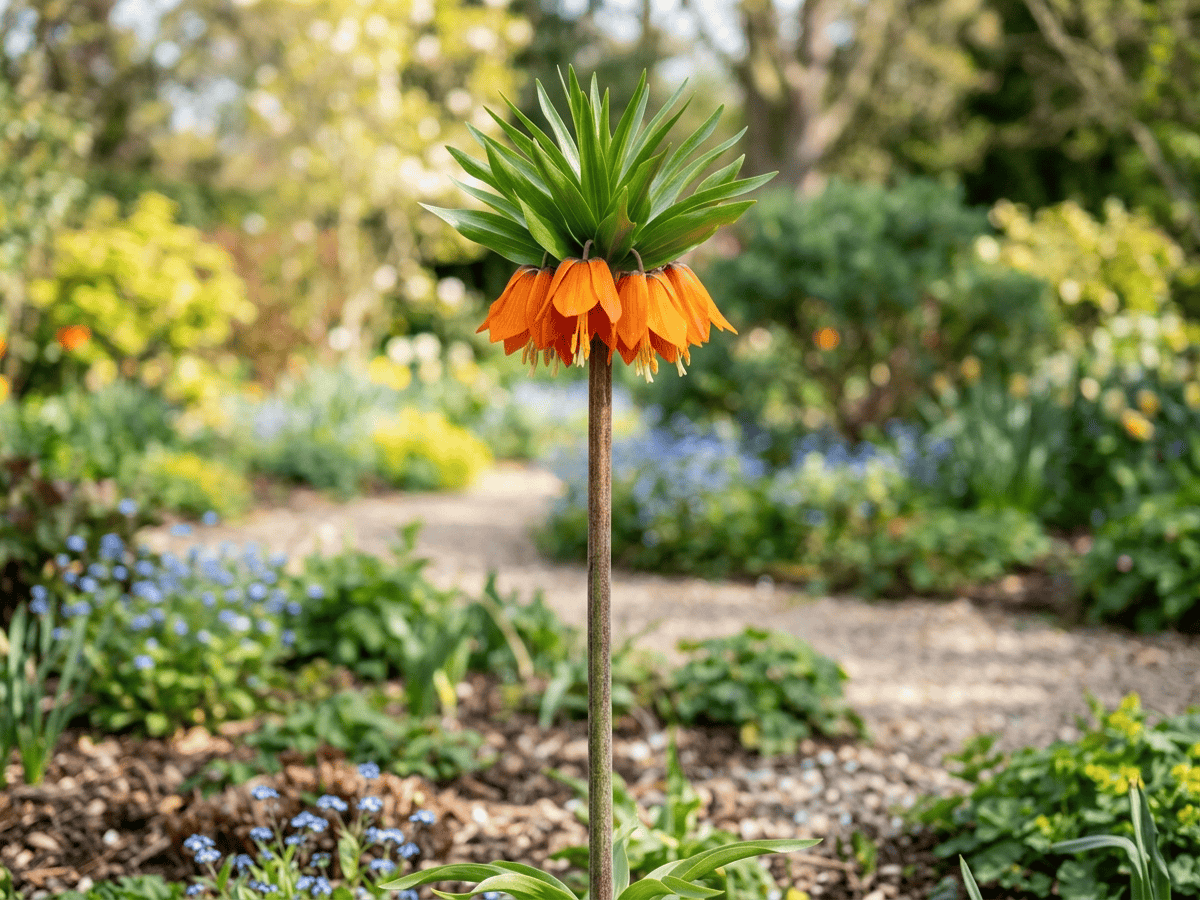 Crown ImperialFritillaria imperialis
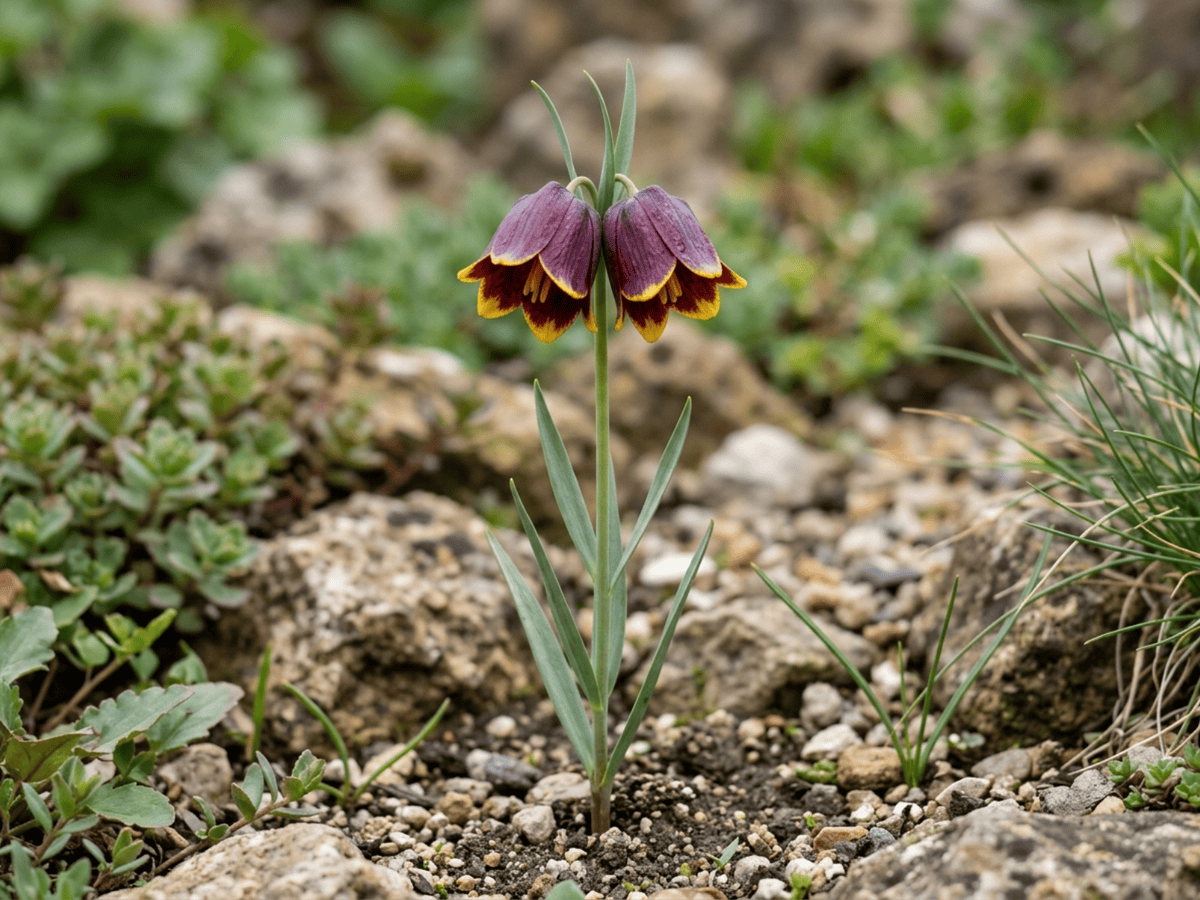 Fritillaria michailovskyiFritillaria michailovskyi
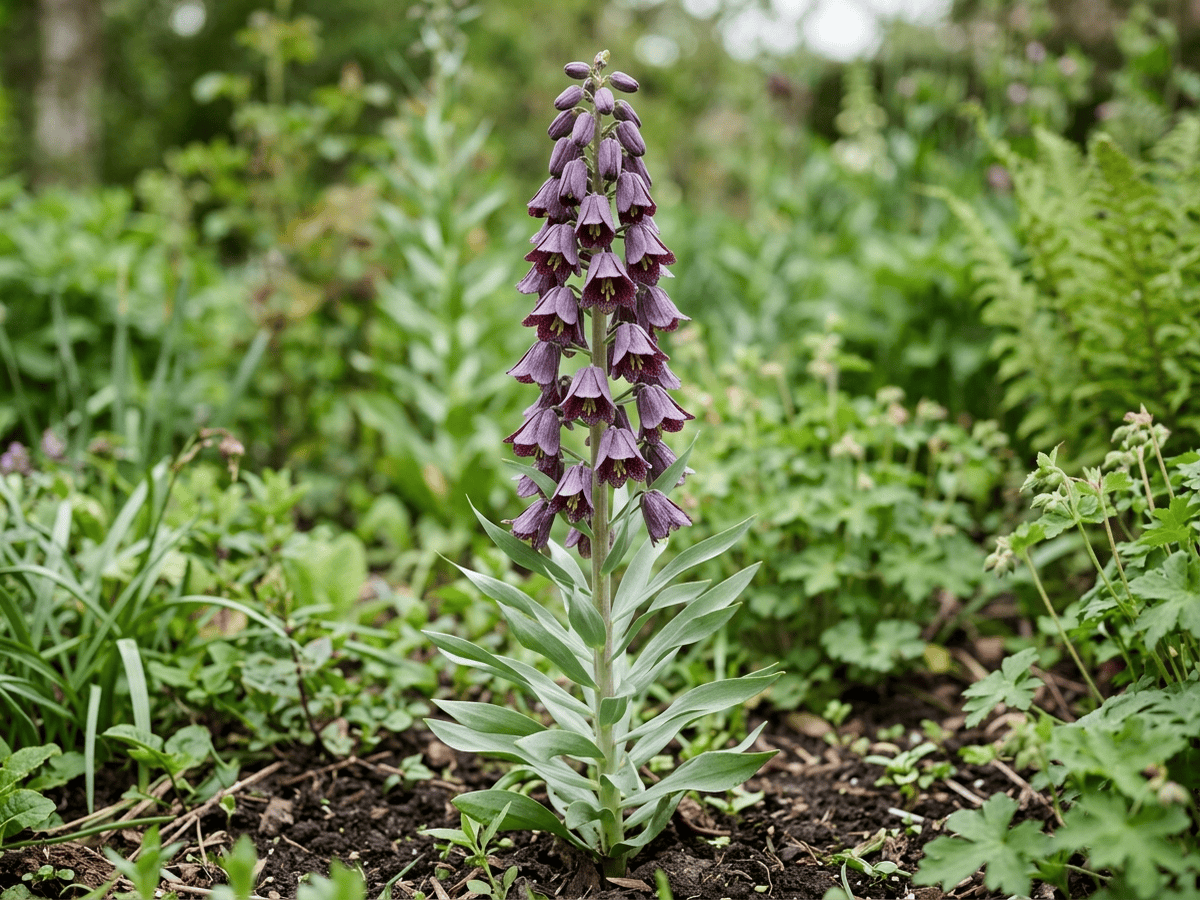 Sand FritillaryFritillaria persica
Plants with similar care
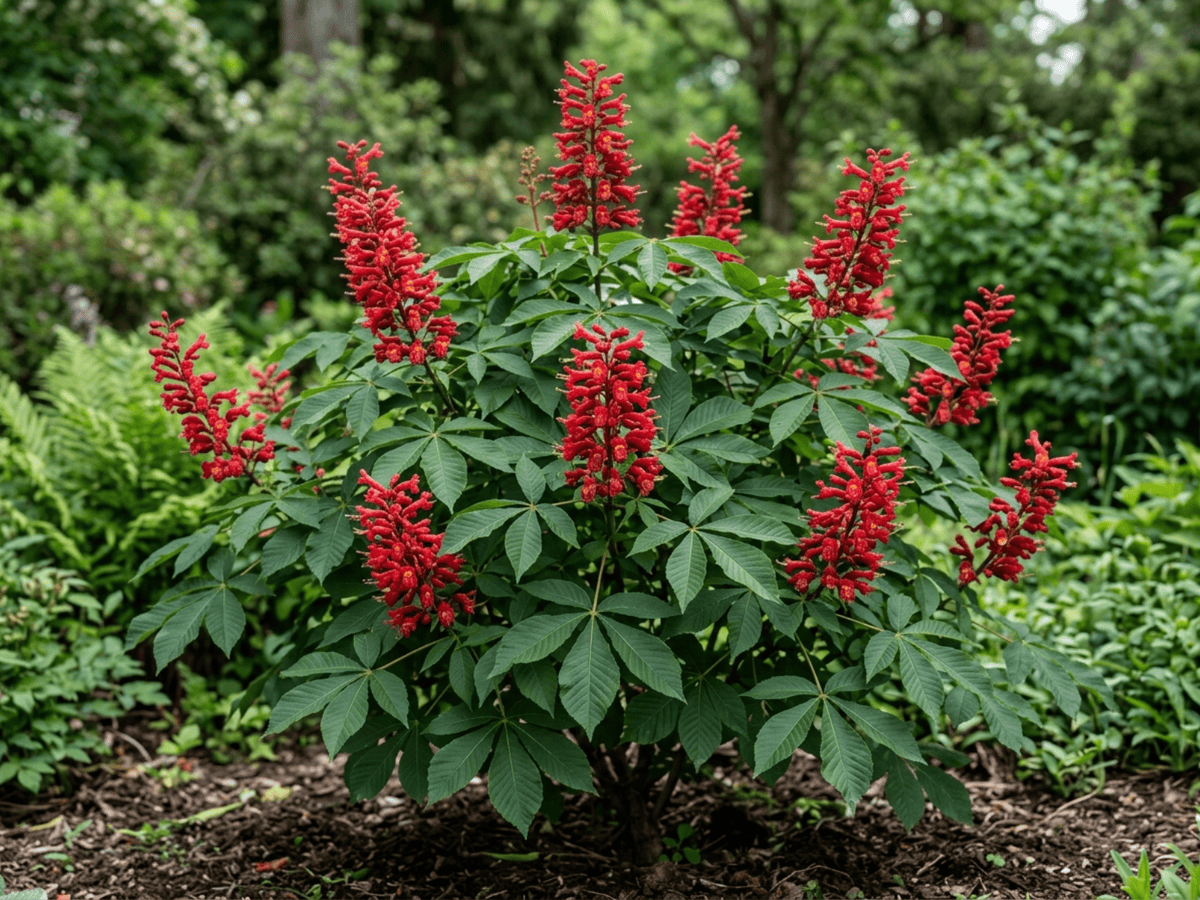 Red BuckeyeAesculus pavia
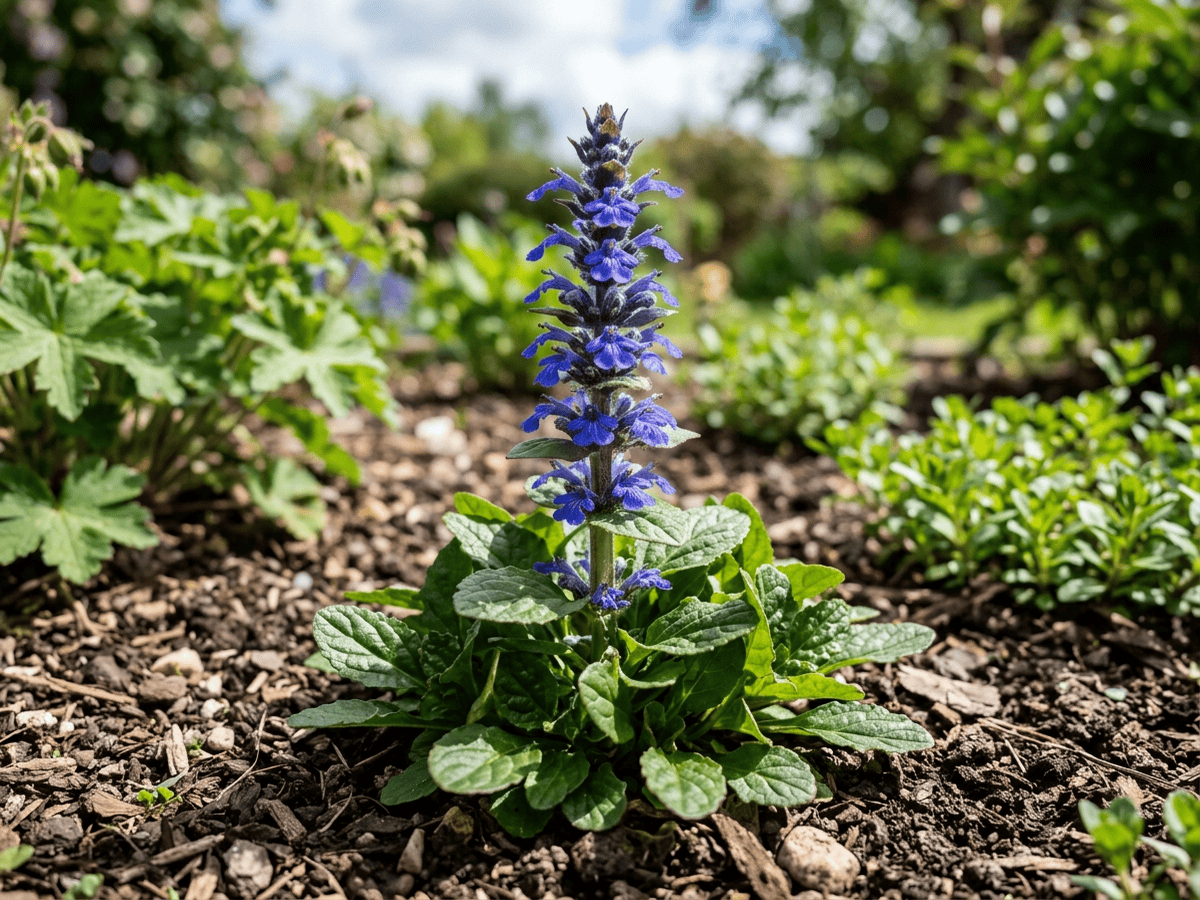 Blue BugleAjuga genevensis
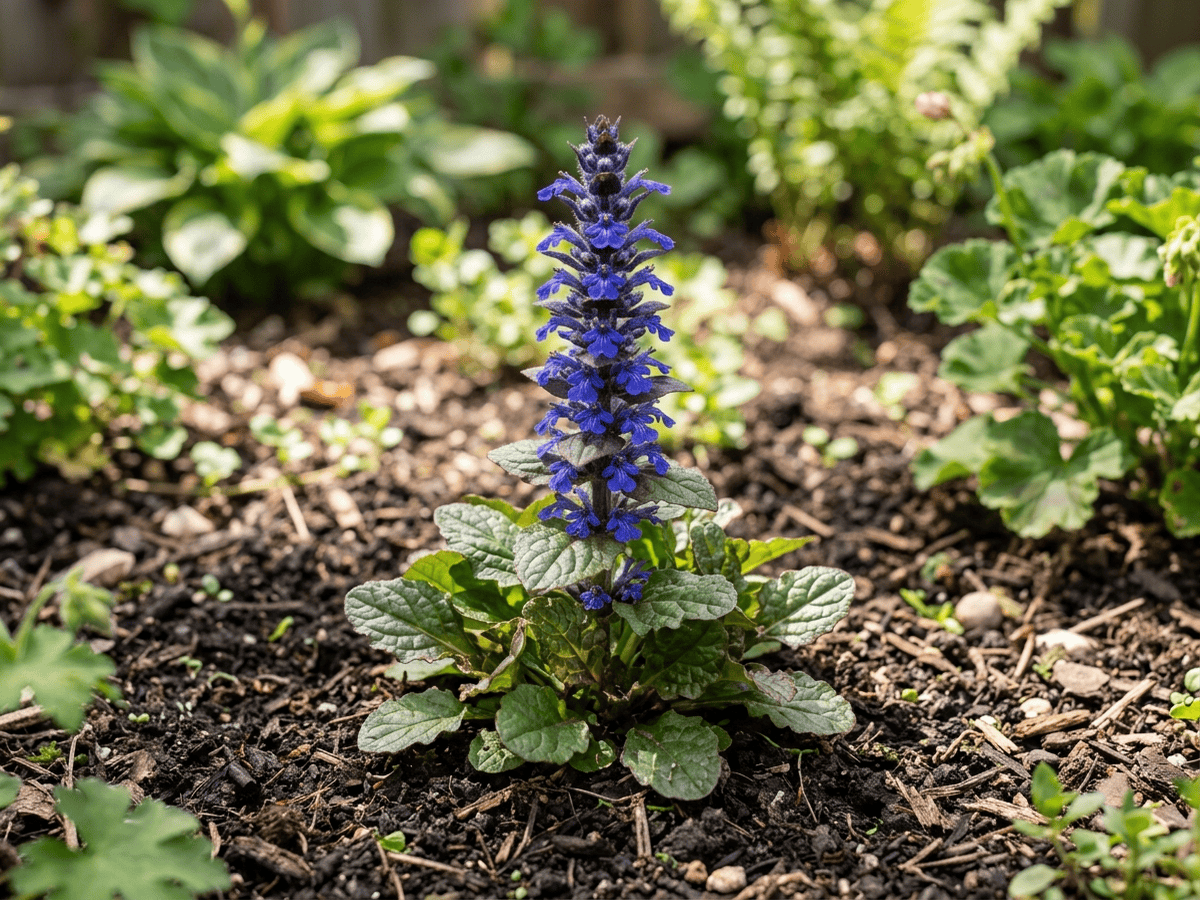 Pyramidal BugleAjuga pyramidalis
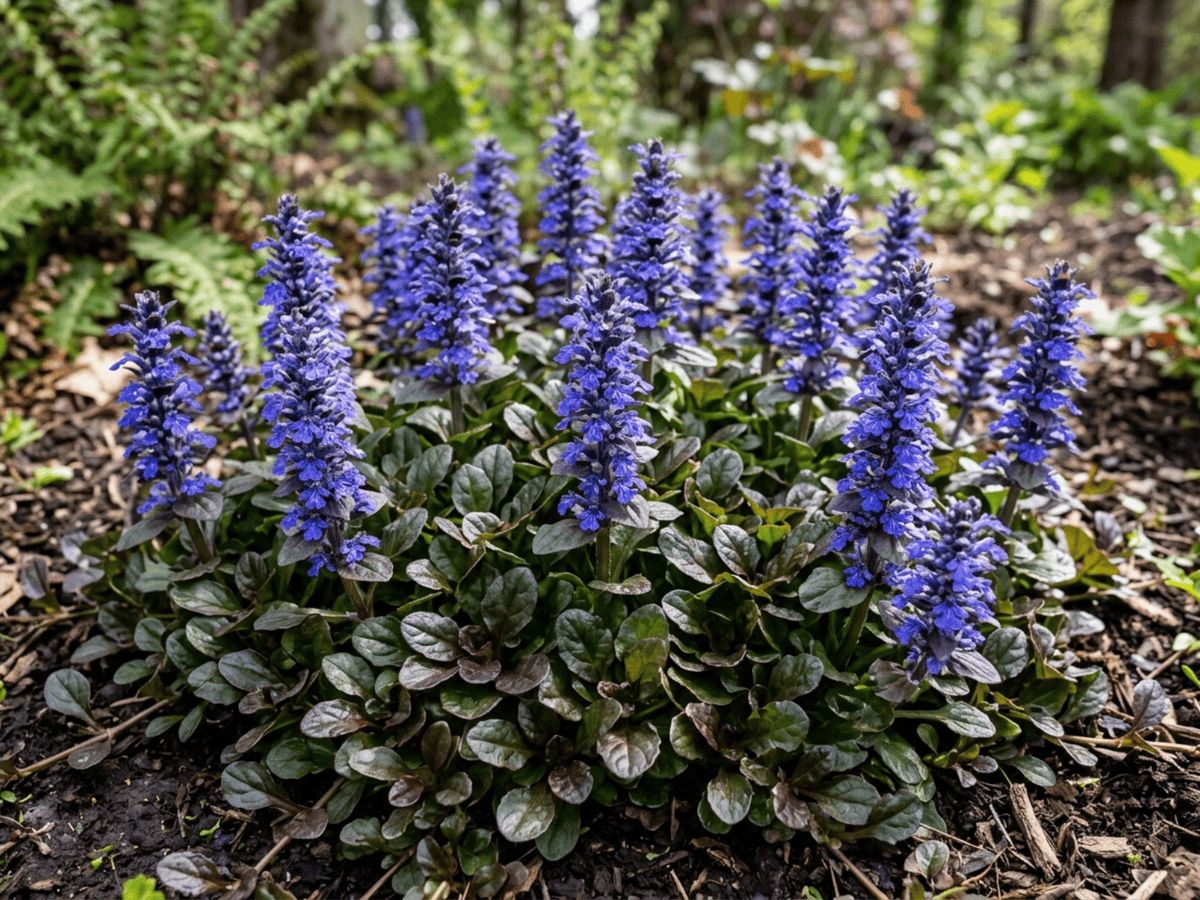 Carpet BugleAjuga reptans
Frequently asked questions
How often should I water Snake's-Head Fritillary?
Water about every 3 days during the growing season, and always let excess water drain away.
How much light does Snake's-Head Fritillary need?
Part shade: 2–4 hrs direct. Watch the leaves — scorching or stretching means the light needs adjusting.
Is Snake's-Head Fritillary toxic to cats or dogs?
Pets Moderate (Dogs Moderate · Cats Moderate) Educational information, not medical or veterinary advice. If exposure is suspected, contact a doctor or veterinarian.
Is Snake's-Head Fritillary easy to grow?
Yes — it is considered an easy, beginner-friendly plant.
When does Snake's-Head Fritillary bloom?
It typically blooms Mar–May in the Northern Hemisphere.
YardMate
Identify any plant in seconds
Snap a photo — YardMate names the plant, diagnoses problems, and reminds you when to water.
Download on the App Store