 YardMate
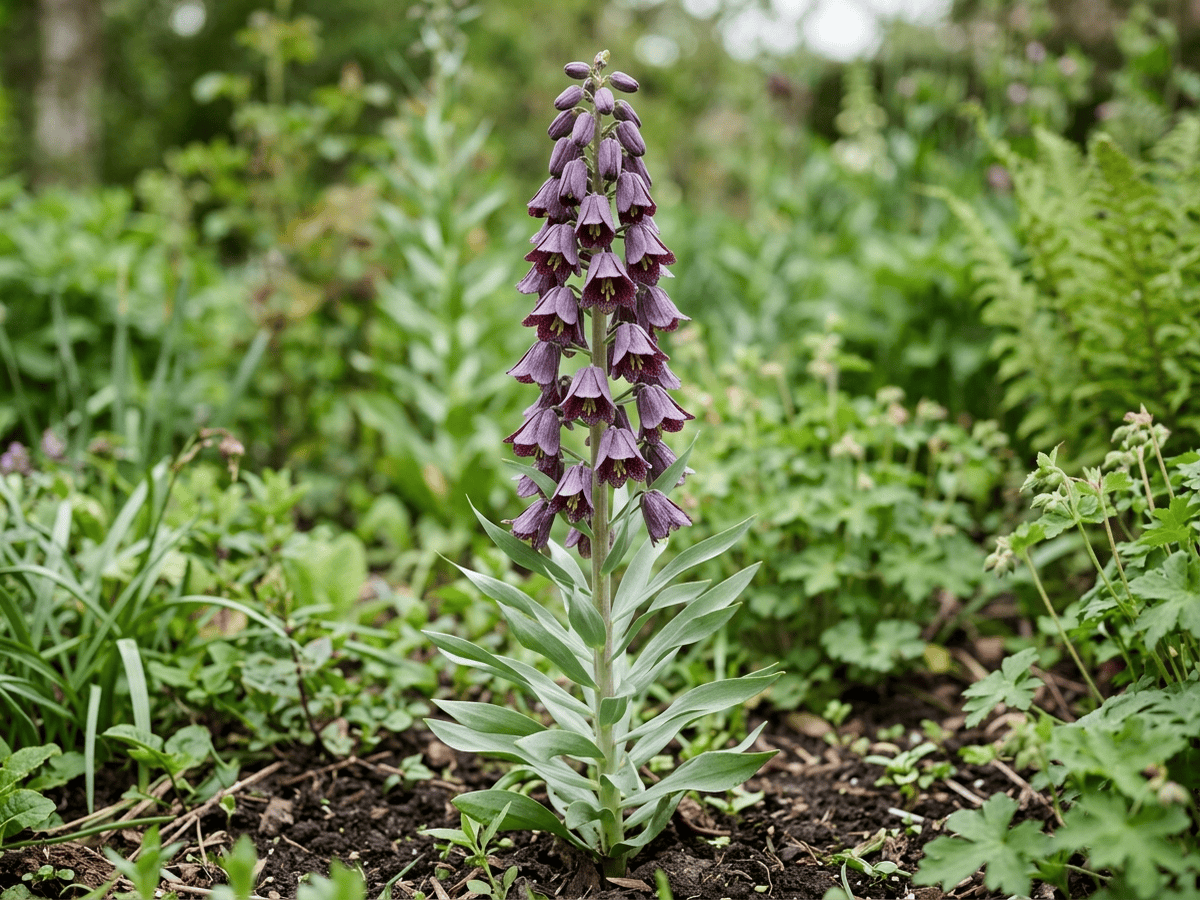


Sand Fritillary
Fritillaria persica
Medium · Some experienceAbout Sand Fritillary
Persian Fritillary is a Middle Eastern bulb hardy in USDA zones 4-8, producing dramatic 2 to 3 foot spikes lined with 15 to 30 small pendant plum-purple or cream bell flowers in mid to late spring. The gray-green lance-shaped leaves line the stem below the long flower spike. A collector's statement bulb with a more refined form than crown imperial, popular in American formal and cottage gardens with well-drained soil.
- Drought-tolerant
- Deer-resistant
- Architectural
How to care for Sand Fritillary
Watering
- Springevery 5 days
- Summerpause watering
- Fallevery 10 days
- Winterevery 14 days
Soil · Well-draining
- Main mixLoam + coarse sand 3:175%
- DrainageGravel25%
Sharp drainage matters most — bulbs rot in wet soil while dormant.
FERTILIZER
Balanced Feed 14-14-14
An even feed covers all three needs at once, keeping leaves, roots and blooms moving together with nothing pushed out of balance.
- Nitrogen · Leaves
- Phosphorus · Roots + Blooms
- Potassium · Strength
- Fallevery 60 days
At a Glance
- NativeWestern Asia
- Height2–3 ft (0.6–0.9 m)
- Spread0.5–1 ft (0.2–0.3 m)
- Flower colorPurple, Green, Cream
- Foliage colorGreen
- SoilLoamy, Well-drained, Alkaline
- LocationsYard
Bloom time
BLOOM CYCLE
Peak bloom
May
Tall spikes of plum-purple pendant bells in mid to late spring
Fragrance
LIGHT FRAGRANCE
Bulbs faintly musky; flowers nearly scentless.
Toxicity
Humans Moderate · Pets Moderate
imperialine and alkaloids
Moderate
- Bulb
- Ingestion
EXPOSURE Eating bulbs.
EFFECT Nausea and vomiting.
NOTE Bulbs contain toxic alkaloids.
Moderate
- Bulb
- Ingestion
EXPOSURE Eating bulbs.
EFFECT Vomiting and diarrhea.
NOTE Bulbs contain toxic alkaloids.
Moderate
- Bulb
- Ingestion
EXPOSURE Eating bulbs.
EFFECT Vomiting and diarrhea.
NOTE Bulbs contain toxic alkaloids.
Educational information, not medical or veterinary advice. If exposure is suspected, contact a doctor or veterinarian.
DISTRIBUTION

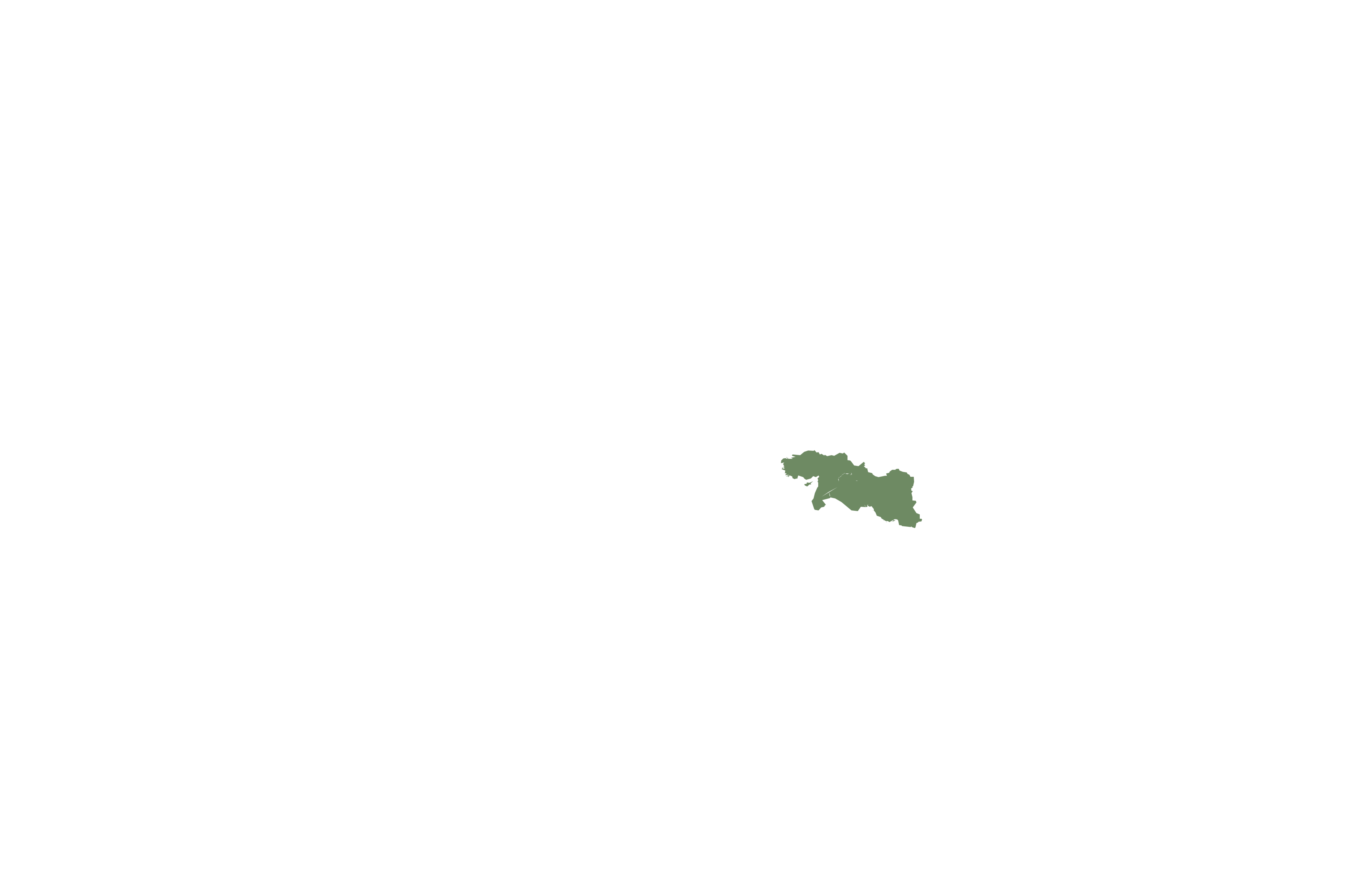
- Native
- Western Asia
History

Fritillaria persica grows on rocky slopes and open woodlands from southern Turkey through northern Iraq and into western Iran and the Caucasus. Linnaeus described it in Species Plantarum (1753). It was grown in Persian palace gardens for centuries under the name 'lale-ye Farsi', and was introduced to Vienna and western Europe by Carolus Clusius and his contemporaries in the 1580s, described in Gerard's Herball (1597).
Reaching 1 m tall with up to 30 small plum-purple bells per stem, it became a Renaissance favorite though difficult to grow well outside well-drained Mediterranean-like conditions. Dutch bulb houses reintroduced vigorous selections in the 20th century; 'Adiyaman' from Turkey (1970s Van Tubergen introduction) remains the standard dark form, while 'Ivory Bells' offers a creamy-green alternative.
Native to Iran, Turkey, Iraq, and the Levant, cultivated in Persian gardens for centuries and introduced to European collectors in the 1500s. Arrived in specialty American horticulture in the 20th century; the cultivar Adiyaman is the most widely available selection in US bulb catalogs.
Symbolism & meaning
What It Symbolizes
Sand Fritillary offers noble elegance, a slender tall spike strung with refined plum-colored bells that nod in spring breezes like quiet aristocracy. Behind that poise lies a Persian heritage — rooted in the ancient gardens of the Middle East, where Fritillaria has been valued for centuries. To grow it is to bring a little of the old Persian garden language into your own beds.
- Noble elegance — slender tall spike of refined bells
- Persian heritage — rooted in ancient Middle Eastern gardens
Where the Name Comes From
'persica' from Latin means Persian, referring to the native range centered on ancient Persia.
Uses & Fun Facts
- Tall plum-purple bell spikes as dramatic spring border accent
- Glaucous-foliaged Persian fritillary for sunny well-drained borders
- Striking dark spires used in spring floral arrangements
Related plants
More Fritillaria plants
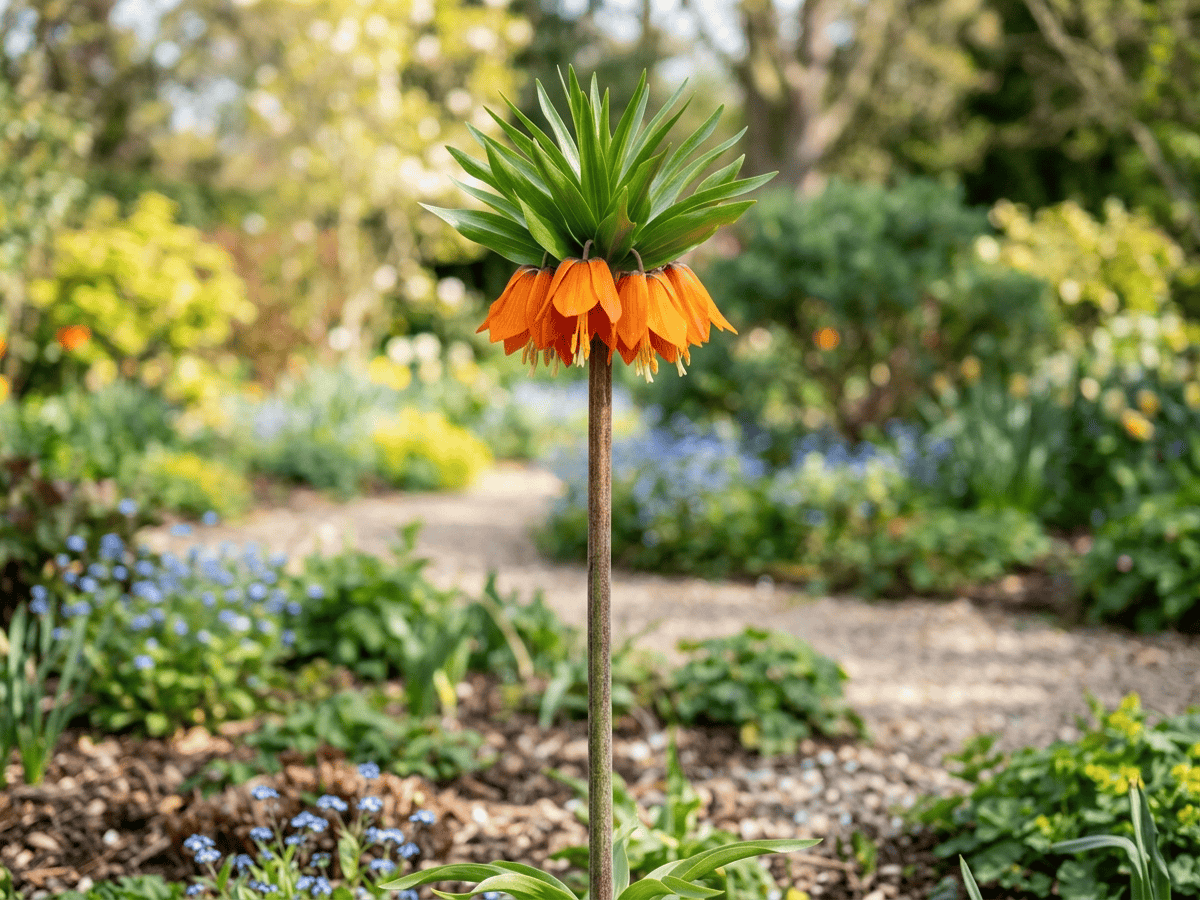 Crown ImperialFritillaria imperialis
 Snake's-Head FritillaryFritillaria meleagris
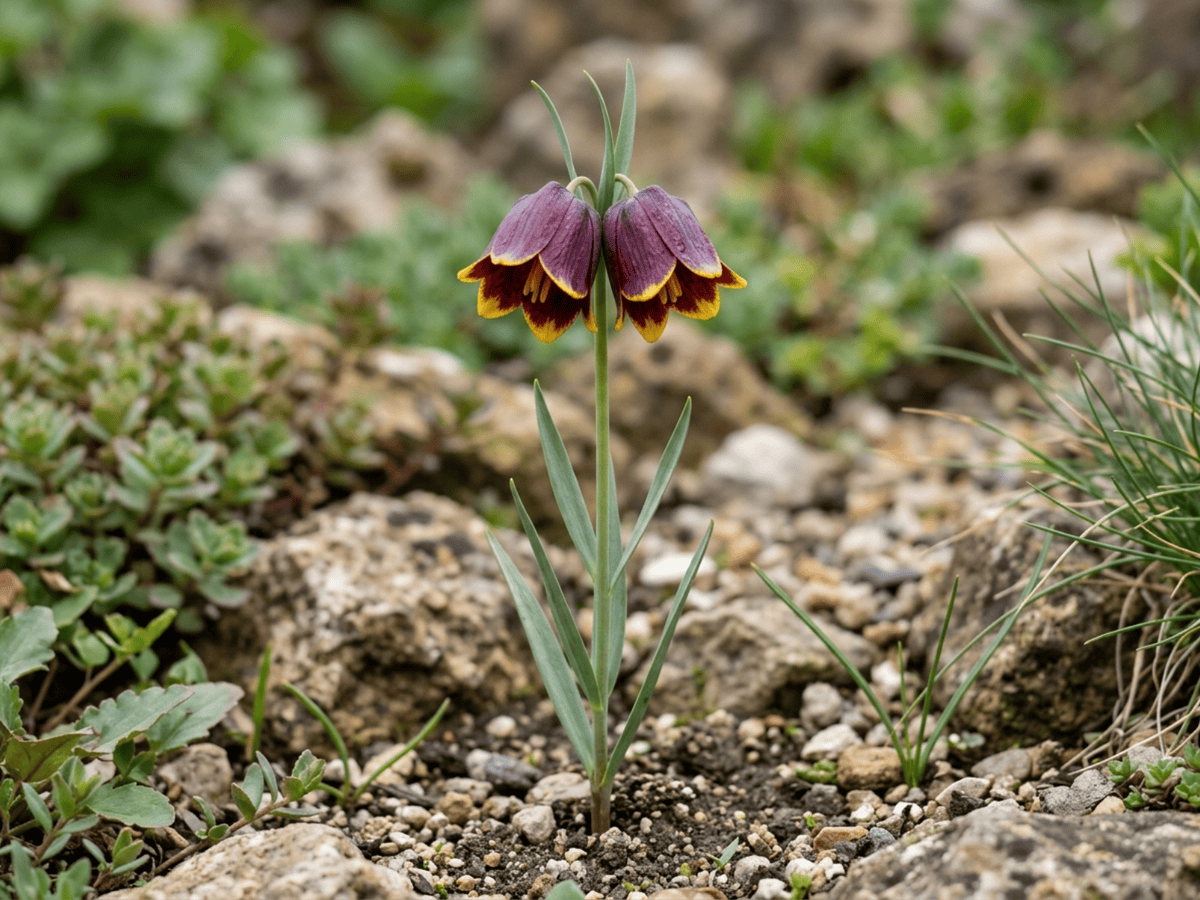 Fritillaria michailovskyiFritillaria michailovskyi
Plants with similar care
 Mexican AbeliaAbelia floribunda
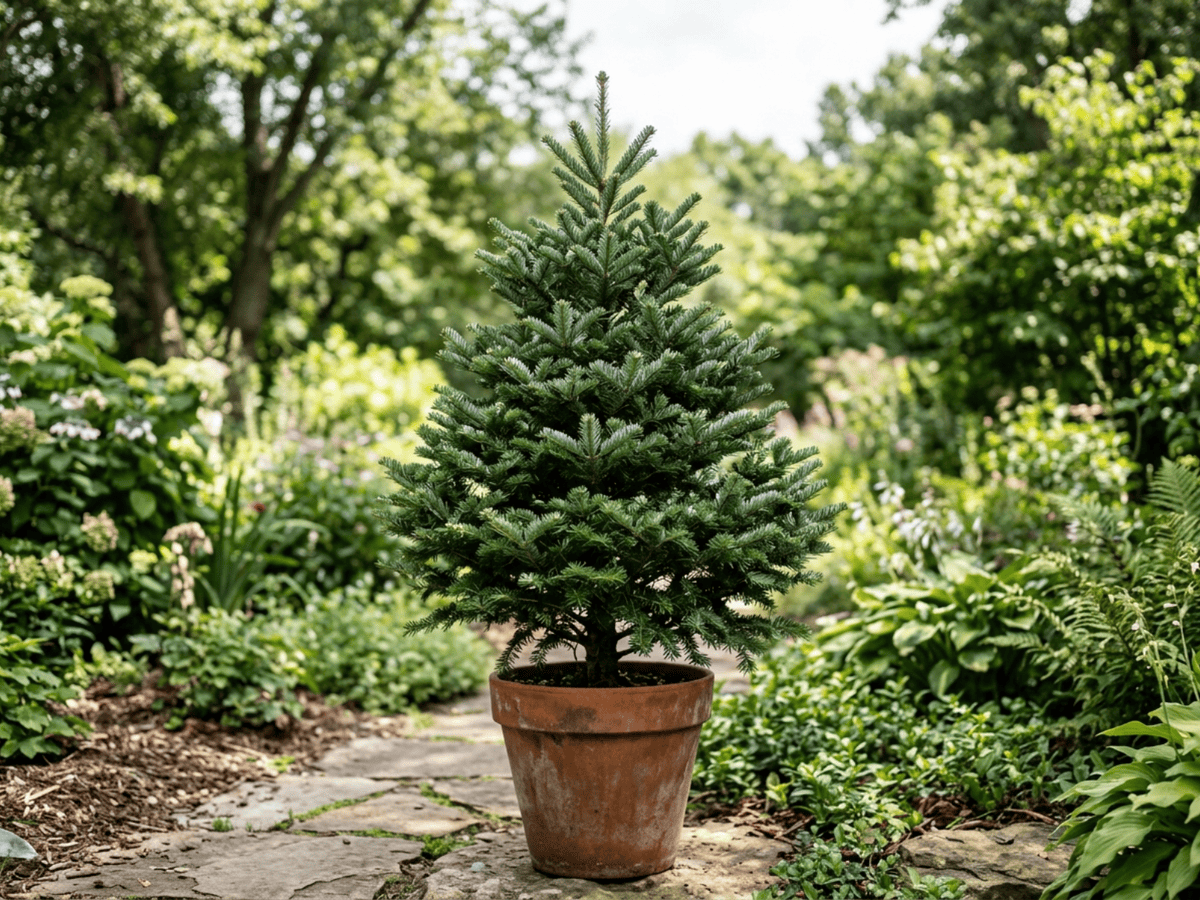 Fraser FirAbies fraseri
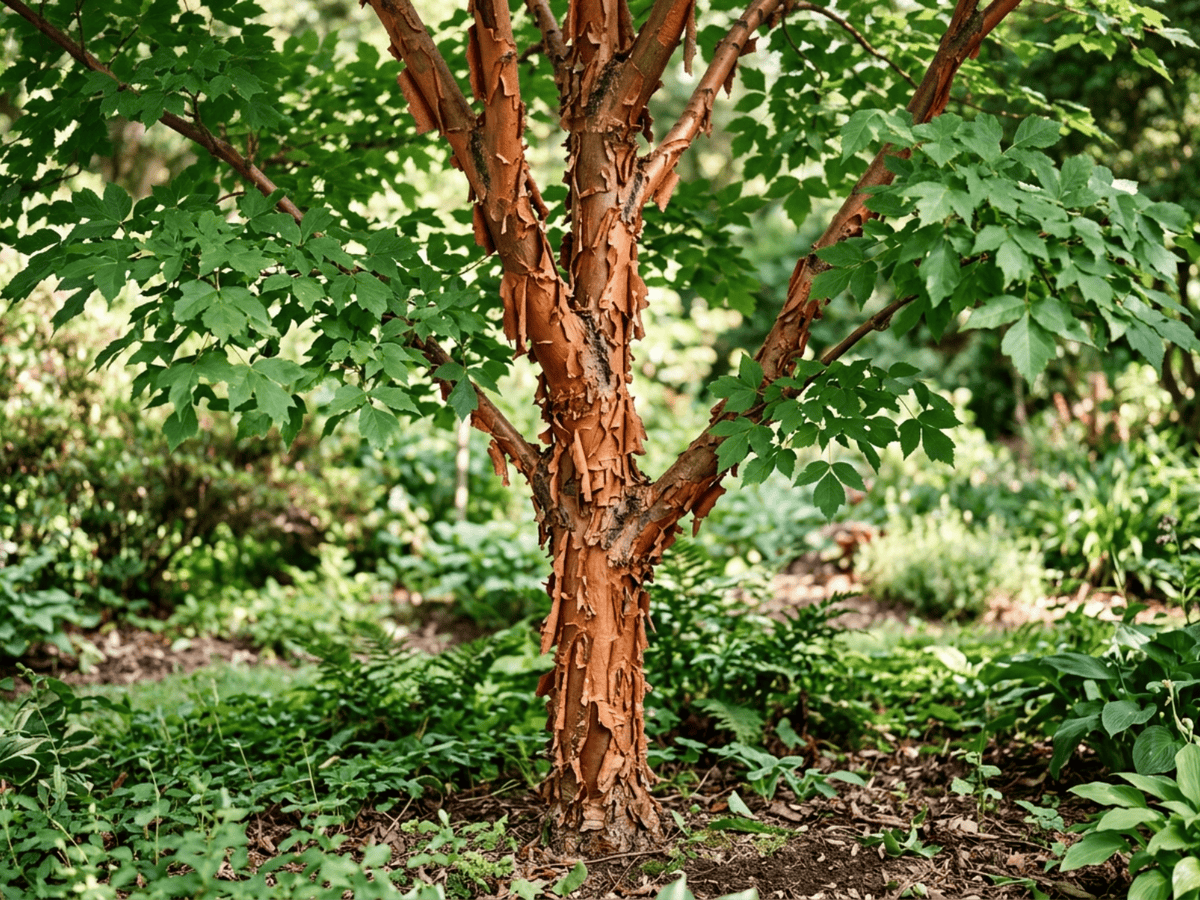 Paperbark MapleAcer griseum
 Sugar MapleAcer saccharum
Frequently asked questions
How often should I water Sand Fritillary?
Water about every 5 days during the growing season, and always let excess water drain away.
How much light does Sand Fritillary need?
Full sun: 6+ hrs direct. Watch the leaves — scorching or stretching means the light needs adjusting.
Is Sand Fritillary toxic to cats or dogs?
Pets Moderate (Dogs Moderate · Cats Moderate) Educational information, not medical or veterinary advice. If exposure is suspected, contact a doctor or veterinarian.
Is Sand Fritillary easy to grow?
It is moderately demanding: a good choice once you have a little experience.
When does Sand Fritillary bloom?
It typically blooms May in the Northern Hemisphere.
YardMate
Identify any plant in seconds
Snap a photo — YardMate names the plant, diagnoses problems, and reminds you when to water.
Download on the App Store