 YardMate


Fritillaria michailovskyi
Fritillaria michailovskyi
Medium · Some experienceAbout Fritillaria michailovskyi
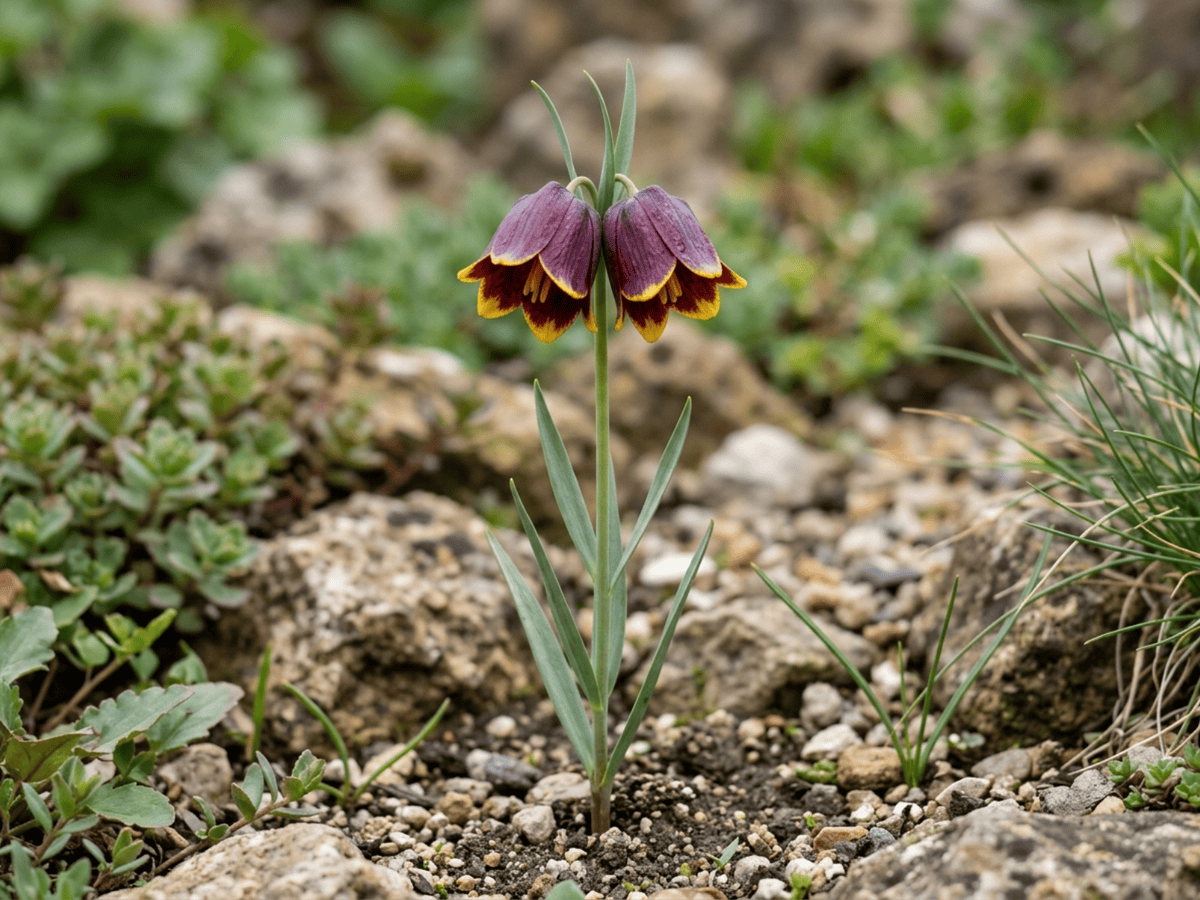
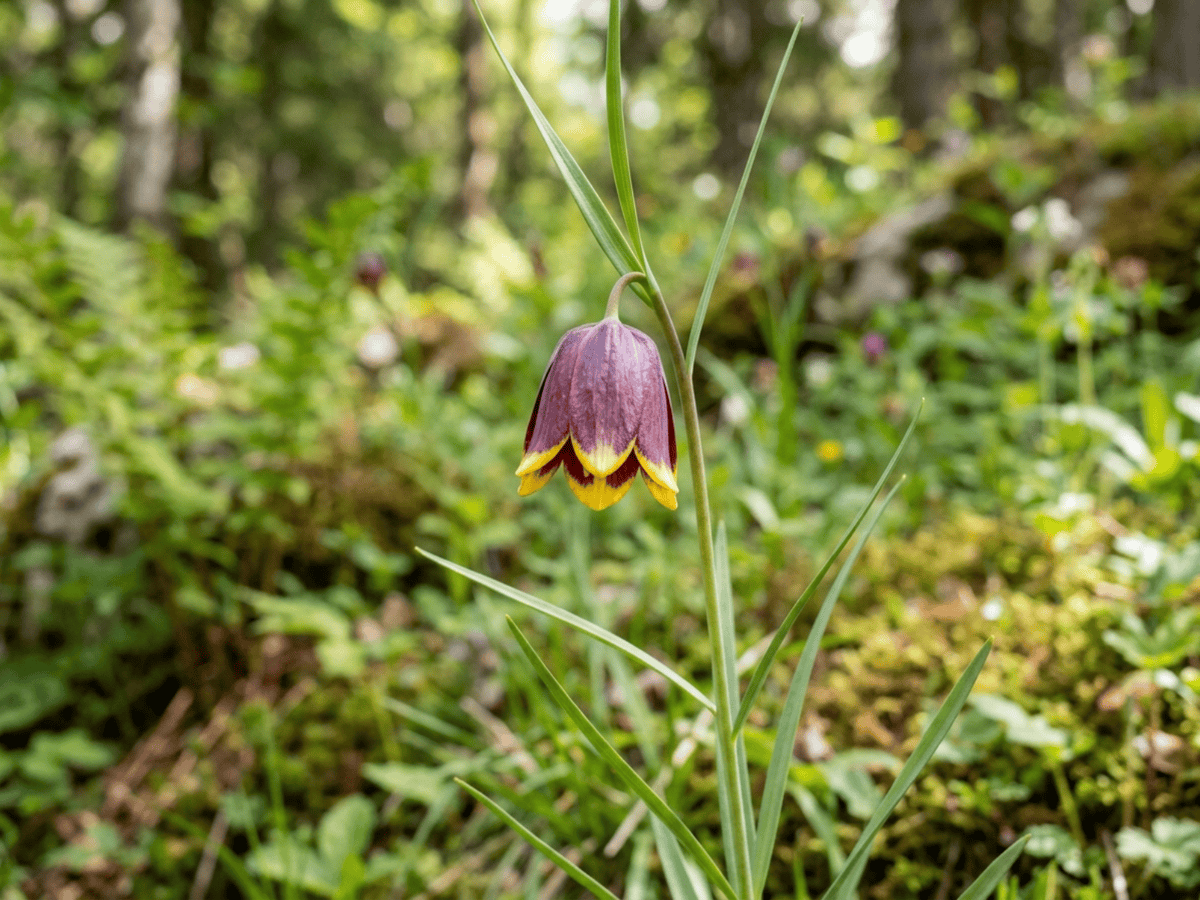
Michael's Fritillary is a diminutive Turkish species fritillary bearing nodding bell-shaped flowers that are rich mahogany-purple at the base and brilliant golden-yellow at the rim. Growing just 6-8 inches tall, it blooms in early to mid spring and multiplies slowly to form small colonies. A jewel for American rock gardens, raised beds, and alpine troughs in USDA zones 4-8, where its striking contrast-colored flowers stand out.
- Cold-hardy
- Deer-resistant
- Compact
How to care for Fritillaria michailovskyi
Watering
- Springevery 7 days
- Summerpause watering
- Fallevery 14 days
- Winterpause watering
Soil · Well-draining
- Main mixLoam + coarse sand 3:175%
- DrainageGravel25%
Sharp drainage matters most — bulbs rot in wet soil while dormant.
FERTILIZER
Bulb Feed 3-5-3
With bulbs, when matters more than what. One dose goes in the hole at planting, the second when shoots break ground.
- Nitrogen · Leaves
- Phosphorus · Roots + Blooms
- Potassium · Strength
- Springevery 30 days
- Fallevery 60 days
At a Glance
- NativeWestern Asia
- Height0.5–1 ft (0.2–0.3 m)
- Spread0.25–0.5 ft (0.1–0.2 m)
- Flower colorBurgundy, Yellow
- Foliage colorGreen
- SoilSandy, Well-drained
- LocationsYard
Bloom time
BLOOM CYCLE
Peak bloom
Apr–May
Mahogany-and-gold bells April to May
Toxicity
Humans Moderate · Pets Moderate
steroidal alkaloids and imperialine
Moderate
- Bulb
- Ingestion
EXPOSURE Eating bulbs.
EFFECT Nausea and vomiting.
NOTE Fritillaria bulbs contain cardiac alkaloids; toxic to pets and humans if eaten.
Moderate
- Bulb
- Ingestion
EXPOSURE Eating bulbs.
EFFECT Vomiting and diarrhea.
NOTE Fritillaria bulbs contain cardiac alkaloids; toxic to pets and humans if eaten.
Moderate
- Bulb
- Ingestion
EXPOSURE Eating bulbs.
EFFECT Vomiting and diarrhea.
NOTE Fritillaria bulbs contain cardiac alkaloids; toxic to pets and humans if eaten.
Educational information, not medical or veterinary advice. If exposure is suspected, contact a doctor or veterinarian.
DISTRIBUTION


- Native
- Western Asia
History
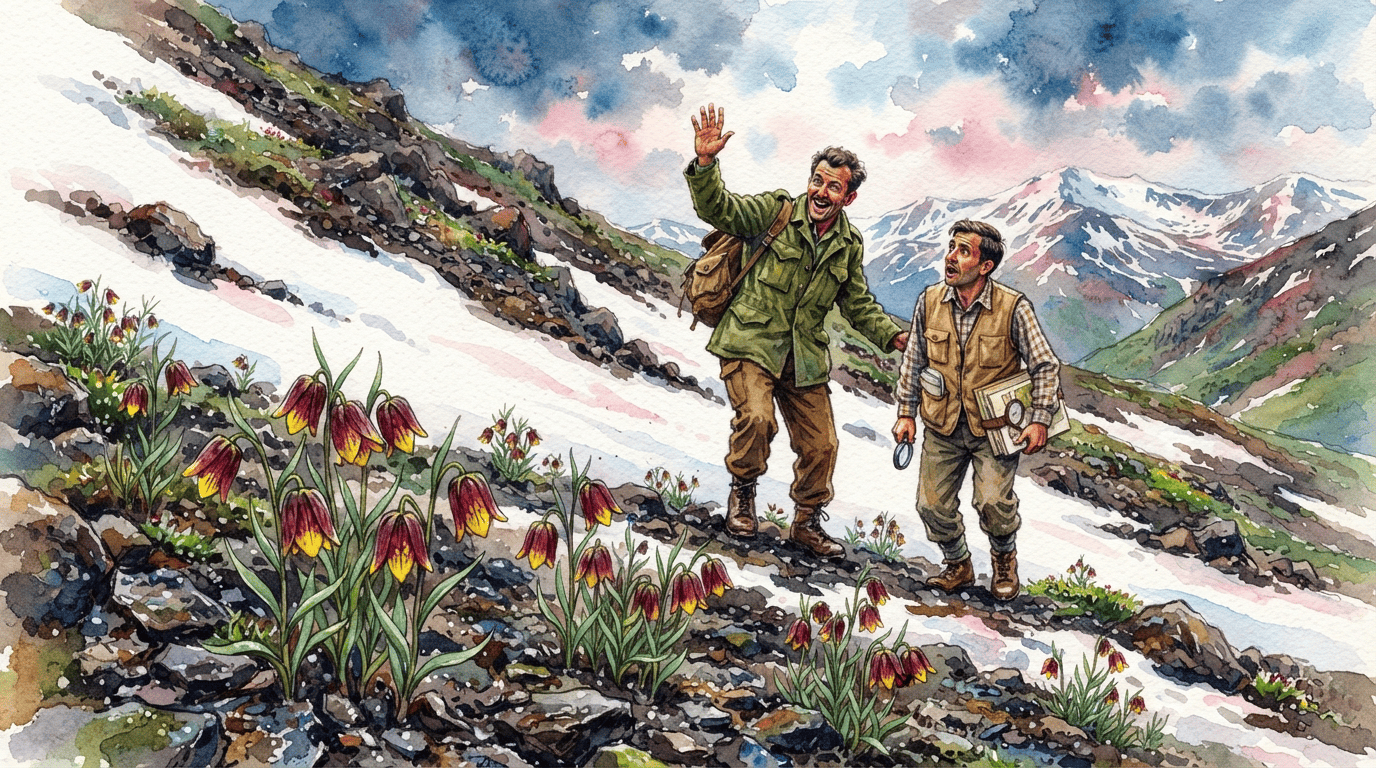
Fritillaria michailovskyi is native to subalpine meadows of eastern Turkey at 2000-2700m. Russian botanist Edmund Boissier described it in 1879 from a single collection made by a naturalist named Michailowsky near Erzurum. The plant was considered rare or possibly extinct until it was rediscovered in 1965 by Turkish botanists.
The Dutch bulb firm Van Tubergen and others began commercial propagation in the 1970s, and despite its scarcity in nature it became widely available in horticulture. Growing only 6-8 inches tall, it produces nodding bicolor bells with deep maroon-bronze outer petals tipped with bright yellow margins—a uniquely striking color combination among bulbs. It won the RHS Award of Garden Merit.
It requires sharp drainage and summer dormancy, thriving in rock gardens and bulb frames. Michailovsky for whom it is named. Introduced to Western cultivation only in the 1970s. Narrowly endemic to rocky mountain slopes in Kurdistan and threatened by collection pressure in the wild—cultivated bulbs are essential to its conservation.
Symbolism & meaning
What It Symbolizes
Fritillaria michailovskyi carries preservation, its narrow Turkish endemic range making horticultural cultivation a quiet form of conservation. It is also a flower of rarity, naturally restricted to a small mountain region where its ruby and gold bells emerge briefly each spring. To grow its is to keep a thread of a vanishing place alive in the garden, a precious bulb whose persistence depends on careful gardeners.
- Preservation — conservation through horticulture
- Rarity — narrowly endemic and precious
Where the Name Comes From
'Michailovskyi' honors B. Michailovsky, 19th-century Russian botanist.
Uses & Fun Facts
- Mahogany-and-gold bells star in spring rock gardens
- Diminutive bulb thrives in alpine troughs and pots
Related plants
More Fritillaria plants
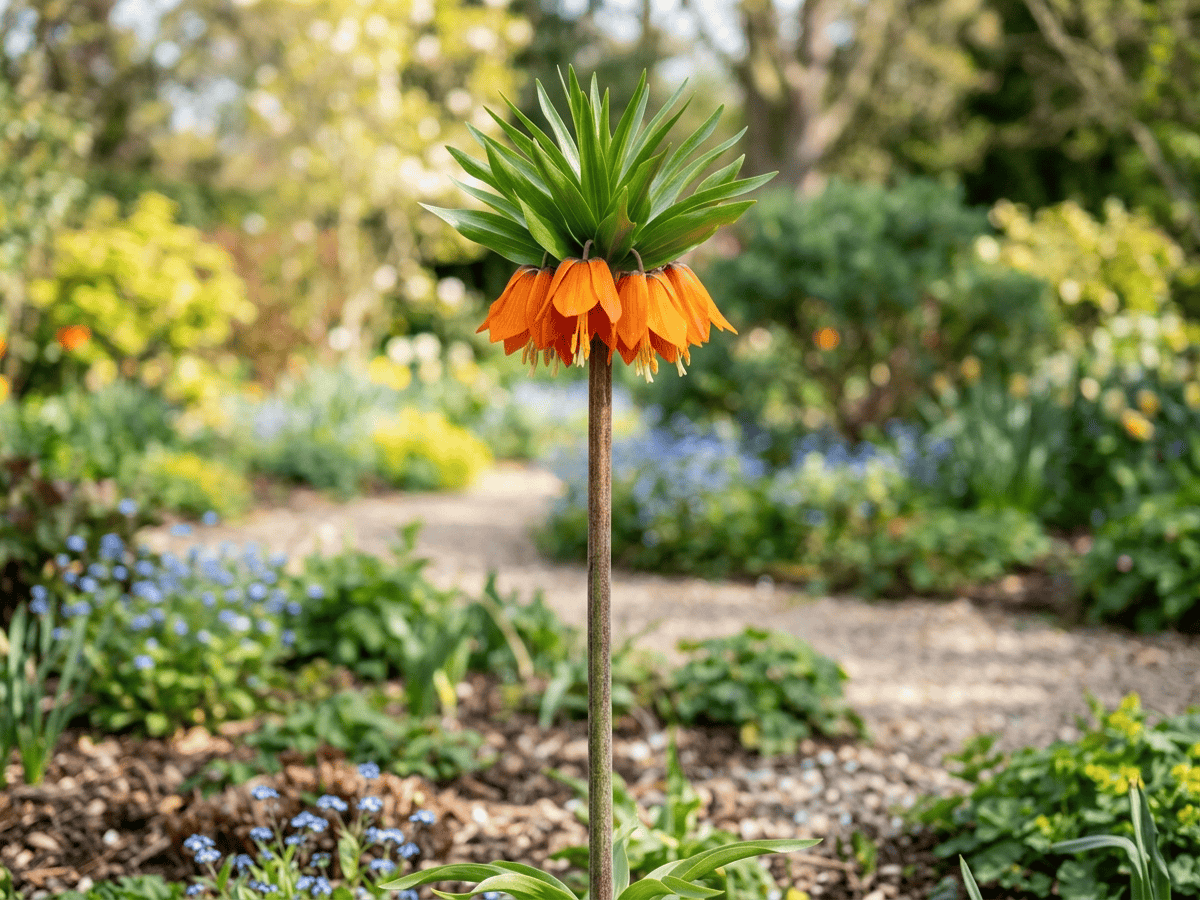 Crown ImperialFritillaria imperialis
 Snake's-Head FritillaryFritillaria meleagris
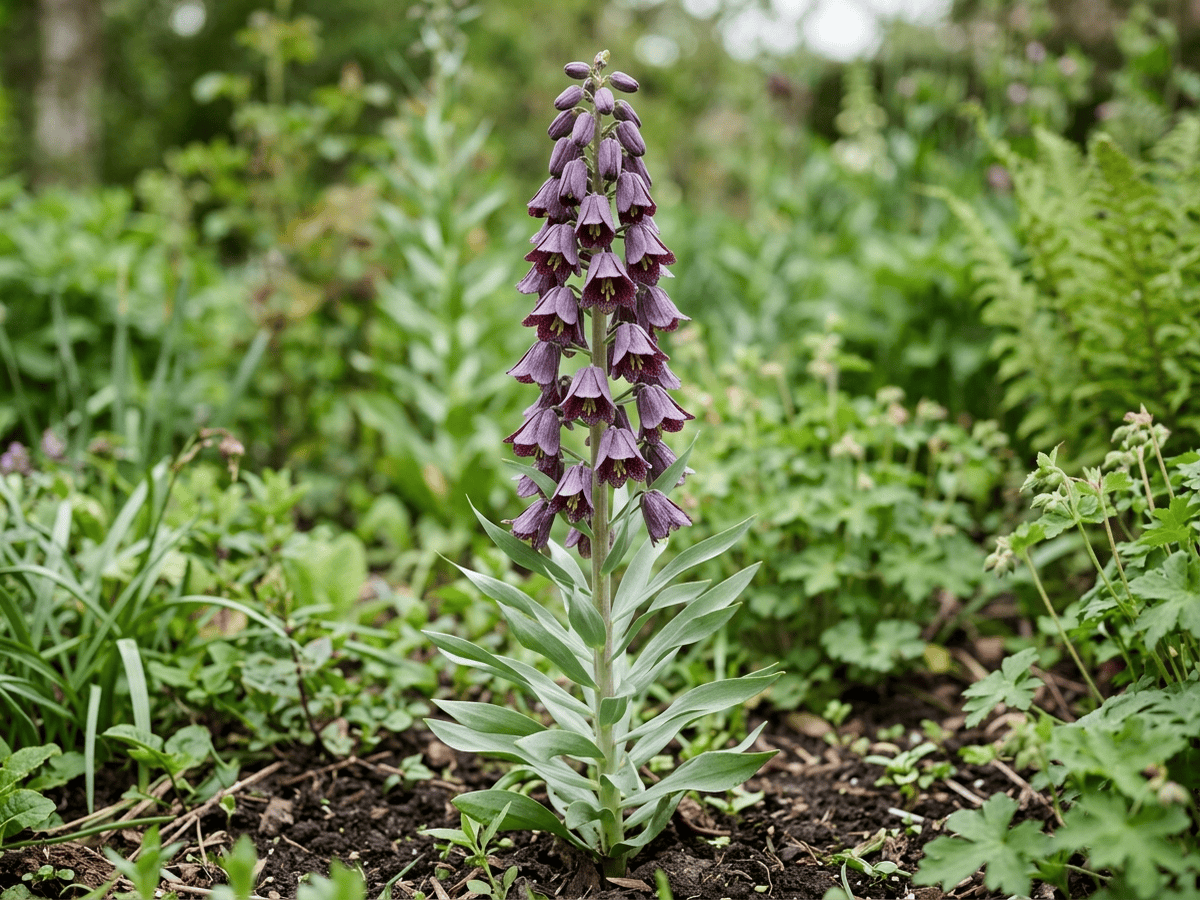 Sand FritillaryFritillaria persica
Plants with similar care
 Mexican AbeliaAbelia floribunda
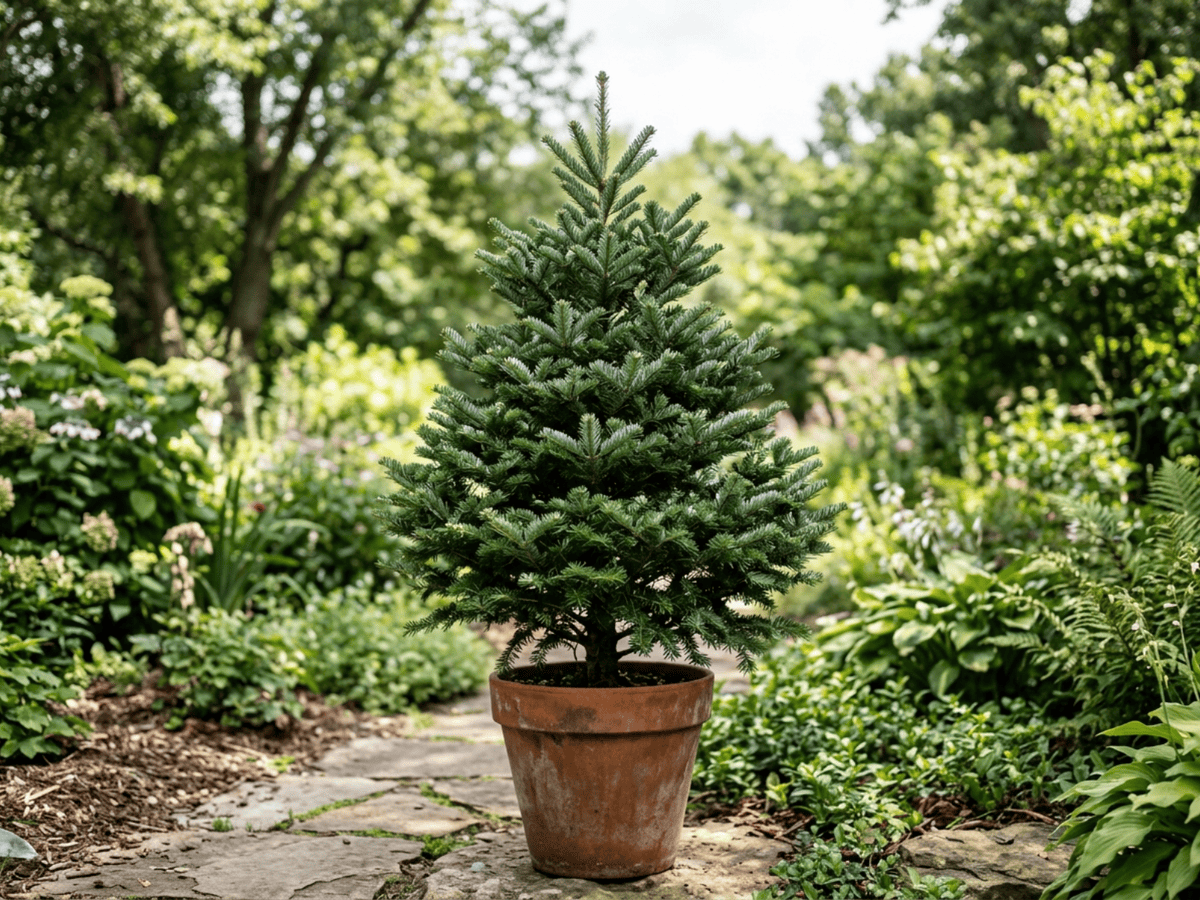 Fraser FirAbies fraseri
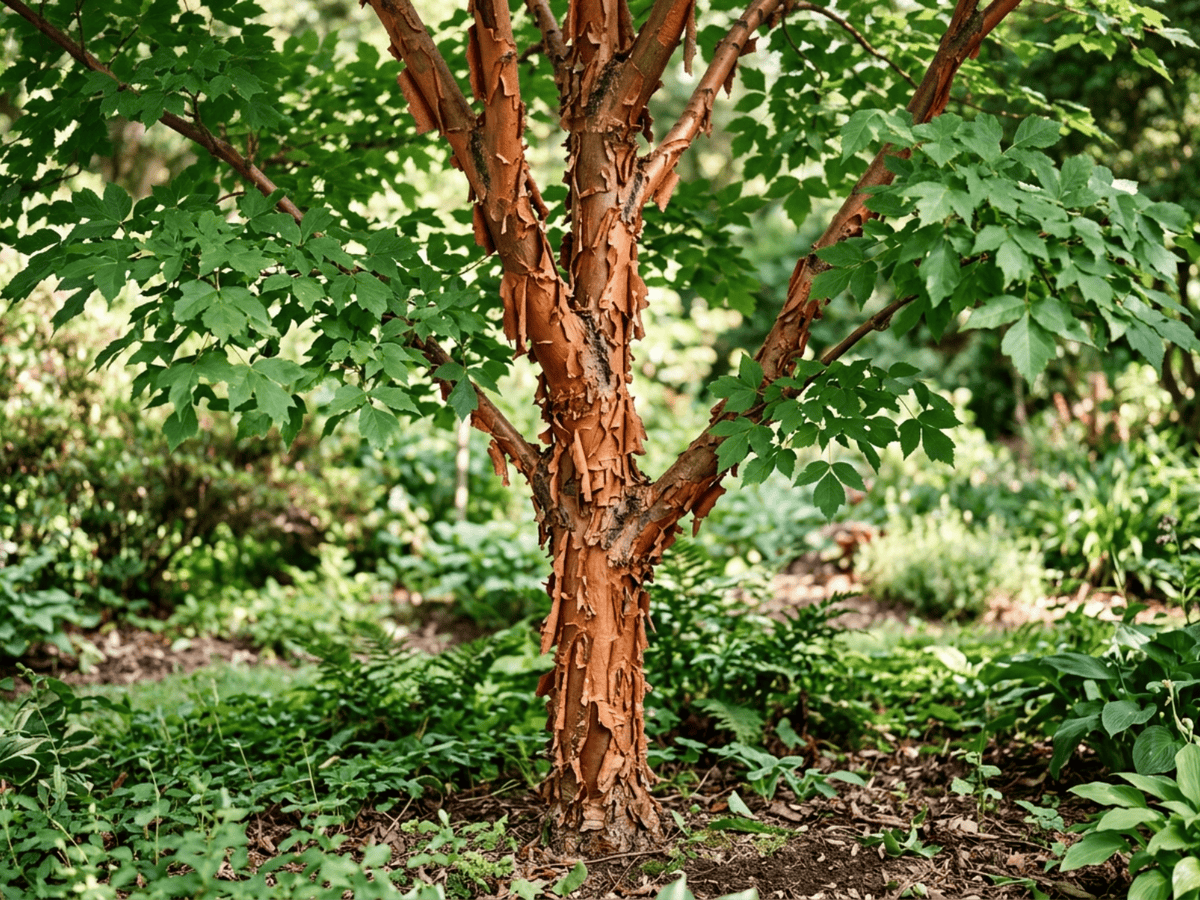 Paperbark MapleAcer griseum
 Sugar MapleAcer saccharum
Frequently asked questions
How often should I water Fritillaria michailovskyi?
Water about every 7 days during the growing season, and always let excess water drain away.
How much light does Fritillaria michailovskyi need?
Full sun: 6+ hrs direct. Watch the leaves — scorching or stretching means the light needs adjusting.
Is Fritillaria michailovskyi toxic to cats or dogs?
Pets Moderate (Dogs Moderate · Cats Moderate) Educational information, not medical or veterinary advice. If exposure is suspected, contact a doctor or veterinarian.
Is Fritillaria michailovskyi easy to grow?
It is moderately demanding: a good choice once you have a little experience.
When does Fritillaria michailovskyi bloom?
It typically blooms Apr–May in the Northern Hemisphere.
YardMate
Identify any plant in seconds
Snap a photo — YardMate names the plant, diagnoses problems, and reminds you when to water.
Download on the App Store