 YardMate


Crown Imperial
Fritillaria imperialis
Medium · Some experienceAbout Crown Imperial
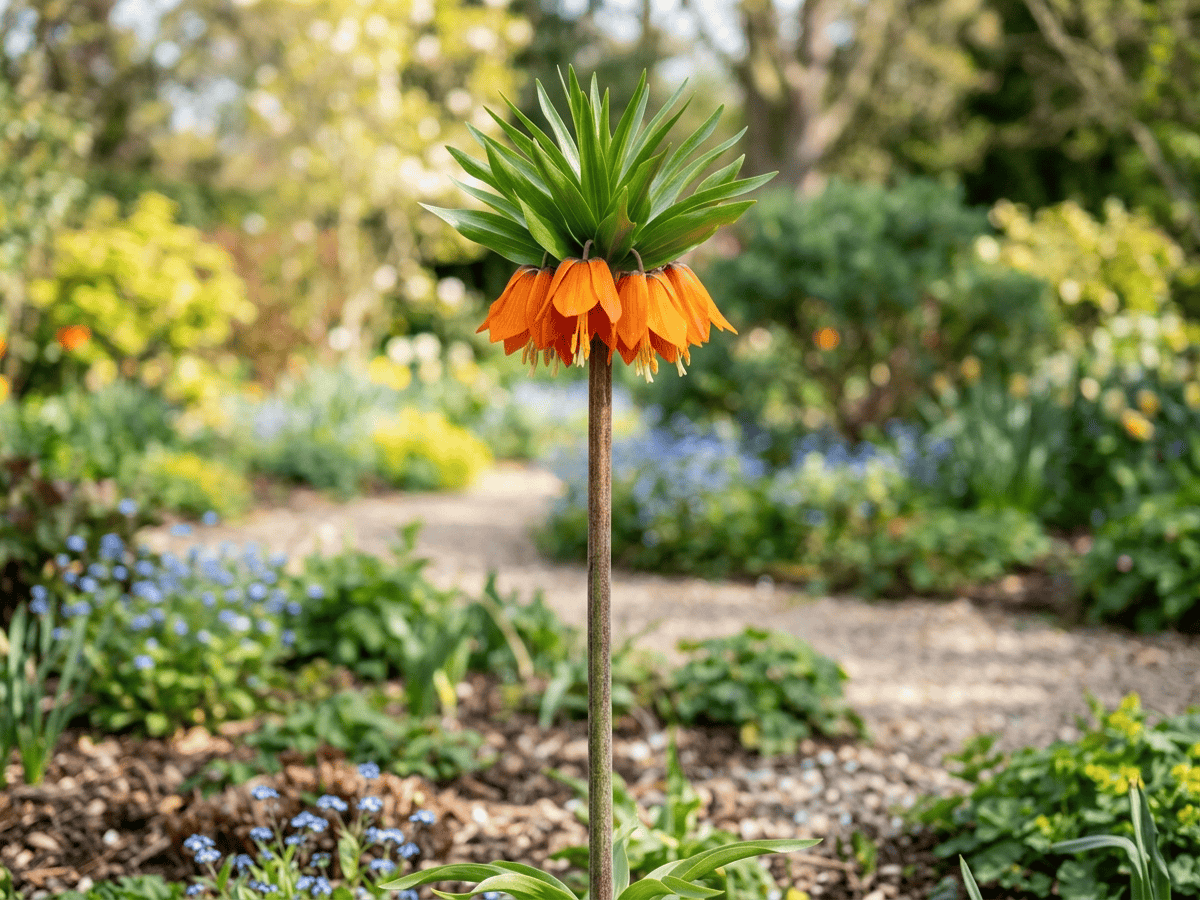
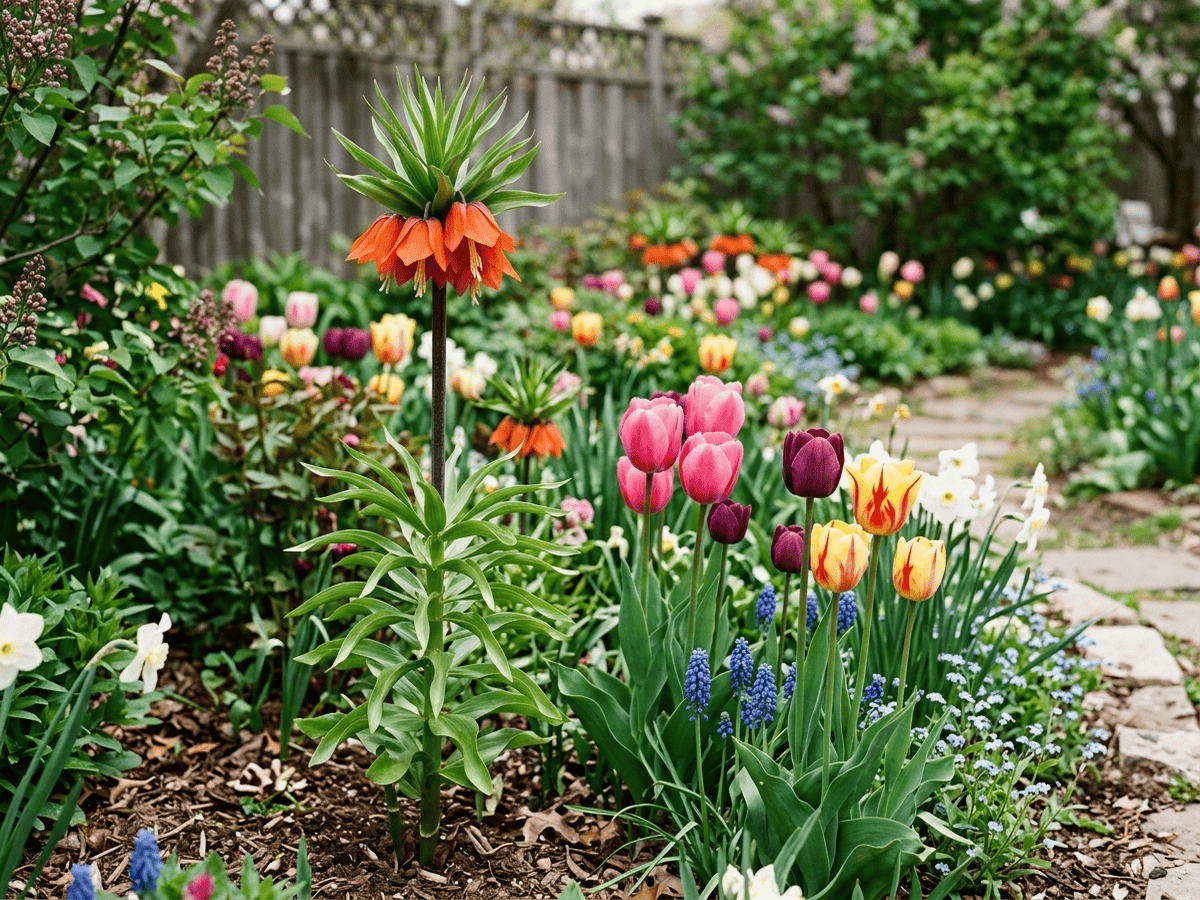
Crown Imperial is a dramatic heirloom Asian and Middle Eastern bulb hardy in USDA zones 5-9, producing a single 3 to 4 foot stalk topped with a circle of pendant bell flowers in orange, red, or yellow crowned by a tuft of pineapple-like leaves each spring. The entire plant emits a pungent skunky odor that repels deer, voles, and squirrels, making it famously pest-proof. A statement bulb in traditional American cottage and formal gardens.
- Deer-resistant
- Architectural
How to care for Crown Imperial
Watering
- Springevery 5 days
- Summerpause watering
- Fallevery 10 days
- Winterevery 14 days
Soil · Well-draining
- Main mixLoam + coarse sand 3:175%
- DrainageGravel25%
Sharp drainage matters most — bulbs rot in wet soil while dormant.
FERTILIZER
Balanced Feed 14-14-14
An even feed covers all three needs at once, keeping leaves, roots and blooms moving together with nothing pushed out of balance.
- Nitrogen · Leaves
- Phosphorus · Roots + Blooms
- Potassium · Strength
- Fallevery 60 days
At a Glance
- NativeWestern Asia, South Asia
- Height3–4 ft (0.9–1.2 m)
- Spread1–1.5 ft (0.3–0.5 m)
- Flower colorOrange, Red, Yellow
- Foliage colorGreen
- SoilLoamy, Well-drained, Rich
- LocationsYard
Bloom time
BLOOM CYCLE
Peak bloom
Mar–May
Crown of pendant bells in mid to late spring
Fragrance
STRONG FRAGRANCE
Whole plant smells strongly foxy or skunk-like, said to repel voles and deer.
Toxicity
Humans Moderate · Pets Moderate
imperialine and cardiac glycosides
Moderate
- Bulb
- All
- Ingestion
EXPOSURE Eating bulbs and any part of the plant.
EFFECT Nausea, vomiting, and cardiac disturbances in quantity.
NOTE Bulbs contain steroidal alkaloids; strong foxy smell and bitter taste usually deter ingestion.
Moderate
- Bulb
- Ingestion
EXPOSURE Eating bulbs.
EFFECT Vomiting, diarrhea, and lethargy.
NOTE Bulbs contain steroidal alkaloids; strong foxy smell and bitter taste usually deter ingestion.
Moderate
- Bulb
- Ingestion
EXPOSURE Eating bulbs.
EFFECT Vomiting, diarrhea, and lethargy.
NOTE Bulbs contain steroidal alkaloids; strong foxy smell and bitter taste usually deter ingestion.
Educational information, not medical or veterinary advice. If exposure is suspected, contact a doctor or veterinarian.
DISTRIBUTION


- Native
- Introduced
- Western Asia
- South Asia
History

Fritillaria imperialis grows wild on rocky slopes and open woodlands from eastern Turkey through Iran, Iraq, Afghanistan, and into the western Himalayas. It was grown in Persian gardens for centuries before the Flemish botanist Carolus Clusius obtained bulbs from Constantinople in 1576, introducing it to European horticulture at the Imperial Garden in Vienna. Its unique appearance — a tall stem topped with a whorl of drooping orange bells crowned by a tuft of upright leaves — made it a sensation in Renaissance and Dutch Golden Age gardens, appearing in many still-life paintings by Bosschaert and van Huysum.
The bulbs emit a strong foxlike odor said to repel voles and deer. Modern cultivars include 'Rubra Maxima' (deep orange), 'Aurora' (red), and 'Lutea' (yellow).
The species is listed as CITES Appendix II. Native to Turkey, Iran, Afghanistan, and the Himalayas, cultivated in Persian gardens for centuries and introduced to Europe in the 1500s. Arrived in American colonial gardens by the 1700s, became a Victorian statement bulb, and remains an heirloom specialty offered by bulb specialists each fall.
Symbolism & meaning
What It Symbolizes
The Crown Imperial earns its meaning of majesty in form alone — a ring of pendulous bells beneath a crown of leaves, lifted high above the spring border. Its pungent fox-like odor, while startling to gardeners, is its other gift: the bulb's strong scent repels rodents from neighboring tulips and lilies. This is the regal guardian of the bulb bed, sovereign and protector at once.
- Majesty — crown-shaped flower cluster above tall stem
- Pest-proof guardian — strong odor repels rodents from nearby bulbs
Where the Name Comes From
'Fritillaria' from Latin 'fritillus' meaning dice-box, for the checkered pattern on related species; 'imperialis' means imperial, for the crown-like flower arrangement.
Uses & Fun Facts
- Tall orange bells crown spring borders with imperial vertical drama
Related plants
More Fritillaria plants
 Snake's-Head FritillaryFritillaria meleagris
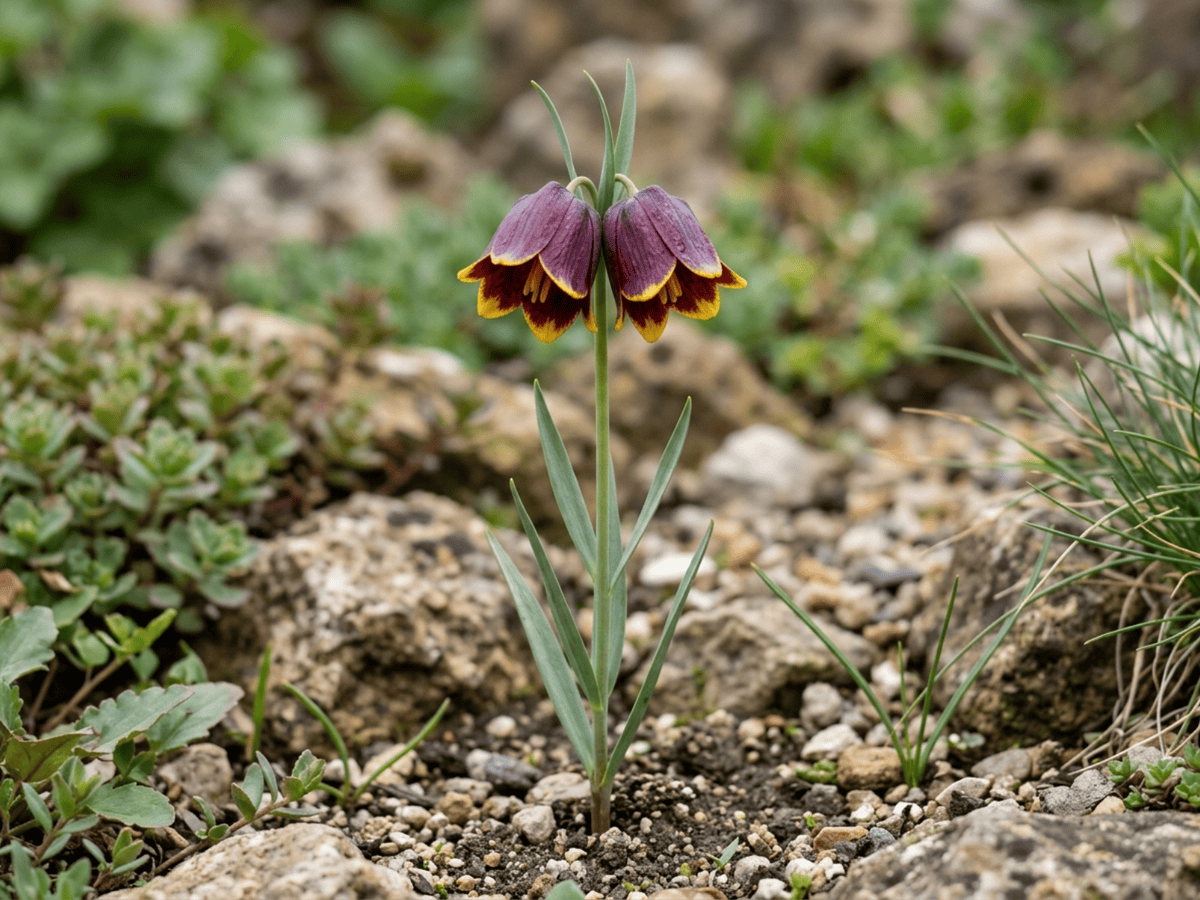 Fritillaria michailovskyiFritillaria michailovskyi
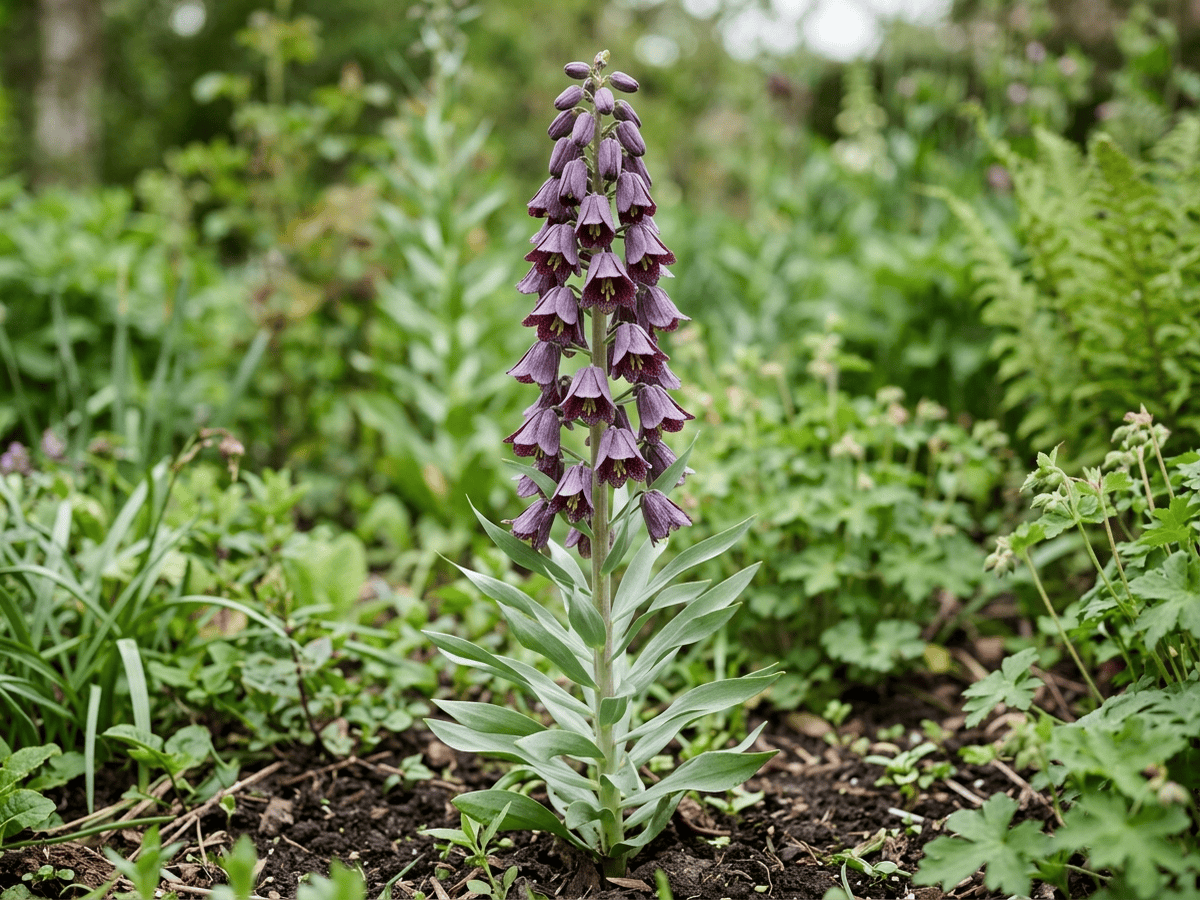 Sand FritillaryFritillaria persica
Plants with similar care
 Mexican AbeliaAbelia floribunda
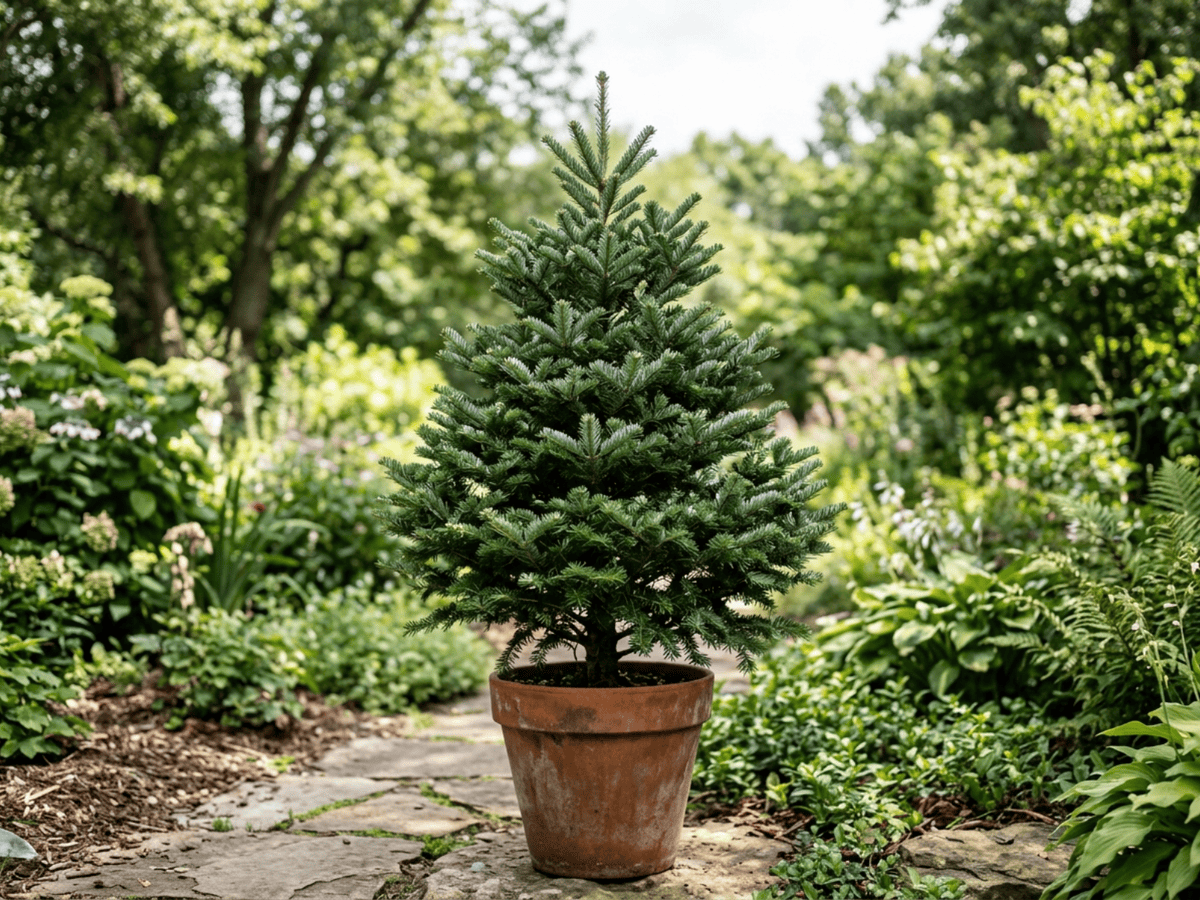 Fraser FirAbies fraseri
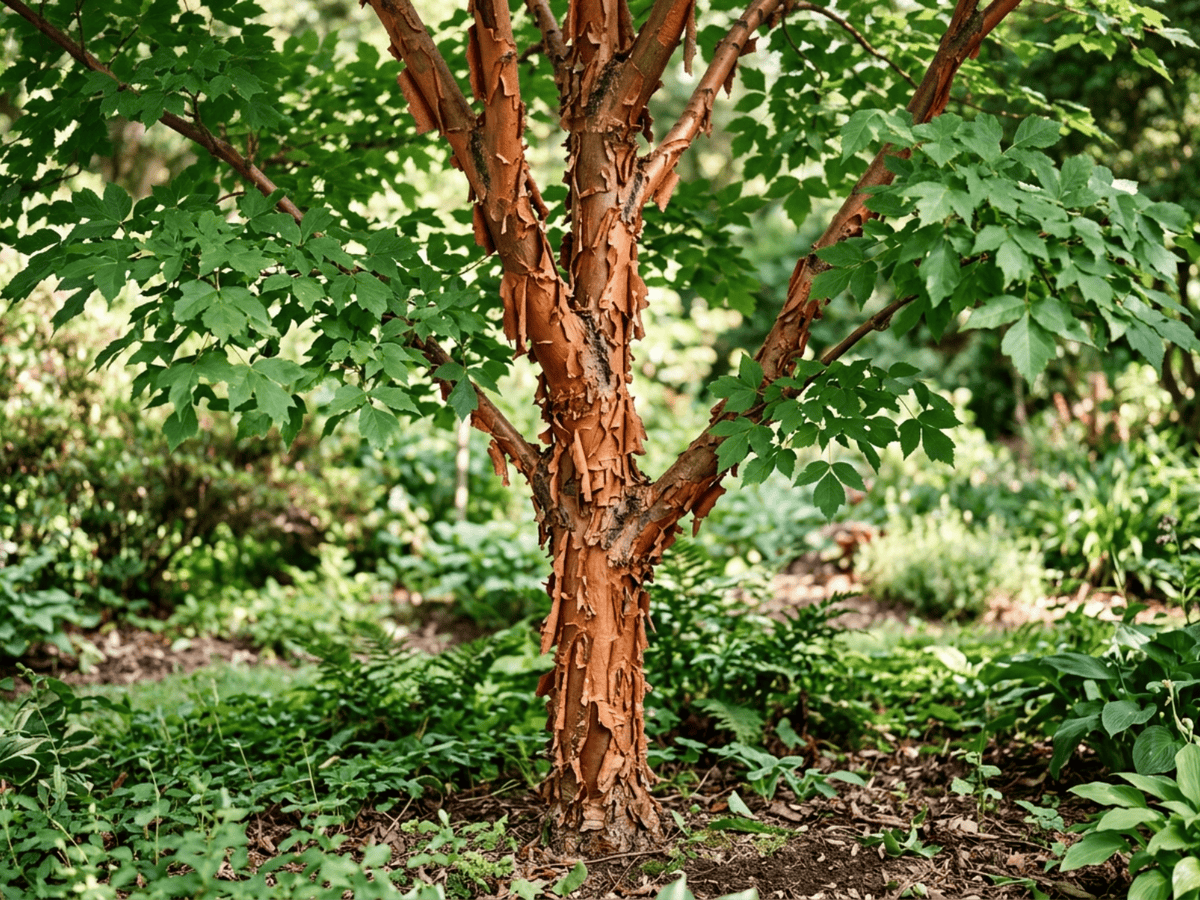 Paperbark MapleAcer griseum
 Sugar MapleAcer saccharum
Frequently asked questions
How often should I water Crown Imperial?
Water about every 5 days during the growing season, and always let excess water drain away.
How much light does Crown Imperial need?
Full sun: 6+ hrs direct. Watch the leaves — scorching or stretching means the light needs adjusting.
Is Crown Imperial toxic to cats or dogs?
Pets Moderate (Dogs Moderate · Cats Moderate) Educational information, not medical or veterinary advice. If exposure is suspected, contact a doctor or veterinarian.
Is Crown Imperial easy to grow?
It is moderately demanding: a good choice once you have a little experience.
When does Crown Imperial bloom?
It typically blooms Mar–May in the Northern Hemisphere.
YardMate
Identify any plant in seconds
Snap a photo — YardMate names the plant, diagnoses problems, and reminds you when to water.
Download on the App Store