 YardMate

Honeysuckle Fuchsia
Fuchsia triphylla
Medium · Some experienceAbout Honeysuckle Fuchsia
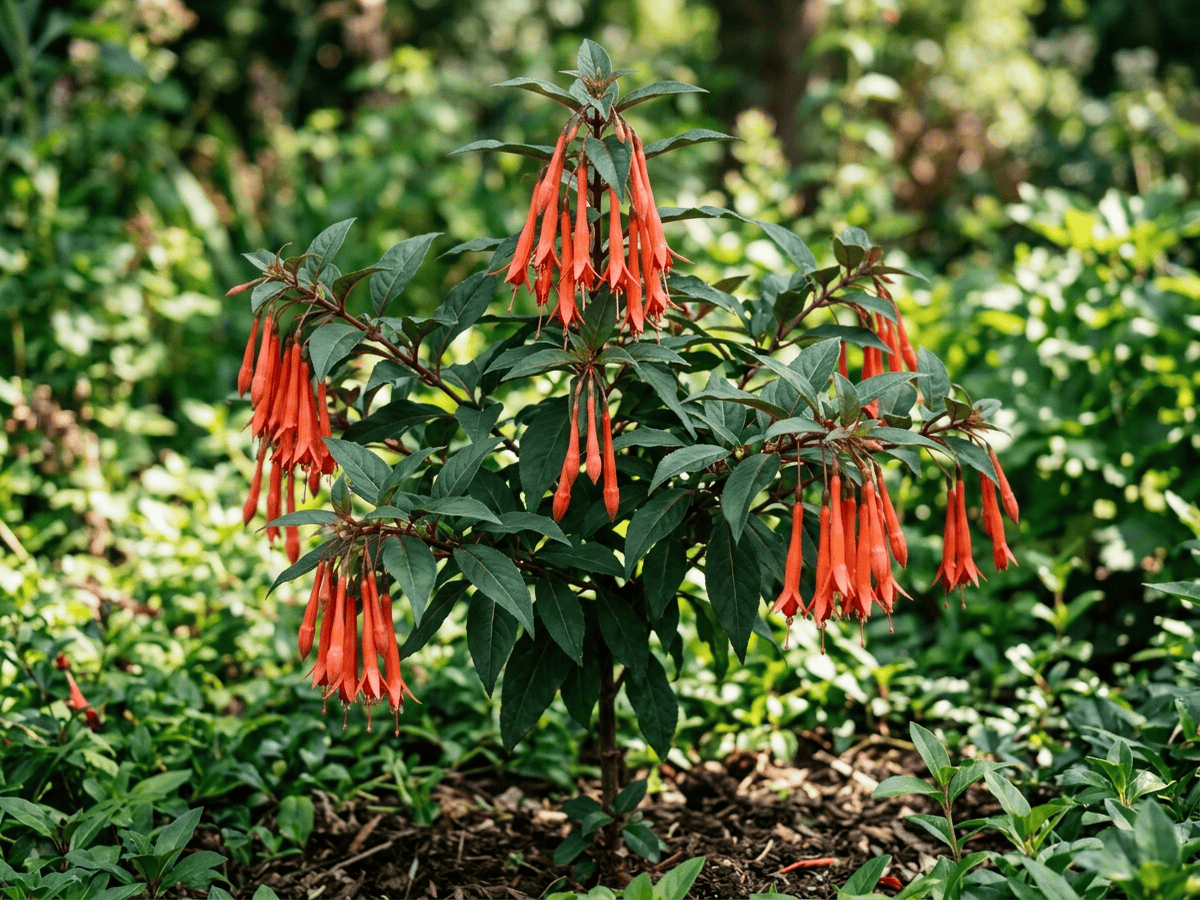
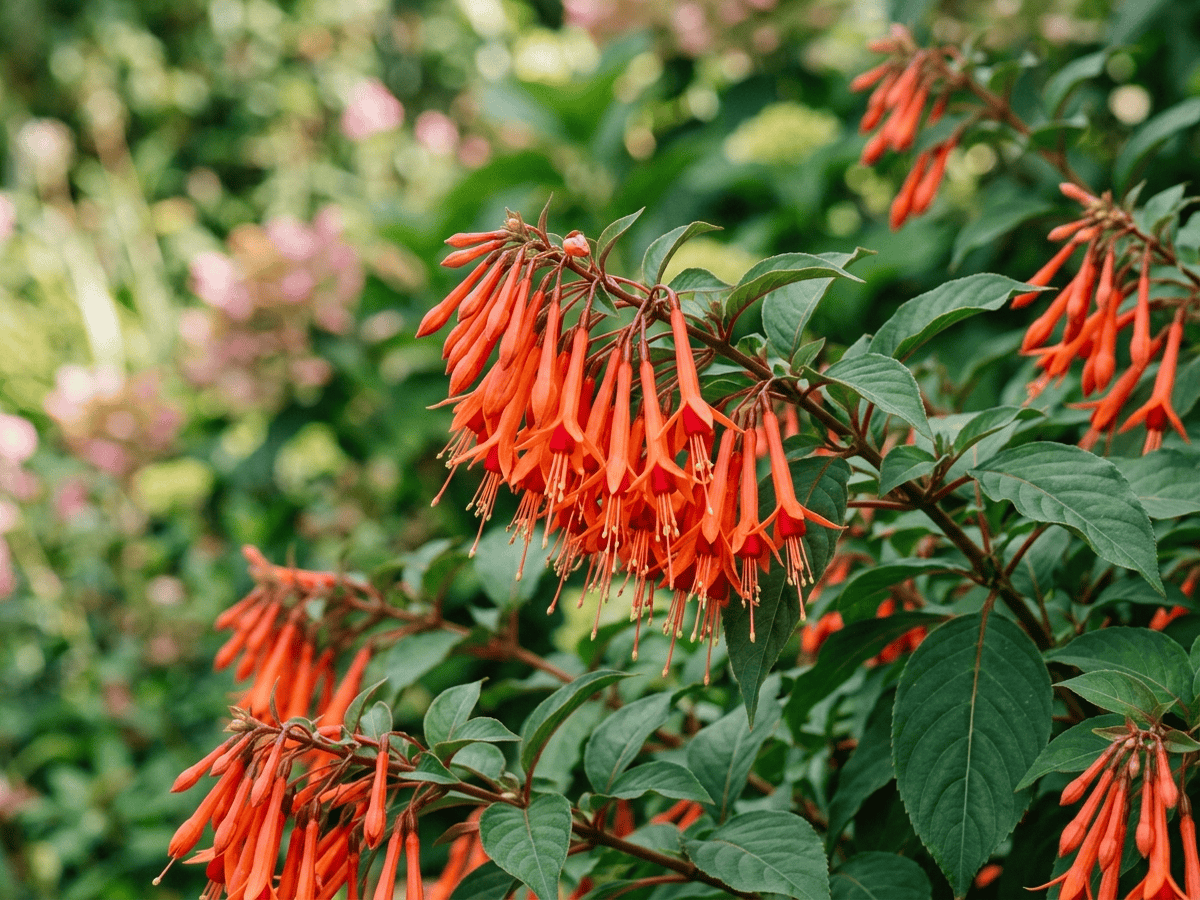
Honeysuckle Fuchsia is a West Indian species native to Haiti and Dominican Republic, distinguished by clusters of long tubular coral-red or orange flowers and reddish bronze foliage. Growing 12 to 36 inches tall with upright habit rather than trailing, it tolerates more heat and sun than typical fuchsias. 'Gartenmeister Bonstedt' is the iconic 1905 cultivar still dominating American summer container displays.
- Heat-tolerant
- Long-blooming
- Pollinator-friendly
How to care for Honeysuckle Fuchsia
Watering
- Springevery 4 days
- Summerevery 3 days
- Fallevery 5 days
- Winterevery 7 days
Soil · Well-draining
- Top dressingPine bark mulch10%
- Main mixPotting soil + perlite 2:170%
- DrainageLECA / gravel20%
Never skip the drainage layer — standing water is the top cause of root rot.
FERTILIZER
Balanced Feed 14-14-14
An even feed covers all three needs at once, keeping leaves, roots and blooms moving together with nothing pushed out of balance.
- Nitrogen · Leaves
- Phosphorus · Roots + Blooms
- Potassium · Strength
- Springevery 21 days
- Summerevery 21 days
- Fallevery 30 days
At a Glance
- NativeCentral America
- Height1–2 ft (0.3–0.6 m)
- Spread1–2 ft (0.3–0.6 m)
- Flower colorOrange, Red, Coral
- Foliage colorGreen, Purple, Bronze
- SoilLoamy, Moisture-retentive, Rich
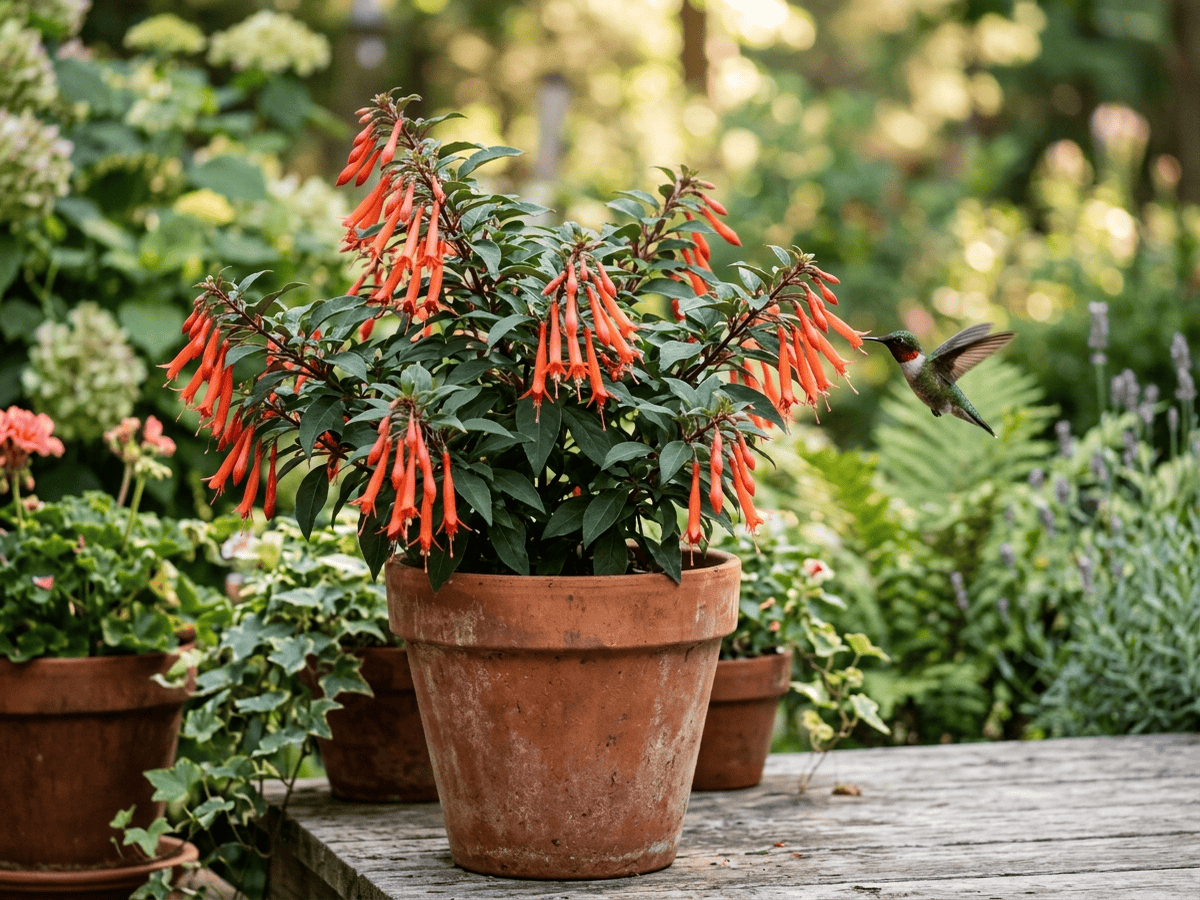
- LocationsBalcony · Yard
Bloom time
BLOOM CYCLE
Peak bloom
Jun–Nov
Tubular coral-red clusters summer through frost
Toxicity
Pets Safe
None reported
Not reported
EXPOSURE No exposure route is reported.
EFFECT No toxic effect is reported.
NOTE No human toxicity is reported in this catalog; avoid eating ornamental plants unless confirmed edible.
Safe
EXPOSURE No exposure route is reported.
EFFECT No toxic effect is reported.
NOTE Listed as non-toxic for dogs; avoid eating ornamental plants unless confirmed edible.
Safe
EXPOSURE No exposure route is reported.
EFFECT No toxic effect is reported.
NOTE Listed as non-toxic for cats; avoid eating ornamental plants unless confirmed edible.
Educational information, not medical or veterinary advice. If exposure is suspected, contact a doctor or veterinarian.
DISTRIBUTION


- Native
- Central America
History
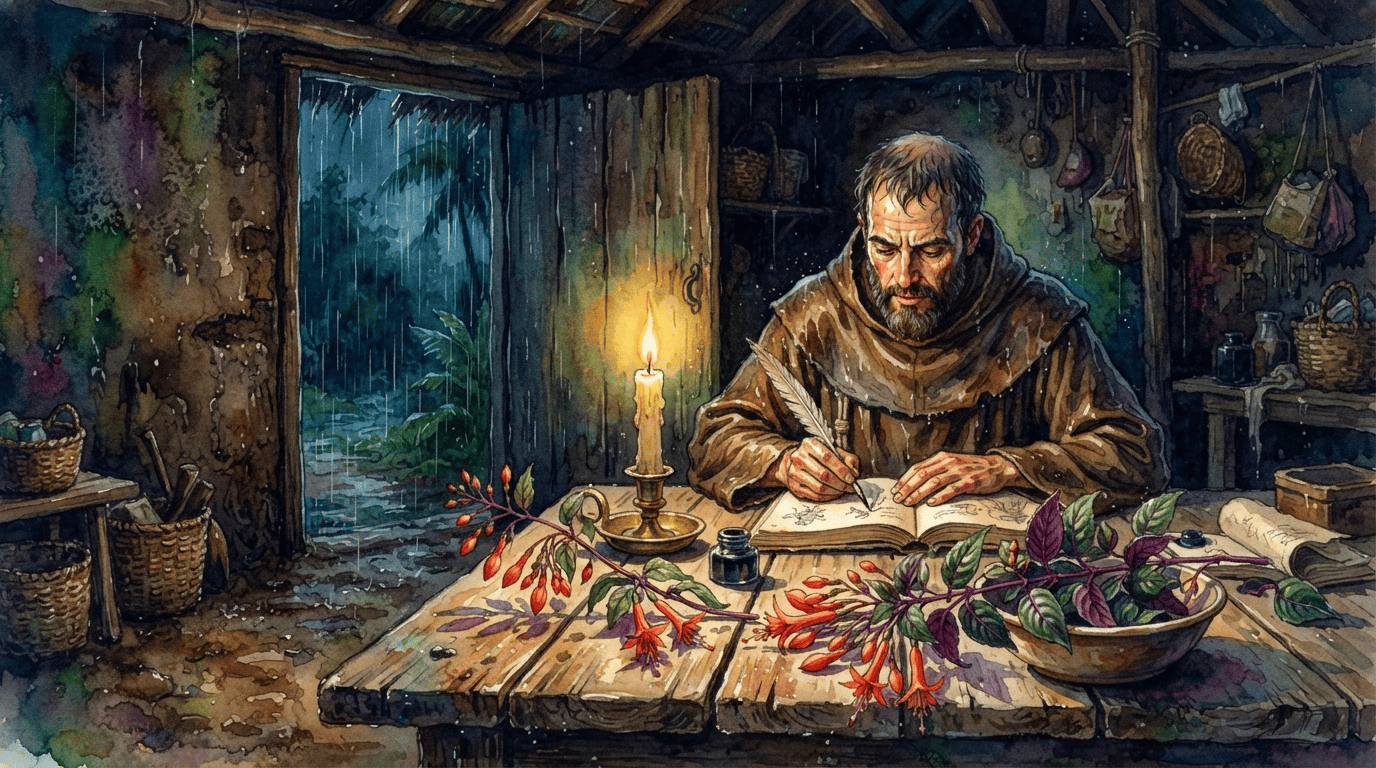
Fuchsia triphylla, the honeysuckle fuchsia, is a tropical shrub native to Hispaniola in the Caribbean. French Franciscan botanist Charles Plumier collected the species in 1696 or 1697 and formally described it in his Nova Plantarum Americanarum Genera of 1703, making it the first fuchsia known to science and the namesake of the entire genus honoring German Renaissance botanist Leonhart Fuchs. The plant produces clusters of elongated slim tubular orange-red flowers at branch tips above deep green leaves with dark purple undersides.
German breeder Carl Bonstedt crossed F. triphylla with other species in the early 1900s to create the Triphylla Group including Gartenmeister Bonstedt and Thalia, which remain premier heat-tolerant hummingbird fuchsias. It tolerates heat better than most fuchsias, thriving in southern US gardens where magellanica hybrids struggle.
Discovered in Haiti in 1696, the first fuchsia introduced to European cultivation and the type species of the genus. The 1905 'Gartenmeister Bonstedt' cultivar became an American heat-tolerant container classic, still one of the best fuchsias for summer in continental American climates.
Symbolism & meaning
What It Symbolizes
Honeysuckle Fuchsia bears tropical ardor on its shoulders — flaming coral tubular flowers that thrive in the heat where most fuchsias sulk. As the very first fuchsia ever encountered by Europeans, collected on Hispaniola by Father Plumier in 1696, it carries Caribbean roots and the romance of botanical discovery. It is the fuchsia that brought the genus its name and its ardor to every tropical garden since.
- Tropical ardor — flaming coral flowers in heat
- Caribbean roots — first fuchsia discovered by Europeans
Where the Name Comes From
The name Honeysuckle Fuchsia describes its tubular, nectar-rich flowers. 'triphylla' from Greek meaning three-leaved, for the whorled leaf arrangement of three leaves per node.
Uses & Fun Facts
- Heat-tolerant patio focal plant for sunny summer pots
- Coral tubular clusters draw hummingbirds repeatedly all season
- Bronze-tinted foliage and orange flowers for tropical bedding
Related plants
More Fuchsia plants
Plants with similar care
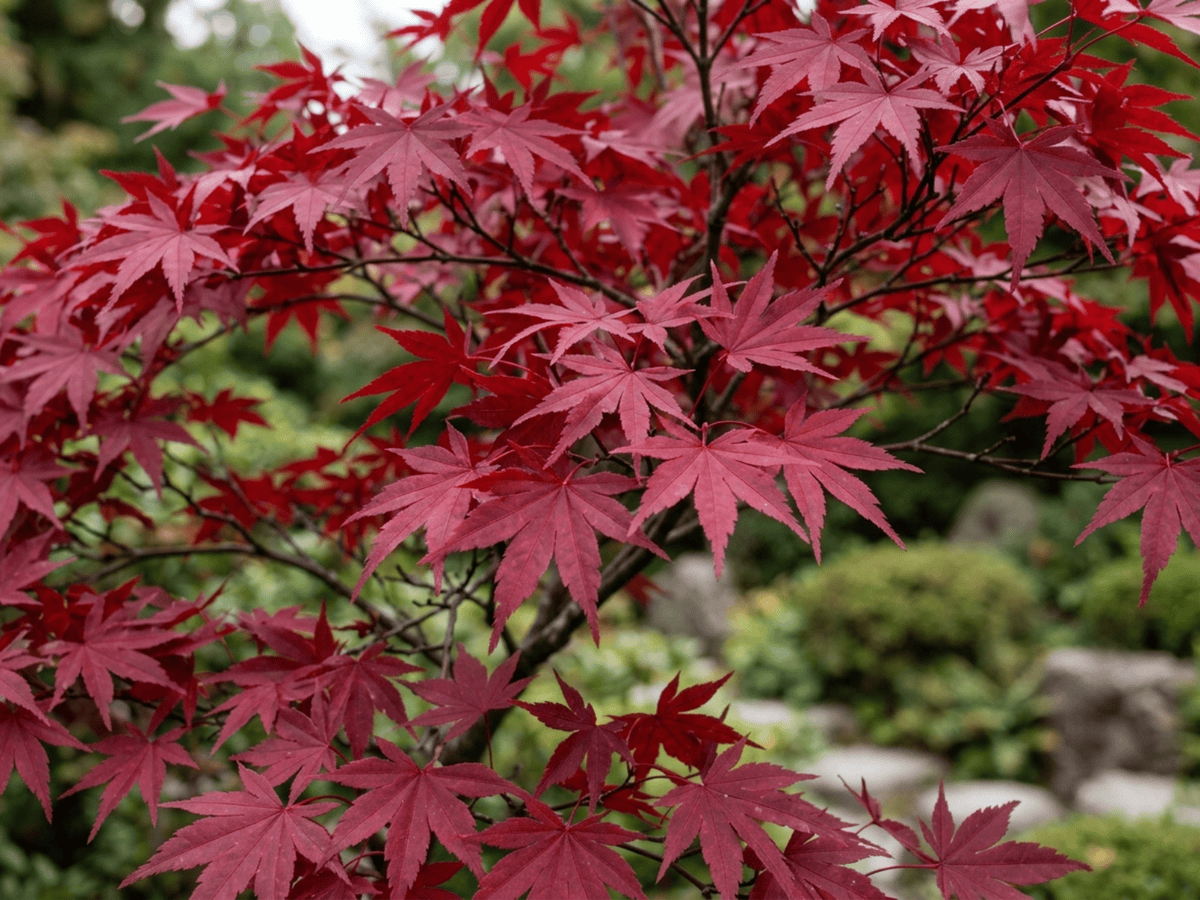 Japanese MapleAcer palmatum
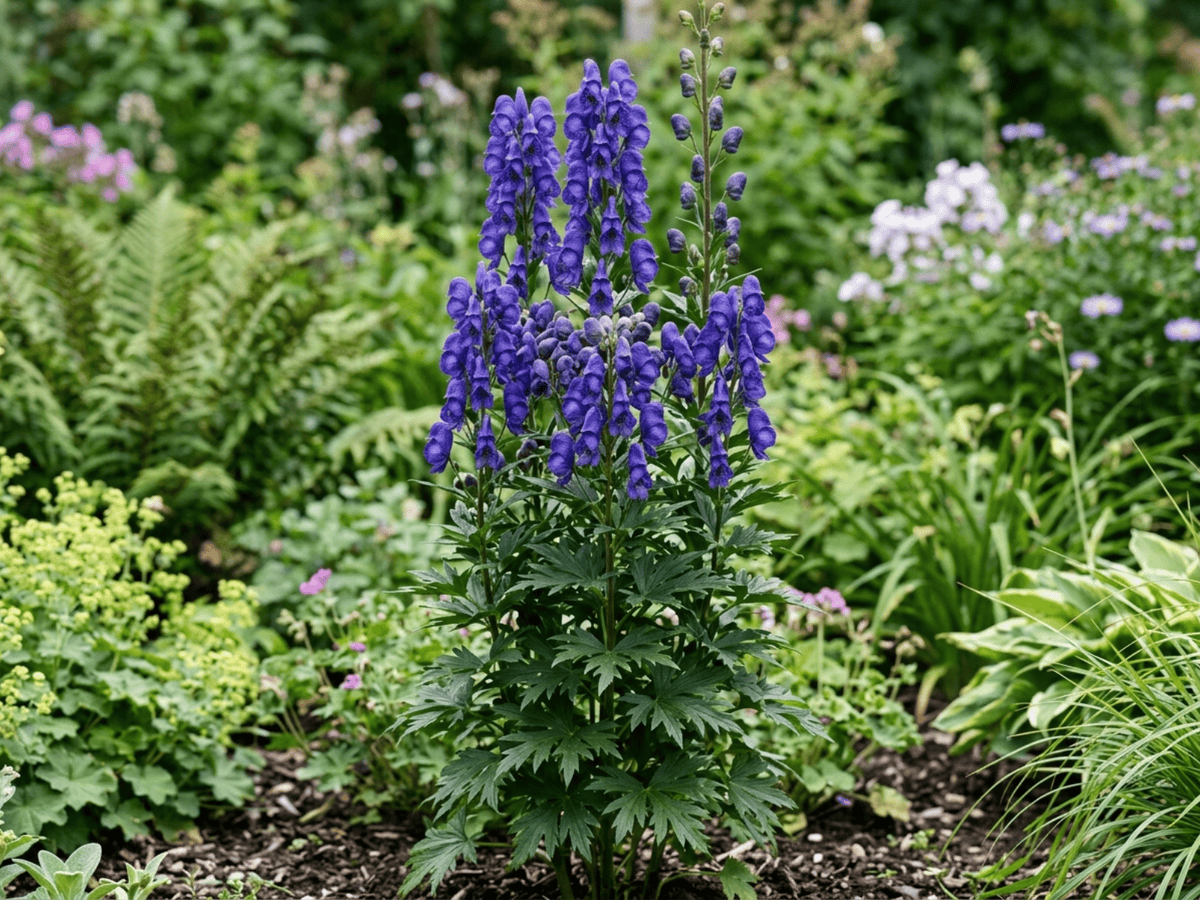 Azure MonkshoodAconitum carmichaelii
 Florida HobblebushAgarista populifolia
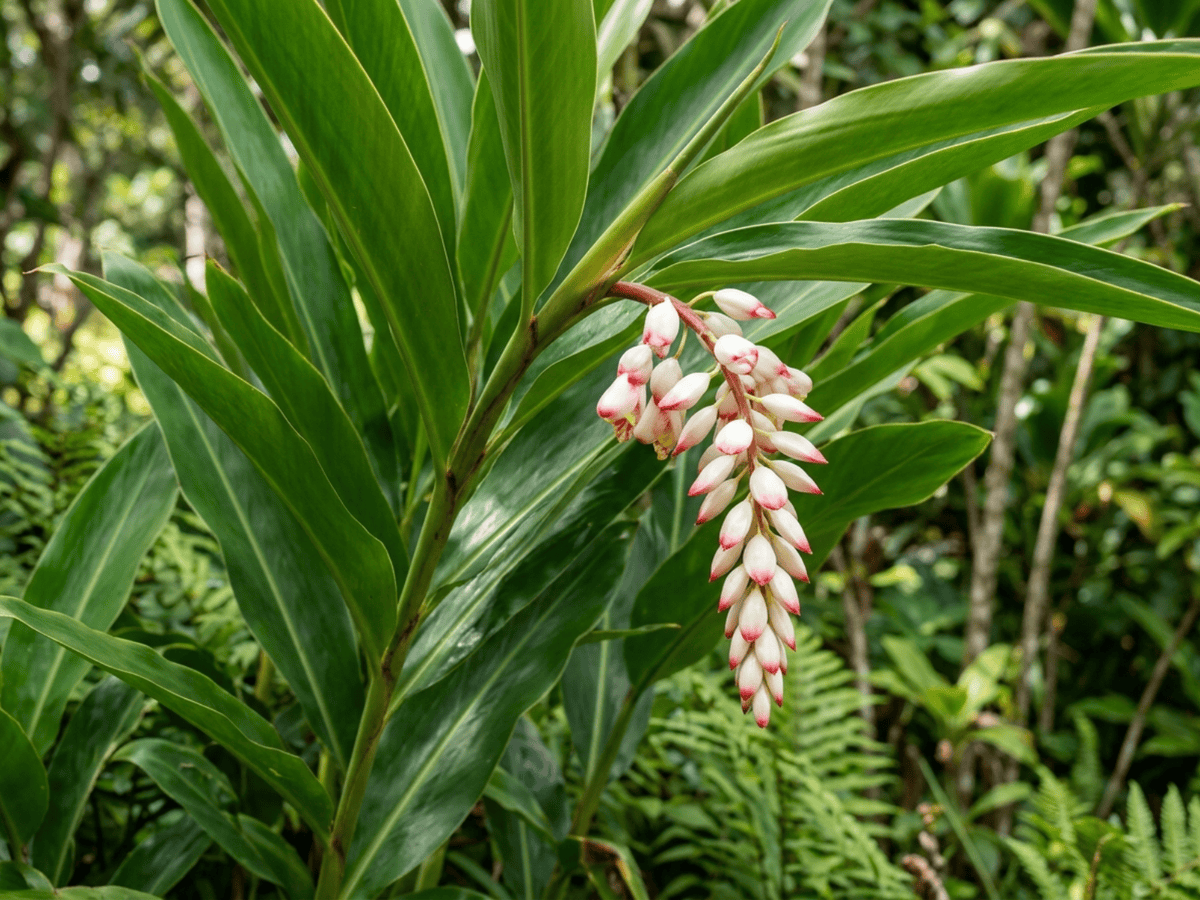 Shell GingerAlpinia zerumbet
Frequently asked questions
How often should I water Honeysuckle Fuchsia?
In summer, water about every 3 days; in winter, about every 7 days. Adjust for heat, pot size and drainage.
How much light does Honeysuckle Fuchsia need?
Part shade: 2–4 hrs direct. Watch the leaves — scorching or stretching means the light needs adjusting.
Is Honeysuckle Fuchsia toxic to cats or dogs?
Pets Safe (Dogs Safe · Cats Safe) Educational information, not medical or veterinary advice. If exposure is suspected, contact a doctor or veterinarian.
Is Honeysuckle Fuchsia easy to grow?
It is moderately demanding: a good choice once you have a little experience.
When does Honeysuckle Fuchsia bloom?
It typically blooms Jun–Nov in the Northern Hemisphere.
YardMate
Identify any plant in seconds
Snap a photo — YardMate names the plant, diagnoses problems, and reminds you when to water.
Download on the App Store